The COMESA Competition Commission has launched an investigation into Airtel Mobile Commerce BV and MTN Group for allegedly misleading customers about transaction fees and failing to disclose foreign currency exchange rates for cross-border transfers in multiple markets.
The COMESA Competition Commission says it has evidence that Airtel and MTN failed to disclose foreign currency exchange rates for cross-border transfers, potentially leaving customers out of pocket.
The commission alleges that Airtel’s mobile money services in Uganda, Kenya, and Malawi did not provide customers with the full cost of transactions, including forex charges, before confirming payments.
In some cases, the exchange rate displayed to users differed from the rate applied to transactions, the commission says.
MTN Mobile Money Uganda Limited is also accused of displaying different amounts to senders and recipients in international money transfers.
The commission’s investigation will determine whether Airtel and MTN breached regional anti-trust laws. If found guilty, the two companies could face fines or other penalties.
The investigation is a significant development in the rapidly growing mobile money sector in Uganda, where millions of people rely on the services to send and receive money.
The COMESA Competition Commission is responsible for promoting competition and protecting consumers in the 21-member Common Market for Eastern and Southern Africa (COMESA) region.
Airtel, MTN Uganda under investigation over ‘hidden’ mobile money charges
Govt Launches First Scheduled Roll-On/Roll-Off Freight Vessel
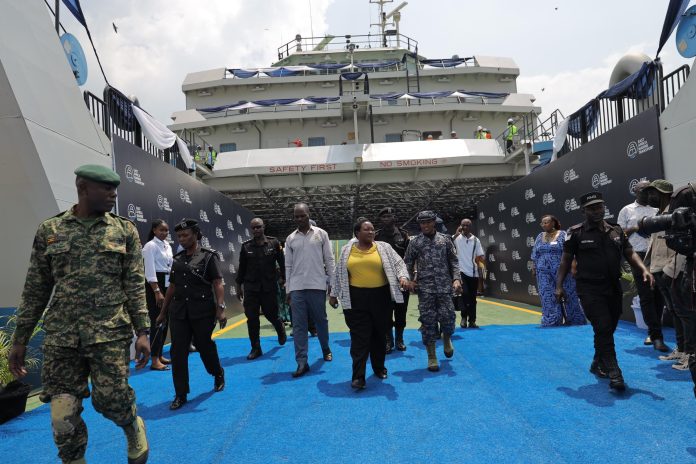
East Africa Marine Transport (EAMT) has taken a major step toward creating a more sustainable and efficient logistics solution for Lake Victoria with the commissioning of MV MPUNGU, the lake’s first scheduled roll-on/roll-off (RoRo) freight vessel.
Offering faster and safer crossings with reduced carbon emissions, the fuel-efficient vessel is set to revolutionize regional trade by cutting journey times from several days to mere hours. It will also play a significant role in the decarbonization of the region’s transport sector.
Owned by East Africa Marine Transport (EAMT) and operated by Grindrod Logistics Africa – Uganda (GLAU), a leading provider of sustainable maritime logistics in the region, MV MPUNGU provides a greener, safer alternative to the congested road freight system. This breakthrough will benefit businesses across Uganda, Tanzania, and beyond.
The vessel was constructed at a purpose-built facility in Uganda and recently secured accreditation from FAST-Infra, an industry-led labelling system that recognizes and measures sustainable infrastructure assets worldwide.
Robinah Nabbanja, Prime Minister of Uganda, spoke on behalf of President Yoweri Museveni called the vessel a milestone for East Africa, highlighting its potential to advance trade and environmental goals while strengthening regional ties.
MV MPUNGU reduces transport times across Lake Victoria to just 18 hours, compared to the current three-to-four-day journey by road. With the capacity to carry up to 21 fully loaded freight vehicles equivalent to up to 1,000 tonnes of freight per crossing, it provides a cost-effective, efficient, and low-emission alternative for regional logistics. By alleviating road congestion, the vessel also reduces fuel costs and mitigates risks such as theft and driver fatigue.
The approximately USD 20 million project was made possible with funding from the Private Infrastructure Development Group (PIDG) through its project development specialist, InfraCo, and regional logistics leader Grindrod Limited. PIDG has committed over USD 41 billion to develop and deliver infrastructure projects since its inception.
Speaking on behalf of EAMT, Rodney Seema, PIDG Regional Asset Management Lead for InfraCo, said, “This vessel represents a collaborative achievement that redefines the logistics landscape for East Africa. With MV MPUNGU, we’re not just offering faster, greener transport options; we’re creating opportunities for regional trade to thrive. On behalf of EAMT, I want to extend my heartfelt thanks to the investors, shipbuilders, partners, and local communities who contributed to the success of this project.”
Built to international standards by SECO Marine (U) Ltd, an Alpha Group company, at its purpose-built shipyard in Entebbe, Uganda, MV MPUNGU has also benefitted from the expertise of Danish company OSK Design and Indian firm S&O Maritime, along with grant funding from the European Union Africa Infrastructure Trust Fund (EU-AITF). The successful collaboration between regional and international partners enabled the vessel to enter commercial operation just 29 months after the keel was laid.
The 96-meter-long vessel undertakes a minimum of two scheduled crossings per week between Port Bell, Uganda, and the port of Mwanza, Tanzania. EAMT plans to expand its operations with additional sailings and future routes, including potential connections to Kenya. Discussions are also underway regarding the use of alternative fuels to further reduce emissions.
Currently, existing road infrastructure poses a major barrier to trade expansion in sub-Saharan Africa. Cross-border routes are often disrupted, and transporting goods solely by road is prohibitively expensive for regional traders and producers. MV MPUNGU’s reduced journey times not only prevent spoilage of fresh produce but also boost trade and support the achievement of sustainable development goals related to infrastructure upgrades.
The potential to transform Lake Victoria into a key trade route has been acknowledged by the Heads of State of the East African Community (EAC) and the Common Market for Eastern and Southern Africa (COMESA), who have committed to adopting an integrated approach to diversifying trade routes.
EAMT contributes to the objectives of the Africa Continental Free Trade Area (AfCFTA), unlocking new economic opportunities. Estimates suggest that full implementation of the AfCFTA will require significant investment in marine transport infrastructure, including the addition of 100 more vessels.
Registered under the Ugandan flag, MV MPUNGU boasts modern sleeping quarters and dining areas for drivers, allowing them to rest and recharge during the crossing. Classed by Bureau Veritas, MV MPUNGU operates in compliance with International Maritime Organization (IMO) standards for Safety of Life at Sea (SOLAS), security of shipping, and the International Convention for the Prevention of Pollution from Ships (MARPOL).
EAMT has also trained a cohort of 30 mariners, 30% of whom are women, to work aboard MV MPUNGU and other vessels in the region. Four individuals are continuing their training at the Dar es Salaam Maritime Institute to become officers.
WHO allocates Shs 3.7 billion to combat Sudan Virus Disease outbreak
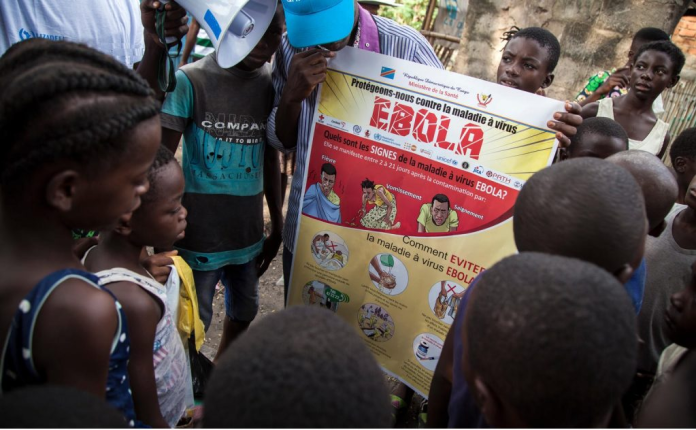
The World Health Organization (WHO) and its partners have ramped up their support for the Ugandan government’s response to the ongoing Sudan virus disease (SVD) outbreak, which is part of the Ebola virus family. This support includes facilitating access to candidate vaccines and treatments.
The first 2,160 doses of the vaccine candidate and related treatments have already arrived in Kampala, Uganda, having been prepositioned as part of outbreak preparedness efforts.
The vaccine trial process is underway, which includes the orientation of research teams on trial procedures and logistics. Research teams have been deployed to the field to work alongside surveillance teams while awaiting necessary approvals.
Both the vaccine candidate and the treatments (which include a monoclonal antibody and an antiviral) are being provided under clinical trial protocols, aimed at documenting their efficacy and safety.
As of January 30, there has been one confirmed case and 45 contacts are being monitored.
Uganda has experienced five previous SVD outbreaks, with the most recent one declared in September 2022 and ending in January 2023. That outbreak resulted in 164 cases and 77 deaths. During that period, a WHO committee of external experts evaluated candidate vaccines and recommended their use in clinical trials against the SVD virus.
WHO is collaborating with Uganda’s Ministry of Health, designated Ugandan Principal Investigators, and teams from Makerere University Lung Institute and the Ugandan Virus Research Institute, as well as global filovirus experts, to initiate the trials. The trials have been designed as part of a global collaborative effort coordinated by WHO, involving developers, academic institutions, regulatory authorities, and researchers from countries at risk of filovirus outbreaks.
The aim of the vaccine trial is to assess the efficacy of a candidate vaccine, which could help end the current outbreak and protect populations at risk in the future. Those most at risk, such as close contacts of confirmed cases, are eligible to participate. The study will employ a “ring vaccination” strategy, with mobile teams rapidly reaching affected areas.
WHO is working with Makerere University Lung Institute and the Ugandan Virus Research Institute to lead the trial’s implementation.
The development of the research protocols has been driven by the MARVAC Consortium and the Collaborative Open Research Consortium (CORC) for the Filoviridae Family, with contributions from developers such as IAVI (which provided the Sudan virus vaccine) and Gilead (which provided the antiviral remdesivir). Other organizations supporting the trial include the Coalition for Epidemic Preparedness Innovations (CEPI), the Africa Centres for Disease Control and Prevention, Canada’s International Development Research Centre, the European Commission’s Health Emergency Preparedness and Response Authority (HERA), and WHO. This rapid action represents a concerted international effort to address dangerous pathogens through research, innovation, and countermeasures.
While Sudan virus disease outbreaks can be controlled without vaccines, control is achieved more quickly with safe and effective vaccines. In the meantime, Uganda has launched a comprehensive outbreak response to halt transmission, trace contacts, conduct epidemiological investigations, and increase community awareness.
WHO has allocated US$ 1 million (Shs 3.7 billion) from its Contingency Fund for Emergencies to accelerate outbreak control efforts.
Sudan virus disease is a severe, often fatal illness caused by the Sudan virus (Orthoebolavirus sudanense), which is in the same virus genus as Ebola. The case fatality rate in past outbreaks has ranged from 41% to 100%. Although there are no approved vaccines or treatments for Sudan virus, early supportive treatment has been shown to significantly reduce deaths.
Judicial Service Commission Dismisses Deputy Registrar and Chief Magistrate for Abuse of Office
The Judicial Service Commission (JSC) has dismissed two judicial officers for misconduct and abuse of office. The dismissed officers are Her Worship Cissy Mudhasi Kawuma, Deputy Registrar, and Her Worship Ruth Nabaasa, Chief Magistrate.
Sources revealed that during meetings held on January 9 and February 2, 2025, the JSC concluded disciplinary proceedings against both Kawuma and Nabaasa. In line with its mandate under Article 148 of the Constitution, the Commission dismissed both officers from the Judiciary Service with immediate effect.
According to Maria Nabulya, Acting Senior Communication Officer at the JSC, Kawuma was found guilty of abusing her judicial authority.
She ordered the attachment of bank accounts belonging to Makerere University, the Uganda Nurses and Midwives Council, and a private individual, without following proper legal procedures.
“Her actions were deemed judicial misconduct as they violated the Uganda Judicial Code of Conduct and the Judicial Service Commission Regulations. Additionally, she defied the Chief Justice’s instructions and proceeded with execution proceedings during a suspension period intended to curb the spread of Covid-19.” Nabulya explained.
On the other hand, Ruth Nabaasa, Chief Magistrate, was also found guilty of abusing her judicial authority and violating the Uganda Judicial Code of Conduct. She disregarded a High Court Judge’s directive to determine the value of disputed properties to assess whether the matter was within her jurisdiction.
“It was determined that she entertained a case outside her jurisdiction, contrary to the High Court’s order, leading to a loss for the complainant,” Nabulya stated.
The Judicial Service Commission emphasized that it remains committed to upholding the rule of law and maintaining the highest standards of judicial accountability.
Over 110 nominated for 2025 Ikon Awards
The Ikon Awards has unveiled this year’s nominees during a special live broadcast hosted by media personality Ethan Kavuma and renowned actress Catherine Namugenyi.
The announcement spotlighted outstanding talent across 22 categories, including: Best Film, Best Director, Best Actress in a Leading Role, Best Actor in a Leading Role, Best Actor in a Supporting Role, Best Actress in a Supporting Role, Best Director of Photography, Best Screenplay, Best Sound, Best Editor, Best Costume Design, Best Makeup and Special Effects, Best Production Design, Best Visual Effects, Best Short Film, Best Documentary, Best Animation Film, Best TV Series, Best Actor in a TV Series, Best Actress in a TV Series, Best Student Film, and the Ikon Rising Star.
In addition, the Ikon Executive Committee revealed four prestigious awards: the Best Emerging Film Award, recognizing promising new cinematic work; the Lifetime Achievement Award, honoring an individual’s enduring contributions to the film industry; the African Ikon of the Year, celebrating an influential figure in African cinema; and the African Rising Star Award, highlighting an emerging talent making waves on the continent.
A key highlight of this year’s awards is the expansion of the nominee slots in each of the 22 competitive categories from four to five, offering greater recognition for exceptional talent.
“What makes this year’s Ikon Awards special is the expansion of the nominee slots, creating more room to celebrate outstanding work. This time, we are stronger than ever in championing inclusivity and celebrating diverse voices in the film and television industry,” said Usama Mukwaya, Ikon Awards Producer.
Humphrey Nabimanya, CEO of the Ikon Awards, emphasized that these awards, like others in the film industry, serve the same purpose: uplifting the industry, supporting filmmakers, and attracting investment by marketing films to elevate the industry.
“Our industry is growing, and with that growth, we need more key players to come on board to take it to greater heights. That’s why we’ve introduced special categories to open doors for the film industry,” he said.
He also mentioned that the Icon Awards embrace all types of films because, at the end of the day, we must appreciate the effort Ugandans put into creating content. Whether the quality is high or low, it remains a Ugandan product, and it is the role of the Icon Awards to uplift these filmmakers and help them improve the content they produce.
Looking ahead, he shared that the Ikon Awards will continue to commission content and support filmmakers in producing higher-quality films.
“We received over 300 submissions, and after careful selection, the jury has done an incredible job. Now, let’s wait and see what happens on March 29 at Serena Hotel,” he said.
“Since the first edition of the Ikon Awards, we’ve been sending young filmmakers to Nigeria for masterclasses in the Nollywood industry. Some of them have worked on major sets, and their films are now available on platforms like Amazon Prime and Netflix. We’ve been doing this consistently for the past three years, and we will continue with this effort this year,” he added.
WHO accelerates efforts to support response to Sudan virus disease outbreak in Uganda
Following the confirmation of an outbreak of Sudan virus disease which belongs to the same family as Ebola virus disease in Uganda today, World Health Organization (WHO) is mobilizing efforts to support the national health authorities to swiftly contain and end the outbreak.
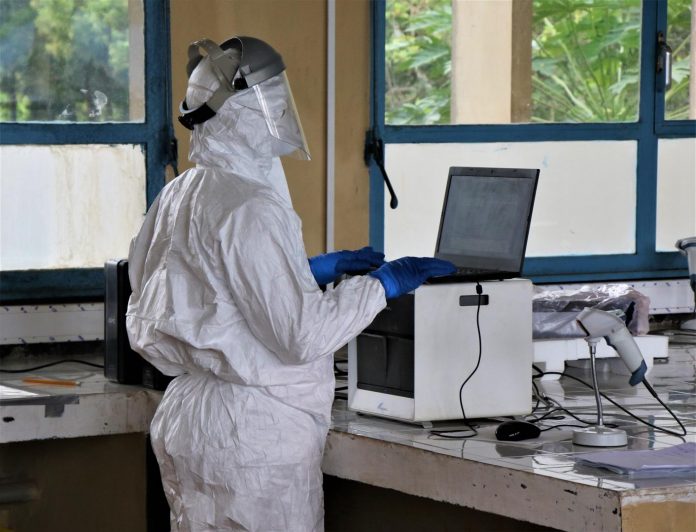
WHO is deploying senior public health experts and mobilizing staff from the country office to support all the key outbreak response measures. In addition, the Organization has allocated US$ 1 million from its Contingency Fund for Emergencies to help accelerate early action, and is readying medical supplies, including personal protective equipment to deliver to Uganda from its Emergency Response Hub in Nairobi.
While there are no licensed vaccines for the Sudan virus disease, WHO is coordinating with developers to deploy candidate vaccines as an addition to the other public health measures. The vaccines will be deployed once all administrative and regulatory approvals are obtained.
So far one confirmed case a nurse from Mulago National Referral Hospital in the capital Kampala has been reported. No other health workers or patients have shown symptoms of the disease. A total of 45 contacts, including health workers and family members of the confirmed case (deceased) have been identified and are currently under close monitoring. The identification of the case in a densely populated urban requires rapid and intense response.
“We welcome the prompt declaration of this outbreak, and as a comprehensive response is being established, we are supporting the government and partners to scale up measures to quicky identify cases, isolate and provide care, curb the spread of the virus and protect the population,” said Dr Matshidiso Moeti, WHO Regional Director for Africa. “Uganda’s robust expertise in responding to public health emergencies will be crucial in ending this outbreak effectively.”
There have been eight previous outbreaks of the Sudan virus disease, with five occurring in Uganda and three in Sudan. Uganda last reported an outbreak of Sudan virus disease in 2022.
“Banking on the existing expertise, we are accelerating all efforts, including expertise, resources and tools to save lives and bring the outbreak to a halt swiftly,” said Dr Kasonde Mwinga, WHO Representative in Uganda.
Sudan virus disease is a severe, often fatal illness affecting humans and other primates that is due to Orthoebolavirus sudanense (Sudan virus), a viral species belonging to the same genus of the virus causing Ebola virus disease. Case fatality rates of Sudan virus disease have varied from 41% to 100% in past outbreaks. There are no approved treatments or vaccines for Sudan virus. Early initiation of supportive treatment has been shown to significantly reduce deaths from Sudan virus disease.
Uganda Baati and Crestanks Limited discuss strategic partnership for rainwater harvesting
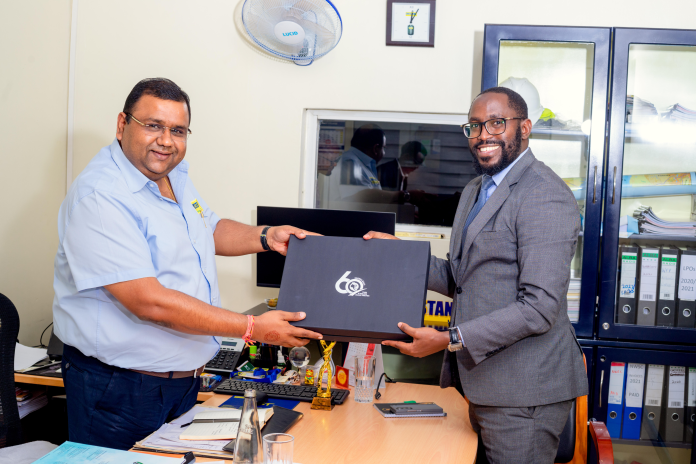
In a bid to strengthen stakeholder relations and promote sustainable water solutions, Uganda Baati Limited today held a strategic meeting with Mr. Ajay Jain, General Manager of Crestanks Limited, at the company’s head offices. The discussions focused on forming a strategic partnership aimed at raising awareness and providing complete rainwater harvesting solutions to benefit communities across Uganda.
Crestanks Limited, a member of the Aquasantec Group, is a leading manufacturer of safe water tanks and storage solutions. As a provider of innovative building solutions, Uganda Baati recognizes the critical need to partner with companies like Crestanks Limited to create impactful community initiatives.
Mr. Ian Rumanyika, Head of External and Corporate Affairs at Uganda Baati, emphasized the importance of the collaboration, stating: “It is critical for Uganda Baati to partner with Crestanks Limited to encourage Ugandans to adopt a culture of rainwater harvesting for homes, schools, and other institutions. The lack of proper rainwater collection systems is not only an environmental concern but also a financial burden, especially for institutions that rely on water donations while overlooking the potential of harvesting water from their rooftops.”
Through this collaboration, Uganda Baati and Crestanks Limited aim to offer a comprehensive rainwater harvesting solution where clients purchasing roofing sheets from Uganda Baati can easily access water storage systems from Crestanks, ensuring a complete rainwater harvesting solution.
“By working together, we can ensure that Ugandans receive comprehensive solutions to collect and store rainwater, promoting sustainability and reducing water-related expenses. Both Uganda Baati and Crestanks share common values, including a zero-tolerance policy on quality and a strong commitment to impacting the community positively,” Rumanyika added.
The partnership aligns with Uganda Baati’s mission to deliver trusted building solutions that are made with pride and care to provide superior customer value. Moving forward, both companies will embark on an awareness campaign to promote rainwater harvesting and incentivize customers with tailored solutions for homes, businesses, schools, and healthcare facilities.
How a security guard shot two colleagues dead
Last night, Machugayi Emmanuel, a security guard attached to Ryayo Security shot and killed two colleagues at Shumuk Aluminium Ltd in Nakawa Division.
The shooting incident was confirmed by Luke Owoyesigyire, the deputy spokesperson for Kampala Metropolitan Police.
According to the Preliminary findings, Owoyesigyire said Machugayi accessed a firearm from a colleague and, without provocation, fatally shot two fellow security guards: Kakyebezi Ashiraf and Owechi Stephen. Following the attack, the suspect retreated and later turned the gun on himself after realizing he was surrounded by security forces.
“Upon receiving the report, the Jinja Road Police Division swiftly responded, deploying a team of officers to investigate the matter. Three bodies were recovered and transported to Mulago KCCA Mortuary for postmortem examination,” he said.
He said the investigating team also recovered two rifles and several cartridges. Eyewitness statements were recorded from the first responding security officers at the scene.
He noted that the motive behind the shooting remains under investigation and urged the public to remain calm as investigations into the matter unfold.
UPDF strengthens defenses in Eastern DRC amid rising security threats
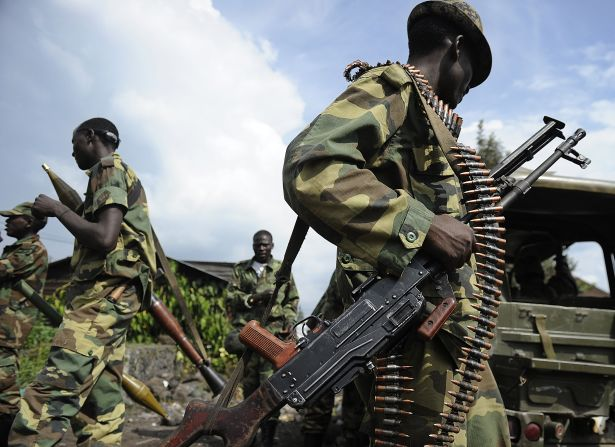
The Uganda People’s Defence Forces (UPDF) has announced the adoption of a Forward Defensive Posture in eastern Democratic Republic of Congo (DRC) following intensified fighting between the M23 Movement and FARDC government forces in the region’s North Kivu province.
This strategic move comes in response to a worsening security situation, with the UPDF vowing to safeguard Uganda’s national interests while countering threats from various armed groups operating in the volatile area.
According to the Ministry of Defence and Veteran Affairs, the forward posture aims to deter and deny hostile elements the opportunity to exploit the security crisis, ensuring Uganda’s borders remain secure.
The UPDF highlighted the ongoing collaboration with FARDC, emphasizing their joint commitment to tracking and neutralizing extremist groups, including remnants of the Allied Democratic Forces (ADF). Notably, Operation Shujaa, which was launched in November 2021, has already significantly degraded ADF’s operational capabilities.
“The UPDF, working with FARDC, is closely monitoring the unfolding security situation and will continue to aggressively pursue ADF remnants wherever they go,” stated Acting Major General Felix Kulayigye, Director of Defence Public Information.
Authorities assured the public that measures are in place to restore stability and protect civilians in affected regions.
As security developments continue to evolve, the UPDF reaffirmed its commitment to regional peace and the protection of Uganda’s territorial integrity.
BREAKING: Health Ministry confirms outbreak of Sudan Ebola Virus Disease in Kampala
The Ministry of Health has confirmed an outbreak of the Sudan Ebola Virus Disease (SVD) in Kampala following laboratory results from three national reference laboratories.
Addressing the media this afternoon, Permanent Secretary Dr. Diana Atwine described the development as a serious public health concern but reassured Ugandans of the Ministry’s swift and coordinated response.
“An outbreak of Sudan Ebola Virus Disease has been confirmed in Kampala following confirmation from three national reference laboratories,” Dr. Atwine said.
The index case has been identified as a 32-year-old male nurse from Mulago National Referral Hospital who presented with a five-day history of high fever, chest pain, and difficulty in breathing. His condition worsened, leading to unexplained bleeding and multi-organ failure. He succumbed to the disease on January 29, 2025. Post-mortem samples confirmed SVD.
The patient sought treatment at multiple facilities, including Mulago National Referral Hospital, Saidina Abubakar Islamic Hospital in Matugga, and Mbale Regional Referral Hospital, as well as from a traditional healer.
In response to the outbreak, the Ministry has activated a dedicated Incident Management Team and dispatched Rapid Response Teams to Mbale City and Saidina Abubakar Islamic Hospital in Matugga. Health officials are currently tracing and monitoring 44 contacts of the deceased, which include 30 health workers and patients from Mulago, 11 family members, and four health workers from Saidina Abubakar Islamic Hospital.
To prevent further spread of the disease, the deceased will be given a safe and dignified burial in adherence to Ebola containment protocols. Additionally, a vaccination campaign targeting all contacts of the deceased is set to commence immediately.
Dr. Atwine noted that, fortunately, no other health care worker or patient on the ward has so far presented with symptoms of Ebola.
“The Ministry of Health would like to reassure the public that we are in full control of the situation and continue to safeguard the lives of all people in Uganda,” Dr. Atwine emphasized.
She urged the public to remain vigilant and report any suspected cases to the toll-free line 0800-100-066 or to the nearest health facility.