Stanbic Bank
Stanbic Bank
22.7 C
Kampala
Stanbic Bank
Stanbic Bank
Home Blog Page 154

Monthly Revenue Collection at Entebbe Expressway Increases to Shs 3.7 Billion

Uganda’s first toll road, the Kampala-Entebbe Expressway, has collected a total of Shs 119.8 billion over a three-year tolling period, according to Eng. Stephen Kitonsa, the Acting Engineer-in-Chief.
Monthly revenue collection has been steadily rising, now reaching Shs 3.7 billion, up from Shs 2.8 billion in 2022.


Commissioned in 2018, the 49.5-kilometer Kampala-Entebbe Expressway was constructed by China Communications Construction Company (CCCC). The project, which began in 2012, was funded through a US$ 476 million loan from EXIM Bank, with a repayment period of 20 years.


The Expressway currently serves an average of 28,000 vehicles daily, with more than 4,570 motorists benefiting from the convenience of the Upesi Electronic Smart Cards. Over the past three years, 25.3 million passages have been recorded, providing smoother, safer, and more convenient journeys for travelers.
Since its inception in 2022, the Expressway has greatly improved travel for millions of Ugandans, contributing significantly to the country’s infrastructure development.


“Over the last three years, 120,000 motorists have been assisted through the toll-free emergency line, ensuring safety and reliability for all road users. These are motorists who require assistance during breakdowns, accidents, or other vehicle issues. Our response teams are always on-site within 10 minutes of an incident report,” said Eng. Kitonsa.


He also highlighted one of the most significant achievements of the Expressway: a notable reduction in road accidents. Public education campaigns, the installation of road safety signs, information billboards, and collaboration with government enforcement agencies have helped decrease the average number of monthly accidents from 21 in the first year to just 9 per month.
“It is safe to say that these efforts have made the road much safer for all users,” Eng. Kitonsa said.

Stories Continues after ad

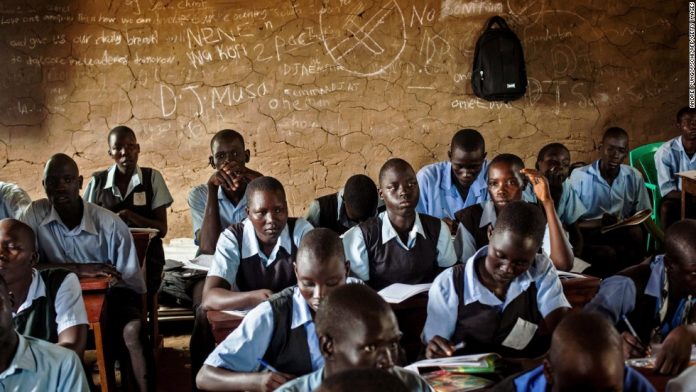
Over 88,000 Students Fail PLE

South Sudanese pupils

At least 88,269 candidates failed the recently released Primary Leaving Examination (PLE) results. The results were announced by Janet Museveni, the Minister of Education and Sports.

According to Dan Odongo, the Executive Director of the Uganda National Examinations Board (UNEB), a total of 749,254 candidates from 15,859 centres registered for the PLE in 2023, compared to 832,654 in 2022. Of this number, 501,602 candidates from 11,365 centres were beneficiaries of Universal Primary Education (UPE), while 247,652 were non-UPE candidates.

In 2023, gender analysis showed that 357,755 boys were registered, compared to 391,499 girls, indicating that more girls than boys completed the Primary Education cycle.

“The results show that 86,582 candidates passed in the first grade, 336,507 in the second grade, 156,290 in the third grade, 69,283 in the fourth grade, and 88,269 failed, while 12,323 candidates did not show up,” Odongo said.

Boys outperformed girls in the first grade, with 47,452 boys passing compared to 39,130 girls. In the second grade, 164,906 boys passed, while 171,601 girls succeeded. In the third grade, 69,870 boys passed compared to 86,420 girls. The fourth grade saw 31,415 boys pass, while 37,868 girls passed. In the ungraded category, 38,346 boys were ungraded, compared to 49,926 girls.

The Board also registered 2,652 learners with special needs, including the blind, deaf, physically handicapped, and dyslexic candidates, compared to 2,436 in 2022. This increase can be attributed to UNEB’s deliberate efforts to sensitize schools and the measures put in place to assist special needs candidates during the examination.

Stories Continues after ad

Parliament demands answers over Kizza Besigye’s treatment in Luzira Prison

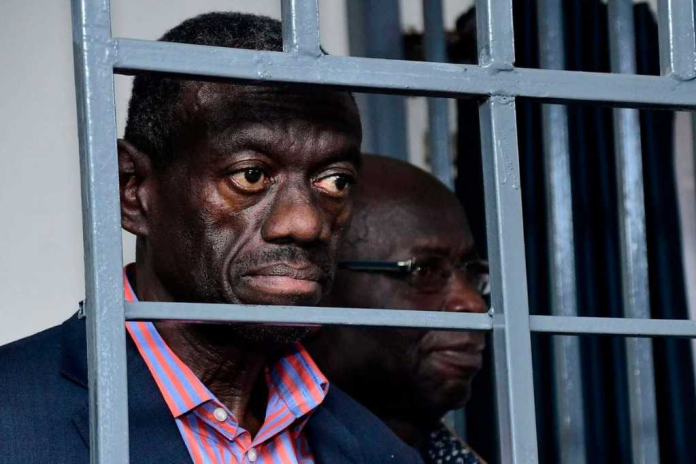
Concerns over the welfare and treatment of Dr. Kizza Besigye, a prominent opposition leader and former presidential candidate, have ignited intense debate in Parliament. Lawmakers have raised alarms about alleged human rights violations at Luzira Prison where Besigye is detained and called for immediate government clarification on his condition and the prison’s policies.

During a heated session, Asuman Basalirwa (Bugiri Municipality) called for urgent action, warning that Dr. Besigye’s death in detention would severely tarnish the reputation of Parliament and the government.

“If Dr. Besigye dies in prison, God forbid, it will send a very bad signal on this institution. That something happened, we were around, and we didn’t speak out. I wouldn’t like that under your tenure,” Basalirwa cautioned.

Basalirwa further questioned the government on two critical issues: the alleged abduction of Dr. Besigye from Kenya and a possible policy shift at Luzira Prison, where inmates, including Besigye, are now subjected to caged conversations with visitors.

He noted that this practice deviates from the long-standing tradition of allowing prisoners to interact freely with their visitors.

“The Minister of Internal Affairs must clarify whether there is a policy shift in Luzira. Many of us, as former political prisoners, know this practice is alien to Luzira,” Basalirwa emphasized.

Echoing these concerns, Leader of Opposition Joel Ssenyonyi criticized Parliament for its silence on Dr. Besigye’s plight. He recalled the case of Muhammad Ssegirinya, an MP who died after repeated pleas for his release on health grounds were ignored.

“Are we waiting for you to announce that Besigye has died, and then you tell us to stand up and observe a moment of silence to pay tribute to him? Are we waiting for that? He has been denied food from his family, which puts his life in jeopardy,” Ssenyonyi charged.

The issue of Besigye’s welfare arose after Francis Mwijukye (Buhweju County) questioned whether it was procedurally right for Parliament to continue normal business while reports of human rights violations in Luzira persisted.

Deputy Speaker Thomas Tayebwa responded by assuring the House that Attorney General Kiwanuka Kiryowa would present a detailed statement on Tuesday.

“The Attorney General has received the Hansard, and I have spoken to him. He confirmed he would respond to all issues raised, including the welfare of Dr. Besigye,” Tayebwa said.

Deputy Attorney General Jackson Kafuuzi had earlier faced backlash for delaying his response, attributing the delay to difficulties understanding the “complex American accent” used by Atkins Katusabe (Bukonzo West) when raising the matter.

However, Tayebwa mocked critics accusing Parliament of inaction. “What do you want us to do? Should we send Anthony Akol (Kilak North) to raid Luzira and rescue Besigye? No, not Akol – Akol is dangerous. Maybe we should send Francis Zaake (Mityana Municipality) instead,” Tayebwa joked, referring to Akol’s past involvement in physical altercations in Parliament.

As Uganda marks 39 years under the National Resistance Movement (NRM), the detention of Dr. Besigye, a key figure in the fight to bring the NRM to power, has drawn significant scrutiny. The developments around his case continue to shine a spotlight on Uganda’s human rights record and the government’s treatment of political opponents.

Stories Continues after ad

Deputy Speaker Directs Human Rights Committee to Visit Besigye

The Deputy Speaker of Parliament, Thomas Tayebwa, has directed  Parliament’s Committee on Human Rights to visit Luzira Prison to ensure that Dr. Kizza Besigye is being treated according to standard prison procedures.

The directive was issued during the plenary sitting, where the committee, chaired by West Budama North East legislator Fox Odoi, was asked to look into concerns raised by opposition legislators. They had alleged that Dr. Besigye was being denied food from his family and access to physical interaction with visitors.

“I have consulted with the chairperson of the Committee on Human Rights. Let the committee visit Dr. Besigye tomorrow and prepare a report to be presented on Tuesday, so that during the debate on the government’s statement, we can also discuss the committee’s findings,” Tayebwa said. The directive was met with applause from the House.

The proposal to send the committee was put forward by Bugiri Municipality legislator Asuman Basalirwa, who argued that Parliament would fulfill its duties by taking such action.

However, Tayebwa cautioned against expanding the committee’s mandate, especially regarding tasks such as investigating Dr. Besigye’s health condition or directing the prisons to allow private doctors chosen by his family to examine him. These requests had been made by Kira Municipality MP Ibrahim Ssemujju and Bukonjo West legislator Atkins Katusabe.

The Deputy Speaker explained that broadening the committee’s role could delay the report, which is due for presentation and debate next Tuesday.

“Honourable colleagues, we hold positions of responsibility and power, but there are limits to our authority. My authority here stops at a certain point. I cannot order that doctors recommended by the family be allowed to see him,” Tayebwa said.

He added, “The Committee on Human Rights includes members from both the government and the opposition. The best course of action is for the committee to visit tomorrow and present their findings to us.”

Tayebwa, along with other legislators, also offered prayers for Dr. Besigye. “Let’s pray for him; we all wish him the best,” he said. Earlier in the sitting, the Minister of Energy and Mineral Development, Dr. Ruth Nankabirwa, also prayed for Dr. Besigye.

Several legislators expressed appreciation for the directive. “I am very happy with your guidance, very happy,” said Busiro East legislator Ssegona Medard.

On Tuesday, the Attorney General is also expected to present a report on Dr. Besigye, which will be discussed alongside the committee’s findings.

Stories Continues after ad

Uganda Prisons Service announces key transfers, promotions and retirements

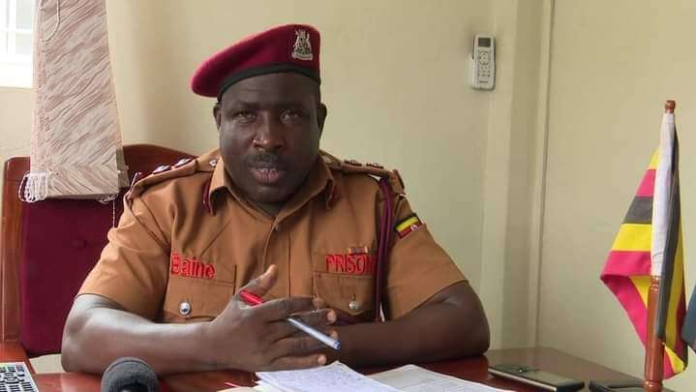
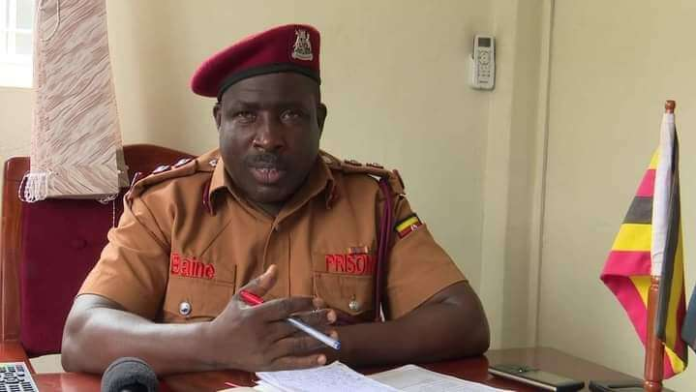
Frank Baine Mayanja, Senior Commissioner of Prisons
The Uganda Prisons Service has announced a series of appointments, transfers, promotions, and retirements as part of efforts to professionalize the institution and enhance service delivery across the country.
In a statement released by Senior Commissioner of Prisons Frank Baine Mayanja, several officers were transferred to new posts, promoted, or retired. These changes aim to strengthen leadership and operational efficiency within the service.
Key Transfers and Appointments have seen Mr. David Ekuma, ASP, was transferred from Kakumiro Prisons to Mugoye Prisons as Officer in Charge (OC), succeeding Mr. Willian Joseph Wafutu, ASP, who proceeds on leave pending retirement.
Mr. Timothy Innocent Osiride, ASP, was appointed OC Kakumiro Prisons, previously serving at Ibuga Prisons.
Mr. Denis Cankare, ASP, was transferred from Mbarara (M) Prisons to Prisons Headquarters for duty.
Ms. Doreen Nekesa, P.O.II, was appointed OC Moroto (W) Prison to operationalize the new station.
Under Promotions; Mr. Jackson Musinguzi, PO I, Kyakasengura Prison, has been promoted to Assistant Superintendent of Prisons (ASP). No. 20288 Wdrss Nyaketch Faith has been promoted to Lance Corporal.
For Retirements and Contracts, Mr. Thomson Michael Obini, SSP, DPC Arua, has been granted early retirement. Mr. John Michael Opolot, ASP, of Masindi (M) Prison, has been awarded a 24-month local contract.
Several officers were also reassigned to various prisons and regional offices, including: Sekubwa Robert Lwanga from Murchison Bay Prison to East Central Regional Office. Adolf Kugonza from Kakiika Prison to Murchison Bay Prison. Grace Kateme from Jinja Main Prison to Bulaula Prison.
A number of officers have been granted 90 days of normal leave.
The Uganda Prisons Service confirmed 198 Cadet Assistant Superintendents of Prisons (CASPs) as Assistant Superintendents of Prisons (ASPs). These officers, who enlisted on February 10, 2022, and were commissioned on September 10, 2023, successfully completed their probationary period.
However, the probation for one Cadet ASP has been extended for an additional six months.
Frank Baine Mayanja reiterated the Prisons Service’s commitment to ensuring efficient operations and fostering professional growth within the institution. The changes, he noted, align with the broader mission of improving service delivery and ensuring smooth management across all units.

Stories Continues after ad

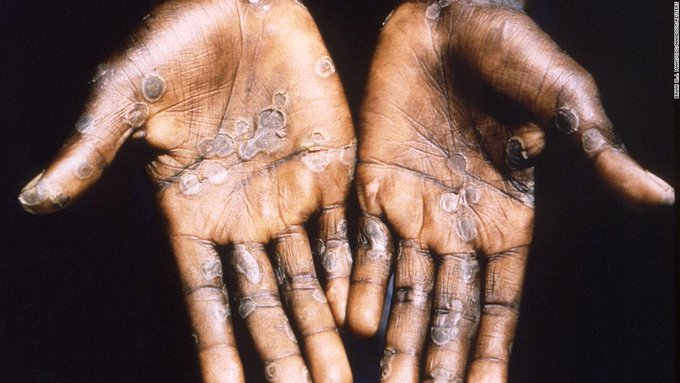
Uganda Receives 10,000 Doses of Monkeypox Vaccine

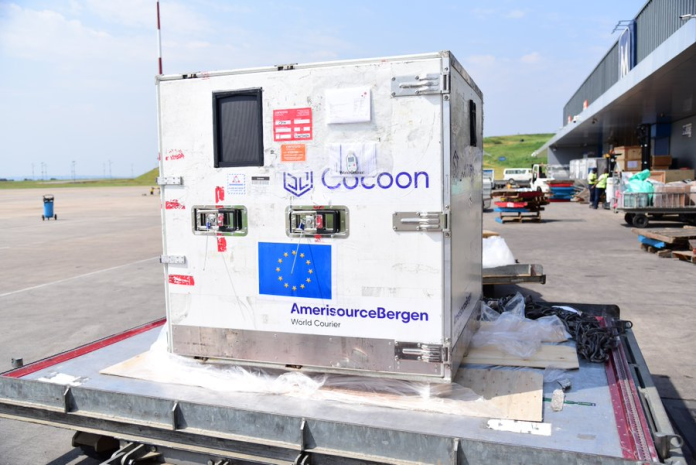
Uganda has received 10,000 doses of the MVA-BN vaccine to aid in the country’s response to the ongoing mpox outbreak. The donation was made by the European Commission through its Health Emergency Preparedness and Response Authority (HERA).
This delivery is part of a larger contribution of over 215,000 doses provided by HERA to the Africa Centres for Disease Control and Prevention (Africa CDC) to combat the current outbreak across the African continent. It follows previous deliveries, including 200,000 mpox vaccine doses to the Democratic Republic of Congo (DRC) in September and 5,420 doses to Rwanda in October.
In total, the European Commission is coordinating over 605,000 vaccine doses pledged to Africa CDC through the Team Europe approach. In addition to the HERA donation, Team Europe has already delivered 135,500 doses from Germany, Belgium, the Netherlands, and Portugal, with additional doses from other EU member states in progress.
These efforts reflect the Commission and Team Europe’s broader commitment to strengthening preparedness and response capabilities for both current and future health emergencies. They emphasize a coordinated approach to tackling emerging health threats through close cooperation with affected nations.
Laurent Muschel, Head of HERA, stated, “We made a commitment to address the mpox outbreak in close cooperation with our partners. The 10,000 vaccine doses from HERA will help Uganda tackle this deadly disease. We cannot fight these health threats alone—solidarity between continents is essential. We will continue working across all fronts with our partners to protect vulnerable populations through Team Europe’s global response.”
On July 24, 2024, the Uganda Virus Research Institute confirmed the first two cases of mpox from six samples collected at Bwera Hospital in Kasese District. On August 14, 2024, the World Health Organization declared the mpox outbreak a public health emergency of international concern.
Mpox is a self-limiting disease that typically presents with pustules or small boils on the skin. It is often accompanied by high fever, swollen lymph nodes, headaches, and general body weakness. There is no specific treatment for the virus, and management is symptomatic, depending on the patient’s symptoms.
According to Minister of Health Jane Aceng, mpox is transmitted to humans through contact with infected animals, and human-to-human transmission occurs through direct contact with an infected person.
However, Aceng warned that despite its self-limiting nature, mpox can be fatal in certain cases, particularly among children under five years, pregnant women, and individuals with weakened immune systems. “If robust interventions are not made, the infection could spread rapidly, overwhelming healthcare systems, as we have seen in other regions,” she cautioned.
Since the beginning of the year, more than 17,000 cases of mpox and over 500 deaths have been reported across 13 African countries, including the DRC, Burundi, Kenya, Rwanda, and others, according to the Africa CDC.

Stories Continues after ad

Uganda Prisons Service announces key transfers, promotions and retirements

The Uganda Prisons Service has announced a series of appointments, transfers, promotions, and retirements as part of efforts to professionalize the institution and enhance service delivery across the country.

In a statement released by Senior Commissioner of Prisons Frank Baine Mayanja, several officers were transferred to new posts, promoted, or retired. These changes aim to strengthen leadership and operational efficiency within the service.

Key Transfers and Appointments have seen Mr. David Ekuma, ASP, was transferred from Kakumiro Prisons to Mugoye Prisons as Officer in Charge (OC), succeeding Mr. Willian Joseph Wafutu, ASP, who proceeds on leave pending retirement.

Mr. Timothy Innocent Osiride, ASP, was appointed OC Kakumiro Prisons, previously serving at Ibuga Prisons.

Mr. Denis Cankare, ASP, was transferred from Mbarara (M) Prisons to Prisons Headquarters for duty.

Ms. Doreen Nekesa, P.O.II, was appointed OC Moroto (W) Prison to operationalize the new station.

Under Promotions; Mr. Jackson Musinguzi, PO I, Kyakasengura Prison, has been promoted to Assistant Superintendent of Prisons (ASP). No. 20288 Wdrss Nyaketch Faith has been promoted to Lance Corporal.

For Retirements and Contracts, Mr. Thomson Michael Obini, SSP, DPC Arua, has been granted early retirement. Mr. John Michael Opolot, ASP, of Masindi (M) Prison, has been awarded a 24-month local contract.

Several officers were also reassigned to various prisons and regional offices, including: Sekubwa Robert Lwanga from Murchison Bay Prison to East Central Regional Office. Adolf Kugonza from Kakiika Prison to Murchison Bay Prison. Grace Kateme from Jinja Main Prison to Bulaula Prison.

A number of officers have been granted 90 days of normal leave. 

The Uganda Prisons Service confirmed 198 Cadet Assistant Superintendents of Prisons (CASPs) as Assistant Superintendents of Prisons (ASPs). These officers, who enlisted on February 10, 2022, and were commissioned on September 10, 2023, successfully completed their probationary period.

However, the probation for one Cadet ASP has been extended for an additional six months.

Frank Baine Mayanja reiterated the Prisons Service’s commitment to ensuring efficient operations and fostering professional growth within the institution. The changes, he noted, align with the broader mission of improving service delivery and ensuring smooth management across all units.

Stories Continues after ad

Uganda Receives 10,000 Doses of Monkeypox Vaccine

MonkeyPox

Uganda has received 10,000 doses of the MVA-BN vaccine to aid in the country’s response to the ongoing mpox outbreak. The donation was made by the European Commission through its Health Emergency Preparedness and Response Authority (HERA).


This delivery is part of a larger contribution of over 215,000 doses provided by HERA to the Africa Centres for Disease Control and Prevention (Africa CDC) to combat the current outbreak across the African continent. It follows previous deliveries, including 200,000 mpox vaccine doses to the Democratic Republic of Congo (DRC) in September and 5,420 doses to Rwanda in October.


In total, the European Commission is coordinating over 605,000 vaccine doses pledged to Africa CDC through the Team Europe approach. In addition to the HERA donation, Team Europe has already delivered 135,500 doses from Germany, Belgium, the Netherlands, and Portugal, with additional doses from other EU member states in progress.


These efforts reflect the Commission and Team Europe’s broader commitment to strengthening preparedness and response capabilities for both current and future health emergencies. They emphasize a coordinated approach to tackling emerging health threats through close cooperation with affected nations.
Laurent Muschel, Head of HERA, stated, “We made a commitment to address the mpox outbreak in close cooperation with our partners. The 10,000 vaccine doses from HERA will help Uganda tackle this deadly disease. We cannot fight these health threats alone—solidarity between continents is essential. We will continue working across all fronts with our partners to protect vulnerable populations through Team Europe’s global response.”
On July 24, 2024, the Uganda Virus Research Institute confirmed the first two cases of mpox from six samples collected at Bwera Hospital in Kasese District. On August 14, 2024, the World Health Organization declared the mpox outbreak a public health emergency of international concern.
Mpox is a self-limiting disease that typically presents with pustules or small boils on the skin. It is often accompanied by high fever, swollen lymph nodes, headaches, and general body weakness. There is no specific treatment for the virus, and management is symptomatic, depending on the patient’s symptoms.
According to Minister of Health Jane Aceng, mpox is transmitted to humans through contact with infected animals, and human-to-human transmission occurs through direct contact with an infected person.
However, Aceng warned that despite its self-limiting nature, mpox can be fatal in certain cases, particularly among children under five years, pregnant women, and individuals with weakened immune systems. “If robust interventions are not made, the infection could spread rapidly, overwhelming healthcare systems, as we have seen in other regions,” she cautioned.
Since the beginning of the year, more than 17,000 cases of mpox and over 500 deaths have been reported across 13 African countries, including the DRC, Burundi, Kenya, Rwanda, and others, according to the Africa CDC.

Stories Continues after ad

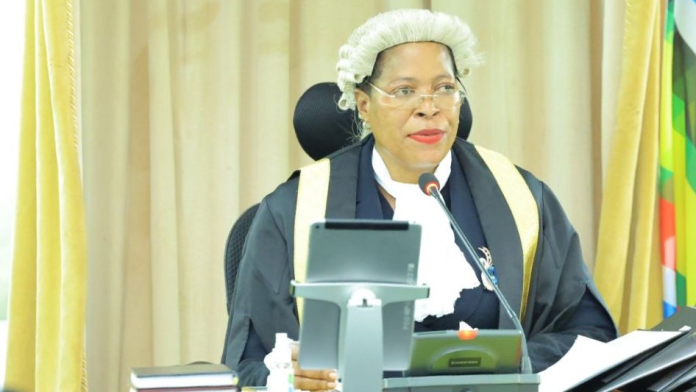
Gov’t Moves to Prioritize Public Healthcare – Speaker Among

Speaker Anitah Among.

Speaker Anita Among has assured the public of the government’s commitment to prioritizing public healthcare in an effort to improve service delivery.
Among made the remarks during the official launch of a free medical camp at Bukedea Comprehensive School, organized by the Ministry of Health in collaboration with Bukedea District Local Government and the Anita Foundation.
“I thank God that today our dream has come true. As Parliament, we shall support the Ministry of Health to improve healthcare. I have a passion for health issues, and I am happy that we have brought health services closer to the people. This demonstrates a people-centered health sector,” Among said.
Recently, Speaker Among opened the Bukedea Teaching Hospital, a non-profit, state-of-the-art health facility that complements the government’s efforts by offering health services at subsidized costs.
Among emphasized that the NRM government has placed increasing importance on healthcare in recent years, recruiting more specialized health professionals, improving the welfare of medical staff, and ensuring adequate medical supplies.
“As leaders, we are called to support government efforts and serve humanity. Let us continue serving our communities,” she urged.
Dr. Ben Watmon, the chairperson of the health camp organizing committee and director of Soroti Regional Referral Hospital, commended the Speaker for bringing healthcare services directly to the people.
“In most cases, health workers wait for patients to come to them, but many patients cannot reach the facilities. By bringing services closer, you have bridged this gap,” Dr. Watmon said.
Juliet Akayo, who traveled from Magoro sub-county in Katakwi district, shared her experience of being diagnosed with cervical cancer in Soroti but unable to afford treatment in Kampala.
“This is an opportunity for me to meet doctors from the Uganda Cancer Institute and receive treatment at no cost,” she said.
The health camp, which runs until Friday, January 25, 2025, has attracted several health specialists and institutions, including Mulago National Referral Hospital, Uganda Heart Institute (UHI), Uganda Cancer Institute (UCI), Uganda Blood Transfusion Services, Uganda Red Cross Society, Uganda AIDS Commission, and regional referral hospitals from Kiruddu, Kawempe, Mbale, and Soroti, among others.
The event was also attended by Members of Parliament from the Parliamentary Health Committee, led by their chairperson, Dr. Joseph Ruyonga.

Stories Continues after ad

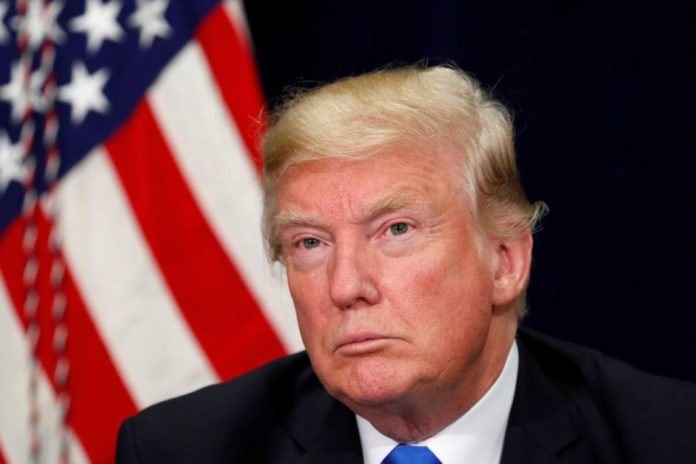
Why Trump announced US’ withdraw from World Health Organization

President-Donald-Trump

The United States will leave the World Health Organization, President Donald Trump said, noting that the global health agency had mishandled the COVID-19 pandemic and other international health crises.
Trump said the WHO had failed to act independently from the “inappropriate political influence of WHO member states” and required “unfairly onerous payments” from the U.S. that were disproportionate to the sums provided by other, larger countries, such as China.


“World Health ripped us off, everybody rips off the United States. It’s not going to happen anymore,” Trump said at the signing of an executive order on the withdrawal, shortly after his inauguration to a second term.


The WHO said on Tuesday that it regretted the move from its top donor country.
“We hope that the United States will reconsider, and we really hope that there will be constructive dialogue for the benefit of everyone, for Americans but also for people around the world,” WHO spokesperson Tarik Jasarević said.
The move sets a 12-month notice period for the U.S. to leave the United Nations health agency and stop all financial contributions to its work. The United States is by far the WHO’s biggest financial backer, contributing around 18% of its overall funding. WHO’s most recent two-year budget, for 2024-2025, was $6.8 billion.
The U.S. departure is likely to put at risk programs across the organization, according to several experts both inside and outside the WHO, notably those tackling tuberculosis, the world’s biggest infectious disease killer, as well as HIV/AIDS and other health emergencies.
Trump’s order said the administration would cease negotiations on the WHO pandemic treaty while the withdrawal is in progress. U.S. government personnel working with the WHO will be recalled and reassigned, and the government will look for partners to take over necessary WHO activities, according to the order.
The government will review, rescind, and replace the 2024 U.S. Global Health Security Strategy as soon as practicable, the order said.
The next-largest donor to the WHO is the Bill and Melinda Gates Foundation, although most of that funding goes to polio eradication. Its chief executive Mark Suzman said on X that the foundation would continue to make the case to strengthen not weaken the WHO. The next-largest state donor is Germany, which contributes around 3% of the WHO’s funding. Germany’s health minister said on Tuesday Berlin hoped to talk Trump out of the move.
When asked about Trump’s decision and remarks, China’s foreign ministry told a regular press briefing on Tuesday that the WHO’s role in global health governance should only be strengthened, not weakened.
“China will continue to support the WHO in fulfilling its responsibilities, and deepen international public health cooperation,” said Guo Jiakun, a ministry spokesperson.
Trump’s withdrawal from the WHO is not unexpected. He took steps to quit the body in 2020, during his first term as president, accusing the WHO of aiding China’s efforts to “mislead the world” about the origins of COVID.
WHO vigorously denies the allegation and says it continues to press Beijing to share data to determine whether COVID emerged from human contact with infected animals or due to research into similar viruses in a local laboratory.
Under U.S. law, leaving the WHO requires a one-year notice period, and the payment of any outstanding fees. Before the U.S. withdrawal could be completed last time, Joe Biden won the presidential election and put a stop to it on his first day in office on Jan. 20, 2021.

Stories Continues after ad