Stanbic Bank
Stanbic Bank
19.8 C
Kampala
Stanbic Bank
Stanbic Bank
Home Blog Page 155

Finance Ministry releases shs15tn for third quarter gov’t expenditure

The Ministry of Finance, Planning and Economic Development has released Shs15.64 trillion as the government’s expenditure for the third quarter of the current 2024/25 financial year.

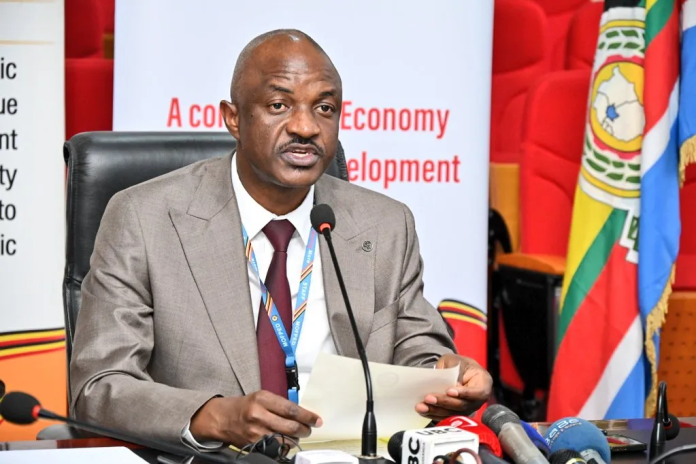
Finance Ministry Permanent Secretary Ramathan Ggoobi, revealed that by end of December 2024,the government had collected domestic revenues amounting to Shs 15.33 trillion against a target for the half year of Shs 15.01 trillion, implying a cumulative surplus of Shs 326.83 billion.

Ggoobi said that the ministry is finalizing full transfer of budget functions for institutions affected by the RAPEX process and upon approval by Parliament; the budgets will be transferred to the host institutions.

He also said the Q3 Expenditure Limits for FY 2024/25 were derived from the quarterly Work Plans and Procurement Plans of Ministries, Departments, and Agencies, taking into consideration the projected resource inflows.

“For this Quarter (January — March 2025), Shs 15.64 trillion, has been released representing 21.68% of the approved budget,” he said.

Of this, Shs 2.044 trillion to cater for wages and salaries across Government, Shs 283.28 billion for Pension and Gratuity and Shs 308.75 billion to Local Governments.

Of this, Shs 112.28 billion is Education Capitation grants to cater for the first term of the school year and Shs 36.6 billion for health institutions under the Local Governments.

For Wealth creation funds, Shs 529 billion is for Parish Development Model (PDM), Shs 30 billion for Uganda Development Bank and Shs 31 billion for Uganda Development Corporation.

A total of Shs 92.75 billion has been released to all Public Universities, Uganda Management Institute and Law Development Centre in line with Semester two requirements.

 Shs 45.77 billion has been allocated to the Ministry of Gender, Labour and Social Development to cater for the operational budget as well as subventions under the Ministry including the Social Assistance Grants for Empowerment.

For Health institutions,  Shs 35.9 billion is for Referral Hospitals including Mulago and Butabika Hospitals Shs 6.84 billion for Uganda Cancer Institute; Shs 7.52 billion for Uganda Heart Institute; Shs 5.78 billion for Uganda Blood Transfusion Services; Shs21.85 billion is to cater for subventions under Ministry of Health; Shs 110.65 billion has been released to National Medical Stores (NMS) for the purchase of essential drugs and medicine. Cumulatively, this brings the amount so far released to NMS to Shs 584.08 billion (85% of the approved budget).

For Security institutions, the Ministry of Defence and Veteran Affairs takes Shs 348.3 billion;  Uganda Police Force — Shs 83.38 billion; Uganda Prisons Services — Shs 40.11 billion; the Internal Security Organisation — Shs 28.08 billion; and, External Security Organisation — Shs 18.71 billion.

For ATMS votes under Agro-industrialization, Shs 15.73 billion is for interventions under the Ministry of Agriculture, Animal Industry and Fisheries (MAAIF), National Agricultural Research Organization (NARO) and National Animal Genetic Resource Centre and Data Bank (NAGRC&DB). Of this Shs 3 billion is for Dairy Development Authority (DDA), National Agricultural Advisory Services (NAADS), Cotton Development Organization and Uganda Coffee Development Authority (UCDA) but await Parliamentary approval for more the funds to MAAIF.

For Tourism development, Shs 34.05 billion has been released for Ministry of Tourism, Wildlife and Antiquities and Uganda Tourism Board; Mineral-Based Industrial Development including oil and gas (M): Shs 63 billion is for Uganda National Oil Company (UNOC) and Shs 4.65 billion under Petroleum Authority of Uganda.

For Science, Technology and Innovation including ICT, Shs 85 billion is for interventions under Science, Technology and innovation, Ministry of ICT and National Guidance and National Information Technologies Authority.

Parliament has been allocated Shs 166.51 billion,  Judiciary — Shs 58.23 billion; Auditor General — Shs 16 billion; and Missions Abroad — Shs 115 billion (this brings their total release to 100%).

National Citizenship and Immigration Control has been allocated  Shs 16.05 billion; Uganda Registration Services Bureau —Shs 5.26 billion; National Lotteries and Gaming Board — Shs 2.08 billion; and Uganda National Bureau of Standards — Shs 1.64 billion.

A total of Shs 3.314 trillion has been provided to cater for the development requirements i.e. both GoU and External financing.

For ATMS  Agro-industrialization — Shs 52.30 billion is for interventions under the Ministry of Agriculture, Animal Industry and Fisheries, National Animal Genetic Resource Centre and Data Bank (NAGRC&DB) and under National Agricultural Research Organization (NARO). Funds meant for Dairy Development Authority (DDA) and Uganda Coffee Development Authority (UCDA) will be transferred to MAAIF after Parliamentary approval.

For tourism development — Shs 4.66 billion is for ongoing projects in Ministry of Tourism, Wildlife and Antiquities i.e. development of Source of the Nile project; for Science, Technology and Innovation including ICT, Shs 40.92 billion is for interventions under Ministry of ICT and National Guidance and National Information Technologies Authority.

Ministry of Defence and Veteran Affairs will get Shs 469.16 billion; Uganda Police Force — Shs 78.89 billion for construction of new apartment blocks in Naguru and Kotido, contractual obligations for intelligence systems and classified assets; State House — Shs 5.43 billion; Uganda Prisons Service — Shs 3.54 billion for seed production, completion of two silo storage facilities and construction of prisoners and staff accommodation; while the Directorate of Government Analytical Laboratory (DGAL)  has been allocated Shs 3.93 billion for the completion of the DNA bank and pending certificates.

For the Ministry of Works and Transport — Shs 396.55 billion is for the implementation of Standard Gauge Railway, Meter Gauge Railway, Kabalega International Airport and Bukasa Port projects.

The Ministry of Energy and Mineral Development has been allocated Shs 243.34 billion to cater for Rural electrification, transmission lines, capacity charges for ElectroMax (Shs 5.5 billion) and mineral development.

The Ministry of Kampala Capital City and Metropolitan Affairs has been allocated Shs 111.58 billion for the implementation of the Greater Kampala Urban Development Project.

A total of Shs 124.45 billion has been allocated to Ministry of Education and Sports for the Uganda Secondary School Expansion Project (USEEP), refugee skilling project and other contractual obligations; while Shs 15.95 billion for capital development under universities;

Shs264.71 billion will go to the Ministry of Health. Part of these funds will support Global Alliance for Vaccines and Immunization (GAVI), Global Fund and outstanding contractual obligations.

 Shs43.42 billion is for contractual obligations under Uganda Cancer Institute and Uganda Heart Institute. Regional hospitals have been allocated Shs 6.85 billion; Local Governments — Shs 231.64 billion to support the upgrading of Health Centre Its to Health Centre Ills; completion of seed secondary schools and micro scale irrigation projects.

Accounting Officers have been directed to prioritise payment of service providers on time. “Accounting Officers should stop committing to the government without a budget and businesses should not provide a service to any government entity without a budget,” Ggoobi said.

Stories Continues after ad

Ministry of Health Destroys COVID-19 Vaccines, ARVs, and Test Kits Worth Shs 316.65 Billion

Belgium donates 153,900 Covid-19 vaccines to Uganda

The Auditor General, Edward Akol, has raised concerns about the overpayment of pensioners in both pension and gratuity schemes. He issued this warning while presenting the 2023/24 Annual Auditor General’s Report to Parliament this morning, revealing that the government overpaid several pensioners by approximately Shs 31.2 billion in pension and gratuity.
“The pension system audit has uncovered significant issues that require immediate attention. I noted that 1,502 pensioners were overpaid gratuity benefits amounting to Shs 22.3 billion. These overpayments occurred in 19 Ministries, Departments, and Agencies (MDAs), as well as 115 Local Governments. Additionally, 2,193 pensioners were overpaid pension benefits by Shs 8.9 billion across 23 MDAs and 104 Local Governments,” Akol said.


The Auditor General also warned that without reforms in the government’s pension sector, Ugandan taxpayers could be burdened with a pension and gratuity bill of over Shs 4.5 trillion by 2034.
The report further revealed that the Ministry of Health destroyed COVID-19 vaccines, ARVs, and test kits worth Shs 316.65 billion in the 2023/24 financial year. This marked a significant increase from the Shs 33 billion worth of drugs destroyed in the previous financial year (2022/23).


“In the health sector, there are serious challenges related to the expiration of medical supplies. The government had to write off Shs 316.65 billion worth of COVID-19 vaccines, ARVs, and test kits, a sharp rise from the Shs 33 billion last year. This represents a substantial waste of resources that could have been better utilized to address other urgent healthcare needs,” Akol noted.

Stories Continues after ad

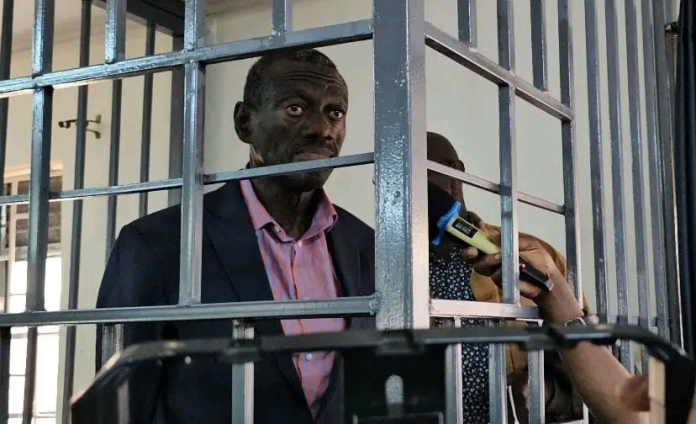
Besigye declines to plead in new charges against him

Kizza Besigye at court martial.

Former presidential candidate Dr. Kizza Besigye and his co-accused, Hajj Obedi Kamulegeya, have declined to take a plea on the treason charges against them.
Dr. Besigye and Hajj Kamulegeya are facing multiple charges, including possession of firearms at Riverside Apartments in Nairobi, Kenya, as well as allegedly holding meetings in Greece and Switzerland with the intent to undermine the security of the Ugandan army.


The two were reportedly abducted last month while in Nairobi, Kenya, where they had attended a book launch hosted by Kenyan opposition politician and lawyer Martha Karua. Karua is currently in Uganda, leading a team of 50 lawyers defending Dr. Besigye and Hajj Kamulegeya.


On Monday, during their appearance before Brigadier General Freeman Mugabe, the prosecution, led by Colonel Raphael Mugisha, sought to amend the charge sheet to introduce new charges, naming Captain Denis Ola, a serving officer attached to the Armoured Brigade, as a suspect.
When Dr. Besigye and his co-accused appeared before Brigadier General Robert Freeman Mugabe, Chairman of the General Court Martial, they declined to enter pleas on the charges of treason. Besigye also requested that his case be referred to the Constitutional Court, arguing that the matters involved are already part of a pending appeal before the Supreme Court.


During the trial, Dr. Besigye sought clarification on why he is being tried in a military court and questioned the court’s jurisdiction over cross-border offenses. Despite these concerns, the court, chaired by Brigadier General Freeman Mugabe, ruled that Dr. Besigye and Hajj Kamulegeya must enter pleas on the treason charges.
The court ultimately recorded a plea of not guilty, noting that proceedings will continue despite objections from Besigye’s lawyers, who argue that the move is unconstitutional.

Stories Continues after ad

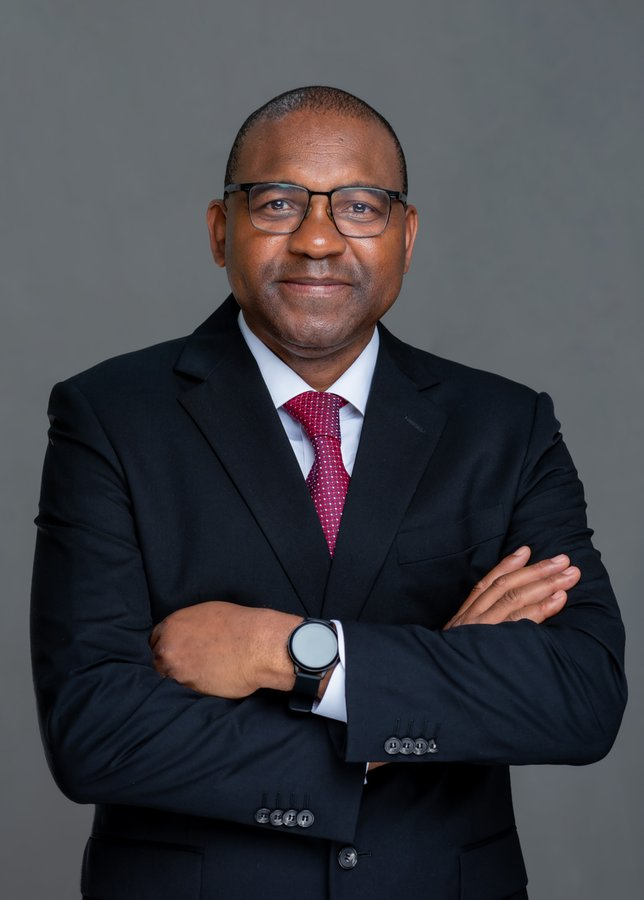
Gift Shoko Appointed Managing Director of Equity Bank Uganda

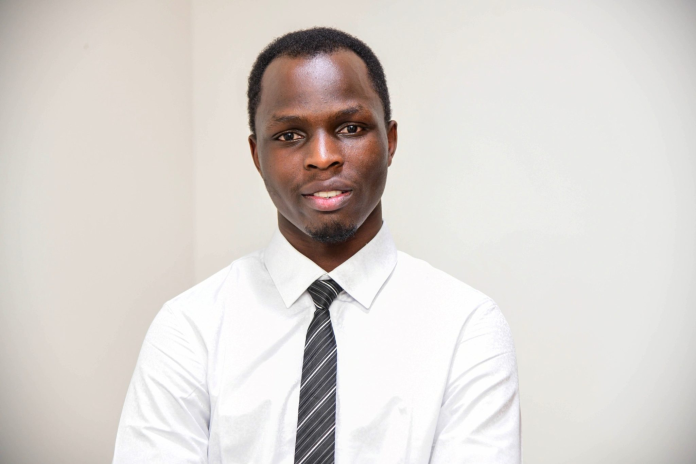
Equity Bank Uganda has announced the appointment of Gift Shoko as its new Managing Director, subject to the approval of the Bank of Uganda. This appointment was confirmed by Mark Ocitti, Board Chairman of Equity Bank Uganda Limited.


Shoko takes over from Anthony Kituuka, who resigned from the position. Ocitti expressed confidence in Shoko’s leadership abilities, stating, “On behalf of the Board and Management of Equity Bank Uganda, I am pleased to announce the appointment of Gift Shoko as the new Managing Director, subject to regulatory approval.”


Ocitti further emphasized Shoko’s extensive experience, noting his proven track record in banking, corporate strategy, and digital transformation. “Shoko’s expertise aligns perfectly with our mission to deliver innovative and inclusive financial solutions to our customers. We are confident that under his leadership, Equity Bank Uganda will strengthen its commitment to enhancing customer experience and expanding our reach across Uganda,” Ocitti added.
Shoko is a seasoned banker with over 26 years of experience in the industry. He brings a wealth of knowledge in commercial banking and leadership, having worked across Southern and Eastern Africa. Before his appointment as Managing Director, Shoko served as the Executive Director of Equity Bank Uganda.


He holds a Bachelor of Business Studies and Computer Science degree from the University of Zimbabwe, as well as a Master’s in Business Administration (Banking and Finance) from CIMA in Nicosia, Cyprus. In addition, Shoko holds several certifications in banking, finance, and leadership, and is a certified Executive Coach and a certified Genos Emotional Intelligence Coach.
Prior to joining Equity Bank, Shoko was the NCBA Group Director for Regional Business, overseeing banking subsidiaries across East Africa. Earlier in his career, he served as the CEO of Commercial Bank of Africa (Tanzania) Limited for five years, where he played a key role in driving the bank’s growth.
Shoko’s banking career began at Nedbank Zimbabwe, where he participated in the graduate management training program before advancing through various senior management roles. He also served as Group Chief Operating Officer at a Zimbabwe Stock Exchange-listed diversified financial services group, where he successfully reorganized the company and led its re-listing on the stock exchange. With a wealth of experience in corporate governance, Shoko has also served on various boards in Zimbabwe, Zambia, and Malawi.

Stories Continues after ad

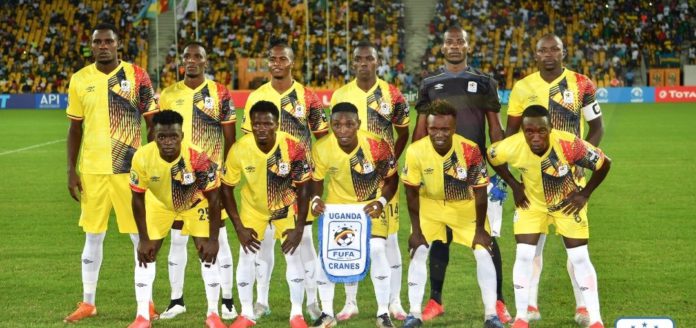
Why CAF Postponed CHAN Games in Uganda, Kenya, and Tanzania

2021 Cranes CHAN team

The Confederation of African Football (CAF) has announced the postponement of the TotalEnergies CAF African Nations Championship (CHAN) 2024, originally set to be hosted by Kenya, Tanzania, and Uganda. The tournament will now take place in August 2025.


According to a statement released by CAF, significant progress has been made in the construction and upgrading of stadiums, training fields, hotels, hospitals, and other infrastructure in Kenya, Tanzania, and Uganda. These efforts are aimed at ensuring the successful hosting of the TotalEnergies African Nations Championship (CHAN).


However, CAF’s Technical and Infrastructure experts, some of whom have been working on-site in the host countries, have advised that more time is needed to ensure the facilities meet the necessary standards for hosting a successful tournament.


CAF President Dr. Patrice Motsepe expressed his gratitude to the heads of state for their leadership and commitment to the development of the required infrastructure. He thanked President William Ruto of Kenya, President Samia Suluhu Hassan of Tanzania, and President Yoweri Museveni of Uganda for their ongoing support in building and upgrading facilities for the tournament.


Dr. Motsepe said, “I am impressed with the ongoing construction and renovation of football infrastructure in Kenya, Tanzania, and Uganda. I am confident that by August 2025, the stadiums, training fields, hotels, hospitals, and other facilities will meet CAF’s high standards, ensuring a very successful TotalEnergies African Nations Championship (CHAN).”


CAF will conduct the draw for the TotalEnergies CAF African Nations Championship (CHAN) 2024 in Nairobi on Wednesday, January 15, 2025. The exact start date of the tournament in August 2025 will be announced by CAF in due course.

Stories Continues after ad

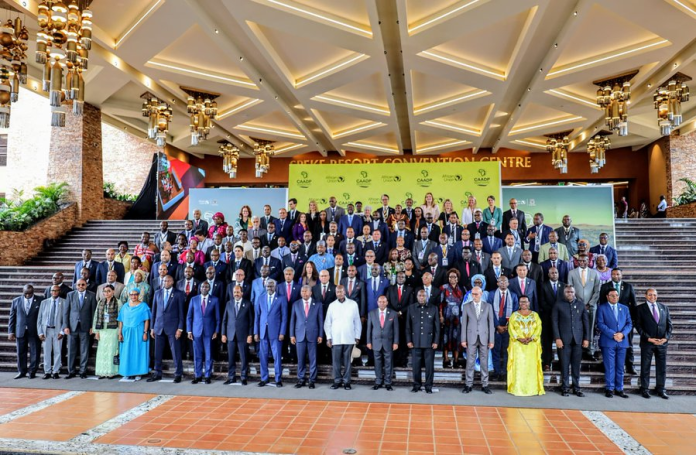
CAADP Summit: African Union adopts ten-year strategy to transform Africa’s agri-food systems


The African Union (AU), has adopted a new agricultural development strategy that will see the continent increase its agrifood output by 45 per cent by 2035 and transform its agri-food systems as part of its new plan to become food secure in a decade.


This is after the African Union Extraordinary Summit on the Post-Malabo Comprehensive Africa Agriculture Development Programme (CAADP) held in Kampala, Uganda, adopted the 10-year CAADP Strategy and Action Plan, and the Kampala CAADP Declaration on Building Resilient and Sustainable Agrifood Systems in Africa, which will be implemented from 2026 to 2035.

In the Kampala declaration, the 55 AU member states set forth six commitments that should transform and strengthen the agri-food system on the continent. The African Union heads of state and government noted that Africa’s population is projected to reach 2.5 billion people by 2050, while the global population is expected to reach 9.8 billion people. They appreciated the challenges this will pose for food demand, and therefore the need for significant increases in agricultural production, productivity, food processing, and trade. In this regard, they committed to intensify sustainable food production, agro-industrialization, and trade


The strategy will also see Africa reduce post-harvest loss by 50 per cent, triple intra-African trade in agrifood products and inputs by 2035, and raise the share of locally processed food to 35 per cent of agrifood GDP by 2035.The adoption of the strategy is seen as a pivotal moment that will lay the groundwork for agri-food systems across the continent, and enable countries to act.


Uganda’s President Yoweri Kaguta Museveni urged the extraordinary Summit of the Heads of State and Government of the African Union (AU) to promote value addition, saying that Africa cannot continue importing food to feed her population. “This Africa of having no food and begging is not the real Africa, but the colonial and neo-colonial Africa. It is a shame. The battle for value addition has been a big one because lobbies want to keep Africa as a raw-materials-producing continent. Adding value to agricultural products ensures vertical integration in the agricultural sector—from the garden to the table and from the farm to the wardrobe,” he said.
On the issue of non-tariff barriers (NTBs), he called on fellow leaders to open up the borders since they continue to undermine the advancement of agriculture in Africa. “Uganda easily produces all types of agricultural products. However, production is disrupted when some brother countries say they have bumper crops and delicense Ugandan products”, he added.


On his part, the AUC Chairperson, Moussa Faki Mahamat, noted that the ambitious CAADP Programme has been implemented since 2014 within the framework of the Malabo Declaration. He however, expressed dissatisfaction with the rate of progress.
“The various biennial evaluations of the commitments made by Member States, initiated in 2017 under this declaration, certainly show progress towards achieving the set objectives, but at an unsatisfactory pace,” Faki said.


The AUC chairperson welcomed the preparatory work undertaken by the African Union Commission, AUDA-NEPAD, the Regional Economic Communities, experts from Member States, and technical and financial partners in preparing the Kampala Declaration.
“It symbolises the sum total of all the efforts made upstream in identifying all the negative factors that lie at the root of the low rate of the attainment of our set objectives for the Agricultural sector on the continent,” Faki said.
Ethiopian President Taye Atske Selassie said there was an urgent need for renewed collective commitment and concerted action to achieve Africa’s shared vision for a food-sovereign and prosperous Africa.
“This Summit marks a defining moment for Africa, where we will be able to chart out the course of the continent’s agri-food system,” Taye said.
The AU Commissioner for Agriculture, Rural Development, Blue Economy, and Sustainable Environment, Amb. Josefa Sacko said the Kampala declaration was different from the Malabo and Maputo declarations in that it included a comprehensive strategy and action plan.


“This will allow member states to begin implementing immediately after the adoption,” she told the heads of state and government on the last day of the extraordinary summit held in Uganda’s capital, Kampala.


“We now have a clear roadmap, a theory of change that outlines the pathway to transformation, realistic and implementable strategic objectives, a broad policy scope enhancing food system approaches, and targets that reflect the continent’s aspirations,” she said, adding that the inclusive design process ensures that the continent is well prepared to work towards the agriculture transformation vision outlined in Agenda 2063.


Amb. Sacko said the adoption of the new CAADP strategy and action plan 2026-2035 in Kampala would shape the transformation of Africa’s agrifood systems over the next decade.
Norway’s State Minister and representative of development partners, Bjørg Sandkjær, noted that Africa’s new strategy emphasises the critical role of agri-food systems in economic growth and ensuring food security, improved nutrition and sustainable health outcomes for all.


“We commend this bold vision, which aligns with the continent’s broader aspirations for prosperity, resilience and inclusive development through the AU Agenda 2063,” Sandkjær said.

Stories Continues after ad

How Police tracked and thwarted an attempted robbery involving Shs 500 million in Kamwokya


Last evening, police successfully foiled a bank robbery at Acacia Mall, apprehending four suspects involved in a heist targeting Stanbic Bank.


Kituuma Rusoke, the police spokesperson, confirmed that a fifth suspect is in critical condition. The individuals were already on the police watchlist and are believed to be connected to a series of previous robberies.
“The Uganda Police Force has successfully thwarted an attempted robbery involving Shs 500 million,” Rusoke stated.
In an intelligence-driven operation, police deployed officers to key locations, leading to the interception of suspects traveling on motorcycles. The suspects had been tracking their target from Acacia Mall, intending to steal a cash bag, but were intercepted at several points, including Total Acacia and Tagore Road.
Rusoke reported that six suspects were neutralized, and police recovered two motorcycles, two pangas, and pepper spray.
Developing story.

Stories Continues after ad

Makerere University Graduation Ceremony: Meet Mubiru Enock Joel, the Best Student in the College of Natural Sciences

Mubiru Enock Joel, a student from the College of Natural Sciences (CoNAS), is set to be one of the thousands of graduates at Makerere University’s 75th graduation ceremony, which commenced today. He will graduate on Tuesday, January 14, 2025, as the top-performing student in the sciences.

A total of 13,658 students, including 143 PhD candidates, will graduate during the five-day ceremony held at the university's Freedom Square.

Born in 2001 to Nsubuga Francis and Ms. Nambejja Lydia of Luwafu, Makindye Division, Kampala, Mubiru began his educational journey at Canan Primary School in Makindye. He later attended Kabale Ssanje Secondary School in Kyotera District, where he completed his O' and A' Level education. At A' Level, Mubiru excelled in Physics, Chemistry, and Mathematics, achieving an impressive 17 points. This outstanding performance earned him a government scholarship to pursue a Bachelor of Science degree in Mathematics and Physics at Makerere University.

Despite coming from a humble background, Mubiru’s determination to succeed remained steadfast. His academic excellence secured several bursaries, easing the financial burden on his parents. In fact, his parents stopped paying his school fees during his lower primary years, as his stellar performance ensured he received the necessary support.

Mubiru will graduate with a remarkable CGPA of 4.91 in his Bachelor of Science (Mathematics and Physics) degree, making him the top-performing student in the sciences at Makerere University this year. His hard work and dedication have propelled him to the forefront of his cohort.

He credits much of his success to the mentorship and guidance he received from his lecturers, particularly Dr. Saul Nsubuga, a lecturer in the Department of Mathematics at CoNAS. Dr. Nsubuga played a pivotal role in both Mubiru’s academic and personal development, offering valuable mentorship and treating him like a son.

Dr. Nsubuga also connected Mubiru with various opportunities, including his current role as an Operations Analyst at Xeno Investment, where he has worked since completing his studies in June 2024. In addition, Mubiru tutors mathematics students from countries such as Uganda, the USA, Italy, and Northern Cyprus.

Mubiru is deeply grateful for the unwavering support of his parents throughout his academic journey. He also appreciates the management of CoNAS and Makerere University for fostering an environment that enabled his academic success.

Looking ahead, Mubiru plans to pursue a Master’s degree and a PhD in Mathematics. In the long term, he aspires to teach mathematics at various educational levels and hopes to establish one of Uganda’s leading data analytics firms, given the evolving demand in the data science industry.

Mubiru believes that success in any field requires focus and commitment. Throughout his undergraduate studies, he strived to be the best, and his efforts have been recognized. His tips for success include actively engaging in academic discussions, consulting regularly with teachers, and dedicating sufficient time to revision. He encourages fellow students at Makerere University to stay focused from their first year and actively participate in academic discussions to excel.

Given the large number of students at the university, Mubiru calls on the University Management to invest in enhancing learning infrastructure to better support the academic success of all students.

Stories Continues after ad

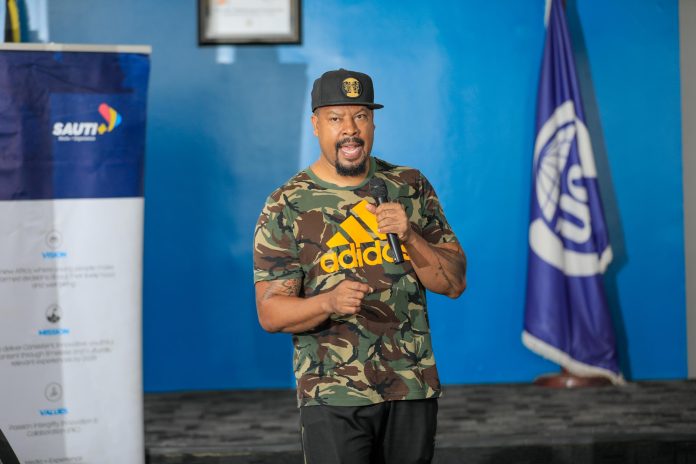
Hollywood Actor and Producer Morocco Omari Hosts Acting Masterclass at UCC

Ahead of the highly anticipated Ikon Awards 2025, Hollywood actor and producer Morocco Omari hosted an acting masterclass with over 200 attendees at UCC House in Bugolobi.

The masterclass was part of Ikonversations, a key activity of the 2025 Ikon Awards. Ikonversations is an initiative designed to offer a platform for renowned filmmakers from around the world to share their expertise, experiences, and insights. The program aims to inspire and empower emerging filmmakers, actors, and creatives, helping them elevate their craft and thrive in the industry.

Omari is a seasoned actor, screenwriter, and producer, celebrated for his roles in Empire, Chicago Fire, Homeland, and many other popular series.

During the masterclass, participants were paired for practical sessions, with each pair assigned a specific character to portray. Some participants acted as soldiers, while others took on the roles of politicians. Omari was impressed by the quality of the performances.

He also offered valuable advice on becoming an excellent actor. “You cannot lie to the camera. It’s important to remain confident, as this helps you fully embody any character you wish to portray,” he shared.

When discussing strategies to enhance Uganda’s film industry, Omari emphasized that the quality of content is key to attracting international recognition. He urged filmmakers to focus on producing high-quality work that could make a global impact.

One of the participants, Ms. Malaika, expressed her gratitude to the Ikon Awards for hosting the masterclass. “I’ve learned so much, especially the importance of staying professional,” she said.

Malaika made her acting debut in Nisha Kalema’s 2018 drama Veronica's Wish, where she played a supporting role as Bankia. More recently, she joined the main cast of The Honourables in 2019.

Ikonversations highlights the Ikon Awards’ commitment to promoting quality film production through capacity-building, mentorship, and inspiration. As the countdown to the Ikon Awards begins, Omari’s masterclass is just one of many events designed to bring together both emerging and established filmmakers, actors, and creatives. Participants will have the opportunity to learn from local and international industry professionals.

The 3rd edition of the Ikon Awards is scheduled for March 29, 2025, at Serena Hotel Kampala. These prestigious annual awards celebrate creativity, excellence, and innovation in Uganda’s film and creative sectors, aiming to honor exceptional talent, projects, and contributions that elevate the industry both locally and internationally.

Stories Continues after ad

Prosecution introduces new suspect in the case against Besigye

Kizza Besigye at court martial.

The prosecution at the General Court Martial has requested to amend the charge sheet against former presidential candidate Dr. Kizza Besigye and his co-accused, Hajj Obedi Kamulegeya.
Dr. Besigye and Hajj Kamulegeya are facing multiple charges, including possession of firearms at Riverside Apartments in Nairobi, Kenya, as well as allegedly holding meetings in Greece and Switzerland with the intent to undermine the security of the Ugandan army.
Both men are currently being held in remand at Luzira Prison and are scheduled to appear before Brigadier General Robert Freeman Mugabe, the Chairman of the General Court Martial, tomorrow.
The two suspects were reportedly abducted last month while in Nairobi, Kenya, where they had attended a book launch event hosted by Kenyan opposition politician and lawyer Martha Karua. Karua is currently in Uganda, leading a team of 50 lawyers who are defending Dr. Besigye and Hajj Kamulegeya.


Appearing before Brigadier General Freeman Mugabe, Colonel Raphael Mugisha, a prosecutor at the Court Martial, sought to amend the charge sheet to ensure justice for all parties involved. He informed the court that investigations had revealed evidence linking a serving UPDF officer to the alleged offenses.


“We wish to amend the charge sheet to include a new offense of treachery and add Captain Denis Ola, a serving officer attached to the Armoured Brigade, as an additional accused,” Colonel Mugisha stated.


However, the defense team, led by Martha Karua, has objected to this motion, citing a pending ruling on the General Court Martial’s jurisdiction to try civilians.

Stories Continues after ad