Stanbic Bank
Stanbic Bank
19.8 C
Kampala
Stanbic Bank
Stanbic Bank
Home Blog Page 156

Dollar dominates market amid tight liquidity

The Ugandan shilling started the week trading at levels of 3680/3690 amidst strong dollar demand, which later pushed the exchange rate to lows of 3707/3717. Demand was initially driven by the Energy sector and later by Manufacturing. Limited dollar supply from remittances and agricultural commodities was insufficient to offset the prevailing demand. With business activity resuming after the end-of-year holiday break, the shilling is expected to face continued pressure, with trading levels projected to range between 3675 and 3730 in the short term.

Rahmah Masagazi, Head of Sales – Global Markets at Absa Bank Uganda, highlighted that money markets remained tight throughout the week, with overnight rates averaging 11.70%. During the week, the Bank of Uganda conducted a Treasury Bond auction, which recorded higher yields for 2-year, 5-year, and 15-year bonds at 16.000%, 16.750%, and 17.500%, respectively, compared to previous rates of 15.750%, 16.000%, and 16.750%. A total of Shs 791.17 billion was accepted in the auction, representing 80% of the amount offered.

The December US jobs report, expected today, is anticipated to show an unemployment rate largely unchanged at 4.2%, with economists forecasting an addition of 165,000 jobs in December, down from 227,000 in November. Masagazi also noted that EUR/USD remained stable near $1.0300 on Friday, marking three consecutive days at this level. The euro has faced downward pressure for four months due to geopolitical risks, a favorable interest rate differential for the US dollar, and President-elect Donald Trump’s stance on new tariffs, which could fuel inflation and influence the Federal Reserve’s interest rate decisions. On Friday, EUR/USD traded at $1.0304 in the early afternoon.

The British pound emerged as the weakest performer among major currencies, losing 0.97% during the week leading to January 10. It reached approximately $1.2239, its lowest level since November 2023, as concerns grew over the UK government’s ability to manage its deficit and rising borrowing costs. GBP/USD was trading at $1.2296.

Gold extended its rally for a fourth consecutive day as traders awaited US payroll figures, which are expected to influence the Federal Reserve’s policy outlook. Spot gold traded at $2,680 an ounce, with investors seeking safe-haven assets amid expectations of moderating job growth and potential trade tensions under the new US administration.

Oil markets positioned themselves for a winter rally, driven by shifting supply flows and strong seasonal demand. Stricter sanctions on Russian and Iranian crude have led refiners in China and India to increase crude purchases from the Middle East and other regions amid concerns over restricted supply access. Brent crude traded around $78 a barrel, marking a 5% rise this month. Oil prices reached a three-month high, supported by a contraction in US crude oil stockpiles.

Stories Continues after ad

More than 44 countries certified malaria-free, says WHO

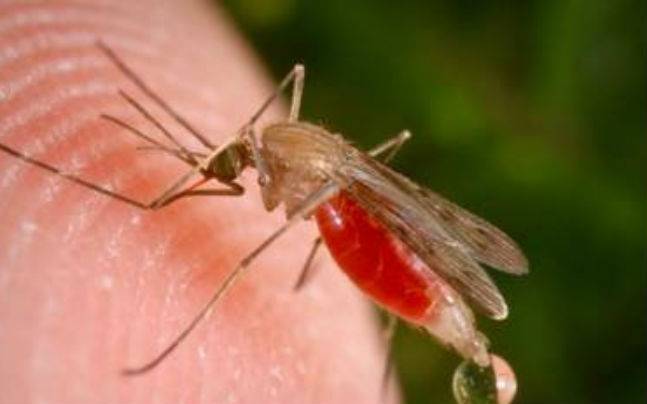
Malaria- carrying mosquito

At least 44 countries and one territory have been certified malaria-free, according to the World Health Organization (WHO), with many more steadily progressing toward this goal. Among the malaria-free nations is Cabo Verde, the third African country to eliminate malaria, marking a historic milestone. Other malaria-free countries include Egypt, Belize, Algeria, Maldives, Sri Lanka, Kyrgyzstan, Paraguay, Uzbekistan, Argentina, China, El Salvador, Azerbaijan, and Tajikistan.

WHO data indicates that since 2000, approximately 2.2 billion malaria cases and 12.7 million deaths have been averted globally. However, malaria remains a serious health threat, particularly in the WHO African Region. According to the latest World Malaria Report, there were an estimated 263 million malaria cases and 597,000 deaths worldwide in 2023. This represents an increase of about 11 million cases compared to 2022, with nearly the same number of deaths. Approximately 95% of malaria-related deaths occurred in the African Region, where many still lack access to services for prevention, detection, and treatment.

Out of the 83 malaria-endemic countries, 25 now report fewer than 10 malaria cases per year, up from just four countries in 2000. Since 2015, the WHO African Region has achieved a 16% reduction in malaria mortality rates. However, the estimated 2023 mortality rate of 52.4 deaths per 100,000 population remains far above the target level of 23 deaths per 100,000 set by the Global Technical Strategy for Malaria 2016-2030, signaling the need for accelerated progress.

In 2023, health ministers from 11 African countries—responsible for two-thirds of the global malaria burden—signed a declaration to reduce malaria sustainably and address its root causes. These countries include Burkina Faso, Cameroon, the Democratic Republic of the Congo, Ghana, Mali, Mozambique, Niger, Nigeria, Sudan, Tanzania, and Uganda. Their commitments involve strengthening national health systems, enhancing coordination, and making strategic use of information.

Increased political commitment, along with wider deployment of WHO-recommended tools, is driving progress in malaria-endemic regions. By December 2024, 17 countries had introduced malaria vaccines through routine childhood immunization, with the continued scale-up of these vaccines in Africa expected to save tens of thousands of young lives annually. Additionally, new-generation insecticide-treated nets, which provide improved protection against malaria, accounted for 78% of the 195 million nets delivered to sub-Saharan Africa in 2023, up from 59% in 2022.

Despite advancements, funding for malaria control remains insufficient, especially in high-burden African countries. In 2023, global funding for malaria control was estimated at US$ 4 billion, far short of the US$ 8.3 billion target set by the Global Technical Strategy. This shortfall has led to significant gaps in the provision of insecticide-treated nets, medicines, and other life-saving tools for vulnerable populations.

Malaria-endemic countries also face challenges such as fragile health systems, weak disease surveillance, and rising threats like drug and insecticide resistance. These challenges are further compounded by factors such as conflict, violence, natural disasters, climate change, and population displacement, which exacerbate health inequities. Vulnerable groups, including pregnant women, young children, Indigenous peoples, migrants, and those in remote areas with limited healthcare access, are disproportionately affected.

The 2023 World Malaria Report underscores the need for a more inclusive and effective response to protect those most vulnerable to malaria. WHO urges countries to prioritize primary healthcare as the foundation for equitable and efficient health systems, while addressing the root causes of malaria, including gender inequities and other social determinants of health. Investments in robust data systems to monitor health inequalities—such as collecting disaggregated data by sex, age, and social factors—are also essential. Equity, gender equality, and human rights should guide anti-malaria innovations, with affected communities playing a key role in designing and evaluating new tools and strategies.

“No one should die of malaria; yet the disease continues to disproportionately affect people in the African region, especially young children and pregnant women,” said Dr. Tedros Adhanom Ghebreyesus, WHO Director-General. “An expanded package of life-saving tools now offers better protection against the disease, but increased investments and action in high-burden African countries are needed to curb the threat.”

Stories Continues after ad

Why 80 Cabinet Ministers Shun Special Sitting to Honor Fallen MP Ssegirinya

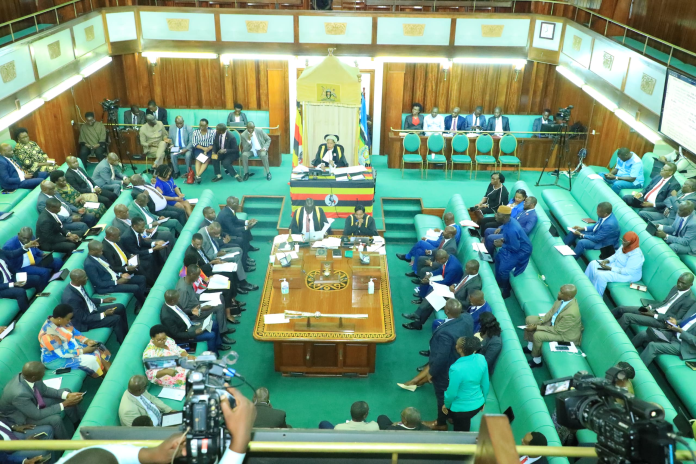
11th Parliament sitting after passing Shs72.1 trillion 2024/5 budget.

Cabinet ministers were conspicuously absent from a parliamentary plenary session dedicated to paying tribute to the late Kawempe North legislator, Muhammad Ssegirinya, who passed away yesterday at Lubaga Hospital after receiving specialized medical care. The motion to honor the deceased MP was tabled by Bugweri County MP Abdu Katuntu and seconded by the Leader of Opposition in Parliament, Joel Ssenyonyi.

Speaker Anita Among, who chaired the plenary, stated that the Parliamentary Commission had fully funded Ssegirinya’s medical treatment in both Kampala and Nairobi. “We were hopeful that one day, we would be seated in this House with Ssegirinya, but God’s timing is never our timing. He is no more; he is going to be with Allah,” Among remarked. She acknowledged Ssegirinya’s short but impactful service in the 11th Parliament, highlighting his dedication to improving healthcare in Kawempe North and recalling his efforts to provide a CT scan machine and ambulances.

Unusually, the government chose not to attend the tribute session. Unlike previous special sittings where the Prime Minister or a representative led the government’s tribute, this time Speaker Among called on MP Katuntu to read the tribute. Katuntu commended Ssegirinya’s hard work and perseverance, noting his journey from humble beginnings to becoming a Member of Parliament. He emphasized Ssegirinya’s passion for community mobilization, journalism, and food security, as well as his advocacy for building the Kawempe North Hospital.

Leader of Opposition Joel Ssenyonyi criticized the government’s absence and expressed disappointment over its failure to lead the tribute. He lamented the loss of the young legislator, who passed away at just 37 years old, describing it as a tragic end to a life filled with aspirations.

Third Deputy Prime Minister Rukia Nakadama later apologized on behalf of the 80 Cabinet Ministers for their absence, citing miscommunication about the timing of the special sitting. She explained that she had been ill and was initially informed at 8:00 AM that she would lead the motion at 10:00 AM. However, she received a subsequent call indicating the sitting had been moved to 9:00 AM. Nakadama expressed regret, stating, “There was a miscommunication regarding the time, and I sincerely apologize that it wasn’t intentional.”

Speaker Among rejected Nakadama’s explanation, asserting that the Order Paper and the previous day’s adjournment made the timing clear. “I don’t want to believe this was a miscommunication. I take responsibility. The Order Paper is very clear, and when I adjourned Parliament yesterday, I stated that we would reconvene at 9:00 AM,” Among firmly stated.

Stories Continues after ad

Kawempe North MP Muhammad Ssegirinya has passed away

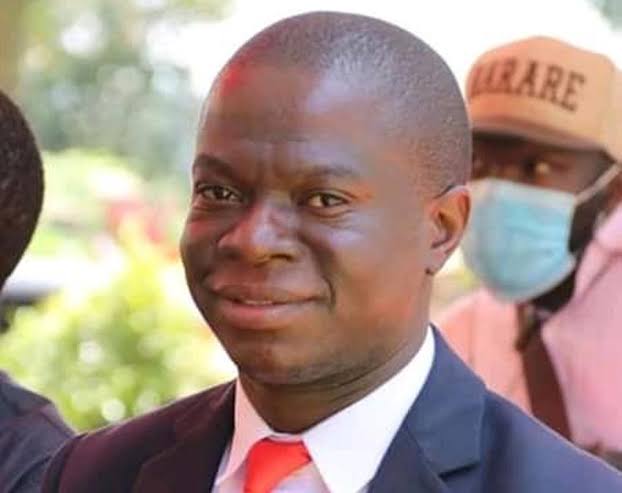
MP Ssegirinya

Kawempe North Member of Parliament, Muhammad Ssegirinya, has passed away. He died earlier today at Lubaga Hospital, where his death was confirmed by hospital officials.
“With deep sorrow, Lubaga Hospital announces the passing of Muhammad Ssegirinya, the Member of Parliament for Kawempe North,”the hospital said in a statement.
“Ssegirinya had been under the dedicated care of our medical team at Lubaga Hospital. Despite all efforts to ensure his recovery, he passed away today, Thursday, January 9, 2025, at 12:10 PM,”the statement added.
The health facility further extended its condolences:“On behalf of the hospital, we express our heartfelt sympathy to the Parliament of Uganda, the Speaker, his family, and the people of Kawempe North whom he represented in Parliament. We join the nation in mourning a dedicated servant of the people. May his soul rest in eternal peace.”
Ssegirinya’s health had been a concern for some time. In October 2023, he was discharged from UMC Hospital in Amsterdam, Netherlands, where he had been undergoing treatment. A month later, he was admitted to Nsambya Hospital in Uganda due to lung-related issues.
Upon his discharge from UMC Hospital, Ssegirinya revealed he had been battling skin cancer, hypertension, and lung infections.
In January 2024, his condition worsened, and he was admitted to Aga Khan Hospital in Nairobi, Kenya.
Ssegirinya’s time in Parliament had been marked by several challenges. He and Makindye West MP Allan Ssewanyana made their first return to Parliament in nearly two years following their release from prison.
In 2022, Ssegirinya was arrested alongside Ssewanyana on charges of murder. The two were accused of being involved in a string of killings in the Greater Masaka region.
On February 13, 2023, Masaka High Court judge Lawrence Tweyanze granted them bail of Shs 20 million each after they had spent 524 days in jail.
The MPs, along with four other suspects, faced multiple charges, including terrorism, aiding and abetting terrorism, murder, and attempted murder. These charges were in relation to several deaths, including that of Joseph Bwanika, a resident of Kisekka Village in Lwengo District, and Francis Mugerwa Kiiza, Sulaiman Kakooza, and Tadeo Kiyimba in Masaka City.
Prosecutors also accused the MPs of attempting to kill Ronald Ssebyoto, a resident of the same area, and of financing the killings in the Greater Masaka region.

Stories Continues after ad

Kyotera to host 44th Tarehe Sita anniversary

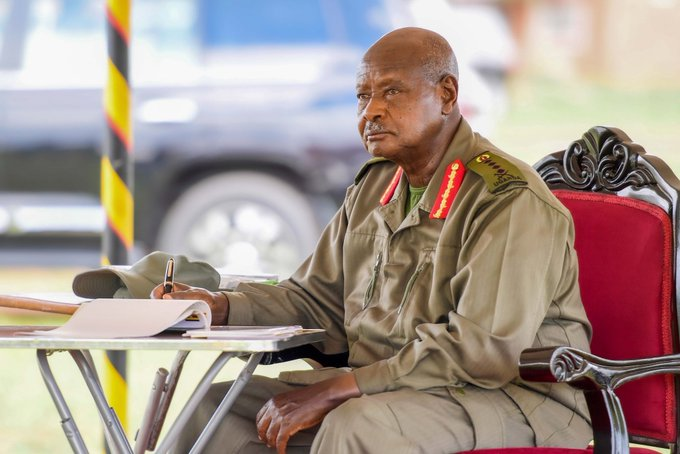
Gen. Yoweri Museveni Commander in Chief of armed forces and President of Uganda.

The Greater Masaka region will host the 44th Tarehe Sita Anniversary, Minister of Defence and Veteran Affairs, Jacob Oboth-Oboth, announced. The event, under the theme “Celebrating Pan-African Solidarity and the People’s Sacrifice in the Struggle for Freedom and Democracy for Socio-economic Transformation,” is scheduled to take place in Kyotera District on February 6, 2025.


In addition to Kyotera, celebrations will also be held across several districts in the Greater Masaka region, including Bukomansimbi, Kalangala, Kalungu, Lwengo, Lyantonde, Masaka, Masaka City, Rakai, and Sembabule.
During a consultative meeting with Members of Parliament from the region at the Ministry of Defence and Veteran Affairs Headquarters in Mbuya, Oboth-Oboth expressed his gratitude to the people of Masaka for their longstanding partnership with the Uganda People’s Defence Forces (UPDF).


“I want to congratulate the people of Greater Masaka for being chosen to host this year’s celebration. You may not realize how many requests we receive every year for such an honor. It is through the collective efforts of the Ministry and the UPDF that we are able to give back to the community. And this year, Greater Masaka has been selected,”said Oboth-Oboth.


He emphasized that Tarehe Sita, which marks the launch of the National Resistance Army’s (NRA) liberation struggle on February 6, 1981, is a unique and special occasion. “It is the only government initiative that gives back to the community without formalities, through tangible projects that people can see and feel, no matter how small,” he noted.
Theodore Ssekikubo, the Member of Parliament for Lwemiyaga County, also expressed pride in the region hosting the celebrations.“We are fortunate that this year’s celebrations are taking place in the Masaka sub-region. We take pride in being part of the 6th of February, the day the liberation of Uganda began,”he said.


Ssekikubo commended the UPDF for their pre-celebration activities in the region, including the construction of school buildings and the provision of free medical services.“These initiatives make the celebration more meaningful as people directly benefit from the UPDF’s efforts and share in the achievements of our country’s liberation,”he added.


The Chief of Joint Staff, Maj Gen Jack Bakasumba, underscored the historical significance of the Tarehe Sita celebrations. He noted that since 1981, the event has symbolized the strong partnership between the army and the people of Uganda.“Every February 6, starting from 1981, the army and the people of Uganda join hands during Defence Forces Week to engage in activities that strengthen the strategic relationship between the population and the defense forces,”Maj Gen Bakasumba said.
He also highlighted Masaka’s pivotal role in Uganda’s liberation history, stating,“In the final phase of the armed struggle (1985-1986), Masaka was the launch pad for the decisive battles that led to the fall of Kampala.”Maj Gen Bakasumba further emphasized the importance of remembering the sacrifices made by Ugandans and Tanzania’s contribution to the liberation struggle.

Stories Continues after ad

URA Posts Shs 322 billion Revenue Surplus in the First Half of the Financial Year

The Uganda Revenue Authority (URA) has posted a revenue surplus of Shs 322 billion for the first half of the 2024/25 financial year, Eagle Online has learned. The announcement was made by John Musinguzi, the Commissioner General of URA.


For the current financial year, URA was assigned a net revenue target of Shs 31.3 trillion. Of this, Shs 14.9 trillion was to be collected in the period from July to December 2024, and Shs 16.4 trillion is expected in the second half, from January to June 2025.


Musinguzi revealed that URA collected Shs 15.2 trillion in net revenue for the first half of the financial year, surpassing the target of Shs 14.9 trillion and achieving a notable surplus of Shs 322 billion.


He also highlighted a significant growth in revenue, with an increase of Shs 2.1 trillion in the July to December period of the 2024/25 financial year compared to the same period in the previous financial year (2023/24).


The Commissioner General attributed this strong performance to Uganda’s stable and resilient economic conditions, as well as enhanced administrative measures. He also acknowledged the role of patriotic taxpayers in contributing to the success.


Domestic Tax Revenue Collection
For the period July to December 2024, URA’s domestic tax revenue collection amounted to Shs 10.1 trillion, surpassing the target of Shs 9.8 trillion, resulting in a surplus of Shs 257.06 billion. This marks a growth of Shs 1.3 trillion compared to the same period in the previous financial year (2023/24).


International Trade Tax Collections
International trade tax collections for the period July to December 2024 totaled Shs 5.43 trillion, slightly surpassing the target of Shs 5.4 trillion. This resulted in a revenue growth of Shs 780.06 billion compared to the same period in the previous year. However, the collections were Shs 28.26 billion below the target for international trade taxes.


Musinguzi credited the strong performance to a range of enhanced administrative measures, including compliance initiatives, improved arrears management, and targeted engagement with taxpayers. He also noted that increased taxpayer training, sensitization efforts, the use of alternative dispute resolution mechanisms, sector-based compliance management, and the adoption of technology all played key roles in the revenue growth.

Stories Continues after ad

Daniel Ogong wins Marketing Pioneer Award of the Year 2024

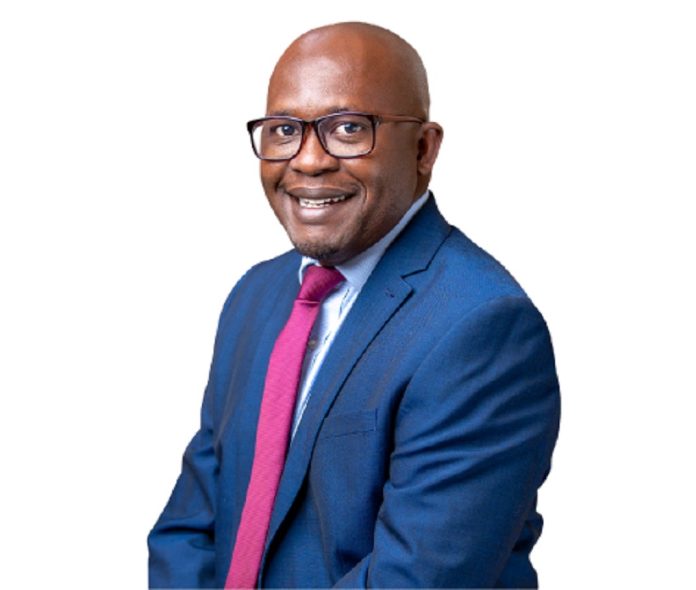
Daniel Ogong, the Executive Head, Marketing, Communications and Client Experience at Stanbic Bank Uganda, has been named Marketing Pioneer for 2024 by Evolve Africa.
Recently, Evolve Group Africa held its fourth installment of the annual Uganda Marketing Excellence Awards (UMEAS) at a gala event in Kampala.
Shafique Ssemakula, the co-founder of Evolve Africa said selection for the 2024 award winners explored how well brands, marketers and their agency partners have leveraged different media channels, digital and traditional, to create campaigns that have made a sustainable impact on their target audience and businesses.
“Esteemed Marketer, Daniel Ogong`s star outshone his peers, as he was announced the winner of the most coveted honor, the prestigious- UMEAS Marketing Pioneer Award,” Ssemakula said.
Ogong is recognized as one of Uganda’s most accomplished marketing leaders with over two decades of professional experience across various sectors including FMCG, financial services among others. He has spearheaded over 50 marketing campaigns since joining Stanbic Bank.
He said Ogong has brought on board a wealth of experience that will has shaped Stanbic’s Marketing and Communications strategy to reinforce and sustain the bank’s position as market leader while supporting the delivery of innovative solutions that respond to today’s customer needs.
The event, dubbed ‘The Marketers Biggest Night’, saw outstanding performers in the industry under the theme ‘Promoting Sustainable Marketing’.
The winners were selected by a distinguished six-member Marketing Council that comprises of renowned competent industry experts, who were selected based on leadership, contribution towards the profession, experience and academic qualifications.
The council oversaw both the nomination process and the entire award winner selection.
The public vote, which was transparently carried out on the UMEAS website, accounted for 40%, for six of the twelve categories of this year’s UMEAS.
The public vote on the selected categories represented 40% of the final vote, while 60% stake resides with the Marketing Council. The Council determined all nominations, but the public voted through a transparent system on the UMEAS website, for six of the twelve categories of the awards which accounted for 40% of the final decision.
It’s worth noting that this is not the first time Ogong is making significant strides in the sector. In 2023, he was honored as the Marketing Professional of the Year by the Uganda Marketers Society during the second Annual AMC Conference at the Imperial Botanical Beach Hotel in Entebbe, held from September 6th to 9th.
The AMC Awards recognize and celebrate remarkable achievements, innovative advancements, and exceptional leadership within the marketing field across the African region.

Stories Continues after ad

Hajat Sharifah Buzeki Sworn in as KCCA Executive Director

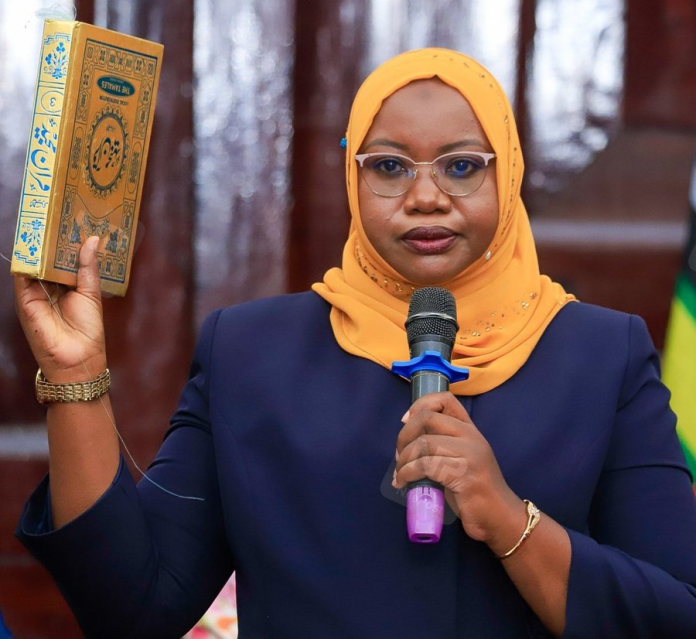
Hajat Sharifah Buzeki has pledged to tackle the growing waste management challenges in Kampala City. Buzeki made the commitment during her swearing-in ceremony as the new Executive Director of Kampala Capital City Authority (KCCA), held alongside her Deputy, Benon Kigenyi.
In a significant development last month, President Yoweri Museveni appointed Buzeki to the position of Executive Director, with Kigenyi serving as her Deputy. They replace Dorothy Kisaka and her Deputy, David Luyimbazi, who were dismissed following the tragic Kiteezi Landfill disaster in August 2024, which claimed the lives of over 30 people.
At the time of her appointment, Hajat Buzeki was serving as the Commissioner for Human Resources at the Ministry of Public Service. She holds a Master’s Degree in Public Administration and Management, a Postgraduate Diploma in Human Resource Management, and a Bachelor’s Degree in Social Sciences from the Islamic University in Uganda (IUIU).
Buzeki was the only woman shortlisted for the top KCCA position, competing against 11 men. Among the other candidates were Asubo Sydney, Atama Gabriel Richard, Kaima Godfrey, Kinga Swizin Mugyema, Kisekka Godfrey Bwebukya, Matte Rogers, and her Deputy, Benon Kigenyi. Additional contenders included Olaboro Emmy Ejuku, Oryono Grandfield Omonda, Ssekabembe Ronald Kiberu, and Tegyeza Joses Kachetero.
Benon Kigenyi, who was sworn in as Deputy Executive Director, previously served as Under Secretary at the Ministry of Gender, Labour, and Social Development.
In her remarks during the swearing-in ceremony, Buzeki emphasized the need for immediate action on waste management. “Our first priority will be to secure land for the disposal of waste generated in Kampala and the surrounding areas,” she said. “We will explore innovative solutions to combat the growing waste problem in the city. No modern city relies on waste dumping to this extent, and we must change this.”
She also expressed a commitment to promoting waste-to-energy initiatives and launching awareness campaigns to encourage city residents to adopt better waste management practices. “We must do everything possible to reduce the environmental pressure,” she added.

Stories Continues after ad

Justin Trudeau to Resign as Canadian Prime Minister After New Liberal Party Leader is Chosen

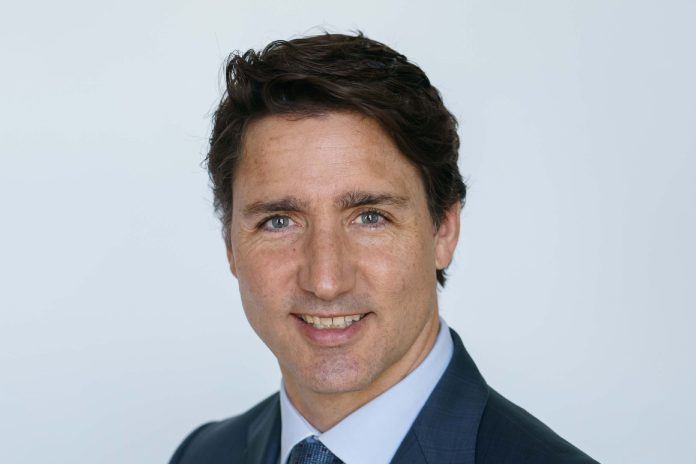
Canadian Prime Minister Justin Trudeau has announced his intention to resign after serving as prime minister for nine years and leading the Liberal Party for 11 years. He will remain in office until the Liberal Party selects a new leader, a decision that comes amidst growing political and public discontent.

“I intend to resign as party leader, as prime minister, after the party selects its new leader,” Trudeau, 53, stated at a news conference in Ottawa on Monday. “I care deeply about this country and I will always be motivated by what is in the best interests of Canadians. Despite best efforts, parliament has been paralyzed for months after the longest session of a minority parliament in Canadian history.” He also announced that parliament will be suspended until March 24 while the party elects its new leader.

Trudeau’s resignation follows a series of crises that have eroded his popularity, including economic challenges, internal party divisions, and declining opinion poll ratings. He has faced growing criticism over his handling of key issues such as rising living costs, trade tensions with the United States, and dissatisfaction among voters. Polls suggest the Liberal Party is on track to lose to the opposition Conservative Party, led by Pierre Poilievre, in the upcoming general election later this year.

“This country deserves a real choice in the next election, and it has become clear to me that if I’m having to fight internal battles, I cannot be the best option in that election,” Trudeau explained.

The Liberal Party’s national executive is set to meet this week to discuss leadership issues, likely following discussions within the caucus.

Adding to Trudeau’s challenges, the sudden resignation of Deputy Prime Minister and Finance Minister Chrystia Freeland has dealt a blow to his government. Freeland stepped down hours before delivering her annual fiscal update, criticizing Trudeau’s recent policy decisions, including a sales tax holiday and rebates to workers, which she described as “political gimmicks.” She argued that Canada could “ill afford” such measures amid the threat of significant tariffs being imposed by the incoming Trump administration in the United States.

Donald Trump, set to return to the White House on January 20, has vowed to levy a 25% tariff on all imports from Canada. The former U.S. president has also publicly mocked Trudeau, referring to him on social media as the “governor” of the “Great State of Canada.”

Trudeau rose to power in 2015, championing progressive causes and promising “sunny ways” for Canada. His early tenure focused on tackling climate change and addressing historic injustices against Indigenous communities. However, economic challenges and rising discontent have marred the later years of his leadership. A viral confrontation between Trudeau and a steelworker, who criticized the prime minister for failing to address the high cost of living, underscored Canadians’ frustrations.

Despite winning three elections, Trudeau’s most recent victory in 2021 saw his government reduced to a minority. Since then, the Conservative Party, under Poilievre’s leadership, has built a commanding lead in national polls, outpacing the Liberals by more than 20 points. Poilievre has also gained support from prominent figures such as Elon Musk, who referred to Trudeau as “an insufferable tool” and predicted his political downfall.

Trudeau’s resignation marks the end of an era for the Liberal Party and sets the stage for a highly contested leadership race. The upcoming election, which must be held by October 20 but could be called earlier, will determine the future direction of Canadian politics in an increasingly polarized landscape.

Stories Continues after ad

EXCLUSIVE! David Kalemera sacked from State House Revenue Intelligence Unit

David Kalemera, who was appointed to head Uganda’s State House Revenue Intelligence Unit last July despite a criminal conviction, has been fired and reassigned to the Foreign Affairs ministry, this website has learned.

The move comes amid sustained criticism over President Yoweri Museveni’s decision to appoint Kalemera, a former Uganda Revenue Authority (URA) official, to the sensitive position despite his 2022 conviction on charges of tax fraud and conspiracy.

Court records show that in April 2022, High Court Justice Lawrence Gidudu found Kalemera guilty of orchestrating a sophisticated tax evasion scheme that cost the government billions of shillings in revenue. The case revealed that Kalemera, along with co-conspirators Ssemanda Ian Paul and Kazibwe Ronald, used falsified customs documentation to evade taxes on goods cleared through Mombasa port.

“The evidence clearly established that the accused’s actions were intentional and fraudulent,” Justice Gidudu stated in his ruling. The prosecution successfully demonstrated that Kalemera was the source of falsified invoices and packing lists used to misrepresent imported goods.

The announcement of Kalemera’s firing has been welcomed by anti-corruption advocates who had strongly criticized his appointment to oversee revenue intelligence operations. “This is a step in the right direction for accountability in Uganda’s tax administration,” said a political analyst in Kampala, who prefered anonmity.

Throughout the controversy, Kalemera maintained his innocence and defended his appointment, stating he was “committed to fighting corruption and revenue leakages.” However, his criminal record raised persistent questions about his suitability to lead anti-corruption efforts within the tax system.

The State House has not yet announced Kalemera’s replacement at the Revenue Intelligence Unit, which was established last year as part of government efforts to combat tax evasion and strengthen revenue collection.

Stories Continues after ad