Kenyan government has been cited in the ‘illegal arrest of Ugandan opposition figure Kizza Besigye.
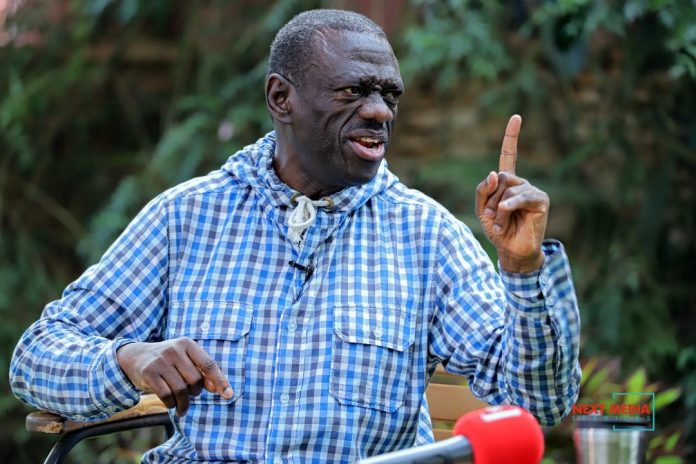
Winnie Byanyima, wife to the prominent opposition figure, Kizza Besigye has revealed that he (Besigye) has been kidnapped and is now being held in a military camp.
In a post on X (formerly Twitter), Byanyima wrote that her husband had been seized in Kenya’s capital Nairobi last Saturday during a book launch event.
“I am now reliably informed that he is in a military jail in Kampala,” she said, demanding that the government of Uganda release her husband.
“We, his family and his lawyers demand to see him,” his wife wrote on X.
“He is not a soldier. Why is he being held in a military jail?”
Winnie Byanyima is a human rights advocate and executive director of UNAIDS, the joint UN programme which was set up to eradicate Aids.
Appearing before one of the local television, Chris Baryomunsi, minister of Information, Communications Technology and National Guidance said that he will cross-check with the security and intelligence agencies for his release.
“For now, I can’t confirm or deny whether Dr Kizza Besigye is being held. Let’s give it time I cross-check, but I don’t have that information as of now. In any case, why would Dr Kizza Besigye be arrested? If he is arrested, it would mean there is a reason or charge and he would be produced in courts of law,” Baryomunsi said.
The National Unity Platform principal Robert Kyagulanyi alias Bobi Wine strongly condemned the abduction of veteran opposition leader Besigye and called out the Kenyan government to refrain from being used as a ground by the Ugandan regime to suppress dissidents.
He called on Ugandans of good conscience to add their voice in condemning the abduction of Dr. Besigye who is a senior leader in the country.
Doreen Nyanjura, Kampala’s Deputy Lord Mayor revealed that Kenya is becoming very unsafe for Ugandans opposing the regime, first it was 36 activists abducted from Kisumu and now Besigye. Adding, “Unconfirmed reports indicate that he was abducted from Nairobi to an unknown place!”
In 2020, World Health Organization (WHO) launched the Global strategy to accelerate the elimination of cervical cancer. This was a historic moment, at which all WHO Member States committed to eliminating cancer. This commitment offered hope to many women around the world.
Around 660 000 new cases and some 350 000 deaths from this cancer occur annually, most of which are in low- and middle-income countries, which bear the burden of the highest rates of cervical cancer incidence and mortality.
At the moment, we are losing one of our society’s most precious assets: 76 000 African women die of this disease annually in the prime of their lives. This is unjust and unacceptable as we have the tools and resources to remedy this situation. Africa can’t afford to lose another generation of women to cervical cancer.
The global strategy focuses on three key pillars: vaccination, screening and treatment, and outlines clear targets for each pillar to be met by 2030 to ensure elimination is achieved as per the WHO 90-70-90 targets:
90% of girls are fully vaccinated against human papillomavirus (HPV), which causes almost all cervical cancers, by age 15;
70% of women are screened with a high-performance test by age 35 and again by age 45;
and 90% of women identified with precancerous lesions or cervical disease receive treatment, including palliative care.
Cervical cancer is curable if detected early and treated appropriately.
WHO’s updated recommendation for a single-dose HPV vaccine, as well as updated recommendations to simplify and increase access to screening and treatment, have the potential to reduce barriers to implementing this strategy. This has particular importance in Africa, home to most of the countries with the highest burden of cervical cancer and where access to screening and treatment is still limited. In addition, in November 2023 the WHO Africa Regional Immunization Technical Advisory Group (RITAG) urged countries to adopt a single-dose schedule for the HPV vaccine in Africa to advance vaccination efforts, in line with the WHO recommendation in 2022.
Meeting our agreed global and regional targets, in the world and in particular the African Region, demands intensified and coordinated efforts by all stakeholders to achieve the 90-70-90 targets by 2030. Collectively, we are beginning to lay the foundations to realize that vision.
During 2023, at the WHO Regional Committee for Africa, an event co-hosted by WHO Regional Office for Africa, the World Bank, the governments of Comoros, Liberia and Malawi and other partners- was held in Gaborone, Botswana. The theme was Building a foundation for Africa free of cervical cancer: reaffirming commitments to eliminate cervical cancer as a public health problem in the African Region. During this event, Member States, multilaterals, donors and Civil Society Organizations stressed the urgency of an integrated approach to improving investments to address gaps in HPV immunization and in cervical cancer elimination across the ecosystem of funders operating in the African region.
Subsequently, in the first-ever Forum on Cervical Cancer Elimination held in Cartagena de Indias in March 2024, co-hosted by the governments of Colombia and Spain alongside WHO, the World Bank and the Global Financing Facility (GFF) and other partners, the World Bank and the GFF reaffirmed its strong commitment to support cervical cancer elimination with new investments of at least US$ 400 million for HPV-related programming over the next three years. Additionally, the World Bank is also a core partner of Gavi, the Vaccine Alliance, which has an ambitious new plan to immunize 86 million girls in low- and middle-income countries by 2025, aiming to avert over 1.4 million deaths from cervical cancer.
Currently, the World Bank is providing financing for HPV vaccination in Ethiopia, Nigeria, Madagascar, Uganda and Mozambique. More projects are under preparation, particularly in Africa. Additionally, the GFF can provide catalytic financing and technical assistance within and outside the health sector such as education and social protection-to reach in- and out-of-school adolescent girls who are often marginalized by health and school systems. This highlights the critical importance of a cross-sectoral approach to the prevention and control of cervical cancer.
As a follow, up to commitments made by the Democratic Republic of the Congo at both the Gaborone and the Cartagena events, a launch event to promote the cervical cancer elimination strategy was held in Kinshasa on November 14-16 2024, funded by the Bill and Melinda Gates Foundation and the World Bank. The government of the Democratic Republic of the Congo welcomed health professionals, donors, implementing partners and civil society to prioritize this issue and work together, to accelerate access to prevention, diagnosis and treatment for more generations of girls and women.
It was also a particular privilege and honour to host cervical cancer survivors and the youth, represented by students of the School of Design of Kinshasa. These often-neglected stakeholders represent the many women in the region who have no political voice and who do not receive equitable and effective healthcare. Their stories and voices bring life to numbers, urging us all to take action.
There is progress in the region, particularly in relation to vaccination –29 out of 47 countries in the African Region have introduced the HPV vaccine into their national immunization programs and 40 % of the girls have received at least one dose. However, to achieve the 90-70-90 targets, more needs to be done.
Let us remind ourselves that women’s health is a human right and a major determinant of our nations’ health and the health of future generations.
Let’s double down our collective efforts to address this public health crisis in the region.
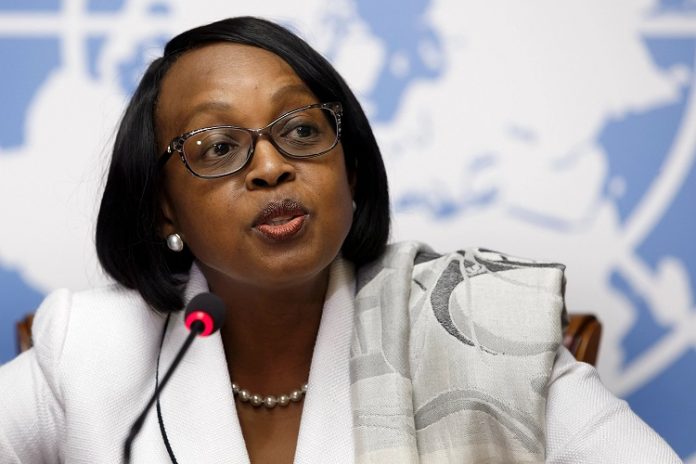
Dr Matshidiso Moeti, WHO Regional Director for Africa.
Minister of State for Internal Affairs, Gen. David Muhoozi has revealed that the government is planning to address the challenges of high prison congestion and low staffing, stating that current levels exceed 300% of the designed capacity.
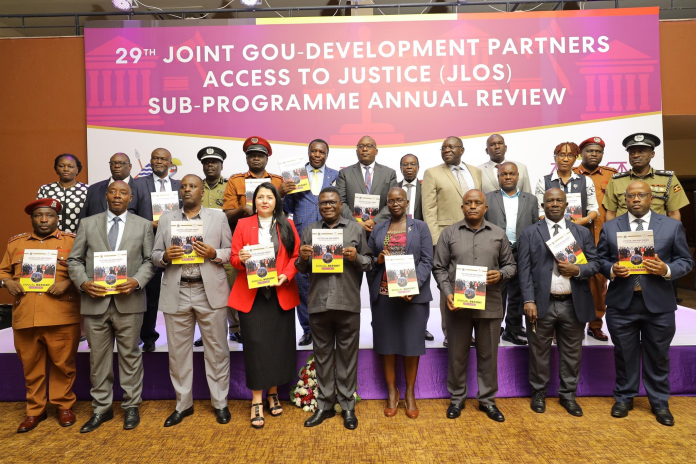
Muhoozi made the revelation during the launch of the 29th Annual Joint Government of Uganda and Partners Access to Justice Review at Speke Resort Munyonyo under the theme “Empowering the People, Building Trust, Upholding Rights”.
“To mitigate Uganda Prisons Services challenges, the Government Uganda plans to expand holding capacities to match inmate populations and focus on alternative inmate rehabilitation, feeding, and clothing strategies,” Muhoozi said.
He also emphasized on recruitment of more staff across the justice system to address understaffing and commitment to improving justice delivery, reducing crime, and addressing systemic challenges within the justice system.
He emphasized that the National Development Plan IV (NDP IV) would prioritize people-centered justice, economic growth, and social sector improvements.
According to Gen. Muhoozi, the Internal Affairs Ministry works closely with the National Planning Authority and institutional leaders to support initiatives that strengthen Uganda’s competitiveness for wealth creation, growth, and employment.
Muhoozi also stressed the importance of scientific crime management, emphasizing the role of forensic science in improving crime detection and investigation. Additionally, he highlighted initiatives like community policing, strengthening border controls, and offender rehabilitation to lower crime rates.
Gen. Muhoozi expressed optimism about the future of Uganda’s justice system under NDP IV, reiterating that addressing staffing gaps, improving prison conditions, and adopting modern crime management strategies would be key to achieving these goals.
During his keynote speech, Nobert Mao, Minister of Justice and Constitutional Affairs, emphasized the importance of access to justice as a pillar for a just and equitable society.
He highlighted the interconnectedness of various factors, including the rule of law, legal representation, increased security, and a corruption-free environment, to ensure that everyone has equal access to justice.
The Minister also stressed the need to protect human rights defenders and promote community service as essential components of a just society.
However, he acknowledged the persistent challenges facing the justice system, including a high case backlog and ongoing injustices.
Hon. Mao urged for concerted efforts to address these issues and ensure that everyone, regardless of their social or economic status, can access justice.
“The justice system’s core purpose is to fulfill the justice needs of the people. This subprogram continues to prioritize the demand side of justice in its planning and change management processes. Every effort is made to ensure that the demand side guides all change initiatives. Consequently, public trust in the justice system remains high compared to the NDPII period,” Mao said.
He added, “Efforts to maintain and elevate this trust are underway, including addressing service delivery timelines, expanding service points, ensuring consistent service delivery, enhancing customer care, and utilizing online services.”
The Annual Report also highlights key developments in Uganda Prisons Service, including the ongoing construction of a Staff Hospital in Luzira and plans for a regional Maximum-Security Prison. Human Resource Development efforts continue, along with improvements in prisoner and staff welfare, rehabilitation, and access to justice.
Additionally, UPS is enhancing institutional capacity through infrastructure development and expanded training programs, contributing to self-sufficiency and vocational skilling of inmates.
The Archdiocese of Nairobi has announced its firm adherence to the recent directives issued by the Kenya Conference of Catholic Bishops (KCCB).
These directives, outlined on November 14, 2024, address the ethical concerns surrounding political donations and the misuse of church platforms for political self-promotion. The statement was read in all churches within the Archdiocese on Sunday, November 17, 2024.
The Archdiocese has taken a resolute stance against accepting donations from politicians, citing the need to safeguard the Church from political interference.
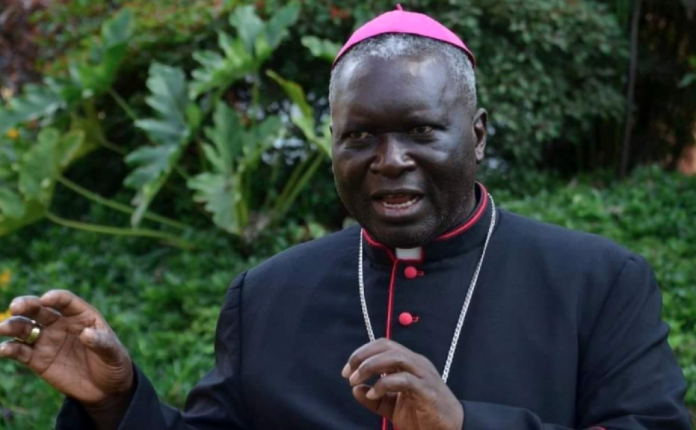
In the statement, Archbishop Philip A. Anyolo emphasized, “The bishops have consistently maintained a firm stance on the matter of politicians donating money to churches, highlighting the ethical concerns and the need to safeguard the Church from being used for political purposes.”
The Catholic Church’s leadership expressed its disapproval of the increasing trend of using church events, such as fundraisers, as platforms for political self-promotion. Politicians were urged to respect the sanctity of worship spaces and refrain from turning the pulpit into a stage for political rhetoric.
“The Catholic Church strongly discourages the use of church events such as fundraisers and gatherings as platforms for political self-promotion,” the statement read.
The Church called upon politicians to demonstrate ethical leadership and address pressing national issues, including governance, accountability, and respect for fundamental freedoms.
In an unprecedented move to reinforce these values, the Archdiocese declined donations made during a recent church event held at Soweto Catholic Church on Sunday, November 17, 2024. These included: KSh 200,000 from the Governor of Nairobi, KSh 600,000 from the President to the Parish Missionary Council (PMC) and KSh 2 million for the construction of the Fathers’ house.
Archbishop Anyolo clarified that these donations alongside an additional KSh 3 million pledged for construction would be refunded to the donors.
He further stressed that political leaders are welcome to attend church services for spiritual nourishment but should do so as ordinary Christians without leveraging their positions for political gain.
“The Church must remain a neutral entity, free from political influence, to effectively serve as a space for spiritual growth and community guidance,” said Archbishop Anyolo.
The Archdiocese’s decision is in alignment with the Public Fundraising Appeals Bill 2024, which mandates that any fundraising appeal, direct or indirect requires a permit. By declining the donations, the Archdiocese has set a strong example of integrity and independence.
This move shows a big step towards preserving the sanctity of religious institutions in Kenya, ensuring they remain spaces dedicated to worship, community, and moral guidance, free from political exploitation.
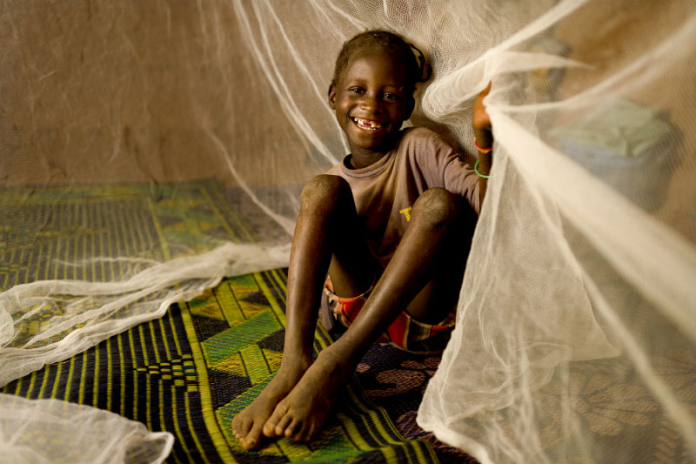
Malaria experts in Uganda have asked the government to increase funding to combat malaria, especially among children and pregnant women, to prevent malaria-related deaths and improve child health outcomes.
Senior Medical Officer Jane Irene Nabakooza, the Technical Lead for Malaria Chemoprevention and Vaccines at the Ministry of Health, led the appeal at a press briefing in Parliament ahead of National Children’s Malaria Conversation Week.
“We need greater support for the Ministry of Health to reduce the burden of this ‘monster’ disease, which is hindering our national productivity and development goals,” Nabakooza said.
She noted that malaria severely impacts children’s educational and developmental prospects. “A child frequently suffering from malaria cannot compete academically with peers who haven’t faced the disease,” she added.
Nabakooza explained that children affected by malaria often miss school, face academic struggles, and encounter developmental delays.
For pregnant women, malaria increases the risk of cognitive and emotional impairments in newborns. She emphasized the urgent need for additional resources to provide widespread access to malaria prevention tools, including mosquito nets and, potentially, a vaccine.
MP Geoffrey Mutiwa (Bunyole West) highlighted the upcoming National Children’s Malaria Conversation Week, aimed at addressing malaria’s toll on children and pregnant women. He cited data from the 2023 Annual Global Malaria Report, which ranks Uganda among the top three countries globally for malaria cases, with over three million cases and more than 50 child deaths per day.
“Malaria during pregnancy is a national crisis that threatens mothers, infants, and Uganda’s future,” Mutiwa said, calling on Parliament to fund free Fansidar for pregnant women at all health facilities to curb malaria-related deaths.
MP Santa Okot (Aruu North) urged a comprehensive mobilization campaign against malaria, modeled after Uganda’s successful HIV/AIDS response, to raise awareness and prevent the disease. She advocated for a separate budget for malaria, distinct from the broader health budget, to enable targeted funding and monitoring.
MP Hellen Auma (Busia DWR) commended the government’s mosquito net distribution efforts but stressed the need for public education on proper net usage and awareness of malaria risks. “People often misuse nets for other purposes,” Auma remarked, expressing hope for a malaria vaccine to strengthen prevention efforts.
MP Agnes Acibu (Nebbi DWR) emphasized empowering Village Health Teams (VHTs), crediting them with educating communities on malaria prevention. “VHTs are crucial for reaching rural communities,” she said, underscoring the need for sustained support.
The Ministry of Health announced plans to introduce a malaria vaccine in Uganda following successful rollouts in Ghana, Kenya, and Malawi, where it has significantly reduced severe malaria cases in children.
“The vaccine has shown success in other countries, and we hope to see similar outcomes in Uganda,” said Nabakooza.
Malaria remains endemic in most regions of Uganda, accounting for around 65% of maternal mortality and 60% of spontaneous abortions among pregnant women. The prevalence rate among children under five stands at 19%.
Since 2012, Uganda’s annual investment in malaria control has ranged from $115 million (UGX 420.24 billion) to $160 million (UGX 584.682 billion), with over 90% of funding coming from external donors, including The Global Fund and the U.S. President’s Malaria Initiative.
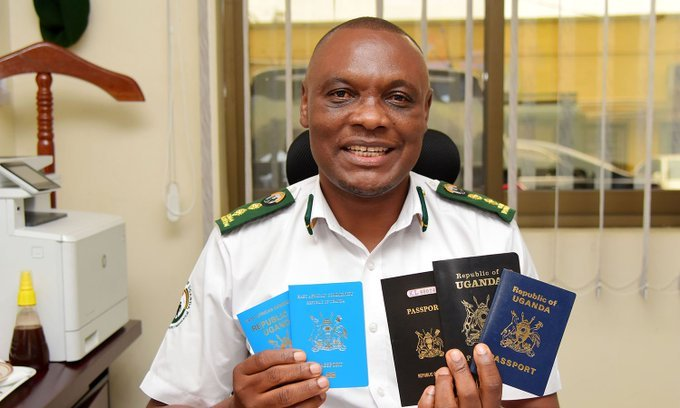
The Ministry of Internal Affairs and Directorate of Citizenship and Immigration Control (DCIC) have advised Ugandans with expired national IDs to use passports or apply for a certificate of identity as they travel to Rwanda and Kenya.
This idea was reached after several Ugandans are finding it difficult to cross into Kenya and Rwanda because of expired National IDs.
Mr Simon Peter Mundeyi, the spokesperson for the Ministry of Internal Affairs and the Directorate of Citizenship and Immigration Control said several complaints have been raised by Ugandans blocked by Kenyan and Rwandan authorities over expired National IDs.
To solve the travel impasse, DCIC has advised Ugandans blocked by Rwanda and Kenya over expired National Identity Cards to use passports or apply for a Certificate of Identity at a fee of 40,000 shillings.
According to Mundeyi, this certificate is acceptable in all EAC and COMESA countries.
“The face value of these National IDs has expired, and they are being rejected by authorities across the border. We advise travelers to use passports. Those who do not have passports can apply for a Certificate of Identity at 40,000 shillings. It is acceptable in all EAC and COMESA countries,” Mundeyi said.
Many Ugandans acquired National IDs in 2014 during the tenure of the late Gen. Aronda Nyakayirima as Minister for Internal Affairs. Most of these IDs expired in September and October, but the current minister, Maj. Gen. (rtd) Kihinda Otafiire and Gen. David Muhoozi, say the renewal of National IDs will commence once all the necessary equipment for installing unique features, like facial recognition, has been put in place.
The mass National ID renewal exercise is expected to begin in January next year.
“We urge Ugandans to participate in the upcoming mass renewal of National IDs. Most of the National IDs have expired. You are all aware that MIA released the document extending these National IDs. When the mass renewal begins, go to NIRA and ensure that your National ID is renewed,” Mundeyi said.
KAMPALA — Professor Badru Kateragga, the renowned founder and longtime visionary of Kampala University, is reportedly declining in health. Sources close to the academician reveal that his condition, coupled with mounting domestic differences, is casting a shadow over the institution’s future.
Professor Kateragga has long been a central figure in shaping Kampala University into one of Uganda’s leading private institutions of higher learning. However, recent developments suggest that internal disputes, largely influenced by familial conflicts, are beginning to affect decision-making at the university.
Uncertain leadership amid strained family ties
Reports indicate that disagreements within Kateragga’s family over control and succession at the university are escalating. This turmoil appears to be spilling over into the university’s governance, leading to significant policy changes and administrative decisions that insiders describe as “emotionally charged.”
Several long-serving faculty members have raised concerns over what they perceive as a shift away from the university’s traditional mission and values. A senior lecturer, speaking on condition of anonymity, said:
“Recent decisions seem more reactionary than strategic. There’s a sense that emotions are outweighing logic and reason in shaping the university’s trajectory.”
Impact on students and staff
The uncertainty is causing ripples across the university community. Staff have expressed apprehension about job security, while students worry about the continuity of programs and the institution’s academic standards.
A student leader remarked, “We need stability, especially at a time when higher education in Uganda faces so many challenges. If leadership continues to be guided by internal disagreements, the university’s reputation could be at risk.”
Potential consequences for the institution
Kampala University has enjoyed a strong reputation for fostering innovation and academic excellence. However, observers warn that prolonged instability could deter prospective students and erode trust among stakeholders.
As concerns mount, calls for intervention have grown louder. Alumni and education experts are urging the university council and other stakeholders to step in and mediate the conflicts to safeguard the institution’s legacy.
Looking ahead
While Prof. Kateragga’s health struggles and family disputes are deeply personal matters, the broader implications for Kampala University cannot be ignored. It remains to be seen whether the institution’s leadership can rise above these challenges and chart a path that prioritizes the university’s long-term vision and values.
For now, the university community waits anxiously, hoping for clarity and a return to the principles that have defined Kampala University for decades.
The Ugandan government has introduced new measures to regulate interest rates charged by Tier 4 microfinance institutions and money lenders. According to a legal notice published on November 15, 2024, the maximum interest rate that lenders can impose has been capped at 2.8% per month or 33.6% per annum.
The notice, issued by Finance Minister, Matia Kasaija under the Tier 4 Microfinance Institutions and Money Lenders Act, Cap. 61, seeks to protect borrowers from exploitative lending practices. This move is seen as a response to growing concerns about high interest rates in the informal lending sector.
The decision followed consultations with the Uganda Microfinance Regulatory Authority (UMRA), in line with Section 89 (1) of the Act. Minister Kasaija emphasized the government’s commitment to promoting fair lending practices and enhancing financial inclusion for low-income earners who rely on these institutions.
The announcement marks a critical step in regulating microfinance operations, ensuring that borrowers are not burdened by exorbitant rates. It is anticipated that this measure will bring relief to many borrowers, particularly those in rural areas and underserved communities.
Stakeholders have been urged to comply with the new regulations effective immediately, with UMRA tasked to enforce compliance and monitor industry practices.
President Museveni has always been against the extortion by money lenders and pledged to introduce a law to regulate them.
“I want to bring a law to fight money lenders. Money lenders are becoming a problem, they go to our villagers and cheat them, charge them extortionately yet our inflation rate is very low at 3% or even lower but you find these people charging them 240%” he said.
Most of the money lenders have been charging the borrowers an interest rate of 20% upwards.
In today’s rapidly evolving business landscape, companies have the opportunity and responsibility to impact more than just the bottom line. Corporations now play an integral role in shaping a nation’s socio-economic health, transcending profit margins to foster resilience and well-being in the communities around them.
This shift towards purpose-driven business initiatives, where companies invest in social causes, is becoming a stamp of responsible and successful organizations. As we adapt to an ever-changing environment marked by socio-economic uncertainties, political risks, and environmental challenges, giving back has proven to be transformative, benefiting both communities and businesses in profound and lasting ways.
There has been a notable shift in public expectations of companies, urging them to engage in more than just transactional relationships. Customers, employees, and the public alike now look to corporations not only to provide quality goods and services but also to actively contribute to societal welfare. This evolution has led to the rise of purpose-driven initiatives that extend beyond profit, underscoring the value of corporate responsibility. By embedding community engagement into their business models, companies not only enhance their own reputations but build a resilient network of trust among their stakeholders.
Having been part of the social development sector for years, I've observed firsthand how companies that invest in impactful social initiatives cultivate a positive public image. When companies align their corporate values with those of the communities in which they operate, they demonstrate empathy and dedication to shared growth. This alignment builds a reputation that resonates with customers, government bodies, and local partners, fostering loyalty and trust in the company’s brand. Moreover, a well-structured corporate social initiative strategy attracts top talent, as more employees seek workplaces that value purpose alongside profit.
Corporate initiatives that address pressing socio-economic issues such as access to healthcare and education, poverty alleviation, and environmental sustainability can have a profound multiplier effect, creating ripples of positive change across generations.
Companies that invest in education, for example, contribute to a literate, skilled workforce that can drive long-term economic growth, while initiatives in healthcare promote healthier, more productive communities. By narrowing social and economic inequalities, corporations empower communities to be more self-sufficient, reducing poverty, enhancing social behavior, and ultimately elevating the quality of life for all.
The benefits of giving back extend beyond altruism. Companies that support local infrastructure, job creation, and social programs foster economic empowerment, enabling communities to become consumers who can actively participate in the market. This creates a virtuous cycle of shared value: companies help communities thrive, and in turn, those communities create a stable, sustainable market for those companies’ products and services.
At Uganda Baati, we recognize that giving back isn’t just beneficial to the community; it is also vital for sustainable business growth. As we celebrate our 60th anniversary, we have launched the Safal Uganda
Baati Foundation as a dedicated CSR arm to formalize our commitment to high-quality, structured social initiatives. Registered as an independent civil society organization, the foundation focuses on health, education, environmental sustainability, and shelter, targeting vulnerable groups and communities across Uganda. Our reach includes areas where we have production sites, as well as other regions where tailored programs address specific community needs.
One standout initiative under the foundation is the youth skilling program that was launched in Tororo, aiming to equip over 500 young people with entrepreneurial skills. This six-month program addresses critical issues of youth unemployment and teenage pregnancies, exacerbated by the COVID-19 pandemic. With 62% youth unemployment and a teenage pregnancy rate of 29.5% in Tororo, the program is a timely intervention for young people aged 14-25, including teenage parents. It provides training in backyard gardening, roofing, detergent making, and hairdressing, alongside essential life skills like financial literacy, reproductive health, and business management. Through structured training sessions, the initiative fosters economic self-reliance, transforming participants into potential job creators.
While social development remains a primary mandate of the government, when corporate entities commit to impactful social initiatives, they supplement governmental efforts and reinforce shared goals.
By aligning their actions with government development plans, companies can strengthen relationships with local authorities and further embed themselves as trusted community partners. This collaboration creates a sense of shared responsibility, leading to sustainable, holistic success for all parties involved.
As Uganda Baati reflects on 60 years of delivering high-quality building solutions, we’ve come to recognize the profound value of investing in the communities around us. Purpose-driven initiatives not only contribute to societal well-being but also fuel sustainable business growth by fostering loyal stakeholders and empowering communities economically. By supporting the socio-economic fabric of Uganda, we hope to build a brighter, more prosperous future for all.
Baati’s legacy as a trusted provider in the building solutions industry is proof of what companies can achieve when they align their values with the betterment of the communities they serve. Corporate social responsibility should not be viewed as an optional activity but as a vital element of business strategy that creates value for all stakeholders and drives us toward a stable, equitable future.
1win casino in Uganda is a leading site for sports betting and casino games. Here players can find not only traditional slots and sports betting, but also rarer types of entertainment such as virtual sports, cyber sports, fantasy sports, TVBET and many other categories. 1win enjoys a positive reputation among users, which is confirmed by high ratings on such resources as Trustpilot (3.9 out of 5) and CasinoMentor (8 out of 10).
The Main Advantages of 1win
Security and Data Protection
1win Uganda uses 128-bit encryption for all transactions and uses a random number generator to ensure the integrity of the game. The site strictly adheres to AML and KYC regulations, which protects users from fraud and money laundering.
Variety of Entertainment
At 1win online casino, more than 12,000 casino games and over 2,000 sporting events are available for betting. Users can choose from a variety of categories including slots, sports betting, live casino, poker, cyber sports and even fantasy sports events.
User-Friendly Mobile App
1win is available on Windows, iOS and Android platforms, allowing users to bet and play their favourite games from any device.
Sports Betting Features
1win bet provides players with a plethora of sporting events to participate in through betting. For sports betting, users can take advantage of live streaming and explore full statistics on each event. The express bonus allows up to 15% on bets with odds starting at 1.3, which adds to the lucrative opportunities for fans of expresses.
At 1win betting, you can bet on both classic sports and cyber sports disciplines. Here are the most popular disciplines for sports betting:
Football One of the most popular sports to bet on, football offers a wide range of events from major international tournaments to local leagues. Bettors can bet on match outcomes, goals, totals, scores and other results, as well as using express betting.
Athletics Here players can bet on sprinting, javelin throwing, long jumping and other disciplines. You can bet on individual athletics events as well as overall team standings and tournament results.
Basketball Basketball betting covers both the NBA and international leagues. Bets on outcomes, scores, totals, forfeits and individual player results are available, allowing you to follow each match with heightened interest.
Cricket In cricket, betting is popular on both national and international competitions such as the IPL or World Cup. You can bet on match outcomes, number of runs, the result of each player and overall team totals.
Tennis Tennis offers plenty of bets on major tournaments such as Wimbledon and the French Open, as well as localised events. Betting on the winner, number of sets, forehands and individual player scores is available.
Cybersport 1win offers betting on popular cyber sports disciplines:
CS2: Opportunities to bet on team results, rounds, wins and individual player achievements.
Dota 2 and League of Legends: Bet on wins, kills, match results and tournament wins.
FIFA and StarCraft (Bloodwar and StarCraft 2): Bets on key tournaments and competitions are supported, allowing players to immerse themselves in the world of cybersports and support their favourite teams.
Variety of Casino Games
The range of games at 1win casino includes popular slots, table games and a live casino with real dealers. Some of the best known games include AirJet, Aviator, Mice & Magic Wonder Spin, JetX and Majestic King. This makes 1win an attractive destination for slots fans and live gaming enthusiasts alike.
Bonuses and Promotions
1win register offers favourable bonuses for new and regular players:
Welcome Bonus: up to 500% on the first four deposits. The bonus amount is spread from 200% on the first deposit to 50% on the fourth deposit, with a maximum bonus amount of 10,764,300 USH.
Cashback: between 1% and 30%, allowing you to get back up to $2,400,000.
Express bonus for sports betting: from 7% to 15% for adding 5 to 11+ events to the coupon.
Convenient Deposit and Withdrawal Methods
1win login offers its users in Uganda a wide range of deposit and withdrawal methods. Users can use local currency and international currencies such as USD, CAD, AUD, GPB, INR as well as cryptocurrency. This allows players to choose the most favourable and comfortable ways for them to conduct financial transactions on the platform.
In Uganda, users can use methods such as:
UPI, PhonePe, PayTM, GPay – for those who prefer convenient mobile wallets.
AstroPay and MobiKwik – ideal for those looking for quick ways to top up their accounts.
PayZapp and Amazon Pay – give additional options for secure payments.
WhatsApp Pay and free payment through Airtel – available for users who prefer using mobile operators and social media.
Cryptocurrency payments – the best option for those who value anonymity and independence of transactions.
Security and User Support
1win provides a high level of data and transaction security, utilising 128-bit encryption and regular security checks. User support is available around the clock, providing assistance via online chat and email.
Conclusion
1win is a site that combines a lot of gambling opportunities and high security standards. Here every player will find a wide variety of entertainment, flexible betting conditions and favourable bonuses.