Stanbic Bank
Stanbic Bank
18.1 C
Kampala
Stanbic Bank
Stanbic Bank
Home Blog Page 170

Uganda’s Collective Investment Scheme Assets Surge Past $1 Billion Mark

Uganda’s Collective Investment Schemes (CIS) have achieved a significant milestone, with assets under management (AUM) surpassing US$1 billion for the first time. As of the end of December 2024, the total AUM for licensed CIS reached UGX 3.85 trillion (US$1.05 billion), according to the latest quarterly bulletin released by the Capital Markets Authority (CMA).

This surge in AUM represents substantial growth, with a 9.6% increase from UGX 3.51 trillion at the end of September 2024, and a remarkable 63.2% jump from UGX 2,357.5 billion at the end of December 2023. The number of funded CIS accounts also saw significant growth, rising by 11.6% in the last quarter to reach 113,445, and expanding by an impressive 60.29% year-on-year.

Several factors have contributed to this impressive growth. The CMA highlights a robust regulatory environment that has fostered investor confidence, coupled with public awareness campaigns by both the CMA and CIS managers. The availability of mid-term savings accessed by National Social Security Fund (NSSF) members has also provided a significant boost to CIS investments. Furthermore, the number of licensed CIS managers has increased to seven, including prominent firms such as Britam Asset Managers Uganda Limited, ICEA Lion Asset Management Limited, and Sanlam Investments East Africa Limited, offering investors a wider range of options.

Regionally, Uganda’s growth in CIS AUM positions it competitively. While Kenya leads the region with US$2.44 billion in AUM, Uganda’s figures are comparable to Tanzania’s US$1.05 billion.

Table 1: Jurisdictional Comparison of Number of CIS Investor Accounts and CIS AUM as of 31st December, 2024

IndicatorUgandaKenyaTanzania
CIS Assets under Management (US $ million)1,050.12,444.91,051.3
CIS Assets under Management to GDP (%)2.32.21.5
Number of CIS Accounts113,4451,299,300361,254

Josephine Okui Ossiya, CEO of the Capital Markets Authority, commented on the achievement, stating, “We continue to see remarkable growth in CIS AUM as more Ugandans recognize the advantages of investing through pooled savings vehicles. The strong regulatory framework has boosted investor confidence by ensuring protection when investing in regulated financial products like CIS funds. We urge Ugandans to invest only in regulated financial products or engage with licensed entities to safeguard and grow their hard-earned savings.”

This milestone underscores the growing sophistication of Uganda’s financial sector and the increasing public trust in regulated investment vehicles. The CMA’s continued efforts to promote financial literacy and strengthen regulatory oversight are expected to further drive growth in the CIS sector in the years to come.

Stories Continues after ad

Uganda’s first female police officer dies at 85

Pauline Maniraguha Bangirana, the first woman to join the Uganda Police Force has died at 85 years of age.
News about her death has been revealed by Director of Criminal Investigations Department at Parliament Police, ASP Charles Twiine.


“Iconic Rtd. Superintendent of Police Pauline Bangirana,Uganda’s 1st female Police officer, has passed on! She broke barriers in 1961 & paved the way for women in law enforcement!,” ASP Charles Twiine revealed.


ASP Charles Twiine wished the Uganda Police to honor her legacy and accord her an official burial.
However, the cause of her death has not been revealed and burial arrangements will be communicated later.
Pauline Maniraguha Bangirana joined the Uganda Police Force in 1960, as part of the pioneer cohort of 10 women and her first posting was in the Traffic Department.


She has since served as the Officer in Charge (OC) of the Central Police Station, DPC (District Police Commander) Old Kampala, and Officer in Charge, Nsambya Barracks.
In 1964, Pauline was posted to the criminal investigations department where she investigated the ‘Okoya Murders’, in which Idi Amin was the main suspect. She also handled the investigation case of Archbishop Janan Luwum’s murder.
In her autobiography: “To be Shrewd Without Appearing a Shrew”, Pauline Maniraguha Bangirana shared her knowledge of the evolution of security services in Uganda from her own experience, including what had been going wrong with security and Police since Independence.

Stories Continues after ad

Govt Commits to Tackling Rising Cases of Drowning

The government has pledged to address the increasing cases of drowning in major water bodies across the country.
Drowning remains a significant but often overlooked public health concern. According to the World Health Organization (WHO), it is the third leading cause of unintentional injury-related deaths globally, accounting for approximately 370,000 fatalities annually. Nearly 45% of these victims are under the age of 20.
In Uganda, where fishing is a primary source of livelihood for lakeside communities, drowning poses a major risk. Despite working in hazardous water environments, more than 33% of Ugandan fishermen cannot swim, making them particularly vulnerable. The country records some of the highest drowning rates in the region, with over 1,435 fatal and non-fatal cases documented between January 2016 and June 2018 across more than 60 districts. Nearly 90% of the victims were male.
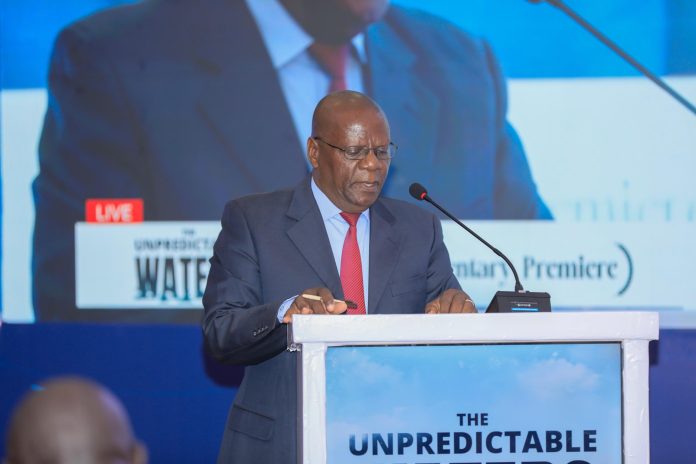
Speaking at the premiere of Unpredictable Waters a documentary highlighting the dangers faced by lakeside communities Eng. Tumusiime reaffirmed the government’s commitment to drowning prevention. He emphasized that this effort is being reinforced through policy frameworks, including the draft National Water Safety Strategic Plan (2023-2028).
“Uganda is blessed with abundant water bodies, but they come with challenges, including drowning. Children and young people are the most affected. In 2023 alone, 138 drowning fatalities were reported, highlighting the urgent need for action,” he stated. “This documentary sheds light on the issue and offers practical solutions to save lives.”
The event also showcased the Drowning Prevention Project, an initiative by Reach A Hand Uganda (RAHU) launched last year. The project aims to enhance drowning prevention efforts and promote water safety in lakeside districts such as Mayuge, Rakai, and Masaka.
RAHU’s Acting Country Director, Benson Muhindo, emphasized the need to integrate swimming lessons into school curricula and establish community swimming pools to equip children with essential life-saving skills.
“We have identified three locations in affected districts where swimming pools will be built to teach basic water safety and survival skills,” he announced.
Joe Kigozi, a RAHU Board Member representing Board Director Edna Mbabazi, stressed that drowning prevention is not just a safety measure but a critical public health priority, particularly for Uganda’s predominantly young population. He highlighted that the documentary serves as an advocacy tool for stronger interventions.
The premiere also featured a panel discussion where experts underscored the need for coordinated strategies to reduce drowning risks.
Commissioner Sowed Ssewagudde from the Department of International & Transboundary Water Affairs at the Ministry of Water & Environment revealed that Shs 14 billion is still required to strengthen interventions at various water bodies and communities.
“Out of the Shs 25 billion needed, Shs 11 billion has already been sourced through ongoing activities. The remaining Shs 14 billion is required for implementing key interventions such as early warning systems, teaching schoolchildren to swim, and purchasing water ambulances to improve rescue operations,” he said.

Stories Continues after ad

Kirk Whalum, Isaiah Katumwa to Headline Jazz in the Pearl Festival

World-renowned saxophonist Kirk Whalum and Uganda’s celebrated saxophonist Isaiah Katumwa, who has not performed in Uganda since relocating to the United States, are set to grace the dfcu Jazz in the Pearl Festival.
The festival promises a dynamic cultural collaboration, not only entertaining audiences but also elevating Uganda’s jazz music industry. Set to take place on May 10, 2025, at Kampala Serena Hotel, the event will bring together top national and international jazz stars for an unforgettable experience blending global and African musical influences.


Jazz in the Pearl envisions becoming East Africa’s premier jazz festival—one that celebrates the genre’s historical roots, cultural significance, and growing popularity. The festival will also provide a platform for local Ugandan jazz musicians to perform alongside international stars, fostering artistic exchange and future collaborations.


“Music has an extraordinary ability to transcend boundaries and connect people. dfcu Bank is proud to bring you the dfcu Jazz in the Pearl Festival because we deeply believe in the power of connection. For six decades, we have been driven by a vision of building a community of progress, and this concert allows us to celebrate that journey with the Ugandan people,” said Charles Mudiwa, CEO of dfcu Bank.
Marking his long-awaited return to Uganda, Isaiah Katumwa will perform alongside Kirk Whalum, whose Grammy-winning artistry has captivated audiences worldwide. They will be joined by Tshaka Mayanja and the Black Roots Academy of Soul, one of Uganda’s most talented jazz ensembles.
According to Mudiwa, the Jazz in the Pearl Festival is more than just a musical celebration—it is a tribute to the jazz culture that dfcu Bank is committed to promoting and preserving. Through this festival, dfcu Bank continues to cement its reputation as a forward-looking, aspirational institution that honors tradition while embracing the future.

Stories Continues after ad

Uganda’s Betting Boom and the Rise of Sports and Online Gambling

The betting industry in Uganda has experienced significant growth, becoming an important part of the nation’s entertainment landscape. Sports betting, in particular, has captured the interest of many Ugandans, reflecting broader changes in recreational activities. As the sector continues to expand, it presents both opportunities and challenges for Ugandan society.

In recent years, sports and online gambling have become integral components of Uganda’s entertainment scene. This surge is a reflection of wider shifts in how leisure is perceived and engaged with across the nation. The evolution of betting in Uganda is deeply intertwined with technological advancements and cultural shifts that mirror global patterns. Platforms like Bestbetting.ug have emerged as comprehensive resources, offering detailed information, comparisons, and reviews of various betting sites to help users make informed decisions.

The Development of Betting in Uganda

Betting in Uganda has undergone significant transformation over the past decade. Historically seen as a niche activity, it has blossomed into a mainstream form of entertainment. The rapid increase in internet accessibility has been a crucial driver behind this boom, allowing more Ugandans to participate in online betting activities. Sports, particularly football, have also played a pivotal role in this evolution, captivating audiences and creating a fertile ground for sportsbooks to thrive.

Bestbetting.ug serves as a valuable resource for those interested in understanding the dynamics of this growing market. The platform provides comprehensive insights into various betting sites and practices, ensuring that Ugandans can make informed decisions when venturing into online betting. Legal frameworks have also evolved to accommodate the burgeoning industry, with regulators working to ensure fair play and integrity within the market.

While this growth signifies positive economic impacts, such as increased tax revenues and job creation within the industry, there are challenges that come with it. Issues such as gambling addiction and its socio-economic repercussions necessitate attention from both stakeholders and policymakers.

Impact on Ugandan Society

The rise of betting has left an indelible mark on Ugandan society, influencing both cultural norms and economic landscapes. On one hand, it has contributed significantly to job creation and the generation of tax revenue, which are crucial for national development. Bookmakers and betting apps offer employment opportunities across various sectors, from customer support to IT development.

However, the cultural implications of this boom cannot be ignored. Gambling addiction poses a substantial challenge that requires comprehensive intervention strategies. Efforts to combat this issue must focus on education and awareness campaigns that promote responsible gambling practices among bettors.

Moreover, legal betting presents an opportunity for societal growth if managed appropriately. By regulating the industry effectively, authorities can harness its potential while safeguarding citizens against its pitfalls.

The Role of Online Platforms

Online platforms have revolutionized the betting landscape in Uganda by providing convenient access to gambling services. With mobile betting becoming increasingly popular, these platforms offer unparalleled ease of use and accessibility. For many Ugandans, mobile devices serve as the primary means of engaging with betting sites.

Bestbetting.ug is a comprehensive online platform dedicated to sports betting in Uganda. It offers detailed information, comparisons, and reviews of various betting sites to help users make informed decisions. By leveraging these resources, bettors can navigate the complex world of online sportsbooks more effectively.

This digital transformation allows bookmakers to reach broader audiences while providing customers with diverse options tailored to their preferences.

Responsible Gambling Initiatives

The rise in gambling activities has prompted both governmental bodies and organizations to advocate for responsible gambling initiatives. Regulatory measures have been introduced to promote safe betting environments while protecting vulnerable individuals from exploitation.

Educational campaigns play a vital role in these efforts by raising awareness about potential risks associated with excessive gambling behavior. These initiatives emphasize moderation and highlight support systems available for those affected by addiction issues.

Through collaboration between stakeholders within the industry—such as operators—and public institutions—such as health agencies—the impact of problem gambling can be mitigated effectively over time.

As we reflect on Uganda’s burgeoning betting industry, it is clear that its future holds immense potential alongside formidable challenges. By balancing growth with responsibility through collaborative efforts between regulators and operators alike—Uganda can continue reaping economic benefits while ensuring social well-being remains intact.

Stories Continues after ad

Airtel, MTN Uganda under investigation over ‘hidden’ mobile money charges

The COMESA Competition Commission has launched an investigation into Airtel Mobile Commerce BV and MTN Group for allegedly misleading customers about transaction fees and failing to disclose foreign currency exchange rates for cross-border transfers in multiple markets.

The COMESA Competition Commission says it has evidence that Airtel and MTN failed to disclose foreign currency exchange rates for cross-border transfers, potentially leaving customers out of pocket.

The commission alleges that Airtel’s mobile money services in Uganda, Kenya, and Malawi did not provide customers with the full cost of transactions, including forex charges, before confirming payments.

In some cases, the exchange rate displayed to users differed from the rate applied to transactions, the commission says.

MTN Mobile Money Uganda Limited is also accused of displaying different amounts to senders and recipients in international money transfers.

The commission’s investigation will determine whether Airtel and MTN breached regional anti-trust laws. If found guilty, the two companies could face fines or other penalties.

The investigation is a significant development in the rapidly growing mobile money sector in Uganda, where millions of people rely on the services to send and receive money.

The COMESA Competition Commission is responsible for promoting competition and protecting consumers in the 21-member Common Market for Eastern and Southern Africa (COMESA) region.

Stories Continues after ad

Govt Launches First Scheduled Roll-On/Roll-Off Freight Vessel

East Africa Marine Transport (EAMT) has taken a major step toward creating a more sustainable and efficient logistics solution for Lake Victoria with the commissioning of MV MPUNGU, the lake’s first scheduled roll-on/roll-off (RoRo) freight vessel.
Offering faster and safer crossings with reduced carbon emissions, the fuel-efficient vessel is set to revolutionize regional trade by cutting journey times from several days to mere hours. It will also play a significant role in the decarbonization of the region’s transport sector.
Owned by East Africa Marine Transport (EAMT) and operated by Grindrod Logistics Africa – Uganda (GLAU), a leading provider of sustainable maritime logistics in the region, MV MPUNGU provides a greener, safer alternative to the congested road freight system. This breakthrough will benefit businesses across Uganda, Tanzania, and beyond.
The vessel was constructed at a purpose-built facility in Uganda and recently secured accreditation from FAST-Infra, an industry-led labelling system that recognizes and measures sustainable infrastructure assets worldwide.
Robinah Nabbanja, Prime Minister of Uganda, spoke on behalf of President Yoweri Museveni called the vessel a milestone for East Africa, highlighting its potential to advance trade and environmental goals while strengthening regional ties.
MV MPUNGU reduces transport times across Lake Victoria to just 18 hours, compared to the current three-to-four-day journey by road. With the capacity to carry up to 21 fully loaded freight vehicles equivalent to up to 1,000 tonnes of freight per crossing, it provides a cost-effective, efficient, and low-emission alternative for regional logistics. By alleviating road congestion, the vessel also reduces fuel costs and mitigates risks such as theft and driver fatigue.
The approximately USD 20 million project was made possible with funding from the Private Infrastructure Development Group (PIDG) through its project development specialist, InfraCo, and regional logistics leader Grindrod Limited. PIDG has committed over USD 41 billion to develop and deliver infrastructure projects since its inception.
Speaking on behalf of EAMT, Rodney Seema, PIDG Regional Asset Management Lead for InfraCo, said, “This vessel represents a collaborative achievement that redefines the logistics landscape for East Africa. With MV MPUNGU, we’re not just offering faster, greener transport options; we’re creating opportunities for regional trade to thrive. On behalf of EAMT, I want to extend my heartfelt thanks to the investors, shipbuilders, partners, and local communities who contributed to the success of this project.”
Built to international standards by SECO Marine (U) Ltd, an Alpha Group company, at its purpose-built shipyard in Entebbe, Uganda, MV MPUNGU has also benefitted from the expertise of Danish company OSK Design and Indian firm S&O Maritime, along with grant funding from the European Union Africa Infrastructure Trust Fund (EU-AITF). The successful collaboration between regional and international partners enabled the vessel to enter commercial operation just 29 months after the keel was laid.
The 96-meter-long vessel undertakes a minimum of two scheduled crossings per week between Port Bell, Uganda, and the port of Mwanza, Tanzania. EAMT plans to expand its operations with additional sailings and future routes, including potential connections to Kenya. Discussions are also underway regarding the use of alternative fuels to further reduce emissions.
Currently, existing road infrastructure poses a major barrier to trade expansion in sub-Saharan Africa. Cross-border routes are often disrupted, and transporting goods solely by road is prohibitively expensive for regional traders and producers. MV MPUNGU’s reduced journey times not only prevent spoilage of fresh produce but also boost trade and support the achievement of sustainable development goals related to infrastructure upgrades.
The potential to transform Lake Victoria into a key trade route has been acknowledged by the Heads of State of the East African Community (EAC) and the Common Market for Eastern and Southern Africa (COMESA), who have committed to adopting an integrated approach to diversifying trade routes.
EAMT contributes to the objectives of the Africa Continental Free Trade Area (AfCFTA), unlocking new economic opportunities. Estimates suggest that full implementation of the AfCFTA will require significant investment in marine transport infrastructure, including the addition of 100 more vessels.
Registered under the Ugandan flag, MV MPUNGU boasts modern sleeping quarters and dining areas for drivers, allowing them to rest and recharge during the crossing. Classed by Bureau Veritas, MV MPUNGU operates in compliance with International Maritime Organization (IMO) standards for Safety of Life at Sea (SOLAS), security of shipping, and the International Convention for the Prevention of Pollution from Ships (MARPOL).
EAMT has also trained a cohort of 30 mariners, 30% of whom are women, to work aboard MV MPUNGU and other vessels in the region. Four individuals are continuing their training at the Dar es Salaam Maritime Institute to become officers.

Stories Continues after ad

WHO allocates Shs 3.7 billion to combat Sudan Virus Disease outbreak

The World Health Organization (WHO) and its partners have ramped up their support for the Ugandan government’s response to the ongoing Sudan virus disease (SVD) outbreak, which is part of the Ebola virus family. This support includes facilitating access to candidate vaccines and treatments.
The first 2,160 doses of the vaccine candidate and related treatments have already arrived in Kampala, Uganda, having been prepositioned as part of outbreak preparedness efforts.
The vaccine trial process is underway, which includes the orientation of research teams on trial procedures and logistics. Research teams have been deployed to the field to work alongside surveillance teams while awaiting necessary approvals.


Both the vaccine candidate and the treatments (which include a monoclonal antibody and an antiviral) are being provided under clinical trial protocols, aimed at documenting their efficacy and safety.
As of January 30, there has been one confirmed case and 45 contacts are being monitored.
Uganda has experienced five previous SVD outbreaks, with the most recent one declared in September 2022 and ending in January 2023. That outbreak resulted in 164 cases and 77 deaths. During that period, a WHO committee of external experts evaluated candidate vaccines and recommended their use in clinical trials against the SVD virus.
WHO is collaborating with Uganda’s Ministry of Health, designated Ugandan Principal Investigators, and teams from Makerere University Lung Institute and the Ugandan Virus Research Institute, as well as global filovirus experts, to initiate the trials. The trials have been designed as part of a global collaborative effort coordinated by WHO, involving developers, academic institutions, regulatory authorities, and researchers from countries at risk of filovirus outbreaks.
The aim of the vaccine trial is to assess the efficacy of a candidate vaccine, which could help end the current outbreak and protect populations at risk in the future. Those most at risk, such as close contacts of confirmed cases, are eligible to participate. The study will employ a “ring vaccination” strategy, with mobile teams rapidly reaching affected areas.
WHO is working with Makerere University Lung Institute and the Ugandan Virus Research Institute to lead the trial’s implementation.
The development of the research protocols has been driven by the MARVAC Consortium and the Collaborative Open Research Consortium (CORC) for the Filoviridae Family, with contributions from developers such as IAVI (which provided the Sudan virus vaccine) and Gilead (which provided the antiviral remdesivir). Other organizations supporting the trial include the Coalition for Epidemic Preparedness Innovations (CEPI), the Africa Centres for Disease Control and Prevention, Canada’s International Development Research Centre, the European Commission’s Health Emergency Preparedness and Response Authority (HERA), and WHO. This rapid action represents a concerted international effort to address dangerous pathogens through research, innovation, and countermeasures.
While Sudan virus disease outbreaks can be controlled without vaccines, control is achieved more quickly with safe and effective vaccines. In the meantime, Uganda has launched a comprehensive outbreak response to halt transmission, trace contacts, conduct epidemiological investigations, and increase community awareness.
WHO has allocated US$ 1 million (Shs 3.7 billion) from its Contingency Fund for Emergencies to accelerate outbreak control efforts.
Sudan virus disease is a severe, often fatal illness caused by the Sudan virus (Orthoebolavirus sudanense), which is in the same virus genus as Ebola. The case fatality rate in past outbreaks has ranged from 41% to 100%. Although there are no approved vaccines or treatments for Sudan virus, early supportive treatment has been shown to significantly reduce deaths.

Stories Continues after ad

Judicial Service Commission Dismisses Deputy Registrar and Chief Magistrate for Abuse of Office

Court Hammer

The Judicial Service Commission (JSC) has dismissed two judicial officers for misconduct and abuse of office. The dismissed officers are Her Worship Cissy Mudhasi Kawuma, Deputy Registrar, and Her Worship Ruth Nabaasa, Chief Magistrate.


Sources revealed that during meetings held on January 9 and February 2, 2025, the JSC concluded disciplinary proceedings against both Kawuma and Nabaasa. In line with its mandate under Article 148 of the Constitution, the Commission dismissed both officers from the Judiciary Service with immediate effect.
According to Maria Nabulya, Acting Senior Communication Officer at the JSC, Kawuma was found guilty of abusing her judicial authority.


She ordered the attachment of bank accounts belonging to Makerere University, the Uganda Nurses and Midwives Council, and a private individual, without following proper legal procedures.


 “Her actions were deemed judicial misconduct as they violated the Uganda Judicial Code of Conduct and the Judicial Service Commission Regulations. Additionally, she defied the Chief Justice’s instructions and proceeded with execution proceedings during a suspension period intended to curb the spread of Covid-19.” Nabulya explained.


On the other hand, Ruth Nabaasa, Chief Magistrate, was also found guilty of abusing her judicial authority and violating the Uganda Judicial Code of Conduct. She disregarded a High Court Judge’s directive to determine the value of disputed properties to assess whether the matter was within her jurisdiction.
“It was determined that she entertained a case outside her jurisdiction, contrary to the High Court’s order, leading to a loss for the complainant,” Nabulya stated.
The Judicial Service Commission emphasized that it remains committed to upholding the rule of law and maintaining the highest standards of judicial accountability.

Stories Continues after ad

Over 110 nominated for 2025 Ikon Awards

The Ikon Awards has unveiled this year’s nominees during a special live broadcast hosted by media personality Ethan Kavuma and renowned actress Catherine Namugenyi.
The announcement spotlighted outstanding talent across 22 categories, including: Best Film, Best Director, Best Actress in a Leading Role, Best Actor in a Leading Role, Best Actor in a Supporting Role, Best Actress in a Supporting Role, Best Director of Photography, Best Screenplay, Best Sound, Best Editor, Best Costume Design, Best Makeup and Special Effects, Best Production Design, Best Visual Effects, Best Short Film, Best Documentary, Best Animation Film, Best TV Series, Best Actor in a TV Series, Best Actress in a TV Series, Best Student Film, and the Ikon Rising Star.
In addition, the Ikon Executive Committee revealed four prestigious awards: the Best Emerging Film Award, recognizing promising new cinematic work; the Lifetime Achievement Award, honoring an individual’s enduring contributions to the film industry; the African Ikon of the Year, celebrating an influential figure in African cinema; and the African Rising Star Award, highlighting an emerging talent making waves on the continent.
A key highlight of this year’s awards is the expansion of the nominee slots in each of the 22 competitive categories from four to five, offering greater recognition for exceptional talent.
“What makes this year’s Ikon Awards special is the expansion of the nominee slots, creating more room to celebrate outstanding work. This time, we are stronger than ever in championing inclusivity and celebrating diverse voices in the film and television industry,” said Usama Mukwaya, Ikon Awards Producer.
Humphrey Nabimanya, CEO of the Ikon Awards, emphasized that these awards, like others in the film industry, serve the same purpose: uplifting the industry, supporting filmmakers, and attracting investment by marketing films to elevate the industry.
“Our industry is growing, and with that growth, we need more key players to come on board to take it to greater heights. That’s why we’ve introduced special categories to open doors for the film industry,” he said.
He also mentioned that the Icon Awards embrace all types of films because, at the end of the day, we must appreciate the effort Ugandans put into creating content. Whether the quality is high or low, it remains a Ugandan product, and it is the role of the Icon Awards to uplift these filmmakers and help them improve the content they produce.
Looking ahead, he shared that the Ikon Awards will continue to commission content and support filmmakers in producing higher-quality films.
“We received over 300 submissions, and after careful selection, the jury has done an incredible job. Now, let’s wait and see what happens on March 29 at Serena Hotel,” he said.
“Since the first edition of the Ikon Awards, we’ve been sending young filmmakers to Nigeria for masterclasses in the Nollywood industry. Some of them have worked on major sets, and their films are now available on platforms like Amazon Prime and Netflix. We’ve been doing this consistently for the past three years, and we will continue with this effort this year,” he added.

Stories Continues after ad