It is finally here! 2018. The long awaited New Year has arrived and with it comes a new sense of hope. The slate has been wiped clean and it’s time for new experiences. Everyone uses this time to make New Year resolutions, things they would like to accomplish and work on through the year. Goals are set and to-do lists are made.
One of the many resolutions most people always promise themselves they will fulfill is to travel. Travelling and discovering new places, experiencing a different scene, culture, food and music can be very exciting. You learn so much and are exposed to a different side of the world each time you decide to travel. Traveling also brings people together, whether it’s families, friends, work groups or complete strangers there is a guarantee that great memories will be created.
In 2017, four of the major highlights for Jumia Travel were the trips across Uganda. Whether it was the journey to the annual largely celebrated international music festival Nyege Nyege in Jinja or the trip to the beautiful Lake Bunyonyi and Chobe organized by Simples Entertainment or the one day visit to Ssese Island. Seeing the happiness, joy, fun, challenges experienced when on these trips was definitely something to look back on with great pride. As we take stock of the year that was, Jumia Travel is prepared to partner in more travel adventures in 2018.
That being said planning a trip? Trying to make sure that resolution is fulfilled this year? No need for you to look very far Jumia Travel has you covered with several hotel options and the best rates for flights across the world.
HAPPY NEW YEAR MAY 2018 BE NOTHING SHORT OF PROSPEROUS!
For the third year in a row, 11-time Kenyan Premier League champions Tusker FC will be managed by a Ugandan coach.
According to the reports in Kenya, Sam Timbe is set to be unveiled today as Tusker’s head coach on a two-year deal.
He will replace compatriot George ‘Best’ Nsimbe, who was sacked at the end of the season for a disastrous 2017 campaign that saw the team surrender both the GOtv Shield and the league title to AFC Leopards and Gor Mahia, respectively.
Timbe managed a Kenyan club Sofapaka in August 2013, leading the team to the domestic title in 2014 before quitting after expiry of his contract in August 2015 to rejoin Ugandan side Police.
Tusker won a double in 2016 under Ugandan Paul Nkata but struggled in the 2017 season, finishing a distant sixth with 50 points, 24 behind the champions Gor Mahia.
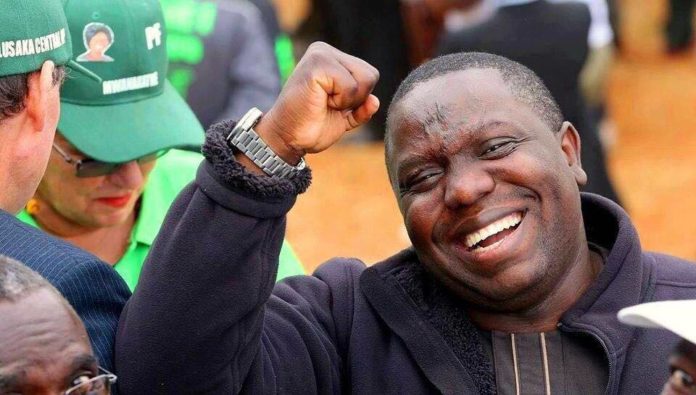
Zambia’s Foreign Affairs Minister Harry Kalaba has resigned from the PF government.
In a Facebook post, Mr Kalaba said he has dumped his cabinet post because of the path the country has taken of insatiable greed and shame which he said is clearly unacceptable and unsuitable.
Mr Kalaba who has held the position for the past four years said he has just dropped his resignation letter as Foreign Affairs Minister with President Edgar Lungu.
He said his fundamental belief is that his allegiance should not be with a position, Party or Person but it must be with the country and its people.
Mr Kalaba who is also Bahati PF Member of Parliament said his conscious and everything he is have directed him to choose the country over his individual comfort.
And some family sources confirmed that Mr Kalaba held a family meeting late afternoon where he made the decision to quit.
They said afterwards, he left for State House where he dropped the resignation letter with President Lungu.
By the time of publishing, Mr Kalaba had switched off his mobile phone and was not available for a comment.
Below is the full Facebook Post
I HAVE RESIGNED
There comes a time in a person’s life when it becomes necessary to die to self for the good of others and if not for that reason, at least to stand for one’s cherished ideals and values. I have just dropped my resignation letter as Foreign Affairs Minister with President Edgar Lungu – a position I have cherished and held for over 4 years. I have taken my decision to resign as Foreign Affairs Minister with a heavy heart but quite succinctly with a clear and resolved mind. I have no shed of doubt that this was a necessary undertaking and an unavoidable one looking at the path our country has taken – a path of insatiable greed and shame which is clearly unacceptable and unsuitable.
My fundamental belief is that my allegiance should not be with a position, Party or Person but it must be with the country and its people. My conscious and everything I am have directed me to choose the country over my individual comfort. To some, this may appear like an act of defiance, yet to those close to me, to those who have watched me wreath in perpetual pain and mourn over my country, this may more or less be a relief because I have finally found peace in my mind and heart even in the face of losing the comfort that the position of Minister brings to give both expression and action to what I believe in. In any case, I accepted this appointment in the first place as a gesture and avenue to serve my Country but when that becomes difficult due to incongruence of values and objectives, there could only be one outcome. This outcome is what I am repeatedly convicted of by my own conscious especially at night when I go to bed to face my own brokenness.
We cannot proceed to manage national affairs with cold indifference when the levels of corruption are swelling and being perpetrated by those who are expected to be the solution. Our youths are wallowing in poverty without a clear plan for them while business preferences and opportunities are always tilted in favour of outsiders, reducing Zambians to mere spectators in the economic affairs of the State. This cannot be allowed to continue. We need to go back to the original agenda of our Party the PF, where the poor and not the corporates must be at the centre of all our decisions. It would appear that the poor Zambians have ceased to be the reason we are holding power. Materialism and the propensity for money has taken over and is arrogantly at the centre of many decisions being made today.
What I wish most for the youths of Zambia is opportunity and success. All I desire is for each and every Zambian to make their own success story – the story they deserve, one that allows them to raise their heads high in a country where effort, work, planning and selflessness will become the hallmark of our people.
I have elected to join the many sidelined Zambians by remaining as an ordinary Member of Parliament representing the gallant people of Bahati. Some will call it politics and yet some will call it sacrifice. Whichever way you choose to look at my action, one thing is certain; I can no longer be a silent listener to the whispers of greed and indifference making rounds in the corridors of power. Contrary to what a number of my colleagues claim, I believe that the failure of the Zambian political and economic management does not lie in the individualistic nature of a lot of our politicians, but it is the result of oppressing this individualism to a level where there is consistent effort to suppress individualistic dynamism in preference for collective carelessness and indifference.
When people begin to feel overwhelmed by fear for speaking the truth, it is time to realize that critical fundamentals have shifted. We all have a role to play in making things right. This is my little contribution – Zambia is our Country, we need and must reclaim it back.
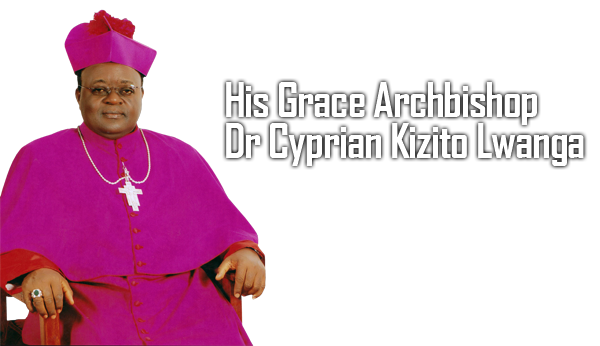
The Archbishop of the Kampala Catholic Archdiocese Dr Cyprian Kizito Lwanga has joined other men of the collar in condemning bad politics and governance.
Dr Lwanga, who was addressing a New Year congregation at Lubaga Cathedral, also urged Ugandans to resist the two vices, which he said, would cause disunity and cripple development.
Previously, other clerics including the Catholic Bishop of Masaka John Baptist Kaggwa, the head of the Orthodox Church Metropolitan, Jonah Lwanga and the Mufti Sheikh Shaban Ramathan Mubajje have criticized among others the recent removal of the 75-year presidential age limit, arguing that it was bound to return the country to turmoil.
“Let us resist bad politics and promote national unity because we are all interested in Uganda and also to build a strong future for this country,” Dr. Lwanga said.
In a veiled interpretation, many Ugandans said the Archbishop’s sermon was a response to Museveni’s New Year message, in which he attacked religious leaders.
“Some of our religious people are so full of arrogance. They talk most authoritatively on all and everything even when they have not bothered to find out the truth,” Museveni, who last week assented to the removal of the age limit clause, said.
But Archbishop Lwanga said many Ugandans including President Yoweri Museveni had made similar calls. “He (Museveni) commanded people to resist bad politics. He said we should resist bad politics, and I think he was right there,” the Prelate observed.
He also cited Article 29 of the Constitution of Uganda, and emphasised that religious leaders have a right to comment on political matters. The Article stipulates the protection of freedom of conscience, freedom of expression and freedom of movement, and Dr. Lwanga’s comments come in the wake of expunging Article 102 (b) of the 1995 Constitution, which caps the presidential age limit at 75 years.
“This means, that every citizen has a right to freedom of speech and expression, freedom of thoughts. All of us should therefore be aware that the life of our nation is not a responsibility of a few individuals alone but a common social responsibility of all citizens of this country. I therefore appeal to all concerned especially politicians or even journalists, please read and understand the Constitution of Uganda before making abusive utterances on innocent people – be it religious leaders, politicians or others. That Constitution is for all us without any category of people,” he said.
The controversial age limit removal bill was passed by the Parliament and signed into law by Museveni on December 27.
When celebrated rapper Daniel Kigozi Lubwama aka Navio recorded and belted out his ‘Njogereza’ hit, he must have been inspired by his real life story.
The newly-introduced Navio with Mathilda
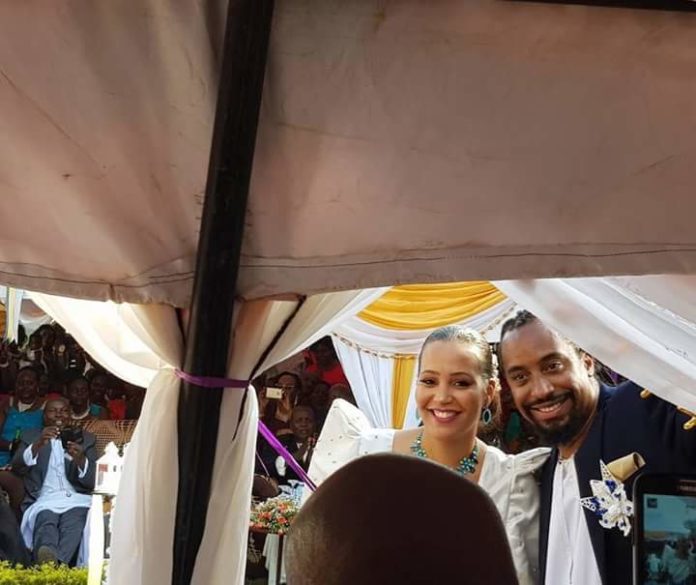
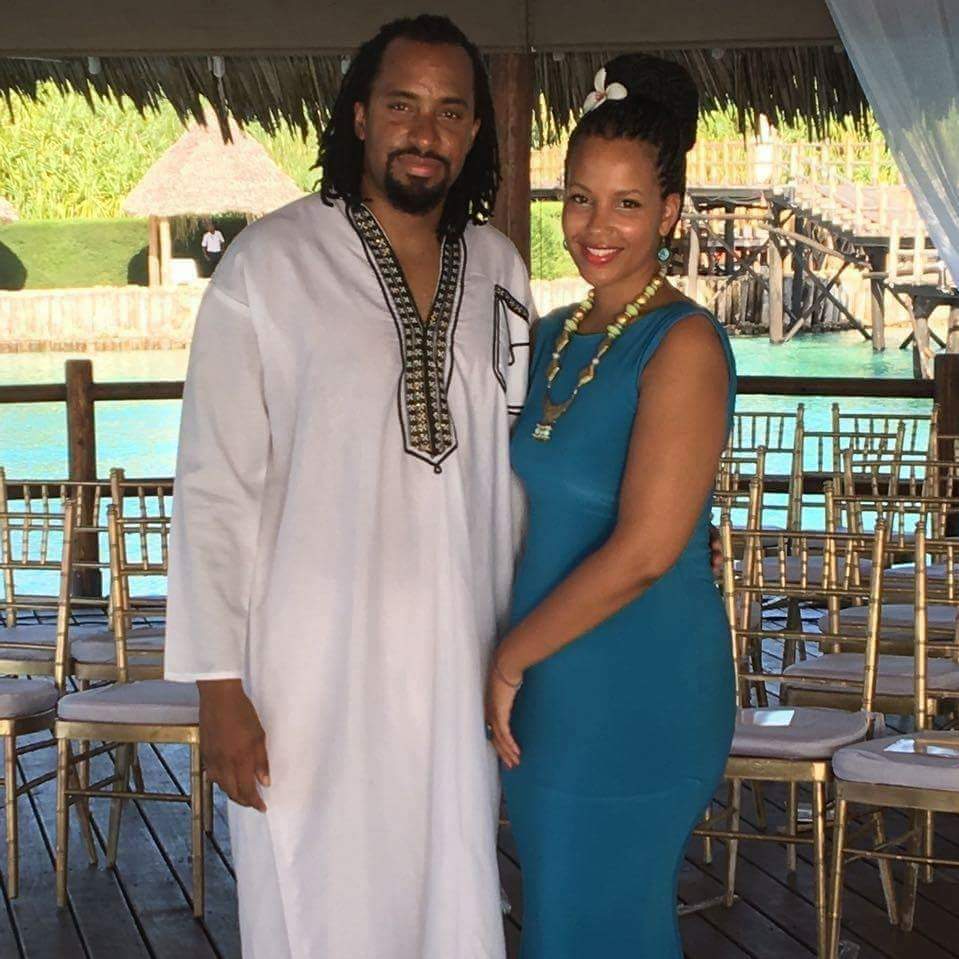
This is because it is evident he was already trying to convince his longtime girlfriend Mathilda Nassimbwa that he was ready to start a family, and without doubt his implied meaning of ‘Njogereza’ paid off doubly.
The two lovebirds
First, Mathilda bore him a child in August last year. But before the year came to an end, their relationship was further cemented when she introduced Navio to her parents last week.
Navio’s mother Dr. Maggie Kigozi (R)
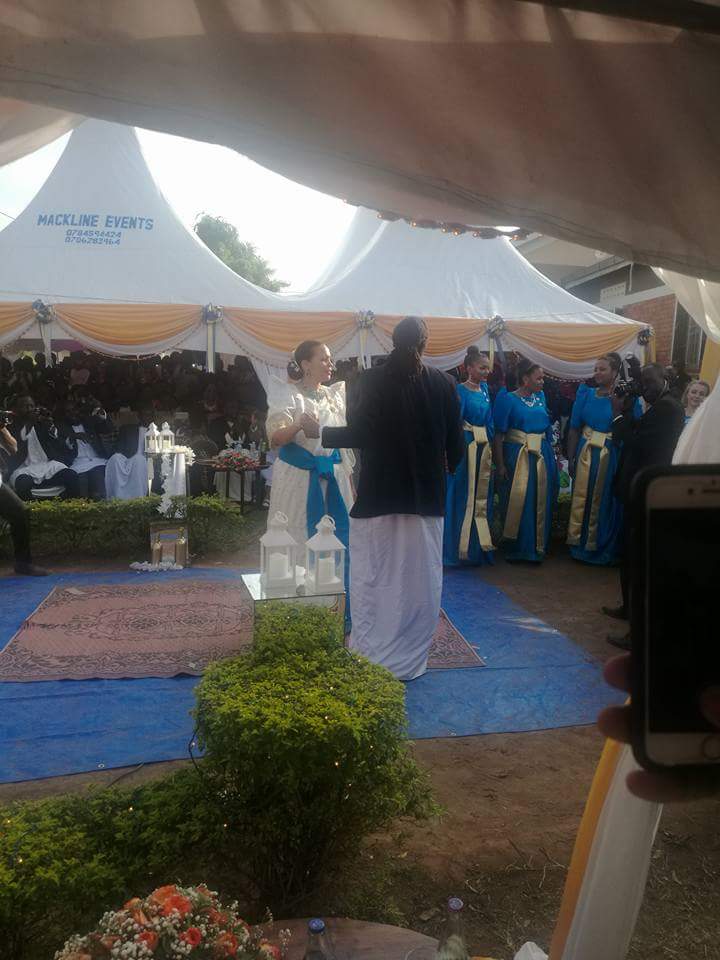
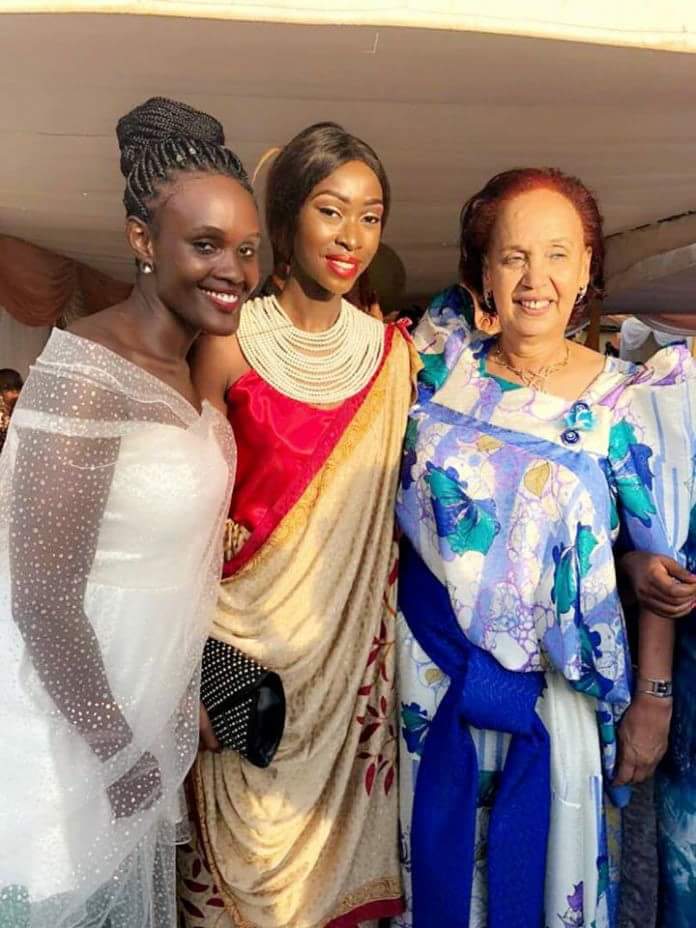
Among those who accompanied Navio as he moved closer to the ‘biggest day of his life’ included his mother, Dr. Maggie Kigozi, singer Jose Chameleone and socialite Judith Heard.
Some of the people who escorted Navio (C) for his introduction
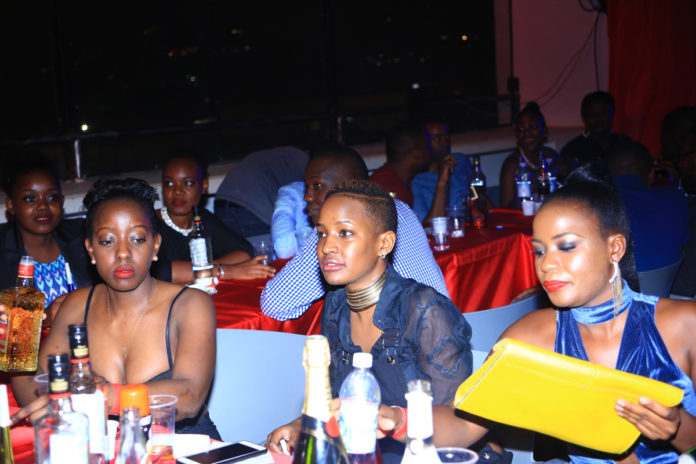
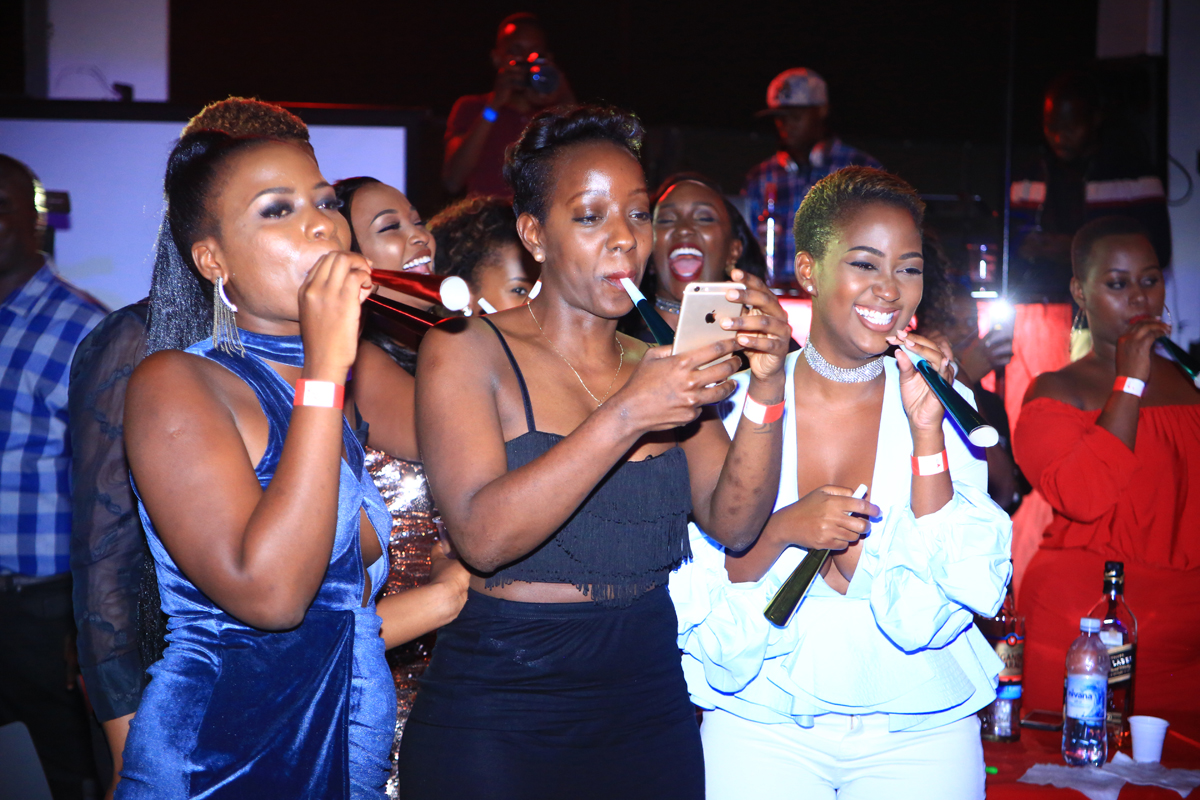
Party goers in Kampala were on New Year’s Eve spoilt for choice with the numerous parties, music, dance and fireworks happening all over the city.
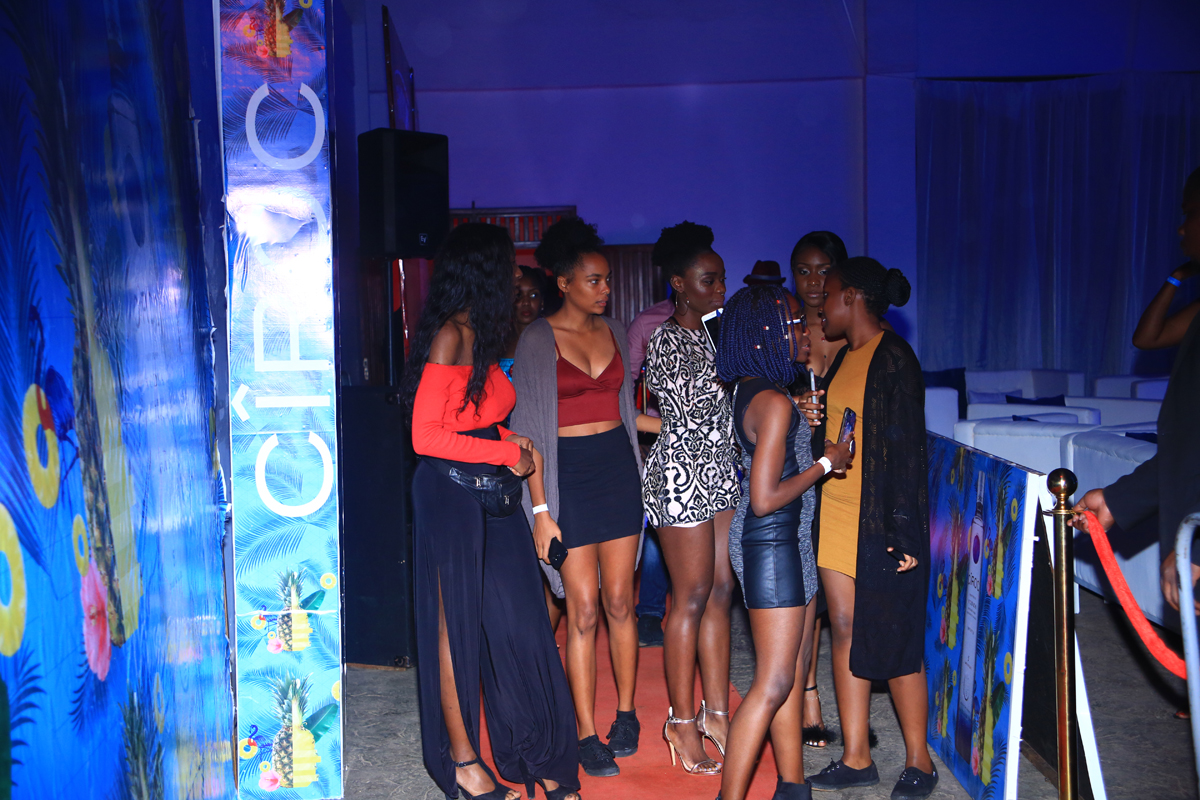
One such party was the Smirnoff Countdown New Year’s Eve party at the Square in Industrial area. The party was an MVP experience attracting only the rich kids and the A-class of Kampala.
It was an all VIP affair with Smirnoff employing the muscle of its more luxurious vodka ‘cousin’ Ciroc to host the VVIP lounge.
The party was hosted by New York-based actress and fashion enthusiast, Lucy Bunyenyezi a.k.a Lucy B, and spiced up with great music from DJs; Kasbaby, JO, Spinny, Chapat, Fem, Ciza, Simples and Da Bundus.
Kampala’s socialites, both local and international celebrities graced the event with a surprise appearance by English fashion designer of Ghanaian descent, Ozwald Boateng OBE.
The square was on New Year’s Eve a vantage point for watching fireworks displays from over five places including the Kampala Serena Hotel, Sheraton, Pearl of Africa Hotel and Naguru Skyz Hotel amongst others.
According to Uganda Breweries Limited (UBL) Reserve and IPS manager, Roger Agamba, Ciroc which hosted the most memorable fashion, party and music experiences throughout 2017, yet gain hosted the guests to a VVIP lounge to usher Kampala’s best into the New Year with class and elegance.
“Delivering ultimate premium experiences is a core to our mission at Ciroc. A story won’t be told of class, fashion and luxury in Uganda today with no mention of Ciroc,” said Agamba.
President Yoweri Museveni has reshuffled Resident District Commissioners.
In the latest reshuffles, former Uganda People’s Congress spokesperson Moses Nuwagba has been transferred from Kagadi to Kaberemaido as Deputy RDC. Nuwagaba has been on interdiction but redeployed again after being cleared by authorities Mr Fred Bamwine has been posted to Buikwe from Butambala.
Mr Salimu Komakechi has been posted to Kagadi district from Kaberemaido as acting RDC.
Sources told EagleOnline that over 17 RDCs are among those affected in the reshuffle. However by press time, other names of RDCs in the restructuring could not be established.
An RDC is a representative of the president in the district and also is the head of security.
The Uganda Cranes team continued their preparations for the upcoming 2018 African Nations Championship under the supervision of new head coach Desabre Sebastien.
Uganda qualified for the biennial championship after they defeated Rwanda 3-2 on aggregate.
Cranes are in the Group B alongside Ivory Coast, Namibia and Zambia. They open their campaign against Zambia Chipolopolo on 14 January.
Desabre Sebastien was assisted by his support staff Mathias Lule (first assistant) and Fred Kajoba (Goalkeeping coach).
27 players were part of the residential camp at the African Bible University (ABU) in Lubowa and will be reduced further to 23 players for the final submission to CAF by 3rd January, 2018.
Despite CHAN matches only featuring locally-based footballers, the games have full international status and count toward the monthly FIFA rankings.
The competition will be hosted in Morocco from Jan 12 to Feb 4.
The team is expected to depart for Morocco on Wednesday, 3rd January 2018.
President Museveni has signed the controversial age limit bill into an act following legislator’s decision in an open voting to remove both the upper and the lower presidential age limit capped that was capped at 75 and 35 years.
On December 20, 2017, a day after the suspension of six MPs against the bill, over 317 legislators voted for removal of age limit cap, 97 Voted against as two MPs Abstained the process.
However according to Chris Obore the Spokesperson for parliament, president Museveni wrote to speaker as it is required by law confirming the signing of the bill into an act and forwarded it to parliament for it to be passed.
‘’The bill was signed on December 27, 2017, one week after voting in parliamentary chambers’’ Mr. Obore said in a telephone interview.
However in his new year’s message to Ugandans, Museveni lauded the 317 MPs who defied intimidation, blackmail and opted for removal of age limit stopping the maintaining Uganda on the path of unimaginative, non-ideological, neo-colonial status quo.
‘’The 317 MPs have played a crucial role at this historical junction just like the 28 cadres of Montepuez, Mozambique played in the formation of the Fronasa Army just as 232 MPs of the seventh Parliament played a significant role in opening up the term limits that have enabled Uganda to cover more ground’’. He said at his home in Rwakitura.
Age limit bill that was peddled by the Igara west MP Raphael Magyezi seconded by Moses Balyeku and Jackson Kafuzi was tabled before parliament as private members bill in October last year after the failure of ministry of constitution affairs to form a constitution review commission.
RIP: The late Ivan Semwanga with the Rich Gang friends. This year was not a good one for them as they failed to hold the Rich Gang party because of Semwanga's death.
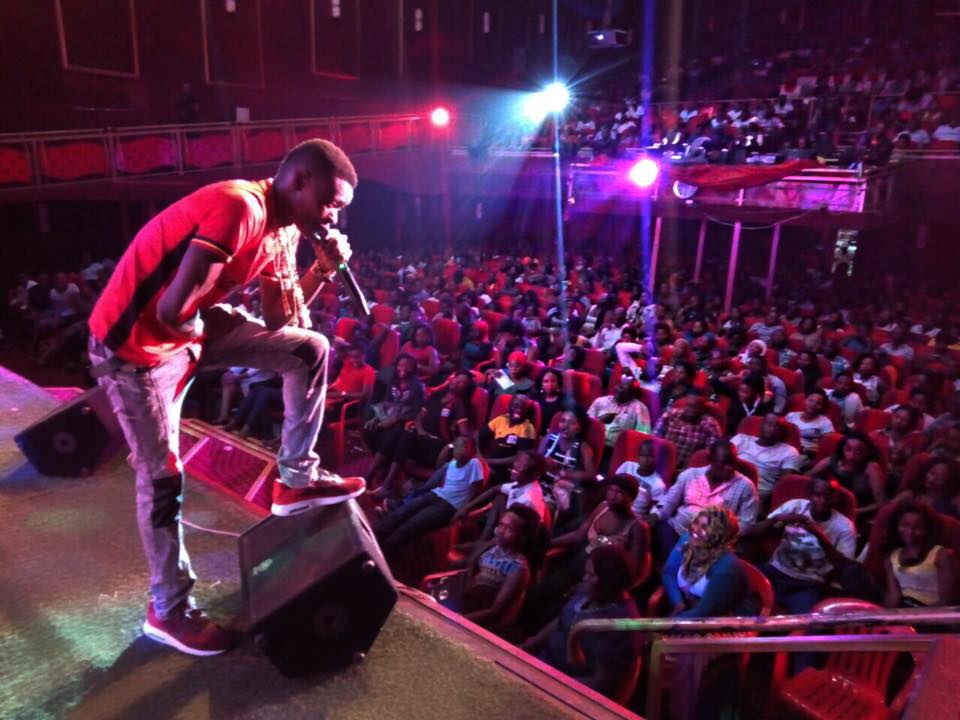
This year has been a very busy day for the entertainment industry, kicking off off with David Lutalo’s concert, dubbed ‘Onsanula Concert’.
KICKED OFF 2017: Singer David Lutalo
Held on January 28 at Hotel Africana People’s space, the concert was a success as a good number of revelers turned up. Lutalo himself put a good act, though fans can’t forget those annoying vocals, especially for those who had bigger expectations. The sound was not one you would love to have for a vocalist.
Reggae Music again!
Advertisement for the Morgan Heritage show in Uganda
The next big show, one to remember was Morgan Heritage’s show held on Good Friday at the Lugogo Cricket Oval. Performing in Uganda for the first time, the celebrated Family of Reggae never disappointed. Indeed, the bar was set way too high for the subsequent shows as the group ushered Uganda into the Easter period. The size of the audience which turned up for the Morgan Heritage show has been the biggest this year.
LIKE THIS: Jose Chameleone on stage
One of the biggest beneficiaries from such huge audience was Chameleone, because the show provided a platform for him to make his way back into the limelight. This was after the lead singer of the Morgan Heritage band, Petah Morgan invited Chameleone on stage midway the show, something that played a crucial role in his concert that came months later. And the ‘Wale Wale’ hit maker proved to the audience his other skills when he ‘freestyled’ some of Buju Banton’s songs to the excitement of the Jamaican singers and the audience. What a show it was!
MP-ELECT: Robert Kyagulanyi aka Bobi Wine joins the crowds that turned up for Jose Chameleone’s show.
Meanwhile, after rescheduling the date for his show on about three occasions, Jose Chameleone’s concert dubbed ‘Legend Hit after Hit’ was finally held at Lugogo Cricket Oval. Chameleone used this chance to apologise to the then just-elected MP Robert Kyagulanyi aka Bobi Wine, who was among the audience at his show.
“I congratulate Bobi Wine for his recent victory. I apologise for not being able to join his campaign team because I was also tight with preparations for the show. This should go as a warning to politicians. They should start considering artistes as important people and not just comedians,” Chameleone said. This was his first show in over three years and indeed he managed to attract a fair audience and also put up a good performance.
The singing duo of Radio and Weasel
Intriguingly, Chameleone’s successful concert seems to have duped to the dynamic duo of Radio and Weasel as they also moved their show from their usual venue of Hotel Africana to the spacious Lugogo Rugby grounds. However, it’s not a show the two celebrated singers would love to remember as they only managed to attract a fair audience. But to their credit, this never stopped them from giving their whole to their fans.
Singer Gravity Omutujju
Next in line was singer Gravity Omutujju as he also moved his show to Lugogo Cricket Oval, to the surprise of many since he is not known to have such a big following.
Surprisingly, in October he filled up the spacious Oval that is feared by many but this was not before word quickly making rounds that majority of the revelers had entered on complementary tickets purposely to fill up the grounds. Nevertheless, his fans left satisfied as he put up a good performance.
The Flop of the Year
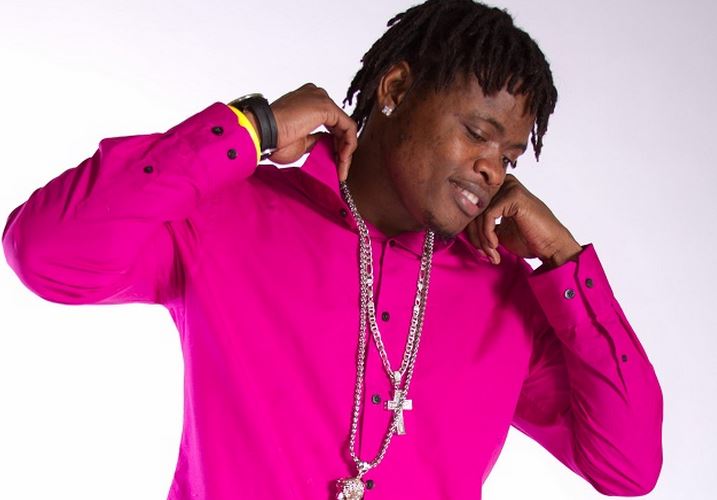
Singer Pallaso
All the above-mentioned shows must have been the main inspiration for Pallaso’s show this year. Initially holding his shows at Freedom City, the ‘Mama’ singer also decided to move his concert this year to the spacious Kyadondo Rugby grounds which have always been a reserve for the ‘Heavy Weights’ in the music industry.
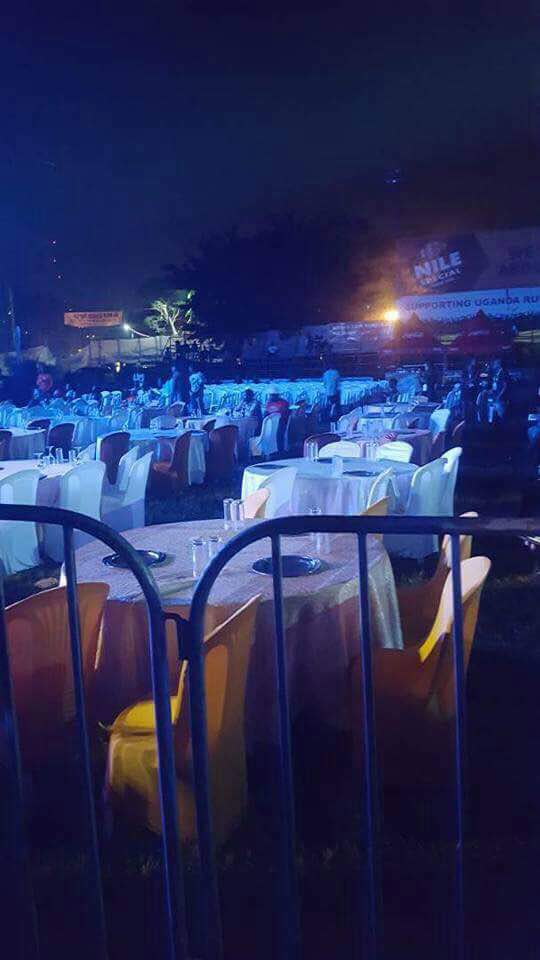
The empty seats at the Sooma show by Pallaso
Dubbed ‘Soma’, the show seems to have taught him a lesson as he’ll hardly forget the day. His show was held on a very busy day – a day on which his former crew-mate Roden Y Kabako had a show a few meters away – at Laftz while the Abryan’s Fashion Awards were also held on the same day at Serena Hotel. Worse still, Nigerian crooner Timaya also had a show on the same day in Jinja while another Nigerian musician Wizkid had performed in Uganda the previous day.
Pallaso really paid a huge price for this as just a few people turned up for his show. Interestingly, despite Kabako having suffered the same fate, he couldn’t restrain himself from taking a swipe at Pallaso. Kabako claimed on social media that Pallaso’s show was a big flop to the extent that the Mama singer couldn’t afford transport back home from Kyadondo. In fact Kabako claimed that it was him who sent Pallaso mobile money for his transport back home.
The Nigerian Affair
Nigerian singer Timaya
Meanwhile, Timaya also returned to Uganda for the second time and his second show in Jinja was a success as he belted out his countless number of hits.
That said however, one of the biggest highlights on this year’s entertainment calendar is Wizkid’s show. Following a two year wait, Wizkid finally performed in Uganda and indeed his show was worth the wait! Despite leaving out most of his hits, his exhilarating performance left all fans satisfied. And he promised to come back for a free show.
Nigerian singers Tekno and Eazi
The other Nigerians to perform in Uganda this year was Tekno and Mr Eazy. Performing on the same stage at Lugogo Cricket Oval, the duo managed to pull a sizeable crowd, though, they both turned out to be a huge disappointment to majority of the fans that turned up as their performances were way below the fans’ expectations.
The Legendary Shows
Oliver Mtukudzi
This year also saw two African music icons; Oliver Mtukudzi and PJ Powers perform in Uganda. Both performed at charity concerts and on the same day at venues less than 100 meters away from each other.
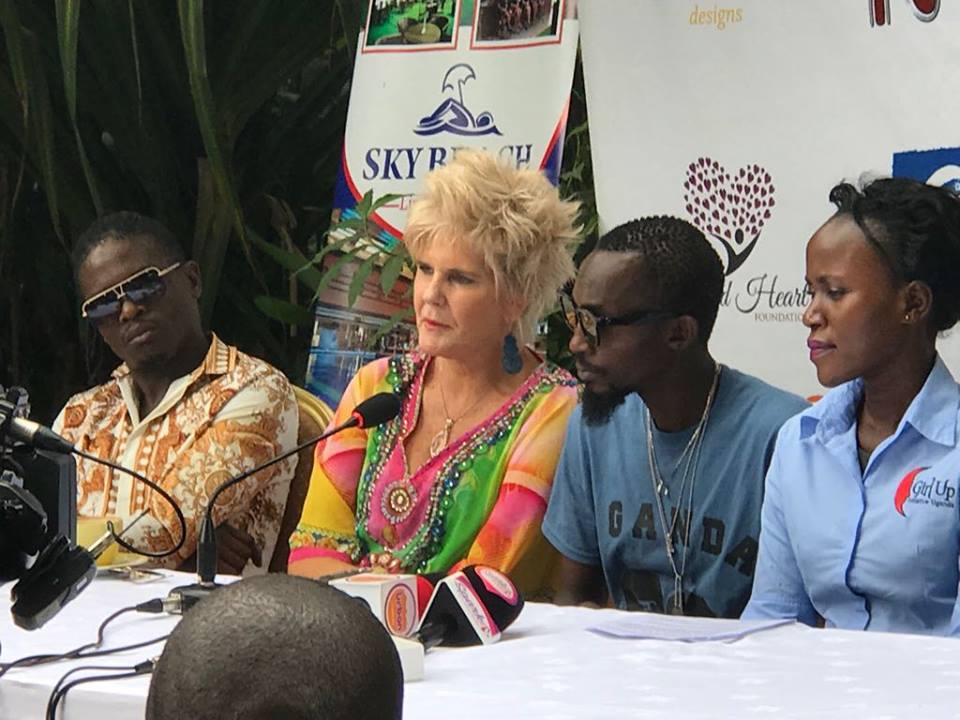
READY: African music icon PJ Powers addresses a press conference
Whereas PJ Powers performed at Serena Conference Center, Mtukudzi performed at Imperial Royale Hotel. Both performed for full houses and put up some of the most amazing performances this year.
The ‘Basummer’ Parties
December is commonly known for parties and this year hasn’t been any different.
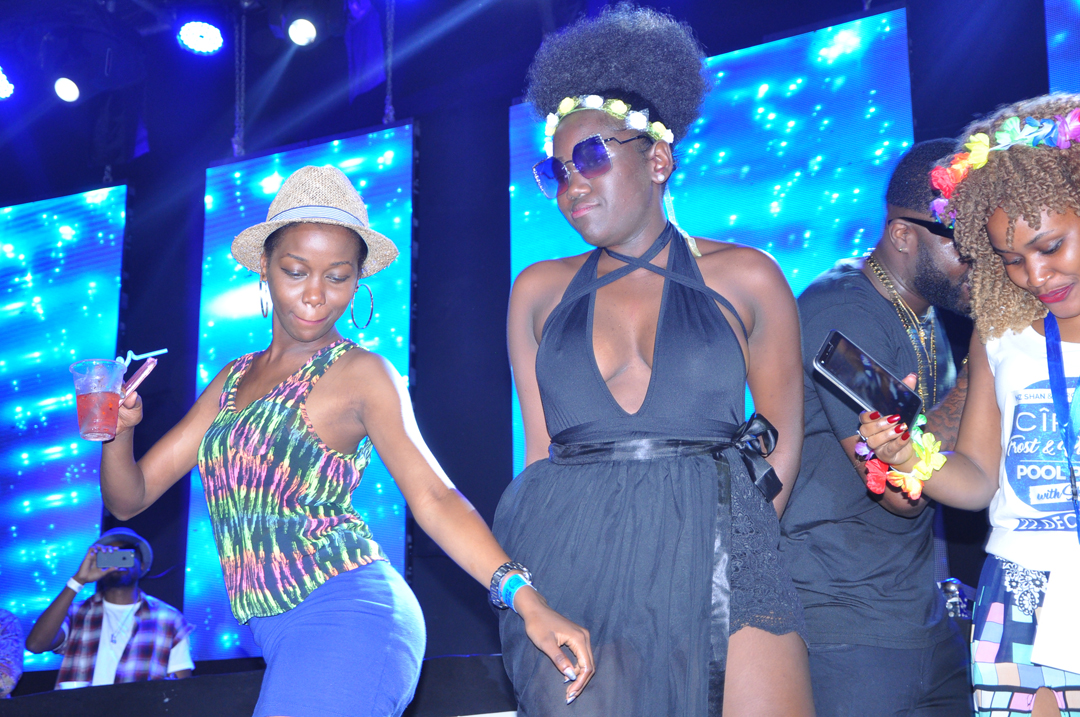
Kampala revellers at the Ciroc party
This year’s December kicked off with the ‘Million Dollar party’ hosted at Club Guvnor by one Joseph who is based in Denmark. Since socialites are known for throwing money at revelers, party animals turned up in huge numbers with the hope money was to be thrown at them in millions of dollars. To their surprise, not a single note was thrown at anyone. Not even an open bar that they had become accustomed to, thanks to the late socialite Ivan Ssemwanga. Instead, the biggest highlight of the night was where one of the revelers won himself a 40inch flat screen. And yes, that Irene Ntale fall can’t go unmentioned!
Socialite Zari
Next was Zari’s ‘All White Party’ at Club Guvnor and Don Zella’s ‘Gal Power Party’ at Club Play.
Both parties hosted by the fierce rival cougars were held on the same day but Zari’s reportedly ‘won the night’.
AT EASE WITH SELF: Don Zella
This was despite Don Zella claiming she spent about Shs20 million to fly in Diamond Platnumz’s ‘girlfriend’ Hamissa Mobetto, who is also Zari’s rival.
As all that panned out, almost all Ugandan socialites including ‘yours truly’ were readying themselves to embrace the New Year, 2018.