Stanbic Bank
Stanbic Bank
18.4 C
Kampala
Stanbic Bank
Stanbic Bank
Home Blog Page 1797

Kampala among Africa’s top dynamic commercial cities

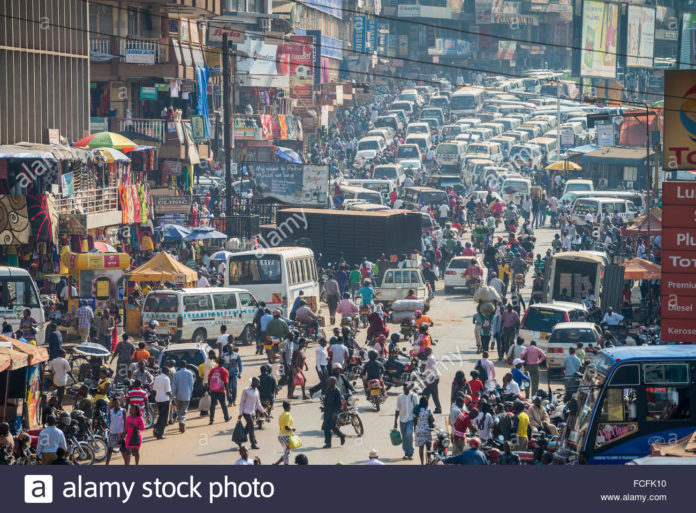
View of Hoima Road on a typically busy day, Kampala, Uganda, Africa. Photo Credit/Alamy

Uganda’s capital city Kampala is among Africa’s top ten dynamic business cities, according to a recent report dubbed ‘Into Africa: The continent’s Cities of Opportunity’ authored by PricewaterhouseCoopers (PwC).

The report concentrates on the continent’s 20 cities which were judged as ‘most dynamic and future focused’, placing  Kampala in ninth position behind other East African cities of Dar es Salaam (1st), Nairobi (3rd) and Kigali (7th). Dar es Salaam also tops Lusaka, Nairobi, Lagos and Accra on opportunity index.

Others on top ten list are Abidjan, Addis Ababa and Cairo. The report was structured around the critical issues of the business community, as well as those of the office holders and other public authorities who are responsible for improving the collective life of each city examined here.

The report indicates that when infrastructure, human capital and security are in place, culture and society starts to flourish. It further shows when investing in Africa, investors consider current vis-à-vis potential development, location, nature of opportunity among others.

“African cities when being assessed need to be looked at through a different lens, as current standings and future potential tell different city stories,” the report indicates in part. The cities were contested around economic opportunities which are driven by demands of the emerging middle class— consumers, technology, infrastructure, tourism, and financial services.

Meanwhile, despite topping the opportunity index, Dar es Salaam was not featured in top ten overall index after being placed at position 15. Nairobi, Kampala and Addis Ababa featured in both top ten indices—opportunity and overall.

Others are Accra, Lagos, and Cairo. Also Dar es Salaam city was not in the top ten attractive Foreign Direct Investment FDIs. Nairobi leads as the best city in Africa that attracted most FDIs followed by Accra and Lagos.

Others are Johannesburg, Cairo, Casablanca, Abidjan, Tunis, Algiers and Lusaka, and analysts say the report is an eye-opener to policy makers especially for countries to develop adequate infrastructure and human capital investment.

“This can limit the economic potential of a city,” the report says of the inadequate infrastructure in most cities of Africa.

The role of the public sector policy makers and related development of institutions in guiding a city is important to the private sector, it adds.


Stories Continues after ad

East Africa’s payments boom as trade flows rise

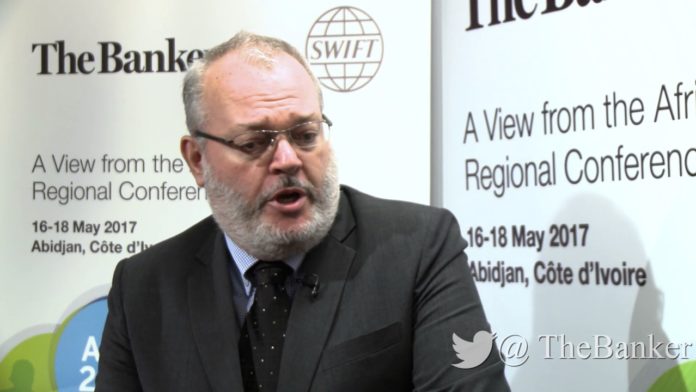
Swift head of Sub-Sahara Africa, Denis Kruger. Photo Credit/ The Banker

Despite a seeming slump in economic activities, traffic on the global payments network Swift has grown by 20.1% in East Africa over the past year, indicating an increase in  trade flows in Uganda, Kenya, Tanzania and Rwanda.

East Africa

East Africa is one Africa’s fastest growing economies and is a significant growth area for Swift, and according to its head of Sub-Sahara Africa, Denis Kruger, the major growth in Swift traffic volumes could indicate an increase in  trade flows, both within the East African region and between East Africa and other countries.

According to Swift, East Africa has outperformed the total growth for Swift globally, which amounts to 8.2%.

The figures released late last week also show that intra-regional traffic in the region is up by 19.8% compared to 2015, now accounting for 69% of payments traffic in East Africa.

“We are committed to supporting the community in the region, including through the East African Payments System, which is delivering more efficient payments across East Africa,” Kruger says.

Since 2013, the average number of daily messages in the region has almost doubled, from 15,234 to 27,907 in 2016.

Swift research has shown that its traffic data is closely correlated to economic activity. A rise in traffic volumes in therefore a sign of a long-term growth trajectory for East Africa, despite challenging global conditions, the company says.

The figures, Swift notes, reflect the success of the East African Payment System (EAPS), which was established by the East African Community in 2013 with the aim to reduce transaction time and lower the cost of doing business in the region.

The multi-currency system, which operates on the Swift network, links domestic payments systems in Kenya, Tanzania, Uganda and Rwanda, making cross-border fund transfers within the countries easier, was supporting the free movement of goods, labour and services.

The rest of the African continent similarly saw a good level of growth, with total message traffic volumes up 15.4% over the past year. In comparison, Americas grew at 7.8% and Asia Pacific at 5.4%.


Stories Continues after ad

Oil and Gas key for EAC integration processes

Anaclet Rwegayura


By Anaclet Rwegayura

Uganda has just embarked on the development phase of its budding oil industry, with production planned to start in 2020. The country has so far discovered 6.5 billion barrels of oil resources in 40 percent of the explored area in the Albertine Graben.

Construction of the proposed 1,445 kilometer (897 miles) long pipeline is due to commence early next year. From Hoima in western Uganda to the Tanga sea port in Tanzania, it is designed to carry 216,000 barrels of crude oil to the international market daily. Along this trailblazing project, Tanzania could lay another pipeline to ferry its gas to Uganda and other adjacent countries in the future.

Every day the African landscape tells a new story through constant activities to increase energy security. But two-thirds of all people in sub-Saharan Africa still face an energy crisis.

According to the World Energy Council, natural gas is the third largest fuel source in the global primary energy mix and the second largest source in power generation, contributing 24 percent and 22 percent to those markets respectively.

Production of natural gas and oil in the East African Community (EAC) partner states should open the window for implementation of other regional integration projects that have been on hold for years. These countries need to step up their collaboration, not just in improving energy security, but also in communication, transport and other areas to help contribute to the transformation of their economies.

Gas-rich Tanzania hosts a two-day congress beginning September 11, aimed at bringing together policymakers and experts in the oil and gas industry. But the country needs to pick its strategic partners carefully.

For ages, Tanzania’s rich underground wealth was unknown. That has kept it safe for the present generation, which needs it to eradicate poverty.

Many prospectors and investors have crisscrossed the country after the government opened the door to mineral extractors, and it seems that many thought the country’s wealth was up for grabs.

Did it ever come to their minds that Tanzania was hoping to capitalize on its resource endowments in order to kick-start its industrialization?

Given the country’s healthy economic turnaround with a roughly seven percent annual growth rate, the Tanzanian government is keen to see productive investments taking place. Extractive investors, who cannot enable the country to create wealth and free the local society from the shackles of poverty, are not welcome.

Developments and opportunities

For two days beginning on September 11, representatives of international oil companies, indigenous producers, international and national service providers, financiers and consultants will meet in Dar es Salaam with Tanzanian policymakers and experts in the oil and gas industry to discuss, among many other issues, the implementation of the country’s gas master plan.

According to congress organizers, the UK-based CWC Group, this will also be the opportunity to discuss business opportunities in the Tanzanian energy market.

On the road to an industry-led development, Tanzania should by all means avoid stepping into the unknown. That’s why it requires strategic partnerships to promote its natural gas sector.

With proven natural gas reserves of 57 trillion cubic feet, at least 49.5 trillion cubic feet of which are far offshore in the Indian Ocean, the country has already entered the world of energy giants.

However, Tanzania faces major challenges in terms of investment, skilled manpower, infrastructure and processing technologies, as well as environmental, occupational health and safety rules required for the industry.

Gas explorers in the country believe that the resource base discovered so far will keep growing with continued drilling offshore and on the mainland.

Hopefully, this inaugural congress on Tanzania’s gas industry will not just discuss opportunities and suggest solutions for the major challenges the industry faces, but also intensify genuine partnerships for the country to stay ahead of the game.

Participants in the congress should be well informed about Tanzania’s newly promulgated laws that many analysts say have altered the mining investment landscape. Historically, the country has been a preferred investment destination, as one observer remarked, “owing to its geological endowment and predictability.”

At the congress, Tanzania’s Ministry of Industries, Trade and Investment is set to explain fiscal incentives and guarantees for investment as well as priorities in the energy sector.

Organizers say the event will offer participants invaluable networking opportunities with government representatives and industry stakeholders from neighboring countries including Uganda, Mozambique, Kenya and Democratic Republic of Congo.

The writer is a veteran Tanzanian journalist.


Stories Continues after ad

Makerere University to benefit from Euros 4.2m project

Adipala Ekwamu, the Executive Secretary of RUFORUM

Makerere University is among select African universities that are set to benefit from a new 4.2 million Euros (US$5 million) programme that will train postgraduate students in 11 countries in crop improvement, aquaculture, fisheries and fragile ecosystems management.

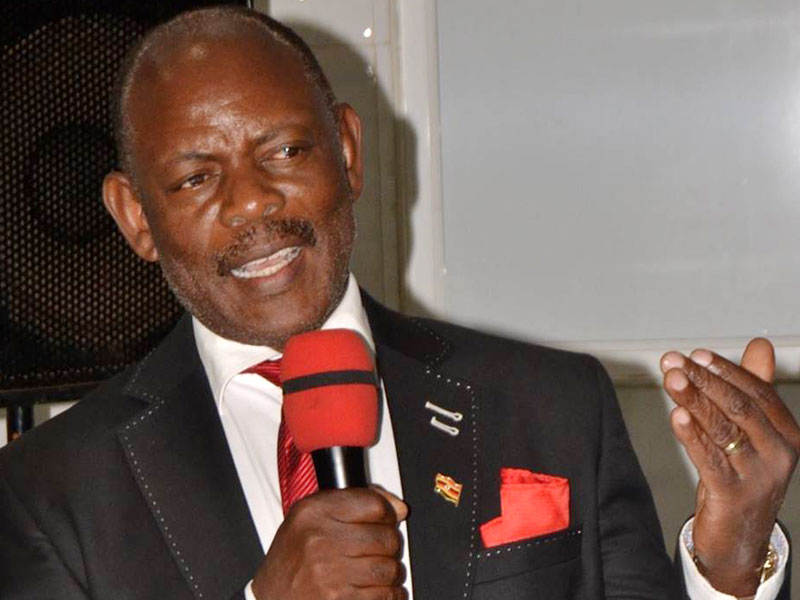
ON MISSION TO TRANSFORM MAKERERE: Prof. Barnabas Nawangwe

Funded by the European Commission under the Intra-Africa Academic Mobility Scheme and implemented by the Regional Universities Forum for Capacity Building in Agriculture, or (RUFORUM), the programme is expected at the end of its five-year duration to have produced 71 masters and 35 PhD professionals in the selected areas, with at least 50% being women. It is also designed to facilitate the movement of 20 academic and administrative staff from 17 countries.

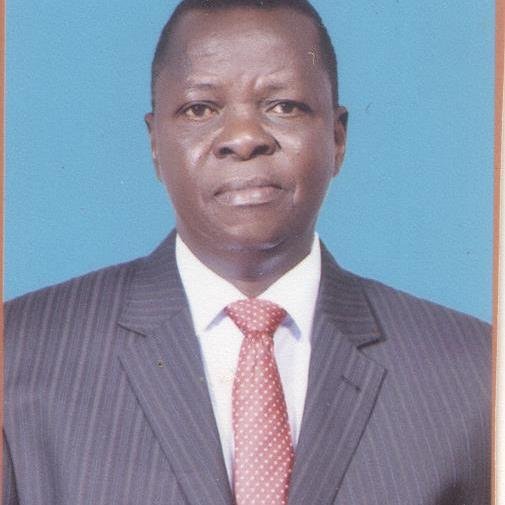
Adipala Ekwamu, the RUFORUMExecutive Secretary , said recently that the project’s aim is to increase food, nutritional security and household revenue, while sustainably managing the agricultural ecosystems through relevant research and skilled human resources in the areas of crop improvement, fisheries and aquaculture.

Each of the beneficiary students is expected to produce an innovation or technology that will address at least one challenge facing the agricultural sector. These technologies will be jointly developed with farmers and industry.

Ekwamu says Africa is second to Asia in having largest number of fish farmers but contributes only 7% of the total world fish harvest. However, fish is the highest animal protein source in Africa, reaching up to 50% in some West African countries.

Despite the importance of fish, there are challenges facing the sector. These include the depletion of fish stocks from natural lakes, poor management practices in aquaculture, lack of knowledge and evidence to foster reforms and the untapped potential of small-scale fisheries. In addition, there is a lack of scientific research, climate change, and inadequate human and financial resources.

“Addressing these challenges requires skilled human resources to plan strategically for the sector and develop technologies and innovations that will transform the sector through research. Cooperation and learning among the institutions is key to sharing expertise and research infrastructure as they build each other’s capacity in training and research in aquaculture and fisheries,” said Ekwamu.

Harmonisation

Sylvia Mkandawire, the manager of training and quality assurance at RUFORUM, says  that because students will be undertaking short credit mobilities, a harmonised credit accumulation and transfer mechanism will be developed which can be used at a continental level and also be a mechanism for recognition of foreign degrees. The participating universities will have internationalised their programmes in the thematic areas identified with increased relevance of their programmes to local needs, she said.

Mkandawire said crops constitute the largest component of African agriculture and improving crop production meant improving human diet, food and nutrition security.

“Africa’s population is continuously increasing and expected to reach 1.3 billion people by 2050, which is double the current population. Food production will therefore need to more than double, given that a significant part of the continent still starves,” said Mkandawire.

She called on universities to conduct crop breeding research that develops varieties that are adaptable to environmental change and can cope with increased pest and disease infestation, decreasing land availability, as well as declining soil fertility and fragile ecosystems.

Degraded ecosystems

“Professionals with skills to restore and manage degraded ecosystems need to be developed. Universities, being a concentration of human resources and diverse disciplines, should establish research facilities and champion research in ecosystems restoration and management. This project also provides avenues for sharing scientific expertise and research facilities for conducting research in ecosystems management,” she says.

Participating universities

Universities participating in the collaborative training in fisheries and aquaculture in East, Central and Southern Africa include Makerere University, the University of Eldoret, Rhodes University, Mzuzu University, Official University of Bukavu and the University of Natural Resources and Life Sciences, Vienna.

Universities participating in the regional academic exchange for enhanced skills in fragile ecosytems management in Africa programme include Makerere University, the Cheikh Anta Diop University in Dakar, National University of Benin, Uganda Martyrs University, Mzuzu University, Eduardo Mondlane University in Mozambique and the Swedish University of Agricultural Sciences.

Universities participating in the partnership to train scientists in crop improvement for food security in Africaare; Makerere University, University of Ghana, Cairo University, Cheikh Anta Diop University in Dakar, University of Eldoret and the Silesian University of Technology in Poland.


Stories Continues after ad
Radio & Weasel sign new manager

The singing duo of Moses Nakintije aka Mowzey Radio (RIP) and Douglas Mayanja aka Weasel

The singing duo of Radio and Weasel has come under the management of Emma Carlos, who was once the manager of faded artist Coco Finger, Spice Diana and Khalifah Aganaga.

According to sources, Emma Carlos was hired after Lawrence Labeja, the former manager of Radio and Weasel left for the US to attend the UNAA Convention in Miami, Florida, without the two singers, in the process angering them.

This, sources said, was after Radio and Weasel refused to travel to the US when the convention organisers availed them with ‘economy’ class air tickets.

However, sources say the failure by the two to travel affected Labeja’s plans, forcing him to cut short his stay in the US after he failed to meet his hotel bills.

Stories Continues after ad
Country Music legend Don William dead

COUNTRY MUSIC LEGEND: Don Williams

Country Music Legend Don Williams has died of emphysema aged 78.

The musician, who called himself ‘Gentle Giant’ and known for his traditional cowboy hat, retired to his home last year.

He married wife Joy Bucher in 1960, and had two sons Tim and Gary and 4 grandchildren.

In 2010 Don Williams was inducted in the Music Hall of Fame, and the media says he has left an estimated US$10 million.


Stories Continues after ad

Zuma’s wife, former AU chairperson appointed ANC MP

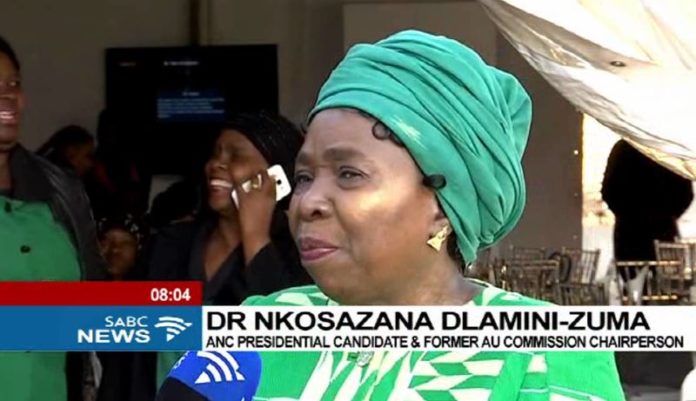
APPOINTED PRESIDENCY MINISTER: Former AU chairperson Nkosazana Dlamini-Zuma

The former Chairperson of the African Union (AU) and one time wife of President Jacob Zuma will be sworn in as an African National Congress (ANC) Member of Parliament next week.

According to ANC Secretary General Gwede Mantashe, it was always the ANC’s plan to deploy Dr Nkosazana Dlamini-Zuma to Parliament after her tour of duty with the AU. The appointment of Dr. Dlamini Zuma has fuelled speculation that another Cabinet reshuffle is on the cards.

Asked if the plan is to deploy her in the government, Mr. Mantashe said: “We send people to Parliament, Parliament appoints chairpersons of portfolio committees and the president appoints a cabinet.”

But political analyst Professor Susan Booysen says there is no way Dlamini-Zuma will be a back bencher. “There will certainly be a position created for her sooner rather than later.”

Booysen also says Dlamini-Zuma’s deployment will help strengthen her campaign.

“It would propel her immediately to the centre of political attention, at a time when her campaign seriously needs some boosting.”


Stories Continues after ad
Mubajje condemns massacre of Rohingya Muslims

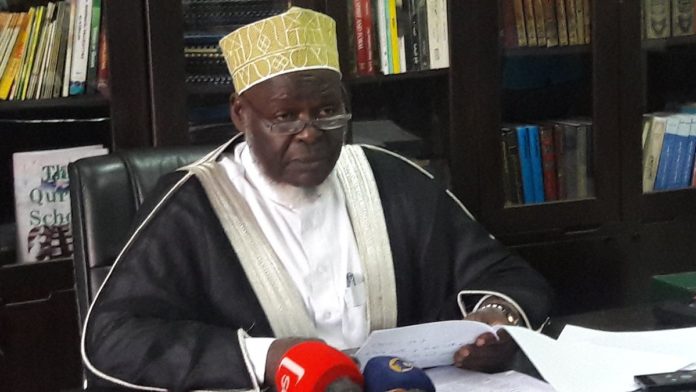
Mufti Sheikh Ramadhan Mubajje, the Chairman of the IRCU addressing the media

The Chairperson of the Inter-Religious Council of Uganda Sheikh Shaban Ramadhan Mubajje has condemned the atrocities committed against the Rohingya Muslims in Myanmar.

The Mufti’s condemnation follows the killing of over 400 Rohingya Muslims over the past two weeks, with the Myanmar military going on the rampage burning homes, razing villages, intimidating, threatening and expelling them.

Over 120,000 Rohingya Muslims have fled the state, 400,000 are still trapped in the conflict zone while 20,000 trapped in ‘no man’s land’, international media reported, and according to Mubajje, military patrols are pushing the Rohingya Muslims in ‘catastrophic persecution zones’.

“We call upon the international community, human rights networks to take a lead in condemning the atrocities committed against the Rohingya Muslims in Myanmar,” Mubajje, who was addressing the press at Old Kampala mosque, said.

He added: “It is time we stand with the suffering without discrimination, all human lives matter before God. We are equal and no one has a right to take another’s life, for that power is only in the hands of God.”

Meanwhile, the mufti lauded the president Tayyip Erdogan of Turkey, who called for United Nations intervention, failure of which Erdogan said he will deploy the Turkish army to try and contain the situation.


Stories Continues after ad

Juliana Kanyomozi, Desire Luzinda exchange hot words over city businessman

A photo montage of Desire Luzinda and Juliana Kanyomozi. Photo credit/ugandaonline.

What began as a selfie has since escalated into a big war between two prominent Ugandan lady musicians, Juliana Kanyomozi and Desire Luzinda.

It all began when Desire’s manager-cum-boyfriend, tycoon Edward Lwasa travelled on the same plane with Juliana while heading to the US. Sitting next to her, he took a selfie that landed into public hands. Reports would soon come out about Juliana travelling with Lwasa, rubbing the singer the wrong way.

She took to social media to rant, threatening to sue Lwasa over invading her privacy.

“For starters, who is this person? People have been asking me about someone and I was not understanding until someone sent me an article. You can’t come and take a picture of someone simply because they happen to be sitting next to you on a plane without their permission, and then go ahead and share it implying that I’m traveling with you,” Juliana begins her rant.

“He didn’t even have the courtesy to greet me!!! Let alone request to take a picture with or of me. This is intruding on other people’s privacy and I could sue you for it!!! What the hell is wrong with some people?”

It wasn’t long before Desire hit back in defense of her boyfriend, calling Juliana a frustrated woman.

“Sometimes we burst out over non-issues yet in reality there are battles, pain and frustrations we are fighting deep within ourselves but if you take heed in prayer, in His comfort, only He alone can mend your broken heart,” the ‘Kitone’ hit maker advised.

“You will then realize the little things that were consuming you were actually not worth extorting your emotions on,” Desire added.

Tycoon Lwasa is yet to comment on the matter but meanwhile, between Juliana and Desire who do you think will win this ‘war of words’?


Stories Continues after ad

Three win Airtel Mega Masappe promotion cash prizes

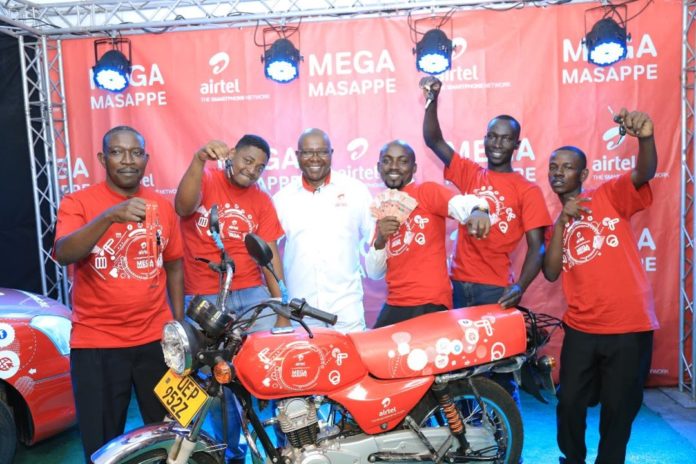
Airtel Uganda IT Director, James Museba(3rd left) pose with the lucky winners of the Airtel Mega Masappe draw

This morning three lucky Airtel subscribers walked away with huge sums of money as part of the on-going Mega Masappe promotion.

Boaz Owomugisha from Mbarara, Vincent Wamirevu from Kyenjojo and Tadeo Lulika from Kakiri were each handed Ugshs 1 million by the Airtel Uganda IT Director, Mr. James Museba.

Airtel Uganda IT Director, James Museba, handing over the car keys to Rukumbwaho Nicholas during the Mega Masappe draw.

As part of the draw, Yusuf Tomko Kajombi, Bernard Elasu and Ibrahim Musoba took home brand new motorcycles while Nicholas Rukumbwaho, a resident from Old Kampala, drove away with a grand prize of a brand new car – the ninth car to be given away in the Mega Masappe promotion.

Handing over the prizes Museba, thanked the winners for taking part in the promotion, saying it was introduced to reward Airtel Uganda subscribers.

Museba highlighted that so far, nine new cars, Ugsh 40Million and 40 motorbikes have been given out in this promotion.

“We are already seeing subscribers bettering their lives in different ways thanks to these prizes, so I urge everyone subscribed to Airtel to dial *162# and take part in the promotion,” he concluded.

Launched at the start of the July, the 90-day recharge promotion requires subscribers to opt into it by dialing *162# and selecting option 1 to opt in, option 2 to check target and option 3 to redeem their data bonus – which will be broken down into Voice, SMS and Data at 50%, 10% and 40% respectively.

This bonus, however, does not apply to social packs, quarterly, annual and free bundles.

Mega Masappe promotion subscriber bonus will be given instantly on the achievement of the daily target. For example, if a subscriber’s bonus target is Shs2,000 and they recharge with that Shs1,000, they will receive 100% bonus of the same value under the Voice, SMS & Data split.

However, if they recharge with another Shs1,000 on the same day, they will not get a second bonus.

Daily and weekly prizes will be given away every Friday for the entire duration of the promotion.


Stories Continues after ad