Stanbic Bank
Stanbic Bank
18.4 C
Kampala
Stanbic Bank
Stanbic Bank
Home Blog Page 198

CAA official could face probe for ‘money laundering’

Symbol of justice.

An official at Uganda’s Civil Aviation Authority is under the watch of International Police (Interpol) after it was revealed by authorities in Canada that the said official acquired two buildings in Ottawa.

Interpol believes that the official used proceeds of corruption to buy the two builds at same time. He is said to have acquired another property in London.

Back home, the official is also under probe by police for corruption and land related crimes.

Stories Continues after ad

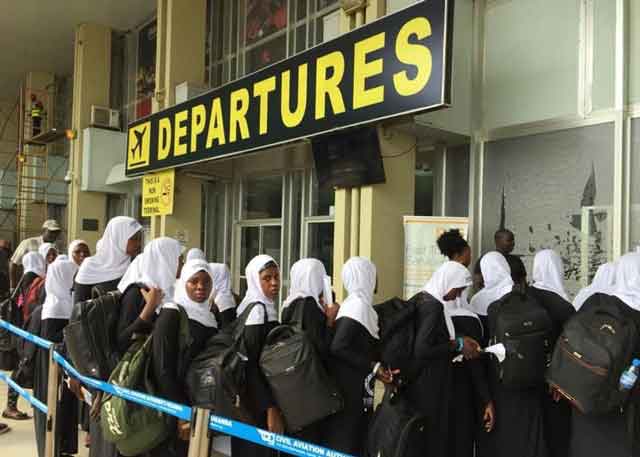
 Uganda secures pardon for migrant workers in Saudi Arabia

The Ugandan government has secured an agreement with the Kingdom of Saudi Arabia to pardon Ugandan migrant workers currently detained in deportation centers and prisons.

This was revealed by Esther Anyakun Davina, the Minister of State for Labour, Employment, and Industrial Relations, during a press briefing on October 21, 2024.

The minister, who led a government delegation to Riyadh between October 14 and 17, 2024, explained that the visit aimed to discuss the welfare and working conditions of over 150,000 Ugandan migrant workers in Saudi Arabia. Uganda and Saudi Arabia signed a bilateral agreement in 2023, placing responsibility on the host country to safeguard the rights of Ugandan workers.

“Many Ugandans have been languishing in prison centers across Saudi Arabia, and central to the discussions was Uganda’s request for clemency for its citizens, including women with children born in the Kingdom of Saudi Arabia and those detained for various offenses,” said Anyakun.

She added that the agreement excludes Ugandans serving sentences for capital offenses, such as drug trafficking and murder.

The bilateral talks also reviewed the significant economic contributions of Ugandan migrant workers, who send approximately $900 million annually back home. Saudi Arabia is Uganda’s top labor externalization destination in the Middle East, making this agreement a critical step towards ensuring the safety and well-being of Ugandans abroad.

“In a gesture of goodwill, the Saudi government further pledged to expedite their repatriation back to Uganda and support in their reintegration. This unprecedented move is expected to bring relief to numerous Ugandan families, many of whom have been living in uncertainty regarding the fate of their loved ones who travelled to Saudi Arabia with a hope of making a livelihood and supporting their families back in Uganda,” Anyakun noted.

The Ugandan delegation’s success in securing this pardon is a testament to the growing cooperation between the two nations in managing labour migration. The government of Uganda through the Ministry of Gender, Labour and Social Development as the regulator continues to pay keen attention to the issue of enhancing the protection of its migrant workers abroad and ensuring that labour migration is safe, secure, orderly and regular and, particularly in the Middle East and Saudi Arabia as the key destination for labour migration in Uganda.

In addition, the Ugandan delegation which comprised of the Ambassador of Uganda to Saudi Arabia, Uganda’s labour attaché to Saudi Arabia and other technical officers from the Ministry focused their discussions on addressing the key challenges affecting Ugandan migrant workers in Saudi Arabia, strengthening bilateral relations and documenting distressed cases in order to enhance their repatriation to Uganda.

With this development, Uganda’s Ministry of Gender, Labour, and Social Development reaffirms its commitment to improving the standards of labour externalization through strategic bilateral partnerships. 

Stories Continues after ad

Tracking Trade: SGR to Position Uganda as East Africa’s Supply and Service Hub

Standard-gauge-railway.

By Christopher Burke

With Uganda poised to launch the first phase of its Standard Gauge Railway (SGR) next month, the country is embarking on a transformative journey to position Kampala as a crucial service and supply hub for East Africa. The railway project, part of the Northern Corridor Integration Projects (NCIP), aligns with Uganda’s broader economic ambitions to foster regional connectivity, reduce transportation costs and unlock the untapped potential of a rapidly growing population. As Uganda integrates its infrastructure with that of neighboring countries, the 1,700km SGR network promises to shift Kampala from a transit point to a dynamic hub for trade and investment.

Uganda provides access to a market of more than 90 million people comprising its own population of over 46 million combined with the populations in South Sudan, eastern Democratic Republic of Congo (DRC), Rwanda and northwestern Tanzania—all serviced and supplied through Uganda.  Expanding the SGR to connect Kampala with Kenya’s coastal port in Mombasa is essential to link Uganda with international trade routes. The expanded connectivity will cement Kampala’s role as a key procurement and logistics hub enabling it to serve the broader East African Community (EAC) with a market size of approximately 500 million people.

The Shs10.8 trillion ($2.9 billion) SGR project to be constructed by the Turkish company Yapi Merkezi promises to enhance Uganda’s integration into regional trade networks connecting landlocked countries with global markets. Uganda’s reliance on expensive road transport has stymied economic growth making the new railway critical to reduce transportation expenses, potentially decreasing costs by as much as 50 percent.  Lower costs and faster delivery will improve Uganda’s competitiveness and attract investment in manufacturing and services targeting regional markets.

Kampala’s transformation into a service and supply hub is essential to meet the growing demand for goods and services across the region. As economies in East Africa continue to register robust annual growth rates, hovering above 6 percent according to the African Development Bank; there is a rising demand for construction materials, consumer goods and financial services. The SGR will play a pivotal role in satisfying this demand by streamlining the movement of goods from the coast to inland areas especially rapidly growing urban centers and industrial zones within Uganda and beyond.

Kampala’s role is further strengthened by the construction of rail spurs that link the city to key economic zones such as the Kampala Industrial and Business Park and border regions with Rwanda and the DRC​. These connections will stimulate local industries by creating opportunities for export-oriented production. 

The benefits of the SGR extend far beyond logistics.  Infrastructure projects such as the SGR are essential to create jobs for the growing workforce and positioning Uganda to leverage its demographic dividend.  Thousands of jobs will be created during the construction phase representing a significant contribution to local employment.  The railway is expected to attract investment in complementary sectors including energy, finance and telecommunications boosting Uganda’s economic potential.  The population of Uganda and surrounding countries is among the youngest and fastest growing in the world.  

The SGR will facilitate the flow of agricultural products, manufactured goods and natural resources within the region and help Uganda to reduce the trade deficit that currently stands at around Shs1.1 trillion ($299 million) according to a report released earlier this year by the Ministry of Finance, Planning and Economic Development (MFPED).  Faster and cheaper transportation will also enhance regional food security as Uganda’s agricultural products reach neighboring countries more efficiently.  Another critical aspect of the railway is environmental sustainability. The fully electrified SGR will reduce carbon emissions by shifting cargo from trucks to rail and contribute to Uganda’s green economic agenda. 

Improved connectivity will encourage cross-border trade within the EAC, fostering economic integration and promote political stability through shared prosperity. Initiatives such as the One Network Area (ONA) that eliminates roaming charges within the region demonstrate the importance of seamless infrastructure to boost regional cooperation.  As the SGR links Kampala with regional markets, Uganda can capitalize on its strategic location to become a trade gateway, similar to Singapore’s role in Southeast Asia.

Despite the optimism surrounding the SGR, challenges remain. Uganda must ensure that the railway project stays on schedule and within budget. Moreover, political stability and improved trade relations with neighbors are essential to realize the full potential of the railway. Uganda’s experience with border closures and trade disputes in recent years underscores the importance of regional collaboration.

The Standard Gauge Railway is a game-changer for Uganda’s political economy. By transforming Kampala into a strategic hub for services and supply, the SGR will stimulate investment, reduce transport costs and boost regional trade.  The city will increasingly serve as the gateway to one of the most dynamic regions on the continent.  With its young population, abundant natural resources and improving infrastructure, Uganda has the potential to become an economic powerhouse in East Africa.  

Christopher Burke is a senior advisor at WMC Africa, a communications and advisory agency located in Kampala, Uganda. With nearly 30 years of experience, Christopher has worked extensively on social, political and economic development issues focused on the environment, energy, agriculture, land governance, communications, international relations and peace-building in Asia and Africa.

Stories Continues after ad

Museveni grants pardon to 130 prisoners 

Prisoners

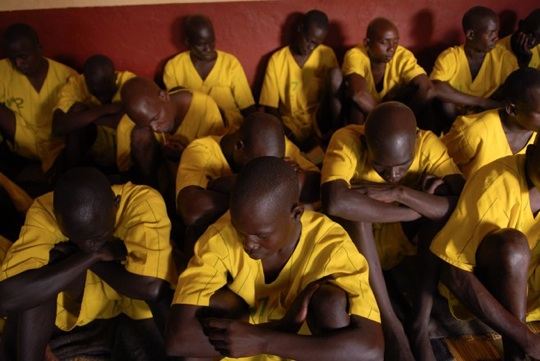
President Yoweri Museveni has granted a pardon to a total of one hundred thirty (130) prisoners.

The revelation was made by Frank Baine, Deputy Prisons spokesperson, noting that the pardon was granted on public health and humanitarian grounds

“In accordance with Article 121 of the Constitution of the Republic of Uganda H.E the President has granted a pardon to a total of one hundred thirty (130) convicted minor offenders,” Baine announced in a statement.

Baine added that all the pardoned prisoners have since been released.

However, of the pardoned prisoners, theft cases dominated the lists among other crimes committed.

Other crimes committed include; robbery, doing grievous harm, house break, obtaining money by false pretense, unlawful possession of wildlife species, arson, assault, possession of opium, causing death by reckless driving, criminal trespass, manslaughter, burglary and assault occasioning bodily harm.

Earlier this month, Museveni granted pardon to John Muhanguzi Kashaka, a former Permanent Secretary in the Ministry of Local Government, who had been serving a sentence for financial mismanagement.

Kashaka, along with his co-accused, Henry Bamutura (posthumously), had been convicted by the Anti-Corruption Division of the High Court in July 2014.

In 2022, he pardoned 79 prisoners also on medical and humanitarian grounds. These prisoners included one Venezuela National Doralys Rodriguez Fagundez.

On April 22, 2020, President Museveni pardoned 833 prisoners country wide by exercising his Prerogative of Mercy.

The pardoning of the prisoners is part of efforts to decongest prisons and curb the spread of the #Covid-19 virus on prison facilities.

Stories Continues after ad

UNRA summoned over delay to return 6,673 land titles to PAPs

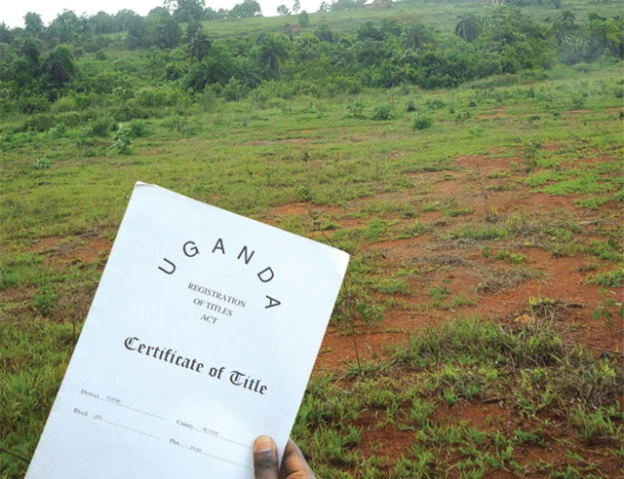
Parliament has summoned the Uganda National Roads Authority (UNRA) over failure to return 6,673 land titles to Project Affected Persons (PAPs), despite these titles having been collected more than 10 years ago.

According to UNRA’s Land Acquisition and Resettlement Policy, these titles should have been returned within six months. This delay, affecting several road projects across the country, was highlighted in a report by Medard Sseggona, Chairperson of the Committee on Commissions, Statutory Authorities, and State Enterprises (COSASE), while presenting findings from the Auditor General’s report on UNRA.

Sseggona revealed that the delays are particularly pronounced in the Central Region, especially in areas like Wakiso, Mpigi, and Mukono. For instance, only 87 of the 856 titles collected for the Kampala Northern Bypass project, which began in 2004, have been returned. The Auditor General’s November 2023 report further detailed that out of 8,101 titles collected, only 1,428 had been returned, leaving 82.4% of the titles still in UNRA’s custody.

UNRA officials admitted the issue but blamed the delays on the Ministry of Lands, which is responsible for the subdivision and mutation processes. Despite this, Sseggona argued that UNRA, as the face of government in such projects, is ultimately responsible for ensuring timely returns of titles.

He warned that the prolonged delay is depriving landowners of their rights, as they are unable to sell or transact on their land without titles. This situation also raises potential legal risks for UNRA, as affected persons may seek legal redress.

In addition to the delayed land titles, Parliament also expressed frustration over UNRA’s outstanding compensation payments to PAPs, which have soared to Shs773.7 billion. Sseggona’s report noted that while UNRA had acquired 28,960.87 acres of land from 172,608 PAPs, only 139,933 of them had been compensated, leaving 32,675 still awaiting payment. Delays in compensation often lead to re-assessments and higher costs, as landowners reject earlier valuations.

Sseggona also highlighted specific road projects, such as the Kigumba-Bulimia and Acholibur-Musingo roads, where original valuations had to be redone due to payment delays. UNRA admitted that the challenges included land disputes, bounced cheques, and inadequate documentation from PAPs. Additionally, UNRA cited insufficient budget releases from the Ministry of Finance as a major hindrance to processing payments.

Parliament adopted COSASE’s recommendation, urging UNRA to engage relevant stakeholders to expedite the return of land titles and compensate PAPs without further delays. The Committee also called on the Executive to submit a Treasury Memorandum outlining actions taken to address the situation.

Parliament issued a six-month ultimatum for the government to establish a clear unit cost for road construction in Uganda, in an effort to curb corruption and exorbitant rates. A study commissioned by the Ministry of Works and Transport in 2023, conducted by LEA Associates South Asia Pvt. Ltd and suggested that Uganda’s road construction costs were lower than in neighboring countries.

However, COSASE rejected the findings, citing significant gaps in the data provided by key agencies like UNRA and the Kampala Capital City Authority (KCCA). The committee pointed to the high unit cost of the Kampala-Entebbe Expressway and lingering issues with road toll fees as evidence of the need for a more thorough and accurate cost assessment.

Stories Continues after ad

Museveni confirms arrest of some state house staff, defends Gen.Nalweyiso

President Museveni.

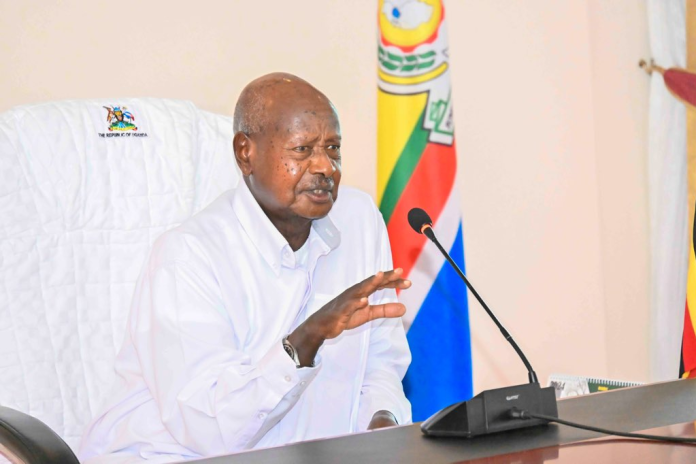
President Yoweri Museveni has responded firmly to recent social media stories spreading false and malicious allegations against key figures in the National Resistance Movement (NRM), Abu Mukasa and Prossy Nalweyiso.  

He acknowledged that arrests had been made under his orders, following intelligence information, but criticized those dragging innocent names into the mix.

“Some staff at State House have been arrested for a number of offences and they are already charged in the appropriate State courts. The facts of the alleged offences will come out in the trial,” Museveni stated.

He however, questioned why names such as Abu Mukasa, a prominent NRM supporter and investor, and Prossy Nalweyiso, a veteran of the People’s Resistance, were being falsely implicated.

Museveni praised Abu Mukasa for his invaluable contributions to Uganda’s economy. “Indeed, Abu Mukasa has brought billions of dollars of investments to Uganda. That seems to be his offence to the foreign and local parasites that would like Uganda’s economy to remain stunted as long as they benefit individually,” he remarked, clearly frustrated with those seeking to undermine his efforts.

Mukasa’s role in bringing the multi-billion-dollar bulk fuel supplier Vittol to Uganda was highlighted. At one point, Vittol was offering competitive prices for petroleum, diesel, and kerosene far below those being charged by other suppliers.

“He brought to us a multi-billion-dollar bulk fuel supplying company known as Vittol that, at one point, was offering to sell us a tonne of petroleum at $61.5, a tonne of diesel at $83 and a tonne of Kerosene at $79.25 while the parasites, working with our either corrupt or careless officials, were supplying the same products at: petroleum at $97.5, diesel at $118 and Kerosene at $114 respectively,” Museveni said.              

According to Museveni, these “parasites,” working with corrupt or careless officials, inflated prices, costing Ugandans significantly more. Mukasa’s intervention, along with other investors like Sheikh Maktoum, has been instrumental in bringing cheaper fuel and investment opportunities to the country.

“Sheikh Maktoum has brought us other investors in Air Cargo, gold refinery, produce export, etc. After a long struggle with the parasites, Uganda is now getting cheaper petroleum products,” Museveni stated, reminding Ugandans of the many times the Energy Minister had stepped in to order lower prices.

On the allegations surrounding Prossy Nalweyiso, Museveni reaffirmed her loyalty and long-standing service to the NRM cause. “Yes, she is not highly educated. However, the majority of the NRA freedom fighters were even less educated than Nalweyiso. Nevertheless, these uneducated Ugandans liberated both the uneducated entirety of other Ugandans and the educated that had failed to solve the problem of governance and constitutionality in Uganda.”

Museveni also invoked a biblical reference to expose those spreading lies and exploiting the system for personal gain. “We shall know them by their fruits, Jesus educates us in the book of Matthew, chapter 7, verse 20.”

He called out those attempting to undermine the contributions of the uneducated cadres within the National Resistance Movement (NRM) to remember that these individuals played a big role in addressing Uganda’s major economic challenges in the past, such as crippling shortages of essential goods and the prevalence of black market practices.

“There is a simple acid test you could apply to discover the usefulness of the uneducated Nalweyisos,” Museveni said. “In 1986, you had crippling shortages of soap, salt, paraffin, sugar, etc., and you had magendo (smuggling), Kibaanda (forex black market), and Kusamula (speculation). What happened to those problems? Who contributed to their solution? Were the uneducated Nalweyisos part of the contributors?”

He reminded Ugandans that while there are still challenges like poverty and unemployment, it was the NRM, using both educated and uneducated individuals that solved those earlier problems. He elaborated that the NRM had always understood how to harness the skills of modestly educated fighters, alongside those with formal education. “The Political Commissars and the intelligence officers were normally Makerere graduates – the Arondas, Muntus, Matsikos, etc. – while the Secondary school leavers and some of the uneducated, were Combat Commanders – Saleh, Kashaka, Mugume, Kyaligoonza, Musisi, Peter Kerim, etc.”

He added that today’s commanders are both educated and combat-experienced, but emphasized that the African resistance needs patriots, whether educated or uneducated. “Educated traitors are poison for Africa,” he warned, as he criticized social media figures who spread false narratives. “The ‘informant’ on social media is actually, Mr. Misinformant.”

He noted that the real issue for these “parasites” appears to be Uganda’s economic growth. He credited the NRM’s correct philosophical and strategic positions for Uganda’s robust economy, pointing out that significant foreign investments have been pouring in from countries like China, India, the UAE, and Europe. “Our agriculture is very strong. We shall shift it to irrigation. The strong UPDF and other security forces guarantee peace.”

He also condemned the online blackmailers, who he accused of targeting good investors like Sheikh Maktoum in an effort to drive them away from Uganda. He explained that some of these individuals even go so far as to demand money in exchange for not publishing defamatory stories. “We shall use the law to deal with these parasites,” Museveni vowed, urging Ugandans to be aware of these blackmailers.

Defending Prossy Nalweyiso’s contributions, Museveni pointed out that despite her lack of formal education, she is supported by highly educated professionals such as lawyers, economists, and Army officers. “She brings in her knowledge of our struggle and patriotism,” he said, highlighting her frequent radio appearances where she educates Ugandans about the history of the struggle.

He then shared a personal anecdote about his long history with Abu Mukasa, a key NRM supporter and investor, whom he first met in Washington many years ago. Mukasa, at the time, was working for Harris, an American military radio supplier. The President admired Mukasa’s initiative, sharing how he linked up with Harris through a well-known American General whom he met by offering to cut the grass in the General’s compound.

“Such initiatives by our young people are good. Stop Nyeko (envy), ihari (hatred), obuggya (jealousy), and etima (bitterness),” Museveni concluded, urging Ugandans to focus on the progress of the nation rather than tearing down those who are contributing to its development.

Stories Continues after ad

Rajiv Ruparelia nominated for prestigious Choiseul100 Africa 2024 award 

Rajiv Ruparelia, the Managing Director of the Ruparelia Group, has been nominated for the prestigious Choiseul100 Africa 2024 award. This award highlights the top 100 young African leaders under the age of 40 who are making a significant impact on the continent’s future.

The nomination recognizes Rajiv’s exceptional leadership and contributions to the growth and success of the Ruparelia Group, one of Uganda’s most prominent conglomerates. Rajiv’s innovative ideas and strategic vision have played a critical role in expanding the company’s reach and influence across Uganda and beyond.

Expressing his pride in the nomination, his father, Mr. Sudhir Ruparelia said, “I couldn’t be prouder to congratulate Rajiv on being recognized in the Choiseul100 Africa 2024. This prestigious recognition highlights the top 100 young African leaders… Rajiv’s hard work, vision, and dedication to excellence have truly set him apart.”

Rajiv’s leadership has been instrumental in driving the company to new heights, demonstrating his commitment to innovation and excellence.

His recognition as the only Ugandan among the top 100 is a testament to his dedication and the significant impact he has had on the business landscape.

Sudhir applauded, “His contributions to Ruparelia Group have been remarkable, as he has consistently brought innovative ideas and strategies that have propelled the company to new heights. His leadership has played a vital role in shaping our companies’ success and expanding its influence within Uganda and beyond.”

The Choiseul100 Africa award celebrates emerging leaders who are shaping the future of Africa through their entrepreneurial spirit, vision, and commitment to economic development. Rajiv’s nomination is not only a personal achievement but also a proud moment for Uganda, as he continues to inspire future generations with his accomplishments.

“Your achievements inspire those around you, and I am excited to see how you will continue to influence the future. Congratulations, Rajiv!” added the spokesperson.

Stories Continues after ad
PAC calls for immediate halt to “ghost project” Lubowa hospital funding

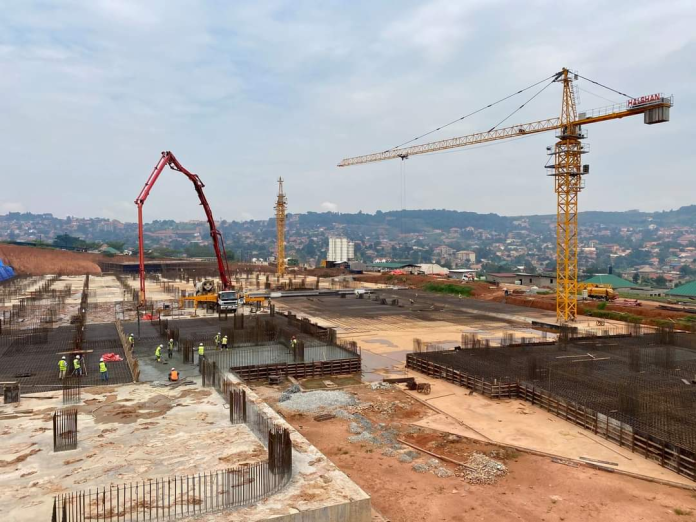
Construction site foe the Lubowa Hospital which MPs have termed 'ghost project'.

The Public Accounts Committee (PAC) has called for an immediate halt to all funding for the International Specialized Hospital in Lubowa, citing it as a “ghost project” that is likely to cost Ugandans far more than the Shs286 billion already spent, with no tangible work to show for it.

This recommendation is part of the PAC report on the Auditor General’s Treasury Operations audit for the fiscal year ending June 30, 2023, which was presented by PAC Chairperson Muwanga Kivumbi. Kivumbi urged Parliament to suspend further funding until a special audit by the Auditor General is completed and reviewed.

“The Committee recommends that work on the Lubowa project be stopped until Parliament has reviewed the special audit report from the Auditor General. Those responsible for financial losses should be held accountable by refunding the misused funds. Furthermore, the owner’s engineer should face legal charges for issuing false completion certificates,” Kivumbi stated.

The PAC’s recommendations follow numerous irregularities identified in the project by the Auditor General. The report revealed that although seven promissory notes amounting to $133.6 million (approximately Shs476.5 billion) had been paid to the project’s financier, only 23% of the works had been certified by the government’s engineer, valued at just $57.5 million. This discrepancy suggests a potential overpayment of US$76.1 million (Shs286 billion).

Kivumbi warned that the government’s method of paying through promissory notes based on milestone certificates issued by the owner’s engineer—who lacks full access to the construction site—could lead to significant overpayments or payments for incomplete work.

The Auditor General also highlighted that, per the project agreement, payments are to be made upon completion of specific milestones and issuance of completion certificates by the owner’s engineer. However, it was revealed that the engineer’s certification was based more on progress reports from the contractor and consultation fees than actual physical work done, raising concerns about the integrity of the process.

While the Accountant General, Lawrence Semakula, told the PAC that all payments were backed by certification from the owner’s engineer and the government was obligated to honor promissory notes with binding due dates, the Committee was not satisfied.

Muwanga noted that the PAC was only provided with promissory notes, not the milestone completion certificates necessary for making payments.

The PAC also faced challenges in verifying the status of the project, as multiple attempts to visit the Lubowa hospital site were blocked by the project developer, leaving the Committee unable to confirm whether any work was being done.

“This is essentially a ghost project, and the risk of Ugandans losing money is very real. Parliament must address this issue urgently,” Muwanga emphasized.

The Ugandan government contracted Finasi-ISHU Construction SPV SMC Limited in May 2015 to design, finance, construct, and equip the International Specialized Hospital of Uganda at Lubowa.

In December 2018, the government signed a Promissory Note Purchase Agreement with the Ministry of Health, Africa Export Import Bank, Trade & Development Bank, and Barclays Bank Limited to fund the project up to $379.71 million. Parliament approved the project’s execution and funding in March 2019.

However, debate on the PAC report was postponed by Speaker Anita Among because no Finance Ministry officials were present in the plenary at the time of the report’s presentation.

Stories Continues after ad
Among calls for redeployment of staff affected by rationalization of agencies

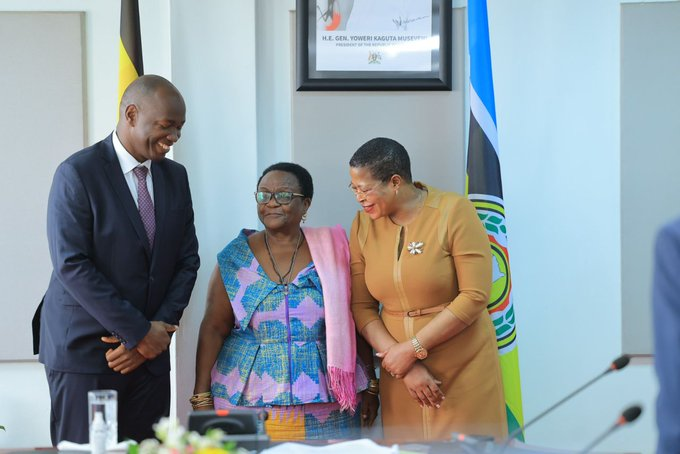
Chairperson of the Public Service Commission Agnes Kabogoza-Musoke, former Jinja District LCV and now member of the commission, Titus Kisambira interact with Speaker Among.

Speaker of Parliament Anita Among has called for the placement of staff affected by the ongoing rationalization of government agencies.

In a meeting with officials from the Public Service Commission (PSC) led by the chairperson, Agnes Kabogoza-Musoke, Speaker Among said leaving the affected officials jobless and without compensation will affect them and their dependents.

“People who are going to lose their jobs due to rationalisation should be handled properly to avoid any chaos in the economy; we want you to ensure that the persons being rationalised are absorbed…they should not be left out without being absorbed or compensated,” she said.

Government has brought a multitude of amendments to laws, repealing sections which create government agencies, rerouting most of their functions to their line ministries.

This exercise has seen hundreds pushed out of jobs, which is why Speaker Among wants them either reabsorbed into the mainstream public service or adequately compensated.

The commission presented their annual report for Financial Year 2023/2024 to the Speaker where Kabogoza-Musoke asked for a budget increment to address the commission’s growing needs.

“It is my humble request to you to support the increase of the commission’s budget effective Financial Year 2025/26 from the current Shs12.1 billion to at least Shs21.8 billion to enable the commission carry out its supervisory role, roll out competence-based recruitment, review job descriptions across government, and verify academic qualifications of all applicants joining and officers within public service,” she said.

The chairperson reported that the commission concluded the appointment, confirmation in appointment, promotion and disciplinary control totaling to 1,730 cases in Financial Year 2023/2024, compared to 4,134 cases in Financial Year 2022/2023.

She explained that the upsurge in 2022/2023 cases was caused by #Covid-19 backlog, which the commission was clearing.

The Speaker asked the PSC to report and advertise all vacancies across government for competitive filling by Ugandans.  

Stories Continues after ad

UPDF, UCREPP uplift Fort Portal Referral Hospital

The Uganda People’s Defence Forces (UPDF) in partnership with the Uganda #Covid-19 Response and Emergency Preparedness Project (UCREPP) has stepped up to provide assistance to Fort Portal Regional Referral Hospital.

The critical healthcare facility serving nine districts in the Tooro region, has long struggled with staff shortages, oxygen supply issues, and inadequate waste management.

The hospital’s radiology department lacks radiologists to interpret data, resulting in delayed reports. With only two radiographers available, they struggle to meet the high demand, serving only 4-5 patients daily instead of the expected 15. This shortage has significant implications for patient care.

The hospital’s oxygen supply has been disrupted since the functional plant stopped working, forcing patients to buy oxygen from private providers. These poses risk due to transportation challenges.

“The interruption of our oxygen supply has been devastating,” said Dr. Kalisa Oscar, acting hospital director.

He added, “The patients have to buy oxygen from private providers, posing risks due to transportation challenges.”

Fortunately, UPDF has constructed a new oxygen plant, expected to supply all nine districts in the Tooro region, although it currently faces electricity challenges.

Acting hospital director Dr. Kalisa Oscar expressed concern over the hospital’s insufficient waste management system, with only two incinerators available. This has led to waste burning, which doesn’t eliminate bacteria. Locals collecting and recycling hospital waste also pose health risks.

“Our waste management system is insufficient,” Dr. Oscar noted.

He added, “We have only two incinerators available, leading to waste burning, which doesn’t eliminate bacteria. Locals collecting and recycling hospital waste also pose health risks.”

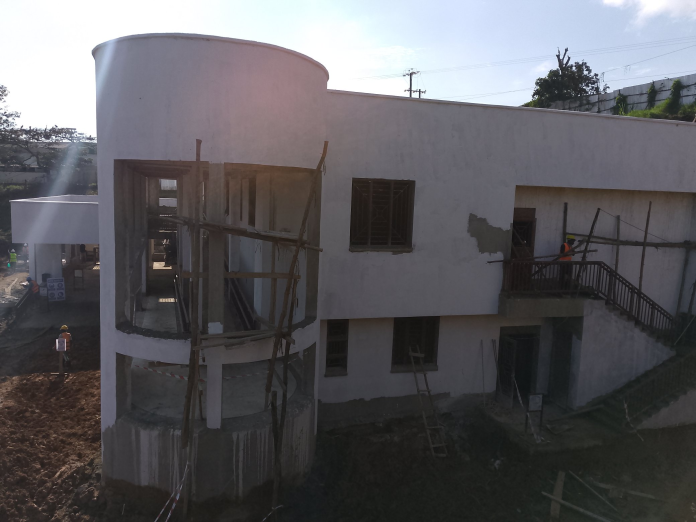
In a positive development, UCREPP has constructed a new satellite laboratory, nearly 80% complete.

The state-of-the-art facility will serve as a one-stop centre for lab tests, reducing congestion in older labs and the need to send samples to Kampala.

“This state-of-the-art laboratory will serve as a one-stop centre for lab tests, reducing congestion in older labs and the need to send samples to Kampala,” said Doreen Nshabahurira, UCREPP’s Project Communications Officer.

The laboratory will significantly ease diagnosis, particularly in the Tooro region, which has recently experienced outbreaks of cholera, Marburg, pox, #Covid-19, and Ebola.

The new laboratory and oxygen plant are expected to significantly improve healthcare services in the region. Funded at approximately 5 billion shillings, the project will provide modern and internationally recognised laboratory services to the region.

Stories Continues after ad