Stanbic Bank
Stanbic Bank
28.3 C
Kampala
Stanbic Bank
Stanbic Bank
Home Blog Page 2062

12 Burundi officers face crimes against humanity charges

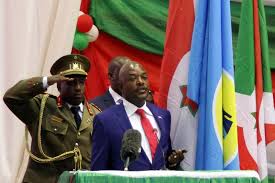
ORDERED ON MARRIAGES: President Pierre Nkurunziza

UN investigators looking into the alleged torture and killings of government opponents in Burundi have drawn up a list of suspects who should be prosecuted for crimes against humanity.

The United Nations has verified 564 executions in the central African nation since April 2015, when President Pierre Nkurunziza sparked protests by saying he would seek a third term, the investigators said, calling that ‘clearly a conservative estimate’.

The government called the report, by the U.N. Independent Investigation on Burundi (UNIIB), biased and politically motivated and denied all its allegations.

The investigators said they had received evidence of rapes, disappearances, mass arrests, torture and killings, and that there were probably many thousands of victims.

“UNIIB found that the large majority of victims have been identified as people who were opposed or perceived to be opposed to the third mandate of President Nkurunziza or of members of opposition parties,” it said, adding:

“There are worrying signs of a personality cult being built around the president.”

The list of suspects will be handed to the UN High Commissioner for Human Rights and be available in the event of any prosecutions.

“The charges of the UNIIB investigators are politically motivated and based on anonymous, unverified testimonies,” the president’s media adviser, Willy Nyamitwe, tweeted.

The government has sent the UN rights commissioner a 40-page rebuttal, he added.

UNIIB said a former senior army officer told investigators of the existence of lists of people to be eliminated.

Witnesses named 12 senior members of the security forces — who report directly to the heart of government — responsible for disappearances. Some of the people who said they had been tortured reported being held in secret jails, including at the homes of the president and a government minister.

The government denied the existence of such death lists and said the accusations came from ‘those who want to sow division and the panic within the defense and security corps’.

“It is deplorable that the experts believed such gratuitous and diversionist assertions,” it said.

According to the UNIIB report, the bodies of some people who were summarily executed were transported across the Ruzizi River and buried in the Democratic Republic of the Congo.

It listed 17 types of torture used by the security forces, including attaching weights to the testicles, forcing a victim to sit on broken glass, and forcing a victim to stay next to the dead body of a relative.

Many women fleeing the country were subjected to sexual violence by the members of the youth wing of the ruling party, Imbonerakure, border guards and unidentified men. Women opposed to the president’s third term were also subjected to extreme sexual violence, the report said.

Satellite imagery suggested the existence of mass graves, but the government did not respond an offer to investigate the sites, it said.

Burundi has set up three commissions of inquiry to look into human rights allegations, but the report accused the government of ‘blatantly failing’ to investigate.


Stories Continues after ad

EAC gets funds for revival of Burundi peace process

Burundi peace talks mediator President Yoweri Museveni talks to the facilitator Benjamin Mkapa, the former President of Tanzania

The East African Community (EAC) has had to accept extra funding from international donors including China, Switzerland and the European Union after it was forced to call off the Burundi peace talks.

After months of painstaking mediation stalling due to the reluctance of the Burundian government and opposition to participate in peace talks, the issue of national dialogue on the Burundi crisis which has rocked the country for just under 18 months remains in the lap of the EAC.

The regional organisation has, however, so far failed to secure a sustainable peace agreement between the warring parties, and the facilitator, former Tanzanian president Benjamin Mkapa, was forced to call off meetings five times due to lack of funds.

In August, representatives of the EAC reiterated concerns over the worsening diplomatic relations between neighbours Burundi and Rwanda, warning that the growing political tensions could jeopardise the stability of the region.

The five partner states – Burundi, Kenya, Rwanda, Tanzania and Uganda – ratified the EAC Protocol in 2010, effectively establishing a common market and, in 2014, the Protocol on Peace and Security, aimed at bolstering cross-boundary security and stability in the region.

It has now emerged that the EAC is considering an additional budget for the peace talks after receiving support from donors including China, Switzerland and the European Union.

The EAC’s Secretariat received $200,000 (£153,321) from the Chinese government as a donation to support the dialogue. “The council directed that the money be utilised for the all-inclusive dialogue activities under the office of the facilitator,” a report of the EAC Council of Ministers stated last week.

Facilitator Mkapa, meanwhile, urged the EAC to commit its own funds to ensure the talks can resume, instead of relying on international donors and organisations, in order to give the talks credibility.

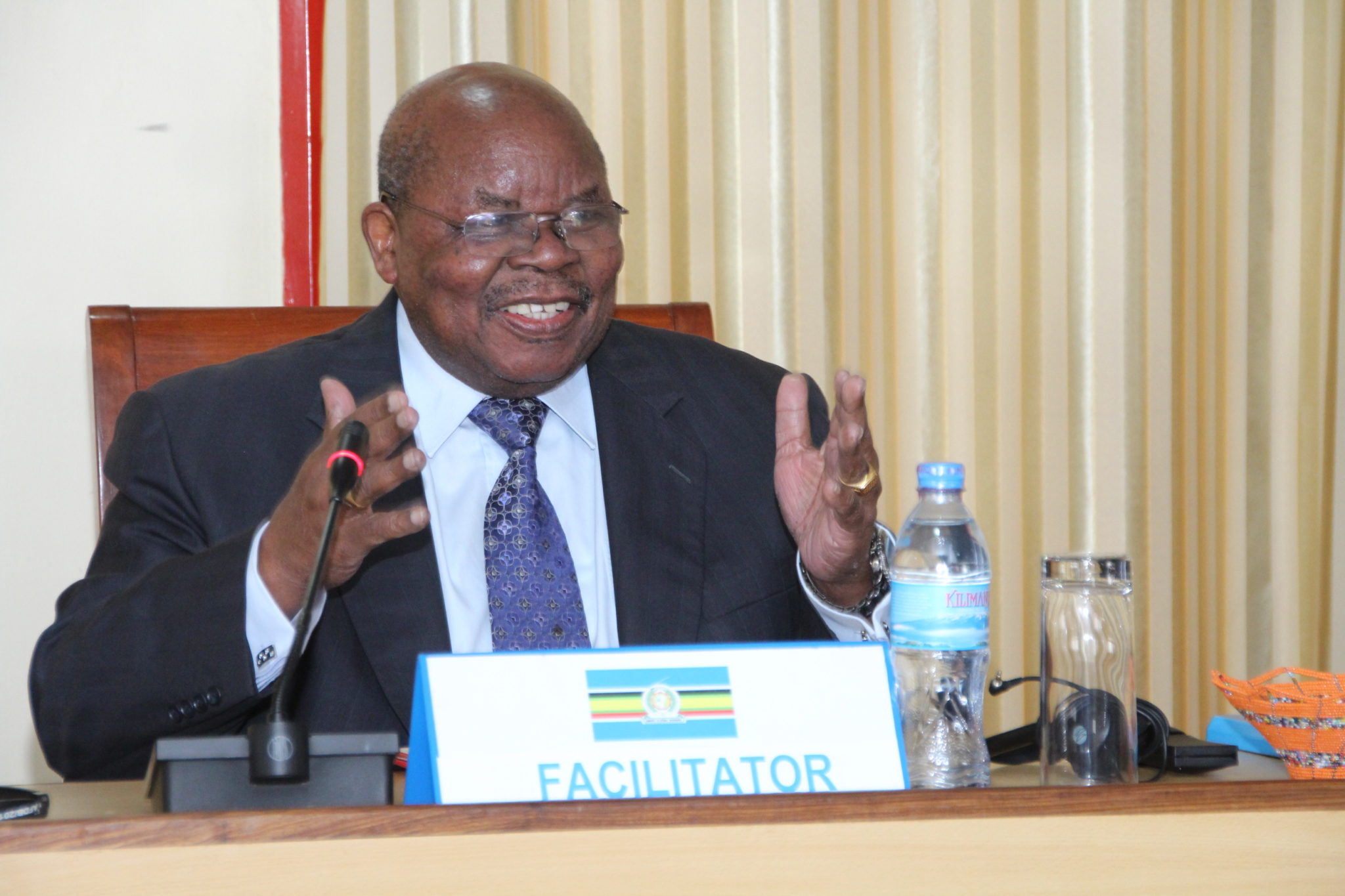
Inter-Burundi Facilitator, former Tanzanian president Benjamin Mkapa.

Tanzania’s former president Benjamin Mkapa was nominated as mediator of the Burundian Dialogue in Arusha, Tanzania during the East African Community’s 17th Head of State Summit on March 2.

“One of the nagging challenges that our facilitation efforts are forced to grapple with every time we organise the session, is the issue of finance. We have been almost entirely depending on the generous support of the EU and China,” Mkapa told the leaders during the 17th EAC Heads of State Summit last week.

“I feel the need for your excellences to consider providing more reliable financial wherewithal now that we are going to the mediation phase.”

Last week, Mkapa urged leaders at the summit to crack the whip on the parties in the talks to ensure their co-operation.

The bloody crisis that has killed up to 900 people in the country pits supporters of President Pierre Nkurunziza against those who say his re-election in July 2015 for a third term violated the constitution. After a failed coup in May, the government intensified its crackdown and most of those arrested or missing are young men and women accused of participating in or supporting opposition groups.

Hopes of any progress were quashed in May when the government of Bujumbura refused to hold talks with key members of the umbrella National Council for the Restoration of Arusha Agreement and Rule of Law (CNARED) and a major civil society movement known as Halte au 3e mandat.

Both opposed Nkurunziza’s bid for a third-term in office. At the time, the regime agreed to attend peace talks in Arusha in which only government officials, two former heads of state and a selection of like-minded individuals participated in an exchange with mediators.

Uganda’s President Yoweri Museveni is the official mediator of the dialogue, although the regional bloc assigned Mkapa, who was Tanzania’s president between 1995 and 2005, to host the talks in March.


Stories Continues after ad

UK to spend £100m on Somali refugees’ repatriation

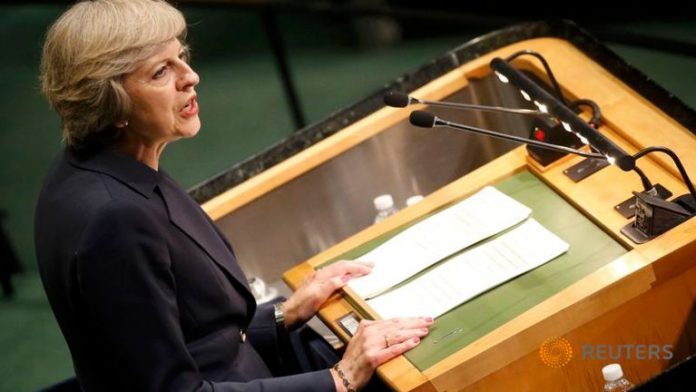
UK Prime Minister Theresa May makes her miaden address at the 71st UN General Assembly in New York

More than £100m of the UK aid budget will be spent on returning Somali refugees to the country they fled and encouraging people escaping war zones not to cross the Mediterranean under plans outlined by Theresa May in New York.

The prime minister used her maiden speech at the United Nations to expand on proposals aimed at stopping ‘mass uncontrolled population movement’, which has seen refugees travelling long distances in search of better lives. Her plans attracted criticism earlier in the summit over the suggestion that those fleeing war zones should stay and claim asylum in the first safe country they reach, rather than seeking sanctuary in European nations such as Britain.

However, May pressed on with the argument in an address to the general assembly, as she focused on actions in north Africa to stop migrants crossing the Mediterranean.

In her speech, May said Britain would send more troops to Somalia to help train local troops to combat the al-Shabaab militant group, including up to 30 teams of between five and 30 personnel with no more than 70 in the country at any one time.

“The UK is now going to increase further our security support and we will be calling on others to do the same, hosting an international conference on Somalia in 2017 to maintain this vital momentum,” the prime minister said.

While acknowledging Somalia is facing serious security problems, the government is also contributing £20m from the aid budget to encourage refugees who fled the country to return home from the Dadaab camp in Kenya.

“We will invest £16m in Somalia to help do things around food, education, shelter and sustainable livelihoods and then £4m to Kenya to help support the process of returning these people,” a UK official said.

The process has recently been criticised by the Human Rights Watch group, which said the return of the refugees from Kenya to Somalia cannot be considered voluntary as the Dadaab camp is at risk of being shut down. The UN has insisted there are no forced returns.

At a later summit on refugees, hosted by the US president, Barack Obama, May said another £80m from the aid budget will be aimed at helping migrants, largely Eritreans, stay in Ethiopia through the financial support for the construction of new industrial parks offering 100,000 new jobs, including 30,000 for refugees.

This is an expansion of the programme used in Jordan, Turkey and Lebanon to try to encourage refugees to settle in the region rather than make journeys to European countries.

Of the 124,000 refugees who crossed the Mediterranean to Italy between January and September this year, 12% were Eritrean – second only to Nigerians who made up 20% of the numbers crossing.

At the Obama summit, May also announced that more of the UK’s aid budget would be spent on humanitarian efforts.

A UK official said £1.5bn for the year would be going towards refugees and others in dire need, which is an increase of 10% on the aid budget. About £2.5m will go to an international fund to help resettle refugees in other countries.

However, May unveiled no new commitments for the UK to take in more than the 20,000 vulnerable Syrians who David Cameron agreed to accept by 2020, despite calls from charities and Labour for Britain to do more.

Speaking before the summit, May argued it was better to help a greater number of refugees at camps in countries bordering Syria than to resettle a smaller number in the UK.


Stories Continues after ad

Fr. Lokodo: Gay festivities are not welcome to Uganda

You aren't welcome to Uganda, Ethics Minister Simon Lokodo tells gays.

State Minister for Ethics and Integrity, Fr. Simon Lokodo has warned people intending to participate in gay festivities.
According to a statement that he has issued on Wednesday, Lokodo says that government has learnt of the planned festivities/activities that are being organized to take place in different locations of Kampala and Wakiso district by the Lesbian, Gay, Bisexual, and Transgender (LGBT) movement.

“The promotion of these festivities, which would purportedly culminate in a “Gay Pride match” on Saturday September 24, 2016, is criminal and illegal as they have not been cleared by the Uganda Police Force, and are against the laws of the Republic of Uganda; specifically the Penal Code, which is built on precedents, set in many other countries.”

Adding “We wish to emphasize that whereas the promotion of homosexuality is criminalized under the Penal Code, there is no violence against the LGBT community in Uganda – contrary to some claims made loosely by proponents of this movement.”

The Penal Code Act of 1950 (Chapter 120) (as amended). Section 145. Unnatural offences. States that; “Any person who” – (a) has carnal knowledge of any person against the order of nature; (b) has carnal knowledge of an animal; or (c) permits a male person to have carnal knowledge of him or her against the order of nature, commits an offence and is liable to imprisonment for life.”

Section 146. Attempt to commit unnatural offences states that; “Any person who attempts to commit any of the offences specified in Section 145 commits a felony and is liable to imprisonment for seven years.”

Section 148 – on indecent practices states that- “Any person who, whether in public or in private, commits any act of gross indecency with another person who procures another person to commit any act of gross indecency with him or her or attempts to procure the commission of any such act by any person with himself or herself or with another person, whether in public or in private, commits an offence and is liable to imprisonment for seven years.”

Lokodo further states that in Uganda, our African values and cultures consider sexual activity to be private and personal, and it is not conducted in public. Certainly, neither is homosexuality. It is for this reason that the promotion of ‘gay’ activities is unwelcome. In addition, we have noted that these planned festivities are aimed at, promotion, exhibition and recruiting people to join this LGBT movement, which interestingly goes against the argument that gays are “born” that way. We are aware that there are inducements, including money, being offered to young people to promote the practice.

The Constitution of the Republic of Uganda (as amended) under Article 31(2a), reads: On Rights of the family. “Provides that “Marriage between persons of the same sex is prohibited.”

“Government will not condone the promotion of the illegal activities of the Lesbian, Gay, Bisexual, and Transgender (LGBT) movement and through the Uganda police will work to ensure that the criminal and illegal activities of the gay community are halted. I therefore, call upon all stakeholders, ministries, departments, local governments and other agencies of government, faith based organizations, civil society organizations and the media fraternity to join government to curb the escalating levels of immorality by upholding and integrating the National Ethical values of Uganda into their daily life and work.“

Stories Continues after ad

Gov’t laboratories have land title without land

Ntungamo Municipality legislator, Gerald Karuhanga.

Public Accounts Committee of Parliament has heard that government analytical laboratory obtained a land title without any acreage.

This revelation was made today by the Director of the Government Analytical Laboratory, Kepher Kuchana to PAC as he tabled the title without acreage.

PAC today probed the authenticity of land title on which the headquarters of the directorate of analytical laboratory sit on in Wandegeya.

Acreage is one of the basics that are indicated on a land title after surveillance. It shows the size of land that is being titled.

MPs sitting on PAC were left in shock when a land title without acreage was presented with some including committee Vice Chairperson Gerald Karuhanga and Masaka Municipality MP, Mathias Mpuuga describing it as fake.

On Tuesday, the team from the analytical laboratory led by Kuchana had been asked by PAC to return today and explain issues related to entity’s land title. In his 2015 audit report, Auditor

General, John Muwanga noted that the entity was not in possession of its land title.

While appearing before the committee this afternoon, Kuchana presented a land title but further scrutiny by the committee unearthed loopholes in the land title.

Gerald Karuhanga, the Vice Chairperson PAC revealed that the land title presented didn’t bear the acreage of the land where the laboratories are sitting.

“The land title has no acreage, you may look through it to see if its forgery or created at night.” said Karuhanga.

In his defense, Kuchana said the land title was acquired in 1962 hence a reason for it not to bear details on the acreage.

Masaka Municipality MP Mathias Mpuuga cited a possibility of forgery by officials of the government analytical laboratory to get off the hook with the audit query. He accused Kuchana for peddling a forged land title which cannot be submitted anywhere.

Steven Kagoda, the Permanent Secretary Ministry of Internal Affairs admitted that the land title submitted was a mistake saying that it was not forged but a document availed by the Secretary Uganda Land Commission in response to efforts by the analytical laboratory to have its land title.

Jessica Ababiku, the Adjumani Woman legislator couldn’t have any of the entity’s excuses accusing PS Kagoda of not being in charge.MP Karuhanga wondered why PS Kagoda who has been at the helm of leadership of Internal Affairs Ministry for over 12 years could receive a crucial document and just keep it simply because he is excited.

PAC members threw out the land title ordering the entity to produce a valid land title to Parliament.


Stories Continues after ad

Keko Finally goes “International” As Sony Releases Her ‘First’ Song

Ugandan rapper, Tracy Joselyn alias Keko shocked the entertainment community in March this year when she announced that she retired from music.
“Yes I am retiring from recording music, I hope my last compositions add to the legacy. Thank you for being supportive and buying the music,” she announced through a tweet, leaving her fans begging her to stay.
Well, if you believed her statement, you were taken for a ride. In fact, the statement appears to have marked the beginning of her career!
She is back with a bang, and unlike before, she is back with international music. We can authoritatively reveal that international music recording label, Sony Music is finally set to release Keko’s maiden album with the label.
Keko was among the first African musicians to be signed by Sony Music. She signed a deal with the international music label in 2012 thanks to her hit, ‘This Is How We Do’, a song she recorded Radio & Weasel.
However, she had not outted any song under the label not until this week.She has not only outted a song but a whole album!
“Pre-order Keko’s new album ‘Strides’ featuring new single “Move Your Body”……” Sony Music announced.
‘Move Your Body’ is Keko’s first song under Sony and she couldn’t hide her excitement. “The wait is over,” she tweeted on Wednesday.
Sony Music is an American label and company owned by Sony through Sony Entertainment. The company was first founded in 1929 as American Record Corporation and renamed Columbia Recording Corporation in 1938, following its acquisition by the Columbia Broadcasting System.
Among the musicians signed to Sony Music include Beyonce Knowles, Bruno Mars, Back street Boys, Bow Wow, Chritina Anguelira, Michael Jackson among others. Keko is the only Ugandan musician signed to the label. The label also signed two Nigerian artists, Davido and Wizkid a few weeks back.
Stories Continues after ad

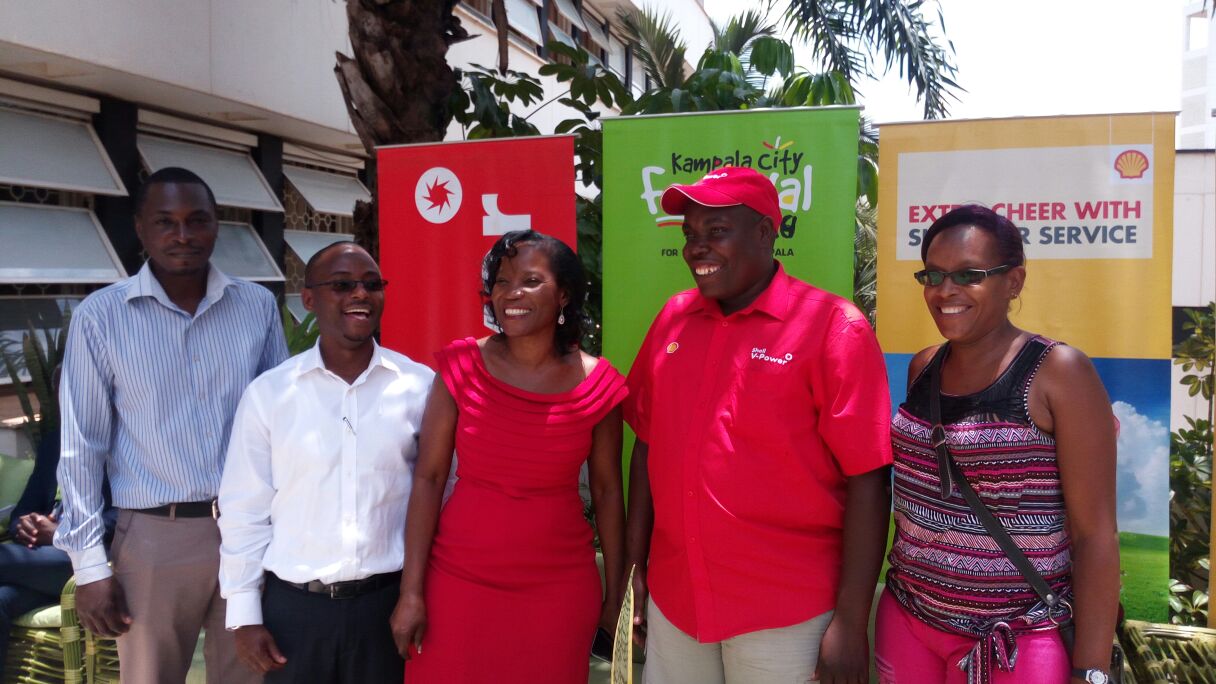
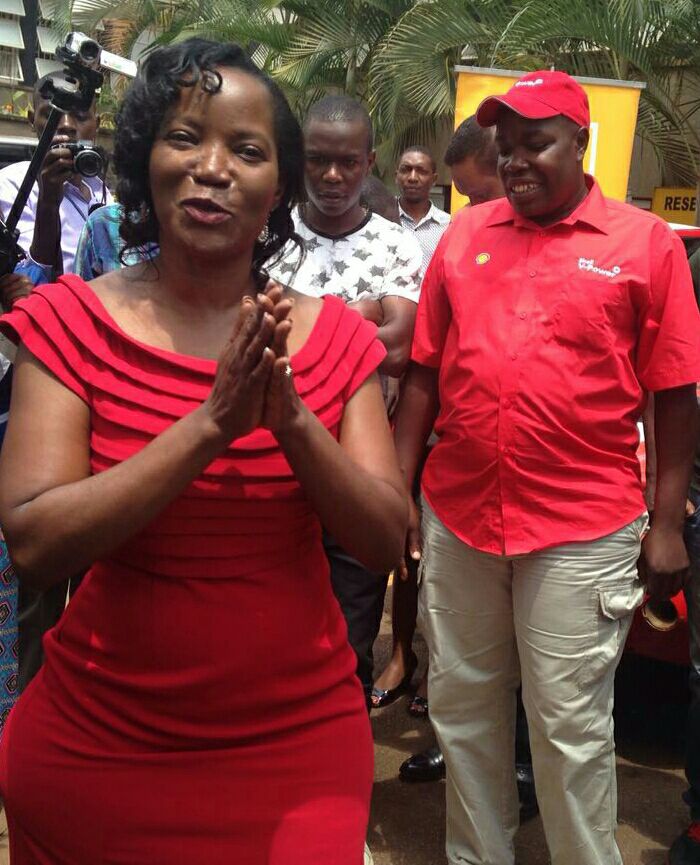
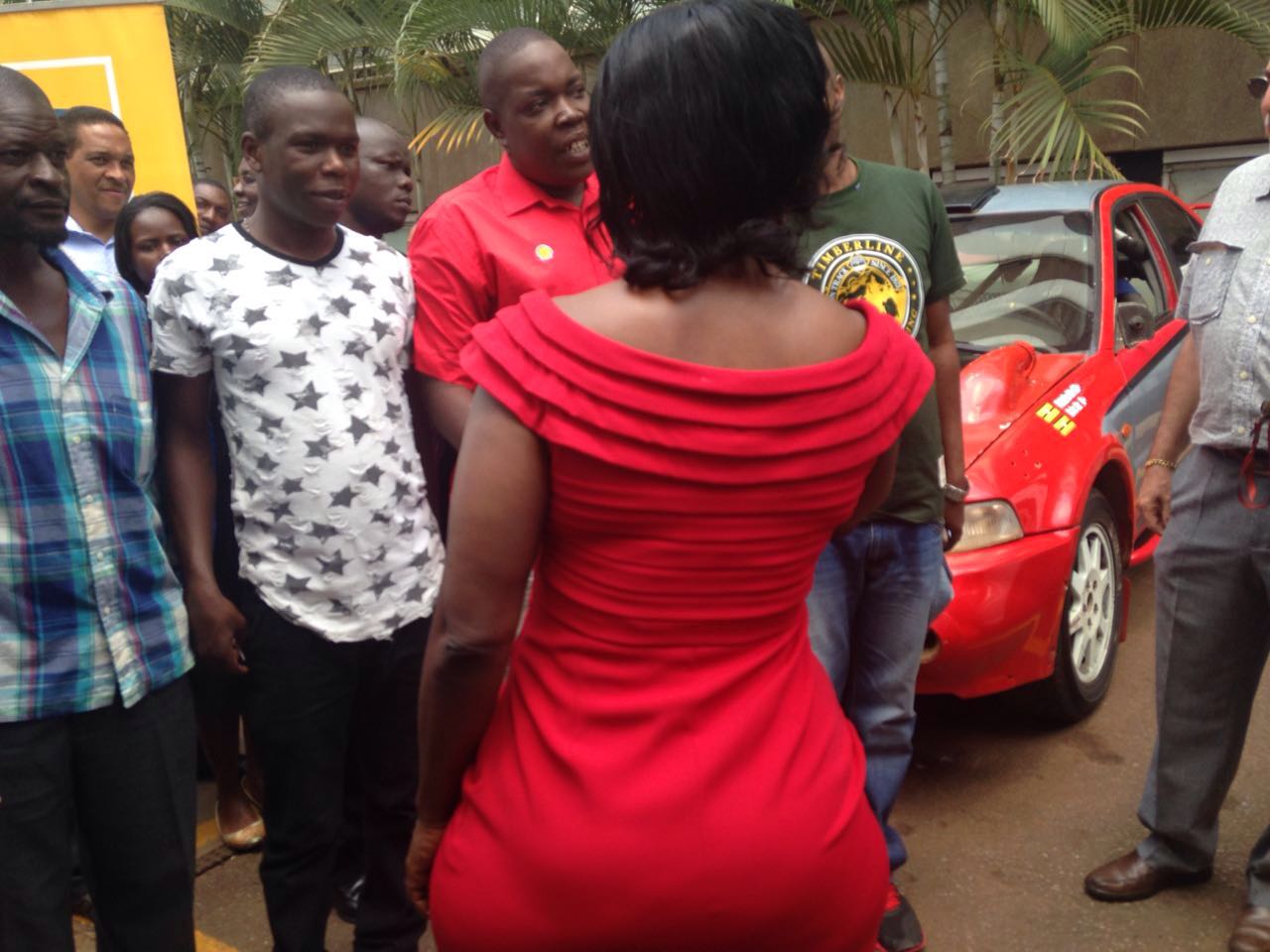
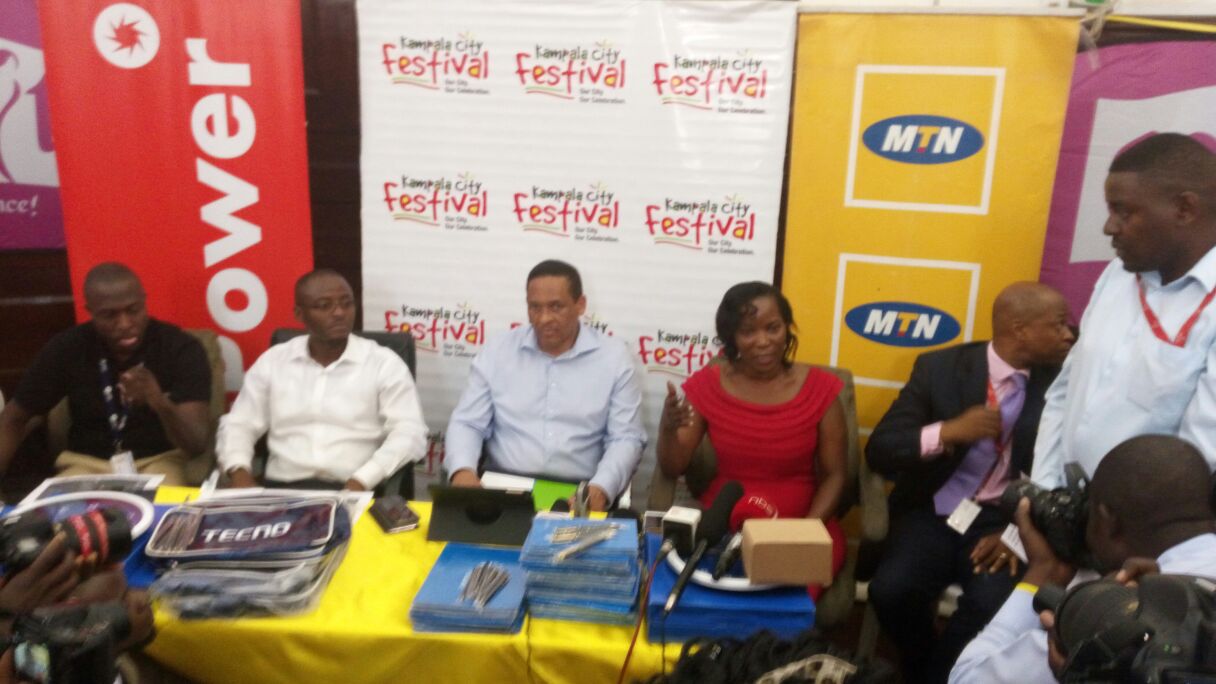
Jenifer Musisi leaves men pocketing at Kampala annual festival launch

As many Ugandans in the city await for yet another city festival the KCCA team has partnered with much more sponsors to create a lot of fun in the annual festival.
This year’s city festival will take place on Saturday October 1 and Sunday October 2, this change from the one day event follow the new entertainment schedule of both motor cycle riders and rally cars.

whatsapp-image-2016-09-21-at-14-36-40

On Saturday during the eve of the festival events, Nakawa estate area will be occupied by motor cycle riders from 11:00 am to 5:30 pm. There will also be product showcasing by different persons.
‘’On the real festive day Sunday October 2, the rally cars will set off from Hotel African through a designed road map via Jinja road till Grand Imperial Hotel’’. Said Cedric Buzabo the organizer of the rally
The said route will therefore be closed to allow the rally vehicles ease to trek through the city Centre.

whatsapp-image-2016-09-21-at-14-36-40-1
Over 45 drivers had confirmed participation by press time but more are expected said an official from FMU.
Jenifer Musisi the KCCA Executive Director said “the KCCA city festival is the only period where all people are allowed to enjoy the city with any harassment”

whatsapp-image-2016-09-21-at-14-36-40-5
She added people can make all the noise they want, step on the grass and show whatever they have to the rest of the world.
However, she cautioned the public that KCCA is working closely with all security agents in the country to ensure a secure and successful festival process.
The principal sponsor of the rally and the entire festival is VIVO energy Uganda. They presented a cheque dummy of Shs500 million.

whatsapp-image-2016-09-21-at-14-36-40-3
In addition Mr. Hans Paulsen Managing Director of Vivo Energy said all stations in the city will offer discount of V-power during the festival period.
This he says is just a token of appreciation to Ugandan since Shell has been in existence from 1953 and is the leading fuel station company in Uganda.
The festival is funded only by sponsor and KCCA only organizes the events, on this note Musisi thanked all the sponsors like MTN, Kampala Casino, Movit, City tires and Uganda Breweries Limited.

Stories Continues after ad

Eddy Kenzo, Phina Masanyalaze eat big at tourism ministry

Whoever Jah blesses no man can curse! So as the saying goes and so musician Eddy Kenzo would tell you. Ever since he made his breakthrough, the ‘Sitya Loss’ hit maker has never looked back. He has continuously been landing several gigs and big deals with various corporate companies including Airtel Uganda.

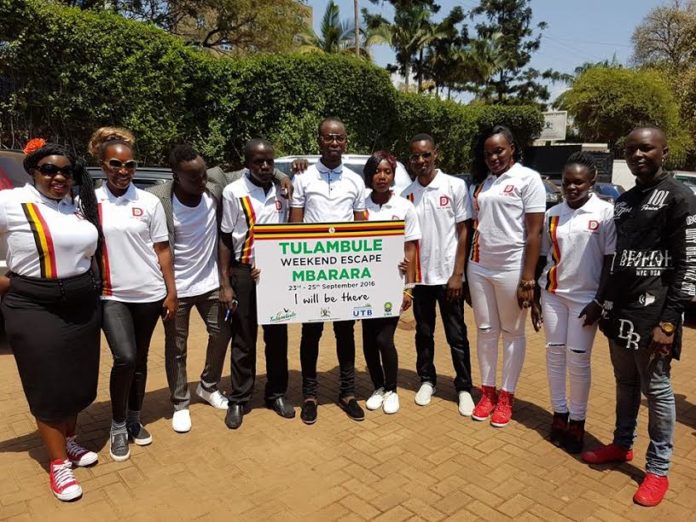
His latest deal is with the Ministry of Tourism. He has been signed as the tourism brand ambassador along with Phina Mugerwa also known as ‘Masanyalaze’.

Kenzo was unveiled Tuesday by the State Minister of Tourism, Godfrey Kiwanda while announcing the district which will host the World Tourism Day celebrations slated for September 27.

The two are to mobilize Ugandans to embrace local tourism. Kiwanda said that tourism is the highest foreign exchange earner for the country hence the need for promotion.

He said that they have also organised regional tours every end of the month to mobilize the population under the new initiative named Tulambule.

Speaking about the deal, Eddy Kenzo said he was privileged to have been unveiled as the tourism ambassador of Uganda.

“It all happened at media house, Alhamdulilah….! It’s such an honour. Uganda, let’s love and promote our own, it all starts with us nobody has to tell our stories, we’ve got this….! We shall be starting the TULAMBULE WEEKEND ESCAPE in Mbarara on between September 23-25.Uganda let’s love our land, we have it all. Who doesn’t know that?

World Tourism Day will be celebrated in Mbarara under the theme ‘Tourism for All’ with President Yoweri Museveni expected to preside over the function.


Stories Continues after ad

Kool & the Gang Kampala concert confirmed

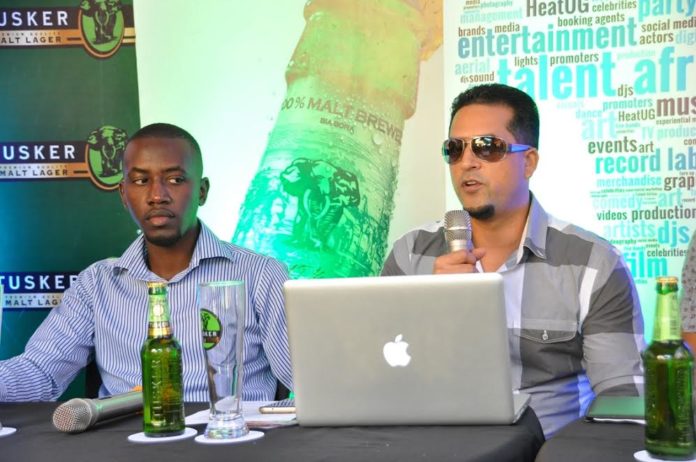
Mr. Aly Allibhai, the CEO of Talent Africa and colleague, address the media.

For every longtime we have been trying to bring the legendary music group, Kool and the Gang but it hasn’t been until this year that we’ve succeeded, Aly Allibhai, the CEO of Talent Africa told journalists while announcing the concert for the Kool and the Gang.

It’s confirmed the legendary music group behind hits like; Celebration, Cherish, Fresh, Jungle Boogie, Joanna, Too Hot, Hollywood Swinging, Lets Go Dancing, Summer Madness, Get Down On It and Ladies Night will be performing in Kampala in November thanks to Tusker Malt Lager, Talent Africa and Silk Events who have teamed up to take music lovers on a trip down memory lane.

Kool and the Gang created a unique blend of jazz, soul and funk to that have had people dancing since 1969. Kool and the Gang has sold over 70 million album copies worldwide and influenced the music of three generations.

Thanks to smash hit songs like they’ve earned two Grammy Awards, seven American Music Awards, 25 Top Ten R&B hits, nine Top Ten Pop hits and 31 gold and platinum albums. Kool and the Gang have performed continuously for the past 5 decades, longer than any R&B group in history.

Their bulletproof funk and jazzy arrangements have also made them the most sampled band of all time. They will jet into Uganda with their full live band as they celebrate nearly 50 years in the music industry.

The concert will take place at the Kololo Air Strip Grounds in Kampala. There will are three levels of tickets Bronze, Silver and Gold.  Bronze tickets are Shs150, 000 Silver Tickets are Shs250, 000 while Gold VVIP tables are for Shs5 million.

There will be an early bird special for those who buy tickets before October 24, where Bronze tickets will be Shs120,000, Silver tickets Shs200,000 and Gold VVIP tables at Shs4 million.

Tickets will go on sale from September 24 at the Definition Shop in Acacia Mall, Liquid Silk in Bugolobi and Talent Africa/Yujo Restaurant in Nakasero. Tickets can also be bought online at www.easyticket.com

Mr Aly Allibhai the CEO of Talent Africa said Ugandans should get ready for one of the biggest concerts of all time.

“At Talent Africa we are dedicated to bringing the best in worldwide entertainment right here to the Pearl of Africa. Kool and The Gang is coming with their full band and their stage performance is out of this world. People should get ready to Celebrate!”

For Mr Elvis Sekyanzi the Managing Director of Silk Events said “Kool and The Gang are living legends” Adding “They will have Ugandans of all ages dancing this November. The production for this show will be mind blowing and we have already started preparations for a mega show”.


Stories Continues after ad

Only 19 per cent of population live in poverty in Uganda

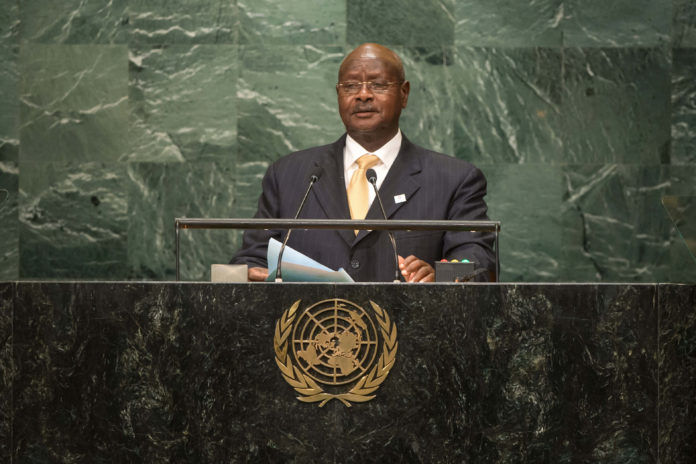
Your Excellencies Heads of State and Government;

President of the General Assembly;

Mr. Secretary-General;

Honourable Ministers;

Distinguished participants;

Ladies and Gentlemen.


I would like to congratulate you, Mr. President, on your election to lead the General Assembly during the 71st Session.


The theme of the General Assembly is: “The Sustainable Development Goals: a universal push to transform our world”.  This is a good topic.  It adds another nail in the coffin of the old parasitic arrangement where only a small portion of humanity ─ those living in the USA, Canada, Western Europe, Australia and New-Zealand, lived in affluence while the rest of the world lived in abject poverty.  The reasoning, then, was as if one could not be affluent without doing so at the expense of somebody else.  This logic has now been challenged.  Since 1981- 2010, 380 million and 207 million of people in China and India respectively have come out of poverty.  Even in Africa, a continent with a lot of accumulated disadvantages, 414 millions of people have come out of poverty.  In Uganda’s case by 2004, 56 per cent of the people were living in poverty.  Today that figure is 19 per cent.  It is hoped that by 2017, it will be reduced to 10 per cent.

Isn’t the world a better place with this spread of affluence?  Haven’t the old affluent societies and the new ones both benefitted?  The USA is today exporting goods and services to China worth US$ 120 billion per year.  The EU is exporting goods and services to China worth US$ 356 billion.  Hasn’t the spread of affluence benefited more people?

The SDGs understood this well.  They are 17 of them and they are:

  1. End poverty in all its forms everywhere;
  2. End hunger, achieve food security and improved nutrition and promote sustainable agriculture;
  3. Ensure healthy lives and promote well-being for all at all ages;
  4. Ensure inclusive and equitable quality education and promote lifelong learning opportunities for all;
  5. Achieve gender equality and empower all women and girls;
  6. Ensure availability and sustainable management of water and sanitation for all;
  7. Ensure access to affordable, reliable, sustainable and modern energy for all;
  8. Promote sustained, inclusive and sustainable economic growth, full and productive employment and decent work for all;
  9. Build resilient infrastructure, promote inclusive and sustainable industrialization and foster innovation;
  10. Reduce in-equalities within and among countries;
  11. Make cities and human settlements inclusive, safe, resilient and sustainable;
  12. Ensure sustainable consumption and production patterns;
  13. Take urgent action to combat climate change and its impacts;
  14. Conserve and sustainably use the oceans, seas and marine resources for sustainable development;
  15. Life on land (terrestrial life);
  16. Peace, justice and strong institutions; and
  17. Partnerships for the Goals.

Although this is a different way of diagnosing and providing a prescription for the problems of under-development, we are happy that at last the global agenda captures most of the ingredients necessary for growth and transformation of societies as happened in the past for those societies that pioneered the Industrial Revolution. In particular, the inclusion of energy on the list of the SDGs is a departure from the past global agendas.

These SGDs, fractionate and put differently many of our own10 strategic bottlenecks.  These are:

(i)     Ideological disorientation;

(ii)    A weak state, especially the army, that needed restructuring;

(iii)   The suppression of the private sector;

(iv)  The underdevelopment of the human resource (lack of education and poor health);

(v)    The underdevelopment of the infrastructure (the railways, the roads, the electricity, the telephones, piped water, etc);

(vi)   A small internal market;

(vii)  Lack of industrialization;

(viii) The underdevelopment of the services sector (hotels, banking, transport, insurance, etc.);

(ix)   The underdevelopment of agriculture; and

(x)    The attack on democracy.

As you can see, there are 2 crucial bottlenecks that are missing in the SDGs.  These are: ideological disorientation which, for us, is bottleneck number one and market integration which is bottleneck number 6.  One can, of course, say that the idea of ideological disorientation is subsumed in SDG number 16, that of peace, justice and strong institutions.

Nevertheless, there is no harm in singling out and highlighting this problem of the pseudo ─ ideology that exploits identities of people (religion, tribe, race, gender, etc) and eclipses the interests of the people (balanced trade, for instance).  That equal relationship between the producer of a good and a service and the buyer of the same, both in ancient times and modern ones, is the greatest stimulus to global prosperity.  This however, is many times eclipsed by the shallow promotion of chauvinism of religion, tribe, race or gender even when one’s religion-mates, tribe-mates, and race-mates are doing nothing or little for one’s prosperity.  Yet the recent growth through trade by China, India etc, in their interaction with the USA, EU, Africa, etc., shows the power of this stimulus.  Let the global body, therefore, understand and blacklist this pseudo ─ ideology of sectarianism and chauvinism of groups.

All the past mistakes and the present ones are linked to this problem.

Imperialism, slave trade, colonialism, neo-colonialism, the ongoing sectarian conflicts in many parts of the world, all, in one way or another, spring from pseudo ─ ideology.

The fair and authentic ideology of being “my brother’s keeper” in the Book of Genesis, Chapter 4:9 is the true antidote to this poison. Abandon all forms of chauvinism and the world will be safer for everybody.  In my dialect we say: “Karasha ngabo, imurasha” ─ “the one who shoots arrows at others, should expect arrows to come his way”.

Finally, our bottleneck number 6, the bottleneck of fragmented markets in Africa (possibly in other areas as well), should also be addressed.  It is easy to trade with China, India, the USA, Russia, Brazil or Indonesia because they are markets of 1.3 billion, 1.2 billion, 150 million, 200 million and 200 million respectively because they are societies under one political authority each.  We and the others that have fragmented markets, must struggle to rectify this deficiency.

In Africa, we are already moving.  Hence, our EAC, COMESA, SADC, ECOWAS and, ultimately, the Common Market of the whole of Africa as we agreed, recently, in Kigali, Rwanda.

Remember that when I buy what is produced by your factory, I am supporting your prosperity and when you buy what I produce, you are supporting my prosperity.

Long live the SDGs; but, please, do not forget to add the bottlenecks observed by us.


I thank you.


Stories Continues after ad