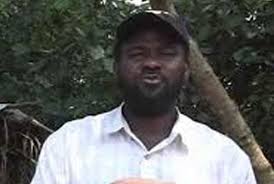
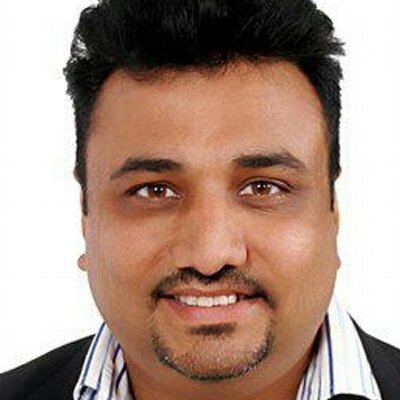
ADF leader Sheikh Jamil Mukulu. He is currently facing several charges including murder and terrorism.
More than thirty people have been killed in eastern Democratic Republic of Congo (DRC) in a massacre blamed by the government on Ugandan Islamist rebels attempting to provoke an insurrection.
Rebels from the Allied Democratic Forces (ADF), a rebel outfit formerly led by now-incarcerated Jamil Mukulu, killed 22 men and 14 women late Saturday on the outskirts of Beni, the governor of DRC’s restive North Kivu province Julien Paluku said in a statement.
The final death toll is yet to be established, however, with Beni mayor Edmond Masumbuko later saying that 42 people died in the attack.
The Congolese government regularly blames the ADF for attacks in and around Beni, where more than 600 people have died since 2014. The group was founded in Uganda but is now based in the Rwenzori mountains in the border region between North Kivu and its home country.
The ADF is thought to number just a few hundred fighters and had the original intention of overthrowing Ugandan President Yoweri Museveni and installing Sharia law in Uganda, although it has now become highly localized in its interests in DRC’s conflict-torn eastern region.
Local army spokesman Mak Hazukay said that the ADF had carried out Saturday’s attack in an attempt to turn civilians against the government. “The goal of the attack is to incite the population to rise up against us,” said Hazukay. Analysts from the Congo Research Group in New York have suggested that government soldiers have participated in attacks around Beni in recent years, a claim denied by the government.
DRC President Joseph Kabila had visited the region just days before the attack, pledging to improve peace and security in a region awash with rebel groups, mostly armed with machetes and hatchets. Government spokesman Lambert Mende said that three days of national mourning would begin Monday, with flags flying at half-mast, and that international assistance was required to deal with the “jihadist threat” in DRC.
The country, rich in minerals and natural resources, is due to hold national elections in November, after which Kabila is constitutionally mandated to step down.
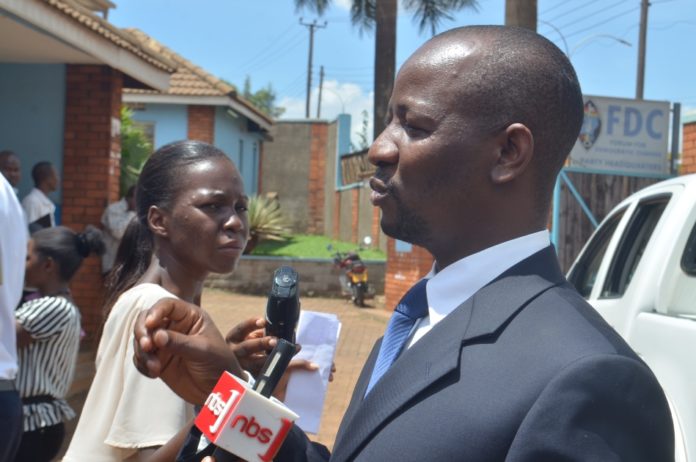
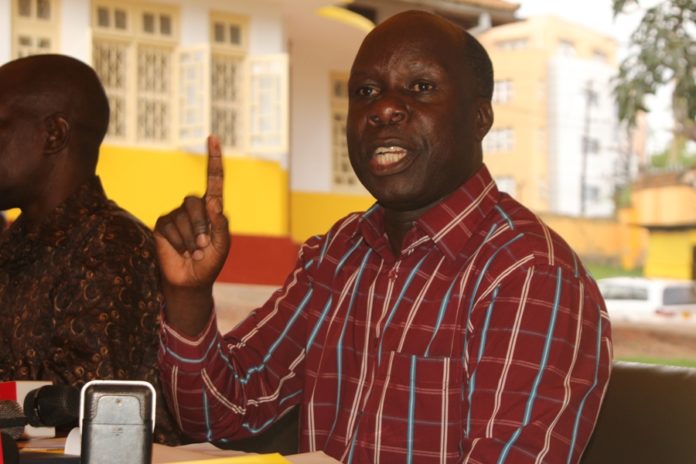
FDC TO RESIST MUSEVENI NOMINEES TO IEC: FDC spokesperson Semujju Nganda at the party headquarters in Najjanankumbi.
With just a few months to the expiry of tenure of the commissioners of the Independent Electoral Commission (IEC), the Forum for Democratic Change (FDC) has warned President Yoweri Museveni against appointing his cronies, hell bent at ensuring his consolidation in power.
According FDC spokesperson Ibrahim Semujju Nganda, the new there was need for an independent and impartial EC that is not answerable to the President “but is in place for the good of the country and its people.”
“It is high time Ugandans are given chance to participate in every electoral reform that is to take place in their country,” Semujju Nganda said while addressing a press conference at the FDC party headquarters in Najjanankumbi.
He emphasised that the public should be involved in the nomination of candidates and even the voting, giving an example of Kenya.
“This country is not Museveni’s that he can decide who is to lead the Electoral Commission,” said the FDC spokesperson, adding that Museveni has managed to manipulate all the electoral commissions that have existed from the time he assumed office in 1986.
“All these commissions have been able to let Museveni stay in power even after losing the elections,” Semujju Nganda said, before lashing out at the EC chairman Eng. Badru Kiggundu who, he said, was complicit in ensuring that Mr Museveni won the 2016 elections.
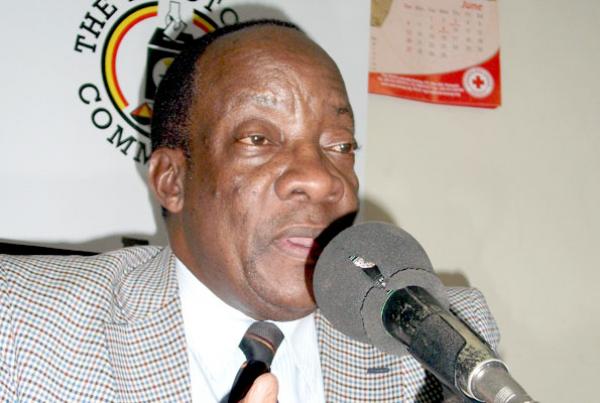
ACCUSED OF COMPLICITY IN ELECTION MALPRACTICES: Independent Electoral Commission (IEC) Chairperson , Badru Kiggundu.
“All that Badru Kiggundu has done is to let Museveni win the past elections, an act that infringes on the rights of the Ugandan people,” he said.
The FDC spokesperson also said there was urgent need for the amendment of a law to create an independent electoral commission. “The current EC is not independent at all and all Museveni did was he just brought an amendment to change the name of the electoral body to the ‘Independent Electoral Commission, which to him, was a change of the commission into an independent one,” he said.
He also attacked the EC, saying it had failed to comply with the electoral laws, resulting in the high number of MPs being thrown out of parliament.
“Non-compliance of the Electoral Commission towards the Constitution makes it not credible; it (EC) even verifies members with no qualifications and announces losers as winners,” Semujju said, adding that the FDC was holding a series of meetings to forge a way of countering Mr Museveni’s nomination process, ahead of the EC expiry of the commissioners’ mandate in November this year.
“There is an urgent need for the formation of an independent body to manage the electoral process of this country and with all these shortcomings, the FDC is warning the president against naming a commission that satisfies his needs,” Semujju Nganda said.
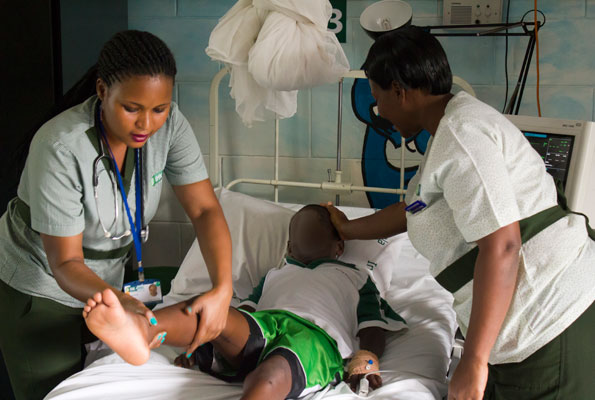
Cancer has lately been claiming many of our people but this is set to change after a Medical Training and Fellowships Programme to train 600 cancer specialists in the next four years was unveiled recently.
Supported by the East African Development Bank (EADB) and the British Council in partnership with the Royal College of Physician of London, the training will boost the medical fraternity capacity in fighting non-communicable diseases in particular, cancer and neurological disorders in East Africa.
“The East African Development Bank (EADB) Medical Training and Fellowships Programme, managed by the British Council in partnership with the Royal College of Physicians (London), intends to train 600 East African physicians over a period of four years,” says Ms Vivienne Yeda, the Director General of the EADB.
The training comes at a time when the number of cancer cases worldwide is expected to surge by 75% during the next two decades according to WHO Cancer Research. Deaths from cancers have been on the increase in the East African region, with 50 Kenyans dying daily from various forms of cancer. The trend is the same across East Africa, with the main cause being associated with lack of treatment facilities and expertise for treatment, prevention and early detection.
Ms.Yeda added that the East Africa Community has for a long time failed to prevent and treat the cancer scourge because of lack of trained and skilled doctors. The ratio of doctor to population in the region is far below the UN standards. Through the East Africa Development Bank Medical Training and Fellowship Programme, we hope over the long term to equip doctors in district hospitals across East Africa with the skills to effectively and promptly diagnose cancer and neurological disorders and facilitate early interventions either at the point of contact or by referral for advanced medical care.”
She further said that the programme was an additional investment in the growing list of interventions by the bank to boost skill and capacity to key sectors of the East African economy. The Bank currently supports a scholarship programme for teachers in the US as well as capacity building programme for East African public sector lawyers in the extractive industries.
“The East African Community with a population of more than 135 million has great economic potential, but non-communicable diseases are a major threat to this regions quest to achieve socio-economic development,” said Ms. Yeda.
In the first 3 years of the project, the programme will conduct a series of East-Africa based residential 5-day training courses in neurology and oncology. These will be delivered by a mixed faculty from the UK and East Africa. They will be complemented by a two-year specialist academic and clinical training in the UK for a select number of high cadre doctors in these two disciplines.
The British Council Regional Director for Sub Saharan Africa, Mandy Johnson said the programme will create opportunities for doctors within the East African region who aspire to specialise in the medical disciplines of oncology and neurology. Their training will bring much needed skills to the communities they serve.
“We are pleased that the partnership with EADB and the Royal College of Physicians brings global expertise into the East African Region and will lead to a rich exchange of skills, expertise and experience. We hope that the programme will lead to better health for the people of East Africa,” Said Mandy Johnson, the British Council Regional Director for Sub Saharan Africa.
At the same time the CEO of the Royal College of Physicians Ian Bullock, added that the programme will aid in improving not only the skills of the doctors but also help in saving lives;
“I am extremely proud that we have this opportunity to use our expertise to support our colleagues in the East African region. This programme is an excellent example of the Royal College of Physician’s aim to improve care for patients and to develop physicians throughout their career by increasing access to high quality postgraduate training.”
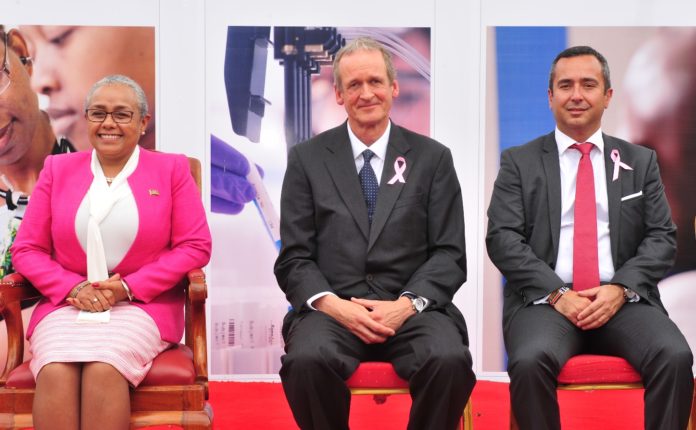
(L-R) Kenya First Lady Margaret Kenyatta, Markus Gemuen of Roche and Andre Mendoza
Kenya First Lady Margaret Kenyatta, the Kenya Ministry of Health and Roche Pharmaceuticals Limited have launched key activities that will facilitate access to improved care for patients with breast cancer in Kenya. The launch builds on the country’s 2015-2020 National Strategy for the Prevention and Control of Non-Communicable Diseases and represents a comprehensive approach to battling the disease.
The program also complements the campaign from the African First Ladies who are committed to expanding access to prevention and treatment services for women with breast cancer.
The public-private partnership’s planned activities include breast cancer awareness programs, improvements in screening and diagnostics, including the placement of a diagnostic instrument capable of advanced testing for seven types of cancer. Additionally, the collaboration will train five new oncologists and six oncology nurses, provide surgical oncology training, support the development of best practice national treatment guidelines and an increase the number of cancer treatment centers in Kenya. Access to medicine will be made available to patients seeking treatment at public institutions with the government of Kenya and Roche jointly covering the costs. The aim of these measures is to improve access to timely and precise diagnostic services and tailored cancer treatment to make cancer therapy much more effective.
“Strong, healthy women are the foundation of families, of our country, and today in Kenya their health is threatened by a disease that we must catch early. Many women are being diagnosed with breast cancer too late and are dying needlessly when there are treatments available that give them a chance to fight this disease,” said First Lady Margaret Kenyatta. “This partnership between the Government of Kenya and Roche demonstrates that we all must play our part to ensure that our mothers, sisters and daughters have the opportunity to fight and win the war against breast cancer.”
Breast cancer remains the leading cause of cancer in women in Kenya with more 50 percent of the cases presenting in women below the age of 50. This places their families and the economy at a great disadvantage. Every year approximately 4,500 patients are diagnosed with the disease and 2,000 patients lose their lives to this disease. This burden reflects an increasing trend in the number of women being diagnosed with the disease. Early diagnosis and treatment could greatly reduce the burden of breast cancer and improve treatment outcomes.
The Kenya agreement is part of Roche’s Africa Strategy which began in 2015 in seven countries: Nigeria, Ghana, Kenya, Côte d’Ivoire, Angola, Ethiopia and Gabon. Based on country needs and capabilities, Roche is implementing a wide selection of activities in collaboration with local partners, including healthcare system strengthening, such as local data generation and advocacy for healthcare prioritization; disease management support, such as awareness, advocacy campaigns and treatment guidelines; and education and market access solutions, including healthcare professional training, private health insurance with local companies and price-volume agreements with governments.
“We are honored to have First Lady Margaret Kenyatta here today to launch this important initiative for breast cancer patients and to demonstrate Kenya’s commitment to improving cancer care,” said Markus Gemuend, Head of Roche Sub-Saharan Africa Region. “With access to healthcare, women are empowered to build the futures they want for themselves and their families. This comprehensive agreement ensures that breast cancer patients in Kenya will have not only improved access to care and life-changing medicines, but also that the overall healthcare system is stronger to support all Kenyans battling cancer.”
As the thirty two terror suspects were eagerly awaiting the commencement of trial at the High Court in Kampala early today, it has emerged that half of the accused have been issued with Production Warrants [PWs], to appear before the Nakawa Chief Magistrate’s court.
According to one of their lawyers Twaha Mayanja, his clients who are being accused of killing several Muslim clerics across the country faced ‘double jeopardy’ as the 16 summoned suspects are facing similar charges in the High Court.
Mayanja also said none of the defence lawyers has been briefed about the Nakawa warrants.
”This has created tension in the defence camp since a similar incidence has ever happened and when the lawyers together with their clients reached court, no judge was present and the prisoners were sent to the court cell for some time and eventually let to return since none of the court guards had any idea about the coming of the accused,” Mr. Mayanja said.
In response Justice Duncan Gaswaga, who presided over the pre-trial session advised the defense team to contact the Director of Public Prosecutions (DPP) about their grievances. However, he also asked them to be present in the Nakawa court on August 17, armed with all the details of their position.
Meanwhile, counsel Mayanja said the evidence adduced before court is insufficient to link his clients to the alleged crimes.
“So far we do not see any link pinning any of our clients that they got involved in the murders, in any given form,” Mr Mayanja said adding that two of his clients, A30 Isa Mubiru and A31 Ismail Senkumbi, who were arrested from Dubai where they had stayed for over ten years, have no single statement or connection to the evidence presented so far.
However, the Principal State Attorney Lino Anguzu answered that the missing statements of the two suspects could have been displaced in the course of transferring documents from the police to the DPP’s office but hastened to add that he will avail them at the next court session.
Mr Anguzu also requested the judge to allow him time to take the defense to the see the bulk of exhibits tomorrow, amend the charge sheet and also to allow the defense to analyze all the disclosed exhibits so that all parties prepare for the trial promptly.
Justice Gaswaga explained to the accused the relevance of the pre – trial sessions, saying it helps reduce the trial time with all the three judges, taking a maximum of two days only.
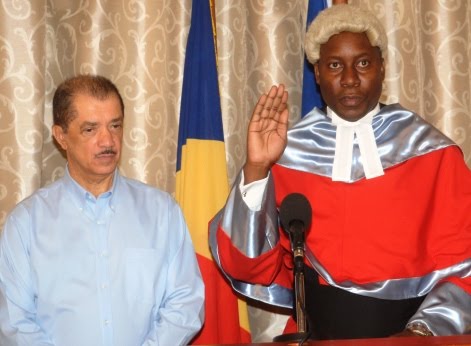
The judge, who is set to head the first Anti-corruption Commission on the island nation of Seychelles, also issued a schedule to be followed by the parties before the trial conference scheduled for September 5.
Meanwhile, several relatives of the accused who have been denied entry to court have been provided with TV screens in an alternative room from where they can follow the court proceedings.
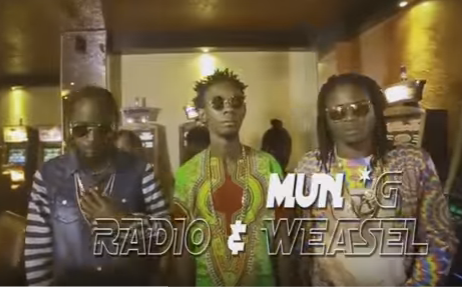
Sensational singing duo Radio and Weasel accompanied by Mun G as the main acts as Uganda Breweries Limited takes their Tubbaale party to Western Uganda’s biggest town Mbarara.
UBL last month launched a promotion and then next stop will be Agip Motel Gardens this Saturday, 20th August where plots of land, vans, motor bikes, flat screen TVs, airtime and so much more to be won. All these prizes are found under the crown of their beer brands.
So far, 7 plots of land, 12 motor bikes and 25 flat screen TVs have been given away.
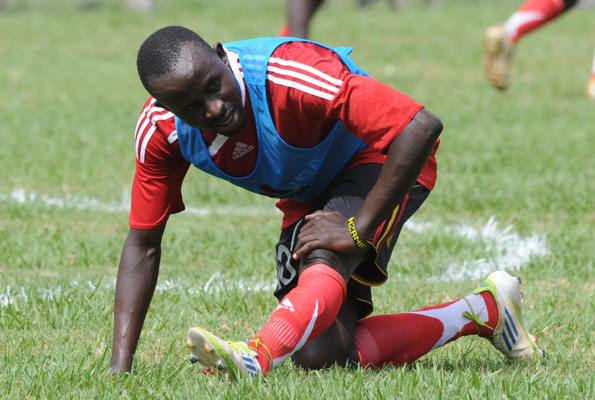
Uganda Cranes striker Hamis ‘Diego’ Kizza is on the cusp of accepting a contract offer from Mujib Kasule’s Proline FC.
The player decided to return to Uganda two months ago after Tanzania football giants Simba FC released him alongside two other Ugandan players (Brian Majwega and Murushid Jjuuko), all dismissed on disciplinary grounds.
The player is currently in Kampala for some thinking time before making a decision. He has concrete offers from Proline and URA FC.
Kizza over the weekend trained with Proline taking part in preseason trial against non-league side Natete FC which ended in a 1-1 draw. Proline has already signed Sam Kintu, Mustafa Mujuzi, Savio Kabugo, Farouk Musisi and Yusuf Mukisa and Nelson Senkatuka.
Kizza had been said to be waiting to see if initial contacts with SC Villa and KCCA became anything more, but for the moment, they have not.
He previously played for URA FC and Nalubaale FC and helped Yanga Africans in Tanzania to win CECAFA Kagame club championship in 2011.
He signed for Simba in July last year after he got misunderstandings with Yanga Africans on contract renewal.
Meanwhile Proline soccer Academy have unveiled their squad for this season at the clubs awards night held at Piato Restaurant in Kampala. At the function, Alpha Ssali, who is the son to musician Bebe Cool was named the academy player of the year while Idris Lubega and Joseph Mandela walked away with the player of the year and club player of the awards respectively.
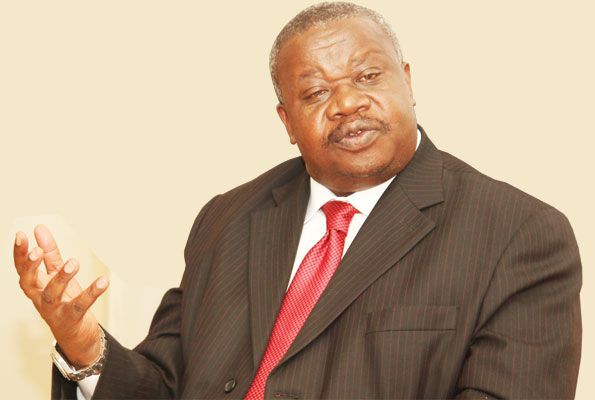
In a bold no-holds-barred diatribe that turned a church pulpit into political podium, outspoken National Resistance Movement (NRM) Electoral Commission boss Dr Tanga Odoi recently said that all candidates involved in the Ugandan election of 2016 including President Yoweri Museveni, rigged.
Addressing a congregation at the burial in his home area of Tororo late last month on July 27, 2016,Tanga Odoi, a former academic activist at Makerere University-turned-politician, said the fact that the candidates were competing for (political) power made it tempting for them to engage in electoral malpractices.
“Let us stop saying that people stole elections; all of us stole votes but the one who stole enough won,” the vitriolic Tanga Odoi said during the burial of one Faridah Oweri , adding that there is no where in the world where elections are perfect.
“The elections (worldwide) are said to be ‘free and fair’ not ‘free and excellent’”, Tanga Odoi said, adding: “In Uganda, when you follow the law, no MP outrightly won.”
He also did not spare some participating political parties, saying the Democratic Party (DP) and the Uganda Peoples Congress (UPC) had no reason to complain over the outcome of the 2016 elections.
“UPC and DP had no candidates and therefore, they can’t complain. They should not be accusing NRM in my face. At least FDC should complain but they haven’t complained meaning NRM won,” Tanga said.
Unrestrained, Tanga Odoi, who lauded the NRM for empowering his tribesmates the Adhola, also lashed out at his ‘detractors’ including politicians both in his home area of Tororo and others in Kampala, saying he had outclassed all of them. The ‘political’ nemesis he attacked include Ministers Sarah Opendi, Major General Kahinda Otafiire, Amelia Kyambadde. Others are former presidential spokesperson Tamale Mirundi and former Tororo Municipality MP Sanjay Tanna.
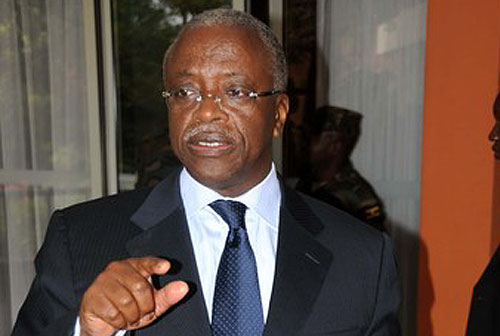
REPORTEDLY DRAFTED ODOI INTO NRM: Former NRM SG John Patrick Amama Mbabazi.
“Otafiire tried fighting me and failed. Amelia Kyambadde also tried and failed. Even those Generals failed, how about you in Tororo who are ‘nothing’? Tamale Mirundi played with my name and I gave him three days and after one week he was sacked.
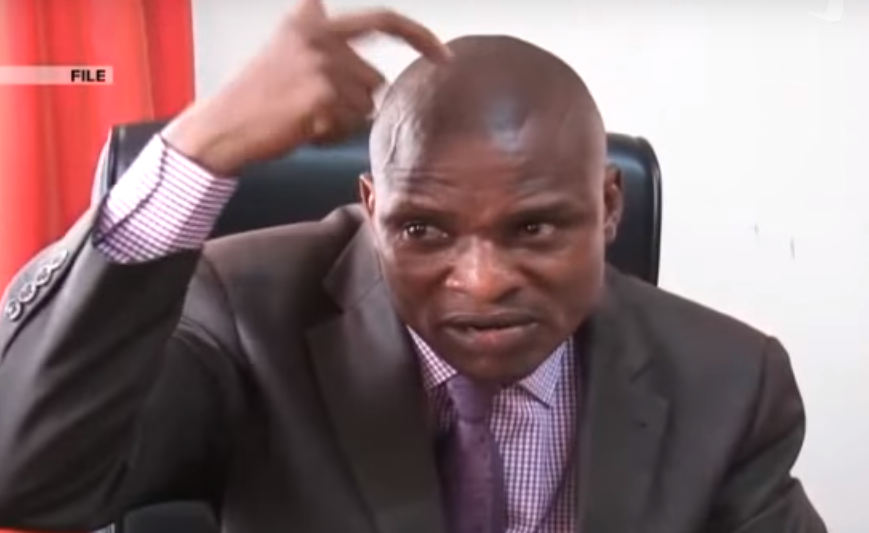
RESPONDED TO ODOI CRITICISM: Former presidential spokesperson Tamale Mirundi.ugblizz.com
Further, he said: “What I was saying was concessions, to accept defeat. If you are like General Otafiire who does not accept defeat, I said and can say it again, that he suffers a physiological expanded ego; when you have expanded ego, you see yourself as the best thing which God has created.” Tanga Odoi also warned to take legal action against all his detractors.
ATTACKED BY ODOI: Major General (rtd) Kahinda Otafiire
“I am going to formally write to East FM for an apology over that sound bite that I, Yeri (Apollo Ofwono) and Jaramogi sat at National Theatre… if they don’t satisfy my interest I will take on them…so those playing with my names on East FM, I have given you two weeks.”
Turning his guns on former MP Tanna, Tanga Odoi said he is a ‘foreigner’ who had become wealthy through tax evasion, and vowed to expose him and have his businesses closed.
“We will develop Tororo; I am not going to listen to what Sanjay is saying against me; we shall dig into the taxes into the taxes of the last 20 years and … close them,” Tanga Odoi, who said he hails from Kisoko, said.
You cannot play around with citizens where you are a foreigner, he said of the former MP who has several companies based in Tororo.
But in response to Tanga Odoi’s attacks, former presidential spokesperson Tamale Mirundi said Tanga Odoi was a ‘mole’ drafted into the NRM by the former party Secretary General John Patrick Amama Mbabazi, to further the latter’s interests.
“My observation is Tanga Odoi was brought to NRM by Mbabazi; he has never been positive at all. Tanga Odoi knows that court cannot verify academic papers; where is the Shs600, 000 he collected from MPs? He was a conduit. I don’t have anything to do with Tanga; Mbabazi takes advantage of such people like Tanga to advance his interests,” Tamale Mirundi said on phone earlier today.
Meanwhile, a source, speaking on condition of anonymity, has told the Eagleonline that the misunderstandings cited by Tanga Odoi against other NRM members were a result of his ‘greed’, adding that that was the reason 40 NRM MPs are facing court charges over faulty academic documents.
The source added that Tanga Odoi has a perceived prejudice against Gen Otafiire, Ms Kyambadde and Sarah Opendi among others.
EagleOnline has learnt that Uganda Premier League champions Kampala City Council are in advanced negotiations with Uganda international midfielder Yasser Mugerwa.
The player is set to leave South African side Orlando Pirates after he was left out of the squad for their pre-season training camp. He has been languishing in Johannesburg for weeks while new Coach Muhsin Ertugral and the players he wants to work with next season held a training camp in the North West, Potchefstroom.
Mugerwa’s agent Solo Kiyemba, KCCA and Orlando Pirates have also been in contact for a one year loan deal.
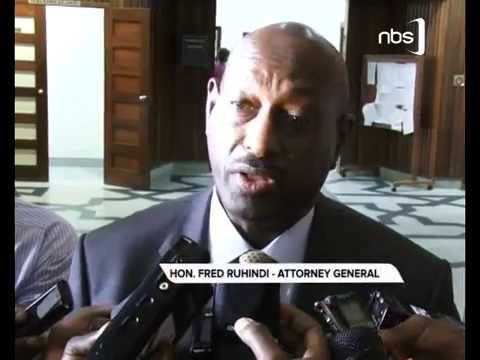
Former Attorney General and Constitutional Affairs minister Fred Ruhindi
In a new development former Attorney General and Constitutional Affairs minister Fred Ruhindi is now reportedly headed to the Judicial Service Commission (JSC), judiciary sources indicate.
Last week the Eagleonline reported that Ruhindi, the immediate former MP for Nakawa, was set to head the Electoral Commission (EC). However, latest information now indicates that Ruhindi has been recommended for the Chairmanship of the nine-member JSC, to replace Justice James Ogoola Munange, whose contract expired about six months ago.
The JSC is a specialised appointing Commission with oversight functions in relation to services delivered to the people by the Judiciary.