Stanbic Bank
Stanbic Bank
23.4 C
Kampala
Stanbic Bank
Stanbic Bank
Home Blog Page 2108

Of police brutality in Uganda and the US

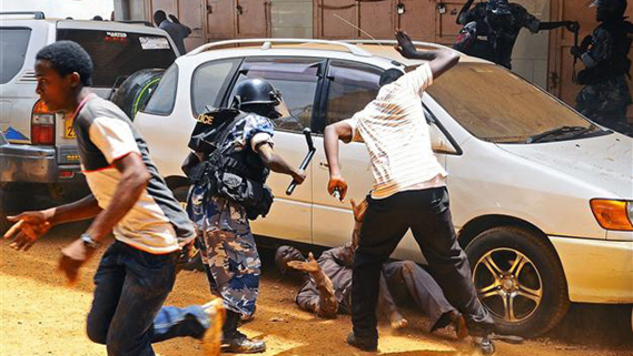
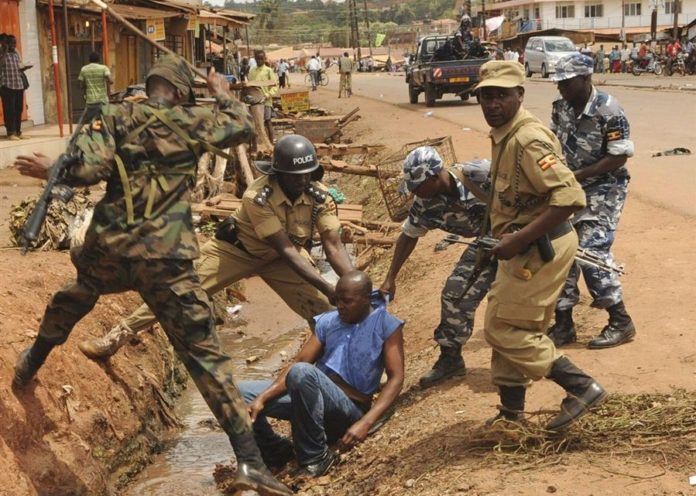
Uganda Police officers rough up a man who was participating in a protest

On Tuesday July 12, 2016 opposition leader Dr Warren Kizza Besigye Kifefe was released from prison on bail after being locked up on charges of treason. Ugandans are now familiar with Dr Besigye’s political style, one that at times leaves his followers and the police on a collision path. Every election year is one of mayhem and chaos, bringing to a standstill so many businesses and operations carried out in Uganda’s capital, Kampala.

Citing electoral malpractice as the main reason for his failure to assume the presidency on four occasions, Dr Besigye at times takes matters in his hands in an attempt to remedy the ills, going even as far as swearing himself in as Uganda’s president-elect despite the results released by the Electoral Commission showing otherwise. This landed him a two month stay in a cold cellar in Moroto and Luzira, where he claims to have escaped several assassination attempts. But even after his release Dr Besigye still remains true to his word and remained defiant and adamant; taunting the police, calling them ‘incompetent’ and further urging his staunch followers to take up arms and rally behind him as he re-embarks on his journey to State House to claim what he believes is rightfully and justly his.
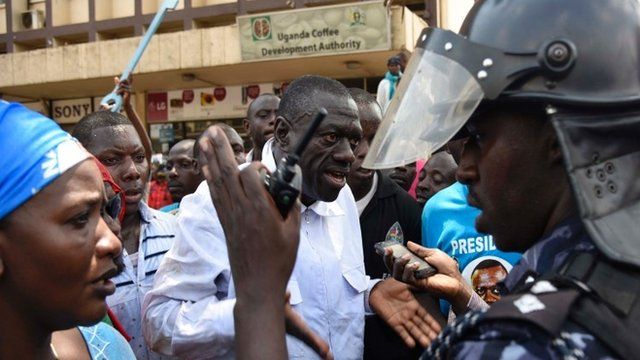
DEFIANT? Supporters of Dr Kizza Besigye
DEFIANT? Supporters of Dr Kizza Besigye engage a police officer

Let us assume there is a girl in Kampala who deems herself a loyal follower of the Forum for Democratic Change leader (Besigye’s opposition party). Let’s call her Rose. On July 12 Rose and millions of others witnessed the release of her party president and to her joy Rose found out she could also see him in person as he was being transported to his home in Kasangati by the Ugandan police. However, Rose’ joy was short lived as the police detail escorting the Opposition leader started hitting anyone in sight, causing many to disperse in frenzy as they feebly tried to escape the beatings.

For Rose and other Ugandans witnessing this attack on FDC supporters, it appeared to have been pre-planned; whether the supporters had catalyzed the attack or not the police were intent on hitting something or someone that day. This for Rose, like any Ugandan familiar with the signature riots and rallies that rotate around Ugandan elections is not new. However, unlike previous clashes with police where measures were implemented in order to restore peace and order, July 12 was a peaceful day that did not necessitate the police to act the way they did. This left many Ugandans who witnessed the brutal footage wondering whether they should brace themselves for the worst in the near future.
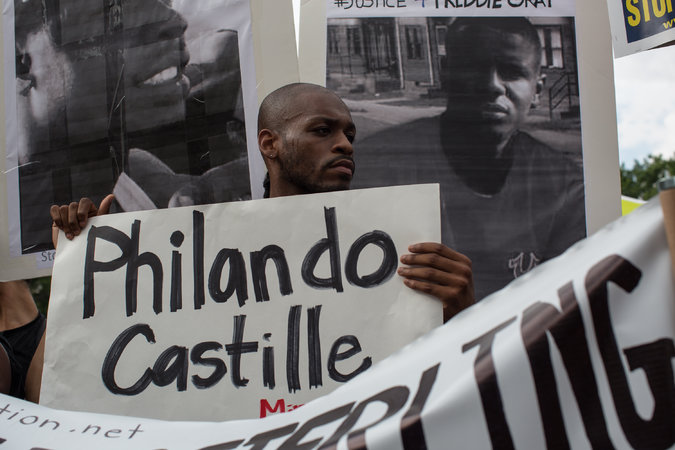
Protesters in the US against the killing of Philando Castillo

Police brutality is a very common occurrence not only in Uganda but also elsewhere, in a country like the United States of America. And in most cases it is a result of miscommunication and misconduct between the deviants and the police that is charged with maintaining peace and order within a state, usually leaving the civilians/deviants with the short end of the stick. Although police brutality often occurs due to lack of better judgment on both sides there are some cases where the public is left baffled at the sheer lack of modesty exhibited by the police when they decide to criminalize many citizens and act as if they were operating in a war-zone. We’ve seen women undressed and their bodies subjected to demeaning and humiliating forms and acts of violence over the years whilst men are beaten and handled callously without any remorse whatsoever, even at times causing death of some in its wake. No one can truly pin-point the reason or cause of such unprofessional and unnecessary behavior; the police force in Uganda is slowly but surely deteriorating when it comes to its public relations skills. However, on a positive note, of recent several police officers have had to answer for their acts of commission or omission.
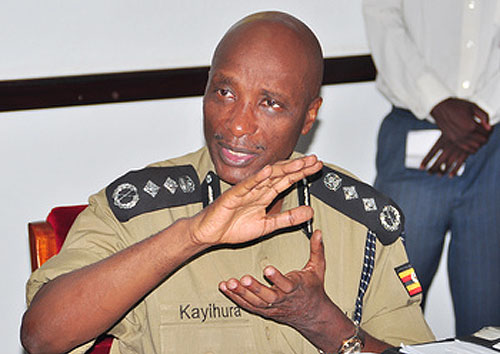
APOLOGISED ON BEHALF OF POLICE FORCE: Inspector General of Police Gen kale Kayihura

On July 14 police chief General Kale Kayihura called a press conference at the police headquarters in Naguru, where he apologized on behalf of the police for the brutality his men exuded towards the citizens of Uganda.

“I want of course to regret any incident that disturbs the public. We are pro-people, we are not anti-people and I don’t want these images that police is against the people,” he said. However, Gen Kayihura also blamed people for the ‘provocation of the force’ and warned Besigye about carrying on with his defiance campaign.

Police brutality can mainly be described as the unlawful use of force by the police and in Uganda this normally happens between a specific group of peoples or gatherings and the police. In Uganda followers/supporters of the opposition parties top the list with numerous encounters causing civil unrest especially during campaign seasons. Meanwhile, in the United States of America, police brutality is commonly expressed between the African Americans and the state police; with the former group growing more concerned about the number of their colleagues dying at the hands of the police. Indeed, given America’s history and its journey from slavery dealings between the African Americans and police still remains a touchy issue; one that can be interpreted negatively at any one moment given any kind of false move.

As was the case in the recent shootings in America that claimed the lives of three African-American males in short order: 18-year old Michael Brown; 37-year old Alton Sterling and Philando Castillo, were all gunned down in a hail of police fire.

And on July 15 22-year old Sapphire Williams and 70 other ‘Black Lives Matter’ protestors were arrested but thanks to today’s social media platforms, the videos depicting these incidents went viral causing uproar across the globe. It is such depictions that have caused many to come together and fight against police brutality and racism. Through such awareness people know the power the police are allowed to wield over citizens and the need for such power to be checked when it comes to dealings between the police and civilians. There must also be measures put in place to ensure that those given this power are not influenced in any way that might give rise to any form of discrimination in the force, affecting the lack of bias that is important at law and in the decision-making process.

That said however, in light of recent history, many have surmised that America is slowly but surely turning into a ‘police state’.

Stories Continues after ad

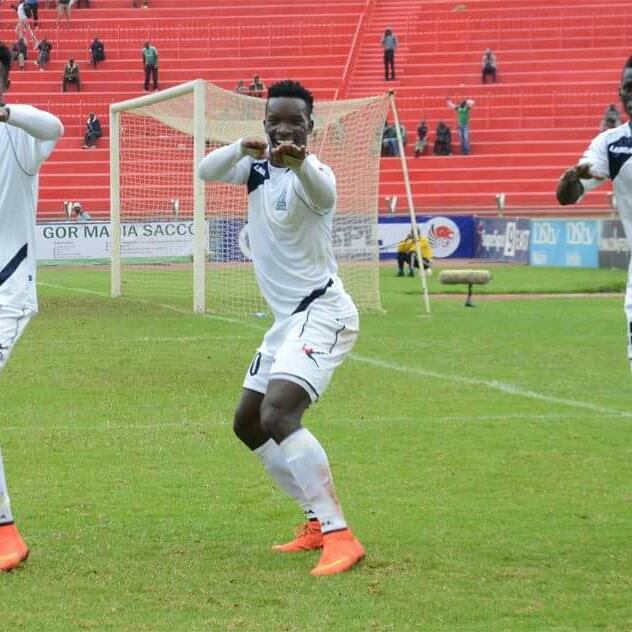
Aucho should tone down his emotions at Aberdeen – Kenyan boss

Another continent, another country, yet another fresh start for Khalid Aucho. Less than a day after the Uganda international departed for Scotland to to undergo a two-week trial at top-flight club Aberdeen. The Dons will his sixth club in the space of six years.

Aberdeen could seem like the perfect home for the Jinja bred footballer at the time. Aucho won the Kenya Premier League title last season and was voted the second best midfielder in the competition. He is also a dependable player in the Uganda national team, which is on the verge of securing qualification to next year’s Africa Cup of Nations in Gabon.

The Uganda Cranes midfielder finally arrived in Scotland yesterday and is expected to play for the club’s U20 side in a friendly over the weekend but the man who scouted him from Bombo Military Barracks four years ago while playing for Simba, Charles Obiny who is Tusker FC’s Chief Executive Officer urged Aucho to tone down his emotions as the player seeks to advance his career in Europe.

“Although he is tough, just like Wanyama (Victor), and has what it takes to make it anywhere, he needs to cool his temper. We wish him well,” Obiny told NATION’s David Kwalimwa in Nairobi on Thursday.

Obiny wise words were in response to Aucho’s interview on Wednesday before jetting off at Jomo Kenyatta International Airport.

Aucho revealed how he was happy, or at least he said he was happy five times in the space of about a minute.

Aucho Khalid

“I’m coming tomorrow in the morning so that I can reach Scotland and I am happy to be part of you as a player and as a teammate.

“I’m just happy to be there for you and I’m happy in the way the coach has been talking to me and my agents.

“I am just coming to do my bit and I like the way you have been supporting me and asking everyone about me and I’m happy for it.

“I’m coming to show my best and I’m going to do my best for the team and I’m happy to be part of the team at Aberdeen.

“Love you so much and I will be there soon.”

Stories Continues after ad

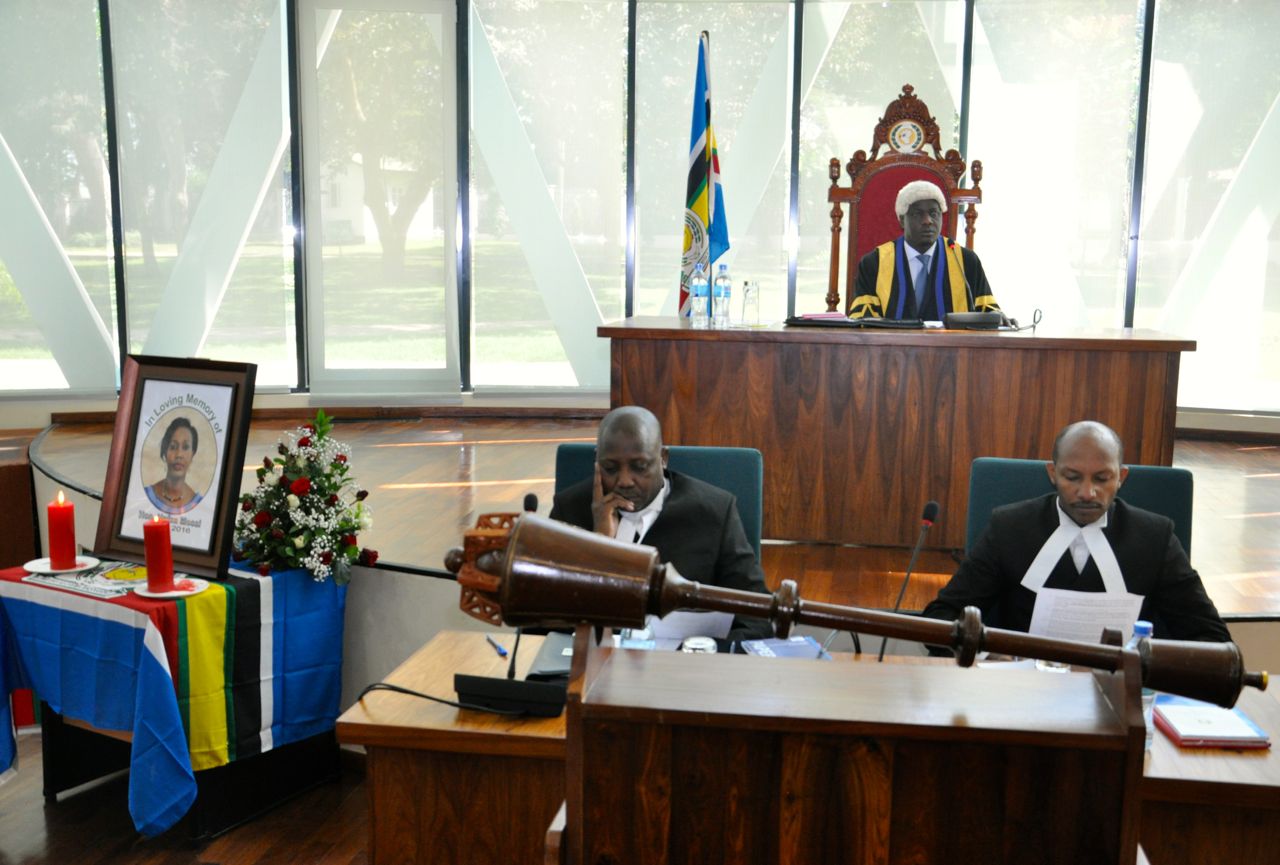
EALA mourns Burundi legislator Hafsa Mossi

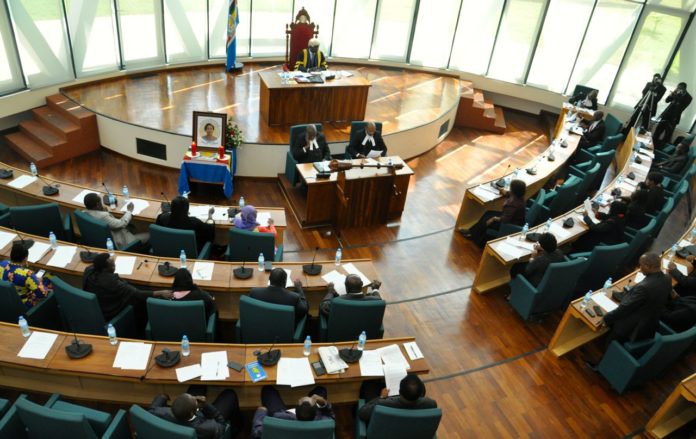
A bird’s eye view of the Assembly at the Special Sitting yesterday

It was an emotional send-off for the late Hafsa Mossi at a one-day Special Sitting held in Arusha with EALA legislators condemning her dastardly murder.

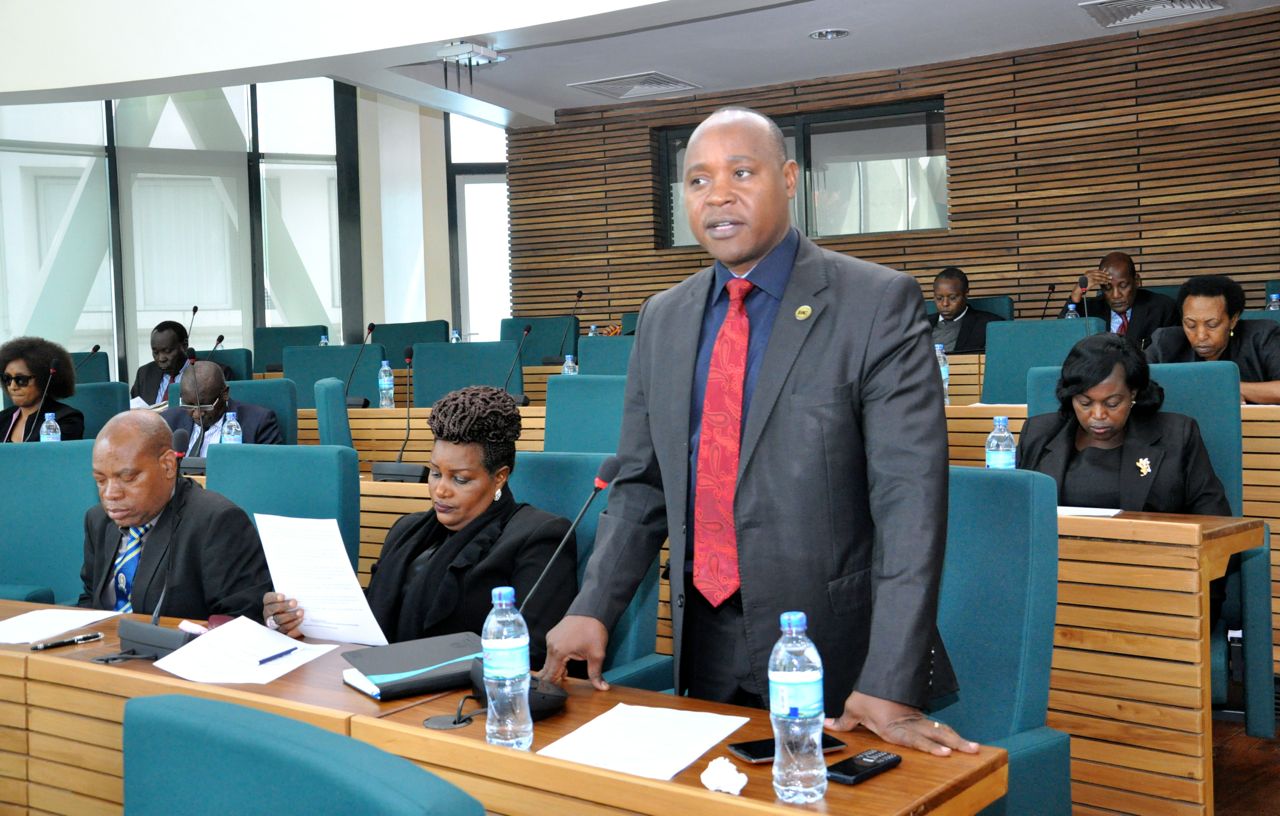
Hon Peter Mathuki, the mover of the Resolution condemning the killing of the late Hon Hafsa Mossi

The resolution which condemned the killing of the fallen legislator, was moved by the Chair of the Committee on Legal Rules Privileges, Hon Peter Mathuki, seconded by Hon Dora Byamukama and supported by the entire House.

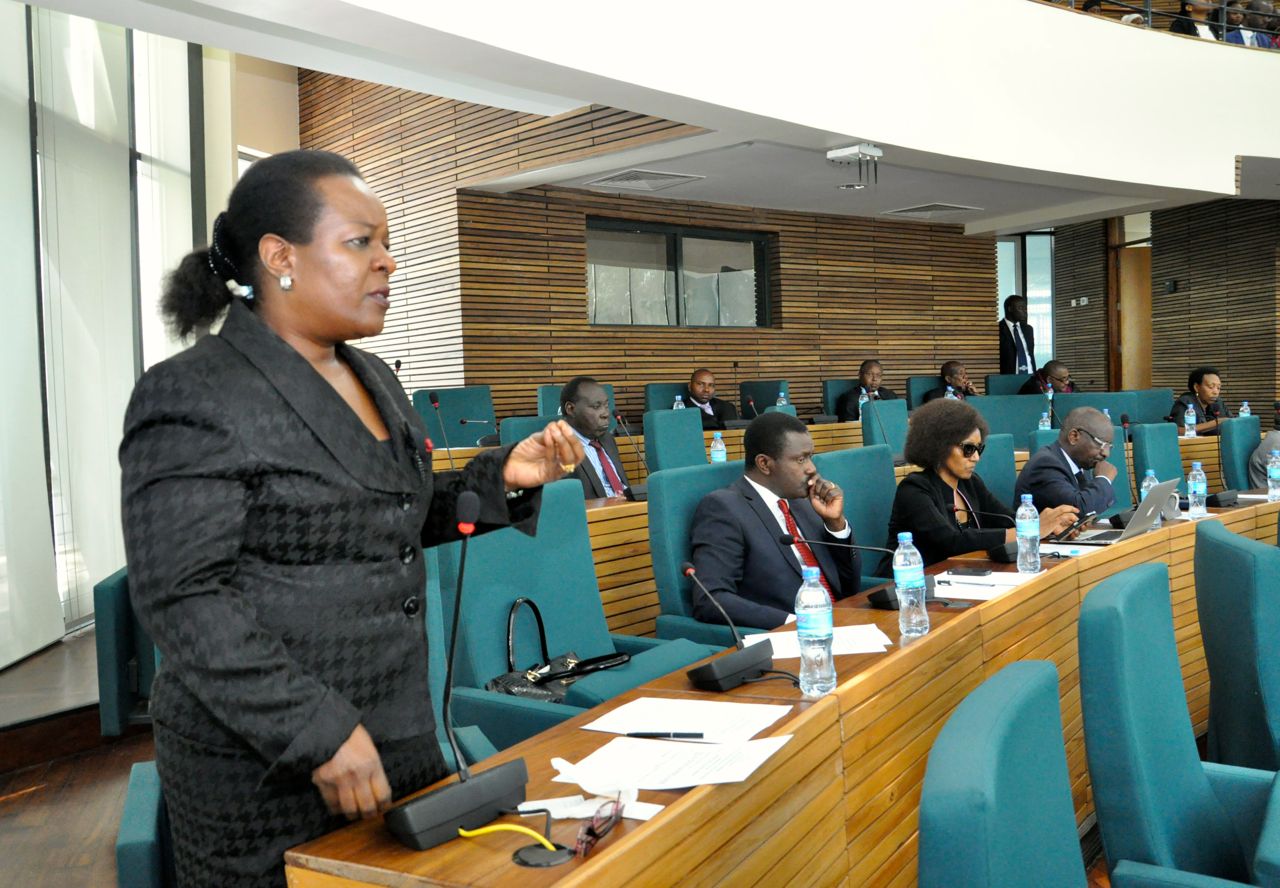
Hon Dora Byamukama pays tribute to the late Hon Hafsa Mossi

During the session, the EAC Heads of State to ensure the on-going mediation deliberations on Burundi are taken seriously by all parties.

EALA also underscored the need for Burundi to put in place security measures that ensure safety of lives and property of all people irrespective of their political leanings.

The Speaker, Rt Hon Daniel F. Kidega communicates to the Assembly at the start of the Special Sitting. In the foreground is Clerk, Kenneth Madete (left) and Senior Clerk Assistant, Stephen Mugume

The Resolution also urged the EAC Secretariat to report to EALA at its next plenary sitting in August, on the safety and security situation in Burundi.

Hon Mossi was gunned down by unknown assailants a week ago in Bujumbura, Burundi.  She is survived by three daughters, Nahimana Astona, Nahimana Dada and Semanyenzi Ummu-Aiman.

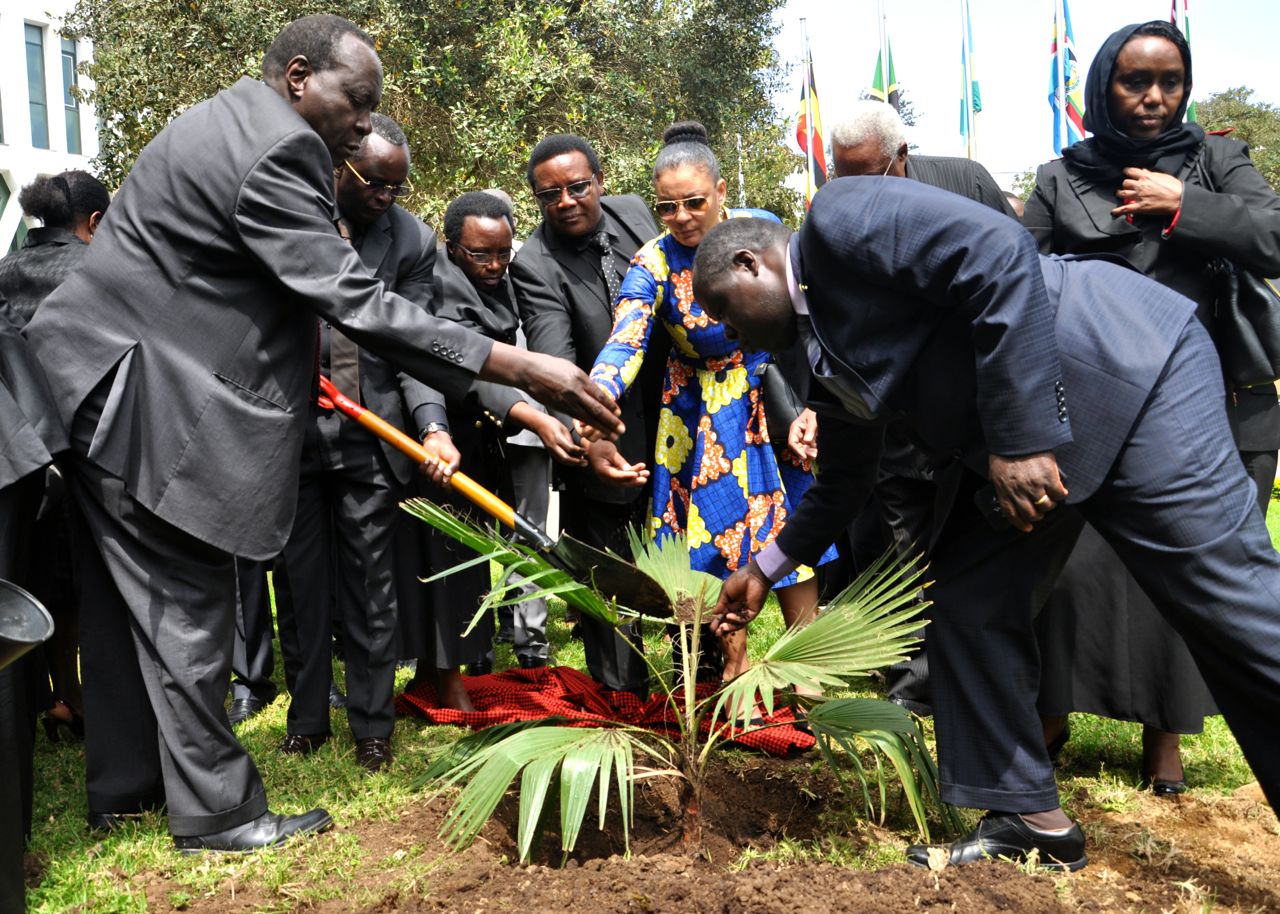
A section of Members at the tree-planting ceremony in honour of the late Hon Hafsa Mossi

Hon Mossi was elected as a Member of EALA in 2012. At time of death, the late Hafsa Mossi was the Chapter Chair of Members of Burundi and Chairperson of the Assembly’s Women’s caucus. Prior to her election, the late Hafsa Mossi, then Minister for EAC Affairs in the Republic of Burundi since 2010, had played a critical role in Burundi’s integration into the EAC.

The late Mossi, a member of the CNDD-FDD party, joined Government in 2007 as Minister for Information, Communication, Relations with Parliament and Government Spokesperson.

She is a former journalist worked for the British Broadcasting Corporation Swahili Service, with stints in Bujumbura and London.

In a related development, Burundi EAC Minister Leontine Nzeyimana assured the House that her government was investigating the matter and appealed to EALA not to isolate the troubled country.

Stories Continues after ad

Shs1 trillion taxpayer bailout will redistribute money from Uganda’s majority the poor to the rich

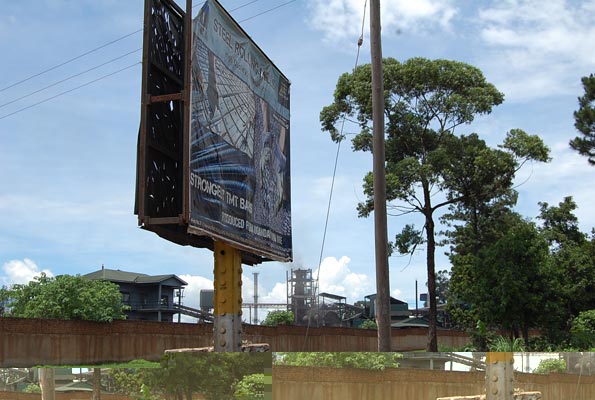
The Steel Rolling Mills factory in Jinja. The steel manufacturer has a liability of Shs 75bn from Standard Chartered Bank and is hoping to benefit from a government ‘rescue fund’

It is now obviously impossible to track where taxpayers’ money is going in the forthcoming Uganda government bailout coded named ‘Rescue Fund’ after a decision was reportedly reached to fork out close to Shs1 trillion (approx.US$300 million) to save distressed big businesses.

From Bitature’s Simba Group which has failed to pay a Diamond Trust Bank loan of Shs 210bn, Abdi Alam’s Steel Rolling Mills Ltd which in April was facing closure and loss of its machinery to Standard Chartered Bank as the bank moved to recover its loan amounting to more than Shs 75bn and the flamboyant Sikander Lalani’s Roofings Steel Mills that is struggling with a debt of Shs 201bn from IFC and Shs 8bn from Diamond Trust Bank, Uganda’s taxpayers hope funds allocated for the bailout program, part of the national government’s response to the high-end economic crisis, should also be used to purchase majority shares of the companies, effectively gaining control of some of these private companies.

Observers give account of how most of the owners of these companies are some of the richest Ugandans and either individually or through their companies have invested in huge real estate projects that consume a lot of this borrowed capital which they can only recover over a long time. Unfortunately, instead of dealing with the realities of investment, the owners then turn to Government for bailouts, citing high interest rates and high electricity tariffs as being responsible for affecting the profitability of their business.

Word has it how on July 9, President Yoweri Museveni summoned top officials from the Ministry of Finance, the Central Bank and Uganda Revenue Authority (URA) for a meeting at State House, Entebbe which was attended by the Deputy Central Bank Governor, Louis Kasekende, URA Commissioner General, Doris Akol, and the head of Operation Wealth Creation, who is also President Museveni’s brother, Gen. Caleb Akandwanaho aka Salim Saleh, to deliberate on how to save over 100 Ugandan companies that are reeling under heavy commercial bank loans.

Such a scenario has happened before. In 2007 government decided to write off about 1.6 trillion shillings in ‘bad loans’ to the Managing Director of the now defunct Tri-Star Apparels Vellupilai Kananathan and Kampala businessman Hassan Basajabalaba. Both are now off the Ugandan grid considering Basajja has even moved most of his money to Tanzania and Kenya, while Sri Lankan businessman Kananathan is now Uganda’s consul to the Asian Tiger.

And yet again President Museveni’s government thinks those tycoons’ businesses are  “too big to fail” which describes why most manufacturing firms mostly owned by Ugandan Indians have become so large and so deeply integrated into the system that if Uganda let them collapse they would take everything else with them.

If a company is too big to fail, then, it follows, taxpayers have to bail them out.

It’s quite a problem. A market economy is supposed to be dynamic, full of entries and exits. Firms that add economic value thrive. Those that do not go broke.

So bailing out failed companies makes the economy less efficient. More glaringly, it redistributes money from Uganda’s majority, who are the poor, to the rich. And more so it creates ‘moral hazard’ – a belief by management that ultimately they won’t have to pay for their mistakes like was the case with the Sugar Corporation of Uganda Limited (SCOUL), owned by the Mehta family, which attempted to take over 30% of the endangered Mabira forest reserve for sugarcane growing in 2004.

Moral hazard is a particularly severe problem for Ugandan businessmen and their banks. These banks trade on risk. A bank’s basic job is to transform short-term highly liquid deposits into long-term extremely illiquid loans. Too much of the latter will prevent redemption of the former.

‘Too big to fail’ businessmen like flashy young tycoon Hamis Kiggundu of Ham Enterprises, who owns commercial arcades allover Kampala and the most expensive home in Uganda, encourages banks like Diamond Trust Bank to make riskier loans like the Shs33bn Mr Kiggundu has failed to pay back after all. Why would they? They’re not the ones bearing the cost of failure. Ugandan taxpayers are. So it would be great to get rid of ‘too-big-to-fail’. Or at least limit it somehow.

Simply put, there are no ways to credibly constrain future governments from deeming an institution too big to fail.

There’s been a cottage industry of Makerere economics and social academics trying to figure out how to tell which institutions are systemically significant.

No doubt they’re all doing great, insightful work. But the fact remains these studies of systemic significance are just a lot of after-the-fact reasoning.

It was policymakers – not scholars – who came up with the idea that some institutions were just too interconnected with the financial system to collapse peacefully.

In conclusion, this intended bailout is absurd. It is wrong for government to use tax payers’ money to assist people who were hand-picked to work on failed projects.

It is evident that a new class built on patronage and corruption will result into a dangerous source of conflict and tension.

To correct this, Parliament should instead appoint a committee to investigate the irregular cash bailouts to the indebted companies and be careful not to soil its hands by endorsing such a gross irregularity.

Stories Continues after ad

10 arrested over Olympic terror threat

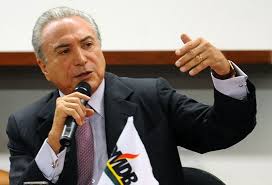
RIO OLYMPICS SAFE: Interim Brazil President Michel Temer

Brazilian police arrested 10 people they say were planning to strike at next month’s Rio Olympics in the name of the Islamic State.

Officials say they believe the individuals, detained Thursday, belonged to a group that supports ISIS. Brazil’s Justice Minister Alexandre de Moraes said the suspects are all Brazilian citizens, residing in several of the country’s states.

They did not know each other, and used online communication—like WhatsApp and Telegram, which allow users to send encrypted messages—to discuss an attack.

The justice minister said the group did not have direct contact with ISIS leaders, but had pledged allegiance to the terrorist organization. They had not yet acquired weapons. “it was an absolutely amateur cell, with no preparation at all, a disorganized cell,” the minister said adding that authorities decided to intervene when the group started to plan actions.

The arrest come several days after the SITE Intelligence Group, which monitors potential jihadist activity on the internet, reported a group in brazil had pledged allegiance to Abu Bakr al-Baghadadi, the self-proclaimed leader of ISIS, on Telegram.

The Brazilian government—already battling negative publicity because of the Zika virus that has kept away visitors and athletes—has boosted security in Rio since last week’s attack in Nice, France, where a driver plowed a truck through crowds during Bastille Day celebrations, killing dozens.

Interim Brazilian President Michel Temer attempted to reassure visitors about the security measures during the games.

“We have reinforced security very much in the city and you can come without worries,” he said.

The games begin August 5 and more than 500,000 foreign visitors are expected.


Stories Continues after ad

South Sudan unveils new Machar ‘safety’ deal

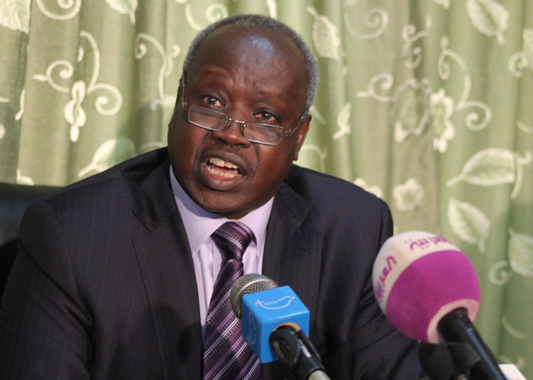
DISCLOSED NEW PLAN TO PROTECT MACHAR: Nhial Deng Nhial, President Salva Kiir's Advisor

South Sudan government has unveiled two alternative options to address armed confrontation between the rival forces in the country, with new proposals on how Vice President Riek Machar can be secured in Juba.

The options were disclosed by Nhial Deng Nhial, an advisor to President Salva Kiir, who led a high level government delegation that included foreign minister, Deng Alor Kuol, to the recently-concluded African Union summit in Kigali, Rwanda.

“The position of the government is very clear. We believe that there are ways in which this problem can be addressed without the need to resort to such a drastic action. We proposed that President Salva Kiir be allowed to provide protection to Dr Riek Machar and all SPLM-IO leaders”, Nhial said Thursday.

“The other option is for the region to modify the current mandate of UNMISS peacekeepers to include a special unit of protection for the First Vice President,” he added.

Nhial also argued that the approval of regional troops as agreed by the regional bloc (IGAD) and the African Union heads of states will not resolve confrontations between the main rival factions.

Last week, Kiir called for direct talks with first vice-president, Riek Machar, saying he detests further bloodshed in the young nation. President Kiir said he and the ex-rebel leader should salvage peace.

“I have been ready to resume talks on the issues we were discussing before this thing [violence] erupted. We were left with few things to conclude the discussions so that we begin with the implementation [the August 2015 peace agreement]”, he added.

The president was speaking for the first time since his forces clashed with those loyal to Machar last week, leaving more than 270 soldiers from the two sides dead.

President Kiir also vowed he would provide protection to Machar and his forces, citing the amnesty he had issued after declaring ceasefire as a guarantee for the security of his deputy and his forces.

“Nobody is hunting for him and his forces. If he comes, I will protect him. He will stay with me if feels he is not safe staying alone,” he said.

Meanwhile, Machar claimed the fighting that erupted between his bodyguards and Kiir’s forces in the capital was calculated to kill him.

He said he feared for his own life after the incident, adding he was also worried about the safety of his ministers currently inside Juba.

“We have a pending meeting, he as president and me as vice president. And also if it were a normal situation, we would meet, but the incident that took place on the 8th [July] in the State House is a very despicable incident, where there was a shootout, and a dog fight, when we were in a meeting,” Machar said.

“To me that was a calculated plan to kill me,” he added.

Machar, who also leads an opposition faction of the Sudan People’s Liberation Movement, said he was willing to return back to Juba, but after a third force is deployed in Juba to take charge, ensure safety and no return to violent confrontations.

Stories Continues after ad

UN rights boss warns DRC against election violence

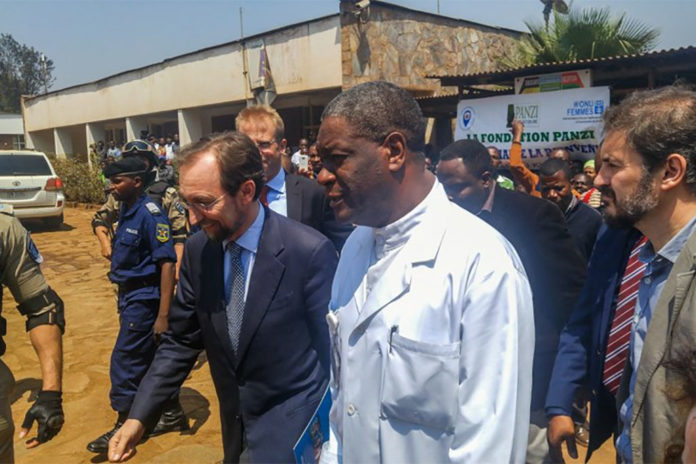
United Nations High Commissioner for Human Rights, Zeid Ra’ad Al Hussein (left), arrived in Democratic Republic of the Congo, with on his right Dr. Denis Mukwege. Photo/ MONUSCO.

The United Nations High Commissioner for Human Rights, Zeid Ra’ad Al Hussein, has warned against repressing opposition parties in the coming elections in the Democratic Republic of Congo (DRC).

“I receive reports of increasing violations of fundamental civil and political rights by State actors. These notably include violations of freedom of expression and of peaceful assembly – rights anchored in the binding international treaties to which the DRC is party, and enshrined in the Congolese constitution. The public space for the expression of dissent is now clearly under pressure,” Mr Zeid Al Hussein told journalists at a press conference in the Congolese capital, Kinshasa.

The High Commissioner underscored that his office (OHCHR) is ready to support the government in strengthening human rights in the country.

During the visit, Mr Zeid Al Hussein also travelled Panzi Hospital in Bukavu where he met with women survivors of sexual violence, and with Dr. Denis Mukwege, a Congolese doctor who has treated more than 40,000 victims.

The visit coincided with the 20th anniversary of the OHCHR presence in the DRC, the largest OHCHR field presence in the world.

While Mr Zeid Al Hussein noted a number of positive steps, he also spoke of challenges facing the central African country. He also called on the police forces to refrain from any use of lethal force during peaceful demonstrations and said that crowd control means should be based on the principles of necessity and proportionality.

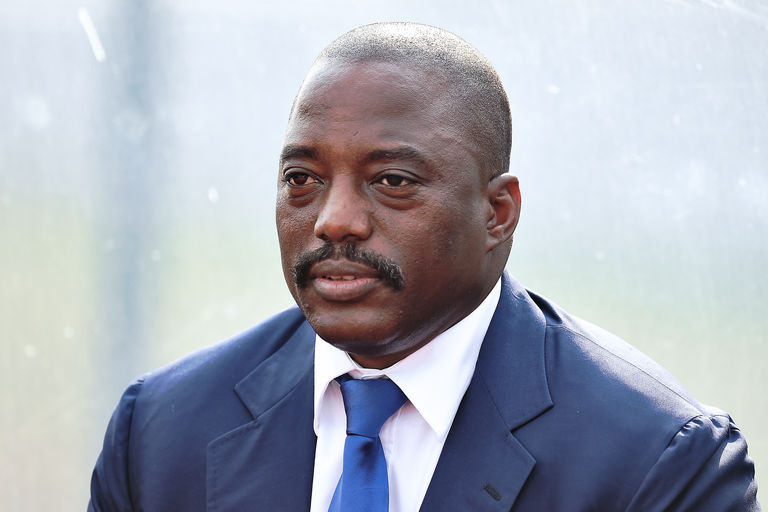
DRC President Joseph Kabila

On one of the pressing challenges, the forthcoming elections, he said that he supported President Joseph Kabila’s call for a national dialogue, which the High Commissioner said must be open and honest.

“[The] dialogue simply cannot take place in an atmosphere which stifles discussion and the airing of all grievances and opinions [and] where independent media and respect for fundamental freedoms are being threatened,” he said, and urged that respect for the human rights of all is should be at its core.

The High Commissioner further expressed appreciation for the country’s reception of over 25,000 refugees from Burundi in recent months.

“The act is a lesson to many far richer countries who demonstrate less compassion,” he said


Stories Continues after ad

Mugabe govt to bar individuals from keeping national flag

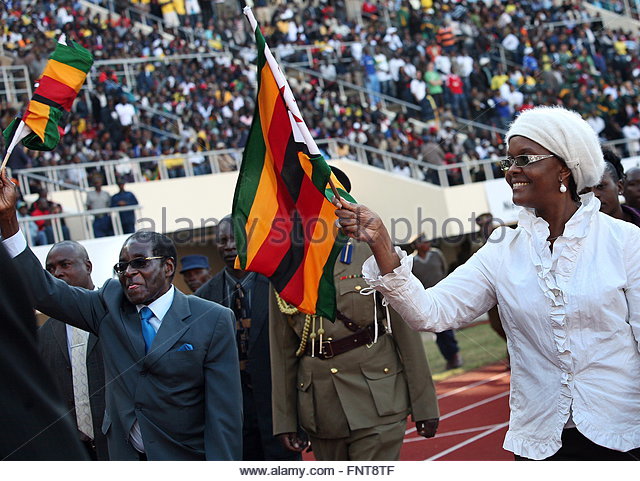
President Robert Mugabe and his wife Grace wave the National Flag. Photo credit /alamy.com

Threatened by the pro-democracy activists who are mobilising citizens around the national flag, President Robert Mugabe’s government is hurriedly working on a law that would make it illegal for individual citizens to own or be found in possession of the country’s flag. Government sources said that the law, which would come into effect as soon as August this year, would allow only institutions—both public and private to own a flag, but not private individuals. This would apply to all flags regardless of size and material it is made from.

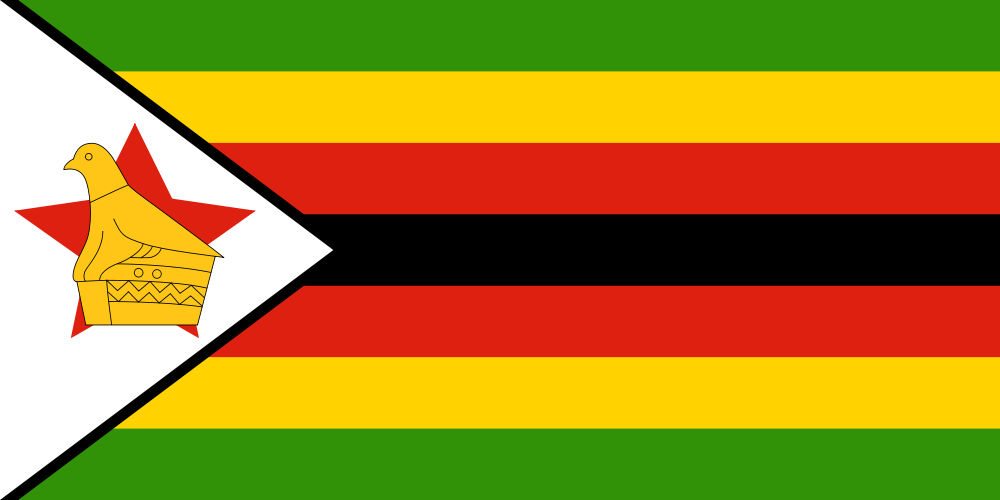
An image of the Zimbabwe National Flag

“Once the ban comes into effect, all citizens would be given a deadline by which they should surrender all flags after which it would become a serious offence for anyone to be found in possession of the national flag,” an official in the ministry of Justice, where the draft law is been worked, said.

“This would include having flags on or in cars as well as those that citizens have, of late, been using to drape themselves,” the source said, adding that offenders would be jailed for up to three years.

The move has certainly been necessitated by Pastor Evan Mawarire and his ThisFlag movement who have teamed up with another movement, Tajamuka, to mobilise people against President Mugabe’s rule.

Meanwhile, ZANU-PF has already started banning its members from using the social media as it tries ‘its best to keep its followers in the dark’.


Stories Continues after ad

Caf signs up Total as sponsor

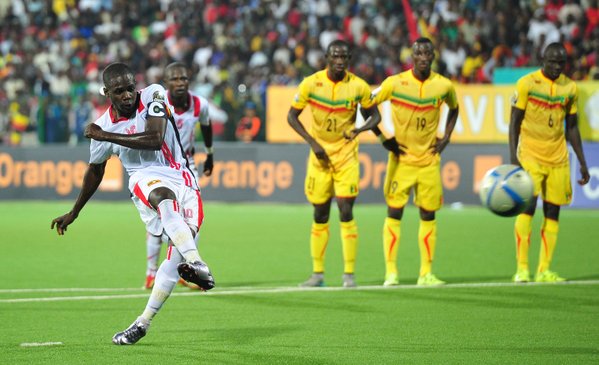
Uganda’s Faruku Miya scores at the ongoing CHAN tournament in Rwanda which was sponsored by Orange. Total takes over from mobile firm Orange.

The Confederation of African Football (Caf) has announced that the oil and gas company, Total, will be its headline sponsor of its 10 competitions for the next eight years, starting with the Cup of Nations in January.

The flagship competition is the African Cup of Nations to which Uganda Cranes will be eligible on September 3 – when they face Comoros in their last qualifying match at Namboole

Total takes over from mobile firm Orange.

Caf did not disclose the value of the sponsorship deal with Total, but it said it expected the partnership to boost African football.

“This partnership is a major milestone in our ongoing search for additional resources to accelerate African football’s development, bring its governance up to date, upgrade its sports infrastructure and advance its performance globally,” Caf head, Issa Hayatou, said on Thursday.

Total Uganda has been operating in Uganda since 1955 and now has over 118 active service stations countrywide.

Stories Continues after ad

Tumukunde refutes claims that gov’t planned police beatings

Minister for Security Tumukunde on Thursday refuted claims that government planned last week’s Police brutality. (NBS TV Photo)

The minister for security Lt Gen Henry Tumukunde has refuted assertions by legislators that the government ordered and oversaw the beating of scores of citizens who had lined up along some Kampala streets to catch a glimpse of FDC presidential flag bearer Dr. Kizza Besigye as he went home after release from jail last week.

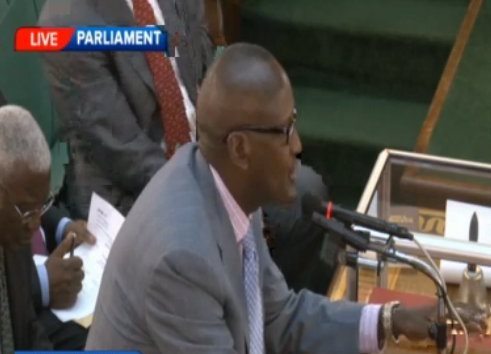
“Police acted very unprofessionally in their use of excessive force. We always need to stick in the rules of the law and let us stop manipulating situations,” minister Tumukunde told MPs on Thursday afternoon while Parliament debated the police brutality claims.

On Monday, five junior officers and one crime preventer who were captured on camera beating civilians appeared before court to answer to two counts of unlawful or excessive use of authority contrary to the Police Act and discreditable or irregular conduct. They were later released on police bond. The accused are Willy Kalyango, 25, Sula Kato, 43, Kennedy Muhangi, 38, Moses Agaba, 33, Robert Wanjala and Dan Tandeka, 33.

The chairman of the court, Denis Odongopiny, read the charges, and if convicted, the officers face dismissal from the force or demotion. However, the appearance in court of only lowly-ranked policemen has angered their colleagues, with some saying their bosses should also have been charged, something that has been done.

Police chief Kale Kayihura last week castigated his senior commanders and ordered an investigation into the conduct of five of them. Interestingly, some of the commanders under scrutiny appeared alongside Kayihura during a July 14 press conference at Naguru.

They included Andrew Kagwa, the regional police commander for Kampala East, James Ruhweza, who heads operations in Kampala Metropolitan; Kampala North regional police commander Wesley Nganizi and his deputy Geoffrey Kahebwa.


Uganda Police do what they do best. (Photo/AFP)

Meanwhile, today Speaker Rebecca Kadaga said Police brutality is a matter of public concern and it was important that the August House discusses it.

And, in an usual state of affairs, MPs from the ruling party, the NRM and the opposition were in unison, asking the government for answers about the recent beatings of civilians, with Butambala Member of Parliament Muwanga Kivumbi saying the Inspector General of Police Gen. Kale Kayihura should be arrested. The youthful MP said insisted police is acting contrary to its rules.

“What we are seeing today is that those supposed to enforce the law are the first to break it, and the first one to go into the dock should be IGP Gen Kayihura,” Muwanga Kivumbi said.

The motion was backed  by Ndorwa East MP Wilfred Niwagaba, who said: “The most degrading punishment is being caned, especially when you are an innocent by passer”

The duo was also supplemented by NRM diehard and Busiro South MP Peter Sematimba who moved the House by demonising the brutality meted onto Ugandan citizens saying: “This brutality is evil and not right. Brutality is not for this century or this country,” Sematimba before adding: “Majority of Uganda Police Force is doing a great job. We should separate individuals and their actions from the entire force.”


In his submission the state minister for internal affairs, Obiga Kania, while issuing the official government statement, told MPs that the Police Act provides for police courts before which the officers are appearing.

Minister Kania also drew to emotion when he reminded the House about murder of Assistant Inspector of Police John Michael Ariong who, three years ago, was hit by a blunt object while on duty during a riot by Dr Besigye’s supporters.

He however commended the Police in Mbarara, western Uganda who recently restrained themselves in the face of crowd surges when Dr Besigye was in their area.

“The crowds around Kizza Besigye are not spontaneous; they were organised as part of the defiance campaign,” he continued.

“In instances where the Police restrained, we should not take it for granted. Let’s not ignore their sacrifices,” he said.

Stories Continues after ad