Stanbic Bank
Stanbic Bank
24 C
Kampala
Stanbic Bank
Stanbic Bank
Home Blog Page 2309

Aah, the MPs are at it again!

Members of Uganda’s Parliament seem like they are always in a hurry to fleece the tax payer, or else how can one describe their approval of Shs38.6 billion for the so-called ‘fuel arrears’ that have even been backdated to 2011?

When members of the Ninth Parliament came to the august House in 2011, many Ugandans were upbeat, saying the crop was the best thing to happen to the country in a long time. In short, previous MPs had performed dismally, disappointed the citizenry and were not worth any commendation. But our relief was short-lived as the new group set out on hemorrhaging spree, and this Ninth Parliament might go down in history as one which pilfered taxpayers’ money with reckless abandon.

At the beginning of their term, they were facilitated with Shs103 million to buy cars which would ease their transport problems, which is okay. But the way this was done is suspect, because the money was deposited on individual accounts, making accountability difficult. One wonders why the Parliamentary Commission did not ask the MPs’ to provide details of their preferred vehicle, listed them and then issue a tender notice, inviting suppliers to deliver the said brands to the respective beneficiaries.

Then they bought Ipads for themselves at a whopping cost of Shs2 million each and even contemplated setting up a ‘child care centre’ at Parliament to care for new mothers! It was an abuse on the citizens’ intellect!

Currently, our MPs are among the highest paid Parliamentarians in the world, taking home close to US$6,000 in salaries and emoluments a month. This money is more than ten times what a Ugandan doctor earns in month but considering their output, one is hard-pressed to justify the hefty perks our MPs enjoy.

Further, the argument that the MPs are getting Shs100 million ‘fuel arrears’ because ‘the rate at which they were given mileage allowances was below the pump prices’ does not make a lot of sense to several other groups of workers who don’t earn a ‘minimum wage’ or even a living wage allowance.

Well, Ugandans don’t need parasitic representatives and it is time other Ugandan workers startedasking whether it is in order for these MPs to debate and determine their perks, lest we will work for the rest of our lives just to support a privileged class whose output is even the subject of ridiculous banter in various fora.


Stories Continues after ad

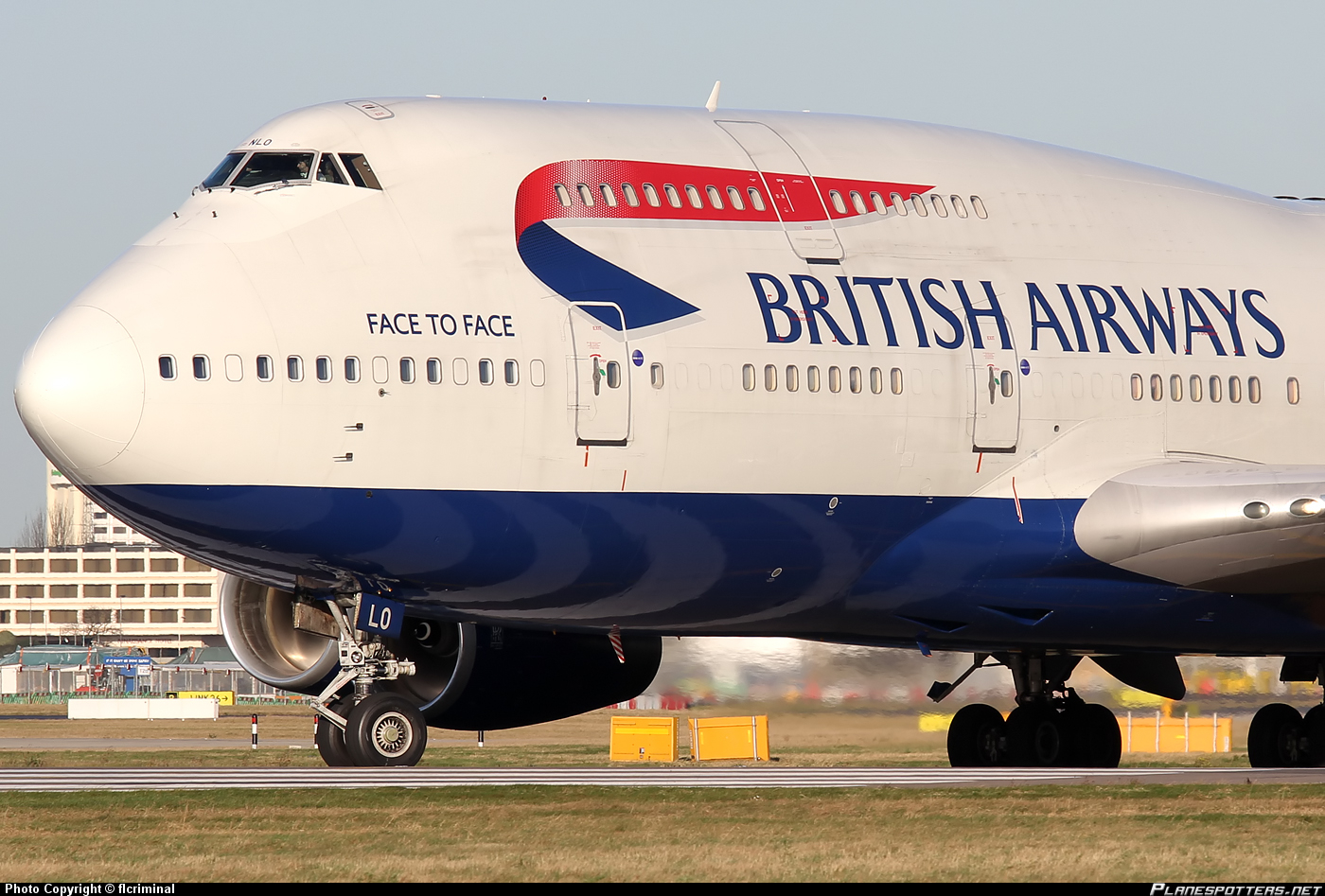
British Airways suspends Entebbe flights

BABritish Airways will stop flying to Entebbe in October, the company has announced.

According to the airlines website, the last flight from Heathrow to Entebbe is on October 2 and the return journey of the last Entebbe-Heathrow flight is on October 3 because, the route is ‘not commercially viable’. We are sorry for any disruption this may cause you. If you hold a booking after those dates then there are a range of options available to you including a full refund or a rebook. We may be able to offer additional rebooking options,” a statement on the website indicates. It adds:Please contact British Airways or the travel agent you booked your ticket with to make any changes to your booking.”

In March last year, BA increased its flights from London to Entebbe from three to four, with media reports quoting the Country Manager Ms Faith Chaitezvi as saying then that there was increased demand for direct flights to save the Uganda-bound passengers’ time.

“Passengers have been wasting a lot of time flying from London to other European cities or the Middle East in order to come to Uganda because of limited direct flights. This came to our concern and we have struggled hard to come to their help,” Ms Chaitezvi was quoted as saying.

Stories Continues after ad

Entrepreneurship poll carried out on African businesses

GES2015

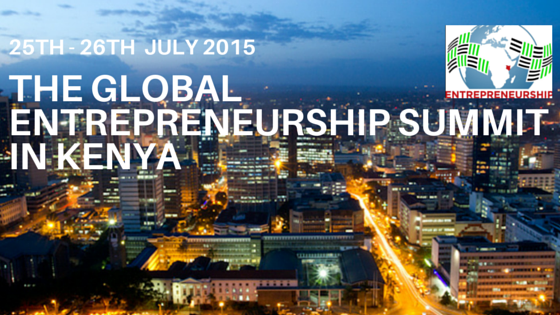
On the eve of US President Barack Obama’s visit to Kenya for the Global Entrepreneurship Summit, GeoPoll, the Global Entrepreneurship Network and the US State Department have released a survey on entrepreneurship on 1,000 businessesin five sub-Saharan Africa countries.

GeoPoll is the world’s largest mobile survey platform, with a network of over 200 million users across Africa and Asia, and it carried out a survey on 200 entrepreneurs per country in the Democratic Republic of Congo, Ghana, Kenya, Nigeria, and South Africa, asking them what resources are most needed to encourage entrepreneurship, what programs they have participated in to improve their businesses, and the biggest challenges facing new businesses.

According to the surveyconducted via SMS message the week of July 13, 2015, 44% of respondents participated in a program or activity in the past year aimed at improving their business, while 36 % said more financial resources would help increase the number of entrepreneurs in their respective countries. Twenty four per cent said better facilities or services would help boost entrepreneur numbers while 23 per cent said government support was the best answer to help boost numbers.

The Global Entrepreneurship Summit gets underway tomorrow in Nairobi, and will be co-hosted by Presidents Barack Obama and Uhuru Kenyatta of Kenya, and the findings of the survey will be used at the Summit to highlight common needs of entrepreneurs across Africa and around the world.

Asked about specifically increasing youth and women entrepreneurship, which is the focus of GES’ opening day, the 41% of respondents felt funding was the resource most needed to help youth and women entrepreneurs.

Other respondents cited government support (22%), access to market information (18%) and access to high-skilled workers (16%); while social media was found to be the most popular online tool for supporting business growth.

According to Jonathan Ortmans, the president of the Global Entrepreneurship Network, entrepreneuers need to be accorded priority in order to overcome the challenges they experience.

“As policymakers explore smart and sophisticated steps to develop healthy entrepreneurial ecosystems across the African continent, the voice of the entrepreneur must remain in the foreground,” Ortmans, said adding: “Being able to hear directly from the entrepreneurs helps guide our conversations at the Summit and beyond.


Stories Continues after ad

Tech-savvy Kenyans to benefit from General Electric

Jay Ireland, President and CEO of General Electric Africa


Jay Ireland, President and CEO of General Electric Africa

General Electric Africa and Gearbox, a non-profit hardware innovation platform, will launch a manufacturing programme to help build a skilled technical workforce in Kenya. Dubbed the GE Garages, the programme is to be implemented by the University of Nairobi in conjunction with the Technical University of Kenya and Seven Seas Technologies.

According to Gearbox CEO Kamau Gachigi, is excited about the relationship as it is central to their objective of ‘democratising access to opportunities in industrialisation’. “Trainees will be trained on the use of this state-of-the-art equipment, but also in the soft skills that are necessary to leverage the tech-knowledge so as to successfully launch businesses,” Dr Gachigi said.

According to a release, the GE Garages space, which will be hosted at Gearbox’s premises, will support classes and workshops, for students, entrepreneurs, makers and others to learn more about advanced manufacturing processes, software programming and business development. It will feature advanced manufacturing innovations like 3D printers, laser cutters and CNC mills. Further, the release states that the Oil and Gas Sector will create between 6,000 and 15,000 new jobs over the next ten years with the majority requiring technical or vocational training.

Jay Ireland, the President and CEO of General Electric Africa, said the initiative aims at making more ‘Kenyan youth employable in a fast changing technology-driven world’. “We are delighted to collaborate with like-minded establishments … “I’m looking forward to seeing great ideas that come to the GE Garage being transformed into practical business models that ultimately create more jobs in Kenya,” Ireland said. University of Nairobi Deputy Vice Chancellor Professor Lucy Irungu, said the collaboration is a great opportunity for engineering students, supervised by the engineering faculty at the University, to gain access to modern equipment and methods that will ensure their undergraduate and post-graduate projects have greater impact on the region’s economic needs.

Happy about tthe development Gearbox CEO Dr. Kamau Gachigi.


The GE Garages – Nairobi program truly brings to life the ‘Empower’ pillar of GE Africa’s CSR platform ‘GE Kujenga’ Patricia Obozuwa, Director of Communications and Public Affairs, GE Africa said. “GE’s approach to investing in our communities is to empower people by building valuable skills, equip communities with new tools and technology, and elevate ideas that help solve Africa’s challenges. We will continue working with Government, institutions, communities and private-sector peers to help bring sustainable and transformative development,” Ms Obozuwa said.

GE will provide the necessary equipment while University of Nairobi, Technical University of Kenya and Seven Seas Technologies will provide input to program as well as training facilities. GE created the Garages experience in March 2012 to reinvigorate interest in invention, innovation, and manufacturing in America. This program went global with a workshop in Lagos Nigeria in 2014 and has since grown to include several countries in Europe and the Middle-East, the release by Africa Press Organisation (APO), states.

Stories Continues after ad

President Obama, Africa still lacks strong institutions!

It is only a matter of hours before US President Barack Hussein Obama sets foot in Kenya, the country of his ancestry, for the first time since he became the leader of the ‘free world’.

The first black President, Obama’s victory in the US 2008 elections excited the African continent, with many black people optimistic that he would give the continent serious consideration. On this he did not disappoint as he warned African leaders against a host of transgressions, signaling that he would alienate those he found culpable. “Africa doesn’t need strongmen, it needs strong institutions,” was the famous quote he made while in Ghana, on his maiden visit to heartland of the continent of his ancestors.

The pronouncement was like jazz music in the ears of several downtrodden Africans, many of who know nothing but suffering, orchestrated by their own governments and leaders.

Indeed, when President Obama visited Africa for the second time between June 26 and July 2, 2013, Kenya was missing on his ‘to visit list’ ostensibly because the president-elect Uhuru Kenyatta had been indicted for crimes against humanity by the International Criminal Court (ICC) following the post-election crisis of 2007 in which over 1300 died and thousands others were displaced. Kenyatta has since been cleared of the charges, a welcome relief for both the president and his people, who have had the chance of witnessing and experiencing Obama’s historic visit to Kenya, the place where his father was born and raised.

That said, President Obama has visited five African countries namely: Ghana, Benin, Tanzania (2), South Africa (2), Senegal. All these countries have something in common; they practice democracy, at least to levels acceptable to the US.

One of the pillars of democracy is the holding of regular, free and fair elections, which pave the way for peaceful change of government, a cherished ideal of the US in regard to global politics.

However, as President Obama serves his last two years in the White House, there are still several African leaders he found in power and who are still holding the reins, something that will put a dent on his otherwise noble legacy as a global statesman, because they have not ‘built strong institutions’ but have remained strongmen.

Otherwise, Africa, and Kenya in particular, welcome President Obama!


Stories Continues after ad

Malaria testing reduces over prescription by 70 percent

Prof. Anthony Mbonye from the Ugandan Ministry of Health and lead author of the study.

Using malaria rapid diagnostic tests (RDT) in registered drug shops in a highly endemic region in Uganda substantially reduced over diagnosis of malaria, improving the use of valuable malaria drugs, according to a new study published in PLOS ONE.

Most of the 15,000 patients that visited drug shops with a fever chose to buy an RDT when offered one by the trained vendors taking part in the study. Once they performed the test, results showed that less than 60% of the patients had, in fact, malaria. The vendors usually complied with the test results, reducing over prescription of malaria drugs by 73%.

The researchers from the Artemisinin-based Combination Therapy (ACT) Consortium at the Ministry of Health in Uganda and the London School of Hygiene & Tropical Medicine in the UK carried out the study because up to 80% of malaria cases in Uganda are treated in the private sector.

The private sector is a common source of treatment in many other malaria-endemic areas, especially where there is poor access to public health facilities. Patients buy antimalarial drugs in shops to medicate themselves, although malaria is not always the cause of their fever, and thus inappropriate treatment is very common.

Prof. Anthony Mbonye from the Ugandan Ministry of Health and lead author of the study, said: “Our findings show that it is feasible to collaborate with the private health sector and introduce malaria RDTs in drug shops. The next step is to refine the strategy and understand the cost implications of scaling it up in Uganda. Our long term aim is to provide evidence to help the World Health Organization develop guidance to improve malaria treatment in the private sector.”

Dr Sian Clarke from the London School of Hygiene & Tropical Medicine, also a principal investigator in the research, said: “This study shows that RDTs can improve the use of ACTs – the most effective treatment for malaria – in drug shops, but it’s not without its challenges. These tests alone will not improve the treatment of other diseases. We now need to continue working with the Ministry of Health to investigate how to improve our approach and expand it to other common illnesses.”

At present, drug shop vendors usually treat patients based on their signs and symptoms without testing their blood for the presence of malaria parasites, as recommended by the World Health Organization. This can result in patients with a fever being over diagnosed with malaria and purchasing an ACT which they don’t need.

Microscopy is a method that requires laboratory equipment and qualified staff, while RDTs are alternative, simple tools that require minimal training to diagnose malaria. These rapid tests can help health workers and vendors in remote locations to prescribe the correct treatment for malaria.

An investigation conducted alongside the trial, published in Critical Public Health, found that despite their popularity, malaria tests were not a simple fix in the private sector. Patients welcomed the RDTs as well as government involvement in improving drug shops, and vendors “felt big” and more akin to qualified health workers in the public sector for being allowed to test blood. But researchers warn that this could give a false impression of vendors’ other skills and services, and regulation by authorities is needed.

The team has recently received a new grant to investigate the feasibility of training and equipping registered drug shops to manage three key childhood diseases: malaria, pneumonia and diarrhoea.

The ACT Consortium is funded by a grant from the Bill & Melinda Gates Foundation to London School of Hygiene & Tropical Medicine.


Stories Continues after ad

Museveni’s election makers 2006-2011

Bugwere

Saleh Kamba

Lt. Saleh Kamba

Saleh Kamba is the Member of Parliament for Kibuku County, Kibuku District. In 2011 he was appointed Minister of State for Bunyoro Affairs but was rejected by Parliament. However, he was instrumental in campaigning for Museveni in his home area.

Jennifer Namuyangu

She was Woman Member of Parliament for Pallisa from 2001 to 2011. At the time she was also a State Minister for Water Resources from 2006 to 2011, and during that time she campaigned for President Museveni. In 2011, she lost the Kibuku seat to Saleh Kamba after the constituency was carved out of Pallisa.

Loi Kageni Kiryapawo

A two time Member of Parliament, Loi Kageni Kiryapawo was first elected to the House in 2000, to represent Budaka County. She comes from a ‘political family’, and her husband Dr. Thomas Sisye Kiryapawo was one time a Minister of State for Finance. He also worked at the Electoral Commission as a Commissioner.

Steven Oscar Malinga

The late Dr Stephen Oscar Malinga represented Butebo County in Pallisa district and served in the ministries of Health and Disaster Preparedness. Earlier, Dr Malinga had stayed in the US for 23 years, becoming a citizen of ‘Uncle Sam’, a development that almost cost him his Ugandan cabinet appointments since at the time Uganda did not provide for dual citizenship.

Formerly a diehard Uganda People’s Congress (UPC) supporter, Malinga, a medical doctor, crossed to the NRM in 2005 and campaigned for Museveni in the subsequent elections of 2006 and 2011. He died in 2013 aged 69.

Dr. Patrick Lodoi Mutono

He is the current MP for Butebo County, having replaced the late Dr Stephen Malinga. Like his predecessor, Dr Mutono also spent a long time in the US before returning home to join politics. In 2007 he contested against Issa Bantalib Taligoola for the Pallisa District chairmanship and lost.

He is a Board Member of Kanginima Hospital in Butebo, and is a well-known philanthropist, the founder of Lodoi Development Fund Project.

Bunyole

 Jacob Wangolo

He is the Member of Parliament for Bunyole County West where he was elected on the NRM ticket. He is one of the people who worked tooth and nail to ensure Museveni gets votes in Bunyole.

Haji Badru Wegulo

Haji Badru Wegulo was a staunch Uganda Peoples’ Congress (UPC) supporter and held different positions including that of the party vice chairman. However in 2010, he defected to the ruling National Resistance Movement together a colleague, Henry Mayega. Much as he was a new entrant, he played a vital role in campaigning for Museveni in Bunyole.

Tororo

Emmanuel Otala

Emmanuel Otaala joined politics in 2006, contesting for a parliamentary seat on the (NRM) party ticket. He won and served as the area MP from 2006 until 2011. In the 2011 national elections, he lost to Jacob Oboth Oboth, an Independent politician, who is the incumbent.  Dr. Otaala served as the State Minister of Health for Primary Care in 2006.  In February 2009, Dr. Otaala was appointed State Minister in the Ministry of Labour however in a reshuffle, he was dropped from cabinet.

Phoebe Otaala

Phoebe is the he wife of Emmanuel Otaala. She hails from West Budama and she is the National Vice chairperson of the NRM Women League.
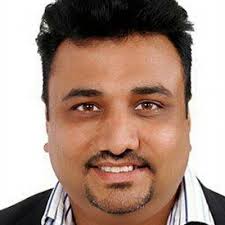
Sanjey Tanna

Sanjey Tanna

A Ugandan of Asian descent, Sanjay Tanna joined Ugandan politics in 2006 when became the Member of Parliament representing Tororo Municipality. In the party primaries he contested against Apollo Yeri Ofwono and lost. He then stood as an Independent and won. However, he remains close to Museveni.

Fox Odoi Oyelwowo

Fox Odoi is the current Member of Parliament for West Budama North, having been elected in 2011 on the NRM ticket. He is close to Museveni, having worked in State House as a Legal Assistant for close to 20 years.

Dr Tanga Odoi

A former history lecturer at Makerere University, Dr Tanga Odoi is the current chairman of the NRM Electoral Commission. While at Makerere, Dr Odoi was a vocal activist of the Makerere University Staff Association (MUASA), and he is remembered for giving government a hard time when issues of salary increment surfaced. Though little is known about his National Resistance Movement links, some say during election time he was always busy on the ground soliciting for support for Museveni.

Jacob Oboth Oboth

Jacob Oboth Oboth is the current Member of Parliament for West Budama South. A lawyer by profession, Oboth Oboth is an NRM who run as an Independent after claiming that he was rigged out in the primaries. He was among the people that ensured that Tororo votes go to Museveni.

Others are Akisofeli Ogola and Osindek Wangor, a former UPC stalwart who crossed to the NRM.

Busia

Simon Mayende

Currently he is the Director of Information and National Guidance in the Office of the Prime Minister. Although he lost his parliamentary seat in 2006 to Julius Maganda he played a significant role in canvasing for votes for the President in 2006 and in 2011.

Gabriel Opio

Between 1993 and 1996, he served as a member of the National Resistance Council representing Samia-Bugwe constituency of the then     Tororo district. In 1996, he was elected to the Ugandan Parliament, representing Samia-Bugwe South in the newly created Busia District. In 1999, he was appointed State Minister for Finance, responsible for Planning and Investments, serving in that position until 2001 when he lost his parliamentary seat to Simon Mayende.

Between 2002 and 2006, prior to his appointment to the Gender portfolio, Opio served in various capacities, including as Director of National Water Sewerage Corporation, Director of Centenary Bank, and Commisioner of the Uganda AIDS Commission.

In the national election cycle of 2011, he lost his parliamentary seat of Samia-Bugwe South to Julius Maganda, an independent political candidate who is the incumbent MP for the constituency.


Aggrey Awori

Aggrey Awori

A seasoned politician and one time diehard UPC supporter, Aggrey Awori has contested at highest levels in Uganda, for the presidency in 2001.He the contested for the Samia Bugwe South constituency and won, joining parliament. In 2007 he defected from the UPC and joined the NRM and in a surprise move, in 2009 he was appointed the Minister for Information Communications Technology, serving in that capacity till 2011 when he was dropped from the cabinet and replaced by Ruhakana Rugunda.

Elgon Region

James Mutende Shinyabulo

An economist of high repute, James Mutende Shinyabulo has taught Economics at Makerere and at the New York State University, where he pursued his Doctoral studies. He also worked with the defunct Uganda Commercial Bank from 1989 to 1994 and at the Uganda Investment Authority (UIA) as an Investment Officer.

In 2006 he lost in the NRM Primaries for Mbale Municipality Member of Parliament but was instrumental in supporting Museveni in Mbale and in 2011 he was name State Minister for Industry.

Lydia Mutende Wanyoto

Lydia Mutende Wanyoto represented Uganda in the East African Legislative Assembly from 2001 until 2011. She has a strong background in the NRM having been recruited by James Wapakabulo as an aide in his office when he as the Speaker of Parliament. In 2011, she was a member of the NRM Election Commission. She has been very vital in canvassing for support for the President in the Elgon, where opposition stalwart Nandala Mafabi enjoys huge support. She is married to Dr Mutende, and is currently working in Somalia as the AU Chairperson’s Special Representative.

Hassan Galiwango

Hassan Galiwango is currently working at the NRM Secretariat. After the death of James Wapakhabulo, he tried to contest for the Mbale Municipality seat but lost to Wanjusi Wasieba. Nonetheless, he has been a Museveni mobiliser in Mbale, especially the Municipality which is associated with opposition.

Charles Madibo Wagidoso

Charles Madibo Wagidosi is Uganda’s Ambassadors to the Republic of China. He was among the people that played a very vital role in campaigning for Museveni in 2006 and 2011.

Lumolo Mafabi

A businessman, Lumolo Mafabi hails from Sironko District. Given his financial muscle he worked very hard to mobilize support for Museveni in Mbale. However, FDC strongman Nandala Mafabi won the Sironko seat after defeating former presidency minister Beatrice Wabudeya.

David Wambi Kibale

David Wambi Kibale served as the LCV chairperson for Sironko district until 2011 when he lost to FDC’s James Nabende. Wambi played a big part in campaigning for Museveni both in 2006 and 2011.


Olive Wonekha

Olive Wonekha

Currently, she is Uganda’s Ambassador to the United States of America. She joined politics when she was elected Woman Member of Parliament for Mbale District from 2001 to 2006. She later shifted to Bududa which had been newly created in 2006 where she was elected the Woman Member of Parliament. Although she was ousted in 2011, the role she had played in campaigning for Museveni cannot be underestimated, the reason she was appointed Ambassador when she lost elections in 2011.

Sebei
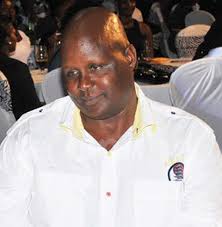
juma Seiko

Maj. Juma Seiko

Major Juma Seiko is an aide to General Salim Saleh who is the President’s brother. He is a very influential man in Sebei and a kingmaker. His opinion matters in the Sebei region.

Robert Chemonges

Rukia Chekamando

A teacher by profession, Rukia Chekamondo joined politics in 2006, contesting for the Kapchwora District Woman seat on the NRM party ticket. She won and was appointed Minister of State for Privatization. In 2011 she lost her parliamentary seat and was dropped from the cabinet in a reshuffle in May. Before losing her parliamentary seat, she had done a lot in terms of campaigning for Museveni in Sebei.

Jane Frances Kuka

Jane Frances Kuka is a former Member of Parliament for Kapchorwa and Minister for Gender. A strong advocate against female genital mutilation, Kuka is the current RDC for

Other strong mobilisers for NRM in Sebei include the late Bartille Toskin and Kween MP Abdi Fadhil Kisos Chemaswet.


Stories Continues after ad

General Electric announces 14.7 US million dollars for healthcare skills in East Africa

Farid Fezoua, President & CEO of GE and President Uhuru Kenyatta and his government team sign MoU.


Farid Fezoua, President & CEO of GE and President Uhuru Kenyatta and his government team sign MoU.

Sub-Saharan Africa will need to create an average of 15-20 million new jobs per year over the next three decades to meet the current growth – GE Africa Future of Work White Paper

NAIROBI, Kenya, July 23, 2015/ — Today, ahead of the Global Entrepreneurship Summit in Nairobi, announced a series of new commitments aimed at addressing some of the most critical health challenges in East Africa through a sustained focus on skills development and capacity building. Among the investments, GE announced:

The establishment of the GE Healthcare Skills and Training Institute in Kenya, GE’s first-ever dedicated healthcare skills advancement center in Africa and 1.7 US dollar M GE Foundation grant for Biomedical Equipment Training and Safe Surgery programs in Ethiopia.

As outlined in the GE Africa Future of Work White Paper, launched today, entitled, Building Strong Workforces to Power Africa’s Growth, Sub-Saharan Africa will need to create an average of 15-20 million new jobs per year over the next three decades to meet the current growth, presenting a considerable challenge to the labor market given the low rates of formal employment.

Moreover, the global health sector, especially in developing markets, is facing critical workforce shortages. Africa is ranking the lowest in the availability of health personnel with 12 percent of the world’s population and 25 percent of the world’s burden of diseases, Sub-Saharan Africa has only 3 percent of the world’s health workforce.

According to the White Paper, the African urbanization story underscores the need for governments and their partners to invest aggressively in enhancing skills.

Farid Fezoua, President & CEO of GE healthcare Africa said, “Investing in the training and education of healthcare professionals to strengthen capability building is one of the greatest enablers for sustainable healthcare development.

GE healthcare’s education strategy integrates technology and localization in the design and deployment of tailored education solutions including the establishment of new healthcare training centers, locally configured curricula and a range of education partnerships with leading regional academic institutions and global partners.

As a major force for change, we aim to increase access to localized education, training and skills development programs for more healthcare workers across Africa.”

GE Healthcare Skills and Training Institute, Kenya

Selected in February 2015 as a key technology and solutions partner by the Kenyan Ministry of Health (MoH) as part of its ~USD 420 million healthcare transformation plan, GE is committed to supporting knowledge-sharing and capacity building in Kenya and across East Africa. As a cornerstone of the mega-modernization program, GE will launch the new GE Healthcare Skills and Training Institute in Kenya, representing a long-term investment of at least $13 million over the next 10 years.

With specialized GE healthcare training facilities across the globe, the centre is set to become GE’s first dedicated skills development facility in Africa when inaugurated in Nairobi later in Q4 2015 that will serve Kenya and the wider East Africa.

The GE healthcare Skills and Training Institute will initially offer biomedical and clinical applications training courses and over the longer-term will be expanded to offer leadership, technical and clinical education courses, working with the MoH, private healthcare providers and other educational partners, with the goal to train over 1,000 healthcare professionals over the next three years.

In East Africa, where there is a significant shortage of qualified healthcare professionals, the localization of vocational and leadership training courses aims to support the development of a pipeline of future biomedical engineers, radiologists and technicians, helping to reduce the skills gap, improve job prospects and build a solid national healthcare system and private healthcare sector.

The Kenya training center is part of GE Healthcare’s global commitment to invest over $1 billion in the development and delivery of localized offerings for the healthcare sector, including a new class of technology-enabled training solutions by 2020. Moreover, as part of this commitment, GE Healthcare aims to deliver enhanced training for over two million health professionals globally that is expected to help healthcare systems drive better patient outcomes and benefit more than 350 million patients worldwide by 2020.

Ethiopia Biomedical Equipment Training (BMET) Center of Excellence

GE Foundation’s first Biomedical Equipment Training (BMET) program in Ethiopia responds to the shortage of skilled healthcare workers and functional medical equipment. The BMET Center of Excellence (COE) builds on the success of prior BMET programming in Ghana, Nigeria, Rwanda, Honduras and Cambodia and expands the commitment by creating a COE within a hospital setting to translate learning to actual work processes.

The COE “workshop” will set a benchmark for hands-on training and process replication, further strengthening healthcare systems. Training participants will benefit from a well-rounded curriculum including professional management and customer service skills, in-hospital clinical application, asset management and financial reporting skills and professional development.

This three-year program grant will help fund the development of the training to educate biomedical technicians in Ethiopia to respond to the shortage of functional medical equipment, by focusing on repairing – not replacing – equipment using available resources. Programs such as these can help local hospitals increase availability of medical equipment – such as incubators for infants – by up to 43% in some cases.

Safe Surgery Program in Ethiopia

With a significant training component, the GE Foundation commitment to improving safe surgery in Ethiopia will be delivered through a new partnership with Lifebox, a non-governmental organization focused on implementation of the WHO Safe Surgical Checklist. This program aims to standardize safe surgery by increasing access to and quality of surgery, reducing surgical complications, and preventing patient deaths in the region.

In collaboration with the Ministry of Health, the program will help develop a surgical operating standards program to serve as a pilot for a country-wide intervention, with local champions from surgical, anesthesia, and nursing backgrounds serving as program leaders. The program will also provide guidance, and help coordinate the implementation of safe surgical standards with a focus on localization. The ultimate goal of the partnership is to expand country-wide through collaboration with local partners including ministries, NGOs, professional societies, teaching institutions, and peer-to-peer networks.

“Safe Surgery has long been a neglected area of global health, and universal access to an essential set of surgical procedures would prevent 1.5 million deaths around the world every year,” said Dr. David Barash, Executive Director, Global Health Portfolio, and Chief Medical Officer, GE Foundation.

Adding “It’s tragic that millions of people are dying from common, easily treated conditions like appendicitis, fractures or obstructed labor because they do not have access to proper surgical care.We are especially pleased to launch this partnership focused on access to safe surgery with Lifebox, given their success implementing the WHO Surgical Safety Checklist, leading to a nearly 60% reduction in the total number of preoperative complications in low-resource settings.”

This program grant will be delivered over 18 months, focusing on a Center of Excellence for health worker training, leadership development, improvement in Safe Surgery Standards compliance, and create guidelines for measuring surgical site infections, postoperative mortality, and other complications.

Earlier this year, the GE Foundation participated in the launch of a major new Commission on safe surgery published in The Lancet.

The Commission notes that five billion people worldwide do not have access to safe and affordable surgery and anesthesia when they need it, and access is worst in low- and lower-middle income countries, where as many as nine out of ten people cannot access basic surgical care. The GE Foundation Biomedical Equipment Technician (BMET) training program was highlighted in the Commission as a “best in class” model for sustainable training.


Stories Continues after ad

Quick up with Brian Kagenda aka Brian Weiyz


Brian Kagenda aka Brian Weiyz.

Which schools did you go to?

I went to Sharp Infant Nursery school,  Arya Primary School,  Margaret Senior Secondary School and Kampala International School for a course in Graphics and Design

Why did you join the music industry?

I am very talented and I used to rewrite Backstreet Boy’s songs and mime them in school. Students believed in me and this gave me the confidence to take music to another level and up to now I am a song writer and I have worked with artistes like Spice Dianah Namukwaya, Jimcity, Fille and I am currently working on a new project with Cindy Ssanyu

What kind of music do you do?

I do mainly do RnB but I can also do all kinds of music

How many songs do you have to your name?

I have so many songs but currently I am promoting four and that is Ninze featuring Spice Diana and Jimcity, Londa featuring

Young Mulo and Jimcity; Mistakes and Africans and so far these four are doing well on television and radio

What challenges have you faced in the music industry?

Money for promoting my music is the biggest challenge I have faced so far because many media houses are more interested in money than the quality of music, something which affects our industry

Do you have a Manager?

I do not have a manager but currently I take Zuli Tums as my manager because he is contributing a lot towards my success

How can people access your music?

The easiest way of accessing my music is you tube, Brian Weiyz Reverb Nation, Sound Clouds and Ntinda Hits Factory

What have you achieved in this industry?

Ever since I joined music in 2013, I have never spent any coin on studio bills like other upcoming artistes; producers give me offers because they see the potential and I promise I will not let them down; Zuli Tums, Oukins and Herbert Skills and many others have all helped me

Where do you see yourself in few years to come?

I see myself in the BET and MTV awards because my music is local, unique and urban. In fact I am a start Africa is about to face. I am saying this because I know what I am doing?

What are your future plans?

I want to be a father figure who will inspire the young generation in this industry

Which female artiste gives you sleepless nights?

Mya of the former Blue3; she is the best I have ever seen

What pisses you off?

Love pisses me off

What is the most shocking moment of your life?

When I won the Treasure Life Center (TLC) award yet there other well recognized artistes in the area

Who inspired you to join music?

Omulangira Ssuuna, Maurice Kirya and the society I grew up in in Kamwokya. I am a ghetto boy

What Ugandan song inspires you?

‘Where you are’ by Blue3 featuring Goodlyfe

What should your fans expect from you?

My music expresses all that that cannot be said; I have a lot for you.

What do you do apart from music?

I am a Graphic Designer

Who do artistes fight each other?

I think its competition and permissiveness


Stories Continues after ad
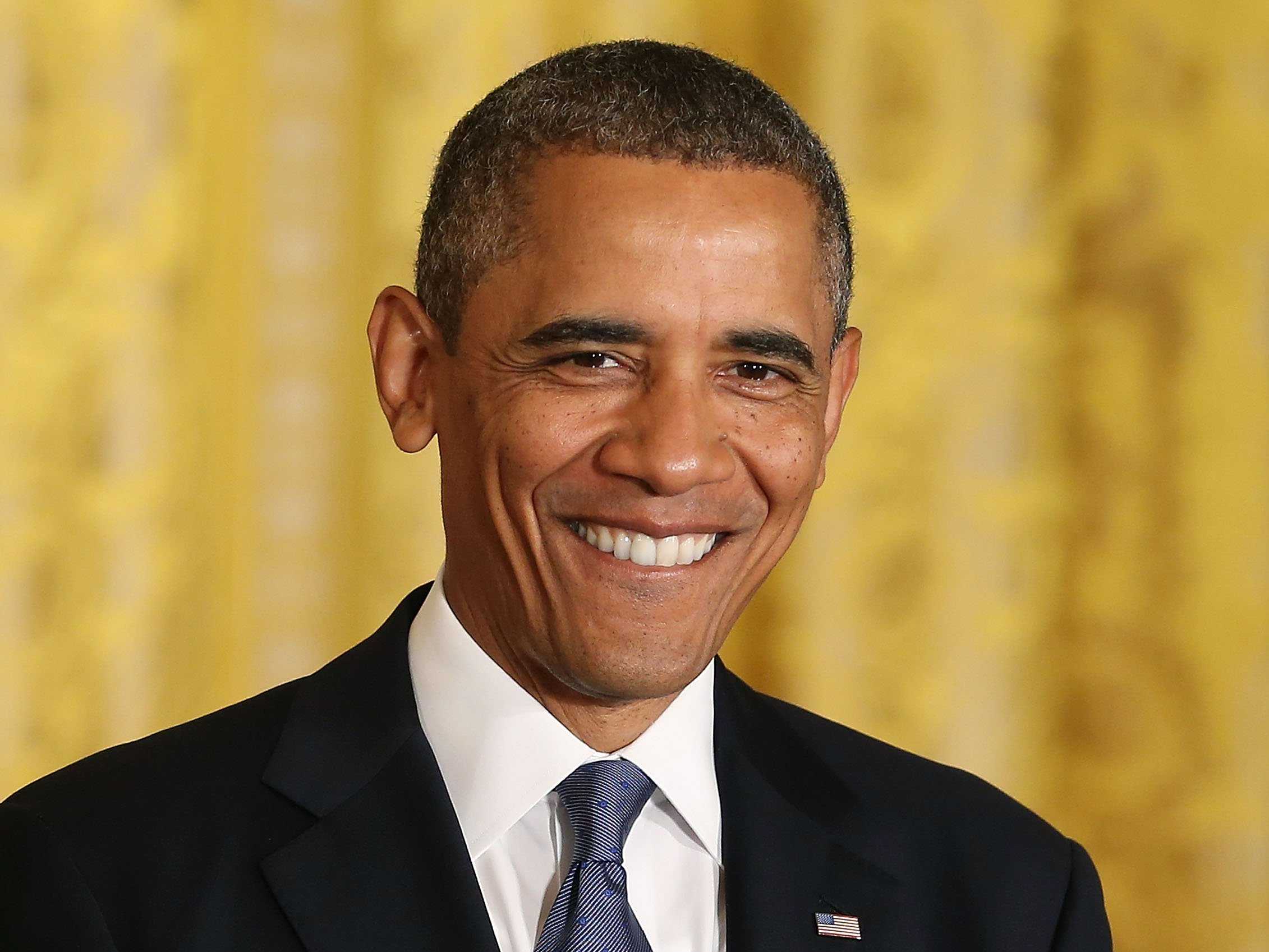
President Barack Obama’s Kenyan visit itinerary

obamaAll is set for U.S. President Barack Obama’s tour this week. The 3-day visit is Obama’s first tour of Kenya since his election to the White House, though it’s a grand return after his trip in 2006 when he came to Kenya as the Senator of Illinois.

He is set to jet in on Friday afternoon, aboard the U.S. President’s official plane codenamed Airforce One. President Uhuru Kenyatta will receive him at the Jomo Kenyatta International Airport, Nairobi.

He will then leave the airport for the U.S. Embassy in Gigiri aboard his official limousine popularly known as the Beast. Where Obama and his family will spend the Friday night remains a top secret.

A series of activities are lined up for him and his entourage on his second day in Nairobi. He is expected at State House for a closed door session with his host President Kenyatta and the Kenyan delegation.

The itinerary indicates that Obama will inspect a guard of honour mounted in his honour by a contingent of the Kenya Defence Forces.

Obama will then proceed to the United Nations complex in Gigiri, where he will co-host the Global Entrepreneurship Summit with Kenyatta. He is expected to spend at least 90 minutes in Gigiri.

Obama is also lined up to meet representatives of the country’s civil society organisations, for deliberations.

Kenya’s top opposition chiefs are also slated to meet Obama on Saturday, where they are expected to brief him on their misgivings with the government’s fight against corruption and growth of democracy.

According to the itinerary, the U.S. President is scheduled to return to State House, Nairobi for a joint press conference with his host President Kenyatta.

Sunday will be Obama’s third and final day in Nairobi. He is scheduled to address about 5,000 Kenyans at the Kasarani Gymnasium. Invites have already been sent to Members of Parliament, youth and women leaders, students, elders, people living with disabilities and ordinary citizens who have been carefully selected and vetted by the American Embassy.

From the Kasarani Gymnasium, Obama is expected to make a short trip to Kenyatta University for a session with the students and the institution’s management. He is also expected to open a leadership training facility.

Obama is later expected to visit the Nairobi National Park, and later proceed to Jomo Kenyatta International Airport for a send-off ceremony. President Kenyatta will see off Obama and his entourage on Sunday afternoon as he heads to Addis Ababa, Ethiopia.

Citizen


Stories Continues after ad