Stanbic Bank
Stanbic Bank
25 C
Kampala
Stanbic Bank
Stanbic Bank
Home Blog Page 241

Equity Mama loans lend women a hand

2191 women started their journey to financial independence and growth through the Enterprise Development and Financial Inclusion last year, bringing to over 100,000 women and youth who have gone through the program since inception two years ago. 

Many have expanded their business and diversified and improved their personal and family welfare because of being intentional in their wealth creation.  Many of the financial literacy graduates continue to hold other women’s hands, empowering and uplifting them in their various groups and communities.

Sylvia Akankwasa from Arua, Rebecca Katisi and Yahala Khasifa from Mbale are some of the graduates of Enterprise Development program and beneficiaries of Equi-mama credit facility. The three are bound by a common thread. When their businesses were on the brink, Equity Bank came to the rescue.
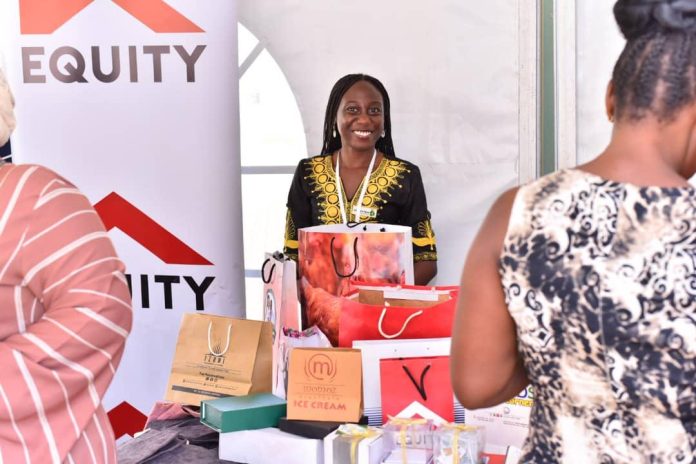
Operating His Grace International, a small stationery shop with an Internet café that had been around for 15 years in Arua; Sylvia Akankwasa became a victim of circumstances. When #Covid-19 struck, she fell back on her loan commitments from micro lenders.

“We were on the verge of total collapse. I could not borrow for another 5 years because my Financial Card was too dirty with unsettled obligations. I was considering going to money lenders when Equity Bank came around. They gave me the benefit of the doubt and lent me money under the Equity Mama facility,” Akankwasa recalls.

She has not looked back since. Her stationery shop has grown into a fully-fledged multimedia printing operation, employing seven workers. The bank has given her another line of credit to plant an orchard that will supply raw materials for her fledgling fruit juice and wine factory, also in Arua.
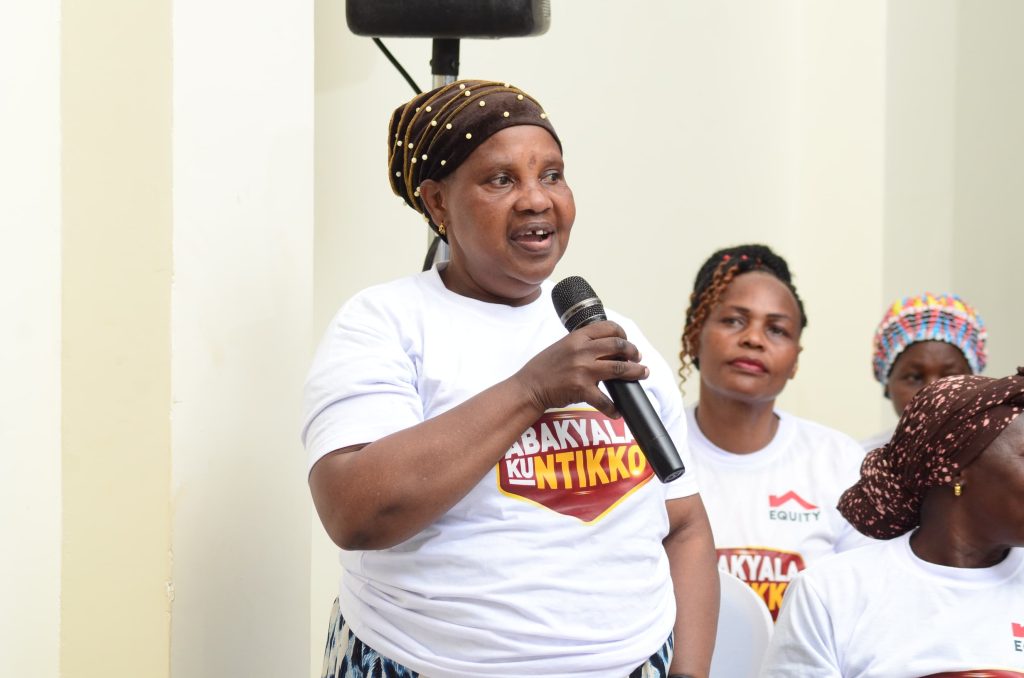
“The loan helped us to recover and stabilise our financials; it rescued us from imminent collapse. One of the reasons we are still around is because they gave us the benefit of the doubt. If they had not given us the money at that time; we would have gone to money lenders and I don’t know how this would have ended,” She adds.

Yahala Khasifa’s experience is similar. “No words can fully express my gratitude to Equity Bank. I have been able to grow. I am also dealing in timber and have the capacity double my business. I have also invested in land and plan to develop it.”

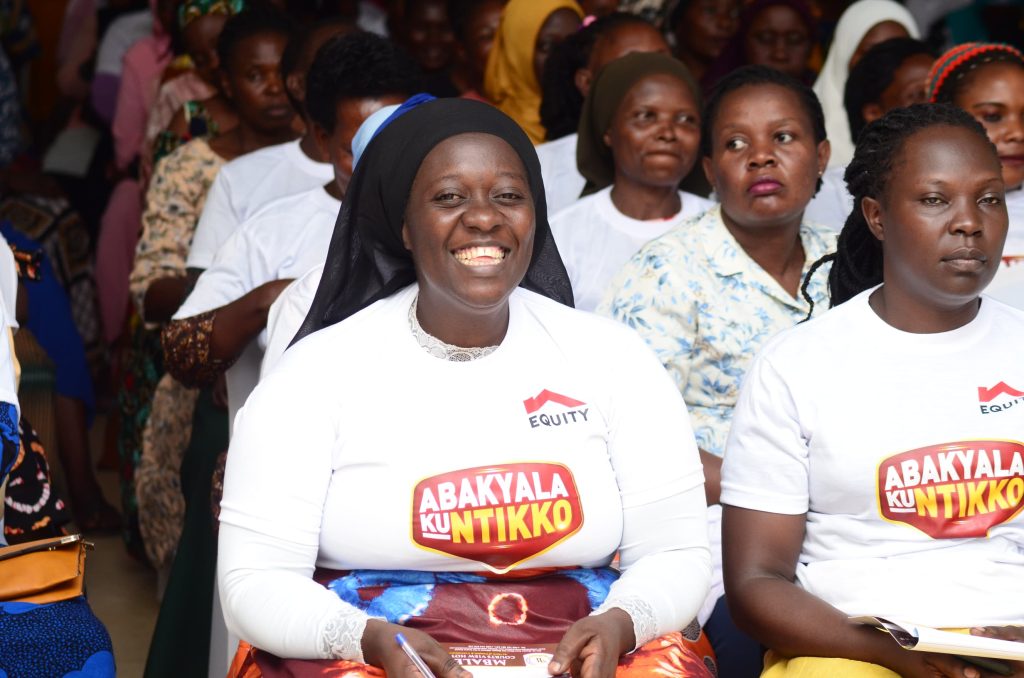
Rebecca’s story is slightly different. The proprietor of Bulambuli RV Millers is constructing a building that she plans to name to Equity bank. One day, on a pure hunch, she walked into an Equity Bank branch in Mbale and inquired about opening a savings account. On being assured there was no limit, she opened a savings account. A year later, her savings had accumulated to Shs12 million.
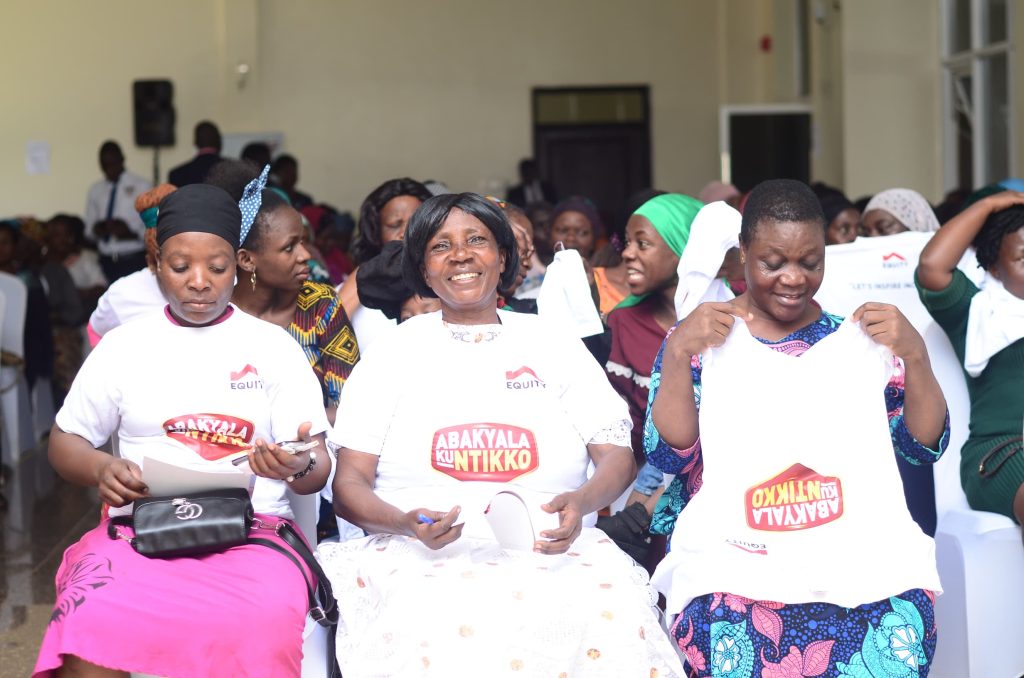
She bought a piece of land and set about construction. With back-to-back loans under the Equity Mama facility, she has acquired parcels of land and built rentals. Rebecca advises fellow women to partner with Equity Bank to support their growth.

Equity Banks’s Enterprise Development and Financial Inclusion program seeks to stimulate job creation by helping Micro, Small and Medium Enterprises (MSMes) access the financial and technical resources that enable them to grow into impactful operations.

The selected MSMEs are given advice mentorship and entrepreneurship training.  The program has a gender bias that favours youth and women.

So far, 115,956 youth, 58 percent of them women, have been trained in Financial Literacy and Entrepreneurship Education. 

Stories Continues after ad

AFCON QUALIFIERS: Uganda draws South Africa, Congo and South Sudan

Crane Squad, the Uganda Cranes.

Uganda has been pitted against South Africa, Congo Brazaville and neighbouring South Sudan in Group K of the draws for the 2025 Africa Cup of Nations Qualifiers conducted on Thursday in Johannesburg, South Africa.

The draw event was conducted by Ivory Coast Head Coach Emerse Faé and former Morocco international Marouane Chamakh.

Prior to the draws, Uganda was placed in Pot 2 and thus had to face a team from the rest of Pots 1, 2, and 4.

South Africa was seeded in Pot A, while Congo and South Sudan were in Pots 3 and 4, respectively.

Uganda has not been to the Africa Cup of Nations for the last two editions, and the ultimate target will be to return to the coveted championship next year before co-hosting the 2027 AFCON edition with Tanzania and Kenya.

The qualification games will be played in September, October, and November this year. Only the top two teams, besides the group that hosts Morocco, qualify for the final tournament.

Full Draw

Group A

Tunisia

Madagascar

Comoros

The Gambia

Group B

Morocco

Gabon

Central African Republic

Lesotho

Group C

Egypt

Cape Verde

Mauritania

Botswana

Group D

Nigeria

Benin

Libya

Rwanda

Group E

Algeria

Equatorial Guinea

Togo

Liberia

Group F

Ghana

Angola

Sudan

Niger

Group G

Ivory Coast

Zambia

Sierra Leone

Chad

Group H

DR Congo

Guinea

Tanzania

Ethiopia

Group I

Mali

Mozambique

Guinea Bissau

Eswatini

Group J

Cameroon

Namibia

Kenya

Zimbabwe

Group K

South Africa

Uganda

Congo

South Sudan

Group L

Senegal

Burkina Faso

Malawi

Burundi

Stories Continues after ad

NSSF dividend earnings from MTN Uganda top Shs80.6b

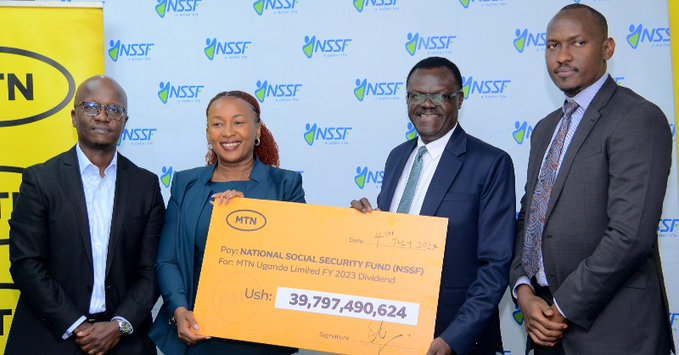
The National Social Security Fund (NSSF) has earned a total of Shs80.6 billion from its investment in MTN Uganda over the last three years.

This followed payment of Shs39.8 billion dividends for the year ended December 31, 2023.

The payment is the largest the fund has earned from a listed company in the region this year, NSSF Managing Director Patrick Ayota said during a media conference at Workers House on Thursday.

“Not only is MTN Uganda the highest dividend payer across our equity portfolio this year, but the company has also been consistent in delivering positive growth over the last 3 years since the IPO. We commend the management of MTN Uganda for its commitment to creating shareholder value while also focusing on the long-term growth of the company,” Ayota said.

The Fund earned Shs9.3 billion and Shs31.5 billion dividends for the years 2021 and 2022 respectively.

Speaking at a ceremony to hand over a dummy cheque to NSSF at Workers House in Kampala, MTN Chief Executive Officer Sylvia Mulinge said: “NSSF Uganda is to date our largest institutional shareholder and MTN Uganda is privileged to serve the many Ugandans who have a stake in the Fund. We remain cognizant of the Fund’s important mandate of ensuring the social security of their stakeholders and we reiterate our commitment of ensuring strategic investment and sustainable financial performance to fulfill the objectives and goals of the Fund,” she said.

MTN Uganda continues to perform positively and consistently return an attractive dividend to its shareholders. In June, the 7th dividend payment of Shs6.4 totaling Shs143 billion was credited to all registered shareholders on their mobile money wallets and nominated bank accounts. This is in addition to the two interim dividends paid out the previous year in September of Shs6.0 per share and Shs5.6 per share in December totaling Shs259.8 billion. The total dividend paid out for the Financial Year 2023 signals a 13.2% increase in payment to our shareholders from the previous year.

Mulinge further noted that since the IPO in December 2021, the total dividend paid to shareholders totaled Shs864.4 billion and that these dividend payments have grown in tandem with the company’s performance.

At the same media briefing, NSSF confirmed that it has invested an additional Shs90.95 billion to acquire 649,607,910 additional shares in MTN Uganda. This followed an offer for the secondary market purchase of ordinary shares announced on May 27, 2024.

The Fund in December 2021 had already invested Shs360 billion to acquire 1.98 billion shares in MTN Uganda following its Initial Public Offer (IPO) in December 2021.

The latest investment brings the Fund’s total investment to Shs450.95 billion for 2,629,607,910 shares, further solidifying NSSF’s position as the largest indigenous shareholder in MTN Uganda with 11.7% shareholding.

Ayota said the additional investment is a vote of confidence in MTN Uganda and is a belief that the company will continue to offer long-term benefits for NSSF members and the country.

“The effective price of Shs140 per share presented an opportunity to invest in a cash-generative business with high growth potential. Also, MTN Uganda plays an integral role in the Fund’s growth and the Country’s development.  Equally important, MTN Uganda presents a long-term growth opportunity for us, given its consistently impressive business and financial performance over the years,” Ayota said.

Regarding the secondary offer for the sale of ordinary shares in MTN Uganda, Ms. Mulinge commented that she was pleased with the outcome that registered a 230% subscription. The oversubscription signaled an appreciation of the Company’s strategy and continued positive performance evolution.

“The increased Fund investment in MTN Uganda, aligns broadly with MTN Group’s objective to broaden local shareholding in the countries it invested in. The offer provided an opportunity to all Ugandan retail and professional investors, including MTN Uganda’s loyal customers, to own a stake in the Company and participate in its future growth”, she said.

MTN Uganda currently has 20,636 shareholders with over 200 smaller pension funds and SACCOs representing millions of Ugandans.

Stories Continues after ad

First Lady named patron of the ILead program in Uganda

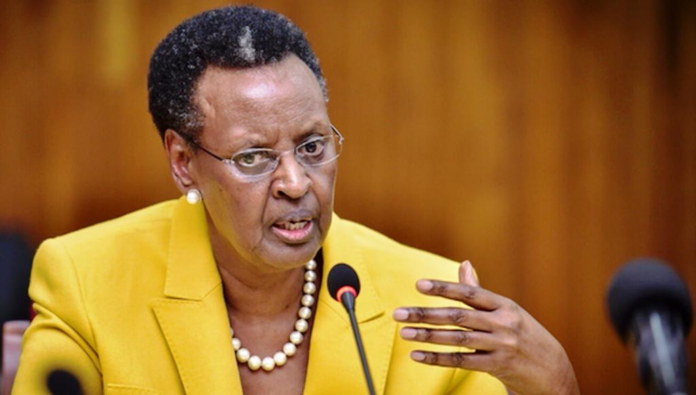
Janet Museveni, Minister of Education and Sports.

The Minister of Education and Sports, Janet Kataha Museveni, has been named patron of the ILead program in schools. She was named by the Maxwell Leaders following the launch of the ILead program in Uganda.

The iLead Program aims at equipping learners with skills and competencies in selfless leadership, enabling them to become effective leaders wherever they work. ILead is John Maxwell’s values-based leadership development designed specifically for students.

According to John Griffin, Vice President, Global Programs, Equip at the Maxwell Foundation, the program combines John’s proven content with a peer-to-peer process that allows students to practice leadership as they are learning it.

He noted that iLead is done in small groups of 4-6 students, preferably once a week, during a course. It is designed to be done peer-to-peer. Learners are taken through various topics, which include making choices, growth, attitude, commitment, and others.

“I will, and it is an honor and privilege. It’s no problem for me. I value the fact that you have considered us worthy to bring this program to our country, and you have come in person to introduce it to us,” the First Lady said at the State House in Nakasero.

St. Maria Goretti SSS is one of the 13 schools piloting the iLead program run by the Franklyn Institute under the US-based Maxwell Leadership Foundation. The Franklyn Institute is engaging over 2,000 schools in Uganda.

Shallon Mugabe, a certified Maxwell coach and trainer and founding member of the Franklin Institute, interacted with students of St. Maria Goretti Senior Secondary School in Katende. Ugandan schools must introduce leadership programs to catch up with other African countries, like Rwanda.

She shared the story of the values she learned while growing up in her home village in Mitooma. Mrs. Mugabe noted that some of the values include: leadership begins with self, integrity, timeliness and orderliness, relationships, family, resolving to lead, and godliness.

“Are you able to account for your pocket money, and are you able to explain how you spent your time? How often do you see your facility?” she said.

The headteacher of Kololo SS, Edward Kanoonya, said, “When you look at the content and the values, I propose to the national curriculum development center that they let the iLead Program be part and parcel of the curriculum. When you critically look at the contents, the program empowers the facilitators (alumni of the Maxwell Institute of Leadership) and sponsors (teachers in schools), which is absolutely beneficial.”

He noted that the iLead Program touches on some components that have been left out of the students’ curriculum. It is something worth experimenting with or embracing.

“At Kololo SS, we are very deliberate in ensuring that we use every opportunity to expose our learners beyond what the curriculum dictates. The world where we prepare them to go is broader than what the curriculum dictates”.

He applauded the institute for taking the first step towards empowering learners. The approach being employed in disseminating these values is related to the way the new curriculum is implemented because it encourages groups and discussions, and in the process, they improve their communication skills. Once you master communication skills, the sky is normally the limit.

“Some of the topics being covered, like making choices, correspond with their daily lives. On a daily basis and every hour or every minute, they make good choices, but they do it unintentionally. They may not be aware that they are making choices. Being in class and opting to listen to teachers is a choice. Making contributions in the class is a choice, and refusing to contribute is also a choice,” he stated.

Margret Kyambadde, the headteacher of St. Maria Goretti Senior Secondary School in Katende, applauded the Franklin Institute for the decision to introduce the iLead program in Uganda.

She noted that the program encourages learners to embrace positivity because it stops them from getting stressed, regardless of the situation. It also encourages them to commit themselves to everything they do.

Stories Continues after ad

Gov’t pledges to connect 54,000 customers to national grid

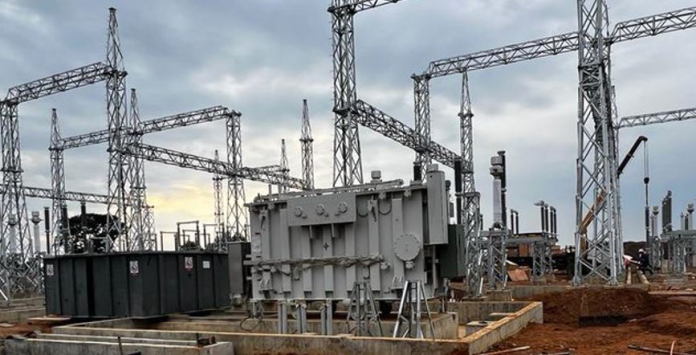
The Ugandan government has announced plans to connect 54,000 new customers in rural areas to the national grid before the end of 2024. This initiative is part of the Uganda Rural Electricity Access Project (UREAP), supported by the African Development Bank and European Union.

“We are in the process of connecting close to 54,000 onto the grid on a single phase, and we shall also consider three phases for those who deal in milling and other businesses, including health centers, schools, and churches, among others,” said Samuel Bishop, UREAP Project Coordinator.

Since its inception in 2015, the project has already connected 87,540 households across 981 villages to the grid.

“The project has been able to extend the grid by about 1,790 kilometers and over 2,600 kilometers of low voltage, which connects from the line to individual customers,” Bishop explained. He added, “We have installed 981 transformers at different load centers, including town centers and villages that have been connected to the grid,” Bishop said.

The government is currently negotiating with the African Development Bank for an additional loan to further expand electricity access. “So far, we have spent over $85 million of the loan, and the remaining 15% of the loan is still outstanding to be paid out as the contractors close out their activities,” Bishop said.

The Uganda Rural Electricity Access Project has made significant progress in bridging the energy gap in rural areas.

Stories Continues after ad

When should one see a spine and orthopedic specialist?

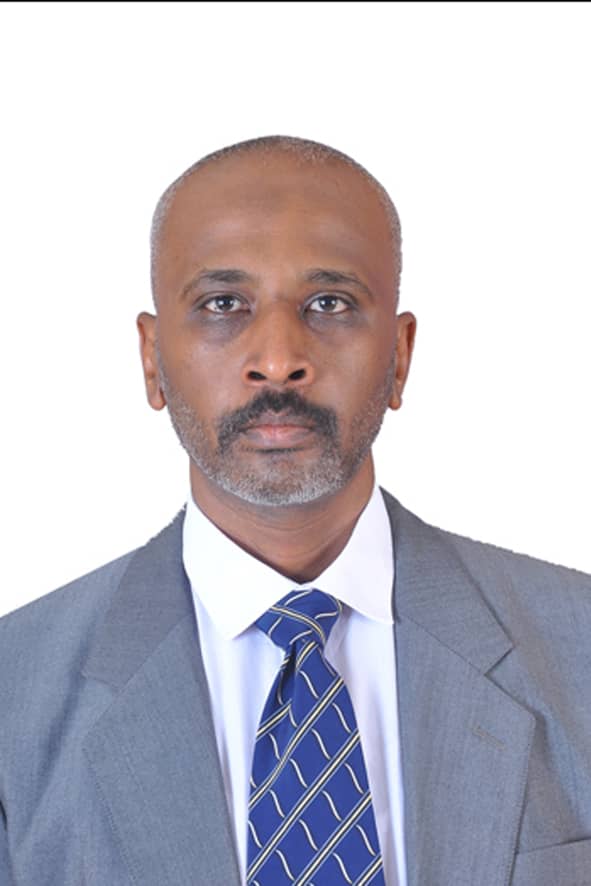
Dr. Muhammad Awad

By Dr. Muhammad Awad

The spine is a complex structure of bones, muscles, tendons, and other tissues that reach from the base of the skull to the tailbone.

It encloses the spinal cord and the fluid surrounding the spinal cord. It is also called the backbone, spinal column, and vertebral column. It supports the head, shoulders, and upper body.

It is, however, affected by a number of conditions that lead to its damage and deterioration. The conditions include tumors, spinal stenosis, herniated discs, abscesses, hematomas, vertebral fractures, and degenerative disc disease.

World Health Organization estimates suggest that in 2021, approximately 15.4 million people were living with spinal cord injury (SCI).

Spinal cord disorders lower one’s capacity to perform daily activities, including walking, using one’s hands, physiological emptying of the bowel or bladder, or washing and dressing oneself.

The limitations are compounded by misconceptions, negative attitudes, and physical barriers to basic mobility, restricting independence and full societal participation.

Restrictions in performing activities and participating in meaningful life areas do not result from the condition itself, but from insufficient or inadequate medical care, rehabilitation, and assistive technology access, a high economic burden, and from barriers in the physical, social, and policy environments.

Knowing when to see a spine specialist can help address issues before they become more serious. Here are some signs and situations that indicate it might be time to consult a spine specialist.

Persistent Pain

Chronic Pain: If you experience back or neck pain that persists for more than a few weeks.

Severe Pain: Pain that is severe and not relieved by over-the-counter medications or rest.

Neurological Symptoms

Numbness or Tingling: persistent numbness or tingling in your arms, legs, hands, or feet.

Weakness: weakness in your limbs, making it difficult to walk or perform everyday tasks.

Loss of coordination: difficulty with balance or coordination.

Trauma or injury

Accidents: After a fall, a car accident, or any traumatic injury to your back or neck.

Sports Injuries: persistent pain or symptoms following a sports injury.

Loss of Bladder or Bowel Control

Incontinence: sudden loss of bladder or bowel control, which could indicate a serious condition like cauda equina syndrome.

Diagnosed Conditions

Herniated Disc: If diagnosed with a herniated disc and symptoms are not improving with conservative treatment

Spinal Stenosis: When diagnosed with spinal stenosis and experiencing worsening symptoms.

Scoliosis: If you have scoliosis and notice worsening curvature or pain.

Post-Surgical Complications

Failed Back Surgery Syndrome: persistent or new pain following spinal surgery.

Pain radiating to extremes

Sciatica: pain radiating from the lower back down the leg, indicating potential sciatica.

Radiculopathy: pain radiating from the neck down the arm, indicating potential cervical radiculopathy.

Difficulty Performing Daily Activities

Functional Impairment: Difficulty performing daily activities due to back or neck pain.

Medical advice and referrals

Primary Care Referral: If your primary care doctor recommends seeing a specialist.

Specialist Opinion: If advised by another healthcare professional to seek a specialist’s opinion.

Red flag symptoms

Unexplained weight loss is accompanied by back pain, which could indicate a more serious condition.

Fever and Infection: Back pain accompanied by fever, chills, or signs of infection.

Treatment is not working.

Ineffective Conservative Treatment: If conservative treatments like physical therapy, medication, or chiropractic care have not provided relief.

Consulting a spine specialist ensures you receive a thorough evaluation and an appropriate treatment plan tailored to your specific condition. If you experience any of these symptoms, it’s advisable to seek medical attention promptly. 

The writer is an orthopedic surgeon at UMC Victoria Hospital.

Stories Continues after ad

Gov’t further pushes the rollout of electronic number plates

Minister of Works and Transport, Gen. Edward Katumba Wamala

Government has further pushed the issuance of electronic number plates, Eagle Online has learnt. The revelation was made by the Minister of Works and Transport, Gen Edward Katumba Wamala.

In July 2021, the government signed a 10-year contract with the Russian firm Joint Stock Company Global Security to implement the Intelligent Transport Monitoring System (ITMS) project.

The proposal was first introduced by President Museveni in his 10-point security measure in the wake of gun violence in the country that saw several Ugandans killed by criminals moving by motor vehicles and motorcycles.

The ITMS project includes the provision of digital vehicle trackers for motor vehicles and motorcycles in a bid to curb insecurity. The project would be implemented in a phased manner.

The roll-out of the project was scheduled for March 1, 2024, but it was postponed to July 1, 2023, due to logistical challenges.

Towards the rollout date of the project on July 1, 2023, the business community led by KACITA petitioned Parliament to halt the exercise, citing a lack of public sensitization and readiness of the public, and also proposed that the exercise begin with the fitment of registration plates on government vehicles.

That led to an extension to November 1, 2023, starting with the fitment of new registration plates to government vehicles; however, the process has been pushed to November 1, 2024, when the government will start issuing registration plates to new motorcycles, and on January 6, 2025, the full roll-out of all categories of vehicles and motorcycles.

By June 26, 2024, a total of 1091 vehicles from various ministries had been fitted with the new registration plates, falling short of the required numbers due to persistent logistical challenges that are slowly being resolved.

Currently at the facility are 107,014 registration plates, along with 3,662 and 17,679 beacons, with more components expected in the country in the next few weeks.

As plans for the establishment of a factory materialize, the service provider, as guided by the government, has set up a facility at Kawempe for local production of registration plates, installed four hot stamping machines and four embossment machines, and will soon receive blank plates and hot stamping materials with security features.

The motor vehicle registration system on ITMS, which includes the booking system, the verification system, and the stock control system, is substantially complete.

Stories Continues after ad

Parliament vets Edward Akol as Auditor General

New Auditor General, Edward Akol.

The Appointments Committee of Parliament has vetted the presidential nominee, Edward Akol as the Auditor General of Uganda.

Chaired by Speaker Anita Among, the committee’s report will be transmitted to the appointing authority. Akol will take over from John Muwanga, who is set to retire.

Muwanga was appointed the Auditor General for a five-year term from 2001 to 2005. He was re-appointed again in July 2007 to date.

Akol joined the Office of the Auditor General (OAG) as an auditor in August 1994. He was promoted to Senior Auditor in July 1999 and accelerated to Senior Principal Auditor in May 2004.

Akol has immense experience in auditing donor-funded government projects. In addition to his B.Com. (Accounting) from Makerere University (1993), he holds a CPA (K) professional qualification and an MBA from Heriot-Watt University-Edinburgh Business School.

He also has certificates in Training of Trainers (OAG, 1997), Foreign Aid Accounting and Auditing (UMI, 2002), Instructional Techniques (AFROSAI, 2002), IT Auditing (AFROSAI, 2001), ADB Project Implementation (African Development Institution, 1999), and Forensic Investigations and Money Laundering (Zambia, 2006).

Stories Continues after ad
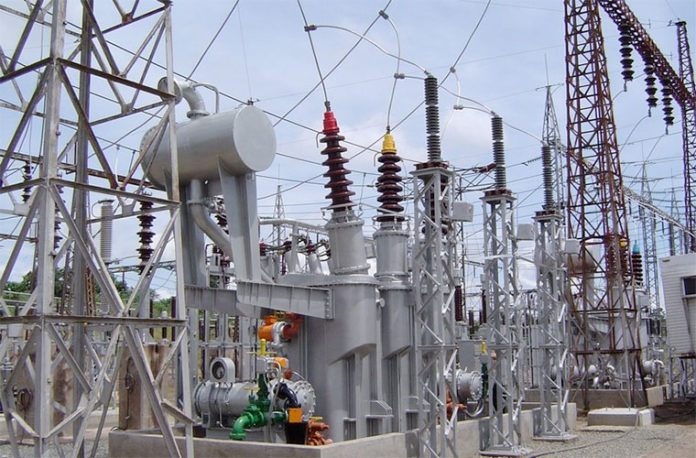
Electricity power station

The Ministry of Energy and Mineral Development is set to host an international power and electricity fair, one of the largest power, energy, electrical, electronics, renewable, and telecommunications international expos in Africa.

“The expo will provide a platform for stakeholders in the power sector to connect, share knowledge, and explore business opportunities. We are committed to promoting sustainable energy development in Uganda, and this expo aligns with our goals,” said Dr. Patricia Litho, Assistant Commissioner for Communication and Information Management at the Ministry of Energy and Mineral Development.

The event, scheduled to take place from July 11-13, 2024, at the UMA Show Grounds in Lugogo, Kampala, will bring together over 100 exhibitors from several countries, showcasing the latest technologies and innovations in the power sector.

“The expo will feature a range of products and services, including power generation, transmission, and distribution equipment, electrical and electronics, lighting, renewable energy technologies, and energy efficiency solutions. We believe this will be a game-changer for the power sector in Uganda,” added Dr. Litho.

The expo aims to secure funding for energy sector projects and promote innovative technologies, awareness, and sustainable collaborations in the power sector.

“We are excited to host this international expo, which will put Uganda on the map as a key player in the power sector in Africa. We expect to attract over 2,000 visitors from across the region, including policymakers, regulators, manufacturers, suppliers, importers, and exporters,” said Mr. Rajesh Gupta, Director of Exhibitions & Trade Services India Limited, one of the organizers of the event.

The event will also feature a one-day conference, the “Power and Electricity Forum 2024,” which will focus on the evolving power sector landscape.

“The forum will feature keynote speeches, panel discussions, and presentations from selected companies. We have lined up an impressive list of speakers, including experts from the Ministry of Energy and Mineral Development, Uganda Electricity Generation Company Limited, and the Uganda National Renewable Energy and Energy Efficiency Alliance,” said Dr. Litho.

The expo is expected to provide a unique opportunity for stakeholders to network, learn about new technologies, and explore business opportunities in Uganda’s power sector.

“We believe that this expo will be a catalyst for growth in the power sector in Uganda. We are committed to creating an enabling environment for businesses to thrive, and we believe that this expo will be a key driver of that growth,” said Dr. Litho.

Stories Continues after ad

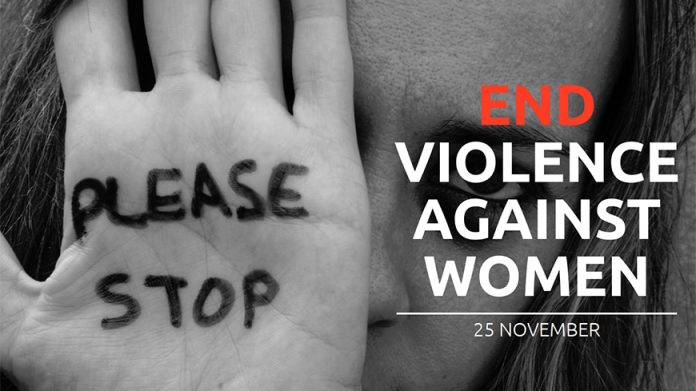
Tech boom fuels online violence against women and girls

Women and girls are disproportionately experiencing violence fueled by the increasing use of technology, with online abuse often spilling over into physical violence, an alarming new report released today finds. 

A more comprehensive understanding of technology-facilitated gender-based violence (TFGBV), its variations across contexts, and demonstrably effective responses to combat it is urgently needed, said Dutch NGO Rutgers. 

Rutgers led the seven-country study together with ABAAD, Equimundo, and Sonke Gender Justice through the global Generation G partnership with youth leaders and civil society to tackle the root causes of gender inequality. The report was launched today at the Human Rights Council (HRC) in Geneva. 

“The digital revolution has been a blessing and a curse,” said Loes Loning, a researcher at Rutgers. “It has transformed societies, reshaping daily life, culture, politics, and economics, but as digital tools evolve, and access expands so too does the potential for people to misuse them. 

“Evidence shows that women and girls are disproportionately experiencing technology-facilitated gender-based violence and that this often spills over into physical violence, with detrimental impacts on survivors’ physical, emotional, and economic well-being, as well as broader social and political repercussions.” 

The data, which involved interviews conducted with people in Indonesia, Jordan, Lebanon, Morocco, Rwanda, South Africa, and Uganda, found widespread links between online violence and the offline world – or an “online-offline continuum of violence”. 

TFGBV was broader than online violence but occurring online and in digital spaces through both old and new technology such as phones, GPS tracking devices, drones, or recording devices not connected to the internet, the report stressed.

 It was the result of various root causes, with the influence of patriarchy, social ideas of morality, and socially imposed gender roles amplifying it. Although survivors are disproportionately women and girls, boys and young men including male family members or friends of women and girls who have experienced it are also affected. 

Far from existing in isolation, online abuse was acting as a springboard for offline gender-based violence including sexual harassment, stalking, and intimate partner violence, leading to a dangerous pattern, the research found. 

“There were threats via WhatsApp but (this) then continued to physical acts such as rape – this is a combination of offline and cyberspace,” a government official from Indonesia said, according to the research.  

In South Africa, one girl was bullied on and off social media before being beaten and having a video of her filmed by school peers publicised. Two days later, after it trended, she killed herself, it said. 

In Morocco, a civil society worker described how “sometimes ex-husbands/partners might use intimate pictures or videos for revenge, to get women to give up custody, alimony, or to ask her for money, property”, the report added.

In some countries, laws against TFGBV clash with other legislation, a phenomenon that the report labelled a “double-edged sword”. They can be used against survivors to charge them for crimes that they are actually the victims of. 

“Laws that are seemingly there to protect victims actually do the opposite,” said Abishiag Wabwire, project coordinator at the Uganda Association of Women Lawyers (FIDA-U). 

“Uganda is one of the few African countries that actually has a law against TFGBV.  However, patriarchal standards and the cyber law that should protect victims are instead being evoked to oppress them and uphold patriarchal standards.” 

Key groups at risk were gender and women’s rights defenders, women in the public eye, children, young people, and LGBTQI+ people, the report found. Women in the public eye, including politicians, journalists, and celebrities, were at a more heightened risk. 

Online abuse causes them to withdraw from professional life, including public service, with appalling consequences for women’s rights, democracy, and gender equality. 

Sheila Kasabiiti, the Programs Manager at Reach A Hand Uganda, said, “Technology offers endless opportunities, but it can also be misused to cause harm. We need to raise awareness about its misuse and the gaps that enable gender-based violence. This will help us push for laws that ensure gender justice.” 

The report calls for collaborative efforts between individuals, NGOs and civil society, governmental entities, and technology companies and platforms such as 

X, TikTok, Facebook, and Meta, to combat TFGBV and to create a safe, inclusive, and equitable online environment.

Stories Continues after ad