Stanbic Bank
Stanbic Bank
23 C
Kampala
Stanbic Bank
Stanbic Bank
Home Blog Page 306

Principal Judge directs Justice Mubiru to clear 170 case backlogs in 60 days

PJ Dr.Zeija

The Principal Judge Flavian Zaija has directed High Court Judge Justice Stephen Mubiru to hear 170 cases before him in the Commercial Court in 60 days.

Principal Judge who is the head of the High Court in his letter says until all the 170 cases are cleared, no new cases should be registered before him.

In a December 01 letter, Dr. Zaija says that after a meeting of heads of High Court divisions and Case Backlog Management Committee, on November 23 and 24, it was agreed that the Principal Judge writes to all High Court judges with pending rulings and judgements after the judiciary received several 

In his letter Dr. Zaija says that Justice Mubiru has the highest number of undelivered rulings as of November 22.

“Therefore, in accordance with Section 20 (1) of the Judicature Act Cap 13, I hereby direct as follows;
1. Your allocated workload at High Court Commercial Division is effective December 05, 2023 restricted to only pending judgments and rulings” he wrote.

He further directed “A Judicial Officer shall promptly dispose of the business of the court…. Whereas a judgement is reserved, it should be delivered within 62 days unless for good reason, it is not possible to do so”

According to current statistics, the judiciary currently faces a backlog of 43,617 cases that have been in the system for many years.

Stories Continues after ad

Parliament approves $150m loan to extend Internet to entire country

Government is on course to digitize the entire country, with every individual able to access the internet, the Minister of Information, Communication Technology and National Guidance, Chris Baryomunsi, revealed.

This plan will be achieved following Parliament’s approval of a government request to borrow US$150 million from the Export-Import Bank of China aimed at connecting all the districts that are not yet connected to the national internet fiber.

“Government has been laying fiber for us to access the internet and has covered 50 percent of the country. This loan is to enable us to extend the internet to the remaining 62 districts,” said Baryomunsi during the plenary sitting chaired by Speaker, Anita Among, on Wednesday, 06 December 2023.

Baryomunsi said that the loan will be focused on connecting government service infrastructures such as schools, health centers, district headquarters, and sub-counties.

Government will also build data banks known as ‘clouds’ where its entities will store their data, he said.

The State Minister of Finance, Henry Musasizi, explained that the loan covers a period of 20 years, at 2 per cent interest.

The Chairperson of the Committee on National Economy, Hon. John Bosco Ikojo, said they supported the loan approval and recommended that the cost of the internet be lowered to increase accessibility.

“The committee noted that although there had been relative investment in this sector, access to the Internet remains inadequate and highly priced by Government and individual users. The committee was informed that the cost of the internet had reduced from US$ 97 per month per megabyte per second in 2016 to US$ 70 per month in 2018,” Ikojo said.

The effect of the high costs of the internet, Ikojo said, has been observed in schools that have failed to teach ICT subjects despite the government policy to integrate such subjects in all learning institutions.

“Some schools have failed to utilize computers due to inadequate internet connectivity effectively. The committee found out that most local governments are not connected to the internet despite government policy to digitize most of the services,” said Ikojo.

The committee also urged the government to urgently implement a rural electrification programme, saying the loan will not achieve its end if there is no electricity as it is in most rural areas.

Several members supported the loan request.  Hon. Timothy Batuwa (FDC, Jinja South Division West) said the loan allows him to introduce a motion urging the government to consider Tele medicine.

“Telemedicine is the technology that would enable us to have a doctor in Kampala treating patients in the most rural parts of the country. This would sort out staffing levels. One needs to install equipment even in the smallest health center, which would be read by the doctor in Kampala,” he said.

Hon. Elijah Mushemeza (NRM, Sheema County South) said the loan has the potential to boost economic growth, noting that several businesses are operated online.

Hon. Moses Ogwal (NRM, Dokolo North County), prayed that the government put ‘internet bars’ in every local government at a much lower cost, targeting the youth.

It was also the desire of the House that the government does not rationalize NITA-U which they said was well aligned to implement the loan.

Stories Continues after ad

Breaking: DRC orders immediate exit of EACRF troops

The democratic Republic of Congo’s (DRC) has ordered for the immediate withdrawal of the East African Community regional Force (EACRF) from the Eastern part of the country.
The decision was reached following, the East African Community (EAC) Chiefs of Defence Forces Staff convened an extra-ordinary meeting in Arusha, United Republic of Tanzania on Wednesday, 6th December, 2023 to address the modalities of the exit of the East African Community regional Force (EACRF) following DRC’s decision not to extend the current mandate, set to expire today.
In a statement released by the DRC government noted that the CDF/S meeting upheld DRC’s decision and recommended to the EAC Defence Ministers that EACRF to officially cease its operations in Eastern DRC, with effect from 8th December, 2023.
“Further, Troop Contributing Countries are to commence the withdrawal of forces from Eastern DRC in line with the adopted plan. Notably, Kenya has already withdrawn 300 personnel with South Sudan expected to withdraw 287 troops by the end of today,” read part of the statement.
The statement added, “Subsequently, the remaining ERACRF troops, including Uganda and Burundi contingents, will continue with their withdrawal and back loading of equipment by air and road respectively, from 8th December 2023 to 7th January 2024. The last component to leave will be the EACRF Headquarters.”
The meeting raised concerns regarding the ongoing clashes in the joint Operation Area where EACRF troops are deployed and urged the Armed Forces of Democratic Republic of Congo (FARDC), M23 and other armed groups to cease hostilities in order to allow the peace processes to continue their mission of finding a lasting solution to the security challenges.
As EACRF prepares to exit from Eastern DRC, the government of DRC has assured the contingents of their commitment to ensure the force enjoys security and necessary assistance during movement to respective transit locations, Goma International Airport and through border posts.
The EAC force was deployed in DRC last year on a mission of pacification and creation of a humanitarian zone.

Stories Continues after ad

Speaker Among flags off teams to represent Uganda at EAC parliamentary games

Members of the Uganda parliament representing the country at the regional EAC games in Kigali 2023.

Speaker Anita Among has flagged off the sports teams going to represent Uganda at the East African Community (EAC) parliamentary games in Kigali-Rwanda.

 Among further asked MPs to ensure that they use the games to widen, deepen and tighten the EAC relationship.

“I want to thank you so much for going for these games, and I want to thank you for the devotion you have put in training every day, you make us proud as Parliament of Uganda, you know the principles of the East African Community, it is to widen, deepen and tighten,” Among said.

Asuman Basalirwa (Bugiri Municipality) MP, who also doubles as Chairperson Parliamentary Sports Club promised to ensure that Uganda defends its title as the champions and ensure that the country’s image isn’t tainted at the games.

“The teams have trained, the coaches have done their best, what we can only promise you is victory. As you flag us off, we want to confirm that we will keep a very good image of the Parliament of Uganda, we will not disappoint you and we will not disappoint our country,” remarked Basalirwa.

Peter Ogwang, Minister of State for Sports informed the Speaker, “We want to promise you that we will win these trophies, we must understand the purpose of these games, and number one is to widen, tighten and deepen the East African Community.”

During Wednesday’s plenary session, Among warned MPs representing Uganda at the East African Games, against shaming their country by sleeping in cheap hotels, saying the $720 (Shs2,719,602) that they will earn as per diem should be enough to get them decent hotels, instead of camping in cheap hotels of $20 (Shs75,533).

“I want to encourage MPs that as you go there, represent Uganda well in terms of discipline. I am giving you money, $720 per day and you go and sleep in a room of $20 that is unacceptable for a Member of Parliament, members go and represent us well, represent us well, do not go and live in a miserable way,” Among cautioned. 

Stories Continues after ad
GA unveils secure your ride campaign with standard motor comprehensive upgrade

Shakira Shamim Mujuni, the Chief Executive Operations of GA Insurance Uganda.

In a bid to enhance road safety and provide adequate protection for vehicle owners, GA Insurance Uganda has announced Secure your ride campaign, the Standard Motor Comprehensive Upgrade. The unveiling took place at the GA Insurance Uganda office in Kampala, marking a significant leap forward in the insurance industry.

Under the theme ‘Secure your ride,’ GA Insurance Uganda is set to redefine the landscape of motor insurance with this comprehensive upgrade. The product not only offers enhanced coverage but also comes with a host of benefits, including a free tracker installation. This strategic initiative aligns with GA Insurance Uganda’s commitment to innovation, customer satisfaction, and overall road safety.

Shakira Shamim Mujuni, the Chief Executive Operations of GA Insurance Uganda, commented that “We are excited to introduce the Standard Motor Comprehensive Upgrade as part of our commitment to providing innovative solutions that prioritize the safety and satisfaction of our clients.”

One of the standout features of this upgrade is the inclusion of a free tracker installation, allowing clients to enjoy a 15% discount as approved by regulatory authorities. This not only translates to significant cost savings for the insured but also reinforces GA Insurance Uganda’s dedication to providing value-added services.

The free tracker installation also provides clients with the invaluable benefit of real-time vehicle tracking. This not only enhances the security of the insured vehicle but also fosters a collaborative effort between GA Insurance Uganda and its clients in ensuring the safety of their assets. Knowing the whereabouts of their vehicle at any given time adds an extra layer of reassurance for the policyholder.

With the Standard Motor Comprehensive Upgrade, clients enjoy elevated policy limits compared to the standard motor comprehensive coverage. This means that in the unfortunate event of an incident, clients will have increased financial protection, offering peace of mind and security that goes beyond conventional insurance coverage.

Designed for Private vehicles with a value exceeding Shs30 million and Commercial Vehicles exceeding Shs40 million, the Standard Motor Comprehensive Upgrade caters to the unique needs of high-value vehicles. This tailored approach ensures that owners of premium vehicles receive specialized coverage that aligns with the worth and significance of their assets.

As GA Insurance Uganda continues to lead the way in delivering cutting-edge insurance solutions, the launch of the Standard Motor Comprehensive Upgrade marks a significant step towards creating safer roads, securing assets, and fostering a culture of responsible driving.

Stories Continues after ad
BoU maintains December lending rate at 9.5% amidst uncertainties in inflation

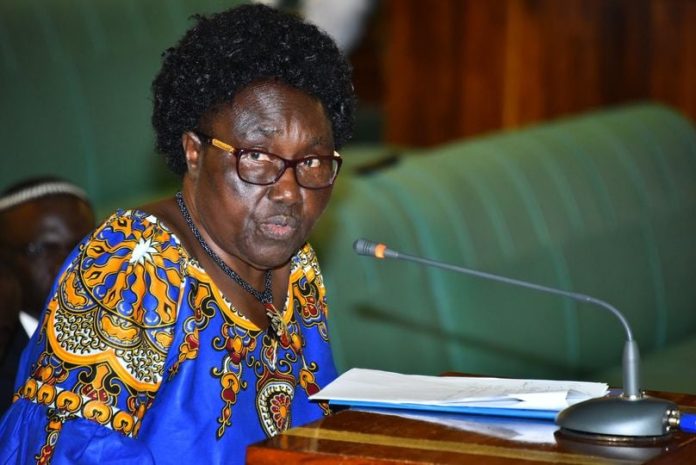
Deputy Governor Dr. Michael Atingi-Ego

Bank of Uganda (BoU) Monetary Policy Committee (MPC) has maintained the December Central Bank Rate (CBR) at 9.5% amid uncertainties in inflation.

Addressing journalists in Kampala on Wednesday, December 6, 2023, Deputy Governor Michael Atingi-Ego said although the outlook for both inflation and economic growth is favourable, the MPC noted that inflation has bottomed out, with significant uncertainties on the horizon.

“Therefore, keeping the CBR unchanged is necessary to anchor inflation around the target in the medium term, while at the same time supporting growth in private sector investment and socio-economic transformation,” he said.

“Consequently, the MPC decided to maintain the CBR at 9.5%, the bands on the CBR at +1-2 percentage points and the margins on the CBR for rediscount and bank rates at 3 and 4 percentage points, respectively. As a result, the rediscount and bank rates will remain at 123% and 13.5%, respectively,” he added.

According to UBOS, headline inflation increased slightly in November 2023, to 2.6% from 2.4% in October 2023, while core inflation remained unchanged at 2.0%.

The Deputy Governor said the medium-term inflation forecast for December 2023 shows that the inflation outlook remains unchanged compared to the October 2023 round of forecasts.

“Inflation is projected to remain below 5% in the near term but return to the target in the medium term. Indeed, core inflation is projected to average 2.5 to 3.5 % in FY2023/24, up from 2 to 3 % in the October 2023 forecast round. The upward revision for FY 2023/24 reflects a higher path for energy prices in the short term,” he added.

Dr Ego also said inflation outlook is subject to elevated risks.

On the upside, he said, the current geopolitical conflicts could escalate and feed into higher international oil prices passing through to domestic pump prices and renewing supply chain disruptions. Furthermore, volatility in global financial markets could increase, triggering an increased outflow of capital and exacerbating the depreciation of the shilling. On the downside, global inflation could decline faster leading to much lower imported inflation. In addition, current rains could result in bumper harvests, pushing down further food crop prices.

However, he said although the domestic monetary conditions remain tight, the current investment activities in the oil and gas sector, higher regional demand for exports on the back of expected higher growth in most of the Sub-Saharan African countries, resilient remittances and tourism Inflows are expected to support economic growth.

“In addition, the low inflationary environment will support a recovery in household real incomes, spurring consumer spending. Indeed, the Composite Index of Economic Activity (CIEA), a high-frequency indicator of economic activity, grew strongly at an annualized rate of 6% in the three months to October 2023,” he added.

Economic growth is projected at 6% in FY 2023/24 and increase to between 6% and 7% in the medium term.

The growth outlook is, however, subject to uncertainties, including slower than expected global and regional growth; a resurgence of supply chain distortions if the geopolitical tensions escalate, tighter fiscal policy in part due to unfavourable global financial markets, which could restrict government development expenditure, tighter credit conditions constraining household consumption and private sector investments.

Stories Continues after ad

Media Dynamics in Uganda; Bridging Divides in the Digital Era

Christopher Burke

By Christopher Burke

Uganda’s rich tapestry of media outlets paints a complex picture of diversity, challenges and opportunities in the ever-evolving landscape of information dissemination. Even a cursory examination of Uganda’s dynamic media environment reveals deep divides between urban and rural areas and the associated demographic differences heavily influenced by the disproportionate number of young people referred to as the youth bulge.  Over three quarters (78 per cent) of the population are below the age of 35. Another important characteristic is the relatively low penetration of internet and social media across the country.

Uganda’s media landscape comprises a variety of platforms, each resonating differently across the diverse tapestry of the nation. FM radio stands as a key protagonist and plays a vital role, especially in rural areas where access to technology remains limited. Television, on the other hand, has experienced growth spurred by the availability of affordable TV sets, developments in electrification across the country and improvements in signal penetration related to the digital migration implemented in 2015. Print media however, continues to face challenges as digital platforms ascend to prominence.

Statistics provide an informative glimpse into Uganda’s media ecosystem. The country today boasts 253 operational FM radio stations, 67 TV stations and three digital terrestrial stations. These digital terrestrial stations, broadcasting television signals using digital technology, highlight the ongoing technological transition. Print media comprises three daily newspapers, three weeklies, three prominent regional newspapers and three tabloids.  Print media remains strong in urban areas, but the daily circulation numbers of some papers has dropped by up to 50 percent over the past decade due to the growth in digital media.  Within this mosaic, over 20 magazines contribute to the visual landscape, complemented by more than a thousand billboards managed by three leading suppliers.

Internet penetration stands at only 24.6 percent of the population in 2023. Moreover, only 2.05 million Ugandans access social media regularly representing a meager 4.3 percent of the population.  This leaves a very significant 95.7 percent of Uganda beyond the digital realm. This digital divide is a palpable reality and not only influences the consumption of information consumption, but societal participation.  

The differentiation across urban and rural areas is a critical factor that cannot be overlooked. In rural regions, where internet access is relatively limited the influence of traditional media, particularly FM radio, remains paramount. People in these areas often find themselves excluded from the rapid flow of information that characterizes the digital age.  People in rural areas are less able to actively engage in shaping public discourse or connect with broader cultural and societal norms.

Conversely, in urban areas where internet access is more prevalent, online platforms serve as powerful mediums for disseminating information, shaping public opinion and influencing policy decisions. The urban populace is often more affluent and is more reliant on social media channels, online news platforms and digital communication tools to stay informed and connected. The speed and reach of information dissemination through these channels provides for more rapid awareness-building and the mobilization of support for various causes.

Opinion leaders in urban areas play a pivotal role in shaping public discourse by leveraging their online presence to advocate for specific viewpoints and endorse particular products and services.  Decision-makers within government and civil society are increasingly recognizing the importance of bridging this digital gap. Efforts are underway to expand internet access and promote digital literacy in rural areas to empower marginalized communities with the tools needed to participate in the evolving media landscape. As these initiatives progress, it is anticipated that the media narrative in Uganda will become more inclusive reflecting a broader spectrum of voices and perspectives.

Uganda’s socio-economic landscape introduces another layer of complexity to this narrative. The National Household Survey 2019/20 reports significant levels of poverty rates.  According to the study 33.8 percent of the rural population and 19.8 percent of the urban population live in poverty. While President Museveni declared Uganda a middle-income country in 2022, the World Bank continues to classify Uganda as a developing nation. The economic disparities, coupled with a substantial portion of the population engaged in the subsistence economy underscore the importance of a nuanced media landscape that caters to diverse socio-economic realities.

Literacy is another critical factor in media engagement. A Uganda Bureau of Statistics (UBOS) report from last year indicates an improvement in literacy rates, with approximately 76.5 percent of Ugandans being literate in 2020 up from 74 percent in 2016/17. However, gender dynamics persist with 81 percent of men and 72 percent of women considered literate. This underscores the need for media content that is not only accessible, but also sensitive to diverse literacy levels and gender-specific considerations.

The convergence of traditional media with online platforms is reshaping the landscape. Cognizant of changing audience preferences, newspapers and TV stations are expanding their digital presence. This shift not only broadens the reach of established media outlets but creates new avenues for dialogue. Online spaces allow for real-time interactions and foster a more immediate and participatory relationship between media and consumers. As digital platforms become increasingly integrated into everyday life, media will become more inclusive and accessible.

Uganda’s media dynamics reflect the nation’s diverse fabric encompassing both challenges and opportunities. The differentiation across urban and rural areas, coupled with economic disparities and varying literacy levels and the prominence of the youth bulge necessitates a nuanced approach to media engagement. Ongoing efforts to bridge the digital gap and promote inclusivity in media access hold the promise of creating a more equitable and representative media landscape that resonates with the aspirations and concerns of Uganda’s diverse population, particularly its vibrant youth. Media will only become more important in communicating, educating and shaping narratives across the diverse and dynamic spectrum of Ugandan society.

The writer is the managing director of WMC Africa, a communications and advisory agency in Kampala, Uganda.  He has over 25 years’ experience working on a broad range of issues in social, economic and political development, communications, governance and peace-building based in Asia and Africa. 

Stories Continues after ad

PDM SACCOs banking with Stanbic receive free Flexipay smartphones

Stanbic Bank has intensified its financial inclusion agenda aimed at leaving no one behind, in the journey of transforming netzines into the middle-income status economy.

This transformative assurance was revealed on Wednesday in Namayingo district, Eastern Uganda as the bank rolled out a new initiative aimed at enabling Parish Development Model (PDM) Savings and Credit Cooperative Organization (SACCO) access their money with ease.

The intervention comes on board to solve endless frustrations by PDM money beneficiaries who have consistently been citing challenges of arduous process of accessing funds, long journeys, account requirements, and crowded banks among.

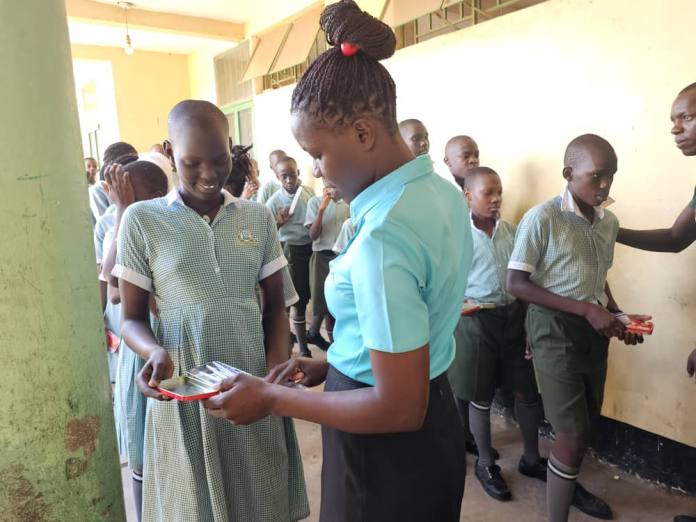
In a quest to offer a solution to these problems, Stanbic Bank has introduced, and distributed 100 FlexiPay integrated Smartphones to PDM Verified SACCOs. The Smartphones will benefit SACCOs in the districts of Kapchorwa, Bukwo, Tororo, Mbale, Kwen, Iganga, Busia, Mayuge and Namayingo.

Speaking on behalf of the Chief Executive Director Anne Jjuuko, John Tumwine the Head of Public Sector Banking at Stanbic said the initiative will move countrywide in order to simplify the government’s efforts ushering the 39% percent of Ugandans into the cash economy.

“The objective of the Smartphones is not only to give back to the PDM SACCOs banking with us, but to also build the groups’ digital capacity and boost their efficiency by way of using FlexiPay to manage its transactions with Sacco Members.

Tumwine added that FlexiPay will enable PDM saccos to improve accountability, bookkeeping, and transparency in member transactions.

“In this specific campaign Over 500 PDM Saccos banking with Stanbic across the country will receive the gadgets. We are doing this because it falls under our purpose, ‘Uganda is our Home, we drive her growth’. It’s within our interest to move this journey with everyone.” He said.

Speaking on behalf of the guest of honour, Lukia Isanga Nakadama, the 3rd Deputy Prime Minister, The Namayingo LV chairperson Robert Sanya, hailed Stanbic for championing the move to digitize PDM money operations, citing that the general public appreciates the bank’s impactful interventions in transforming Uganda into a better place.

He said removing physical cash distribution from the circle is saving the government from unnecessary delays and corruption that had started eating up the great initiative at a tender stage.

“I want to call upon all district leaders and Resident District Commissioners (RDCs) to keenly monitor the operations of all the people in the chain of money so it can reach the last person.  Stanbic has played its part, the monitoring role is ours and we have PDM as a vehicle aimed at bringing the 39% of the poor Ugandans into the money economy.” Sanya said.

Irene Muwanguzi the Deputy Enterprise Director Parish Development Model (PDM) secretariat said that the Stanbic Bank initiative has given hope to Ugandans and the government at large that the program will no longer fail as some people had started claiming.

She said that PDM is aimed towards a social economic Change of lifting 39% (about 3.5 million people) of households from the subsistence to money economy.

Muwanguzi revealed that over One Trillion Uganda Shillings has so far been earmarked to benefit the SACCO and much more is still coming to the people of Uganda from their loving government.

“We have a lot of faith that PDM will eventually contribute to the Uganda Vision 2040 which envisages “a transformed Ugandan society from a peasant to a modern and prosperous country” and hence the realization of the third National Development Plan (NDP III) which prioritizes inclusive growth, employment and sustainable wealth creation at household level. And now with partners like Stanbic Bank on board, all we see is success.” Muwanguzi said.

Richard Othieno, a PDM Sacco beneficiary from Kigulu Island said some of this Initiative saved them the burden and risk associated with carrying liquidity.

“I know of people that were robbed and others even misused the money because it was liquidity. People had never held One Million in their hands, they ended up missing it due to excitement. I’m that this initiative enables us to access money through our mobile phones, and this is saving us a lot of problems.”

He added that his SACCO chose to bank with Stanbic not because they anticipated Mobile phone support, but because they were assured of getting their money because of the availability of more bank branches in the region compared to other banks.

Jackie Abwol, the Stanbic Bank Flexi Pay Manager said the platform is an inclusive portal that supports both internet and USSD Code (*291#) transactions.

“The advantage our people are going to get is that FlexiPay operates beyond PDM money transactions. The same app can be used to make bill payments like electricity, water, TV subscription at no charges. Basically, FlexiPay is an all-in-one digital solution that allows one to live free by making financial transactions convenient, safe, quick, secure, affordable and easy.” Abwol said.

Stories Continues after ad

Sharz Launches the inaugural Annual Education Fair 2024

Sharz Borderless Study Consults today announced its first ever Annual Education Fair that will be held in Kampala on February 29th and March 1st, 2024.

The Fair will be held at Golf Course Hotel in Kampala and is expected to attract hundreds of participants including Students, parents and educators who will participate as exhibitors to showcase their programme offerings for students studying in Uganda.

Educators who have been invited to attend include some of the leading universities in Ireland, Canada, USA, UK, Germany, Malaysia and most other popular study destinations.


“This Fair is open to all University and Colleges, including those that don’t have active partnership agreements with Sharz. We want to avail the best possible study opportunities for students who wish to go and study abroad,” said Hairah Kibuuka, the Managing Director of Sharz.

“We are excited that after all these years of offering customer-focused education placement services, now we have an opportunity to bring students and educators together in one room. We look forward to an exciting experience for our students, partners and the wider public,” she added.

Day Two of the Fair (Friday March 1st) will be held at Rainbow International School Kampala. The Fair is sponsored by the British Council IELTS Programme, Next Media, MTN Pulse, True North, PC Tech Magazine and Eversend.

In addition to attracting hundreds of participants to the venue, Sharz expects to reach thousands of others through media and digital promotional activities, and projects as many as 50 million digital impressions by the time the event is completed.

To register for this event, visit https://sharzconsults.com/fair

Stories Continues after ad

How often should you change your car’s engine oil?

For car owners, the maintenance of your vehicle is not only a matter of pride but a critical factor in ensuring the longevity and optimal performance of your cherished automobile. Among the various aspects of car maintenance, one crucial element that often escapes attention is the regular change and use of lubricants.

Lubricants play a pivotal role in the well-being of your vehicle’s engine. They serve to reduce friction between moving parts, prevent wear and tear, dissipate heat, and contribute to overall engine efficiency. Without proper lubrication, your engine becomes susceptible to damage, leading to costly repairs and a shortened lifespan.

To keep your engine running smoothly, it is imperative to adhere to a consistent lubricant change schedule. The frequency of oil changes depends on several factors, including the type of oil used, driving conditions, and the manufacturer’s recommendations. In Uganda, where the climate can be diverse, and road conditions vary, it is advisable to change your lubricants every 5,000 to 7,500 kilometres or as recommended by your vehicle’s manufacturer.

When considering lubricants, one brand that has earned the trust of car enthusiasts worldwide is Shell Helix. Renowned for its high-quality lubricants designed to meet the specific needs of modern engines, Shell Helix ensures optimal performance and protection.

Recent statistics proudly name Shell as the world’s top lubricant supplier for an impressive 16 years in a row, with Shell Helix leading as the best premium lubricant. Shell Helix has consistently demonstrated superior performance in various driving conditions. Independent tests reveal that Shell Helix lubricants exhibit enhanced engine cleanliness, reduced wear and tear, and improved fuel efficiency compared to competitors. These statistics underscore the brand’s commitment to providing top-notch lubrication for your vehicle.

Shell Helix offers a diverse range of lubricants tailored to different driving conditions and engine types. Whether you are navigating the bustling city streets of Kampala or tackling the challenging terrains of rural Uganda, Shell Helix has a variant that suits your car’s specific requirements. 

Stories Continues after ad