Stanbic Bank
Stanbic Bank
18.7 C
Kampala
Stanbic Bank
Stanbic Bank
Home Blog Page 398

Constitutional amendment: NUP introduces a two five-year term limit to party leaders

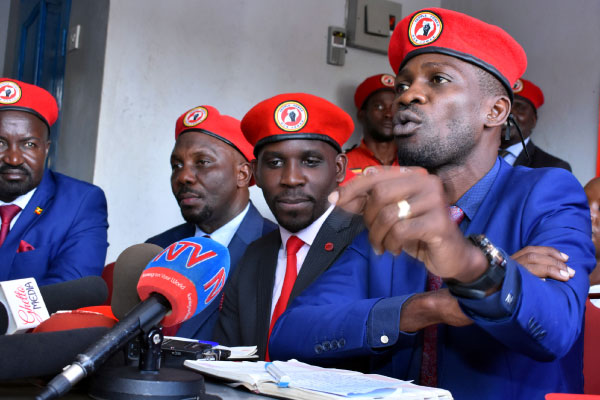
The National Unity Platform party (NUP) has amended its constitution limiting all party leaders and all elected members under the party flag to two five-year terms in the same position.

The announcement was revealed in the ten (10) constitutional amendments reached on April 15,2023 during an extraordinary meeting of its Delegates Conference at the Party’s new premises in Makerere – Kavule.

The party revealed, “The Constitution imposes two five-year term limits on all Party leaders as well as all elected leaders under the party flag. This means that a person cannot be a Party President, Party Chairperson or Secretary General for more than two terms. Likewise, a person cannot be a Member of Parliament or Councilor at the same level under the NUP flag for more than two terms. This provision will be operational beginning with the next elective term.”

However, a person can still be the presidential flag-bearer of the party, even if he or she is no longer the President of the Party. Likewise, term limits do not apply to a person who stands for elections at any level and is not declared a winner, but they apply whenever a person wins an election.

The meeting which was attended by over 66% of its members also passed other amendments as follows;

1) The Constitution eliminates the President and Secretary General’s nominees to a Delegates Conference and expands the composition of the Delegates Conference from the current 150 members to more than 500 members, depending on the number of elected leaders the Party has at the level of MP, Mayor, and Local Government District Chairperson. All NUP District Chairpersons and District Secretaries for Women Affairs are now members of the Delegates Conference. The Diaspora is also represented through the Diaspora Leadership Council.

2) The Constitution provides for a representative National Executive Committee that largely comprises of representatives for special groups, i.e. Women, Youth, Institutions, PWDs, the elderly, professionals and the informal sector.

3) In addition to ordinary membership, the Constitution introduces honorary membership which shall be awarded to not more than three persons in any given year. It shall be awarded by NEC only to persons who have made a contribution to the values and objectives of the Party in a significant manner.

4) The Constitution sets in place structures for the Party from village level to the national level. It establishes Committees and Conventions right form the village to the District, and the District leadership is represented at the Delegates Conference.

5) The Constitution introduces the position of Party Chairperson and Deputy Party Chairperson elected by the Delegates Conference. Their role is to chair the Delegates Conference, carry out some diplomatic functions as mandated and be generally responsible for cohesion and conflict resolution amongst senior leaders.

6) Given the hostile environment under which we operate, the Constitution provides for various options of candidate selection which may include holding party primaries, vetting of candidates or a combination of approaches. In case the Party decides to hold primaries, the Constitution lays down the Electoral Colleges (Party Structures) responsible for election of flag bearers at different levels.

7) The Constitution introduces an Advisory Council comprising of former Party Presidents, Party Chairpersons, Deputy Chairpersons, Deputy Presidents, Secretaries General, former leaders of Government Business or Leaders of the Opposition and all honorary members. The role of the Council is to advise and give guidance on the general direction of the Party at any time.

8) The Constitution introduces 10 departments and corresponding committees, through which the work of the Party is to be done. Whereas the Constitution empowers the President to appoint heads of departments and some other offices within the Party, their appointment (and removal from office) shall be with the approval of the National Executive Committee.

9) The Constitution makes it difficult to amend certain provisions of the Constitution, especially those related to term limits, the mode of election of the National Executive Committee as well as those relating to the dissolution of the Party.

The Party’s Code of Conduct and Integrity Oath are annexed to the Constitution.

Stories Continues after ad

Uganda’s fruit exportation to increase after Uganda Airlines makes direct flights to Europe

Uganda’s exportation of fruits and vegetables to the European Union (EU) is expected to increase once Uganda Airlines starts direct flights to the UK.

According to Odrek Rwabwogo, the chairperson of Presidential Advisory Committee on Exports and Industrial Development (PACEID), the different connecting flights from Uganda have adversely affected the country’s ability to export fruits to EU countries.

“Because it is a landlocked country, Uganda mainly exports fruits and vegetables to Europe by air, into Liège, Brussels and Amsterdam,” Rwabwogo is quoted by Fruitnet as saying in an interview.

“There hasn’t been a direct airline route to the UK for the last six or seven years, but now Uganda Airlines is in the final stages of safety inspections to agree landing rights with Britain. We have aircraft that can transport some 20-30 tonnes on each flight, and we hope this will really strengthen that route,” he added.

Uganda Airlines is set to launch the London Heathrow flights later this year.

The UK Civil Aviation Authority (CAA) has offered the carrier the option to operate flights through intermediate airports in Algeria, Egypt, Kenya, Morocco, Tunisia, or Turkey.

These airports already have existing security ratings from the UK CAA, while delays in commencing a security audit of Entebbe International Airport have been a major hindrance to commence this service.

“We had already set up at the airport, what is left is for us to set up a marketing office and reactivate the slots we had been previously allocated,” the CEO Jenifer Bamuturaki said recently.

Uganda is currently earning about $50 million annually from fruit and vegetable exports but hopes to grow this to about $200 million in the next few years.

Stories Continues after ad

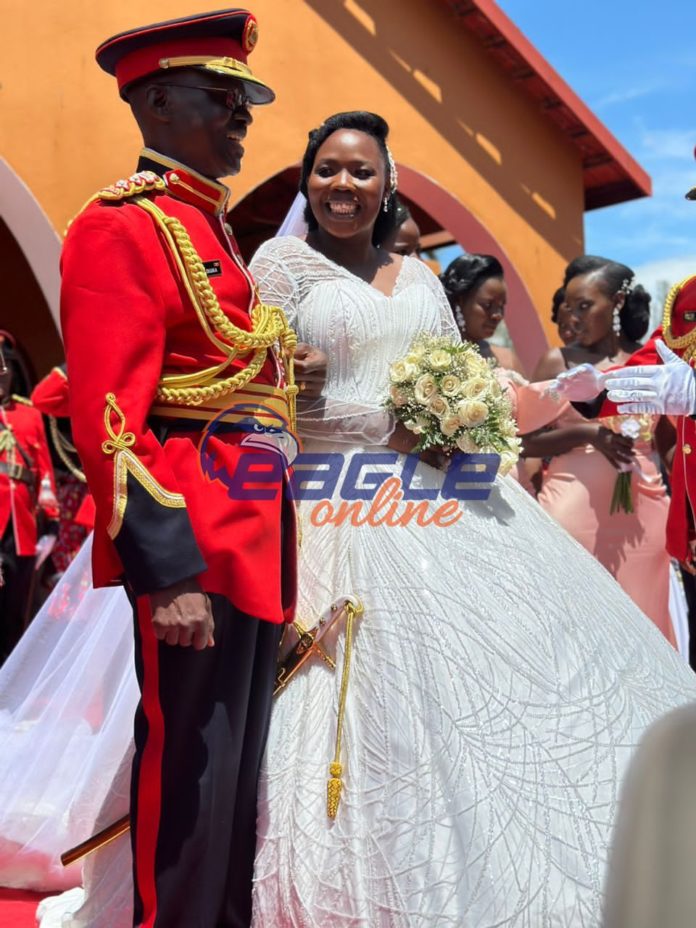
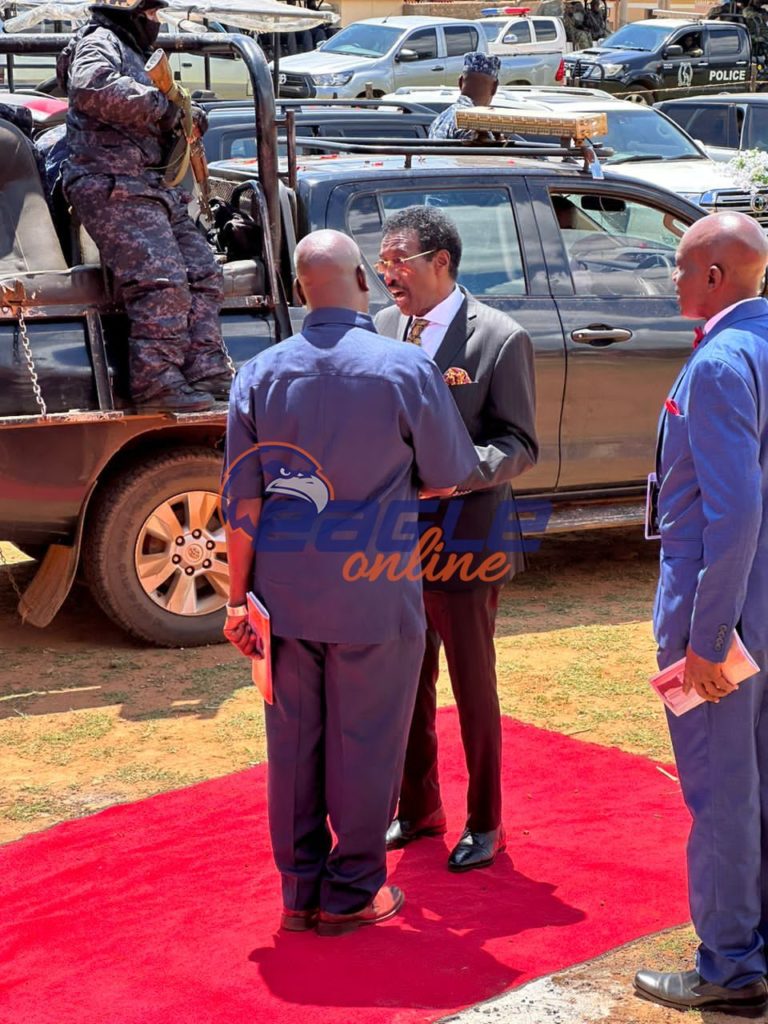
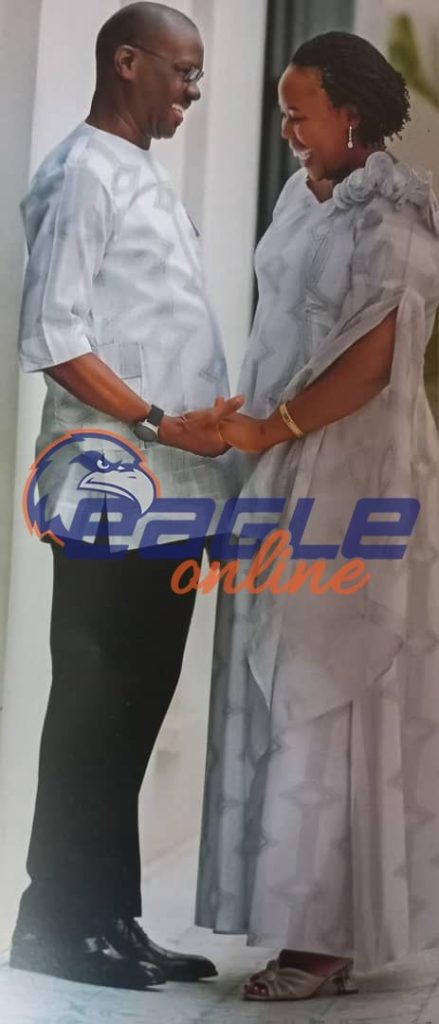
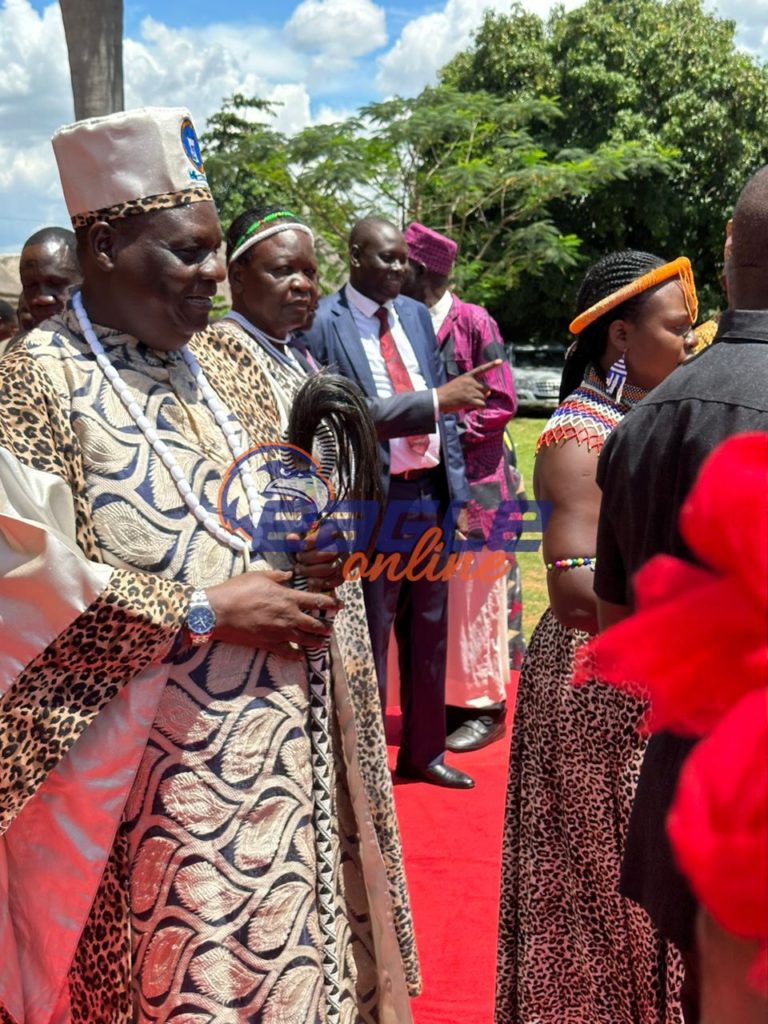
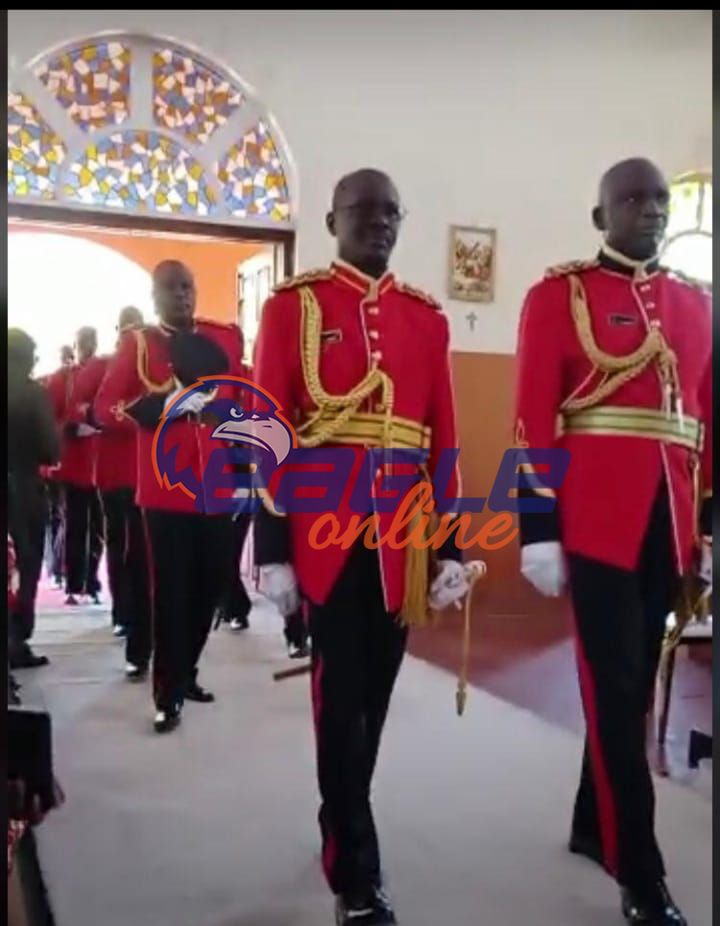
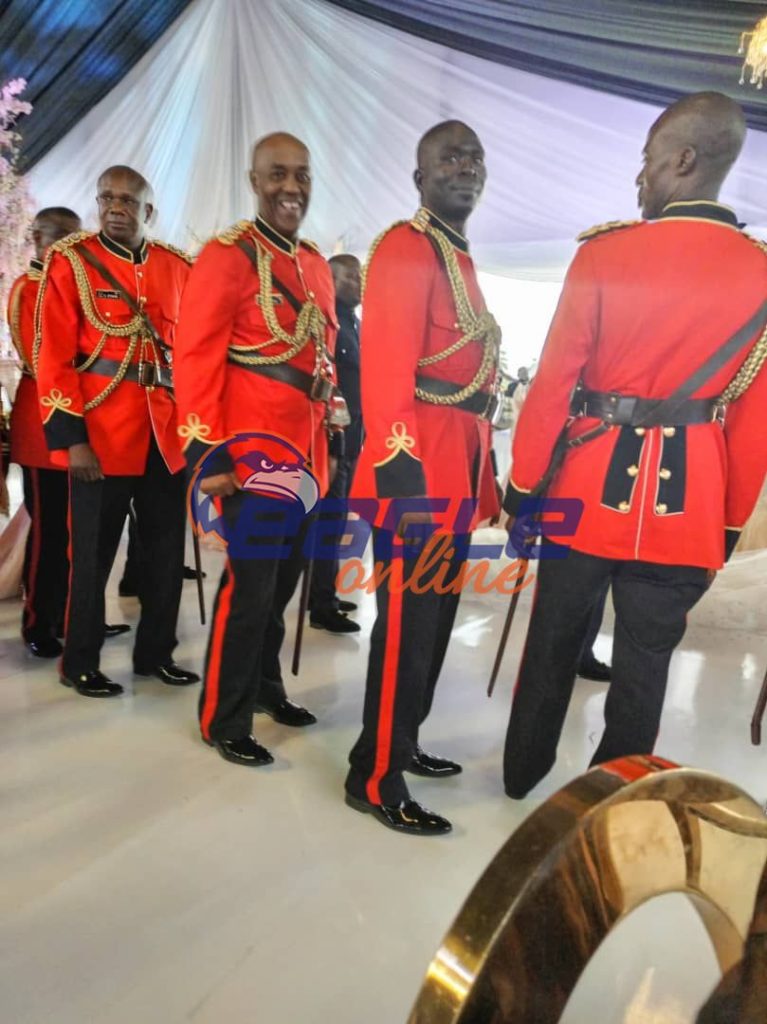
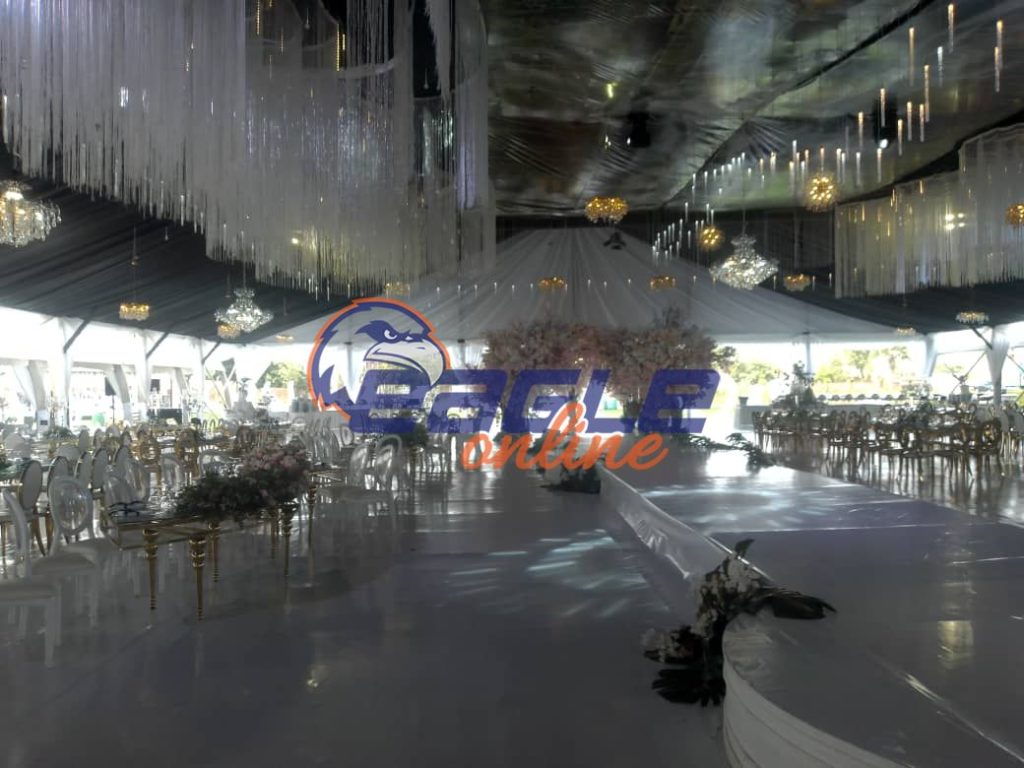
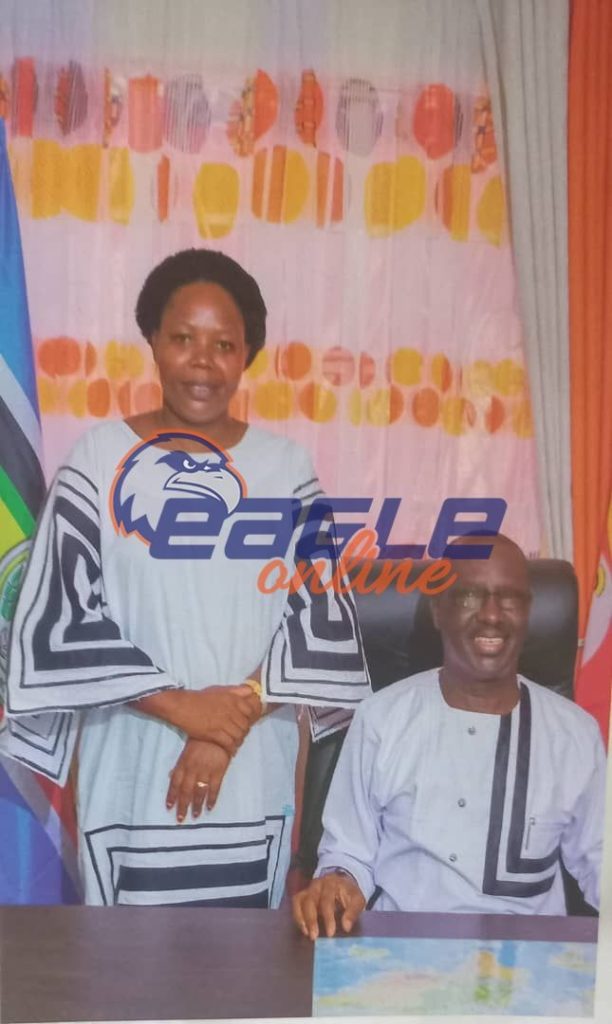
PICTURAL:ISO boss gets married in a colourful wedding function 

Internal Security Organisation Director General Col Charles Oluka walked down the Aisle with his wife at a colourful wedding function held in Soroti district on Sunday. 

Col. Oluka got married to Harriet Akisa and the best man was Lt. Col. Anthony Kyango Wasukira. Later on the spymaster hosted his guest at Soroti Flying School grounds. The President was represented by Vice President Maj (Rtd) Jessica Alupo, former Security Minister, Lt. Gen. Henry Tumukunde.

The function was attended by shots in government and security agencies. Security Minister Maj. Gen. (Rtd) Jim Muhwezi, Presidency Minister Milly Babalanda, State Minister for Finance (Planning) Henry Musasizi, CID director, Maj.Tom Magambo and Members of Parliament from different parts of the country attended the function. Col Oluka’s deputy Lt. Col. Emmy Katabazi plus a host of top ISO directors and operatives.

Also, in attendance was former ISO boss and now Uganda’s Ambassador to South Sudan Brig. Ronnie Balya as well as Teso cultural leader led by Emorimori.

Col. Oluka who has been working with ISO since 1980s is an experienced operative who replaced Col Kaka Bagyenda who was accused of poorly running the intelligence outfit.

Stories Continues after ad

KARAMOJA IRON SHEET SAGA: Minister Lugoloobi remanded to Luzira prison

Minister Lugoloobi in the dock.

The Anti-Corruption Court has charged Minister of State for Finance, Planning and Economic Development Amos Lugoloobi and remanded him to Luzira Prisons until April 20.

Lugoloobi was nabbed last week over allegations related to the mismanagement of iron sheets which were meant for the impoverished people in Karamoja. He reportedly used the 400 iron sheets to roof animal shade at his farm in Bbaale. He is the second minister to be charged over the iron sheets with the first being the minister for Karamoja Mary Goreti Kitutu.

Appearing before Senior Principal Magistrate Grade One, Albert Asiimwe, Lugoloobi was charged with two counts of dealing with suspect property contrary to Section 21 (a) of the Anti-Corruption Act.

Prosecution avers that between the 14th day of July 2022 and 28th February 2023 at the office of the Prime Minister’s stores in Namanve in Mukono district, He dealt with government property- 400 pre-painted iron sheets marked Office of the Prime Minister having reason to believe that they were acquired as a result of loss of public property. The minister however pleaded not guilty to the two counts.

Through his lawyers, Lugoloobi didn’t relent, he applied for bail. Lugoloobi contented that he is suffering from hypertension, Diabetes, and is fresh from a heart surgery which was conducted last year. During his arrest, he had just arrived from Agha Khan Hospital.

Presenting seven sureties who included Namutumba District woman MP Mariam Naigaga; Former State Minister for Health (Primary Care) and EALA legislator James Kakooza; Kiboga County MP Kefa Kiwanuka; Joseph Muvawala, Executive Director of National Planning Authority; Paul Mugamba,  Lugoloobi, Moses Kalangwa the Chairman of NRM Kayunga  district and Martin Ssekajja, his application was turned down.

“I am mindful of the fact that Justice delayed is justice denied and Justice hurried is Justice Barrett. There are several documents that the court cannot analyze now. I want to borrow the interest of both parties and also to ensure that the decision to grant or not grant bail is judiciously arrived at court would require ample time to study the documents and authorities cited by the parties. For this reason, the ruling on this date application is reserved for 20th April 2023 at 12 noon,” he ruled.

Stories Continues after ad

Museveni says Sudan fighting undermines progress made through dialogue

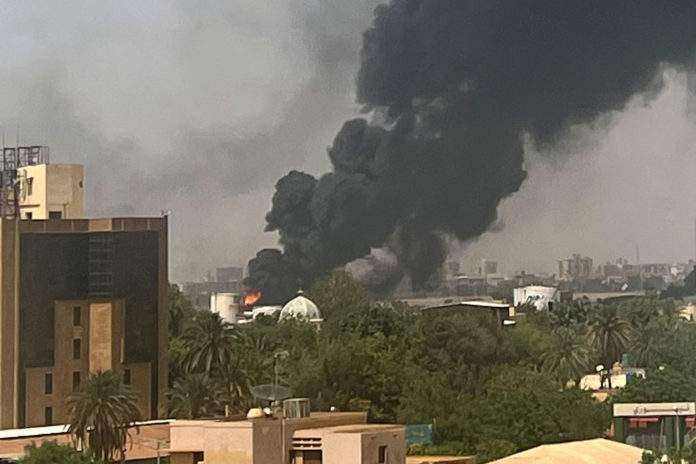
Smoke billows above residential buildings in Khartoum on April 16, 2023. Credit: AFP - Getty Images

President Yoweri Museveni condemned the misuse of force in a situation that undermines all progress made through dialogue over the last many months in Sudan.
Museveni revealed this at an emergency virtual closed meeting of the Intergovernmental Authority on Development (IGAD) member Heads of State and governments to discuss how best to de-escalate the situation & restore calm in Sudan following the fighting between the Sudan Armed Forces (SAF) and the Rapid Support Forces (RSF).

The heads of state expressed deep concerns on the current situation and immediately called for a cessation of hostilities between the two sides.

“We cannot keep papering over mistakes of unprincipled politics year after year. An unconditional and immediate cessation of hostilities to stop the tragedy and mockery of Africa is of utmost importance,” said the President.

The president further said that barring any other illegitimate aim in causing instability, the apparent sticky issue of the time required to implement the merging of warring factions into the National Army, is one that can be determined scientifically, considering known and, or, agreed upon parameters such as health, education, training or age of personnel.

On the concern of the fighting taking place within the populated areas, Museveni said it is irresponsible and should stop immediately as it places a heavy burden on the people and the future of the country.

President Museveni told the delegates that Sudan does not belong to either of the fighting groups, but to the people of Sudan. The ultimate arbitration on political issues and determination of governance should be brought back to the people in an election.

The meeting was attended by Presidents William Ruto (Kenya), Salva Kiir (South Sudan), Hassan Sheikh Mohamed (Somalia), Ismail Omar Guelleh(Djibouti) and chaired by the Secretary of the Intergovernmental Authority on Development (IGAD) Dr Workneh Gebeyehu.

Stories Continues after ad

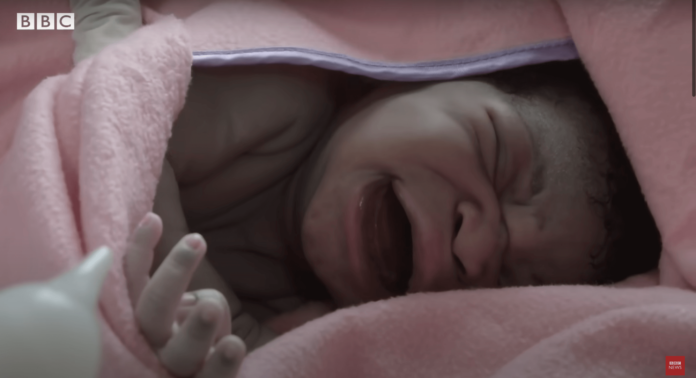
BBC Africa Eye investigation examines horrific cases of child sexual abuse and incest in northern Uganda.

During the pandemic, underage pregnancies soared in Uganda with a 366.5% increase in girls aged 10-14 becoming pregnant.1 The north in particular, has suffered a tragic level of child sexual abuse and incest – which many claim is caused by a legacy of a 20-year civil war led by Joseph Kony and the Lord’s Resistance Army (LRA).

For the BBC Africa Eye investigation, Uganda’s Stolen Innocence, reporter Paul Bakibinga returns to his homeland of Uganda and travels to the north, to investigate the true scale of the problem in the region, and the price of justice for many.

Dr. Baifa Arwinyo, Head of Obstetrics and Gynaecology at Gulu Regional General Hospital, spoke to the BBC about the complexities of underage pregnancies. “From the last financial year’s report, about 23% of our pregnancies were teenagers. If I’m talking of teenage mothers, all of them are defiled.” She added: “Because they are young, their bodies are not developed to handle a delivery. And you’ll find that young mothers are the highest proportion of those dying of obstructed labour.”

In Uganda, defilement is defined as unlawful sexual intercourse with a girl below the age of 18 – the legal age of consent. If a girl is under 14, or her abuser is a carer or HIV positive, or if the accused is a repeat offender, it becomes aggravated defilement. Incest is a separate crime under the Penal Code.

Despite ongoing cases of defilement, the investigation found that criminal convictions remain low due to scarce resources and alleged corruption throughout the justice system.

A mother to a three-year old victim who was defiled by a relative, told BBC Africa Eye of her ordeal to find justice: “The community wanted everything to be kept within, but the police had already been informed and he got arrested.” Despite medical evidence supporting the abuse, the perpetrator was released on bail as the due legal process was not followed properly. The mother did not have the financial means to continue the legal case.

Eunice Lakaraber Latim, legal counsel for NGO Caritas, explained how poverty and corruption have led to an increase in such cases: “Growing up from Gulu, I saw so many children getting defiled, and most of those parents did not have the resources to pursue the justice that their children deserved.” She added: “You have to literally pay your way to get justice. You have to pay money for fuel to have the suspect apprehended.”

BBC Africa Eye also obtained an exclusive interview with Minister of State for Northern Uganda, Grace Freedom Kwiyucwiny who acknowledged wider challenges within the justice system. “I can’t deny corruption…It’s at all levels. We have laws on defilement, we have laws on incest, but somehow again, people just go behind the law and bribe police.” On the level of cases prosecuted she added: “There are cases which have been prosecuted, but the number is not high. From the cases which were reported, only 6% reached court.”

The Regional Police Commander Nachula Damalie denied police corruption but admitted that there were problems in how some cases are dealt with.

Stories Continues after ad

Minister Agnes Nandutu snubs police summons, risk arrest

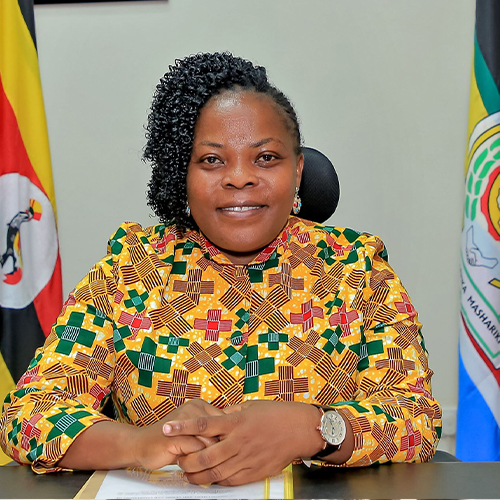
Agnes Nandutu

State Minister for Karamoja, Agnes Nandutu has snubbed the police summons, Eagle Online can reveal.

According to Police Spokesperson Fred Enanga, Nandutu was summoned to appear before Police CID over the mismanagement of iron sheets which were meant for the people of Karamoja; however, he didn’t show up.

“She was summoned to clarify some additional areas of inquiry but she didn’t turn up. I would like to remind all witnesses who are a subject of investigation to cooperate with the task team of Investigators. The information required can either approve or disapprove the allegations,” he said.

At least two Ministers have been charged over the Karamoja iron sheets with the first being minister for Karamoja Mary Goretti Kitutu, and Ntenjeru North MP Amos Lugoloobi.  Enanga however confirmed that another minister had been arrested however he didn’t reveal who.

Individuals who are involved in the scandal include; Rebecca Kadaga, Jacob Oboth Oboth, Hamson Obua, Amos Lugolobi, Matia Kasaija, Speaker Anita Among, Prime Minister Robina Nabanja, Henry Musasizi, Monica Kaducu, Lukia Nakadama and others.

Stories Continues after ad

Uganda, China sign MoU to rehabilitate Tororo-Gulu railway line

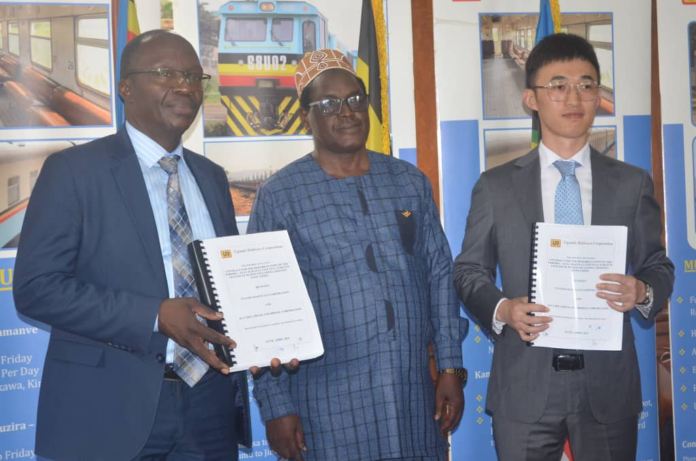
Government of Uganda has signed a Memorandum of Understanding (MoU) with the China Road and Bridge Corporation, (CRBC) to rehabilitate the Tororo to Gulu section of the meter gauge railway line.

This comes days after the company completed the rehabilitation of the Malaba-Tororo stretch which is now operational.

The signing was presided over by Al-Hajji Abdallatiff Dhakaba Wangubo, the Uganda Railways Corporation (URC) board chairperson.

Wangubo expressed satisfaction with the quality and speed of the Chinese company in the completed phase.

He said, “Completing the task within the timeline will save the entity money and other resources, and the project will go a long way in boosting economic activity in the region and also protecting roads from overuse by trucks.”

The 375-kilometer railway line runs through Mbale, Soroti, and Lira before terminating at the Gulu Logistics Hub (GLH), bringing the total distance of the northern corridor so far to more than 700 kilometers.

The rehabilitation works for the Tororo – Gulu line are scheduled to last 24 months, but the contractor is given one more month to organize the needed materials, equipment, and manpower.

The URC acting managing director, David Bulega Musoke, urged the contractor to use the same commitment and complete the project within time, so as to realise the much-needed boost to business in the northern region.

The 199.9 billion-shilling project is fully funded by the government of Uganda, according to Wangubo, as part of the efforts to increase the stock and quality of strategic infrastructure to accelerate Uganda’s competitiveness and create integrated transport infrastructure and services in the country.

He called on the contractor to abide by the local content clauses in the contract. He said that this will help empower Ugandans economically by giving them business but also training them to be able to take on other projects or assignments with URC.

Dai Dexin, the country manager for CRBC, pledged that they will beat the deadline and could finish the project even before the said date.

This, he said, is because URC has been very supportive of all the company’s undertakings which had made it easy for them to accomplish the work accordingly.

 “We will put emphasis on training domestic manpower as a way of transferring technology,” Dai said.

The works will feature drainage improvement, including the construction of new culverts and lining of side drains; earthworks; relocation of utilities, and rehabilitation of five steel girder bridges.

Others are railway track relaying works including ballasting, supply of new railway track materials, refurbishment of existing railway track materials, and construction of level crossings including signage.

Future plans include extending the line to Pakwach in West Nile.

In 2020, European firm Sogea Santon was contracted for the works funded by both the European Union (EU) and the government, but the contract last year ran into funding problems on the part of the government, leading to its termination.

The EU also terminated its grant contract with Uganda which was worth almost Sh100 billion.

Stories Continues after ad

My reflections after the passing of a special friend (Muhakanizi)

RIP Keith Muhakanizi.

The passing of Keith Muhakanizi on April 13, 2023 took from us yet another very experienced and very honest policy economist of our time; a very hard-working man who loved his country so much. When I told Keith that I was going to work for UN in South Sudan, he told me he would not take a job outside of Uganda under any circumstances. He was also a very kind man.

His Professional life:

He was an unflagging and exciting debater especially on economic policy choices. He was forthright and did not shy away from stating his views. As a consequence, he sometimes made enemies because of his straight-from-the-shoulder sincerity. At one point in his service to the nation, he was persona-non-grata to Uganda’s Parliament. He had, it is alleged, been rude to our legislators. He endured.

Keith joined the then Ministry of Planning in 1982 when I first met him. He and Mr. Damoni Kitabire joined the Planning Department which was responsible for Macroeconomic matters (Gross Domestic Product, Balance of Payments, inflation, unemployment, and the like) where they were initially supervised by Mr. Kayuza and Mr. Tebigwayo respectively in the department that was headed by the late Professor Emmanuel Tumusiime-Mutebile as the Chief Government Planning Economist. With the help of their boss and mentor, both Keith and Damoni were sent to Warsaw Poland to undertake further training in National Economic Planning at post graduate diploma level.  Three years later in 1986, Keith and Damoni were again sent to undertake further training at Masters level in Macroeconomics at Manchester and Strathyclde University respectively. Their initial training in approach to economic policy formulation was, I believe, influenced by the late Professor Mutebile. Keith and Damoni worked and related closely; and in fact, Damoni was his best man when he wedded Janet.

Keith was the first of these two policy economists that began their professional life together to be elevated to prominence when he was appointed Secretary to the Presidential Economic Council (PEC) in the early days of the NRM Government. PEC meetings were often long and indeed often ended late at night. I recall that the Ministry was forced to buy him an official vehicle to facilitate his movements at night. I also recall that his work as PEC Secretary often put him in trouble, most probably because he proffered unwelcome advice to PEC members. And at one time, it put him and I together in one of such frequent troubles, when the then Prime Minister directed the Minister of Finance and Economic Planning to have us sacked from the civil service. It didn’t happen.

But PEC meetings served a very useful purpose in those very early days of the MRM Government. PEC meetings provided a forum where the President got to hear and sieve the views of all our policy makers of the time. It is my personal view that PEC meetings provided a forum out of which the decision to merge the then two Ministries of Finance on one hand and Planning and Economic Development on the other was conceived. Keith, the late Professor Mutebile and the late Mayanja Nkangi were some of the key persons in providing raw material from which the decision was made.

Indeed, after the decision was made in early 1992, Hon. Nkangi was appointed Minister and Professor Mutebile was appointed PS/ST. Keith was appointed Economic Advisor. To be very honest, up until then, Uganda’s economy was in a very bad shape. These gentlemen turned the economy round in record time. In seven years after 1992, Uganda’s GDP more than trebled.

Keith served as Economic Advisor to the Minister and later as Commissioner for Economic Development Policy, Director / Budget, Director / Economic Affairs, Deputy Permanent Secretary / Secretary to the Treasury (PS / DST) and Permanent Secretary / Secretary to the Treasury (PS /ST).   

Keith played a major role in achieving and maintaining macroeconomic stability, liberalizing the exchange rate and trade policy. As Secretary to the Treasury, and in partnership with Bank of Uganda, which he also served as a Director, he has been involved in reforming the financial system, liberalizing the financial markets and strengthening prudential regulation. These are, of course, only some of the concrete achievements to which Keith made a vital contribution.

His social life:

Keith is a Ntare School alumnus. He lived in Bugolobi flats during the early 1980s and liked to socialize with Justice Wilson Kwesiga, a teetotaller like Keith; and the late Stephen Zindonda and late Ben Zindonda who were all from Ntare School.

During our interactions socially, he exhibited a penchant for daring and fearless characteristics at a time when our political divisions dictated a lot of carefulness. He didn’t drink alcohol but enjoyed the company of these above-mentioned gentlemen even in the Middle-East where we used to spend late evenings. He never consumed alcohol until the l990s when the late Charles Twinomusinguzi and I literally forced him in Kampala Club.

Keith was daring, often fearless, but a positive personality who lit up any group in which he participated be it political discussions in Middle East, in the boardroom at work, in Parliament or indeed in Kampala club. On the night of his elevation to the office of PS / ST, I had already returned to Uganda after my service to the UN in South Sudan. He picked me from the Golf Club that night to serve as his choice for best man during the party that was provided to him by the Goat Club of Kampala Club.

I am very grateful I met Keith. He warmed up to many and was very generous. He did for me anything I requested him to; but I also know that his NO was final.

We will deeply miss the brilliance of his insights, and his challenges to conventional political and economic thinking———but most of all, his friendship and the pleasure of his company.

He did his last lap with his devotion to public duty undimmed. For those of us who were close, he made us very proud. Our caps are doffed as we cherish his memory.

Fare-thee-well my friend and rest in peace Keith.

Francis Tumuheirwe

Stories Continues after ad

Retired Justice Musalu Musene passes on

RIP Justice Musene

Retired High Court Judge Wilson Musalu Musene is dead. The judiciary has announced.

“This is to announce the death of retired Judge of the High Court Wilson Masalu Musene that occurred this evening in Mbale. Funeral arrangements to be announced later” reads the statement posted on the judiciary social media platforms.

Musene died last evening at Mbale Referral Hospital. He had retired in 2021 after clocking the age of 65. At the time of his retirement, he was a residential Judge in Soroti.

Musene was in 2020 sanctioned by the United States government, through the US Department of Treasury, imposed financial sanctions and visa restrictions on him among other top dignitaries.

Stories Continues after ad