Stanbic Bank
Stanbic Bank
26.4 C
Kampala
Stanbic Bank
Stanbic Bank
Home Blog Page 503

Uganda’s GDP growth slows to 4.9% as import taxes decelerate

Uganda’s real GDP expanded 4.9% in the second quarter of the year, marginally weaker than the previous quarter’s 5.1%, following a marked moderation in import taxes, according to the SSA Macroeconomics Research Instant Insights Report released by Absa Group dated 13th October.

Remarkably, all major sectors showed improved growth from the previous quarter, but the deterioration in taxes & subsidies overshadowed these performances.

“Taxes & subsidies rose by 0.7% in the second quarter compared with the 21.8% increase in the first quarter of 2022 and the 48.4% surge in the second quarter of the previous year (Q2, 2021). Uganda Bureau of Statistics (UBOS) provided no detailed explanation but did attribute the muted rise to import duties. And while there are likely to be other factors at play such as volume effects, the strong base effects also contributed to the marked slowdown in the pace of growth in import taxes,” said Ridle Markus, Absa Corporate and Investment Banking Macro Economist, Sub-Saharan Africa.

Data from the report indicates a 9% growth in agricultural production during the second quarter of 2022, attributed to an increase in food crop growing activities. Output in the services sector grew 2.6% in Q2, up from 1.7% in Q1 as information & communication, finance, administrative & support services, public administration, and health – all delivered improved performances from the prior quarter.

“After averaging growth of 5% in the first half of 2022, we expect the pace of growth to slow in the second half as households navigate a higher inflation and lending rates environment. We expect inflation to rise further, peaking only in the first quarter of 2023, while further policy rate hikes of at least another 150bp remain likely, in our view. Households will have to navigate a high inflation and lending rates environment, which will impact their purchasing power and increase the cost of credit. Sentiment indicators suggest that economic activity is likely to have slowed in the third quarter, with the Business Tendency Index declining in the first two months of Q3 to 52.8 in August from 58.4 in June as businesses became less optimistic about the economic outlook,” Ridle said.

Headline inflation accelerated to 10.0% year on year in September, while core inflation drifted further away from the central bank’s 5% target, surging to 8.1%. The Bank of Uganda (BoU) has in turn raised the policy rate by a cumulative 350bp year-to-date to stem inflationary pressures.

According to the report, higher borrowing costs are already impacting the supply and demand of credit, with private sector credit extension slowing to 8.8% in July, following a 2022 peak of 9.7% in May.

“While the PMI posted a recovery in September, it averaged 50.1 for the third quarter, lower than the second quarter’s 52.1 average. This supports our view that the pace of GDP growth is likely to have slowed further in Q3. Also concerning is that despite the recovery in the PMI in September, firms reported a further reduction in staff levels – a negative for household consumption,” Ridle added.

While agriculture output in the first half of 2022 was better than in the first half of 2021, adverse weather conditions remain a concern. According to Reliefweb, bimodal areas in Uganda have received some rainfall since late July, which prompted early planting for the second season. However, cumulative rainfall has remained below average. They further reported that some parts of the country experienced heavy rainfall, with over 12,000 people affected by floods and landslides. There is also a rising concern of another below-average rainy season from September to November, which could constrain crop and livestock production and be a drag on growth.

“Looking ahead, we expect economic growth to average 4.3% for the full year compared to 2021’s 6.0%, 0.3 percentage points lower than our previous forecast. Our estimate is marginally lower than the IMF’s 4.4% forecast but higher than the BoU’s 2.5-3.0% projection. The growth outlook remains highly uncertain and fraught with downside risks stemming from slowing global growth, tighter financial conditions and adverse weather conditions,” Ridle concluded.

Stories Continues after ad

Museveni tells IGG Kamya and ULC boss Byenkya to reconcile

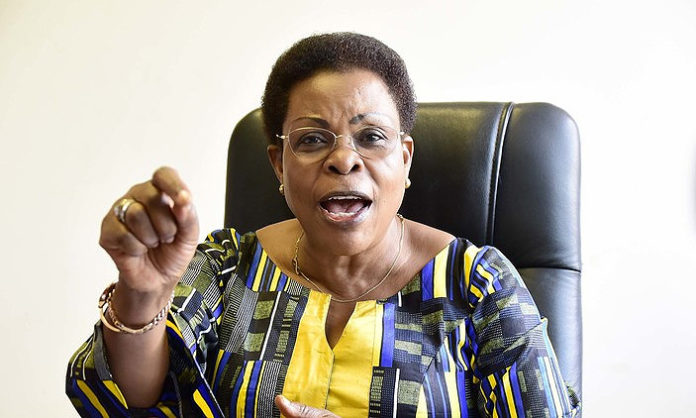
IGG Beti Kamya


President Museveni has told the Inspector General of Government (IGG) Betty Kamya and Uganda Land Commission boss Beatrice Byenkya Nyakaisiki to reconcile over “letter wars”.

“I have received your letter of 19th September 2022, informing me of the battles with your sister the inspector General of Government Hon. Betty Kamya,” Museveni wrote in a letter to Beatrice Nyakaisiki.

“By copy of this letter, I direct my lawyer Flora Kiconco, to interact with you and Hon. Betty Kamya, and informally give me a legal opinion. Thereafter, I would like to meet both of you and discuss this letter war.”

The wars between the two started when Byenkya accused Kamya of interfering in the works of the Land Commission prompting the mismanagement of the 50 acre controversial Nakawa-Naguru land.

According to Byenkya, Kamya and her deputy Persis Namuganza usurped her powers and used Shs12.1 billion to selectively compensate land owners, while the rest were ignored.

Kamya argued that Byenkya is a difficult person to work with, instead insisting on dealing with the president directly.

Byenkya also accused Kamya of conveniently refusing to work with her only during the Nakawa- Naguru Land compensation matter.

Lands Minister Judith Nabakooba suspended Byenkya in October 2021 over allegations of abuse of office and misconduct and asked IGG Kamya to investigate Byenkya.

Byenkya was arraigned before Anti- Corruption court in January this year and charged with obstruction of a search and abuse of office. She was granted a Shs4 million bail.

Stories Continues after ad

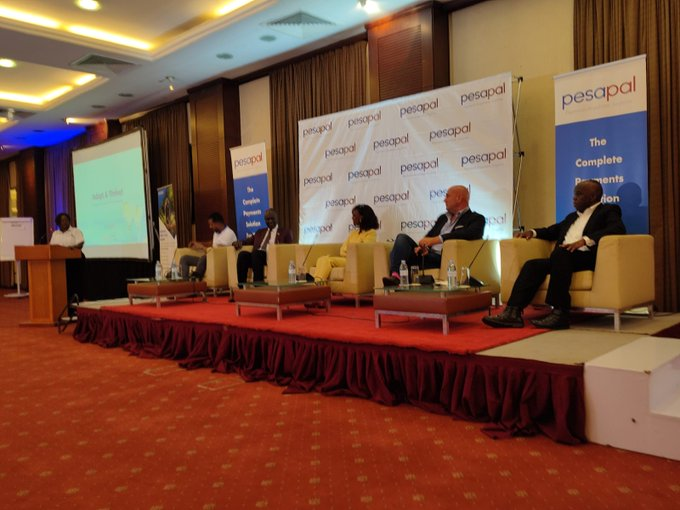
Experts in e-payment systems tip hoteliers on the benefits of embracing technology

Experts in electronic payment systems had urged hoteliers, hospitality and travel business entrepreneurs to embrace technology to suit customers’ needs and expectations.

Speaking during Pesapal Hospitality Event which was held under the theme; Adapt and thrive, harnessing technology in travel and hospitality Martin Barungi, the Director, of Pesapal Uganda Limited guests has since moved to online systems.

“As a hotelier, to remain relevant you have to emphasis on security as guests have moved to online systems and they need to feel safe when transacting with you,” he said.

 He said it’s never a single technology that changes everything because technologies are always interdependent with other technologies. And sometimes when a few amazing technologies converge, it’s enough to completely transform society.

Pesapal in Africa is one of the leading online and in-person payment providers for businesses and individuals. It provides a simple, safe, and secure way for individuals and organizations to make accept and manage payments in Africa.

“Our work as Pesapal is to make sure our merchants adapt and thrive when it comes to payment solutions. Pesapal is an Oracle Validated Reseller. Now you can get the hotel Property Management System (PMS), Restaurant POS directly from Pesapal,” he said.

Isao Otika, Technical Director of Pesapal Uganda Limited said Digitizing your business allows you to focus on what you do best. Delivering great customer experiences. Employ an online booking system on your website to lock your customers in instantly and allow them to pay conveniently.

Technology is flexible, and it can always be changed to fit an organization. To support our merchants during the pandemic we built solutions such as Reserve port and Pesapal Mobile App which ensured business continuity.

“We have fully embraced digital technology as a result of lessons learned from the Covid-19 pandemic,” Bradford Ochieng, Deputy Chief Executive Officer, of the Uganda Tourism Board (UTB) said

“The more travel is integrated, the better for us. When payment is integrated, the traveler will benefit more. The travelers these days want quick, easy, seamless modes of payments,” he said.

Stories Continues after ad

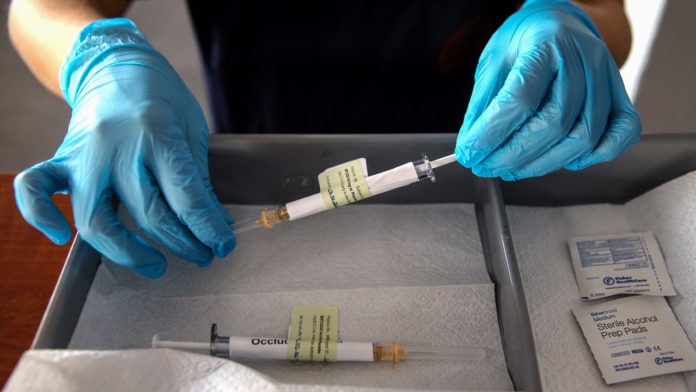
#Covid-19 vaccination roll-out stagnates in Africa

A health worker gets ready to vaccinate.

Covid-19 vaccination coverage has stagnated in half of the African countries, while the number of doses administered monthly declined by over 50% between July and September, a World Health Organization (WHO) analysis finds. Although Africa is far from reaching the year-end global target of protecting 70% of the population, modest progress has been made in vaccinating high-risk population groups, particularly the elderly.

The WHO analysis shows that the percentage of people with complete primary vaccination series (one dose for Johnson and Johnson and two doses for other vaccines) has barely budged in 27 out of 54 African countries in the past two months (17 August – 16 October 2022). In addition, on September 23 million doses were given, 18% less than the number registered in August, and 51% less than the 47 million doses administered in July. The number of doses provided last month is also about one-third of the peak of the 63 million doses reached in February 2022. However, there are signs of improvement this month, with 22 million doses given as of 16 October 2022, representing 95% of the total administered in September.

Overall, as of 16 October 2022, just 24% of the continent’s population had completed their primary vaccination series compared with the coverage of 64% at the global level. Liberia has now joined Mauritius and Seychelles as one of three countries to surpass 70% of people with full vaccination coverage. Rwanda is on the verge of achieving this milestone as well. Other small signs of progress are that the number of countries with less than 10% of people completing their primary series has dropped from 26 in December 2021 to five now. Despite these achievements, at the current pace of vaccination, Africa is expected to meet the global target of 70% of people with complete primary vaccination series by April 2025.

“The end of the COVID-19 pandemic is within sight, but as long as Africa lags far behind the rest of the world in reaching widespread protection, there is a dangerous gap which the virus can exploit to come roaring back,” said Dr Matshidiso Moeti, WHO Regional Director for Africa. “The biggest priority is to shield our most vulnerable populations from the worst effects of COVID-19. On this front, we are seeing some progress as countries step up efforts to boost coverage among health workers, the elderly and those with compromised immune systems.”

Based on data from 31 countries, by 16 October 2022, 40% of African health workers had completed their primary series. This latest data uses country estimates of population size instead of previous figures which used International Labour Organization estimates of the health workforce. In 15 of these countries, more than 70% of health workers have been fully vaccinated compared with 27% at the beginning of the year. Thirty-one percent of older adults (between 50 and 65 years and older depending on country-set age limits) have been fully vaccinated according to data from 27 countries, an increase from 21% in January 2022.

While difficult access to doses undermined vaccination efforts in 2021, these issues have been largely resolved with countries on average receiving 67 doses per 100 people compared with 34 doses per 100 people at end of 2021 and 13 doses per 100 at end of September 2021. The continent has received 936 million vaccine doses, 62% of which came from the COVAX Facility.

“After a bumpy start, the COVAX partnership has assured a steady pipeline of COVID-19 vaccines to Africa,” said Dr Moeti. “Now, we are a victim of our own success. As vaccines have helped bring the number of infections down, people no longer fear COVID-19 and so few are willing to get vaccinated.”

Mass vaccination campaigns have been instrumental in boosting COVID-19 vaccine coverage, contributing to 85% of total doses administered in the African region. However, in the past few months, the number of people vaccinated has dropped significantly while the operational costs per person keep increasing. This decline in effectiveness is due to sub-optimal planning and preparations, especially at the sub-national levels.

“COVID-19 vaccination campaigns are quick operations and are only effective with good planning,” said Dr Moeti. “I urge countries to make our goal of reaching every district a reality by improving preparations for vaccination campaigns.”

Vaccine hesitancy and a low-risk perception of the pandemic, notably with the recent decline in cases are also dampening uptake. Over the past 12 weeks, Africa has recorded the lowest case numbers since the start of the pandemic. In the week ending on 16 October, 4281 new cases were reported, representing 1.3% of the peak of the Omicron-fuelled surge reached in December 2021. No country is currently in resurgence or on high alert and deaths remain low across the region, with a case fatality rate of 2.1%.

The response to multiple public health emergencies is also affecting COVID-19 vaccine rollout. Outbreaks of polio, measles, yellow fever and now Ebola have shifted priorities in the affected countries.

To assist countries to intensify vaccination efforts, WHO in Africa has embarked on a raft of measures including supporting countries to assess the preparedness for vaccination campaigns at provincial and district levels, tracking vaccination among priority groups, carrying out high-level advocacy to boost uptake, helping countries integrate COVID-19 vaccines in other planned mass vaccination campaigns as well as deploy surge missions to countries to improve quality of vaccination drives.

Stories Continues after ad

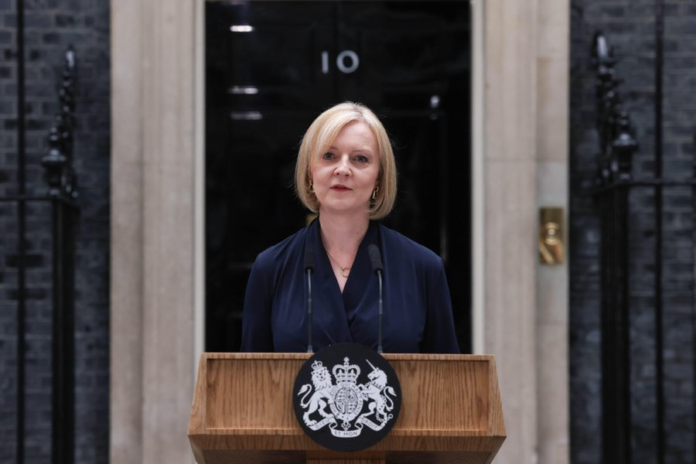
Liz Truss resigns as UK Prime Minister

Liz Truss

Liz Truss has dramatically resigned as the UK prime minister after just 45 days in the job.

The PM said her successor will be elected in a Tory leadership contest, to be completed in the next week.

Tory MPs urged Ms Truss to go after her government was engulfed by political turmoil, following the ditching of most of her economic policies.

Her resignation comes after a key minister quit and Tory MPs rebelled in a chaotic parliamentary vote.

Ms Truss was elected by the Tory membership in September, but she lost authority after a series of U-turns.

In a speech outside Downing Street, Ms Truss said: “I recognise that I cannot deliver the mandate on which I was elected by the Conservative Party.”

Ms Truss said she would remain in post until a successor formally takes over as party leader and is appointed prime minister by King Charles III.

Ms Truss – who took office 44 days ago – will become the shortest-serving PM in British history when she stands down.

Labour leader Sir Keir Starmer called for an immediate general election following Ms Truss’s resignation speech.

Stories Continues after ad

Stanbic Uganda, Autochek partner to provide affordable vehicle finance for local businesses

Stanbic Uganda, Autochek partner to provide affordable vehicle finance for local businesses

Local businesses seeking to boost their field operations can now benefit from affordable vehicle financing options courtesy of a new partnership between Stanbic Bank Uganda and Autochek, a Pan-African auto-dealership company.

The offer which also extends to individual buyers enables customers of Stanbic Bank Uganda to acquire new or used vehicles of their choice, for personal or commercial use, through Autochek’s digital platform with over 50, 000 verified and high-quality vehicles.

With an inbuilt auto-loan system, the Autochek platform enables a customer to search for a vehicle of their choice and proceed to apply for financing moreover at affordable market competitive rates in partnership with Stanbic Bank Uganda.

Through the partnership, Stanbic Bank customers are to enjoy Autochek’s 360-degree solution that offers car search and acquisition financing, after-sales service as well as an opportunity to sell their Auto assets.

Powered by a data analytics engine that makes it easier for financial institutions to offer credit to consumers, Autochek is building the financial infrastructure to drive the penetration of auto financing across Africa, by offering an online marketplace for buying and selling vehicles, as well as insurance, warranties and aftersales, making it a one-stop-shop for all automotive needs.

Autochek Uganda’s Country Manager, Jacob Muddu said “At Autochek, we believe financing is critical to catalyzing the automotive industry in Uganda. With this partnership, we will empower consumers in Uganda to get more quality options for car ownership while growing the automotive ecosystem in the country.”

Stanbic Bank Uganda’s Head of Vehicle Asset Finance Ronald Ssonko said, “from our interactions with small and medium-sized business customers, we have learned that vehicles are not luxury but a vital part of their growing operational needs.

“Especially as we see a rise in e-commerce where customers increasingly prefer home deliveries, many of our commercial and business customers, need vehicles to not just deliver products to customers but also drive sales or commute from one location to another hence the need for reliable, dependable vehicles.

“However, most of them struggle to find the right supplier and money to purchase a vehicle with cash. Our new partnership with Autochek answers all these needs.”

Stories Continues after ad

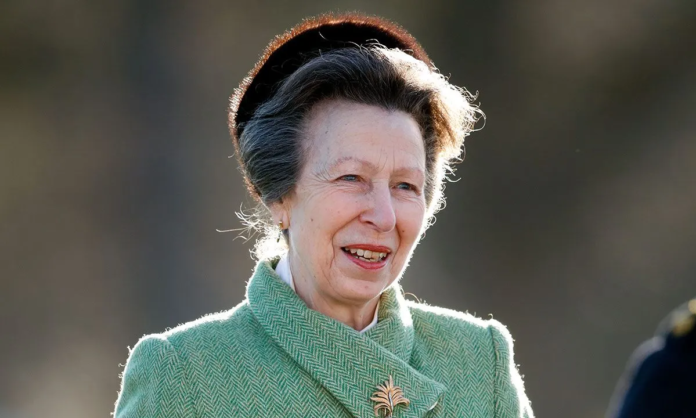
British Princess Royal Anne to visit Uganda next week

British Princess Royal Anne

British Princess Royal, Her Highness Princess Anne, and her husband, Sir Timothy Laurence, will undertake a four-day visit to Uganda next week.

Princess Anne, Queen Elizabeth’s only daughter, will be coming to Uganda from October 25 to 28, according to a royal communication.

As a patron of Opportunity International, she will open the first commercial bank in the Nakivale Refugee Settlement.

The Princess Royal has been president of Save the Children since 1970 and worked with organisations for people with disabilities across the United Kingdom.

She will then visit Kyangwali Refugee Settlement as Patron of Save the Children UK.

Next in the schedule is a visit to Salaama School for the Blind, where Princess Anne will meet with deaf-blind students.

Before their return to the United Kingdom on October 28th, Princess Anne and Sir Tim will conclude their tour by watching female students complete the ‘Safe Way, Right Way’ HGV truck driver training programme as part of her work with Transaid.

The Princess Royal co-founded the organisation providing safe and sustainable transport with Save the Children and The Chartered Institute of Logistics and Transport (CILT) 25 years ago.

The busy four-day tour will see the couple undertake their first public engagements together since the Queen passed away at the age of 96 on September 8th. 

Stories Continues after ad

Museveni’s daughter changes name, drops “Kamuntu”

Diana and Kamuntu at a function.

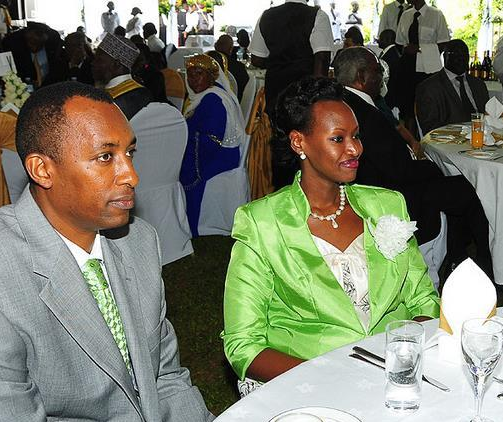
President Yoweri Museveni’s daughter, Diana Museveni Kamuntu has applied to National Identification Registration Authority to drop the use of her husband’s name, “Kamuntu”.

In a September 29 notice, Diana says she intends to apply to NIRA and wants to be known as Diana Museveni Kyaremera.

She is married to city businessman Godffrey Kamuntu who wedded her in July 2004.

Diana is the last born of Yoweri and Janet Museveni.

“NOTICE IS GIVEN THAT I, DIANA MUSEVENI KAMUTNU of P.O. Box 9021, Kampala, intend to apply to the National Identification Registration Authority [NIRA] to change my name to DIANA MUSEVENI KYAREMERA,” the notice reads.

“I intend to formally and absolutely renounce and abandon the use of the name KAMUNTU and assume and adopt in place of that name the name of KYAREMERA,” it adds.

Rumor has it that they have had a cold marriage for some time and this may have forced her to drop the name.

Stories Continues after ad

US Ambassador launches laboratory of Virology at UVRI Entebbe

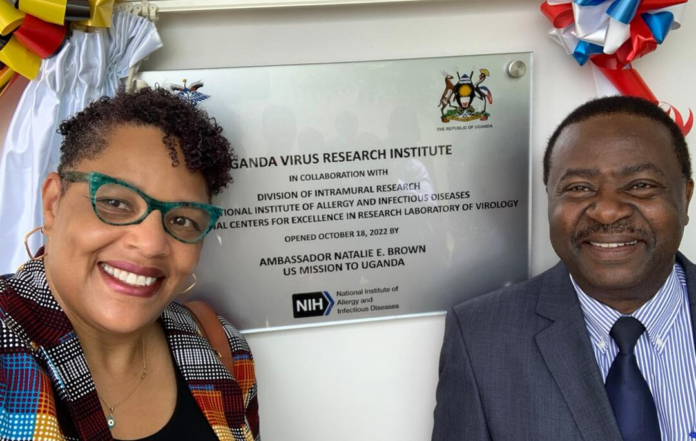
The Uganda Virus Research Institute (UVRI) has received a new Laboratory for research, detection and capacity building into animal viruses (Laboratory of Virology) in Entebbe.

The laboratory was opened on October 18th by Ambassador Natalie E. Brown, the United States of America Mission to Uganda.

“I am honoured to open the new Laboratory of Virology supported by the National Institute of Allergy and Infectious Diseases of the U.S. National Institutes of Health and the Uganda Virus Research Institute,” she said. 

Amb. Brown commended the long-standing partnership with Uganda in the field of research for human health which she says dates way back 1936.

She promised that the U.S. government and U.S people will continue with the support and further explained that many emerging and re-emerging pathogens are endangering Uganda and the importance of understanding both existing knowledge and the unknown about them.

“Many emerging and re-emerging vector-borne pathogens are endemic in Uganda, such as Crimean-Congo hemorrhagic fever virus, which has recently been detected in Uganda, Rift Valley fever virus, chikungunya, and yellow fever.  These viruses are a priority public health concern and cause significant public health and veterinary health costs.  It is essential to have a more comprehensive understanding of the ecology of known and unknown vector-borne zoonotic pathogens to produce an accurate risk assessment for local and global human and animal health,” Amb. Brown said.

The Laboratory of Virology scientists have established collaborations with Dr. Charles Ndawula of the National Livestock Resources Research Institute to conduct field surveillance studies at the farm-wildlife interface.

Amb. Brown appreciated UVRI, Ministry of Health, and all the research staff involved in these projects for their hard work, dedication, and partnership with the U.S. government, which has enabled so many important projects to flourish and supported Ugandan scientists to lead in their efforts improving health for all.

Stories Continues after ad

Bobi Wine’s documentary wins 2022 Audience Award

Bobi Wine Documentary

Bobi Wine: The People’s President, a documentary featuring the former presidential candidate Robert Kyagulanyi Ssentamu aka Bobi Wine has won the 2022 Audience Award as the Best Documentary Feature. The documentary will be released later this year.

The observational documentary film follows Bobi Wine and his wife Barbie. Bobi rises from the ghetto slums of Kampala to one of the country’s most loved superstars. His musical talent lifts him and emboldens millions of previously voiceless people.

Bobi uses his music for activism, then becomes an Independent Member of Parliament to stand to defend the rights of his people, the ghetto people. Bobi’s wife, Barbie, by standing with him, plunges her own life into uncertainty.

The film is an examination of the disturbing misuse of the legal and parliamentary systems, two supposed pillars of democracy. The country’s institutions are controlled by the State to ensure President Museveni, an autocratic strongman, who has held power since 1986, continues to rule Uganda.

Bobi and Barbie must risk everything, their lives and their futures to challenge him. The state is determined to silence, not only them, but anyone who supports their cause. “This is not just a story for Uganda, it is a narrative for all those who struggle under dictatorial regimes. Those who oppose them quickly discover that Western democracies have interests that do not extend to holding autocrats to account. This story has never been so relevant.”

Stories Continues after ad