Stanbic Bank
Stanbic Bank
21.4 C
Kampala
Stanbic Bank
Stanbic Bank
Home Blog Page 724

How start-ups can position and benefit from global acquisition

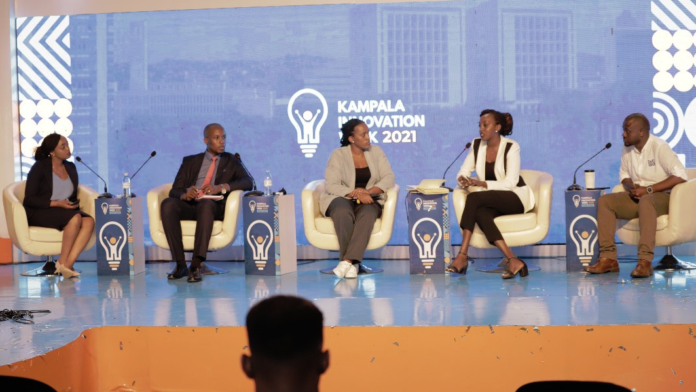
Panel discussion of four experts at the Kampala Innovation Week

In 2020 Beyonic, a home-grown Ugandan startup providing digital payments solutions in five countries was acquired by MFS Africa, the largest digital payments hub in Africa.

In a young entrepreneurial ecosystem like Uganda where many startups are fast strapped for cash, and where the failure rate is high, an acquisition of a business like Beyonic which was founded in 2013 and dominated well on the East African market raises questions on what such an acquisition means.

Did the acquisition imply that it had failed as a company, or did its ability to get acquired say something about its high value and potential?

Beyonic founder Luke Kyohere, says the acquisition felt right, owing to a vision shared with MFS Africa on breaking geographical boundaries by providing seamless digital payments to the last mile. Already operating in Uganda, Kenya, Ghana, Rwanda, and Tanzania, Beyonic now under MFS Africa expanded its reach in 27 African Countries with over 170 million mobile wallets and over 20 million bank accounts. With MFS Africa’s recent partnership with Visa, which enables them to issue Visa payment credentials across their pan-African network, Kyohere called the partnership a new dawn for Small Medium Enterprises in Africa.

Regardless of this positive example, mergers and acquisitions are shrouded in negative bias as they often connote a loss of identity and implied failure of the startup that undergoes the process. The term acquisition more so carries such heavy bias that many acquisitions are publicly referred to as mergers when technically they are acquisitions.

Speaking during the panel discussion of four experts at the Kampala Innovation Week on the subject the process and benefits of global acquisitions, Crystal Mugimba, Senior Project Leader at Open Capital Advisor said there is a need to appreciate the context in which startups are operating in Uganda. The landscape has some benefits like a young and fast-growing but there is also a shortage of funding, unfavorable policies, and infrastructural limitations.

Therefore, while a startup may be able to enjoy success to a degree, the need for growth may require it to take the next step of merging or being acquired by a larger entity that has the capacity to overcome these challenges. A successful acquisition for a startup would result in scaling its product from having the financial, talent and infrastructural wings to go beyond their current market into new areas, said Mugimba

On the issue of how to get the best out of acquisitions, Mugimba suggested that startups need to understand that the process is meant to be a mutually beneficial relationship where the interests of two entities are catered for.

“At the table, is an investor and a startup, each with unique needs that they need solved. For the global investor, before him is a market that is too expensive to get into from scratch and for the startup, there is a need to access finance and complementary resources to achieve the desired growth,” Mugimba says while explaining that this is the perfect context that necessitates an acquisition. However, entrepreneurs need to understand clearly the terms of acquisition to avoid disappointment or unprecedented loss.

Many questions on whether to go through or not with an acquisition begin with exploring the rationale. Does it support the overall vision and mission of a startup? Do you want to acquire a new product that opens a new business line? “Often, companies agree to acquisition by others because there is an offer, or because it seems convenient and there is excitement about the Public Relations buzz it will generate, but don’t spend enough time discussing the strategic reasons.” Mugimba asks startups to reflect on the reasons and be guided by their soundness for an impactful process.

Angela Kerubo, Program Partner Micro Small and Medium Enterprises (MSMEs) at The Mastercard Foundation says the process of acquisition requires actively seeking professional legal, human resource, financial and communication support.

“Often startup teams spend a lot of time building a business maybe threatened by the M&As as they are uncertain about the future, and their place in the company. This uncertainty may lead to a panic rush out of the company, resulting in a brain drain that reduces the value of the startup. Therefore, its important to do consultation with affected teams and due diligence process with before acquisition and during the process to avoid simply ticking boxes”

Another important thing in the acquisition process is relationship building over a long period of time with enough transparency about the goals, ethics and best practices for each party. For Beyonic and MFS Africa, for instance, the acquisition happened after seven years of a relationship where the two companies supported each other in some capacity.

Kerubo said, “In seeking acquisition, startups ought to be selective about the company that they want to merge with or be acquired by. It should begin with buying into the vision of the other company.” Short of this, she notes that the future becomes fraught with clashes in direction and goals which weakens the partnership.

Sharing more insights, Paul Karungi, Founder of Zofi-Cash said, “Acquisitions are effective strategies for growing the bottom line. Companies consolidate to remove excess capacity, increase market access, acquire technology more quickly than it could be built, develop new businesses, and improve the target company’s performance. Most African startups cannot scale because of many things, but the most significant is limited capital. That capital could be meant to restructure marketing strategy or simply to empower teams to do more with ease.”

Arthur Mukembo, The Lead for Ventures at The Innovation Village, further notes that for startups to get the best out of acquisitions, timing is a key factor. Knowing when the time is ripe for an acquisition is a question best answered by the startup. However, it can use the indicator of the value it has to offer. He advises against startups rushing into acquisitions before they have built value that gives them an edge.

“Mastering the local markets well and getting a product fit increases the startup’s value which gives them better negotiation power during an acquisition and therefore better outcomes.”

To ensure that Startups are properly guided during acquisitions, The Innovation Village which occupies the role of an enabler in the ecosystem to both startups and investors provides resources like funding, accelerator programs, platforms and mentorship to startups.

“We ensure that startups are built for resilient against the challenges of the ecosystem to register a success in their markets that makes them investor ready and scalable. For investors, we offer a pool of vetted startups that are bankable and impactful in their local market as they solve contemporary and future challenges. With all these initiatives in place, we believe startups and investors can find common ground and tap into each other’s value,” Samantha Niyonsaba Future Lab Lead said.


Stories Continues after ad

Speke Resort Munyonyo offers friendly rates for this year’s festive season

Munyonyo Commonwealth Resort Hotel

Speke Resort and Munyonyo Commonwealth Hotel have unveiled amazing offers for their clients and new visitors who will celebrate this year’s festive season with one of the best accommodation services in the country.

The special festive rate offers are valid from December 10th to 23rd, 2021 and from December 26th to January 9, 2022.

From 10th to 23rd December and from 26th December to 9th January 2022, their single deluxe rooms will be charged at $139 and the double deluxe will be at $188. The one bedroom studio room that takes up to 2 people stands at $225, the superior room and the executive room are at $250 each.

The one bedroom suite will be charged at $330 whereas the executive suite is charged at $436. The presidential cottage and presidential suites which take up 4 people each is charged at $498 and $684 respectively.

On 24th December, and Christmas day, the single deluxe room will be charge at $176, the double deluxe will be charged at $262, the one bedroom suite will be charged at $299. Both the superior room and the executive room will be charged at $324. The executive room, executive suite, presidential cottage and presidential suite will be charged at $324, $510, $647, $832 respectively.

An extra person is provided with a mattress on full board basis for US$105 per night on 24th and 25th December while its US$68 per night from 10th to 23rd December and from 26th to 9th January 2022.

All the rates are inclusive of full board- breakfast, lunch, dinner, swimming, steam and sauna as well as 30 minutes canoe ride and 10 minutes pony rides for kids.

Stories Continues after ad

PICTORIAL: Nakivubo stadium takes a big step towards completion

Nakivubo stadium

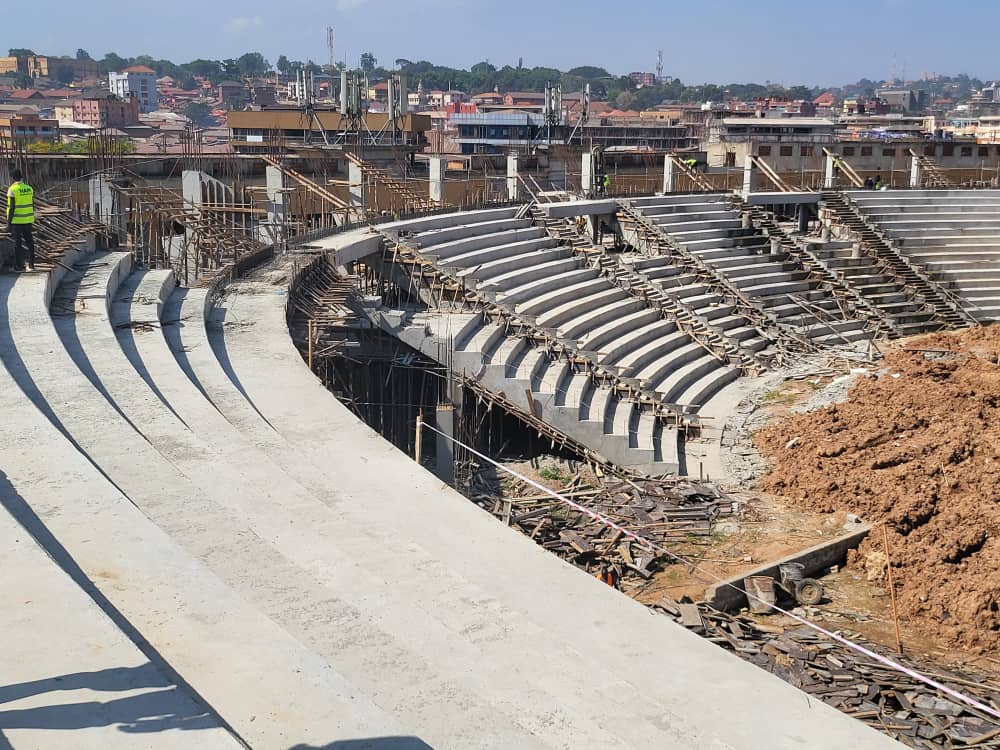
The reconstruction of Nakivubo stadium is finally taking shape and looks like it doesn’t have a long way to go before being completed.

Businessman Hamis Kiggundu took over the sports facility for redevelopment in 2017. Initially, the stadium was projected to end in 2019 but the construction of the facility had stalled due to Covid-19 pandemic, politics, court battles and compensation of vendors.

The Construction works are spear-headed by Roko Construction Company. The state of the art Stadium will have a modern athletic track and other indoor games plus multi-level parking of about 10,000 cars among others.

Once completed the stadium is expected to host over 35,000 people. The stadium will also host other sports such as Basketball, Netball, Volleyball and bodybuilding.

Stories Continues after ad

URSB moves to protect Geographical Indications from Northern Uganda

URSB moves to protect Geographical Indications from Northern Uganda

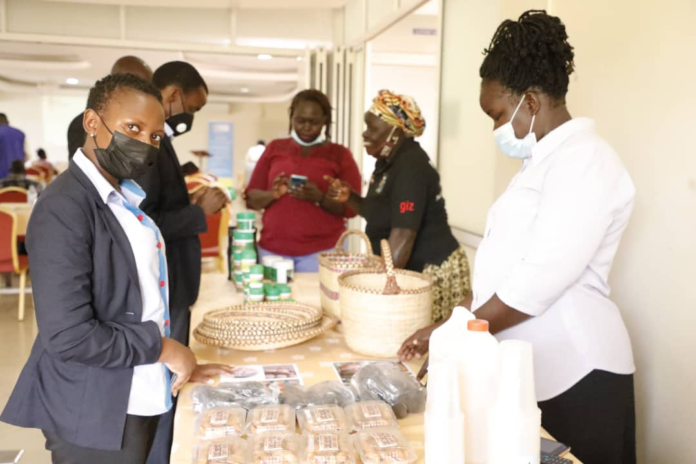
Recognition of geographical indications helps to build the productive and trade capacities of countries, and strengthens their capacity for trade negotiations. As part of the wider strategy to popularize identification and protection of all the unique products in Northern Uganda under the Geographical Indications (GI) Act, the National Working Group (NWG) led by the Uganda Registration Services Bureau is holding a two-day engagement with multi-sectoral stakeholders from the Acholi Sub-Region.

A geographical indication is a specific intellectual property right that designates a product from a specific region and whose characteristics result in both the natural conditions of its origin and the expertise of local producers. Geographical indications are frequent across the globe, particularly in Uganda where they remain untapped. Northern Uganda has been identified to have a wide array of products that can be protected under GIs. These include shea butter, sim sim, peanut butter, fish species, local crafts like ‘adungu’ among others.

Speaking at the workshop, Gilbert Agaba, the Director Intellectual Property who represented the Registrar General, Mercy K. Kainobwisho said the engagements are intended to increase awareness about GIs to enable recognition and promotion of local products whose quality, reputation and characteristics are fundamentally linked to Uganda. “Northern Uganda is naturally endowed with diversity in areas of agriculture, natural resources, culture and traditions which qualify as geographical indications. As leaders at different levels, my appeal to you is to interest yourselves with GIs. If embraced, these GIs can transform our economy through revolutionizing the agricultural sector and increase demand for our products at the regional and international market” he added.

Geographical indications are typically used for agricultural products, foodstuff, wine and alcoholic drinks, handicrafts, and industrial products. Examples of global products that enjoy protection of geographical indications include Champagne from France, Scotch Whisky from Scotland, Havana Tobacco from Cuba, Darjeeling Tea from India, Penja Pepper from Cameroon, Thai Silk from Thailand, Swiss Watches from Switzerland, Argan Oil from Morocco, Tete Goat Meat from Mozambique among others.

Geographical indications are also usually perceived as part of the cultural heritage of their localities and a means to commercialization. Hon. Ben Anyama, a member of the URSB Board who represented the Chairman said GIs will enhance the communities’ abilities to maintain consistence practices to produce quality goods through their collective efforts. ‘Northern Uganda is alive to the potential that GIs hold for economic development of the region. This is the reason why the protection of this particular intellectual property right is embedded in the legal framework of the Government’ Anyama said.

It is hoped that the implementation of the GIs in Uganda will help showcase the country’s unique products such as the famed Mount Elgon and Rwenzori Coffees, Arua Honey, Ankole’s long-horned cattle, Masaka’s passion fruits, Kabale potatoes, Moo yaa (shea butter) from Northern Uganda among others.

The National Working Group comprised of the various stakeholders will hold a series of consultative meetings across the country over the coming months to strategise on the implementation of GIs while strengthening identification, registration, protection and regulation.

Stories Continues after ad

Letshego donates 4,000 reflector jackets to Uganda Police ahead of Christmas season 

Acting Director Traffic Lawrence Niwabiine and Letshego CEO Giles Aijukwe after donation of 4000 reflector jacket towards road safety during this festive season

Letshego Uganda has donated over 4000 reflector jackets to the Uganda Police department of Road Safety whose mandate is to enforce traffic and ensure safety for all road users.

The timing of this donation is particularly impeccable in light of the impending festive season.

Road safety is one of the most pertinent community issues with 93% of the world’s fatalities on the roads occurring in low and middle income countries. It is estimated that if not curbed, road traffic crashes and accidents are predicted to become the fifth leading cause of death in the world by 2030- WHO. They adversely affect health, economic and social development.

Giles Aijukwe Chief Executive Officer Letshego Uganda, said “We have over the years established a firm and long standing partnership with the Uganda Police Force in respective Sustainable Development (CSR – Corporate Social Responsibility) endeavors. Specifically for Road Safety, we started our partnership in 2018 with a contribution of 3000 reflector jackets to our traffic officers as they marshal the highways. I can assure you- Letshego’s commitment in this regard is unwavering.”

Uganda Police Force team led by acting Director Traffic and Road Safety Lawrence Niwabiine welcomed the donation stating that curbing accidents and other road fatalities requires a combined effort.

“Achieving lasting change in improved road safety requires government, private partners, civil society and the community to work together. I am particularly gratified with Letshego Uganda for their commitment to this cause and playing their part diligently- they’ve been our partner since 2017.” Niwabiine said.

He added that the timing is a blessing because the festive season is when road travel numbers are at their highest and so are accident cases. “The reflector jackets will enable our officers be visible from a far to maintain traffic rules and guidelines. These reflectors will immediately be dispatched to Regional Traffic Officers and stations countrywide.”

As  Letshego continues to embark on transforming their service to their customers countrywide, they have officially gone digital. “We introduced the Digital Mall, an online platform (downloadable from Android, and iOS stores)- a simple, quick and reliable approach for our clients to access financial support from the comfort of their homes/offices in real time. These strides in digitization are intended to accentuate our service offering,” Aijukwe stressed.

Letshego is a proudly Botswana-born retail finance organization with truly African roots spread across 11 markets, and a 22-year history of improving lives through inclusive financial solutions. Across the continent, the collective heartbeats and diversity of the people of Africa fuel the journeys, and indeed fuel the growth of this proudly African brand, leveraging digital technology and inspiring innovation to extend the reach of inclusive financial services to more customers.


Stories Continues after ad

How NSSF Voluntary Savings Plan can help you become a Millionaire by 30 years

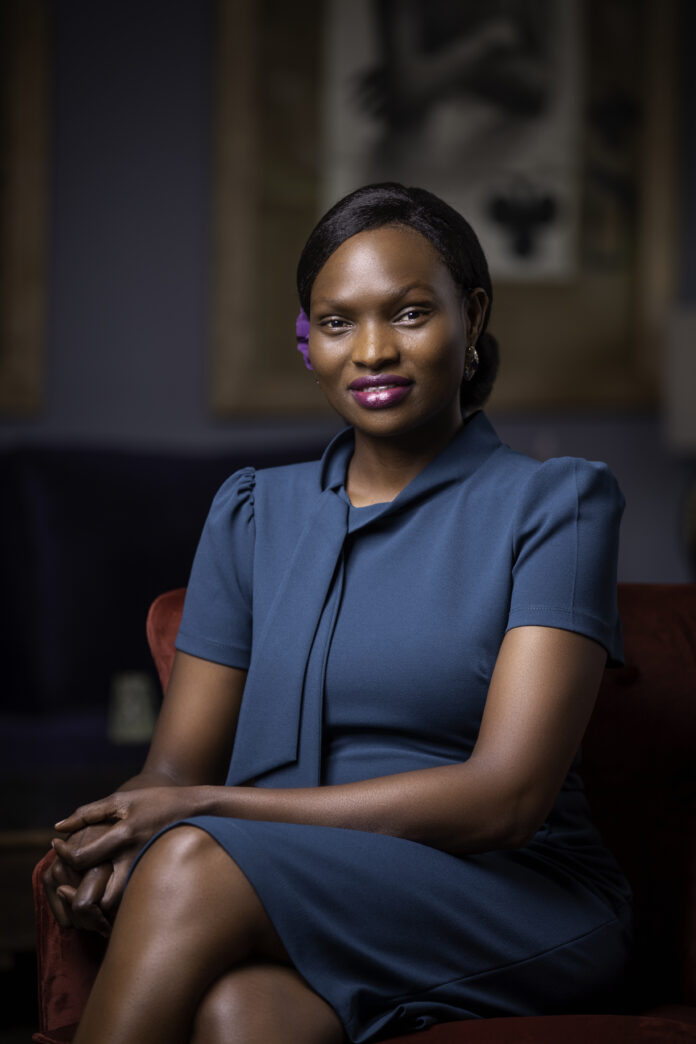
Barbra Teddy Arimi, Head of Marketing and Communication NSSF

By Barbra Teddy Arimi

The National Social Security Fund introduced a Voluntary Membership Plan four years ago, to enable employers and workers that are not compelled by the mandatory provisions of the NSSF Act an opportunity to voluntarily save for their retirement. This is one of those savings platforms that can lead you to the millionaires’ club even in your 20s, as you are just starting to make money.

When you think of your 20s, savings are rarely the first thought that comes to mind. We have many other activities and thoughts vying for our attention and time that we often neglect this important aspect of life that will play a vital role going forward. Some of the seemingly more pressing needs may include rent, airtime, transport and leisure activities. While it is understandable that savings may not be at the top of our priority list during this exciting point in our lives, it certainly deserves more attention than it is often given.

Saving may seem like a big sacrifice but it is not. Like starting a new diet, it may seem difficult at first but gets easier as you go. Additionally, the results will be worth your while. Most of the expectations and dreams we have for our lives lie at the other end of saving. The car, the house, the travel and businesses you want to start all rely on how well you save in your 20s.

Not all saving is equal. It is largely dependent on the person, the amount they make, are willing to save and where they save it. You can choose to save large amounts of money or small amounts of money. The great thing about saving, no matter the amount, is the cumulative advantage it provides. Even a small amount goes a long way after a couple of years.

Several solutions exist in the Uganda market. There are banks, insurance savings schemes and work saving schemes. Despite several options, very few are tailored to make it as convenient and affordable for someone in their 20s.

The NSSF Voluntary membership Plan offers one freedom to save from as low as UGX 5000, basing on one’s incomes and aspirations. It also provides the flexibility for you to change the amounts you are saving when your incomes change. Topping it all off is an unmatched interest rate usually two digits above ten year inflation. In the last five years, the interest rate varied between 10-12%. Most of the other offers by banks pale in comparison averaging about 6.5% in 2021.

Employers with less than 5 employees and their employees are eligible to join this plan. Former NSSF members, whom the Fund already paid their respective benefits, but are still able and willing to save with the Fund, also qualify to join the Voluntary Membership plan.

For those who are self-employed, under the current law, you must first register your company/business, after which you would then be eligible to enroll for the plan under Voluntary Employers category, even if you are the only employee of your company/business.

At 20yrs old, there are plenty of activities fighting for your attention, time and resources which may make it difficult to think of the future. Irrespective, the future is just as important as or even more important than the present. It is in your best interest to dedicate a small amount to your savings so that you can have the life you want in the near future. To kick start your retirement saving journey, enroll for the NSSF Voluntary membership plan, by simply going to https://www.nssfug.org/voluntarymembership/ or any NSSF branch countrywide.

You could even start by taking off one weekend of fun a month to gather your savings. If you spend about Shs 100,000 a weekend and saved it over 10years, you would have close to Shs 22 million. Voila, a millionaire in your 30s!  It can only get better, the more you save.

Ms. Barbra Teddy Arimi is the Head of Marketing and Communications at NSSF Uganda.

Stories Continues after ad

Only 1 in 4 African health workers fully vaccinated against #Covid-19

Covid-19 vaccine

Only 27 per cent of health workers in Africa have been fully vaccinated against COVID-19, leaving the bulk of the workforce on the frontlines against the pandemic unprotected, a preliminary analysis by World Health Organization (WHO) shows.

Analysis of data reported from 25 countries finds that since March 2021, 1.3 million health workers were fully vaccinated, with just six countries reaching more than 90 per cent, while nine countries have fully vaccinated less than 40 per cent. In sharp contrast, a recent WHO global study of 22 mostly high-income countries reported that above 80 per cent of their health and care workers are fully vaccinated.

“The majority of Africa’s health workers are still missing out on vaccines and remain dangerously exposed to severe COVID-19 infection. Unless our doctors, nurses and other frontline workers get full protection we risk a blowback in the efforts to curb this disease. We must ensure our health facilities are safe working environments,” said Dr Matshidiso Moeti, WHO Regional Director for Africa.

It is important to have high vaccine coverage among health workers not only for their own protection but also for their patients and to ensure health care systems keep operating during a time of extreme need.

Africa’s shortage of health workers is acute and profound, with only one country in the region having the required health workers (10.9 per 1000 population) to deliver essential health services. Sixteen countries in the region have less than one health worker per 1000 population. Any loss of these essential workers to COVID-19 due to illness or death therefore heavily impacts on service provision capacity.

Based on data reported to WHO by countries in the African Region, since March 2020, there have been more than 150 400 COVID-19 infections in health workers, accounting for 2.5% of all confirmed cases and 2.6% of the total health work force in the region. Five countries account for about 70% of all the COVID-19 infections reported in health workers: Algeria, Ghana, Kenya, South Africa and Zimbabwe.

After almost four months of a sustained decline, COVID-19 cases in the general population in Africa have plateaued. For the first time since the third wave peak in August, cases in Southern Africa have increased, jumping 48% in the week ending on 21 November compared with the previous week.

The risk of health worker infection rises whenever cases surge. This is a pattern that has been observed during the previous three waves of the pandemic. With a fourth wave likely to hit after the end-of-year travel season, health workers will again face risks amid low vaccination coverage.

To date, more than 227 million vaccine doses have been administered in Africa. In 39 countries which provided data, 3.9 million doses have been given to health workers.

“With a new surge in cases looming over Africa following the end-of-year festive season, countries must urgently speed up the rollout of vaccines to health care workers,” said Dr Moeti.

Vaccine shipments have been on the rise over the past three months. Africa has received 330 million doses from the COVAX Facility, the African Vaccine Acquisition Task Team and bilateral agreements since February 2021. Of these 83% have been delivered since August alone. As vaccine supply picks up, addressing uptake bottlenecks and accelerating rollout become more critical.

All countries in Africa have prioritized health workers in their vaccination plans. The low coverage is likely due to the availability of vaccination services, especially in rural areas, as well as vaccine hesitancy. Recent studies found that only around 40 per cent of health workers intended to receive a COVID-19 vaccine in Ghana and less than 50 per cent in Ethiopia. Concerns over vaccine safety and the adverse side effects of the vaccines have been identified as the main reasons for their hesitancy. Health workers are key sources of information for the general population and their attitudes can influence vaccine uptake.

“The COVID-19 vaccine stands among humanity’s extraordinary scientific feats. In Africa, we’re gradually overcoming supply constraints. Now is not the time to stumble over vaccine mistrust,” said Dr Moeti.

Supporting national efforts to drive up health worker vaccination, WHO is coordinating trainings and dialogue on vaccine safety and efficacy to help address doubts or misconceptions around the COVID-19 vaccine as well as advocating open and honest communication about the benefits and side effects of vaccination.

Stories Continues after ad

LOP calls for increased funding to the political party forum

Mathias Mpuuga

The Opposition in Parliament has called for increased funding to the National Consultative Forum in a bid to empower it in fast-tracking its statutory mandate under the Political Parties Organizations Act.

The Opposition says enhanced funding will improve operations of the Forum and build capacities of Uganda’s political parties.

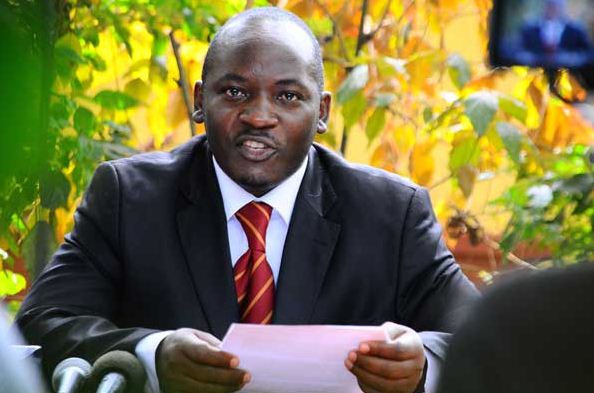
This recommendation is contained in a statement from the Leader of the Opposition, Hon Mathia Mpuuga on the shrinking civic space in the country.

Hon Mpuuga delegated the Shadow Minister for Internal Affairs, Hon Abdallah Kiwanuka to present the statement on behalf of the Opposition.

Abdallah Kiwanuka said the National Consultative Forum is yet to influence reforms geared at addressing government’s repressive approach towards political parties.

“The Forum has not weighted in or made known its position on the current indiscriminate attack on opposition political parties,” he said.

The Opposition also called for the amendment of the Electoral Commission Act to redefine the role of police and other armed forces during elections.

“The role of conducting elections should be the reserve of the Electoral Commission.  The Electoral Commission and not the lnspector General  of Police  or the President or any other person  should be solely in charge of and in direct command  and control  of the co-opted police and other internal security personnel  deployed  in electoral processes,” Abdallah Kiwanuka said.

The report highlights what it terms as ‘state clamp down on CSOs operations in Uganda including political parties, non-governmental organizations, media, cultural institutions and religious institutions.

Abdallah Kiwanuka said prohibitive powers were applied by security organs during the 2021 general elections despite a Constitutional Court judgment delivered in March 2020.

“In effect, the prohibitive powers were clipped because those powers were unacceptable and demonstrably unjustifiable in a free and democratic society,” he added.

The Leader of the Opposition also calls for establishment of the Uganda Communications Tribunal under the Uganda Communications Commission Act.

The tribunal, Abdallah Kiwanuka said, would have handled complaints relating to the decisions of the Uganda Communications Commission as provided under Sections 60 and 64 of the UCC Act.

“The Minister responsible for Internal Affairs should brief the House on measures undertaken to apprehend perpetrators of violence meted out on journalists during the recently conducted general elections,” he added.

The LoP also recommended streamlining of the Education Service Commission to work on recommendations and technical guidance of religious institutions, as regards to transfer of teachers and head-teachers of religious founded institutions.

Stories Continues after ad

Ride-hailing is transforming Uganda’s transportation sector

Bolt

Ride-hailing services were first introduced to Ugandan citizens in the year 2014. Since then, increasing public demand has caused rapid growth, which was disrupted at the outbreak of the Covid-19 pandemic. Uganda has already had two extended lockdowns in the past 18 months, which restricted movement and affected incomes in the mobility business.

Nonetheless, as the economy recovers, the popularity of ride-hailing services still endures.

Greater convenience at a reduced cost and saving time, are the prime benefits that attract customers to these services.

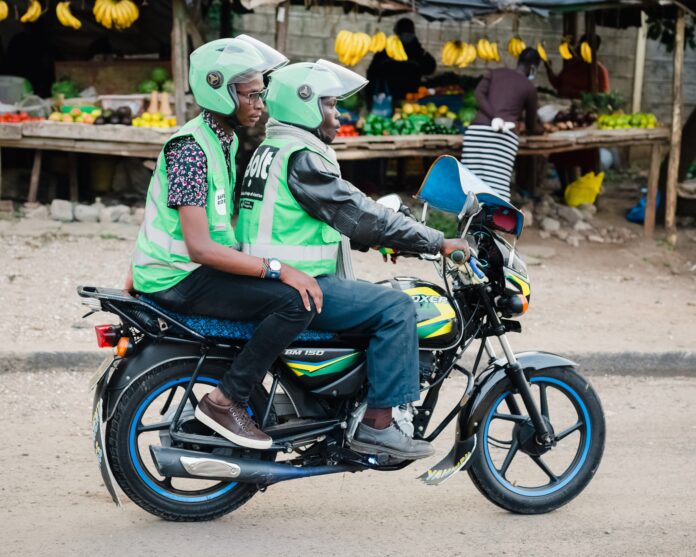
Companies such as Bolt have also helped transform Uganda’s public transportation industry for the better by giving commuters more choice in how they want to get from one point to another. Customers can use a smartphone application to request a ride in any location in the city.

In a bid to retain its position as the market leader, Bolt has been making periodical adjustments in its operations due to the post-Covid conditions. It has improved its app to maintain its reputation in ensuring safe and affordable rides for customers and helping drivers recover from the economic shock of the pandemic.

Coming out of the second lockdown at the end of July this year, Bolt management announced an extension to the grace period of not charging commissions for both their vehicle and boda boda riders.

This aimed to give their drivers on an entrepreneurial journey a kick-start in terms of a slight increase in take-home income after long weeks of relative inactivity. The decision was unprecedented and proved its commitment by providing drivers with the best earning opportunities on the market while also treating them with dignity, especially during harsh economic conditions. They can also choose whether to operate part-time or full time based on their preferences.

To date, Bolt still charges no commission to its Boda drivers while charges a very lean percentage to the car drivers.

Bolt also updated its app for faster usage to improve security and safety for both riders and clients by adding the 12-hour cap. After spending up to 12 hours driving, the app will automatically notify the rider or driver it is time to take a break. The driving hour timer will only reset once the rider or driver has had their rest period. The temptation to overdo it or overexert yourself by catching up on lost earnings is why this feature is so valuable. Also of great importance is that this restriction helps prevent potential accidents caused by drowsy driving.

Ride-hailing services such as Bolt were established on the concepts of convenience and simplicity to make the customer experience as enjoyable as possible through advancing technology. Not long ago, Bolt upgraded its cashless option for corporate and card-payment customers. This has significantly facilitated and accelerated the transition from cash to electronic payments. The innovation is also consistent with present trends as many customers prefer the cashless option.

To complement this, Bolt has also introduced Bolt Business cars and Bolt Business Bodas. The two categories have been designed to cater for non-cash users. These categories are convenient for corporate users and those with card payments, or those with work profiles.

Compared to the general state of affairs before 2014, ride-hailing services have relieved much of the stress of urban mobility. There is generally far less waiting time involved. Payment for the driver is also designed to optimise convenience because the customer is automatically charged for the ride upon arrival to the final destination.

Bolt customers can be reassured that drivers are operating vehicles in sound mechanical condition after the company signed a partnership with VAG Motors Limited.

The transformation of public transport is an ongoing process, and congestion remains a big concern. However, the rise of ride-hailing can lead to fewer private vehicles on the road. The net gain is less pollution, less traffic congestion and less fuel consumption.

The impact of digital is changing consumer experiences across the services industry and setting expectations that will shape demand for transportation services in the future. The speed of innovation will increasingly hinge on customer needs that deliver greater convenience through integrated services.

Stories Continues after ad

Silverbacks finally travel to Angola for 2023 World Cup qualifiers

Baskteball team to Angola

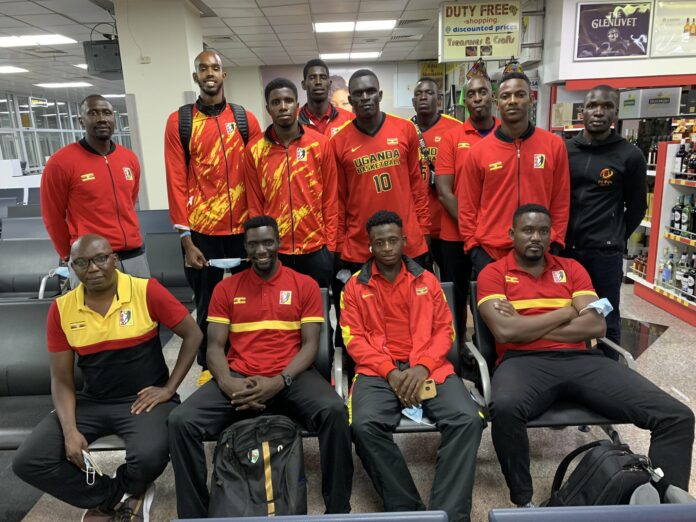
The Silverbacks, Uganda men’s national basketball team has finally travelled to Benguela, Angola to compete in the first window of the FIBA Basketball World Cup 2023 qualifiers.

On Tuesday, the basketball federation President Nasser Sserunjogi had announced that Uganda would not take part in the World Cup Qualifiers that start on Friday due to lack of funds as communicated to them by the National Council of Sports. The team needed approximately UGX 380 million to make the trip.

However at the eleventh hour, through the sports ministry, government stepped in and bailed out the team with all the needed funds for them to travel and compete.

The players that have travelled to Angola are; Jimmy Enabu, Tonny Drilleba, Ivan Muhwezi, Fayed Baale, Peter Obleng, Titus Odeke, James Okello, Mohamed Ghedi Abdihakim, Ben Komakech, Brandon Davies, Womala Emmanuel Timothy, Eric Rwahire and Robinson Odoch Opong.

The Silverbacks will kick off the qualifiers against Mali tomorrow November 26, and then Cape Verde and Nigeria on November 27 and 28 respectively in Group A.

The first window of the qualifiers – a three-day tournament, will take place in the Angolan city of Benguela with eight teams from Groups A and C vying for six places in the decisive Second Round of the African Qualifiers.

The FIBA Basketball World Cup 2023 African Qualifiers will be played over the course of 15 months (November 2021, February 2022, July 2022, August 2022 and February 2023) to define the continent’s five representatives in Indonesia, Japan and Philippines.

How African Qualifiers will play out; 16 teams and only five qualification slots.

First Round: Top 3 teams from each group will advance to Second Round of African Qualifiers to create two six-team groups.

Second Round of Qualification: Each team will play each new team in their group during two tournaments played over two event windows schedule in August 2022 and February 2023.

The two top teams in each group, along with the best third-placed team, will qualify to the World Cup 2023.

Stories Continues after ad