Stanbic Bank
Stanbic Bank
26.7 C
Kampala
Stanbic Bank
Stanbic Bank
Home Blog Page 916

Dfcu Bank to hold dialogue on sustainable management of NGOs in a #Covid-19 era

Julius Kateera, Head Financial Markets at dfcu Bank

The outbreak of the Covid-19 pandemic has impacted billions of lives around the world. Governments, individuals, businesses, and civil society organizations are battling to save lives, support families, and keep businesses, and organisations afloat.

During these unprecedented times, the role of NGOs has become paramount in combating the coronavirus and its impact on society’s most vulnerable populations, especially in countries and regions where it is hard to access government services.

The pandemic has impacted all aspects of their work – from running programs, planning finances, coordinating staff on how they collaborate with partners and stakeholders situated across the world. But these challenges may also be paving the way for new opportunities and innovative ways of working in the sector – a chance to renew how NGOs tackle global problems together as a community.

It is in this regard that dfcu Bank in partnership with Deloitte, will host a customer engagement dialogue on Thursday 3rd December 2020 at 2:00pm – 4:00pm under the theme ‘Sustainable management of NGOs in times of COVID-19’ to share valuable input and insights in the sector.

Commenting on the upcoming dialogue, dfcu Bank’s Segment Head, Public Sector Carolyn Andama, said;  “Our objective of this discussion is to share with various stakeholders in the NGO sector insights on opportunities for reinvention given the shrinking funding and operational challenges they’re facing and enhance our relationship with the public sector players as we focus on enabling business sustainability for them. The scope of discussion will include funding opportunities, operational challenges, an overview of interest rates and exchange rates, financial reporting and tax considerations.”

“The COVID-19 pandemic doesn’t look like it will be going away any time soon, so it is likely that NGOs will have to deal with multiple socio-economic challenges. The organisations that best adapt to the “new normal” & can demonstrate the “impact” inspite of the challenges are more likely to thrive. We hope that the insights shared during the dialogue will help our customers in the NGO sector re-examine their operations and reposition themselves for sustainability,” Andama added.

The virtual dialogue will be moderated by Dr. Peter Kimbowa (PK), a well-known speaker and certified executive coach and the speakers will include Joyce Namirimo Tamale, a Social Entrepreneur & CEO, Capital Solutions Ltd. Joyce Tamale is a strategic Leader, financial analyst and NGO Sustainability expert, committed to changing lives of people through social enterprises that touch lives within Africa and Globally. Joyce is currently the Co -founder and CEO of Capital Solutions Ltd a Social enterprise aimed at enabling Social entrepreneurs in Africa to thrive.

The other speakers include Julius Kateera, Head Financial Markets at dfcu Bank, Martin Makumbi, Senior Manager Tax at Deloitte Uganda and Benjamin Mugema a Senior Consultant Strategy & Operations at Deloitte Uganda.

Stories Continues after ad

More than 600 youth enroll for Elevate Mentorship Program

Benjamin Rukwengye, Founder and Chief Executive of Boundless Minds joins Melkamu Abebe, Head of Coca-Cola Beverages Africa in Uganda to launch the Elevate! youth mentorship program

More than 600 youth are currently benefiting from the mentorship program which was launched by Boundless Minds in partnership with Coca-Cola Beverages Africa in Uganda (CCBA) in October this year.

Dubbed ‘Elevate’ the program seeks to empower youth with work ready skills to support their school-to-work transition. There is no doubt COVID-19 disrupted the lives of young people in various ways. This program provides youth with a meaningful way to spend their time.

“The progress and impact we have made with Elevate! keeps surprising me. Before this year started, it didn’t seem possible that we’d be able to train and impact the career and work fortunes of hundreds of young people, in one go. To be able to do that now, with numbers exceeding 600 mentees, for me is the epitome of what we seek to achieve,” commented Benjamin Rukwengye, Founder and Chief Executive of Boundless Minds.

“Of course, I know that we can, should and will definitely do more but I am excited that we are introducing this many young people to skills and knowledge that will prepare them for life, work and entrepreneurship,” he further added.

Elevate! is designed to be low-cost and low maintenance so that the youth can engage in it fully online. As part of the program, Boundless Minds is lead in administering the training, assessments and tracking engagement and participation. The talk topics involve staff of Coca-Cola Beverages Africa, professionals and Alumni of Boundless Minds.

Participants are enrolled on a rolling basis, primarily using The Mentor to access content in form of best practices, graphics and text. This is supplemented with WhatsApp groups for on-spot learning through mentorship sessions, thematic articles and videos. The mentorship period will run till December 10th, 2020.

“Well, I joined it after two weeks of it starting, to be honest I didn’t know what I would gain. But so far! I’ve learnt a lot, I’ve learned how to write my CV, what I need to fill my CV, my presentation skills have become better. I’ve been experimenting with apps like PowerPoint, WordPress, all that. Basically, for me, it has helped to get out of my shell. So many youths feel shadowed by Peers knowing “more” than them, yet all it needs is to find the right mentors and inspiration. I believe Elevate does that,” said Kukundakwe Precious Liz, Elevate Program Mentee.

Among the Corporate Social Investments priorities for Coca-Cola is investing and supporting youth and women in communities they operate in. This program aligns with the overall objective of the company to empower communities in which they operate in thereby creating a shared future for all.

“Our Vision; Refresh the world and make a difference is our north star. At Coca-Cola, we are always committed to support the communities and the youth are a big portion of the communities that we have in Uganda. We have energized youth in Uganda that we must empower to harness their full potential.”

“As part of our initiatives, we have different programs in Coca-Cola. One of them is a program called the “ Graduate Trainee Program where we bring a lot of young energetic people from different universities across Uganda and we give them all the mentorship they need to give for them to achieve what they want to achieve in life. I can attest to the power of mentorship in my own professional growth having gone through the same program. School is important but I believe there are far more important things that we can learn from different leaders across the organization and industry,” Melkamu Abebe, General Manager, Coca-Cola Beverages Africa in Uganda.

The first cohort under the program runs till December 20th and with the second cohort expected to start enrollment next year. Dates and timelines will be communicated once confirmed.

Stories Continues after ad

Police suspends selling fuel in jerrycans at pumps to curtail petrol bombs

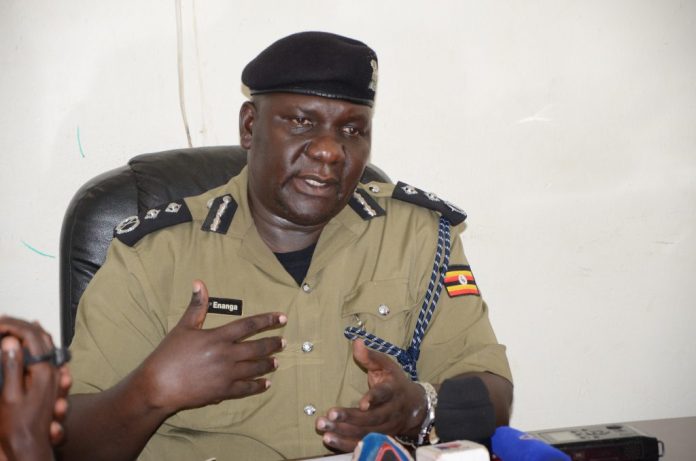
Police Spokesperson Fred Enanga

The Uganda police Force-UPF have suspended selling and buying of fuel in jerrycans at all pumps until the end of elections to curtail acts of making petrol bombs in the anticipated riots.

This follows the protests that took place 2 weeks back after the arrest of National Unity Platform’s presidential candidate, Robert Kyagulanyi Ssentamu. The protest broke out on November 18-19th spreading to several towns across the country and leading to the death of over 50 people and hundreds nursing wounds.

According to the joint security task force inter-agency reports, more anticipated riots are more likely to happen during the ongoing campaigns and in post-elections periods fueled by some of the ringleaders who are still at large.

The commissioner of police Fred Enanga also the police spokesperson Enanga said that they have decided to suspend selling and buying fuel in Jerry cans at all fuel stations to foil the plotted unrest that intend at burning roads and government properties.

Enanga says that rioters were buying fuel in Jerry cans to make petrol bombs that were being used in hurrying at government and security personnel vehicles.

Police have also said that interagency units have started closely monitoring the movement, conductor and transportation of car tyres in some garages and changing service centers at petrol stations.

We had people who were burning the roads, destroying government properties and most of the suspects were getting these tyres from some garages, said Enanga. We want to closely monitor the transportation and the use of these tyres, added Enanga.

Among the incidents of the recent riots, was the attempted arsons on fuel stations which is still part of the alleged plans by rioter’s ringleaders who still want to cause havoc according to security interagency.

One of the pump stations that the rioters attempted to burn was KK petrol station along the Kampala- Mityana road and another fuel pump in Iganga town on the first of Kyagulanyi’s arrest in Luuka district.

In the aftermath of the protests, more than 1,000 people were arrested of whom 843 have been charged before courts of law, 699 have been remanded while 93 released on court bail. 113 suspects have received police bonds, 13 are held in police cells up to now and only 21 have been cleared and subsequently released.

Stories Continues after ad

People who died in Bobi Wine protests and how they were killed

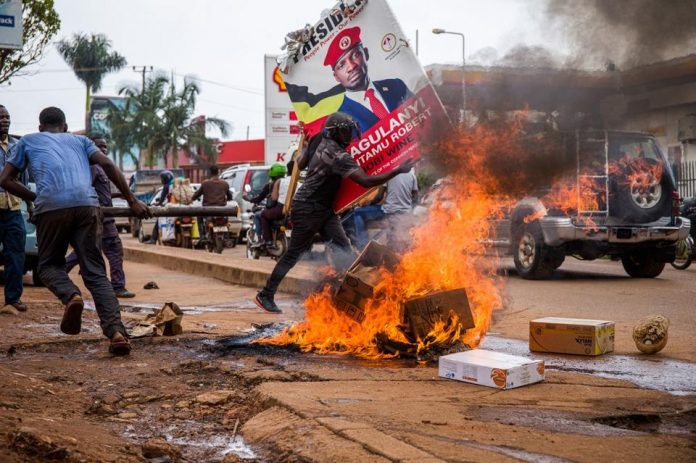
Some of the Protesters during the free bobi wine protests. Courtesy photo.

At least 54 people have died as a result of two days’ sporadic protests and shooting in and around the city after Kyagulanyi was arrested in Luuka district at his campaign venue in November 18th. Police Spokesperson Fred Enanga said out 54 fatalities, 32 were rioters while the rest were innocent Ugandans including juveniles.

This Website has come up with some of these victims and how they met death.

Frank Baguma a 28 year old and a resident of Kabowa, on the fateful day started his day normally. He cycled to Ndeeba for work where he operated a spare parts shop.

Shortly after, plain clothed security operatives came chasing rioters while shooting at them. And that’s how a bullet caught him in the head and his brain splashed out. He immediately fell on the ground. Rescuers and friends rushed him to Rubaga Hospital where he was pronounced dead on arrival. Baguma was buried on Thursday at Kyakatebe village in Mityana.

Christine Zawedde a 58-year- old Mutundwe’s Kweeba Zone Rubaga Division who was hit in the head by a stray bullet as she relaxed in her compound/courtyard outside her house. People at home heard a thunderous explosion only to realize later that their mother had been shot in the head. They tried rushing her to hospital but she died on the way.

Omulongo Wasswa from Kasasa village Masaka Kakuuto road too was shot and killed during the same Kyagulanyi fracas when he was moving with friends in town. He fled and took refuge in a small hair salon on seeing a large team of security operatives aiming in his direction. They forcefully dragged him out of the salon, shot him dead and left according to our sources. He was buried on Friday in Masaka.

Kevina Nalwadda from Nansana, got a taxi early morning to head to Kiruddu hospital where she had an appointment with a doctor. She had leg complications. She left the hospital and headed back home at Nansana Kumasitoowa where she operated a bar but didn’t go beyond Mini Price downtown Kampala where she was inadvertently knocked by a Museveni supporter driving in a vehicle branded with NRM campaign materials. The NRM supporter was fleeing crowd violence and in the process knocked her. Nalwadda died in Mulago Hospital towards midnight that same Wednesday.

Christopher Kayizzi from Nyanama, a boda boda rider aged 30 was shot in the neck and died instantly. He worked at the Kasiwukira stage in Kizito Zone Najjanankumbi along Entebbe Road. He was among those who saw a large group of non-uniformed security operatives vigorously walking towards them and fled. The operatives ordered them to stop and when they didn’t, random gunfire was opened at them and that is how Kayizzi met his death.

Richard Mutyaba LC1 chairperson from Kasaala village in Katakana Luwero Mutyaba, who was also the head laity for Kasaala Catholic parish, had stepped forward to calm down his youthful residents who had blocked the highway. As he started talking to them, a convoy carrying government officials emerged from the Gulu side and the armed escorts disembarked and immediately began shooting into the rioting crowds and in the process a bullet caught the Chairman cutting his life short.

A 24 year old Onek Kansiime a boda boda rider from Namugongo was shot dead by security operatives according to his friends, Andrew Kigemi and Isiima Kato. Kansiime was coming from buying goods for his client. They revealed that Kansiime parked his motorcycle fearing to be interfered with rioters and decided to move on foot. Kansiime was buried in Bushenyi on Friday, two days after the protest.

Yusuf Kimuli a student at Uganda Christian University-UCU, according to his brother identified as Fred was shot dead in Seeta when he was from town where he had gone to purchase some goods. Kimuli was buried in Mukono on Friday after the riot.

Peter Kintu a father of seven children and a boda boda rider from Nansana Ku Kibulooka was killed by an LDU soldier. According to his with Moreen Nakazibwe, the husband went to town on Wednesday morning, when the protest began, he decided to ride back home because the town was not safe for him. When he reached home, after having lunch with the family, he went into the neighborhood at the welding workshop to chat with friends, it is from here that LDU shot at the group and Kintu did not survive the shooting.

Ayub Kongola, a father of one, was shot dead in Kisenyi while in his maize flour shop. According to his brother Nasser Kongora, his brother was hit by a stray bullet and died immediately. Ayub was buried in Iganga Kaliro, two days after the protest.

Ndagire Erioth aged 27 years from Kyengera and a single mother of one was killed by a stray bullet when she had locked herself in a hotel in fear of random shootings that were outside her hotel. Ester Nalubwoba, Ndagire’s sister, told this reporter that the bullet passed via the door and hit her dead, by the time people arrived to save her, she had died. She left a 3 year old baby. Ndagire was buried in Katabi Wakiso district three days after the protest.

A 72 year old John Kitobe, from Naalya Housing Estate and a retired lecturer at the Uganda Management Institute (UMI) and senior accountant was Wednesday shot dead while walking from Mabirizi city complex during the riots in the city Centre.

Jonas Nuwagaba, a family member said that Kitobe was shot at Mabirizi complex and died instantly. He said the police picked his body and took it to the city mortuary and a police officer picked his phone from his pocket and dialed several numbers. He said he informed relatives who rushed to the mortuary and confirmed his identity.

Nuwagaba said the body was picked from the mortuary and it was on Thursday evening that it was taken to his home. He was buried on Saturday in Mushanga Sheema municipality, Sheema district.

A youthful Akiram Kamoga was shot dead in Sonde Kikulu Mukono Municipality, brought to the city mortuary in Mulago and was taken back for burial in Mukono on Friday.

A 25 year old Twahibu Ndugwa was shot dead in Owino market while vending avocados. Salim Kaggwa, his brother, told us that when Ndugwa saw security chasing rioters, he decided to run away and hide with others. It is from there that security shot at them and he died immediately. Ndugwa was buried on Sunday, four days after the protest in Masaka.

Shafik Kamoga, a 25 year old and a technician by training, was killed by a stray bullet in Nsambya when he was having a meal. His brother, Eddie Kamoga says Shafik was feeling unwell and spent much of the day sleeping. The noise from protestors and gunshots interrupted his sleep. At around 2:30 pm, Kamoga says his brother woke up and had lunch, it was from here that he was killed immediately. He was buried in Kiboga.

Amos Ssegawa, a 15 year old teenager was shot when he had his mother coming from Kisenyi where they had gone for work. According to his mother, when the protest started, they packed their luggage and decided to go back home and it is on the way at Usafi roundabout that they were shot at and his boy died.

A 26 year old Willy Buyondo was shot at when he was from work at Kubiri in Mulago where he was from work. He was buried in Butambala on Friday after the protest. According to his friend Nicholas Habibu, Buyondo decided to go back home when the protest began and it is on the way that an LDU soldier shot him dead.

Eliasali Baguma, a 30 year old male was rushed to hospital from Mubende and died in Rubaga hospital. He had a gunshot wound on the head with herniation of brain matter and it was too late for him to survive according to Dr Andrew Ssekitoleko, the executive director of Uganda Martyrs Hospital Lubaga

Others whose details were hard to get because we failed to get their relatives include; Robert Lwebuga of Nansana,Edward Mukwaya of Kyengera,Fred Semanda of Nansana, Kamiyat Nangoni and John Amera both of whom were shot along Kampala Road, Sadat Mwebesa who was shot and killed at Bulenga Kumwenda along Mityana Road.

Others whose bodies were received and recorded by Dr. Moses Byaruhanga, the police chief pathologist and the team at mortuary include Kevina Nassolo, Daniel Nahurira of Kazo, Masuudi Mawejje who was shot and killed outside Kabaka’s Muganzirwazza Building in Katwe. There is also Juma Sendagire of Kyebando, Ibrahim Mayanja of Mukono and others.

The two days’ protests also left more than 100 people nursing wounds. These were injured by bullets, knocked by vehicles during fracas while others were injured by teargas canisters. Unfortunately, some have been dying one by one thus pushing the number of fatalities now up to 54.

Stories Continues after ad

Police accused of shooting five Bobi Wine supporters

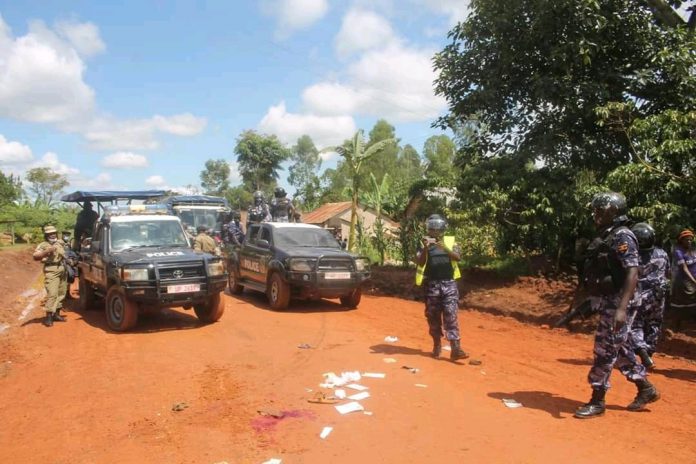
police in nakifuma

The National Unity Platform (NUP) party has accused Uganda Police of shooting dead five of their supporters who were following the party presidential candidate Robert Kyagulanyi Ssentamu alias Bobi Wine in Nakifuma during a campaign trail on Monday morning.

NUP claims that police fired live bullets leaving five of their supporters dead just after their campaign meeting.

“Just after our campaign meeting in Nakifuma earlier this morning, police has fired live bullets to our supporters leaving five of them dead. Many have succumbed to serious injuries when police trucks drove and knocked them down,” NUP tweeted.

Bobi Wine is today holding campaigns in Mukono, Buikwe and Lugazi.

Stories Continues after ad
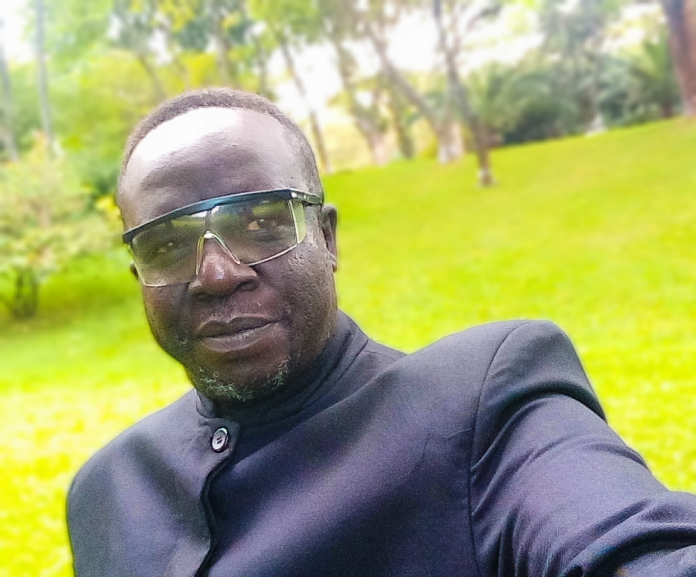
Uganda can only be saved by Ugandans

Mr. Munguongeyo


By Ivan Munguongeyo


My beloved country Uganda, which Churchill Winston called the ‘Pearl of Africa,’ is a nation naturally endowed with plentiful natural resources and youthful population. We are a people whose strength, lies in our population and in our diversity, lies our unity.

We are hardworking, strong and prayerful people. Our land are arable, our minds are shrewd, we have avalanche of resources at our disposal that make us unique. With all these we have, how then did we get to this point?

Uganda is faced with a myriad of challenges majority of which are due to bad governance, poor leadership and in the end, we are faced with corruption, rising unemployment, economic disability and inflation.

When we begin to look at issues on ground, I can assertively say that only a nation can survive all these and remain as one. Each time I watch news on Television of how the police is torturing opposition politicians, I feel worried. What happened to democracy and rule of the law in this country? In this country, almost everyone is affected somewhere.

These challenges in the country has escalated and permeated all spheres of the economy especially the agricultural sector. Our farmers cannot reap big from their hard work because of middle men who exploit them, lack of incentives, and fluctuation in prices.

We are now in election period. A lot of negative things are happening. The Economic Outlook Group last time warned that the national economy is slowing down and could enter in to a recession next year due to the ‘disorienting, distracting and dizzying’ events of 2020.

During this election period, our people are divided along ideological/political parties lines; NRM, NUP, DP, ANP or Independents and in the end, the masses are always at the receiving end. I really don’t see reasons why politics should divide us; the politicians themselves are not divided by these, so what is actually responsible for this schism?

We should let our collective vision be greater than any division in order to impact positively our nation. I believe in Uganda, I have hope in Uganda and most importantly, I have faith in Ugandans. No body outside will fix our country other than ourselves. Uganda can be nation of our dreams, if only we come together and shun all the self-interested and parochial sentiments that divide us and drive that ugly wedge amongst us.

As Helen Keller said ‘Alone we can do so little, together we can do so much’. Until we begin to see this country as a team, where all and sundry will have a say in its dealings, only the desired Uganda will be birthed.

Till we begin to understand our differences and realize there is unity in diversity, only then the child of nobody can become somebody without knowing anybody. Till we begin to understand that the powers, privilege and positions given to us are truly from God Almighty for the benefits of mankind and we would give accounts before him and treat everyone equally.

The writer is a Commonwealth correspondent in Uganda

Stories Continues after ad
The Obama globalists are back in the White House, already itching to rule the world again

Mr. Amin

With all due respect, it is quite concerning to hear US President-elect Joe Biden boldly roar that “America is back and ready to lead the world again!” He was explaining the role of the team that he has selected to formulate his administration’s foreign policy. And he is saying this without even feeling the slightest discomfort at any probable arrogance, utter boisterousness and disrespect that it might echo to the over eight billion other humans in their own countries on this planet, who will be affected by his foreign policy decisions.

While such words sound like coming straight from the centuries of empire and colonialism, psychologist might find the same undiagnosed attitude being behind the disproportionately high number of disturbing incidents of police brutality against black people and people of color in the US. It possibly finds fertile ground in a certain patriarchal or patronizing view regarding ones role in society or in the world vis-a-vis “others”.

I thought democracy meant that we the people choose our leaders and our destiny. But the peoples of the world did not elect Mr. Joe Biden or America to lead them, did they?

Mr. Biden was clearly elected by the vibrant and enterprising American people whom I love and respect so much. So it is fair to say that let him preside over them, not the rest of us.

Clearly the globalists over-reach is back. And they are confirming the worst fears of many in all corners of the world by immediately and unashamedly asserting claim to the planet.

If I may speak on behalf of those around the world who did not have their say in the US election, for the last four years we were told not to interfere. Therefore we definitely did not get to choose Biden or anyone from his country to lead us, or make decisions on our behalf. So we kindly ask him (or any other aspiring globalist) to please respect not only their clearly stipulated constitutional mandate toward their people and their country, but also have the utmost consideration and respect for the will of our own peoples and their sovereignty over their own countries. In this day and age, already a fifth of the new millenium passed, one should not feel comfortable thinking it is ok to tell almost 8 billion sovereign human beings around the planet that he or she is now ready to lead them with or without their consent.

What I know about peoples in Africa, the Middle East, South America, Asia and even millions across Europe, is that while we all appreciate advice, assistance, partnerships and pragmatic cooperation, we need every leader regardless of their nations financial or military might, to be humble enough to focus themselves to their constitutional mandate, within their jurisdiction, and leave the rest of us alone to our own self-chosen destinies and human dignity unless called upon respectfully, diplomatically and in good faith to work together on matters like climate change, #Corvid-19, trade, corruption, human rights, women’s emancipation, terrorism, education, refugees, peace-keeping, conflict resolution, and/or economic development for example.

God bless us all!

Signed: Mr. Hussein Lumumba Amin

November 26th, 2020.

Stories Continues after ad

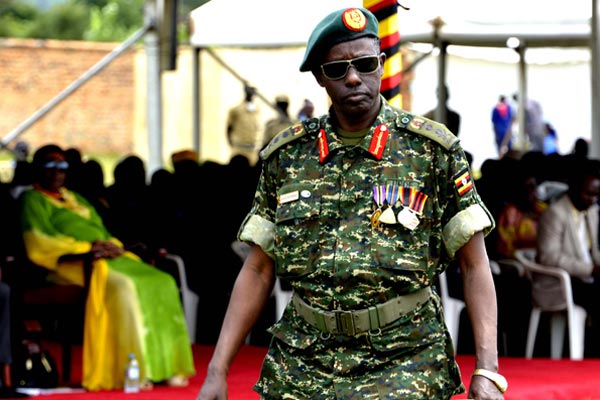
Shoot to kill civilians is barbaric. Internationally it could lead to war crimes on the part of Commanders

Former Security Minister Gen. Elly Tumwine.


In 1995, then Director of Artillery and Air Defense of the National Resistance Army (NRA),

Lt. Col. Steven Kashaka assured us (the World) that the Army had no shoot –to – kill policy.

The country then was engulfed in skirmishes with various rebel outfits in Northern Uganda, in Buseruka Hoima District and federo group headed by Maj. Itongwa based in Mpigi District.

In an interview then Lieutenant Colonel now a General in Uganda Peoples’ Defense Forces was reacting to the public outpouring (complaints) that the NRA was engaging in extra – juridical killings (excessively harsh) in its conduct of the  operation and taking only as few as possible Prisoners Of War (POWS).

Lt. Col. Kashaka who was himself commanding the Hoima operation said that the rebels had lost 110 (dead) out of 250 members in the previous ten days and the rest had fled either to Bungangaizi or the Democratic Republic of Congo then Known as Zaire.

Kashaka explained that the Hioma rebels had suffered such heavy casualties for a number of reasons. One that the rebels were concealed in a gorge which hid them well but became a death trap when they tried to escape. The Army could not take chances in its premier attack leading to heavy casualties on the rebels. Even during Hon. Kyagulanyi Sentamu (popularly known as Bobi Wine’s) campaigns in Luuka seems not to have elicited the responses that the world saw.

Using surveillance and intelligence, NRA had discovered the weaknesses in the new recruits and un armed insurgents and changed tactics and commanders were ordered to capture as many rebels as possible alive. Local people (population) were also advised not to kill fleeing rebels but to capture them.

The strategy worked so well since fatalities were tremendously minimized. This reminded me of a library reference story, I read on my visit to the National Defense College, Kabete – Kenya which goes as below.

There were training courses for everything in ancient Greece’s city of Athens. One of Socrates’ young friends sought to be trained to become one of the Athenian Army generals. Sometime later, when Socrates asked the young trainee about the progress of the course, the young friend of his told Socrates that at the Army Academy, he was only taught Logistics, man- management and marching. “Were you taught strategy” Socrates inquired to which the young officer replied “NO”

Socrates angrily told his friend “go back and train in strategy and planning or ask for your money refund. This is so because planning, strategy and tactics are the cornerstones at the center of the execution of a general’s work.

It was therefore, very necessary for the security forces assumed to have gone through Anti – riot officer training to capture the civilians alive and arraign them in courts of law including court martial if there was a component of terrorism as the  commander – in – chief (President) said in his speech.

Nabendeh Wamoto SP ( 0776-658433)

Email:simonwamoto@yahoo.co.uk


Stories Continues after ad

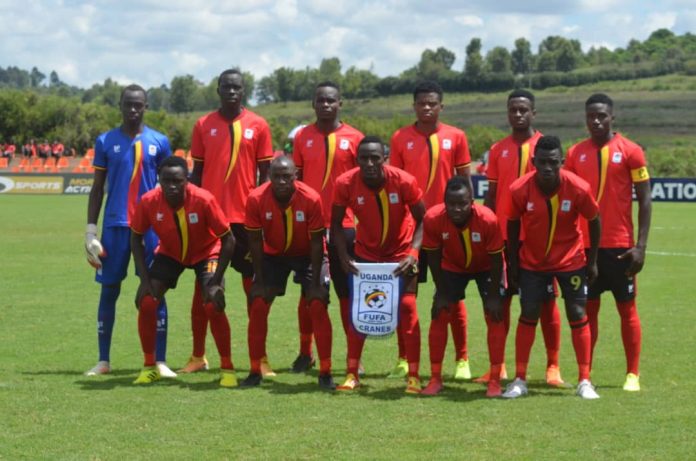
Uganda qualifies for U-20 Afcon

u20 hippos team

The Uganda National Under 20 football team (The Hippos) have qualified for the 2021 Africa Cup of Nations U-20 tournament in Mauritania scheduled for next year.

This comes after a convincing 3-1 win over Kenya today in the first U-20 CECAFA semi-final clash at the Black Rhino Academy sports stadium in Karatu, Tanzania.

Striker Ivan Bogere scored a brace, including a kick from the penalty mark to compliment defender Kenneth Semakula’s opener.

Half time had ended 2-0 in favour of Morley Byekwaso’s charges. Enock Wanyama scored a late consolation for Kenya Rising Stars inside the last ten minutes of the game but was late for a comeback.

Uganda seals the berth to the 2021 AFCON U20 finals and awaits either Tanzania or South Sudan in the final of the U20 Cecafa tournament.

Hosts Tanzania play South Sudan in the second semi-final clash on Monday evening at the same Black Rhino Academy facility in Karatu.

Stories Continues after ad

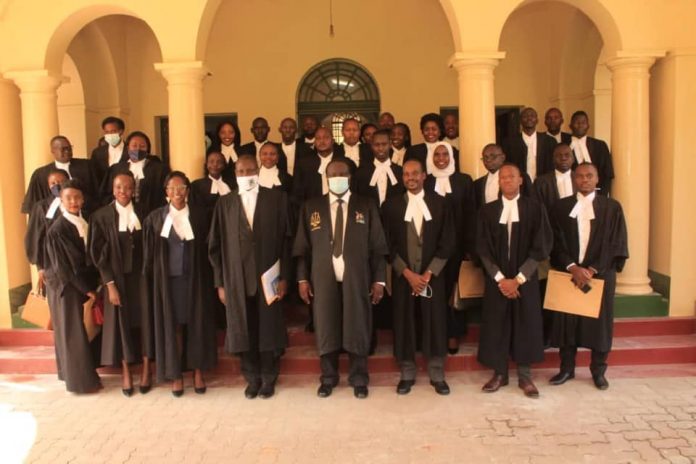
Judiciary enrolls 118 Advocates

advocates

A total of 118 lawyers were enrolled as Advocates of the High Court in a ceremony at the Judiciary headquarters in Kampala presided over by the Registrar High Court, Mr. Samuel Emokor, who represented the Chief Registrar.

The Chief Registrar, Ms. Sarah Langa Siu, congratulated the new advocates on the milestone of becoming officers of Court and wished them success in their legal practice.

Mr Aaron Motoka who represented the Secretary of the Law Council, reminded that the new advocates that signing on the roll bound them to the code of conduct.

He urged them to ensure that they do at least 40 hours of pro bono work in a year as a way of giving back to the community.

Mr Motoka advised the new advocates to exercise honesty, integrity, be accountable to their clients, independent and act upon instruction.

In order to keep up with trends in the law, he recommended that they undertake continuous legal education.

The President of Uganda Law Society, Ms. Pheona Nabasa Wall encouraged the new officers of Court to use their skill for the greater good of humanity.

She urged them to utilize their words to win cases and plead for their clients.

The Chief Registrar thanked Mr. Motoka for giving guidance to the new advocates. He pointed out that it was important for the advocates to distinguish themselves from other people.

HW Emokor reiterated the need to practice law with integrity, to always be prepared, respect each other and the courts and that they should never forget their duty to the court, clients and community. He encouraged the advocates to take the profession seriously and also protect it.

“The road before you is waiting for you to pave it, you can pave it with gold or anything you want. The future is bright, make your choice carefully,” he said.

Stories Continues after ad