Stanbic Bank
Stanbic Bank
23.6 C
Kampala
Stanbic Bank
Stanbic Bank
Home Blog Page 948

Military police passes out VIPP trainees

Trainees demonstrating skills acquired.


The Commandant Military Police Colonel Keith Katungi has passed out 68 trainees who have undergone four weeks of Very Important Person Protection (VIPP) course in Garuga.

The course had facilitators from Special Force Command and Police counter terrorism trainers who equipped the trainees with knowledge in various disciplines.

The commander of Military Police thanked Internal Security Organization (ISO), Special Forces Command (SFC) and Police for the synergies in training and skilling the trainees.

He said; “four weeks and the demonstrations exhibited were relevant and the objective of the course was achieved. The situation outside is waiting for you and the training is meant to prepare you for the tasks ahead.”

The commander of VIPP Unit and Commissioner of Police Hadijah Namutebi thanked Military Police for identifying VIPPU as a unit of people who can add value to the training and trainees and promised support where needed.

The Commandant Institute of Security and Intelligence Studies (ISIS), Maj John Odong expressed his appreciation to Military Police for recommending the school to offer training for the second time and pledged to do more. He said he was certain that the training had made the trainees better and further readied the soldiers to make good use of skills acquired to handle hard tasks ahead.

The function was attended by local leaders who praised the discipline of the soldiers and the cooperation between the school and village.

The Leaders were pleased with the reduced crime rate in the area since the school started.

Stories Continues after ad
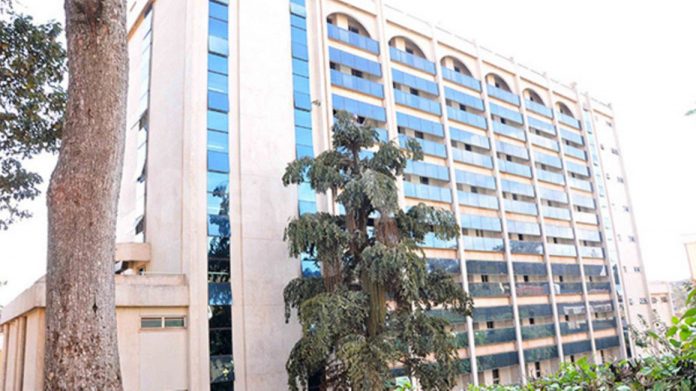
Airtel fails to secure operating license

Airtel

Telecom service provider, Airtel Uganda failed to secure an operational license after it expired 2017. It is reported that the company applied for renewal however their application is under scrutiny.

But sources at Uganda Communication Commission (UCC) told Eagle Online that the problem could over money which UCC asked Airtel to pay. It is alleged that Airtel expected to pay same amount as previously but they were stunned when the figures were moved upwards.

The company is operating on Public Service Provider (PSP) and Public Infrastructure Provider (PIP) License and this can explain why they were paying little amounts as compared to competitors MTN-Uganda.

Recently, UCC introduced new changes and currently there Six new license categories have been introduced: National Telecom Operator (NTO) license; National Public Service Provider (NPSP) License, Regional Public Service Provider (RPSP), National Public Infrastructure Provider (NPIP) License, Regional Public Infrastructure Provider (RPIP) License and License to provide Communal Access.

According to the new changes, if an operator covers over 65 per cent of the geographical boundary of Uganda, or operating in three regions they shall be eligible for a national license in the NTO or National PIP or PSP category. This can apply to MTN, Airtel, UTL and Africell.

Operators currently covering less than 65 per cent or operating in less than three regions, will be eligible for a regional license. Any operator who currently only holds NTO licenses will continue operating as such in the new licensing framework.

Upon expiry of their licence, Airtel applied for renewal of its PSP licence and paid the requisite $100,000 in November 2018. This aimed  at avoiding paying for the National Telecom Operator (NTO) license which they qualify for since they cover 50  per cent of the geographical boundary of the country.

 For years, Airtel’s competitors have complained that its cheap licence has given it the advantage to drive aggressive pricing which has put pressure on yields across the sector.

Airtel has enjoyed a market advantage over rivals because, while its operating licences are valued in millions of dollars, the telco has been paying just $100,000 for its public service provider licence every five years.

That translates into an annual licence cost of just $20,000, compared with $5.8 million for its nearest competitor. Airtel Uganda made Shs229.8 million profits in 2017, the same Telecom Company that has been paying just Shs370 million for its public service provider license every five years.

Stories Continues after ad
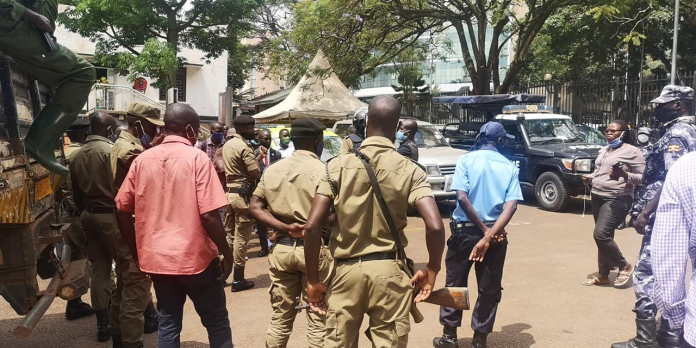
IGP Ochola shakes up police again

Moses Nanoka bounces back from Rukungiri district as DPC to police headquarters.

The Inspector General of Police Okoth Ochola  has made changes,  transferred and appointed 71 Police officers to various offices such as Finance, ASTU, Child and Family Protection, Police Senior Command & Staff College at Bwebajja, Interpol and Peace support Operations, CID as well as OC Stations of various districts.

According to police, the transfers and appointments are from the rank of SSP to ASP and include among others, officers who have been attending the just concluded senior Command and Staff Course at Bwebajja, others have been elevated while others have been moved to new appointments.

Police Deputy publicist Polly Namaye says the transfers are normal, and take immediate effect. The changes are barely a week after Mr. Ochola made similar changes. Eagle Online understands that police leadership is under pressure to maintain peace and security as the country heads in an election season.

Below are the names of officers transferred and appointed.

1.     SSP OKUMU MOSES FROM FINANCE POL. HQTRS IS APPOINTED AS AG. ACP FINANCE.

2.     SSP EWOTU JOHN FROM PSU TO HRM POL. HQTRS.

3.     SSP DHABANGI JOHN FROM INTERPOL TO HRM POL. HQTRS

4.     SP NANOKA MOSES FROM RUKUNGIRI TO PSO-POL. HQTRS.

5.     SP AHUMUZA TOBIAS FROM PPG TO ASTU.

6.     ASP MUGALYA YAWERI FROM HRM POL. HQTRS TO ICT.

7.     SSP BYARUHANGA DAN OF KIGEZI REGION IS APPOINTED RPC KIGEZI.

8.     SSP ATUHAIRWE MAUREEN FROM COURSE TO CHILD AND FAMILY DEPT. AS AG. CP.

9.     SSP MANANA FRANCIS NABUGYERE FROM COURSE TO PSC&SC-BWEBAJJA AS A DIRECTING STAFF.

10. D/SP WETAYA FREDRICK FROM COURSE TO RWENZORI WEST AS R/CID OFFICER.

11. SP KICONCO RWANKS MOSES FROM COURSE TO PSC&SC- BWEBAJJA AS A DIRECTING STAFF.

12. SP BAGUMA AARON SILINGI FROM COURSE TO PSO-POLICE HQTRS.

13. SP BYARUHANGA PATRICK FROM COURSE TO KISORO AS DPC.

14. ASP WONDO HERBERT FROM HRM POL.HQTRS TO INTERPOL.

15. ASP NAREEBA MARY FROM HRM POL. HQTRS TO INTERPOL.

16. ASP REHEMA SAMANYA FROM HRM POL. HQTRS TO INTERPOL.

17. ASP BONGO JOSEPH OC STN NAKAPIRIPIRITI HIS TRANSFER VIDE W/T REF: HRM 131/133/08/VOL.8/189 TO KAYANJA P/P-OLD KAMPALA IS CANCELLED.

18. ASP RUBANGAKENE STEPHEN FROM JINJA RD TO BUTO P/P – BWEYOGERERE AS OC.

19. ASP NAMULONDO EVA FROM MUKONO TO NDEEBA P/P-KATWE AS OC.

20. ASP BAKASHABA KENNETH FROM NALYA P/STN – KIRA DIV. TO HRM POL. HQTRS.

21. ASP RUKUNDO EZRA FROM KASANGATI TO NAALYA P/STN – KIRA DIV AS OC.

22. ASP BUSINGYE PELLEN FROM NAJJERA P/STN – KIRA DIV TO HRM POL. HQTRS.

23. ASP IGUNE GEORGE FROM KAWEMPE TO NAJJERA P/STN – KIRA DIV AS OC.

24. ASP KYEYUNE MICHAEL FROM WANDEGEYA TO KATOOKE P/STN – NANSANA AS OC.

25. ASP MUGENYI SHABAN FROM KATWE TO BUJJUKO P/STN – NANSANA DIV. AS OC.

26. ASP KATONGOLE MOSES FROM NAJANANKUMBI P/P/ – KMP/S HQTRS TO YESU AMALA P/STN – NANSANA DIV AS OC.

27. ASP KARUGABA JOSEPH FROM ENTEBBE TO KISUGU P/STN AS OC.

28. ASP KUTOSI TITUS FROM STN KISUGU – KABALAGALA TO HRM POL. HQTRS.

29. ASP MUGISHA INNOCENT FROM NKURUMAH – CPS K’LA TO HRM POL. HQTRS.

30. D/SSP KABUYE SULAIMAN FROM RWENZORI WEST TO CID HQTRS.

31. D/SP LUMALA FRED FROM RWENZORI WEST TO HRM POL.HQTRS.

32. D/SP SWALIKI DAUDA FROM KIIRA REGION TO CID HQTRS.

33. D/SP KIRABO JOSEPH FROM ISINGIRO TO KALUNGU AS D/CID/O.

34. D/ASP SANYU JANE FROM KALUNGU TO ISINGIRO AS D/CID/O

35. D/ASP TWISHIMYE ALLAN FROM HRA POL.HQTRS TO KIIRA AS R/CID/O

36. D/ASP KAKO HARRIET FROM NTOROKO TO KMP/EAST HQTRS.

37. D/ASP SALUBE ANDREW FROM CID HQTRS TO NTOROKO AS D/CID/O

38. D/ASP KUTEES GODFREY FROM BUNYANGABO TO HRM POL. HQTRS.

39. D/ASP TWESIGYE ROGERS FROM NTINDA – KIRA ROAD TO BUNYANGABO AS D/CID/O

40. D/ASP AKULLO MIRIAM FROM CID HQTRS TO KIRUHURA AS D/CID/O

41. D/ASP AGII DAVID FROM CID HQTRS TO HRM POL. HQTRS.

42. D/ASP ARINAITWE CLARE FROM KAGUGUBE P/P – WANDEGERYA TO KALIRO AS D/CID/O

43. D/ASP YEKO JORAM FROM KAKIRA DIV TO HIMA AS DIV.CID/O

44. D/ASP NAKATO ESTHER FROM HIMA AS DIV.CID/O.

45. D/ASP ARAKITI HELLEN BEATRICE FROM NABWERU – KAWEMPE TO DOKOLO AS D/CID/O

46. D/ASP OLUK ROBINSON FROM DOKOLO TO CID HQTRS.

47. D/ASP OBICHO SAMSOM FROM CID HQTRS TO NANSANA AS DIV. CID/O

48. D/ASP MUBANGIZI INNOCENT FROM BUKEDEA TO MASAKA AS D/CID/O

49. D/ASP NZEIMANA ANDREW FROM NATETE TO BUKEDEA AS D/CID/O.

50. D/ASP KYALIMPA TIMOTHY FROM CID HQTRS TO NATETE AS OC CID.

51. D/ASP KAGURUKYE YONA FROM NAGALAMA TO CID HQTRS.

52. D/ASP MUSINGUZI STEPHEN FROM BUHWEJU TO NAGALAMA AS DIV. CID/O.

53. D/ASP MUTATINE EPHRIAM FROM WAKISO TO CID HQTRS.

54. D/ASP NAKABOOKE JACKIE FROM BUSIA TO WAKISO AS DIV. CID/O

55. D/ASP TUMUGUMYA SUZAN FROM CID HQTRS TO BUSIA AS D/CID/O

56. D/ASP OLUK RONALD FROM KIWATULE – KIRA ROAD TO AMURU AS D/CID/O

57. D/ASP NAMBAJJE MARIA FROM KMP/EAST TO HRM POL. HQRTS.

58. D/ASP AMALI JACKSON FROM KMP/EAST TO HRM POL.HQRTS.

59. D/ASP KUSINGURA CHARLES FROM CID HQTRS TO HRM POL. HQTRS.

60. D/ASP TUSIIME MARY FROM SAVANNAH REG. TO MASINDI AS D/CID/O.

61. D/ASP MUNYANEZA RICHARD FROM CI HQTRS TO NORTH KYOGA AS R/CIO.

62. D/ASP MUKYAMA GASTER FROM KMP/S TO MT. MOROTO AS R/CIO.

63. D/ASP YAYEE PAUL FROM MT. MOROTO TO WAMALA AS R/CIO.

64. D/ASP MUGALYA JOSEPH FROM NORTH –KYOGA TO RWIZI AS R/CIO.

65. D/ASP CHEMUTAI PATRICK FROM WAMALA TO KMP/SOUTH AS R/CIO.

66. D/ASP ADILU JOSEPH FROM SIPI TO BUKEDI – NORTH AS R/CIO.

67. D/ASP CHELIMO RICHARD FROM BUTALEJA TO SIPI AS R/CIO.

68. D/ASP EBONG PATRICK FROM ASTU-ELGON SECTOR TO KMP/CI HQTRS.

69. D/ASP SARABU STEPHEN FROM NAKASONGOLA TO KOLE AS D/CIO.

70. D/ASP BWANIKA KASSIM FROM KAMULI TO NAKASONGOLA AS D/CIO.

71. D/ASP TWINOMUJUNI TIMOTHY FROM CI HQTRS TO KAMULI AS D/CIO.

Stories Continues after ad
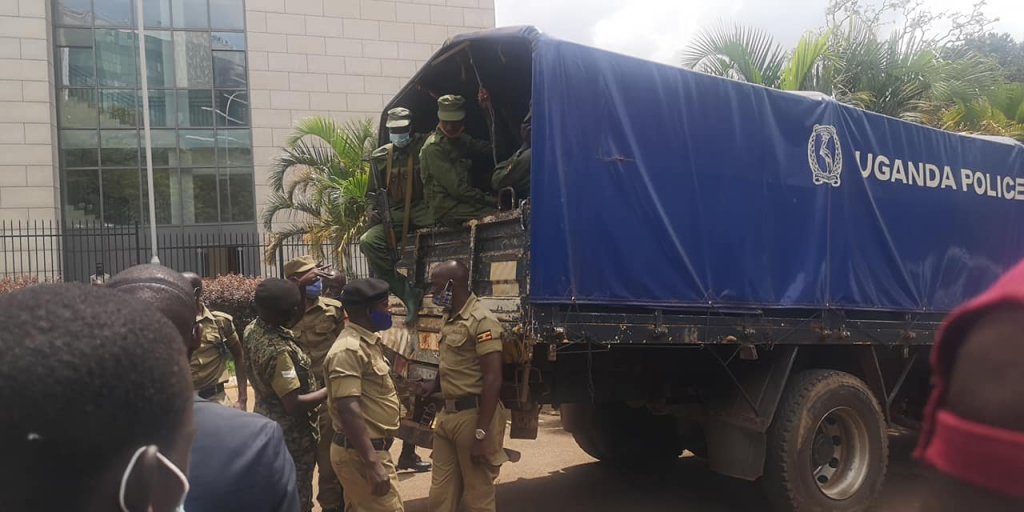
Museveni refutes claims of backing his brother against Kutesa’s daughter in Mawogola North

president Museveni addressing Sembabule district NRM leaders.

President Yoweri Museveni has refuted claims that he is the force behind his young Brother Aine Kaguta aka Sodo’s political decisions in Sembabule district.

Museveni was yesterday in Sembabule where he mediated district leaders and the aspiring members of parliament and urged them to amicably resolve the discrepancies which led to suspension of National Resistance Movement (NRM) primaries.

The tight race is between Shartis Kuteesa Musherure, a daughter to Foreign Affairs Minister Sam Kuteesa, and Godfrey Aine Kaguta, President Museveni’s younger brother. The two are vying to represent Mawogola North in parliament.

The party elections in Mawogola North and Mawogola West were suspended for fear of electoral violence. Since then, there has been heavy deployment in the area commanded by Deputy IGP Maj Gen Sabiiti Muzeyi.

“My name should not come up when my biological relatives are contesting. For me, like Jesus, my relatives are all and any NRM member who does the right thing according to the party constitution. However, I will table in the party CEC the issue of high-ranking party officials backing their relatives to fight other NRM contenders. That’s not leadership. You should not get involved in supporting your relative and disadvantaging other contenders”.

He pledged to table the issue of high-ranking party officials backing their relatives to fight other NRM contenders in the party central executive committee (CEC). “That’s not leadership. You should not get involved in supporting your relatives and disadvantaging other contenders.” He added

Museveni expressed his dismay over some party members who have been supporting other parties, yet they came to stand on the NRM ticket to be MPs.

“These must tell us where they belong. Also, NRM district chairpersons should be neutral in these party primaries. All in all, we must have order in the party.” he said.

He further warned those that involved i voting rigging and other electoral multi-practices that he had given a grace period of three days for them to come clean or rather prosecution against them on account  of fraud would be initiated.

“About rigging and fraud. I have given all those who did it a three-day amnesty starting today to come clean. If they do not heed this call, we shall announce the true results and instead prosecute those fraudsters. In Kiruhura, for example, we have verified results from 151 villages and we are left with 60 other villages. We shall make our independent conclusions. This is what we shall do in all districts with problems. And for those villages which did not get to vote, they will vote”


Stories Continues after ad
CJ Flags off Climate Justice Training for Judicial Officers

CJ. Justice Owiny-Dollo

The Chief Justice, Alfonse Chigamoy Owiny – Dollo, has flagged off the Climate Justice training of judicial officers at the Judicial Training institute.

The training is peddled at promote public participation in the sustainable use, management and protection of the environment and the enforcement of the right to a clean and healthy environment

The training which is being held in partnership with Greenwatch, an environmental rights advocacy Non- Governmental organization, attracted a cross-section of Judicial Officers.

At his maiden public event since being sworn-in on Tuesday, the Chief Justice commended the Institute and Greenwatch for ensuring that the training takes place despite the prevailing effects of the #Covid-19 pandemic.

“There is increased decline in ecological diversity worldwide due to several unregulated human activities and encouraged the engagement of stakeholders in the protection of the environment.” He said

The CJ equally emphasized the importance of judicial training in regard to the changing trends all over the world.

He added, “Courts have a responsibility towards the realization of the sustainable development goals under SDG No.16 and thus the need for training and skilling officers.”

On her part, the Executive Director of JTI, Justice Damalie N. Lwanga, said Climate Justice was a new concept in Uganda as regards the field of litigation, a fact that makes it relevant to engage and build the capacity of all stakeholders who contribute to access to Justice  and environmental Law enforcement.

“I hope that this training will promote awareness of international Law policies and climate change initiatives among the Judicial Officers. It will also enable courts to positively adjudicate climate justice matters and provide tools for continuing learning and reference even after this workshop,” she said.

The Director/Legal counsel of Greenwatch, Ms. Samantha Atukunda K. Mwesigwa said the major objective of the training was to ensure that Environmental Law principles are incorporated in government policies and legislation and also ensure that Judicial Officers and other stakeholders are trained on how to apply Environment Law.

A presentation was made on Climate change, its impacts and possible responses, the role of the intergovernmental panel on climate change and Uganda’s commitment under the Paris agreement.

Other topics handled include; the evolution of climate legislation, climate litigation and opportunities and limitations for climate Justice among others.

Stories Continues after ad
#Covid-19: $35 billion needed to produce two billion vaccine doses

The Director-General of World Health Organisations (WHO) Dr Tedros Adhanom Ghebreyesus has revealed that a total of $35 billion is still needed for the ACT-Accelerator to realise its goals of producing 2 billion vaccine doses, 245 million treatments and 500 million tests.

Dr Tedros said during the inaugural meeting of the Access to #Covid-19 Tools (ACT) Accelerator Facilitation Council. The meeting was co-chaired by Cyril Ramaphosa, President of South Africa, Dr Ursula von der Leyen, President of the European Commission and Erna Solberg, Prime Minister of Norway and included a keynote address from the UN Secretary-General António Guterres.

The ACT-Accelerator is the proven, up-and-running, global collaboration accelerating the development, production, and equitable access to #Covid-19 tests, treatments, and vaccines.

It was launched on 24 April 2020 by WHO with the European Commission, France and the Bill & Melinda Gates Foundation and supported by the UN Secretary-General and multiple Heads of Government, it is already delivering substantial returns; over 170 countries are engaged in the new #Covid-19 Vaccine Facility and ten candidate vaccines are under evaluation, nine of them in clinical trials, giving the largest and most diverse #Covid-19 vaccine portfolio in the world.

Investing in the ACT-Accelerator’s multilateral approach increases the chance of success for all countries by giving access to a greater number of tools more quickly, as well as sharing the costs, and mitigating the risks.

Dr Tedros Adhanom Ghebreyesus, WHO Director-General, said: “Nearly 5 000 lives are lost each day due to #Covid-19 and the global economy is expected to contract by trillions of dollars this year. The case for investing to end the pandemic has never been stronger. The ACT-Accelerator is the best way to ensure equitable access to vaccines, diagnostics and therapeutics, but at present is facing a financing gap of $35 billion. Fully financing the ACT-Accelerator would shorten the pandemic and pay back this investment rapidly as the global economy recovers,”

Ursula von der Leyen, President of the European Commission, said: “Today’s launch of the Facilitation Council brings us closer to our global goal: access to coronavirus vaccines, tests and treatments for everyone who needs them, anywhere. The EU will use all its convening power to help keep the world united against coronavirus. With the chairmanship of Norway and South Africa representing the global North and South, and the expertise of the WHO and our international partners, no country or region will be left behind in this fight.”

UN Secretary-General António Guterres, said: “We now need $35 billion more to go from set-up to scale and impact. There is a real urgency in these numbers. Without an infusion of $15 billion over the next three months, beginning immediately, we will lose the window of opportunity”.

Cyril Ramaphosa, President of South Africa, said: “It is essential that humanity should have a sense that if and when a vaccine is developed, all countries, including my own continent, Africa, should benefit and not be left behind. Humanity requires that a vaccine should be regarded as a public good to benefit all. We cannot achieve universal health coverage when a #Covid-19 vaccine is available only to countries that are well-resourced”.

President Paul Kagame of Rwanda noted: “This is certainly one of the most important initiatives underway in the world today and perhaps ever”. He added “The difference between success and failure lies in building a robust public health infrastructure that can confront any health issue in a sustainable manner. Solid health systems combined with transformational partnerships such as this Accelerator are critical.”

Erna Solberg, Prime Minister of Norway said: “The ACT-Accelerator has already achieved impressive results. The world has shown that it is able to come together at a time of crisis. Norway will work tirelessly to ensure that common interests are established and followed, and that all countries and actors are listened to, so that we can maximize our result together.”

Today’s meeting was held at a crucial pivot point for the ACT-Accelerator as it reviewed an updated strategy and investment case for its scale-up phase. The document will be finalised by 17 September 2020 with publication soon after. The UN Secretary-General has confirmed a high-level event will take place on 30 September 2020 at the forthcoming General Assembly.

The role of the Council is to facilitate the work of the ACT-Accelerator through political leadership and advocacy for collective solutions in the global interest, and for the mobilization of additional resources.

Stories Continues after ad

Gov’t insists we are opening schools and exams are for next year

Education Ministry PS, Alex Kakooza.

The Ministry of Education has released a revised national education institutions calendar ahead of the re-opening of schools for candidate classes.

Last month the ministry  petitioned their counterpart in finance to avail them funds to cater for re-opening of schools for candidate classes. The Education institutions shall reopen starting September 21, 2020 for candidate classes (P7, S4 and S6) and final year students in higher institutions of learning.

According to the calendar released by the ministry, registration for Primary Leaving Examinations (PLE) and Uganda Advanced Certificate of Education (UACE) examinations will take place from 28 September to 30 October 2020.

Briefing of UCE Candidates will take place on February 26, 2020 and thereafter sit for exams beginning from 1st March 2020 to 6th April 2021.

Briefing of PLE candidates will take place on March 26, 2021 and write their exams on 30th and 31st March 2021. UACE candidates will be briefed on  April 9,2021 and examinations will be conducted between April 12, 2020 and 3rd May 2021.

The Education Ministry Permanent Secretary Alex Kakooza said boarding Schools and institutions may arrange to receive learners starting on Saturday  September 19,2020 to Sunday September 20, 2020 in order to stagger arrivals for large enrolments and also to enable lessons begin in earnest on Monday September 21, 2020.

“To further reduce the potential risk of transmitting infection at school, no official visitation/career days are allowed until further notice. There shall also be no school or inter schools’ sports or co-curricular programs or competitions.” He said.

He said Lessons should start promptly and academic programs should focus on syllabus completion in time for national examinations in April 2021.

Stories Continues after ad

World Bank Provides $130.8 Million to Upgrade Road Infrastructure in Refugee hosting communities

Outgoing World Bank Country Manager for Uganda, Christina Malmberg Calvo

The World Bank Board of Directors have approved a grant of $130.8 million from the International Development Association (IDA) to ease the movement of goods and people and improve access to social services and job opportunities in the refugee hosting districts in the West Nile sub-region of Uganda. It is financed through the IDA18 Window for Host Communities and Refugees.

The Uganda Roads and Bridges in the Refugee Hosting Districts Project will upgrade 105 kilometre (km) Koboko-Yumbe-Moyo road from gravel to bitumen and strengthen the institutional capacity of the Uganda National Roads Authority to manage environmental, social, and road safety risks.

“This road project marks our re-engagement and strong support for the transport sector, a key development pillar in Uganda. We expect it to bring economic and social benefits to both hosting communities and refugees and reduce the income disparities between West Nile and the rest of Uganda,” said Tony Thompson, World Bank Country Manager.

Uganda is the “land bridge” for the rest of the Great Lakes region, connecting its landlocked neighbors to coastal countries. The project will foster greater regional integration through trade with DRC and Southern Sudan, reduce travel time, and create employment for youth and women.

The transport sector contributes to about 3 percent of the country’s GDP. About 95 per cent of freight traffic and 99 per cent of passenger traffic takes place on Uganda’s road network. The traffic volume on the network has been growing at a rate of about 6 per cent per year.

Uganda currently hosts the largest number of refugees in Africa and the third largest in the world. Around 57 per cent of the 1.4 million refugees living in Uganda live in the northern region, having come from Southern Sudan and the DRC. The historical lack of development in West Nile, a subregion in the North, combined with the continued inflow of refugees, has added to pressures on existing public services and infrastructure. Most refugee settlements are in rural and remote locations that increase the challenges for local economic development, thereby posing significant development challenges to both refugees and host communities.

The government has prioritised interventions that create economic opportunities that benefit both refugees and host communities as a means of enhancing self-reliance and alleviating pressure on existing public service delivery and infrastructure. About 54 per cent of refugees still depend on humanitarian assistance as their main source of livelihood. The proposed road corridor is the lifeline for the host and the refugee population of the districts of Koboko, Yumbe and Moyo and passes close to Bidibidi (the most populous refugee settlement in Africa), Lobule, and Palorinya refugee settlements directly impacting 360,177 refugees and indirectly benefiting 810,529 refugees within the region.

“This road corridor connects DRC and South Sudan through Uganda, and it is an alternate route to reach the northern part of the country from Kampala and many other parts of Uganda. This will provide a safe and reliable conduit for travel of goods and people all through the year, thereby contributing to the economic growth of the region,” said T Pratap, Senior Transport Specialist and World Bank’s Task Team Leader for the project.

The Koboko-Yumbe-Moyo project complements other transport investments by the World Bank Group in Uganda. The Bank is also financing the rehabilitation of the 340km Tororo-Mbale-Soroti-Lira-Kamdini road under the Uganda North Eastern Road-corridor Asset Management Project and construction of the 100km of the Kyenjonjo-Kabwoya road under the Albertine Region Sustainable Development Project.

Through the Uganda Forced Displacement Program, the Bank is providing grant finance to various interventions to support host communities and refugees. Social services and community infrastructure are being strengthened and sustainably managed in the West Nile under the Development Response to Displacement Impacts Project, the Uganda Secondary Education Expansion Project and the pipeline Uganda intergovernmental Fiscal Transfer Project.

Uganda Integrated Water Management and Development Project is transitioning humanitarian water supplies to sustainable development managed utilities. The Investing in Forests and Protected Areas for Climate-Smart Development Project plans to strengthen forestry and land degradation which will complement environmental safeguards of road construction.

UNRA will implement the project in collaboration with the Office of the Prime Minister, Ministry of Works and Transport, Ministry of Gender, Labour and Social Development, Ministry of Local Government and the Ministry of Lands, Housing and Urban Development.

Stories Continues after ad

Uganda to mark World Tourism Day in Fort Portal city

Gorillas

The Ministry of Tourism, wildlife and antiquities has launched a series of events to mark the celebrations of World Tourism Day.

Under the theme; Tourism and Community Development, the celebrations will be held in Fort portal city, in Kabarole district. This year’s micro celebrations will be climaxed on 27th September; the International World Tourism Day.

This theme focuses attention to the plight of rural communities and the contribution Tourism can make in transforming livelihoods. The beauty of Uganda is best exemplified by the countryside, fresh, undisturbed ecosystems where the people live in harmony with nature.

Fort portal exhibits the best landscapes and wonderful people that explain Uganda, The pearl of Africa, but has some of the best examples explaining how communities have been transformed using Tourism.

Tourism minister Kiwanda Godfrey said; “Fort portal has recently been declared a tourism City and we want to join the celebration but also engage leadership at an early stage to guide that development to greater heights.”

He used the day to recognise and celebrate the silver jubilee anniversary of the reign of King Oyo Nyimba Kabamba Iguru Rukidi the fourth.

“The king has led his people with steadfast vision and mobilised them into a developmental force that evokes pride in the region.”

He said; “We celebrate world tourism day this year in the most uncertain of times of the pandemic. We therefore need to strengthen our resolve in following the preventive guidelines and equally seek treatment and isolate when we get infected.”

Recently, the ministry launched guidelines for the tourism enterprises and they are currently on a nationwide campaign to sensitize and ensure compliance.

Stories Continues after ad

#Covid-19: Proprietors of schools push for re-opening for selfish desires

uganda-education

On March 18, 2020, President Museveni ordered for closure of schools and other teaching institutions in the country. The closure peddled at curbing the spread of the deadly #Covid-19 pandemic.

Since then, school going children have been home watching televisions on top of doing some domestic chores. In April, the Minister of Education and Sports Janet Kataha Museveni had announced that children would resume their studies towards the end of April. However due to surging numbers of #Covid-19 this could not happen.

The government had also proposed giving radio sets to almost every home for children to listen in as teachers go on with classes. Just wondering how pupils could learn mathematics, chemistry and other complicated subjects which involve calculations. To me this was a waste of taxpayers’ money to some schemers.

Neighboring country Kenya declared a dead year and therefore schools will resume next year. This will help gov’t and stakeholders in the education sector to lay down strategies of how schools will resume amidst the long term visitor, #Covid-19.

As the country continues to register huge numbers of #Covid-19, proprietors of various schools of whom are government officials push for re-opening to earn money other than prioritizing the health of our children.

Last week, it came to my notice that the Ministry of Education petitioned their counterpart in finance to avail them funds to cater for re-opening of schools for candidate classes.

It is reported that Education institutions shall reopen starting September 21, 2020 for candidate classes (P7, S4 and S6) and final year students in higher institutions of learning. Institutions shall follow a revised national education institutions calendar as shall be provided.

We have been patient for the last six months, why can’t we wait for two months and open in January or early February 2021. Our children/ students had not registered for the Uganda National Examinations Board (UNEB) and Uganda Advanced Certificate of Education (UACE) examinations and had attended classes for one and half month not even a term so why are we opening schools for them.

The re-opening for candidate classes, implies that the rest will repeat their respective classes. Here is a controversy, In case candidates pass to the next classes say senior one or senior five, where will the current occupants of the said classes go unless when the government or Ministry of education has a plan of changing the education calendar.

If not, there should be some schemers looking for a fatty budget in the name of re-opening of schools and implementing standard operating procedures (SOPs).

To date, the government has failed to implement #Covid-19 SOPs in downtown, taxi parks, how best we shall succeed when we reopen schools. Every day the country records over 100 cases of #Covid-19 will our children be safe? To me, reopening of schools before the launch of #Covid-19 vaccine, Museveni will have lost the battle.

The writer is patriotic Ugandan and a parent.

Stories Continues after ad