Parliament’s Natural Resources Committee yesterday questioned Uganda Electricity Distribution Company Limited (UEDCL) over the low level of investment since it took over the country’s electricity distribution network from Umeme, questioning whether the state owned utility was sufficiently prepared for the transition.
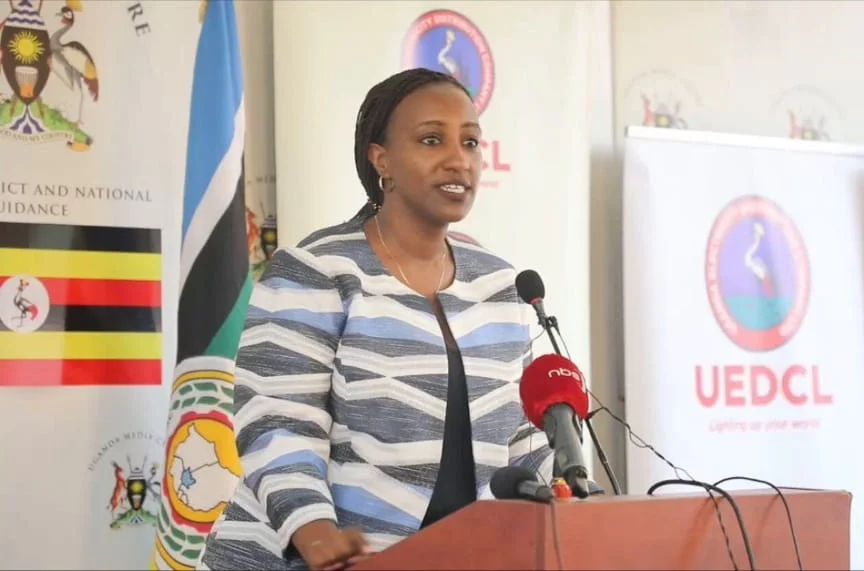
The concerns were raised during a committee meeting with UEDCL officials, including Acting Managing Director Joselynne Rwakakooko, and State Minister for Energy Sidronius Okaasai Opolot.

MPs, led by Kazo County MP Dan Kimosho, questioned the sharp difference between the investments made by Umeme during its final years as the country’s electricity distributor and those made by UEDCL since assuming control of the network.
Information presented to the committee showed that Umeme invested about US$72 million in 2021, US$34 million in 2022, US$23 million in 2023 and nearly US$10 million in 2024. Its investment over the final five years of its concession was put at about US$132 million, equivalent to approximately Shs490 billion.
UEDCL, however, has invested only about US$1.5 million, or roughly Shs5 billion, since taking over the network, including spending on new electricity connections.

The figures left MPs questioning whether government had done enough to prepare UEDCL for the end of Umeme’s concession, particularly given that the transition had been anticipated for several years.
Committee members argued that it would be difficult for UEDCL to match the operational performance of its predecessor without comparable investment in the distribution infrastructure.
UEDCL Chief Finance Officer, Jacqueline Kiwanuka told MPs that government had initially planned to provide money to facilitate preparations for the transition, but the expected financing did not materialise.
She said the company was subsequently authorised to borrow and secured financing after assuming responsibility for the distribution network.
MPs, however, sought further explanations from the Ministry of Energy and Mineral Development and the electricity sector regulator over how funds intended to support UEDCL’s preparations were managed.
The committee was told that documents indicated that some money was available shortly before the transition but was instead placed in a fixed deposit account to generate interest rather than being immediately invested in the electricity network.
MPs said they would investigate the circumstances surrounding the decision and indicated that former UEDCL Managing Director Paul Mwesigwa and the regulator would be summoned to explain how the funds were handled.
The committee’s concerns come amid a rise in electricity distribution losses since UEDCL took over the network.
UEDCL officials told MPs that distribution losses had increased to approximately 18.5 per cent, up from about 15 per cent when the network was handed over by Umeme.
Rwakakooko told the committee that every percentage point increase in annualised energy losses translates into about US$7 million, equivalent to roughly Shs25 billion.
The increase in losses therefore represents a significant financial burden for UEDCL and raises questions about the condition of the network, operational efficiency and the utility’s ability to control commercial and technical losses.
The committee is expected to examine whether the rise is linked to inadequate investment, operational shortcomings or other challenges that have emerged since the transition.
The inquiry also places the government’s decision to return electricity distribution to public management under greater scrutiny, with MPs seeking assurances that UEDCL has the resources and capacity required to manage the national network effectively.
Beyond financing and infrastructure, the committee expressed concern about UEDCL’s leadership structure, particularly the number of senior positions being occupied in an acting capacity.
MPs were told that six of the utility’s 13 management positions, including that of managing director, are currently held by acting officials.
The chairperson of the UEDCL board is also serving in an acting capacity, prompting MPs to question whether the arrangement could undermine accountability and effective decision making.
Masindi Municipality MP Rogers Byamukama said prolonged acting appointments could make it difficult to establish clear responsibility for the utility’s performance.
He called for substantive appointments to be made so that individual officials could be held accountable for their respective mandates.
The committee asked the Ministry of Energy to provide a clear timetable for resolving the leadership gaps.
Minister Okaasai acknowledged the concerns and told MPs that government expected to have a fully constituted UEDCL board by mid September.
The new board is expected to oversee the process of filling most of the vacant positions with substantive appointments.
The leadership issue comes as UEDCL continues to establish itself as the principal electricity distributor following the expiry of Umeme’s concession, placing additional pressure on the company to strengthen its management systems and operational capacity.
MPs also turned their attention to UEDCL’s electricity vending system, which officials said became operational on December 4, 2024, after obtaining the required STS certification.
The system was supplied by Spanish technology company Indra, but MPs raised concerns over repeated breakdowns, particularly towards the end of the month.
The committee warned that interruptions in the vending system could inconvenience electricity consumers and potentially affect revenue collection.
UEDCL was consequently directed to provide documents covering the procurement process, technical specifications, certification, supplier arrangements and cost of the system.
MPs said the information would enable them to establish whether the system was properly procured, whether it meets the required technical standards and what is being done to address its recurring failures.
The parliamentary scrutiny comes as UEDCL faces the difficult task of consolidating government ownership of electricity distribution after the end of Umeme’s concession.
The committee’s investigation is therefore expected to go beyond the company’s current financial position to examine the broader circumstances surrounding the transition, including investment levels, financing decisions, leadership, electricity losses and the reliability of the vending system.
For UEDCL, the immediate challenge is to strengthen the network, reduce losses and improve service reliability while building the financial and institutional capacity required to sustainably manage Uganda’s electricity distribution system.