Prime Minister Robinah Nabbanja has announced that Uganda will hold its fourth National Cleaning Day on Saturday, October 31, with restrictions on the movement of vehicles, motorcycles, bicycles and pedestrians between 7 am and 10 am.
The exercise will take place across the country, with Lira City designated as the national cleanup site in recognition of its role as one of the host cities for the 2027 Africa Cup of Nations (AFCON).

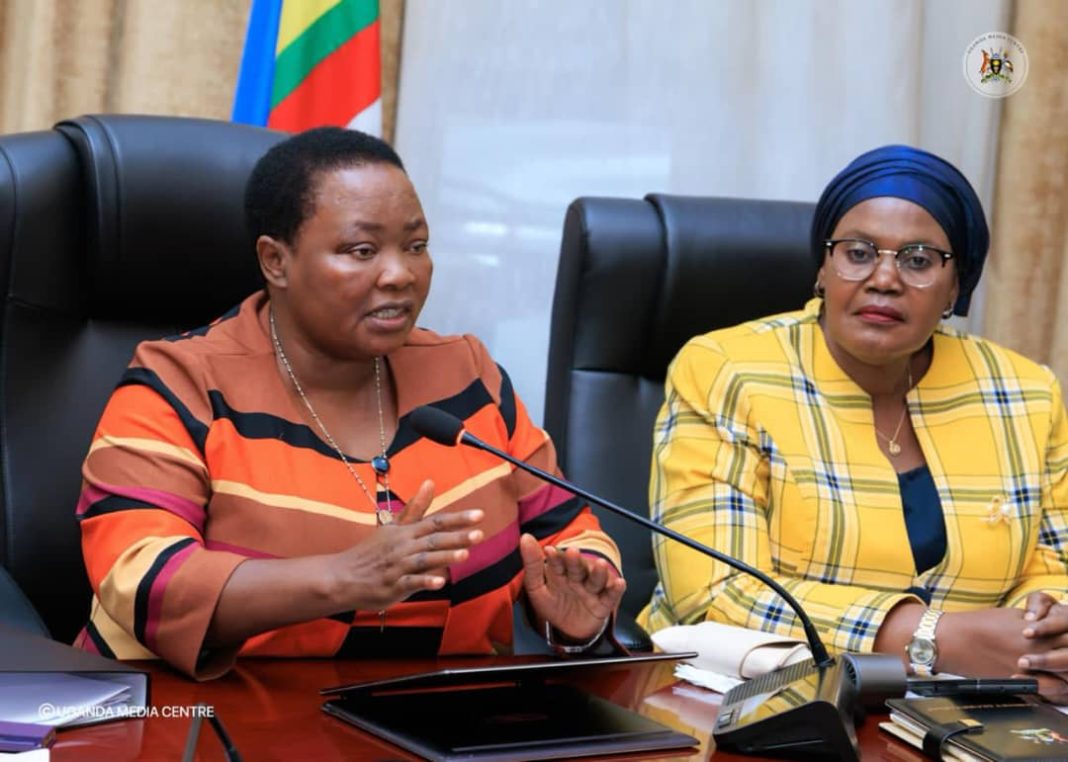
In a statement issued by the Office of the Prime Minister in October 2026, Nabbanja called on district and city authorities, businesses, schools, institutions and households to participate in the exercise, which aims to improve sanitation, protect the environment and promote public health.
“The Fourth National Cleaning Day will take place on Saturday, October 31, 2026, from 7:00 a.m. to 10:00 a.m. The exercise will be conducted simultaneously across the country, with Lira City designated as the national cleanup site in recognition of its importance as a host city for the Africa Cup of Nations (AFCON) 2027,” Nabbanja said.
She emphasised that selecting Lira as the national site does not limit the exercise to the city; all districts, cities, municipalities, town councils, sub-counties, parishes, and villages are directed to organise their own cleaning activities.

The government expects local leaders to mobilise residents and coordinate the identification of areas requiring cleaning. Resident District Commissioners, Resident City Commissioners, district chairpersons, mayors, chief administrative officers, town clerks, and Local Council leaders, particularly LC-I chairpersons, are tasked with providing leadership and supervision.
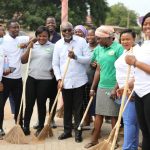
The October 31 exercise will be the fourth since the programme began in July. The first three activities were held on July 25, August 29 and September 26, with national events taking place in Kampala, Wakiso and Hoima City, respectively.
Nabbanja said the exercises had contributed to improved cleanliness in several areas but acknowledged that persistent garbage in some communities remained a challenge.
“Since the beginning of this exercise, there has been remarkable improvement in cleanliness across the country. However, the continued presence of garbage in some areas remains a concern,” she said.
She directed local governments and other responsible institutions to strengthen sanitation supervision, ensure timely collection of accumulated waste and enforce existing sanitation measures.
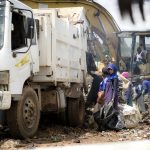
Authorities have also been instructed to provide the equipment and logistical support required for the exercise, including cleaning tools, protective gear, waste collection trucks, wheelbarrows and fuel.
Nabbanja said proper arrangements must be made to transport collected waste to approved disposal or treatment facilities instead of moving it from one public space to another.
“The exercise must be properly planned and executed to ensure that collected waste is removed and delivered to approved disposal or treatment facilities rather than transferred to other public spaces,” she said.
Markets, trading centres, roadsides, public walkways, drainage channels, schools, health facilities, residential neighbourhoods and workplaces have been identified as priority areas for the cleaning exercise.
The government has also called on businesses, non-governmental organisations, civil society groups and community organisations to support the initiative by providing cleaning materials and other necessary resources.
Nabbanja urged Ugandans to adopt responsible waste disposal practices, including sorting waste at source where possible, using designated collection points and avoiding dumping rubbish along roads, in drainage channels and other unauthorised places.
She said the programme was intended to establish lasting sanitation practices rather than encourage people to clean their surroundings only on designated days.
“Our objective is not simply to clean the country for three hours on one day. It is to establish cleanliness, proper sanitation and environmental responsibility as permanent national values and everyday practices,” Nabbanja said.
Under the announced arrangements, movement restrictions will apply from 7am to 10am on the last Saturday of every month during the cleaning period. Exemptions will be made for garbage collection trucks, medical and ambulance services, security personnel, foreign tourists, diplomats, health workers and people undertaking scheduled international travel who possess the required supporting documents.
Members of the public have been urged to plan their movements in advance, follow guidance from the relevant authorities and cooperate with personnel enforcing the arrangements.
The Prime Minister called on ministers, Members of Parliament, local government leaders, cultural and religious leaders, business representatives and community officials to participate in the exercise and mobilise residents.
“The success of this initiative depends on the willingness of every Ugandan to take responsibility for the cleanliness of their surroundings,”she said.
She added that the monthly exercises should complement, rather than replace, the daily responsibility of maintaining clean homes, workplaces and neighbourhoods.
President Yoweri Museveni initiated the National Cleaning Days Programme as part of government efforts to improve sanitation, environmental protection and public health.
Nabbanja thanked the President, other government leaders, security agencies, waste collection contractors, truck drivers and service providers for supporting the first three exercises.
She urged Ugandans to participate in the October 31 exercise and sustain the campaign beyond the designated three-hour period, saying effective planning, community participation, and responsible waste management were necessary to build a cleaner and healthier country.