Members of Parliament have again challenged President Yoweri Museveni over appointments to senior government positions and questioned the regional balance in his latest reshuffle of Permanent Secretaries and demanding an explanation over the exclusion of several communities.
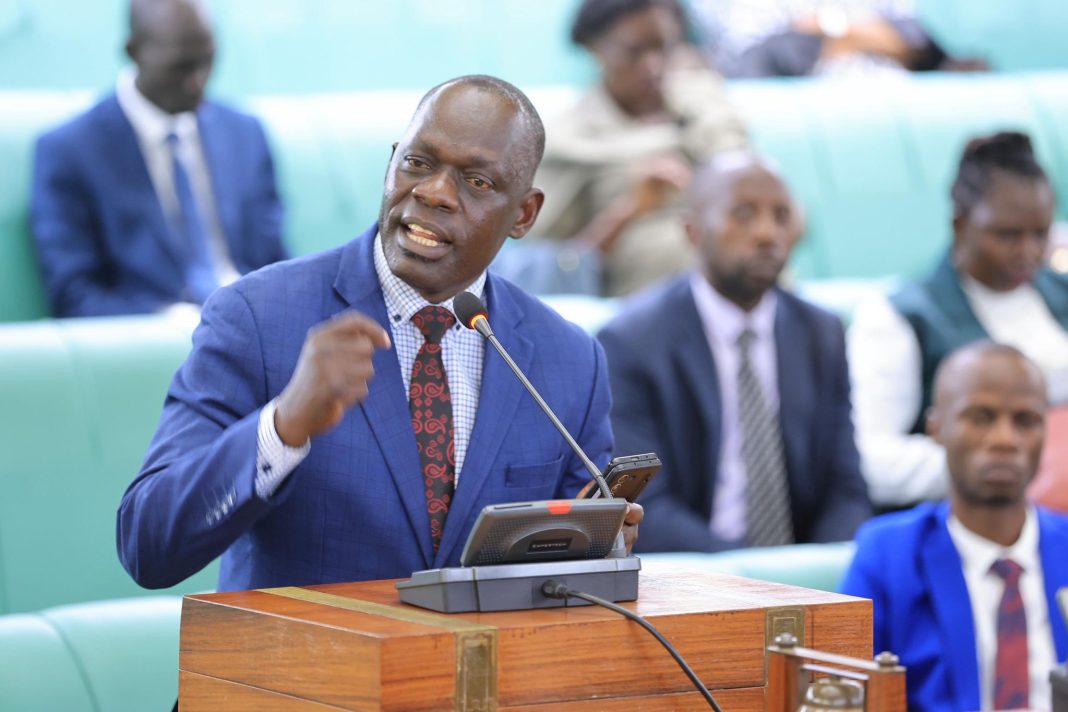
The concerns were raised in Parliament by Gilbert Olanya, the Kilak South County MP, who questioned the composition of the list of Permanent Secretaries appointed and redeployed by Museveni, arguing that some regions had not been adequately represented.

Olanya singled out Teso, Acholi, Lango, West Nile, and Karamoja, as well as the Jopadhola community, saying they were missing from the appointments.
“Government should explain who was picked in the latest reshuffle of Permanent Secretaries. When you look at the list, you do not see representation from Teso, Acholi, Lango, West Nile and Karamoja, as well as the Jopadhola community,” Olanya said.
He questioned the criteria used in selecting the officials, particularly whether the President considered the need to ensure that different regions and communities have a presence in the country’s top public service positions.

However, Acting Government Chief Whip Denis Bahati defended Museveni’s appointments, saying the President had acted in accordance with the Constitution.
“His Excellency the President acted in accordance with the Constitution. I would advise the honourable member to read the list again,” Bahati said.
Bahati’s response suggested that some of the officials appointed could originate from the regions Olanya had mentioned, challenging the MP’s assessment of the composition of the list.
Speaker of Parliament Jacob Markson Oboth weighed in on the debate, saying the appointing authority should also take regional representation into consideration when making appointments to senior government positions.
Oboth, however, acknowledged Bahati’s argument that some of the appointees could come from the regions Olanya had identified.
The exchange brings back the question of regional balance in government appointments, with legislators demanding that the composition of senior public offices reflect Uganda’s geographical and community diversity.
Museveni’s latest reshuffle involved the appointment of 13 new Permanent Secretaries, the retention of 16 officials in their positions, the redeployment of 11 and the retirement of 11 others.
Among the changes were the appointment of Emmanuel Freddie Mugunga to the Office of the Prime Minister, Prof. Stephen Akandwanaho to the Ministry of ICT and National Guidance, Aggrey Wunyi to the Ministry of East African Community Affairs and Mark Sseremba to the Ministry of Public Service.
Other appointments included Barbara Namugambe to the Ministry of Agriculture, Animal Industry and Fisheries, Charles Ssentongo to the Ministry of Foreign Affairs, Maureen Kasande to the Inspectorate of Government and Eng. Flavia Guto Bwire to the Ministry of Works and Transport.
Edith Butuuro was appointed Permanent Secretary in the Ministry of Defence and Veteran Affairs, while Sheeba Kyobutungi Rujoki was named to the Office of the President in charge of Science, Technology and Innovation. Betty Mutesa Cwinya-ai was appointed to the Public Service Commission, while Edward Sengonzi Damulira was named Clerk to Parliament.
The reshuffle also saw the retirement of several senior public servants, including former Secretary to the Judiciary Pius Bigirimana, former Clerk to Parliament Adolf Mwesige Kasaija, former Ministry of Works and Transport Permanent Secretary Bageya Waiswa, Maj. Gen. David Kasura-Kyomukama and Rose Nassali Lukwago.
The President made the appointments under Article 174(2) of the 1995 Constitution, which provides for the appointment of Permanent Secretaries. The nominees were also referred to the Public Service Commission for assessment.