
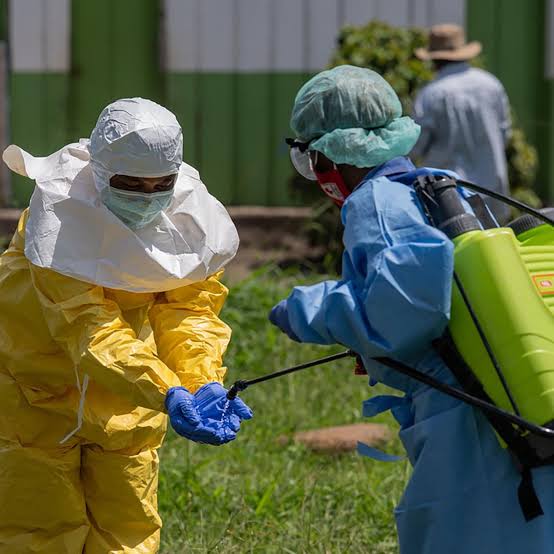
The United Arab Emirates (UAE) has lifted restrictions on issuing new visas to Ugandan nationals, reversing a suspension introduced in June 2026 following the Ebola outbreak in the region.
The decision allows Ugandans to resume travelling to the Gulf country, subject to specific health conditions, including a mandatory 21-day period between departure from Uganda and entry into the UAE.

The revised measures were announced on Wednesday, November 11, by the UAE’s National Emergency Crisis and Disaster Management Authority (NCEMA), working with the Ministry of Health and Prevention and the Federal Authority for Identity, Citizenship, Customs and Port Security.
Under the new arrangements, Ugandan nationals will once again be eligible for new visas, provided they have spent at least 21 days outside Uganda before arriving in the UAE.
“The suspension on issuing new visas to Ugandan nationals has been lifted, allowing them to enter the UAE provided that at least 21 days have passed since their departure from Uganda,” the revised guidelines state.

The decision also provides relief to Ugandans who had been affected by the restrictions, particularly students, diplomatic personnel and families who needed to travel between the two countries.
Ugandan students who were already enrolled in educational institutions in the UAE before June 2026 will be allowed to return, alongside their family members, subject to approved health procedures.
Administrative employees at the Ugandan Embassy in the UAE holding ordinary passports will also be permitted to enter the country, together with their family members, under the revised arrangements.
Holders of diplomatic and special passports issued by the Ugandan Government have equally been exempted from the general restrictions and will be allowed entry in accordance with the health procedures applicable to their category.
The UAE has also provided for humanitarian and medical exemptions, although such applications will be examined individually before approval.
Ugandans seeking medical treatment in the UAE will be required to present authorised medical documentation detailing their diagnosis, the health facility where they intend to receive treatment and the scheduled date for commencing treatment.
“Humanitarian and medical cases will be assessed individually, in accordance with approved regulations and in coordination with the relevant authorities,” the authorities said.
However, the easing of restrictions does not mean that all Ebola-related travel precautions affecting African countries have been removed.
The UAE has maintained its existing precautionary measures against travellers from the Democratic Republic of Congo (DRC) and South Sudan, citing continued monitoring of the Ebola situation in the two countries.
The authorities said the measures would remain in force in accordance with the applicable regulations and assessments of the epidemiological situation.
The decision follows the Ebola-related travel restrictions introduced in June 2026 as countries intensified efforts to prevent the spread of the virus across borders.
The Bundibugyo strain of Ebola, which triggered the health response in the region, prompted several countries to introduce additional screening and travel precautions, particularly for passengers arriving from affected areas.
Ebola is a severe and often fatal disease that spreads through direct contact with the blood and other bodily fluids of infected people or contaminated materials.
The UAE authorities said they would continue monitoring developments and adjust entry requirements depending on emerging health risks.
They reaffirmed that the measures were intended to protect public health while ensuring that travel arrangements remained responsive to changes in the epidemiological situation.
The decision is aimed to ease travel arrangements for Ugandans seeking employment, education, family reunions, business opportunities and medical services in the UAE, one of the major destinations for Ugandan travellers and migrant workers.