Stanbic Bank
Stanbic Bank
22.7 C
Kampala
Stanbic Bank
Stanbic Bank
Home Blog Page 1389

Kampala parents, other private schools top country in 2018 PLE

Some of Kampala Parents pupils who scored aggregate 4 pose for a photo.

Private primary schools have emerged top in the 2018 Primary Leaving Examinations (PLE) whose results were released today in Kampala by the Uganda National Examinations Board (UNEB).

The schools whose candidates passed mostly with aggregates 4 and 5 are’ Kampala Parents School, City Parents School, Victorious Primary School and others.

A total of 671,923 candidates registered to sit PLE at 13,072 centres across the country compared to 646,041 from 12, 751 centres in 2017.This is an increase of 25,882 (3.9) candidates. At least 71 per cent (476,131) of the candidates who sat for the examinations, are from government-aided schools, while 29 per cent (195,792) are from private ones.

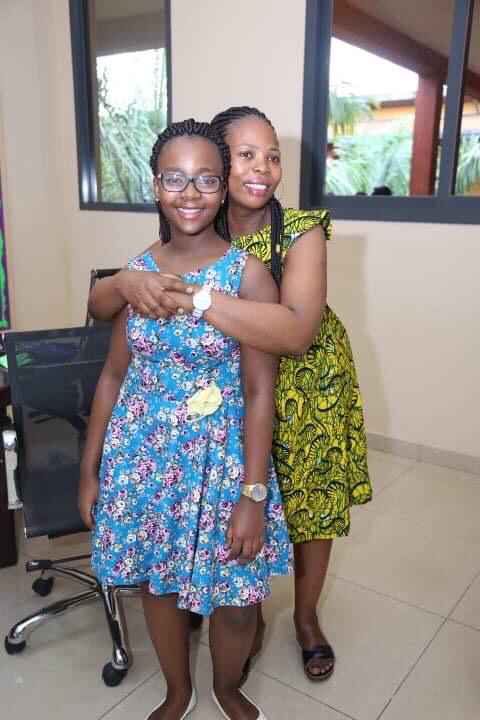
Elizabeth Atukunda pose with her mother, she scored aggregate 4.

Speaking at the release of exams, Mr Dan Odong, the Executive Secretary for UNEB said male candidates have slightly performed better than female candidates. In division one, (41604) 13.1 per cent of the male passed in division one compared to (35529) 10.5 per cent.

Meanwhile the Minister of Education and Sports, Janet Kataha Museveni lashed out to school administrators saying no private school will be allowed to operate in the 2019 school year without a valid registration license.

Stories Continues after ad

Parents cite financial contributions to schools as biggest challenge

Secondary school students

Ugandan parents cite the excessive amount financials contributions to both primary and secondary schools as the biggest challenge, according to the latest Twaweza’s new Sauti za Wananchi (Voices of Citizens) survey.

The finding was one of several others dug out, as 1,878 respondents across the country were reached via mobile phone in the sixth round of calls to the Sauti za Wananchi panel, conducted between September 17 and October 5, 2018.

The above challenge, the survey says is a particularly a common problem cited in regard to secondary schools, where one out of four (23 per cent) cite the issue, but even for primary schools (14 per cent) it is cited more than any other issue.

In both levels of schooling, distance to the school is the second most cited issue, with one out of ten naming distance as a problem in both primary (12 per cent) and secondary (12 per cent) schools. Shortage of teachers and teacher absenteeism were also widely cited as serious issues facing schools.

The survey also established that almost half of parents do not speak to anyone about the problems they see at school. Just under half of parents (46 per cent) did not speak to anyone in the past year to see if they could help fix the main problem they saw at their children’s school. One out of four or 26 per cent spoke to the head teacher, and one out of six (17 per cent) spoke to the School Management Committee (SMC).

The survey found out that in majority of cases (61 per cent), the problem raised by parents was not resolved after they spoke to someone about it. “In most cases where some action was taken, the problem was only partially or temporarily resolved (32 per cent), leaving just a small number of cases (7 per cent) where the problem was resolved completely,” the report says.

The survey established that other than speaking to someone, very few parents (14 per cent) have taken any other action towards resolving problems they see at their children’s school while 8 out of 10 have not.

In 2017 baseline survey of Sauti za Wananchi Uganda found that citizens report higher levels of engagement in education matters than on issues relating to health services and water supplies

The survey established also that 1 out of 3 citizens has visited a school to ask about school finances. One out of three citizens (34 per cent) has ever visited a school to seek information about school finances and expenditure. This number is higher among men (38 per cent) than women (30 per cent) and higher in rural areas (36 per cent) than urban (30 per cent).

In more than half of such cases, citizens were able to find some financial information on display, either in the head teacher’s office (44 per cent), the staff room (6 per cent) or on a noticeboard within (5 per cent) or outside (3 per cent) the school grounds. In three out of ten cases (29 per cent), the information was not available, while in the remainder (10 per cent) the information was not displayed but was shared either at public meeting (9 per cent) or in some other way (not shown in charts).

Parents are split on whether head teachers would respond positively to requests for information, the survey says. 48 per cent think the head teacher would not provide such information, while nearly as many (41 per cent) think they would.

Around half of citizens are aware of the capitation grant Four out of ten citizens (41 per cent) are confident that they have heard of the capitation grant for primary schools, while a further one out of six (16 per cent) say they have heard of the grant when prompted with some details. Four out of ten (43 per cent) say they have not heard of the grant, even after probing.

The most common uses of capitation grant funds identified by citizens are the purchase of school materials (28 per cent), construction work (11 per cent), paying teachers (9 per cent) and teacher and student welfare (9 per cent). However, in all these cases, the numbers are dwarfed by the number of citizens who were not confidently aware of the capitation grant in regards to their children’s school (59 per cent).

Very few citizens (2 per cent) say they know how much capitation grant is provided to schools per pupil. Among those who do claim to know the amount, citizens gave estimates ranging from Shs300 to over Shs3,000,000 per pupil, with no consistency in these estimates, (not shown in charts). Reports in the media about the capitation grant amount also vary significantly.

5: 8 out of 10 parents continue to pay other levies to schools while eight out of ten parents (80 per cent) say they continue to pay money to schools for a range of purposes, including tuition or extra classes (68 per cent), food (60 per cent), school books or other materials (58 per cent), construction work (57 per cent) or to support volunteer teachers (48 per cent).

The survey established that parents in urban areas are more likely to pay for tuition or extra classes (75 per cent) than those in rural areas (65 per cent), but parents in rural areas are more likely to pay for volunteer teachers (50 per cent) than those in urban areas (42 per cent) However three in ten children (29 per cent) of school-going age attend private schools. As such, those paying these additional levies will include parents of children attending private schools (not shown in charts)

One out of 10 citizens say they are members of a school committee or board One out of ten citizens (10 per cent) say they are members of a school committee or board, and most of these (8 per cent) say they are active participants on the committee.

Parents’ representatives (68 per cent) and school staff (52 per cent) are widely recognised as members of the school committee / board, followed by representatives of the school’s founding body (24 per cent) and/ or the local council (24 per cent).

According to the survey, citizens are split on the proper role of school committees between those who prioritise planning, budgeting and decision making (33 per cent) and those who focus on maintaining academic and disciplinary standards (31 per cent). However the largest number of parents say that, in practice, committees focus much more on planning decisions (38 per cent) than on academic and disciplinary matters (9 per cent).

Still, half of citizens have seen a teacher absent from school in the past year, half of whom approached the teacher. Half of citizens (47 per cent) have, in the past 12 months, seen a teacher out of school at a time when he or she should have been at school and teaching. Half of this group – a quarter of the overall population (24 per cent) – approached the teacher to ask why he or she was not teaching.

Among those who saw an absent teacher but did not approach them, four out of ten (42 per cent) say this was because they feared it might have negative repercussions. Three out of ten (32 per cent) say they thought it was pointless as it would achieve nothing, and almost as many (27 per cent) say they would have felt uncomfortable doing so.

Stories Continues after ad

Aliko Dangote Foundation, partners advocate public-private sector partnership for better health in Africa

Aliko Dangote

Top African leaders including Heads of States, Ministers, CEOs as well as representatives from the African Union and United Nations will converge at the inaugural Africa Business: Health Forum (AB:HF) taking place in Ethiopia on 12th February 2019 on the margins of the 32nd African Union Summit.

The Forum will unify Africa’s key decision makers in exploring opportunities for catalyzing growth in the continent’s economy, through business partnerships to invest in the health sector.

The inter-relationship between the health of employees and economic growth is increasingly taking center stage in many African countries, and business is being pushed to exploring how to maximize shareholder value as a complex interplay between financial, human, social and environmental return.

African business entrepreneurs are waking up to the reality that good health is good business, and investing in health is both a business and social imperative, with studies showing that by 2030, business opportunities in the health and wellness sector will reach $1.8 trillion in current prices.

Investing in African health systems is an opportunity to accelerate economic development and growth, contribute to saving millions of lives, prevent life-long disabilities, and move countries closer to achieving SDGs and Africa’s Agenda 2063.

“From a business standpoint, we are beginning to see the opportunities that could be created by focusing on improving and investing in health,” says Aigboje Aig-Imoukhuede, a renowned financier and Co- Chair, GBCHealth. “There is a need to close the gap on the inequality of life in Africa from a healthcare standpoint and we must look to develop a universal plan that shifts the needle as far as healthcare in Africa is concerned. Health must cease being a source of pain, and become a source of prosperity instead.”

The AB:HF is the vision of GBCHealth, the United Nations Economic Commission for Africa (UNECA), and the Aliko Dangote Foundation, with the objective of driving business leadership, strengthening partnerships, and facilitating investments to change the face of healthcare in Africa.

The Forum will culminate in the launch of the African Business Coalition for Health (ABCHealth), a coalition that will mobilize a core group of private sector champions through a coordinated platform to advance health outcomes and shape health systems across Africa.

ABCHealth will serve as the regional platform to unlock synergies that will contribute more directly to a healthy and prosperous Africa, enabled by collaboration and business partnerships.

Reiterating the need for business leaders to key into this vision, Aliko Dangote, Group President, Dangote Group and Chairman, Aliko Dangote Foundation, said: “The best way to move Africa forward is for businesses to step up in health care and take bold action. We must work together, across industries and with governments and communities, to foster innovation and drive more strategic investments that benefit us collectively. The time is now for a new era of cooperation in Africa that will position its people, communities and businesses for success, now and in the future.” Good health is not only an outcome of, but also a foundation for, development

Vera Songwe, Executive Secretary, UNECA said: “The Commission will play a role in the design and implementation of policy frameworks around the financing of healthcare through Public Private Partnerships and the private sector. Building on the African Continental Free Trade Area (AfCFTA), this will also encourage regional transboundary health investments especially in the pharmaceutical sector.”

Stories Continues after ad

Undercover journalist who exposed corrupt officials in Ghanaian sports industry shot dead

Aremeyaw Anas

The employers of a Ghanaian undercover reporter have alleged assassination after he was shot dead on Wednesday night.

Ahmed Hussein-Suale was said to be on his way home when gunmen on a motorbike opened fire on his vehicle in Madina area of Accra, shooting him dead in three live rounds.

Mr Hussein-Suale was a key personnel amongst a team of undercover investigators working with Anas Aremeyaw Anas’ Tiger Eye in Ghana.

A grieving Mr Anas announced the development on Thursday morning, saying his late colleague was shot twice on the chest and once in the neck.

A video Mr Anas posted alongside the death announcement on Twitter Thursday morning showed a Ghanaian lawmaker making violent threats against Mr Hussein-Suale.

Kennedy Agyapong said in the video, which was part of ‘who watches the watchman’ anti-Anas docuseries, that the public should deal with Mr Hussein-Suale for a handsome reward.

Mr Agyapong’s threats and the immediate indication that the killers did not steal from Mr Hussein-Suale after killing him appeared to have led Tiger Eye to suggest that he was assassinated.

Mr Anas and his team have taken on several Ghanaian sectors to expose corruption, including the 2015 undercover that exposed judges as taking cash bribes and forced many of them to resign.

An undercover on corruption in the Ghanaian sports industry is suspected to have led to the murder of Mr Hussein-Suale last night.

Last year, Tiger Eye raised the alarm that its staff members had become recipients of frequent violent threats, calling on the world to prevail on Ghanaian authorities to ensure their safety.

Media rights advocates say the development has reminded the world of the grim danger African journalists still face.

The Committee to Project Journalists condemned Mr Hussein-Suale’s killing and called on Ghanaian authorities to immediately unmask the assailants and bring urgent justice to his family.

“Authorities in #Ghana should immediately investigate the killing of journalist Ahmed Divela and ensure that threats against the press are taken seriously,” the CPJ Africa Programme said on Twitter Thursday morning.

A journalists’ welfare campaigner, Chioma Agwuegbo, also condemned the killing Thursday morning, saying it highlights the perils investigative journalists face in their quest to expose unbridled corruption in public service.

Stories Continues after ad

Boys beat girls in PLE as 3500 pupil’s results are withheld

UNEB chairperson Prof. Mary Okwakol handovers 2018 PLE result to Education Minister, Janet Museveni as UNEB Secretary Odong looks on.

Uganda National Examinations Board has withheld a total of 3500 exams over indulgence in malpractice.

Releasing exams 2018 Primary Leaving Examination, a total of 671,923 candidates registered to sit 2018 PLE from 13,072 centres across the country compared to 646,041 from 12, 751 in 2017. Over the last five years, the examination body has witnessed an increase of 66,955 candidates that register for examination.

Speaking at the release of exams, Mr Dan Odong, the Executive Secretary for UNEB said male candidates have slightly performed better than female candidates. In division one, (41604) 13.1 per cent of the male passed in division one compared to (35529) 10.5 per cent.

“Some schools in Bundibugyo district indulged in malpractice after security officers found teachers reading out answers to candidates. Parents had been made to pay Shs50,000 each to facilitate the malpractice,” He said adding that all the affected schools will be granted a fair hearing for subsequent release of their exams.

“UNEB has taken measures to eliminate malpractice but now the only challenge is teachers who give candidates chits to sneak into examination rooms with, a case in point is Bundibugyo district where teachers were found reading out answers to candidates,” He said.

Some of the schools include: Bundimulinga Primary Schools (Nyahuka town council, Bwamba County), Bubandi P/S (Busungo town council Bwamba County), Izahura sitting Center (which had Bupompoli P/s, Kihoko P/S, green cycle P/S in Bughendera County), Bundikahungu P/S (Nyahuka town council, Bwamba County) and Clever Origin (Bundibugyo Town Council, Bwamba County).

Odong said handwriting has slightly improved and it significantly contributed to the easing of the marking process of the exams.

Meanwhile the Minister of Education and Sports, Janet Kataha Museveni lashed out to school administrators saying no private school will be allowed to operate in the 2019 school year without a valid registration license.

The Minister remarked during the releasing of PLE examination where the Executive secretary for UNEB Dan Odong revealed that unregistered schools have continued to operate and dupe parents that they are unregistered and end up conning people off their money.

Giving examples of Bahrain Nursery and PS in Iganga, Busenga Junior School and At Peters PS in Butambala, Mr Odong said pupils discovered late that the school management didn’t submit in their papers for registration by the examination body.

“UNEB has set up systems to allow parents to check the registration status of their children, through the Mobile Phone. Every parent now has a phone, but what is that phone for if it can’t help you. Please make use it to avoid last time disappointments,” She said

She said the ministry will not allow teachers to operate schools in residential houses and temporary buildings. “We are going to set off site center in Jinja and other centers all over the country to thwart duping of parents, and whistle blowing policy to thwart malpractice,” she added.

Stories Continues after ad

WHO identifies ten threats to global health in 2019

Air pollution is one global threats

The world is facing multiple health challenges. These range from outbreaks of vaccine-preventable diseases like measles and diphtheria, increasing reports of drug-resistant pathogens, growing rates of obesity and physical inactivity to the health impacts of environmental pollution and climate change and multiple humanitarian crises.

To address these and other threats, 2019 sees the start of the World Health Organization’s new 5-year strategic plan – the 13th General Programme of Work. This plan focuses on a triple billion target: ensuring 1 billion more people benefit from access to universal health coverage, 1 billion more people are protected from health emergencies and 1 billion more people enjoy better health and well-being. Reaching this goal will require addressing the threats to health from a variety of angles.

Here are 10 of the many issues that will demand attention from WHO and health partners in 2019.

Air pollution and climate change

Nine out of ten people breathe polluted air every day. In 2019, air pollution is considered by WHO as the greatest environmental risk to health. Microscopic pollutants in the air can penetrate respiratory and circulatory systems, damaging the lungs, heart and brain, killing 7 million people prematurely every year from diseases such as cancer, stroke, heart and lung disease. Around 90 per cent of these deaths are in low- and middle-income countries, with high volumes of emissions from industry, transport and agriculture, as well as dirty cook stoves and fuels in homes.

The primary cause of air pollution (burning fossil fuels) is also a major contributor to climate change, which impacts people’s health in different ways. Between 2030 and 2050, climate change is expected to cause 250 000 additional deaths per year, from malnutrition, malaria, diarrhoea and heat stress.

In October 2018, WHO held its first ever Global Conference on Air Pollution and Health in Geneva. Countries and organizations made more than 70 commitments to improve air quality. This year, the United Nations Climate Summitin September will aim to strengthen climate action and ambition worldwide. Even if all the commitments made by countries for the Paris Agreement are achieved, the world is still on a course to warm by more than 3°C this century.

Noncommunicable diseases

Noncommunicable diseases, such as diabetes, cancer and heart disease, are collectively responsible for over 70 per cent of all deaths worldwide, or 41 million people. This includes 15 million people dying prematurely, aged between 30 and 69.

Over 85 per cent of these premature deaths are in low- and middle-income countries. The rise of these diseases has been driven by five major risk factors: tobacco use, physical inactivity, the harmful use of alcohol, unhealthy diets and air pollution. These risk factors also exacerbate mental health issues that may originate from an early age: half of all mental illness begins by the age of 14, but most cases go undetected and untreated – suicide is the second leading cause of death among 15-19 year-olds.

Among many things, this year WHO will work with governments to help them meet the global target of reducing physical inactivity by 15% by 2030 – through such actions as implementing the ACTIVE policy toolkit to help get more people being active every day.

Global influenza pandemic

The world will face another influenza pandemic – the only thing we don’t know is when it will hit and how severe it will be. Global defences are only as effective as the weakest link in any country’s health emergency preparedness and response system.

WHO is constantly monitoring the circulation of influenza viruses to detect potential pandemic strains: 153 institutions in 114 countries are involved in global surveillance and response.

Every year, WHO recommends which strains should be included in the flu vaccine to protect people from seasonal flu. In the event that a new flu strain develops pandemic potential, WHO has set up a unique partnership with all the major players to ensure effective and equitable access to diagnostics, vaccines and antivirals (treatments), especially in developing countries.

Fragile and vulnerable settings

More than 1.6 billion people (22 per cent of the global population) live in places where protracted crises (through a combination of challenges such as drought, famine, conflict, and population displacement) and weak health services leave them without access to basic care.

Fragile settings exist in almost all regions of the world, and these are where half of the key targets in the sustainable development goals, including on child and maternal health, remains unmet.

WHO will continue to work in these countries to strengthen health systems so that they are better prepared to detect and respond to outbreaks, as well as able to deliver high quality health services, including immunization.

Antimicrobial resistance

The development of antibiotics, antivirals and antimalarials are some of modern medicine’s greatest successes. Now, time with these drugs is running out. Antimicrobial resistance – the ability of bacteria, parasites, viruses and fungi to resist these medicines – threatens to send us back to a time when we were unable to easily treat infections such as pneumonia, tuberculosis, gonorrhoea, and salmonellosis. The inability to prevent infections could seriously compromise surgery and procedures such as chemotherapy.

Resistance to tuberculosis drugs is a formidable obstacle to fighting a disease that causes around 10 million people to fall ill, and 1.6 million to die, every year. In 2017, around 600 000 cases of tuberculosis were resistant to rifampicin – the most effective first-line drug – and 82% of these people had multidrug-resistant tuberculosis.

Drug resistance is driven by the overuse of antimicrobials in people, but also in animals, especially those used for food production, as well as in the environment. WHO is working with these sectors to implement a global action plan to tackle antimicrobial resistance by increasing awareness and knowledge, reducing infection, and encouraging prudent use of antimicrobials.

Ebola and other high-threat pathogens

In 2018, the Democratic Republic of the Congo saw two separate Ebola outbreaks, both of which spread to cities of more than 1 million people. One of the affected provinces is also in an active conflict zone.

This shows that the context in which an epidemic of a high-threat pathogen like Ebola erupts is critical – what happened in rural outbreaks in the past doesn’t always apply to densely populated urban areas or conflict-affected areas.

At a conference on Preparedness for Public Health Emergencies held last December, participants from the public health, animal health, transport and tourism sectors focussed on the growing challenges of tackling outbreaks and health emergencies in urban areas. They called for WHO and partners to designate 2019 as a “Year of action on preparedness for health emergencies”.

WHO’s R&D Blueprint identifies diseases and pathogens that have potential to cause a public health emergency but lack effective treatments and vaccines. This watchlist for priority research and development includes Ebola, several other haemorrhagic fevers, Zika, Nipah, Middle East respiratory syndrome coronavirus (MERS-CoV) and Severe Acute Respiratory Syndrome (SARS) and disease X, which represents the need to prepare for an unknown pathogen that could cause a serious epidemic.

Weak primary health care

Primary health care is usually the first point of contact people have with their health care system, and ideally should provide comprehensive, affordable, community-based care throughout life.

Primary health care can meet the majority of a person’s health needs of the course of their life. Health systems with strong primary health care are needed to achieve universal health coverage.

Yet many countries do not have adequate primary health care facilities. This neglect may be a lack of resources in low- or middle-income countries, but possibly also a focus in the past few decades on single disease programmes. In October 2018, WHO co-hosted a major global conference in Astana, Kazakhstan at which all countries committed to renew the commitment to primary health care made in the Alma-Ata declaration in 1978.

In 2019, WHO will work with partners to revitalize and strengthen primary health care in countries, and follow up on specific commitments made by in the Astana Declaration.

Vaccine hesitancy

Vaccine hesitancy – the reluctance or refusal to vaccinate despite the availability of vaccines – threatens to reverse progress made in tackling vaccine-preventable diseases. Vaccination is one of the most cost-effective ways of avoiding disease – it currently prevents 2-3 million deaths a year, and a further 1.5 million could be avoided if global coverage of vaccinations improved.

Measles, for example, has seen a 30 per cent increase in cases globally. The reasons for this rise are complex, and not all of these cases are due to vaccine hesitancy. However, some countries that were close to eliminating the disease have seen a resurgence.

The reasons why people choose not to vaccinate are complex; a vaccines advisory group to WHO identified complacency, inconvenience in accessing vaccines, and lack of confidence are key reasons underlying hesitancy. Health workers, especially those in communities, remain the most trusted advisor and influencer of vaccination decisions, and they must be supported to provide trusted, credible information on vaccines.

In 2019, WHO will ramp up work to eliminate cervical cancer worldwide by increasing coverage of the HPV vaccine, among other interventions. 2019 may also be the year when transmission of wild poliovirus is stopped in Afghanistan and Pakistan. Last year, less than 30 cases were reported in both countries. WHO and partners are committed to supporting these countries to vaccinate every last child to eradicate this crippling disease for good.

Dengue

Dengue, a mosquito-borne disease that causes flu-like symptoms and can be lethal and kill up to 20 per cent of those with severe dengue, has been a growing threat for decades.

A high number of cases occur in the rainy seasons of countries such as Bangladesh and India. Now, its season in these countries is lengthening significantly (in 2018, Bangladesh saw the highest number of deaths in almost two decades), and the disease is spreading to less tropical and more temperate countries such as Nepal, that have not traditionally seen the disease.

An estimated 40 per cent of the world is at risk of dengue fever, and there are around 390 million infections a year. WHO’s Dengue control strategy aims to reduce deaths by 50 per cent by 2020.

HIV

The progress made against HIV has been enormous in terms of getting people tested, providing them with antiretrovirals (22 million are on treatment), and providing access to preventive measures such as a pre-exposure prophylaxis (PrEP, which is when people at risk of HIV take antiretrovirals to prevent infection).

However, the epidemic continues to rage with nearly a million people every year dying of HIV/AIDS. Since the beginning of the epidemic, more than 70 million people have acquired the infection, and about 35 million people have died. Today, around 37 million worldwide live with HIV. Reaching people like sex workers, people in prison, men who have sex with men, or transgender people is hugely challenging. Often these groups are excluded from health services. A group increasingly affected by HIV are young girls and women (aged 15–24), who are particularly at high risk and account for 1 in 4 HIV infections in sub-Saharan Africa despite being only 10 per cent of the population.

This year, WHO will work with countries to support the introduction of self-testing so that more people living with HIV know their status and can receive treatment (or preventive measures in the case of a negative test result). One activity will be to act on new guidance announced In December 2018, by WHO and the International Labour Organization to support companies and organizations to offer HIV self-tests in the workplace.

Stories Continues after ad

Meet Makerere best Student from MUBS with 4.94 CGPA

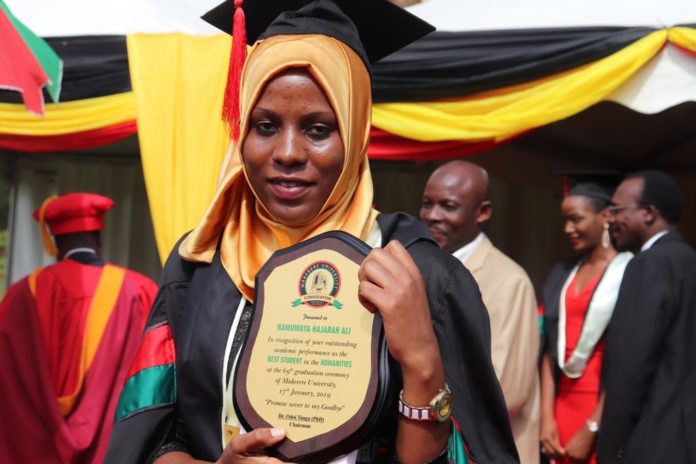
Ms Hajarah Ali Namuwaya

Ms Hajarah Ali Namuwaya from Makerere University Business School (MUBS) has been recognized for her outstanding academic performance as the best student in the humanities (and overall best at the 69th Graduation Ceremony of Makerere University.

Ms Namuwaya scored a 4.94 Cumulative Grade Point Average (CGPA) out of 5.0.She was awarded a priceless plaque and shs1m for her outstanding performance.

Galiwango Kasozi Steven who came top in the Sciences with a CGPA of 4.84 in the Bachelor of Science in Food Science and Technology was also awarded on the first day of Makerere 69th graduation.

Computing during the third day of Makerere University 69th graduation ceremony.

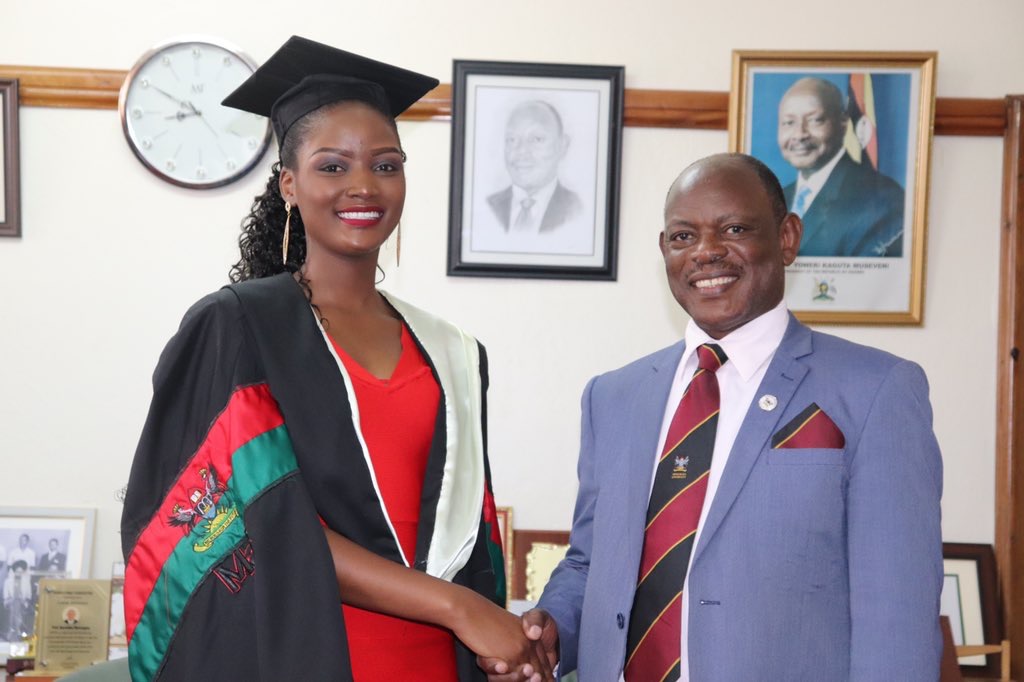
Meanwhile Miss World Africa Qiin Abenakyo is among thousands of Makerere University Business School (MUBS) students graduating on Thursday from the oldest public university in Uganda.

Abenakyo congratulated by MUK Vice Chancellor Prof. B. Nuwangwe

A total of 13,350 students are to be awarded degrees and diplomas of Makerere University in various disciplines. Of these, 56 will receive PhDs, 1,254 Masters Degrees and 101 Postgraduate Diplomas, while 11,939 will receive undergraduate diplomas and Bachelor’s Degrees. 49.7 per cent of the graduands are women and 50.3 per cent are men; and 364 students will be graduating with First Class Honours.

During the first session, graduands from the College of Agricultural and Environmental Sciences (CAES), College of Natural Sciences (CoNAS), College of Health Sciences (CHS) and the College of Education and External Studies (CEES) were conferred upon degrees and awarded diplomas of Makerere University.

President Yoweri Museveni graced the occasion, urging new graduates to be hard working and acquire managerial skills among others such as entrepreneurship skills.

Abenakyo born 1996 is a Ugandan model and beauty pageant titleholder who was crowned Miss Uganda 2018. She represented Uganda at Miss World 2018 in China and was crowned Miss World Africa 2018. At the Miss World 2018 contest, Abenakyo was a winner in the head to head challenge portion of the contest, and she placed 2nd Runner-Up overall. She is the first Ugandan to place this high in this annual pageant.

Stories Continues after ad
High Court clears parliament to contract new firm to operate MP’s restaurant

MPs enjoying a meal at parliamentary canteen

The High Court Judge Lydia Mugambe Ssali has given green lights for Parliament to allow a new firm to operate the MP’s restaurant and bar that was closed last week.

Upon expiry of their contract, parliament stopped the operation of the restaurant prompting Hellenar’s Restaurant apply for a temporary injunction to restrain and prohibit the Parliamentary Commission from altering or causing the alteration in the status-quo with regard to the operation of the facility.

Their two year contract to operate the restaurant and bar located on the third floor of the South Wing expired at the end of last year, after a year’s extension.

In preparation for the expiry of the contract and to avoid a break in the provision of services, the Parliamentary Commission contracted another firm, Romeo’s Restaurant to operate the facility for the next two years

Appearing before Lydia Mugambe, Hellenar’s application was dismissed. Hellenar’s Restaurant, the firm that had operated the Parliament Restaurant and Bar for the last three years wanted court to restrain and prohibit the Parliamentary Commission from hiring a new service provider.

“The restaurant has fallen out of favour with Parliament and therefore, cannot continue its operations and is not the only company that can provide the required services to Parliament.” she said.

Justice Mugambe stated that Hellenar’s Restaurant failed to prove a prima facie case because currently, there is no subsisting contract between Hellenar’s restaurant and Parliament.

“The Parliamentary Commission was even lenient to extend the contract of the applicant (Hellenar’s restaurant),” said Mugambe.

She added that Hellenar’s restaurant did not prove that the company will suffer irreparable loss because their loss can be compensated in case of any damages.

Mugambe added that Parliament has already contracted Romeo’s restaurant and failure to execute the contract may cause the restaurant to sue the institution leading to loss of public funds.

The service provider for the Parliament restaurant and bar provides meals to Members of Parliament, staff and their visitors throughout the working week. The provider also supplies refreshments during committee meetings and at various other activities in the precincts of Parliament.

Meanwhile, the High Court will also hear the application for a judicial review of the procurement process of provision of catering services to Parliament. Hellenar’s restaurant applied for a judicial review of the procurement process, stating that it was marred with illegalities.

Stories Continues after ad
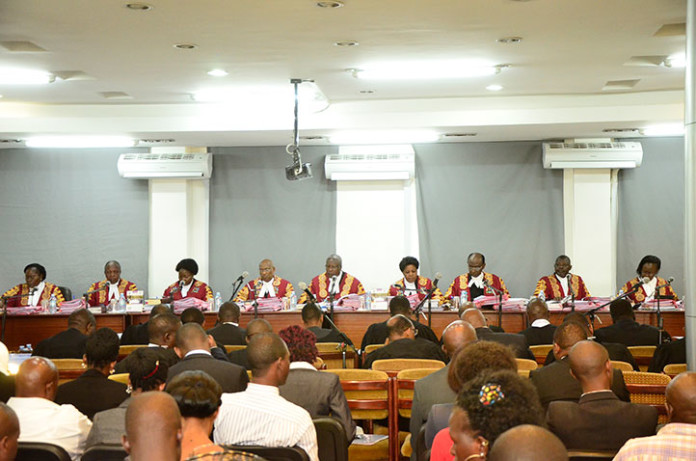
Supreme Court: AG struggles to defend Constitutional Court in the age limit appeal

The nine judges who heard the case include Chief Justice Bart Katureebe, Jotham Tumwesigye, Dr. Esther Kisaakye, Mary Stella Arach-Amoko, Augustine Nshimye, Eldad Mwangusya, Rubby Aweri-Opio, Faith Mwondha and Prof. Lillian Tibatemwa Ekirikubinza

The Attorney General, William Byaruhanga, has struggled to defend Constitutional Court that upheld the removal of both lower and upper presidential age limit that was capped at 75 years saying the court struck out age limit case since the enactment of the law went through right procedures.

On July 26, four of the five judges of Constitutional Court led by Deputy Chief Justice Alphonse Owiny-Dollo, Chebrion Barishaki, Elizabeth Musoke and Remy Kasule endorsed the expunging of both lower and upper presidential age limit that was capped at 75 years according to the 1995 and discarded the elevation of five to seven legislator’s tenure in office.

Yesterday Supreme Court commenced the hearing of an appeal filed against Constitutional Courts’ ruling. The appeal was filed by a group of three parties including the Uganda Law Society, lawyer Male Mabirizi and six opposition legislators led by Winnie Kiiza who challenged the decision before the Supreme Court.

The appellant lawyers led by Kampala Lord Mayor, Erias Lukwago faulted Constitutional Court for failure to summon some of the witnesses like the Speaker of Parliament Rebecca Kadaga, Raphael Magyezi the mover of the bill and the commander of Special Forces Command (SFC) that stormed parliament, evicted suspended MPs.

In their submissions, Lukwago told Supreme Court judges that this country has never had any peaceful transfer of power, therefore, the removal of presidential age limit prepares it back to political turmoil.

“The bill was smuggled in the house and the process of enacting it was marred by violence, arrests and police’s disruption of opposition MPs consultative meetings. Opposition legislator’s consultative meetings were always disrupted by the police that was led by the former Inspector General of Police (IGP) Gen. Kale Kayihura,” he told Court.

Appearing before a panel of seven judges led by Chief Justice Bart Katureebe, AG, William Byaruhanga was tasked to explain whether the amendment of article 102 (b) was not meant to give leeway for president Museveni to stand in 2021, he said presidential age-limit is not one of the articles that need approval of citizens to be amended by parliament.

“Parliament is vested with powers to amend the constitution as many times as possible as on behalf of citizens as long as it does not touch the basic structures of the constitution,” He said

He said Ugandans have powers to exercise their rights either vote in or out of the current president if he stands in 2021 adding that upon perusing the entire grounds and memorandum of appeal adding that Upon perusing the entire grounds and memorandum of appeal, he has come to a conclusion that the appeal offends several rules of procedure governing pleadings in the Supreme Court and hence should be struck out.

However, response to disruption of opposition’s consultative meetings, the Deputy Attorney General, Mwesigwa Rukutana said consultations took shape in the whole Country and every MP was allowed to consult his electorates.

Chief Justice Bart Katureebe asked Rukutana to explain whether the Speaker was in charge of the house when SFC officers stormed parliament? Rukutana said she was in charge despite suspending it for suspended MPs to leave the house.

“Am asking, was she in charge of the house when the mess was out of the chambers, yes Rukutana responded saying she had suspended not adjourned,” he said.

Other judges of the Supreme Court include; Paul Mugamba, Stella Amoko Arach, Ruby Apio Aweri, Jotham Tumwesigye, Eldad Mwanguhya and Lillian Tibatemwa Ekirikubinza.

Stories Continues after ad
Officials for KCCA, Vipers continental games named

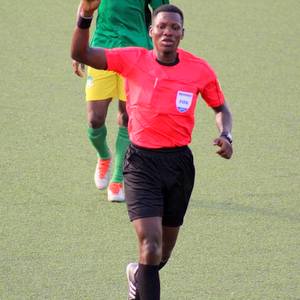
Daniel Laryea

Confederation of African Football (CAF) has named referees that will be in charge of KCCA FC and Vipers SC continental games when they return in action this weekend in the 2018/19 CAF Confederations Cup group stage qualifiers.

Ghanaian referee Daniel Nii Ayi Laryea will handle the Vipers game against CS Sfaxien in Tunisia. He will assisted by Nigerians; Abel Baba and Samuel Pwadutakam as the first and second assistant referee respectively.

The return leg for the playoff stage will take place on Sunday, 20th January at Taieb Mhiri Stadium-Sfax in Tunisia.

Vipers need a win or a draw involving goals to progress to the group stages after they played out a goalless draw in Kitende.

KCCA FC are seeking to overturn a 3-0 defeat in order to progress to the group stage on Sunday 20 January at the StarTimes stadium in Lugogo.

Burndian match officials will be in charge of the second leg of the CAF Confederations Cup playoff against Congo’s AS Otoho.

Pacifique Ndabihawenimana will be the man at the centre of everything and will be assisted by his comptriots Hervé Kakunze and Pascal Ndimunzigo.

The Vipers game in Tunisia will be played at 8pm Ugandan time while the KCCA game will be at 4pm.

Aggregate winners over the two legs will qualify for the group stages and the draw will be held on 21st January 2019.

Stories Continues after ad