Stanbic Bank
Stanbic Bank
26.9 C
Kampala
Stanbic Bank
Stanbic Bank
Home Blog Page 1416

Economic Gains from Gender Inclusion: Even Greater than You Thought

Christine Lagarde

By Christine Lagarde and Jonathan D. Ostry

Despite some progress, the gaps in labor force participation between men and women remain large. To take just one example, no advanced or middle-income economy has reduced the gender gap below 7 percentage points.

This uneven playing field between women and men comes at a significant economic cost as it hampers productivity and weighs on growth. A recent IMF staff study finds that barriers to women entering the labor force—think of tax distortions, discrimination, and social and cultural factors—are costlier than suggested by previous research and the benefits from closing gender gaps are even larger than thought before. Policymakers should therefore focus on removing such barriers urgently.

Gender diversity matters

Our analysis springs from the observation—supported by considerable microeconomic evidence—that women and men bring different skills and perspectives to the workplace, including different attitudes to risk and collaboration. Studies have also shown that the financial performance of firms improves with more gender-equal corporate boards.

Surprisingly, previous studies have not looked at the macroeconomic implications of this micro evidence.

In the standard textbook analysis, the labor force is the sum of the headcounts of male and female workers. Because replacing a man by a woman in this sum does not affect the labor force, there are no gains from gender diversity: men and women are assumed to be perfectly substitutable.

But our evidence—from macroeconomic, sectoral, and firm-level data—shows that women and men complement each other in the production process, creating an additional benefit from increasing women’s employment on growth. In other words, adding more women to the labor force should bring larger economic gains than an equal increase in male workers (reflecting the fact that, in economists’ jargon, the elasticity of substitution between women and men in production is low).

The implications of this finding are significant.

A bigger boost to growth: Because women bring new skills to the workplace, the productivity and growth gains from adding women to the labor force (by reducing barriers to women’s participation in the labor force) are larger than previously thought. Indeed, our calibration exercise suggests that, for the bottom half of the countries in our sample in terms of gender inequality, closing the gender gap could increase GDP by an average of 35 percent. Four fifths of these gains come from adding workers to the labor force, but fully one fifth of the gains are due to the gender diversity effect on productivity.

Higher productivity: When interpreting past data in situations where the gender gap has been narrowing over time, the contribution to growth from improved efficiency (or total factor productivity gains) is overstated. A portion of the gain attributed to productivity is actually due to the increased participation of women over time.

Higher male incomes: Our results suggest that men’s wages will also increase as a result of greater inclusion of women in the labor force since productivity will increase. This is important because these higher wages should strengthen support for removing barriers that hold women back from decent work.

A bigger payoff to reducing gender barriers along development paths: The rise of the services sector driven by economic development brings more women into the labor force. But our work shows that barriers to women’s employment slow this process. These barriers vary across regions and countries, and are very large in some parts of the world—equivalent to tax rates on women’s employment of up to 50 percent. And the corresponding welfare losses (which take into account consumption and leisure time) are large, even when allowing for the fact that “home production” is reduced when women enter the labor force. For example, we find that welfare costs exceed 20 percent in the Middle East and North Africa region and in South Asia.

Reaping the benefits

While there is no silver bullet, there are several policies that can help narrow gender gaps. These include enacting laws to ensure that women have equal rights to own property and access credit. Reforming taxes (for example, by replacing family taxation with individual taxation and providing tax credits) can incentivize labor force participation among low-income earners. Tackling gender inequality in education and health care, including publicly financed maternity and paternity leave, expanded childcare, and elder care availability can increase women’s participation in the labor market. Improving access to transportation, electricity, and water infrastructure can also help lift women’s participation in the workforce.

The big picture

These are not all new concerns, but there is a renewed sense of urgency. For years, the IMF has been at the forefront of policy analysis highlighting the economic costs of inequality and possible remedies. We know that the unlevel playing field between women and men has substantial economic costs and can impede the economic health of nations. What we are now learning is that these costs are even larger than we thought. Now that we see the full picture, the case for greater gender equity has become even more compelling.

Christine Lagarde is the President of International Monetary Fund. Jonathan D. Ostry is Deputy Director of the Research Department at the International Monetary Fund

Stories Continues after ad

Debt burden: Can African gov’ts achieve efficiency gains through prudent management of vehicles?

By UDN

Africa’s debt burden is on the rise, yet a huge chunk of borrowed resources is lost to huge recurrent expenditure and lesser to capital investment. The dominance of recurrent expenditure in respective national budgets has also escalated through opulence behavior of government officials that are habitually purchasing unnecessary high caliber fuel guzzling and high end general maintenance costs.

This tends to disregard, the otherwise expected value for money direct service delivery outputs and outcomes to the intended recipients of borrowed resources. Across Africa Including Uganda UDN takes cognizance of the Uganda Public Service Standing Orders (2010 Edition) that provide guidelines on the Acquisition, Usage, Care, Maintenance and Boarding-off of Government Fleet (Vehicles and Motorcycles) across the Ministries, Departments, Agencies and Local Governments (MDALGs).

We, nonetheless, notice that in some instances the Public Service Standing Orders are often disregarded by some of the Government officials who are obligated to be good stewards of government Vehicles and Motorcycles on behalf of the rest of the citizens of Uganda. Yes Government officials need comfortable Vehicles and Motorcycles to execute their official work across Uganda and is in line with government policy but in in light of the global economic crisis running without essential drugs, schools are lacking essential teaching and learning materials, some roads are impassable and civil servants continue grumbling because of meagre salaries, there is a renewed public awareness and discontent over excessive government spending.

Despite citizens’ outcry, misuse and abuse of fleet and drivers persist

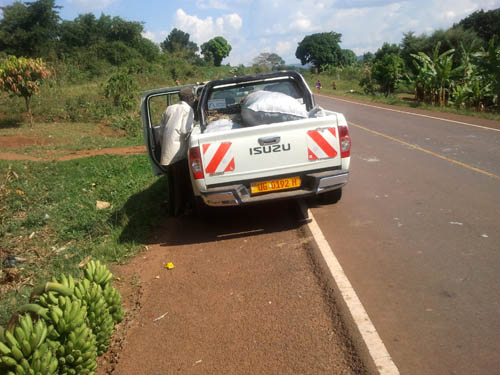
Contrary to The Uganda Public Service Standing Orders (2010 Edition), it is common to find Government Vehicles and Motorcycles laden with unauthorized items such as charcoal, matooke, firewood, pigs, beer; as well as engaged in private transportation for private gain, weddings, private farms and other such equipment. Such Fleet may suffer neglect, unwarranted wear and tear coupled with ever escalating costs of lubricants, repairs, fuel consumption and usage that are borne by the citizen through more taxation and/ or public borrowing, thus escalating Uganda’s debt situation.

The government vehicles drivers also risk being abused by their superiors alongside the fleet, on activities that are not directly related to job descriptions, or regarded as due public service delivery and accountability.

Additionally, the said Public Service Standing Orders stipulate that all Government vehicles should be parked and secured after working hours i.e. 8.00 am to 5.00 pm, or otherwise with explicit written authorization from a rightful Accounting Officer, if officially outside working hours and/ or weekends. Yet some government Vehicles like ambulances have been found outside the said designation which tantamount to misuse and abuse the said vehicles, even when they may be required to be at their due stations or on official work.

Maintenance of a big fleet of vehicles and motorcycles

Because of big fleet that requires maintenance, Government has to part with so much to maintain the current Government fleet. MOH for instance had a Fleet of over 350 Vehicles and Motorcycles, including 259 vehicles deployed at the MOH headquarters alone by beginning of FY 2017/18. In his annual report, December 2017 the Auditor General noted that the maintenance costs of RDC Motor Vehicles were on the increase while the Budget Framework Paper (FY 2017/18) showed that Government planned to spend Shs 95 billion on buying vehicles and other transport equipment. While this cost may be justified, we believe it would greatly reduce with more prudent use and handling of such vehicles, as well as reduction in the number of Government vehicles. In this case, such funds would be re-directed to other key areas, especially in the health and education sectors to improve service delivery outcomes.

Flouting of standards, procedures and guidelines on Fleet Acquisition

Government officials are flouting the Public Service standing orders on the use of public vehicles, with impunity, resulting into the loss of billions of taxpayers’ money. According the Public Service standing order, the Prime Minister is expected to have a vehicle with an engine capacity of 3500cc, Cabinet Ministers, Ministers of State and Permanent Secretaries are supposed to drive 2800cc vehicles. Meanwhile, the Directors and Senior Consultants are supposed to have executive mid-range station wagons of 2500cc. The lower ranks are supposed to have double cabin pick-ups of 2500cc.

Even with an improved road network across Uganda, the Acquisition standards have over the years been eroded. With such practice there is a risk of inculcating a contrary culture where some Ministers and Permanent Secretaries today drive 4500cc Toyota Land Cruiser VX and other brands and a similar situation that plays further with other ranks, contrary to standards and ethical Code of Conduct for public service.

Comparison with other governments on fleet management

Case of Rwanda: In December 2004, realizing a high cost of Government Fleet, Rwanda sold off all 4WD vehicles with a capacity of over 2000cc. It impounded 250 vehicles in total leaving Government institutions with less than 10 vehicles each. In case of need for additional motor vehicles, the Government of Rwanda identifies travel agencies to hire out their vehicles with drivers, to a Government institution or activity. The travel agencies maintain these vehicles. Only five Government officials are entitled to a Government vehicle “the President, Prime Minister, Speaker of Parliament, Senate Speaker and the Head of the Supreme Court- of which all vehicles must be under 2000cc. Any other high ranking Government official is through a facility supported for purchase of a vehicle; and through a scheme given a fixed allowance for maintenance, on a cascading scale of seniority. For any official up-country travel, Government will hire vehicles on a case-by-case basis.

Case of Tanzania: Each government ministry has a specific number of Fleet it maintains. Their maintenance is Government responsibility with mechanics, engineers and drivers on government payroll, similar to what Uganda had as the Central Mechanical Workshop. In the event of need for additional vehicles, private transport companies are approached and the Ministry or institution concerned is invoiced for services provided. All government vehicles and motorcycles are parked at government office at 5.00 pm until 6.00 am the following day, or unless otherwise authorized in writing by a due officer.

Recommendations

Reduce government Fleet (Vehicles and Motorcycles): Institute a considerable reduction of fleet, upon which to achieve an aggregate reduction around some of the unwarranted costs of the Fleet (Acquisition, Maintenance and Boarding-off). The reform would re-lease substantial funds to direct service delivery outcomes in Uganda.

Institute Computerized Vehicle location and Fuel usage monitoring: obtaining capacity for Computerized Vehicle location and Fuel usage monitoring equipment. This can be piloted with a few Ministries and once successful, we should roll out the reform across MDALGs. We could also take learning from what Kampala City Council Authority has so far achieved on improved care of their Fleet monitoring and the Napak District Local Government on how to enforce the 8.00 am to 5.00 pm guideline, unless with explicit written authorization from a rightful Accounting Officer, if officially outside working hours and/ or week-ends.

Learn from other countries and institutions: For the medium to long term-term, study opportunities under Vehicle co-ownership or even Leasing, with a view to bringing more care and reduced cost of Government Fleet. Rwanda and Tanzania are already examples from where Government can draw inspiration, towards more Prudent Acquisition, Management and Boarding-off Government fleet.

This article was authored by the Uganda Debt Network (UDN)

Stories Continues after ad

Otuke records drop in malaria prevalence

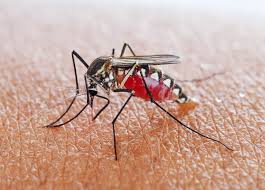
Mosquitoes like these are responsible for malaria transmission.

Otuke District in Northern Uganda has recorded decrease in the rates of high Malaria burden in the district from 43 per cent in 20017 to 15.7 per cent in 2018 following community sensitization on awareness about malaria sickness.

This report was revealed by Dr Alex Remo the District Health Officer Otuke.
Adding that the fight has been successful following the sensitization they have been contacting in the community about sanitation as the local government in conjunction with the Malaria consortium in training the village health team through USAID supports.

Robert Abak the Resident District Commissioner Otuke district acknowledged the drop and said that has been achieved by use of the indoor residual spraying and sensitization of the community about malaria and it is now a history of the past.
This Year Otuke gave away the Indoor residual spraying to kill mosquitoes to other neighboring districts of Agago and Kole because it was excess to them since they have fought and suppressed malaria prevalence in the district.

However, Statistics from the Ministry of Health show that malaria is still the leading cause of death in Uganda, accounting for more than 27 per cent of deaths.
The statistics also show that Uganda has the world’s highest malaria incidence, with a rate of 478 cases per 1,000 populations per year.

Uganda ranks as the sixth among African countries with high malaria-related mortality rates.
Across Africa, reports from the World Health Organization show that one in four children are still not protected by mosquito nets or indoor residual spraying and about half of all pregnant women at risk of suffering from malaria do not receive preventive treatment. Sub-Saharan Africa carries a disproportionately high share of the global malaria burden. In 2015, the region was home to 88 per cent of malaria cases and 90 per cent of malaria deaths.

Stories Continues after ad

Former LRA abductees demand construction of memorial sites

In struggle to not let go off the lives of those who died due to the many atrocities committed by the Lord Resistance Army rebels in northern Uganda, West Nile Region and other African countries, victims survivors of these war are calling for governments to supports them in commemorating and memorialization of some of these key places in the particular country were such cold blood killings were made.

Taking for the case Northern Uganda and particularly Acholi that has been on a serious attack by Lord Resistance Army LRA for the past 22 years, the war victims are urging the Ugandan government to construct for them the memorial sites were their beloved ones were killed in unexpected large numbers so that the site can keep them to remember and memorialize the deaths that they are spiritually still leaving with them.

Patricia Authure a lecturer said that the governments of most of these countries have failed to address this concern yet most of them are taking their interest in prioritizing other useless items.
“The government should act positively in order to promotes such sites in the country so that it promote healings and transitional justice on lives of the victims”
Ambrose Olaa ,the Prime Minister of Acholi said memorialization keeps adversity reading in the minds of the people and the victim survivors should close the chapter forget the past and move forward for positive healings.

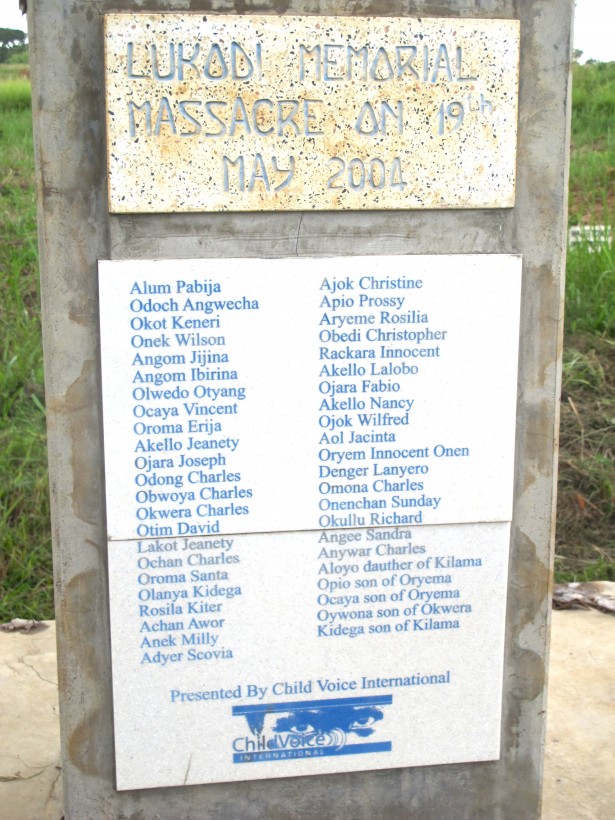
David Acire area local councilor one of Lukodi Village in Gulu district one of the site were atrocities were made in May 2004 said it is like the government has failed to meet the interest of the citizen most especially for the special category of the people like the former returnees and urging the government to take action in ensuring that the issues to do with reparation begins with memory and memorialization of the lost dear ones.

Stella Lanam a former LRA abductees in Northern Uganda narrates that as victims they usually goes through a lot of pains and challenges expressing that they are not happy with what the government is taking them as victims because some of them were abducted when they were young and came back from captivity with children whose fathers are even not there due to the sexual crimes the top commanders were committing on them but the government is not giving them any aid even to pay their children in schools.

She says they are appealing to the government through CSOs to help advocate for the rights of these children plus embracing the memorial sites recommending that there should also be memorial day for children who are born from captivity.
From West Nile Region , Stephen Acidri a victim of the 1981 Ombaci massacre explains that the fight between the national Liberation Army and Idi Amin has affected the entire west Nile region not only Arua district as it was said as a revenge fight, depending on the languages you speak and was ethnic.

Over 1,000 People were killed in Ombaci massacre and for over 32 years nobody and even the government never thought of memorializing this until some non-governmental organization started documenting the sites, he proposed that there should be prayers for yearly at the site as they commemorate the dates at the site also urging that the government should give support in term of material tangible stuff for these victims to console them from the deep wound of pain they sustained.

Meanwhile Christ Ongom who works at Victims Foundation Uganda said as CSOs they are working to see that they develop victims survivors networks in orders to keep them in solidarity, adding that they will keep learning from each and every individuals to see what they can do for the victims urging the government for national memorial days of such atrocities in the national calendar
Lino Owor Ogora the founder at foundation for justice and development Initiatives an organization that sees holistic justice through peace building and development submit that they are in struggling to continue lobbying and dressing the victims wounds as they intends to promote healings from victims and center will be open for wider discussion .

Acholi and West Nile region has over 10 memorial sites that needs to be documented and constructed by the government as monument to remember the lost ones during atrocities
These are Lukodi , Bar-lonyo , Atiak , Abok in Acholi sub region and known Ombaci Massacre in west Nile among others .
Other African countries that suffered from these atrocities includes, Kenya with Mau – Mau uprising, DRC, Burundi and Rwanda genocide in 1994.

Stories Continues after ad

CAF to give final decision on Cameroon as 2019 Afcon hosts

Afcon 2019 cameroon

The Confederation of African Football (CAF) will make a final decision on whether Cameroon should go on and host the 2019 Africa Cup of Nations on Friday 30th November.

The African football governing body’s executive committee will meet in the Ghanaian capital Accra for this year’s extraordinary Caf executive committee meeting to discuss a number of issues in the continent’s football.

A report of inspection visits of the security committee to the host country from 27th October to the 1st of November 2018, and from 11th to 15th November will be presented.

CAF inspectors recently travelled to Cameroon, which last hosted the tournament in 1972, to check security, infrastructure, stadiums and accommodation.

In August, it was reported that West African country may not be in a position to host the biennial continental competition given its level of preparedness. They still have big problems with infrastructure like the pitches and even hotels.

If Cameroon are rejected, CAF will have to launch a new application procedure to designate another host country.

Equatorial Guinea jumped in at the last moment to host 2015 AFCON after Morocco withdrew and this could also happen.

Among other issues to be discussed, the committee will come up with a format of qualifiers of AFCON 2021 and 2023 and 2022 World Cup.

They will also update on the preparation for the 2018 CAF awards ceremony scheduled for 8th January, 2019 in Dakar, Senegal.

Thirteen countries have already confirmed their places at the tournament and they are; Cameroon (Hosts), Senegal, Madagascar, Morocco, Mali, Algeria, Tunisia, Nigeria, Egypt, Uganda, Mauritania, Guinea and Ivory Coast.

The other 11 places will be decided during the final qualifiers in March 2019.

The 2019 AFCON tournament will be the first to host 24 teams. The competition will be held in June and July moving from January and February.

Stories Continues after ad

BoU fail to account for Shs290b spent on Crane Bank takeover

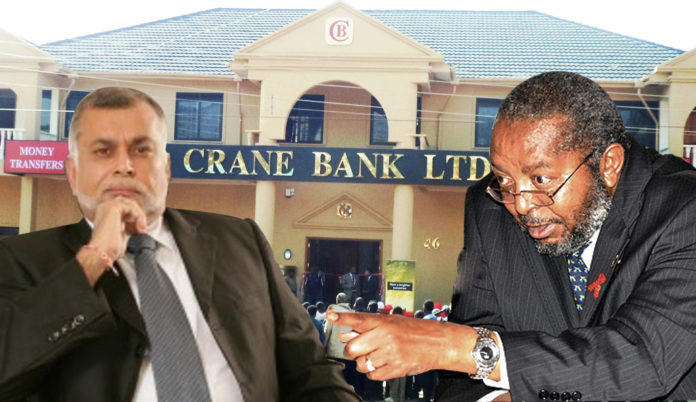
A photo montage of BoU Governor Emmanuel Tumusiime Mutebile, businessman Sudhir Ruparelia and Crane Bank

Bank of Uganda (BoU) top officials can only account for Shs180 billion and not Shs478.8 billion they claim to have spent on Crane Bank Limited (CBL) during its takeover that spanned from October 20, 2016 to January 27, 2017.
The balance of Shs290 cannot be accounted for or traced as it is reported to have siphoned by top officials at the Central bank.

Sources say the balance of Shs270 billion was siphoned out in the name of CBL by BoU officials in the names of Katimbo Mugwanya, Justine Bagyenda, Dr. Louis Kasekende, Benedict Sekabira as well as some lawyers were involved in this fraud.

BoU officials claim they started injecting in CBL liquidity support from October 21, 2016 up to January 9, 2017 but sources say officials at the central bank cannot account for all the money they claim to have spent. BoU sold assets and liabilities of CBL at Shs200 billion.

According to the Auditor General John Muwanga, BoU officials said Shs466.6 billion was requested by the Statutory Manager and injected into CBL as liquidity support while the balance of

Shs12.2 billion was allegedly spent by BOU on other intervention activities such as compilation of inventory report, forensic review and investigation, IT support and legal consultancies.

The Shs12.2 billion was paid in different amounts to companies such as PwC (Shs345.087 million, Shs936.495 million), KPMG (Shs428.89 million, Shs190.480 million, 302.25 million). MMAKS Advocates was paid Shs914.27 million, Semaganda & Associates (Shs133.85 million), Meridian Surveyors (Shs21.5 million), Cohen & Collins Solicitors & Notaries (Shs17.43 million) and Ultimate Security (Shs12.204 million). Shs5.12 billion and Shs720.41 million were paid as terminal benefits to CBL workers and facilitation).

“In assessing the above, I was unable to examine CBL operations during Statutory Management to determine that the funds injected reflected the liquidity shortfall at the time.

Although I was able to review and verify the approved requests for liquidity support together with the supporting schedules, I did not review payments made by CBL to the bonafide account holders and/or respective beneficiaries using the injected funds,” Muwanga says in special audit report of BoU on seven defunct banks.

Stories Continues after ad

NWSC gives back to Nsambya babies home

Eng. Silver Mugisha, NWSC Managing Director who is credited with the latest innovations.

As the world draw closer to Christmas festivities, National Water and Sewerage Corporation has carried out a cooperate social responsibility activity giving back to vulnerable children at Nsambya babies home.

The team led by the Managing Director Eng. Silver Mugisha, was welcomed by the Director of Child Welfare and Adoption Society (CWAS), Sister Sarah Christine Nalwoga. The team donated pampers, packed milk, posh, soap and other necessities.

Sister Sarah appreciated the gesture of NWSC joining them in child care activities and exhibiting great love and care towards the little ones.

“I understand there was a period of time before I came here, when you financially supported this home in meeting its monthly water bills, which is presently on average Shs 450, 000 per month,” she said.

She said that as a way of sustainability, the babies’ home has some projects that support the organisations huge budget like the Millennium house that offers office space for rent, tents and chairs for hire amongst others.

These projects have greatly supported the home financially as the organisation largely depends on donations from friends, families and organisations.

Eng. Silver Mugisha expressed his pleasure in associating with Nsambya babies’ home saying NWSC gives back to such vulnerable children.

“We feel it’s a worthwhile undertaking to as far as corporate social responsibility is concerned. Our CSR is all about appreciating our dear customers and when we appreciate them, it’s not them who pay that benefit directly but it’s also the people they take care of,” he said.

“we feel so honored to be part of giving back to these very vulnerable children, there is no institution that can flourish by only looking inwardly but also have to look outwardly and take care of those in need,” He said.

Stories Continues after ad

Global report shows malnutrition unacceptably high in countries

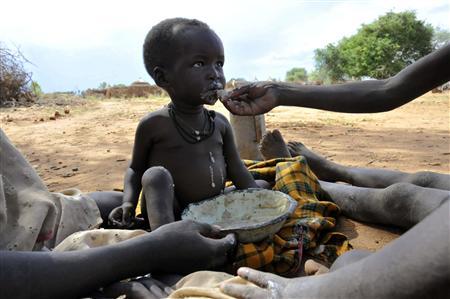
Hunger

The world’s most comprehensive report on nutrition highlights the worrying prevalence and universality of malnutrition in all its forms. In its fifth edition, it provides a concrete overview of progress made and calls on all stakeholders to act now to address malnutrition.

The Report provides new and expansive data highlighting the changing face of malnutrition in Africa. It also sheds light on new initiatives from across the continent designed to respond to this greater and more diverse challenge.

The burden of malnutrition is unacceptably high

Africa is the region by far the hardest hit by overlapping forms of malnutrition. Of 41 countries that struggle with three forms of malnutrition – childhood stunting, anaemia in women of reproductive age and overweight among women, 30 are in Africa, or 73 percent.

Corinna Hawkes, Co-Chair of the Report and Director of the Centre for Food Policy, said: “The figures call for immediate action. Malnutrition is responsible for more ill-health than any other cause. The health consequences of overweight and obesity contribute to an estimated four million deaths globally. The uncomfortable question is not so much “why are things so bad?” but “why are things not better when we know so much more than before?”

Progress to date is simply not good enough

According to the report, globally, stunting among children under five years has fallen from 32.6 percent in 2000 to 22.2 percent in 2017. Yet, while stunting in children under five years of age is declining at a global level, the numbers in Africa are increasing. Driven by population growth, despite the decrease in stunting prevalence in Africa, the number of stunted children has steadily increased from 50.6 million in 2000 to 58.7 million in 2017.

Data shows an overall increase in both overweight and obesity in Africa. At the same time, the region is undergoing significant growth in consumption of packaged foods.

At the global level, none of the countries with sufficient data are on course to meet all nine targets on malnutrition. Africa is no exception: Of the nine global nutrition targets assessed in 2018, there are five targets for which none of the 54 African countries are on track.

Africa was the only region not to experience an overall increase in the rate of under-5 overweight, experiencing stagnation in overweight prevalence since 2000. However, in children aged 5-19 levels of overweight and obesity in both girls and boys have increased, with girls registering a faster increase than boys.

Spending around nutrition at the national levels is inconsistent, with governments just as likely to increase future spending as to decrease it. Overall, total nutrition-related official development assistance allocated to Africa has increased over the last five years.

New data also highlights that national statistics are not enough to understand the extent of the challenge. A geospatial analysis of undernutrition in 51 African countries, conducted by the Institute for Health Metrics and Evaluation, reveals a striking heterogeneity in levels and trends of undernutrition at national and subnational levels. Even where countries appear to be on track to achieve global targets, the picture is different at the subnational level.

New data is a game changer and can drive more effective action

In 2018 the journal Nature published the results of a comprehensive geospatial analysis of child growth failure, which covers stunting, wasting and underweight, in 51 African countries from 2000 to 2015. It draws from more than 200 geo-referenced household surveys representing more than 1.2 million children, drilling down to unprecedented levels of detail. It shows that many localities are off track, and that no country in Africa is likely to achieve all the WHO global nutrition targets in all of its territory if current trends continue. More information can be found on pages 46 and 47.

Governments are showing commitment and stepping up to lead action

The Ethiopian government’s commitment to end child undernutrition by 2030 has taken a significant step forward with the recently developed National Food and Nutrition Policy. This accountable, legal framework emphasises the right of children to adequate nutrition and normal growth and strengthens actions outlined in the National Nutrition Programme. Between 2000 and 2016 the rate of stunting in children dropped by a third. However, there is more to do as the prevalence of stunting, wasting and anaemia remain high. More information can be found on page 103.

To translate solutions into action, the report’s authors urge critical steps in the following areas: Breaking down existing silos to tackle malnutrition in all its forms; prioritising and investing in data to identify key areas of action; scaling up and diversifying funding for nutrition programmes ;immediately taking action on healthy diets by making healthy foods affordable across the globe.

Dr.Jessica Fanzo, Co-Chair of the Report and Bloomberg Distinguished Associate Professor at Johns Hopkins University, said: “While malnutrition is holding back human development everywhere, costing billions of dollars a year, we are now in a position to fight it. From policies such as sugar taxes, to new data that enables us to understand what people are eating and how we can best target interventions, the global community now has the recipes that work.”

David Beasley, Executive Director, World Food Programme, added: “The information in the Global Nutrition Report goes far beyond facts and figures. What is really behind these tables and graphs are stories of potential: the potential of more babies seeing their first birthdays, of children achieving their potential in school and of adults leading healthy and productive lives – all on the foundation of good nutrition. The information collected, analysed and shared in the Global Nutrition Report is never an end in itself, but a means that allows us to save lives, change lives and ensure that nobody is left behind.”

Henrietta H Fore, Executive Director, UNICEF, said: “The 2018 Global Nutrition Report offers forward-looking steps to strengthen the ability of global and national food systems to deliver nutritious, safe, affordable and sustainable diets for children. This paradigm shift – food systems that contribute to prevent malnutrition in all its forms – will be critical for children’s growth and development, the growth of national economies, and the development of nations.”

The report will be released in Bangkok on 29 November 29 2018 during the global event “Accelerating the end of hunger and malnutrition”, gathering decision makers, researchers and practitioners from key organisations such as the Food and Agriculture of the United Nations, UNICEF, the World Health Organisation and the European Union.

Stories Continues after ad

Bagyenda’s escort, driver handed over to police for criminal investigation

Embattled former Executive Director in charge of Supervision at Bank of Uganda Justine Bagyenda.

The bodyguard and driver of the former Bank of Uganda Executive Director in charge of supervision Ms Justine Bagyenda have been handed over to police for criminal investigation for telling lies to Parliament’s Committee on Commissions, Statutory Authorities and State Enterprises which is probing the bank’s top officials over the controversial sale of commercial banks.

Mr. Job Turyahebwa and Ms Juliet Adikito yesterday told MPs that on March 14, 2018, they and their boss Bagyenda drove straight from Entebbe Airport to BoU offices yet the vehicle tracking system says otherwise, the three having made a stopover at Kiswa. BoU security officers Beatrice Kyambadde and Charles Moro were also sent to police for criminal investigations.

Yesterday Brig Gen Francis Tukahiirwa who led a select committee of Cosase was tasked to quiz Bagyenda’s aide Juliet Adikoti, Bagyenda’s driver Job Turyahebwa and security officers Charles Moro and Beatrice Kyambadde in a session attended by other BoU officials Dr J. Tibamwenda and David Kamurasi.

Ms Adikoti was the first person who appeared on CCTV and then Turyahebwa as they carried bags loaded with items inside. The two told the select committee of Brig. Tukahiirwa they did not know what was inside the bags. Adikoti said she was more concerned with security of Bagyenda than what was inside the bag. Driver job Turyahebwa said the same.

Both Ms Kyambadde and Charles Mr. Moro, the BoU security officers who were on duty on February 10, 2018 and March 14, 2018, respectively did not care to check what was in the bags that Bagyenda had moved out and brought in respectively.

On March 14, 2018 Moro was on duty when Bagyenda came to the bank offices in the evening Adikoti and Turyahebwa could later come out carrying bags which were lighter and not as heavy at the time they entered.

Brig. Tukahiirwa Security officers didn’t do what they were supposed to do. There was serious breach of BoU security policy which says all persons and items shall go through security screening without exception 10th February and 14th March, the rules were not adhered to

Bagyenda has failed to honour summons to appear before Cosase for three days now despite the Committee chairman calling her to appear. Her lawyers say Bagyenda will be arriving in the country from the Unites States on Sunday.

Ms Bagyenda who has been dodging parliament since Friday last week is believed to have moved from BoU critical documents related to the liquidation of the banks. The evidence is captured by CCTV cameras installed at the central bank.

Last week on Thursday, Bagyenda claimed she handed over quarterly progress reports concerning the liquidation of Greenland Bank. But the claims were refuted by her successor Dr. Tumubweine Twinomanzi, who said he never received the reports from her. BoU Governor Prof. Emmanuel Tumusiime-Mutebile also said he has never seen the reports.

Greenland Bank’s loans were sold together with loans of International Credit Bank (ICB) and the. Cooperative Bank at Shs8.89 billion, following a 93 percent discount, to mysterious company Nile River Acquisition Company (NRAC). The amount comprised secured loans, unsecured loans, poorly secured loans and unknown loans.

BoU officials have failed to explain why they combine secured loans with the rest to sell them as a unit.

Stories Continues after ad

Improvement for Uganda in the latest FIFA rankings

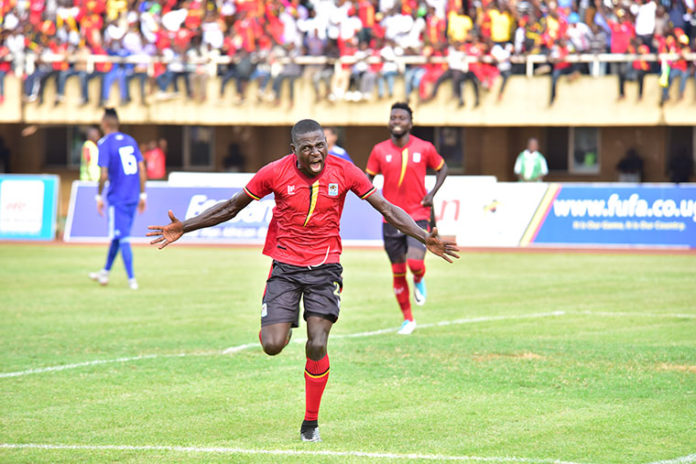
Patrick-Kaddu-celebrates-at-Namboole

Uganda Cranes has climbed in the November 2018 Fifa rankings released today by four slots.

The Cranes are now in 75th position with a total of 1320 points, and are placed at 16th in Africa.

The rise comes after Uganda Cranes beat Cape Verde 1-0 at Mandela National stadium on November 17th to seal a place at the Afcon tournament in Cameroon 2019. Patrick Henry Kaddu scored the only goal in the 76th minute.

Neighbours Kenya remained stagnant at 105, while Uganda’s next Afcon qualifiers opponent Tanzania moved to 138, Burundi (139) and Rwanda at 137.

The top five countries in Africa are; Senegal (23), Tunisia (25), Morocco (40), Nigeria (44) and Congo DR (49).

Belgium remain top of the latest FIFA/Coca-Cola World ranking, although the gap between the Red Devils, France (2nd, unchanged) and Brazil (3rd, unchanged) has narrowed over the past month. Croatia in fourth and England complete the best five countries.

Sudan was the best mover, moving up by 8 ranks to 127, while Russia fell hardest, dropping by 7 places to 48.

The format used by FIFA is named “SUM” as it relies on adding/subtracting points won or lost for a game to/from the previous point totals rather than averaging game points over a given time period as in the previous version of the World Ranking.

The points which are added or subtracted are partially determined by the relative strength of the two opponents, including the logical expectation that teams higher in the ranking should fare better against teams lower in the ranking.

The final FIFA/Coca-Cola World Ranking for this year will be released on 20th December 2018.

Stories Continues after ad