Stanbic Bank
Stanbic Bank
19.1 C
Kampala
Stanbic Bank
Stanbic Bank
Home Blog Page 1475

The Stock Exchange of Mauritius lists the first Pan-African Sovereign Bond

Stock Exchange of Mauritius

The Stock Exchange of Mauritius (SEM) on September 19, launched the first Pan-African Sovereign Bond Exchange Traded Fund (ETF) known as the African Domestic Bond Fund (ADBF).

ADBF, which is managed by MCB Investment Management Co. Ltd, is a USD-denominated ETF, structured as an open-ended Collective Investment Scheme that seeks to replicate the AfDB/AFMI Bloomberg African Bond Index 25% Capped.

The ETF invests in African currency denominated debt obligations issued or guaranteed by an African Government, and will initially comprise debt obligations from South Africa, Egypt, Nigeria, Kenya, Namibia, Botswana, Ghana and Zambia.

ADBF is the result of a partnership between the AfDB, which has committed a total investment of USD 25 million to the fund, and MCB Investment Management Co. Ltd, a subsidiary of MCB Capital Markets, with the aim of promoting the development of local financial markets throughout the African continent.

ADBF constitutes a new product offering which provides investors with a broad exposure to African sovereign debt securities. The listing of ADBF on SEM confirms the attractiveness of the Exchange as a multi-currency (USD, Euro, GBP, ZAR and MUR) capital-raising, listing and trading platform for African issuers. This listing is also in line with SEM’s internationalisation strategy and its multi-asset class focus.

Stefan Luis Nalletamby, Director of African Development Bank Group:
“The launch of ADBF shows the African Development Bank’s commitment to supporting innovative solutions that will render capital markets more attractive to both African domestic and international investors. This fund is part of the Bank’s effort to help catalyse and mobilise African domestic resources through our domestic capital markets in order to further strengthen Africa’s financial sustainability. We are extremely happy to see the enthusiasm and support we are receiving from institutional and retail investors.”

Rony Lam, CEO of MCB Capital Markets said: “MCB Capital Markets is a pioneer in the pan-African fixed income investment universe and is proud to provide global investors with easy access to this asset class through a liquid and cost-effective vehicle.”

ADBF, he said, attests to MCB’s commitment to the development of local currency debt markets in Africa, the quality of our investment management capabilities and the attractiveness of SEM as a listing venue for specialist Africa focused investment products.

Sunil Benimadhu, Chief Executive of Stock Exchange of Mauritius said: “The SEM welcomes the listing of the first Pan-African Sovereign Bond ETF on its platform. We would like to thank the African Development Bank and MCB Capital Markets for choosing the SEM as a listing venue for this innovative product.”

He said that the listing of ADBF constitutes an important milestone in the positioning process of the SEM as an attractive multi-asset class international Exchange which is today recognised as a compelling platform for the listing and trading of a growing variety of products from African issuers.

Stories Continues after ad

WHO calls for urgent action to end TB

Dr.Tedros Adhanom

Fewer people fell ill and died from tuberculosis (TB) last year but countries are still not doing enough to end TB by 2030, warns the World Health Organization (WHO).
Although global efforts have averted an estimated 54 million TB deaths since 2000, TB remains the world’s deadliest infectious disease.

WHO’s 2018 Global TB Report, released in New York today, calls for an unprecedented mobilization of national and international commitments. It urges political leaders gathering next week for the first-ever United Nations High-level Meeting on TB to take decisive action, building on recent moves by the leaders of India, the Russian Federation, Rwanda, and South Africa. Nearly 50 Heads of State and Government are expected to attend the meeting.

“We have never seen such high-level political attention and understanding of what the world needs to do to end TB and drug-resistant TB, said Dr.Tedros Adhanom Ghebreyesus, WHO Director-General. “We must capitalize on this new momentum and act together to end this terrible disease.”
To meet the global target of ending TB by 2030, countries need to urgently accelerate their response – including by increasing domestic and international funding to fight the disease. The WHO report provides an overview of status of the epidemic and the challenges and opportunities countries face in responding to it.

Status of the TB epidemic
Overall, TB deaths have decreased over the past year. In 2017, there were 1.6 million deaths (including among 300 000 HIV-positive people). Since 2000, a 44 per cent reduction in TB deaths occurred among people with HIV compared with a 29 per cent decrease among HIV-negative people;

Globally, an estimated 10 million people developed TB in 2017. The number of new cases is falling by 2 per cent per year, although faster reductions have occurred in Europe (5 per cent per year) and Africa (4 per cent per year) between 2013 and 2017;

Some countries are moving faster than others – as evidenced in Southern Africa, with annual declines (in new cases) of 4 per cent to 8 per cent in countries such as Lesotho, Eswatini, Namibia, South Africa, Zambia, and Zimbabwe, thanks to better TB and HIV prevention and care. In the Russian Federation, high level political commitment and intensified TB efforts have led to more rapid declines in cases (5 per cent per year) and deaths (13 per cent per year)
Drug-resistant TB remains a global public health crisis: In 2017, 558 000 people were estimated to have developed disease resistant to at least rifampicin – the most effective first-line TB drug. The vast majority of these people had multidrug-resistant TB (MDR-TB), that is, combined resistance to rifampicin and isoniazid (another key first-line TB medicine).
WHO estimates that a quarter of the world’s population has TB infection.

The TB response: Challenges and opportunities
Access to care and prevention:
Underreporting and under-diagnosis of TB cases remains a major challenge. Of the 10 million people who fell ill with TB in 2017, only 6.4 million were officially recorded by national reporting systems, leaving 3.6 million people undiagnosed, or detected but not reported. Ten countries accounted for 80 per cent of this gap, with India, Indonesia and Nigeria topping the list.
Less than half of the estimated one million children with TB were reported in 2017, making it a much higher gap in detection than that in adults.
Treatment coverage lags behind at 64 per cent and must increase to at least 90 per cent by 2025 to meet the TB targets.
To urgently improve detection, diagnosis and treatment rates, WHO, the Stop TB Partnership and the Global Fund launched the new initiative in 2018, which set the target of providing quality care to 40 million people with TB from 2018 to 2022.

Only around half of the estimated 920,000 people with HIV-associated TB were reported in 2017.Of these, 84 per cent were on antiretroviral therapy. Most of the gaps in detection and treatment were in the WHO African Region, where the burden of HIV-associated TB is highest.
Only one in four people with MDR-TB were reported to have received treatment with a second-line regimen. China and India alone were home to 40 per cent of patients requiring treatment for MDR-TB, but not reported to be receiving it. Globally, MDR-TB treatment success remains low at 55 per cent, often due to drug toxicity making it impossible for patients to stay on treatment.

A month ago, WHO issued a Rapid Communication on key changes to treatment of drug-resistant TB based on the latest scientific evidence? These changes should result in better treatment outcomes and more lives saved. WHO is already working with countries and partners to roll out these changes.

The Organization predicts that at least 30 million people should be able to access TB preventive treatment between 2018 and 2022, based on new WHO guidance. Although preventive treatment for latent TB infection is expanding, most people needing it are not yet accessing care. WHO strongly recommends preventive treatment for people living with HIV, and children under five years living in households with TB. Related new guidance was issued by WHO in 2018, to facilitate greater access to preventive services for those who need it.

Financing for implementation and research
One of the most urgent challenges is to scale up funding. In 2018, investments in TB prevention and care in low- and middle-income countries fell US$3.5 billion short of what is needed. The report flags that without an increase in funding, the annual gap will widen to US $5.4 billion in 2020 and to at least US $6.1 billion in 2022.A further US $1.3 billion per year is required to accelerate the development of new vaccines, diagnostics and medicines.

“It is unacceptable that millions lose their lives, and many more suffer daily from this preventable and curable disease,” said Dr Tereza Kasaeva, Director of WHO’s Global TB Programme. “We need to join forces to root out this disease that has a devastating social and economic impact on those who are “left behind”, whose human rights and dignity are limited, and who struggle to access care. The time for action is now.”

WHO is guiding national and global actions to reach everyone with care, including those with TB, through a transformative health agenda and push towards Universal Health Coverage. This includes proactive engagement with civil society and other key stakeholders to jointly help countries get on track to end TB.

Stories Continues after ad

Global medical body urges Kadaga to ensure victims of Arua by-election chaos get treatment

Dr. Yoshitake Yokokura

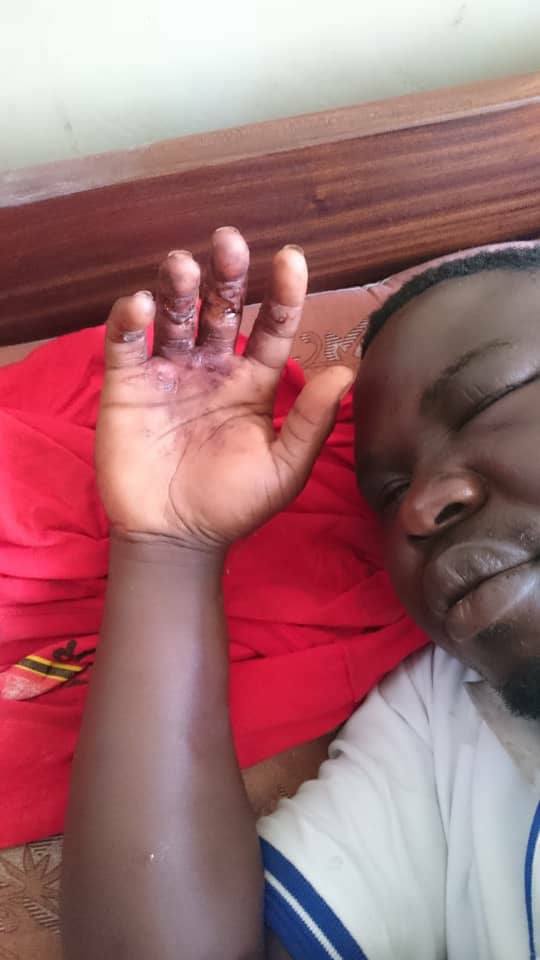
The World Medical Association (WMA), the global federation of national medical associations has written to the Speaker of Parliament of Uganda, Rebecca Kadaga, to ensure that all victims who were tortured by security forces in the Arua Municipality by-election get treated by the medical personnel of their choice without government repression.

“We call on you to act as a matter of priority within your mandate to ensure effective access to comprehensive health care to those in need and to allow and ensure that our colleagues can follow their ethical duties to provide medical care in an undisturbed and professional manner without intimidation and repression,” said WMA’s president Dr. Yoshitake Yokokura in a letter dated September 6.

“Some of the victims were arrested while on their way to be examined by the physician of their choice, in violation with medical ethics. One essential ethical principle is the right for every patient “to be cared for by a physician whom he/she knows to be free to make clinical and ethical judgements without any outside interference,” he said.

Dr Yokokura wrote the letter following a complaint to the association by the Uganda Medical Association (UMA).

“Our member, the Uganda Medical Association, has drawn our attention to the pervasive practice of torture in Ugandan detention places,” he said adding that the global association is taking keen interest in MPs Robert Kyagulanyi Ssentamu aka Bobi Wine and Francis Zaake, who currently are abroad seeking medical attention.Bobi Wine is expect to return from the USA tomorrow.

“These two Members of Parliament were both arrested at the airport as they were heading abroad for medical treatment,” he said.

Dr Yokokura in the letter also mentions other victims that were tortured and mistreated by the security agencies as they tried to get medical attention. “Ms. Night Asara and Janet Abola were assaulted during arrest in Arua, and while in custody. They are victim of attempted rape during custody in Gulu Central Police Station § Mr. Shaban Atiku collapsed in police cells and in court. He was denied access to medical attention,” he said.

He said: “Torture and other cruel or degrading treatments are one of the gravest violations of international human rights law. It destroys the dignity, the essence of the human being. As physicians, we are revolted by the devastating consequences of this practice for victims, their families and society as a whole, with severe physical and mental injuries.”

He said torture is unconditionally prohibited by the United Nation Convention against Torture and Other Cruel, Inhuman or Degrading Treatment or Punishment that Uganda ratified in 1987, hereby establishing its consent to be bound by the provisions of the Convention.

“No exceptional circumstances whatsoever, whether a state of war or a threat of war, internal political instability or any other public emergency, may be invoked as a justification of torture” (article 2.2 of the Convention).”

Uganda is one of the only10 African countries with anti-torture legislation. We therefore urge you to pursue in this direction and be an inspiring model for other countries by taking immediate and effective measures to prevent and stop such intolerable shaming practices in your country.

“Furthermore, we were informed that the above-mentioned victims are all denied access to specialised health care, while being in pain and in urgent need of care. “The right of everyone to the enjoyment of the highest attainable standard of physical and mental health is a fundamental human right enshrined in article 14 of the International Covenant on Economic, Social and Cultural rights that Uganda has ratified in 1976,” he said.

Adding that any persons deprived of liberty has the right to access to a qualified health professional who can provide health care in compliance with medical ethics, including the principles of confidentiality, autonomy and informed consent. “We draw your attention as well on the United Nations Standard Minimum Rules for the Treatment of Prisoners (the Nelson Mandela Rules) revised by the UN General Assembly in December 2015 and which includes a comprehensive guidance on healthcare in prison,” he said.

Stories Continues after ad
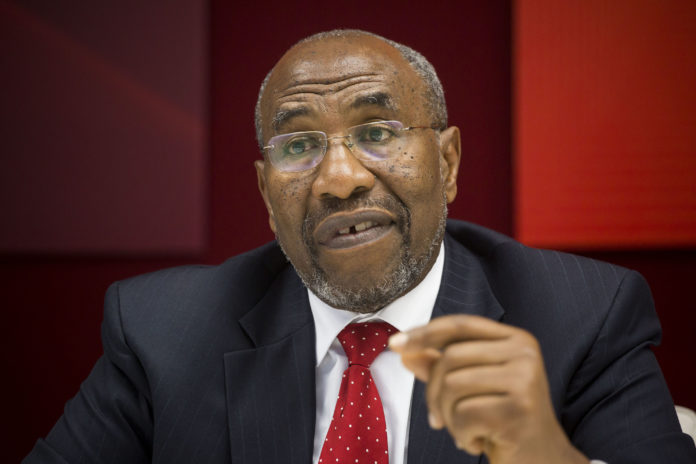
Continental Free Trade Area will catalyse transformation of the continent

Hippolyte Fofack

By Hippolyte Fofack

In a world in which competitiveness is a key determinant of sustainable growth and trade performance, consolidating existing but fragmented economic communities has become essential. One major example is the Continental Free Trade Area, which will establish a common market in Africa and catalyse economic transformation and effective integration of the region into the global economy.

Earlier this year, 44 of the 55 African Union states signed up to the CFTA agreement. Five additional countries, including South Africa, joined during the 31st Ordinary Session of the Assembly of the African Union held in Mauritania in July 2018. The 49 signatories account for more than 86 per cent of total African trade and around 77 per cent of the continent’s GDP. Beyond enhancing the competitiveness of African economies, the CFTA has the potential to buttress the forces for convergence in the world economy.

The CFTA has emerged at a time when the impact of competitiveness on trade and development has increased significantly, reaching stratospheric levels in the era of globalisation. Several factors contributed to this emphasis on competitiveness, not least the increasing role of innovation and technological content of manufactured goods, as well as globalisation of economic opportunities and trade.

The CFTA is also coming together at a time of creeping protectionism, when leading economies are adopting mercantilist systems that treat the size of trade surpluses as a measure of economic performance. This has been illustrated recently by the escalation of punitive tariffs and retaliations, trade wars between large economies and the marginalisation of the World Trade Organisation as more countries move away from the rules-based system that has enabled robust, sustainable and free-fl owing global trade.

In this beggar-thy-neighbour global economic landscape, competitiveness has perhaps become even more important for countries striving to integrate into the global economy. Only the most competitive are expanding their share of the global market. These economies have emerged as ‘active globalisers’, those most able to take advantage of the benefits of globalisation to sustain their growth and trade performance.

In contrast, the least competitive economies have become ‘passive globalisers’, victims of globalisation that supply the raw materials and natural resources required to expand the manufacturing output of active globalisers. Passive globalisers are disproportionately more vulnerable to the adverse effects of globalisation.

These include such risks as the increased speed of global transmission of negative shocks, swings in commodity prices and longterm deterioration in the terms of trade for commodities. Over time, these risks have stifled the aspirations of lagging nations, most of which are locked in vicious cycles of excess growth volatility and structural balance of payment crises.

In Africa these risks have been exacerbated by a host of constraints to competitiveness and trade. These include non-tariff and regulatory barriers such as border delays, burdensome customs and inspection procedures, as well as multiple licensing regimes and the rise of national transit bonds along key routes.

In addition to a large financing gap and infrastructure deficit, African businesses have had to contend with these constraints that raise transaction costs and limit the movement of goods, services, labour and capital across borders. As a result, trading among African countries has been more costly and time-consuming than in any other region of the world.

While the average cost of importing a container within the region is around $2,500, the same costs $900 in the East Asia and Pacific region and $1,500 in Latin America and the Caribbean. Removing barriers Although the structure of production and the direction of trade inherited from the colonial model of resource extraction have played major roles, the prevalence and scale of non-tariff barriers and market fragmentation help to explain why African countries trade more with the rest of the world than with each other.

Intraregional trade accounts for around 15% of total African trade, against 68% in Europe and 58 per cent in Asia. Uniting Africa through the CFTA will establish one of the world’s largest free trade areas in terms of number of countries, people and market size. The agreement will cover a market of 1.2 billion people with a GDP of $2.5 trillion and combined consumer and business spending of more than $4 trillion. This will help raise the competitiveness of African economies and enhance their integration into the global economy as active globalisers.

Measures such as cross-listing firms on different stock markets and the establishment of credit reference bureaus could raise access to finance in a region where fragmentation has impeded private sector growth. Besides the implications for financial markets, consolidating regional economic communities to establish one of the world’s largest free trade areas could boost the competitiveness of African economies through other channels. These include technology transfers, crossborder investment and industrial development in a context of increasing economies of scale, diversification of sources of growth and the expansion of intra-African trade.

Preliminary estimates of the expected benefits of the CFTA for trade performance and regional integration are positive and significant. Intra-African trade, largely dominated by industrial products and manufactured goods, could increase by more than 52 per cent above the baseline a decade into the implementation of the CFTA.

It could even double over the same period if the reforms envisaged under the CFTA are complemented by robust trade facilitation measures. Economies of scale created by the establishment of a larger continental market could lower production costs and encourage inward foreign direct investment and cross-border investment. The benefits of this would include greater technology transfers and strengthened regional value chains in a context of expanding intraregional trade in intermediate and capital goods.

‘Factory Africa’

The development of regional value chains would raise African economies’ competitiveness and enhance their integration into the global economy. Data show that, despite the increased outsourcing of activities involved in the production of a good to several countries, much of the value-added distribution in global value chains remains in regional blocs.

‘Factory Europe’, ‘Factory North America’ and ‘Factory Asia’ are the regions where these value chains are primarily concentrated. In time, the emergence of ‘Factory Africa’ and the improved integration of Africa-based businesses into the global economy will help set the world on a path towards truly global value chains. Realising Africa’s potential has been markedly difficult, partly as a result of artificial trade barriers and the fragmentation of markets inherited from the colonial development model.

The CFTA will help overcome these limitations and boost the competitiveness and integration of African economies. Making this transition will depend on the speed and ability of countries and emerging corporate leaders to overcome hurdles on a path towards structural transformation.

Regardless of geography, technological advances as well as improved infrastructure have been fundamental for cost reduction and efficiency gains in the development of regional and global value chains. African countries must more vigorously adopt these innovations.

The benefits of regional integration will be greatly enhanced if the CFTA principles are supplemented by non-border reforms. These should include measures to liberalise services trade, investment provisions, intellectual property rights protection and the harmonisation of standards and regulations.

These are all essential for reducing trade costs between countries within the region. Beyond raising regional trade intensity, the CFTA could unleash forces for African dynamism and position the continent as a globally competitive export processing platform.

Hippolyte Fofack is Chief Economist of the African Export-Import Bank

Stories Continues after ad

Uganda champions standardisation of biomedical imaging equipment

UNBS ED Dr. Ben Manyindo.

Uganda has emerged as a pioneer in Africa to champion standardisation of the latest technology used in biomedical imaging for diagnosis and subsequent treatment of various medical conditions.

Uganda, through its standards agency – the Uganda National Bureau of Standards (UNBS), is the only country in Africa that is part of 10 countries participating in the developing of ISO standards for equipment that use microbeams and x-rays to carry out diagnosis of various medical conditions. At the national level, the UNBS Technical Committee on Metrology (UNBS TC 08) has taken the lead on this matter.

Consequently, international delegates from China, Germany, Iran, Japan, Republic of Korea, Russia, Sweden, United Kingdom, and United States of America are meeting in Kampala for three days to discuss standards for equipment used in microbeam analysis.

The 25th plenary session of the ISO Technical Committee 202 on Microbeam analysis will take place from 19th to 21st September 2018 at Hotel Africana, ending with the discussion and approval of resolutions made during the meeting.

Speaking at the opening ceremony held at Hotel Africana, the UNBS Executive Director, Dr. Ben Manyindo, welcomed the delegates to Uganda and observed that the meeting comes at a time when a large number of modern microbeam analytical instruments are being imported into Uganda and a number of state-of-the-art laboratories, which have been playing significant roles in advancing research, have been established with these high performance instruments.

“Promoting the peaceful use of the technology and nurturing a culture of safety among professionals is at the heart of the UNBS’s mandate, and constitutes a fundamental element of our work. Simultaneously, we must continue to promote international cooperation in the applications of modern technology. Achieving these dual goals will require engagement, collaboration, and partnership – building with a range of stakeholders from across our societies, scientific communities, and industrial sectors.” Dr. Manyindo added.

The Microbeam technology is used in medical imaging (ultrasound, MRI, X-ray), materials engineering used in construction, agriculture, electrical and civil engineering and earth science.
The Committee has so far developed and published 21 international standards in the areas of Electron probe microanalysis, Analytical electron microscopy, Scanning electron microscopy and related terminology.

“Uganda, as a Participating Member in ISO/TC 202, has been active for the last three years in the ongoing work of the Committee,” Manyindo said.
The technical committee is made up of ten (10) Participating Members and thirteen (13) Observing Members which include Austria, Cuba, Czech Republic, Egypt, Finland, France, India, Italy, Morocco, Netherlands, Poland, Romania and Turkey.

Stories Continues after ad

Governor Mutebile shouldn’t tell lies, BoU surely misused Shs478.8 billion in Crane Bank saga

Bank of Uganda's Emmanuel Tumusiime-Mutebile

By Richard Wanambwa

The Bank of Uganda (BoU) Governor Emmanuel Tumusiime-Mutebile has come out to defend the Shs478.8 billion it extravagantly sank in activities he said were aimed at protecting Crane Bank Limited from collapsing before it could be transferred to its rival-Dfcu Bank.

Governor Mutebile’s defence was in response to Daily Monitor’s Monday headline- “How BoU blew Shs478 billion in the Crane Bank Takeover”, which he said was “seriously misleading” the public.
Mutebile in his defence says BoU provided a loan to Crane Bank and this money came from the BoU’s own resources. However the official did not give the public the terms and conditions under which BoU gave Crane Bank the said loan and who signed the loan on behalf of Crane Bank. Who in particular signed this money on the side of shareholders of CBL?

Further the good Governor needs to be reminded that no one has said that BoU is not mandated to create financial assets and liabilities to support weak banks. The issue is that Shs478 billion spent by officials at BoU under the cover of liquidity support to CBL was extravagant especially when one examines legal and technical services hired by BoU. The public is not happy that lawyers and audit firms were paid huge monies when they should have taken less of the taxpayers’ money. The Governor has not also explained the over Shs720 million the Auditor General said was spent as “facilitation for special exercise (CBL). BoU needs to shade more light on this particular expenditure.

The media and especially the Daily Monitor is right to say BoU blew the money especially when officials cannot clearly provide items on which the money was spent. The Governor says Shs 466 billion was spent on liquidity support yet adequate documents to support this expenditure were not provided to the AG John Muwanga to make clear conclusions. If BoU and more especially the Governor Mutebile himself cannot trace for documents to support claims that this money was spent as special exercise on officials and in the same spirit, who can refute claims by Auditor General that BoU failed or top official knowingly refused to release these documents, then Mutebile can’t claim he is in charge at BoU?

“Crane Bank had been losing liquidity for months prior to its takeover by the BoU. This was because a large share of its loan portfolio was not being serviced by the borrowers and because customers were losing confidence in the bank and withdrawing their deposits,” Mutebile says and no one is disputing that information. The issue is whether that money was used for that purpose as BoU managed Crane Bank for the year or so before ‘selling’ or transferring it to Dfcu in a transaction that forced parliament to cause an audit of BoU in regard to the sale of seven defunct banks.

Apart from the Shs466 billon of liquidity support to Crane Bank, Mutebile says BoU also spent Shs12 billion in resolving Crane Bank. “These were expenses that were necessary to ensure that the assets and liabilities of Crane Bank could be transferred to another bank, thereby allowing Crane Bank’s customers to continue having access to normal banking services,” Mutebile says. The Shs12 billion which included payment to lawyers, private auditing firms and surveyors still is too much to carelessly spend in a poor economy like Uganda. BoU should have done better to save the taxpayers ‘money.

Therefore, Daily Monitor’s assertion that the BoU “blew” Shs478 billion is correct. However, if Mutebile doesn’t know, let him be told that the transaction of CBL was mismanaged to the extent that the related case is the Courts of Law.

Furthermore, Mutebile says BoU is recovering the Shs200 billions of this money through the sale of assets and purchase of assumption transaction which transferred assets and liabilities of Crane Bank to Dfcu Bank. That Dfcu Bank determined the price and yet it was the buyer leaves many questions unanswered. Remember that shareholders of the other six banks BoU closed or sold are also crying.

Stories Continues after ad
Wankulukuku to host FUFA Uganda Super Cup

KCCA players celebrate super cup win last year.

With less than two weeks to the start of the Uganda Premier League season, KCCA FC and Sports Club Vipers will battle for the 2018 FUFA Super Cup on September 22.

Express FC home ground, Mutesa II Stadium in Wankulukuku has been picked to host the game.
The Uganda Super Cup is a match played between the Uganda Premier League champions and Uganda Cup champions of last season.

Vipers won the league last season while KCCA won the Stanbic Uganda Cup, beating The Venoms 1-0 in the final.

KCCA won the Super Cup last year having beaten Paidha Black Angels 3-0. Patrick Kaddu and Tito Okello each bagged a goal while Allan Okello made sure of the victory.
The match acts as season curtain raiser for the upcoming 2018/19 StarTimes Uganda Premier League campaign that gets underway on Friday, September 28, 2018.

September 22nd, 2018
FUFA SUPER CUP
KCCA FC Vs SC Vipers
Wankulukuku Stadium, 4:00 pm

Stories Continues after ad

Cabinet approves National Broadband Policy

Gender, Labour Minister Frank Tumwebaze.

Cabinet has approved the National Broadband Policy for Uganda to avert duplication and wastage of resources in the provision of broadband among the key stakeholders in the information and communication technology (ICT) sector.

According to cabinet spokesperson and Minister for ICT Frank Tumwebaze, in a meeting chaired by President Museveni, they resolved that the policy will ensure countrywide coverage of network, as opposed to the current concentration in the urban settings.

“The policy will help in reviewing the licensing regime for telecom and broadband operators to ensure that their operations are in line with the ICT strategic objectives of increasing access and usage of ICT Infrastructure and services throughout the country,” he said.

He noted that the policy forms part of the licensing conditions for telecoms which include national coverage where every operator that seeks a national operator license will be required to cover the entire geographical place of Uganda.

“Being a scarce and finite government resource, the spectrum, it needs to be managed and utilized efficiently, optimally and rationally. It is intended to outlaw hoarding of spectrum and enable realization of economic value of it,” he said.

The policy also covers a number portability where currently the customers cannot switch from one service provider to another without changing the telephone numbers, saying with this policy; customers will be granted opportunity to choose their service provider without the challenge of changing telephone numbers.

Stories Continues after ad

Managing economic integration in Africa: Free movement protocol raises questions for diverse continent

Max Roch

By Max Roch

In the West, the election of US President Donald Trump, Britain’s planned departure from the European Union and the electoral success of populist parties in Italy, Germany and much of eastern Europe signal the resurgence of nationalist politics. Protectionism and an affinity for hard borders are back. Other parts of the world, however, are adopting market-orientated initiatives appealing to the centre ground of politics, most notably Africa.

In March 2018, 44 African nations signed the Kigali Declaration in Rwanda that brings the region one step closer to deep and meaningful integration, complementing advances made in the establishment of the Continental Free Trade Area. This has been made possible by Africa’s shift to technocracy. Abiy Ahmed and Nana Addo, the leaders, respectively, of Ethiopia and Ghana, among others, are setting a radically new and propitious tone for the future. Unlike their predecessors, they are keen to stave off dependence on state-owned enterprises and foreign aid, and are demonstrating a sincere commitment to regional integration and co-operation.

Cross-border regulatory alignment in the Economic Community of West African States has increased. Nigeria, for instance, as a member of the West African Monetary Zone will co-operate with Benin in the French-speaking West African Economic and Monetary Union on a $4.5bn border facility to increase trade flows. The Bank of Central African States, which serves as the central bank of six countries, now oversees the unified Douala Stock Exchange after Cameroon and Gabon came to an agreement over their competing securities bodies. The removal from power of Jacob Zuma in South Africa, Robert Mugabe in Zimbabwe and José Eduardo Dos Santos in Angola signifies a shift in southern Africa away from the revolutionary comrades of yesteryear.

However, one overlooked aspect that requires further debate is that only 30 countries adopted the Free Movement Protocol, the third tenet intended to complement the Kigali Declaration and CFTA. The protocol, it is hoped, will lead eventually to the creation of a ‘borderless’ Africa.

Questions must be asked about the necessity of freedom of movement in the early stages of the CFTA and whether the ostensible benefits outweigh the obstacles that such a debate is likely to bring up. In the light of continuing conflicts in the region, mass migration, climate change, political uncertainty and rising refugee numbers, many countries are opposed to opening borders. Around 26% of the world’s refugees (around 18m people) are in sub-Saharan Africa, and this excludes the myriad economic migrants who would emerge as a result of a borderless continent.

Several relatively wealthy and stable nations –Botswana, the Seychelles, Ivory Coast, Cape Verde, Mauritius, Namibia and Zambia – did not adopt the Free Movement Protocol. In addition to those struggling under the pressure of the refugee crisis, namely Egypt and Maghreb countries, the situation across the continent has been exacerbated by recent military interventions.

The flow of refugees and migrants goes both ways. Safer southern countries, such as Zambia, have endeavoured to home around 76,000 Congolese refugees by the end of 2018. This is besides those already absorbed from Angola, Zimbabwe, Mozambique, Rwanda and the Democratic Republic of Congo in the decades since Zambia became independent in 1964. In spite of the country’s efforts, the lack of public services and political mismanagement of resources has enabled antipathy towards foreigners to fester.

For a continent of 55 countries, many of which are contending with a spectrum of unrest, it is possible that uninhibited adoption of the CFTA and the opening of borders may give rise to the same nationalist groundswell that is threatening the US and Europe.

Max Roch is Research and Policy Analyst at OMFIF.

Stories Continues after ad

AMISOM to use modern technology to help secure peace in Somalia

Simon Mulongo

The African Union Mission in Somalia (AMISOM) will enhance its use of modern technology during the transition period to ensure gains made in securing the country are not eroded.

The Deputy Special Representative of the Chairperson of the African Union Commission (DSRCC) for Somalia, Simon Mulongo, said Somalia’s stabilization process had reached a critical stage that needed more investment in modern technology, mainly force multipliers and enablers, to ensure no security gaps occur during the draw down phase.

Last year, the United Nations Security Council authorized conditions-based withdrawal of AMISOM troops and handover of security responsibility to Somali national security forces.

The AU Mission has already withdrawn 1000 troops and more withdrawals are expected next year.

“AMISOM is in a setting that’s very complex. It’s operating in an environment that’s very sophisticated. It requires improved and new ways of thinking and acting. It requires improved capacity to secure the forces when they’re moving and when in their bases,” said the DSRCC during a recent workshop on the use of technology as a force multiplier, held in Mogadishu.

The two-day workshop discussed how technology can be applied to address logistical challenges faced in the battlefield and was attended by senior officials from UNSOS and AMISOM together with police and military focal point officers from the six Sectors.

Mr. Mulongo noted that the technology employed as force enablers and multipliers should be sustainable if they are to make a difference in the war against Al-Shabaab, especially during the transition period.

The director of United Nations Support Office in Somalia (UNSOS), Amadu Kamara, called for a coherent approach in the war against Al-Shabaab and pledged the UN agency’s continued support to AMISOM in its efforts to secure Somalia.

“The value of technology has to be within the context of a well-planned, thought-out and coherent approach to how we want to wage this battle and I think this is just a small beginning and I pledge the support of UNSOS within budgetary constraints and the realities of the fiscal to make sure that we give full support to help our noble and valiant AMISOM colleagues wage a winning battle,” the UNSOS director added.

His sentiments were echoed by the director of Information Communications and Technology Division (ICTD) at the UN headquarters, Anthony O’Mullane, who said he was in Mogadishu to understand the challenges AMISOM faces and the best technology to recommend.

The workshop also discussed the gaps associated with force protection and force projection capabilities and how they can be prevented.

Stories Continues after ad