Stanbic Bank
Stanbic Bank
22.7 C
Kampala
Stanbic Bank
Stanbic Bank
Home Blog Page 1568

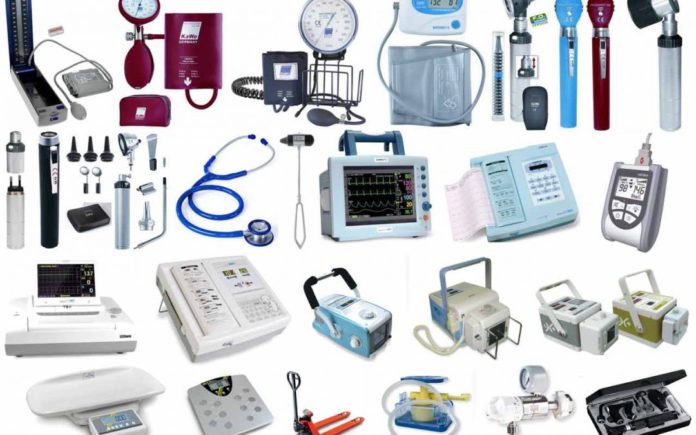
UN health agency launches new diagnostic tool to ensure effective treatment

Medical-Equipment

Although correctly identifying disease is essential for successful treatment, many have no way of accessing an accurate diagnosis, the United Nation health agency said on Tuesday, launching new tool to close this critical gap.

“An accurate diagnosis is the first step to getting effective treatment,” said Tedros Adhanom Ghebreyesus, Director-General, of the World Health Organization (WHO).

“No one should suffer or die because of a lack of diagnostic services, or because the right tests were not available,” he added.

WHO’s first “Essential Diagnostics List” – a catalogue of the tests needed to diagnose the most common conditions as well as numerous diseases deemed to be a “global priority” – concentrates on in vitro tests, such as blood samples or urine specimens.

The list contains more than 100 products involving 58 tests for detecting and diagnosing a wide range of common conditions; and providing an essential package for screening and managing patient care.

Other tests are designed to detect, diagnose and monitor “priority” diseases, such as HIV, tuberculosis, malaria, hepatitis B and C, human papillomavirus and syphilis.

Some tests are particularly suitable for primary health care facilities, where laboratory services are often poorly resourced or even non-existent, said WHO. For example, tests that can rapidly diagnose a child for acute malaria, or glucometers to test diabetes do not require an electrical charging or trained personnel.

Other tests are more sophisticated and suitable mainly for larger medical facilities.

“Our aim is to provide a tool that can be useful to all countries, to test and treat better, but also to use health funds more efficiently by concentrating on the truly essential tests,” said Mariângela Simão, WHO Assistant Director-General for Access to Medicines, Vaccines and Pharmaceuticals.

“Our other goal is to signal to countries and developers that the tests in the list must be of good quality; safe and affordable.”

For each test category, the list specifies the type of test, intended use, format and – if appropriate – for primary care or health facilities with laboratories.

The list also provides links to WHO Guidelines or publications and, when available, to prequalified products, as well as a reference point for countries to update or develop their own list of essential diagnostics.

To benefit patients, Governments must ensure appropriate and quality-assured supplies, trained health care workers and safe use. WHO will support countries as they adapt the list for local context?

WHO will update the list on a regular basis and add categories to the next edition. It will expand over the next few years as it incorporates other important health challenges; including antimicrobial resistance, emerging pathogens, neglected tropical diseases and additional non-communicable diseases.


Stories Continues after ad

Somalia assures AU and UN of its commitment to take over security responsibilities from AMISOM

Prof. Sam Turyamuhika

Somalia has assured a joint team from the African Union and the United Nations reviewing the African Union Mission in Somalia (AMISOM) of its commitment to assume security responsibilities as stipulated in the transition plan.

Speaking at a high-level meeting attended by AU-UN joint review team, international partners, AMISOM Troop and Police Contributing Countries, held in Mogadishu recently, the National Security Advisor of the Federal Government of Somalia, Abdisaid Musse Ali, asked the team not to judge the country by its past but what it is today and what it will be in future.

Presenting the Federal Government of Somalia’s transition plan, Mr. Ali said there was political will from the highest office in the land and the government was ready to handle the country’s security.

“The transition plan represents a significant change in the planning and delivery of security in Somalia. It’s not business as usual. For many years, Somalia has been grateful for the strong support of our international partners which has allowed the country to make progress,” he added.

The Advisor noted that the transition plan is aimed at securing Somalia, through the implementation of the security architecture developed and adopted by the government last year.

The Special Representative of the Chairperson of the African Union Commission (SRCC) for Somalia and Head of AMISOM, Ambassador Francisco Madeira, said the peacekeeping force had always had an exit strategy.

The SRCC said AMISOM fully identified itself with the transition plan developed by the Federal Government of Somalia, with the help of development partners.

“All the things that are showing up now, in this transition plan, were already at the centre of AMISOM’s action plan,” the SRCC said adding; “We need to build a state and building a state meant the Somalis needed to take responsibility not only of the military but also of the administration of the country.”

He added that the peacekeeping force had envisaged the transition plan in driving out Al-Shabaab in most places and rebuilding institutions that are now ready to be handed over to the Somali government.

Ambassador Madeira said he had seen profound determination from the Federal Government of Somalia to take over the responsibilities currently being undertaken by AMISOM in the country.

In his remarks, the Head of the United Nations Delegation to the Joint AU-UN Review of AMISOM, Walid Musa Abdelkarim, acknowledged that there had been significant political progress since the joint mission was in Somalia a year ago.

“We now are convinced that the geopolitical position or status of Somalia is rising, increasing every day because of global events and therefore we will have this time a more serious tone in what we do,” Dr. Abdelkarim noted.

Speaking at the meeting, the Head of the African Union Delegation to the Joint AU-UN Review of AMISOM, Maj. Gen. Francis Okello, said the continental body wants the transition plan presented by the Somali government to succeed.

“We want this plan to succeed. And we’re sure that it will succeed because of the level of commitment,” said Maj. Gen. Okello.

His remarks were echoed by the Ugandan Ambassador to Somalia, Prof. Sam Turyamuhika, who pledged the support of the Troop Contributing Countries in ensuring the plan succeeds.

“We are here to help you (succeed). We have been doing it and those of you who have worked with us know that this is the spirit in which we came here,” Uganda’s ambassador added.

The Head of the United Nations Support Office in Somalia (UNSOS), Lisa Filipetto, said this year’s joint AU-UN review is important because the transition plan offers a practical shift from the way things have been done.

Ms. Filipetto said the review also comes at a time when important activities, expected to shape the hand over by AMISOM, are scheduled to take place.

“There are a number of significant dates going forward. There’s this joint review. Already being mentioned is the Somali Partnership Forum in late June. So, this review will feed into Security Council considerations,” the Head of UNSOS observed.

Mr. Ali paid tribute to AMISOM soldiers, police and civilians for their commitment to Somalia, noting their presence remains critical as Somalia moves into the transition stage.

Stories Continues after ad

Gen. Henry Tumukunde denounces social media profiles

Gen. Henry-Tumukunde.

The former security Minister Lieutenant General Henry Tumukunde has denounced most of the social media profiles attributed to him and signed in his name, saying he only has signed up on Twitter.

“I am aware of the presence of false accounts on various social media platforms impersonating me and I hereby denounce them and confirm to you my people that this is my only social media outpost and it is verified by myself,” he says in the latest tweet. He posted on his twitter @henrytumukunde.

A quick search on Facebook reveals Tumukunde Henry profile which has photos of the General in a military fatigue. On this profile ‘Tumukunde’ has over 4000 friends, including NRM’s Lydia Wanyoto.

Tumkunde says that one of the fake Facebook pages purported to be his, posted a statement -National awakening of parents and concerned citizens to wake up against kidnaps. Tumukunde ever since leaving cabinet hasn’t made any public statement as he has kept a low profile running his personal businesses.


Stories Continues after ad

Keys to successfully bootstrapping your new venture

By Martin Zwilling

If you really want to start a business your way without a boss or professional investor hovering over you, then just fund it yourself or through friends and family, and grow it organically. It’s more possible to bootstrap today than a few years ago, as the cost of entry continues to go down. According to Investopedia, over 90 percent of successful businesses currently start this way.

With one of the new free tools and a dose of sweat equity, you can create a website for almost nothing — and you are on your way to success with ecommerce, your latest invention or personal services. It’s equally easy to go online and incorporate your new entity, register some intellectual property and have some fun with social media for marketing and interacting with customers.

The key to successful bootstrapping is to master the do-it-yourself approach, defer compensation or barter services whenever possible and become a frugal minimalist in all things requiring a cash outlay. Here are the key principles I recommend as an advisor to many entrepreneurs:

  1. Start your business in your own home. With the advent of the Internet, the size and address of your office is irrelevant. Most new teams are geographically dispersed these days anyway, so paying rent for an office should be differed to later stages when revenue is plentiful. You will be in good company with the many legends who used this approach.
  2. Barter services for access to required resources. Don’t rationalize a big investment in basic equipment with long-term requirements thinking. Look for a part-time job in a local or family business to provide access to things you will need only occasionally, such as a high-speed printer, video equipment or product assembly tools and storage.
  3. Learn to be a generalist rather than a specialist. With the unlimited access to “how-to” videos and detailed instructions on the Internet, you shouldn’t need to hire experts for most things. Likewise, too many volunteers and interns will only increase your workload and rework costs. Use your networking to get advice, but all jobs can be do-it-yourself.
  4. Operate small, but show a big-company image. You don’t need a large building and staff to be visible and heard worldwide. Use multiple social-media channels, blogging, email and voicemail to build the same image and responsiveness as larger competitors. Keep expenses down, but keep customer visibility and sensitivity as a top priority.
  5. Practice living on a shoestring budget. Most successful entrepreneurs take only a very minimum salary during the formative business years and reinvest all profits back into the business for organic growth. Defer your desire for expensive perks and vacations until later when you have time for them. You can have fun without spending big money.
  6. Favor profitability over revenue and user growth. Adding free users or customers to increase valuation makes sense for a venture-backed startup looking to go public, but will kill bootstrapping. Self-sustainability, independence, and real fun requires paying customers, profitability and an early cash-flow-positive business plan.
  7. Use your equity for key executives and business partners. Bootstrapping doesn’t mean that you don’t share equity. You can use it best to entice new team members and partners, giving you more horsepower and commitment for the long run. Investors seeking equity for cash typically want more control and cash-return quickly.
  8. Don’t assume you must plan for exponential growth. Investors have spread the word that you can’t get “hockey-stick” growth without a large cash infusion. In fact, you don’t need exponential growth to give you a good return and be declared successful. You may not be acquired for 10-times revenue, but quick exits and public offerings are no fun.

In summary, bootstrapping means living within your means, watching costs carefully, finding alternatives to cash for building the team and expanding the business infrastructure. Bootstrapping does require a full confidence in your own passion to make decisions and change the world with no investors to lean on or blame. But isn’t that why you signed up to be an entrepreneur in the first place?


Stories Continues after ad

Plans for US $10b International Finance facility for education take shape

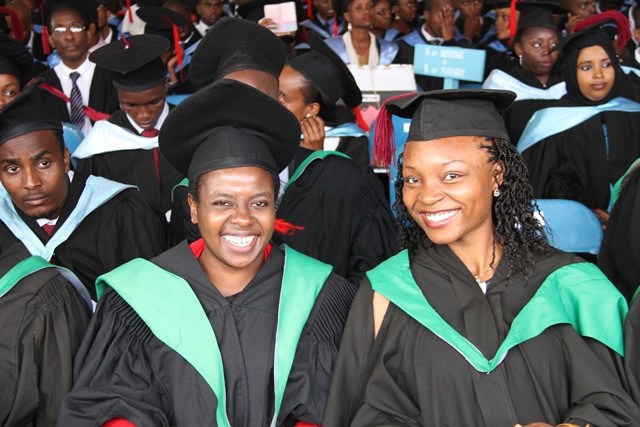
Happy at graduation.

After a year of silence, work is finally ramping up on the launch of the first global education financing facility (IFFEd), intended to catalyze US $10billion from the multilateral development banks in a bid to reverse the growing education crisis.

United Nations Secretary-General António Guterres met with the heads of the major multilateral development banks and representatives from the Education Commission on Friday to officially endorse the International Finance Facility for Education.

First mooted by the Education Commission in 2015, more details are now beginning to emerge about the instrument, which could be launched by the end of the year.

At the meeting in New York recently, youth activists from countries in the “global south” handed over a petition with more than 1.5m signatures calling for IFFEd to be launched. Guterres lauded it as one way of channeling “more and better funding for education to achieve our full potential,” according to a press release.

Presented as the education sector’s answer to the Global Fund to Fight AIDS, Tuberculosis and Malaria, and Gavi, the Vaccine Alliance, IFFEd is designed to help fill the yawning education financing gap by combining guarantees and grants from donor countries to enable the major MDBs to lend more to lower-middle income countries committed to investing in their education systems. It is hoped it will create places for an initial 20m children who are currently out of school.

The commission describes the mechanism as pioneering and says it has never been tried before. It claims the approach will be efficient, affordable, scalable, and sustainable.

Not everyone in the education sector is convinced, however. Questions have been raised about the technical feasibility of the mechanism and whether it can raise the necessary funding from donor countries at a time of shrinking aid budgets.

Civil society groups and some potential recipient countries fear IFFEd will increase government debt levels and could interfere with existing education financing mechanisms namely the Global Partnership for Education and Education Cannot Wait. Some say the commission should focus on alternative ways of increasing financing for education, such as through international and domestic tax reform.

The campaign begins

IFFEd was first proposed as one of three recommendations in the commission’s influential 2015 Learning Generation report, which shone a spotlight on the global learning crisis.

According to UNESCO, 264 million children are out of school, and the United Nations estimates that a further 600m  are in school but learning little. Aid spending on education is falling far short, with UNESCO saying an extra US $39 billion will be needed every year to meet the Sustainable Development Goals on education by 2030.

IFFEd seeks to turbo-charge investment from multilateral and bilateral donors, who currently spend just US $12 billion a year on education.

The commission’s director, Liesbet Steer, told Devex that IFFEd has been keeping a low profile in recent months so as not to distract from GPE’s replenishment fundraising, which culminated in January, and the World Bank’s successful campaign for a capital increase, concluded last month.


Still, technical work, consultations, and negotiations have continued behind the scenes, to develop a model that is both “feasible” and acceptable to the parties involved, something Steer said was “tricky” since this type of model has “never been done before.” The commission is developing a draft technical note and recently published a prospectus and draft set of principles. Current plans will see IFFEd established as a lean operation of about 10 staff, potentially based in Switzerland due to its “favorable regulations,” Steer said.

Steer told Devex she was encouraged to see growing momentum for the global education agenda among MDBs and donors. “We’re always talking about building bridges and roads, but if you look at the wealth of nations now, 70 per cent will lie in human capital,” she said. MDBs are now in “much greater agreement” on this, she suggested, as shown on Friday when the AfricanAsian, and Inter-American Development Banks, the European Bank for Reconstruction and Development, and the World Bank all signaled their support for IFFEd.

Donor governments are also showing positive signs, Steer added. “We’ve had a lot of very positive conversations with different European countries and also Japan,” she said, and hope to have an “initial signal” from donor countries by the end of June.

The missing middle

The plan is for IFFEd to target a specific group of lower-middle income countries, including Côte d’Ivoire, Vietnam, Kenya, Pakistan, and Guatemala. These countries are home to 700 million girls and boys of school age, more than three times the number in lower-income countries, but receive the least international support for education.

They are in a “tight spot,” Steer said, since they are no longer able to access concessional finance but are yet to “get their tax revenue up.” LMICs receive about US $1.5 billion a year for education from MDBs, while often unable to access grants from GPE and ECW.

Faced with the choice of borrowing at higher interest rates for education versus infrastructure, finance ministers tend to opt for the latter since education provides “fuzzy and longer-term returns,” Steer said.

IFFEd is being developed to help fill that gap, by insuring MDBs to provide more education loans at cheaper rates to these “missing middle” LMICs. It is intended to act as “bridge financing” to enable them to keep investing in their education systems during this critical stage of their development, Steer explained.

She predicts IFFEd could mobilize an additional $10b in new financing delivered annually by 2020, which could rise to US $20 billion by 2030.

It will require donor countries — likely to be mostly European — to put up guarantees of US $2 billion and grant financing of an additional US $2 billion, although only 10 to 15 per cent of the pledge money will need to be paid in cash, Steer said. The guarantees will enable MDBs to raise additional financing from capital markets — thanks to their high credit ratings, they could potentially leverage this at four times — while the grants will be used to buy down the loans and convert them into credits, making borrower countries more likely to borrow.

However, accessing IFFEd financing will come with conditions. In order to qualify, countries must show they have credible education sector plans; have the capacity to take on the extra lending without running into “debt distress;” show they are committed to increasing their domestic expenditure to education; and be willing to integrate results-based approaches.

The model will also require a shift in thinking among donors and MDBs, Steer said.

“The whole idea of using donor guarantees, or contingent liabilities, to insure the portfolios of MDBs is entirely new,” she said. In the past, donors have tended to provide one-to-one guarantees, but IFFEd would require them to provide loss insurance across the whole nonconcessional lending portfolio of an MDB.

Civil society groups have questioned whether governments are able to use their aid budgets for this kind of deal. It also means bringing together ministers of finance and development in donor countries, which Steer said is often “not straightforward.”

Complications and concerns

For MDBs to get good leverage within the markets IFFEd will need a strong credit rating — and achieving this will depend on a number of legal and technical factors, as well as a coordinated push for IFFEd from MDBs, Steer said. She plans to approach ratings agencies in late 2018.

“We need to have a better narrative around debt … CSOs tend to think education should never be financed with debt … but the kind of debt we are providing is very cheap.”

Liesbet Steer, director of the Education Commission

There are also complexities around whether IFFEd-financed activities, if funded by guarantees, can be classed as official development assistance under the OECD-Development Assistance Committee regulations, which would dictate whether donor countries can contribute to the facility through their aid budgets.  The issue is currently being explored by the Total Official Support for Sustainable Development initiative, part of OECD-DAC, which is looking more broadly into tracking and classifying financing from public and private donors that contributes to the SDGs.

But even if this issue is resolved, some NGOs have raised serious concerns about the IFFEd model.

Save the Children’s recently published policy brief on IFFEd, which includes a call for greater focus on equity and universalism, raised concerns that the instrument could increase countries’ debt vulnerability. The Global Campaign for Education has also raised broader questions about IFFEd’s focus on mobilizing MDB financing for education. It calls instead for “more balanced efforts on other aspects of financing, including clearer targets on domestic financing and tax justice,” according to David Archer, head of public services at Action Aid, a founding member organization of GCE.

IFFEd’s principles state that “debt financing is not appropriate for all countries.” But realistically, Steer said, it is often the only option in terms of boosting education flows.

“We need to have a better narrative around debt … CSOs [civil society organizations] tend to think education should never be financed with debt … but the kind of debt we are providing is very cheap,” she said.

“The choice is either we don’t invest [in education] or we use very cheap debt,” Steer said, adding that debt sustainability has been built into IFFEd’s design. “As these countries develop, they lose access to cheap grants and IDA,” but “tax revenues are not growing fast enough.” Through IFFEd, countries can avoid going to more expensive capital markets to bridge the gap, and can instead access lower interest rates from MDBs, subsidized by IFFEd.

Repayment of the loans will also happen “many years down the line when the children educated today will be earning an income, which creates tax revenue,” said Steer. The idea is to “use a tiny fraction of [this] future income to pay loans.”

Concerns have also been raised that the new facility will create a parallel structure to existing education financing mechanisms, creating more work for recipient countries.

“Many donors and developing country governments share the concerns raised,” said Archer.

Steer acknowledged the concerns, but said feedback during consultations had been “almost unanimously” positive.

“Almost all of them were saying they wanted this, but with the caveat that it doesn’t create more work for them at the country level … They don’t want a whole bunch of hoops to jump through,” she explained.

IFFEd is taking feedback on board and is in the process of fine-tuning its 12 guiding principles, which were presented to civil society organizations in detail during a recent webinar.

The principles emphasize that IFFEd financing should be used to strengthen existing education systems, delivering “increased access, learning, and equity;” and that “IFFEd should have in place controls to ensure funding is used to close — not widen — equity gaps.” The efforts must also be country led and responsive, and include a role for civil society participation.

Still, Archer remains concerned that IFFEd funding could be spent disproportionately on supporting for-profit education chains and public-private-partnerships, as opposed to boosting government education systems — a key point of contention for many education advocates.

“We know there is pressure from some MDBs to go after education PPPs,” he said, calling for IFFEd to offer “unequivocal reassurance” that it will not support commercial school chains.

In its principles, IFFEd says it will only “provide funds for government-led education initiatives,” but that governments have the right to decide how to allocate the resources. That could include funding a range of “delivery agents” but “only if the actors are appropriately regulated and permitted to operate by the government.”

The Commission is clear that IFFEd will be a “light-touch financial instrument” and not a delivery organization. It promises to “complement” existing education instruments such as GPE, ECW, and agencies including UNICEF, and to work in “coordination” with their programs.

Though some have questioned why IFFEd is not housed within GPE, Steer explained this is not currently possible since it needs its own legal structure to gain a credit rating. She also stressed that the two organizations are fundamentally different. “GPE’s model … interacts directly with countries while IFFEd is primarily focused on the MDBs,” she said.


Stories Continues after ad

Ramadhan set to begin Thursday

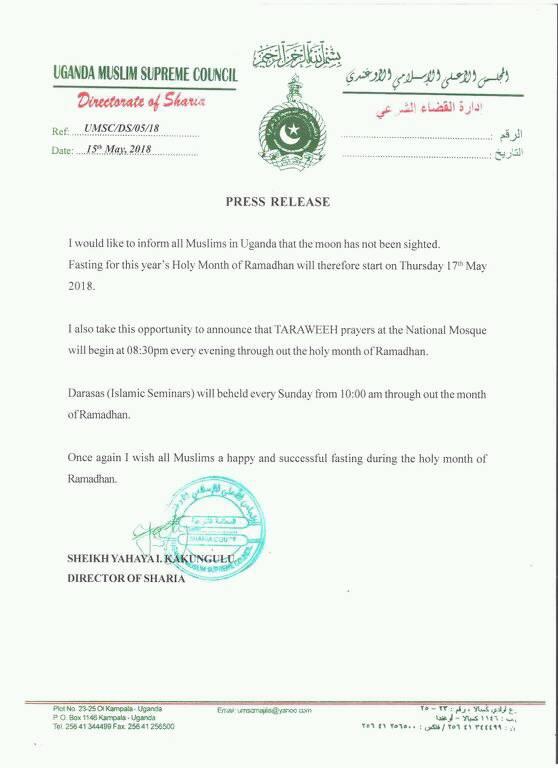
The Muslim holy of Ramadhan begins tomorrow, according to She-kh Yahaya I.Kakungulu, the Director of Sharia

“I would like to inform all Muslims in Uganda that the moon has not been sighted. Fasting for this year’s holy month of Ramadhan will therefore start on Thursday  May 17, 2018,” Kakungulu said.

Sheikh Kakungulu meanwhile has wished the Muslim community a happy and successful fasting during the holy month of Ramadhan

Stories Continues after ad

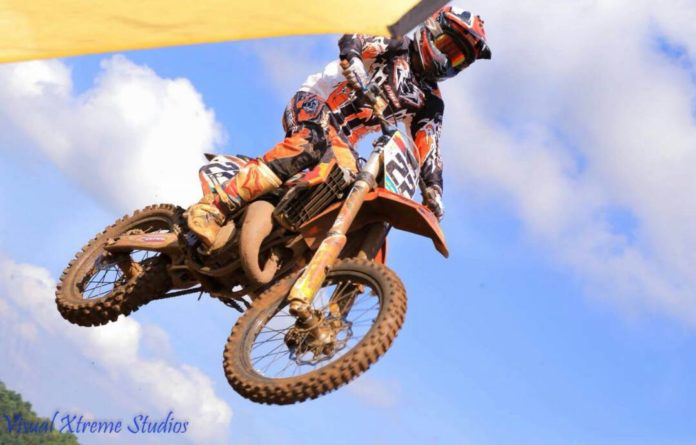
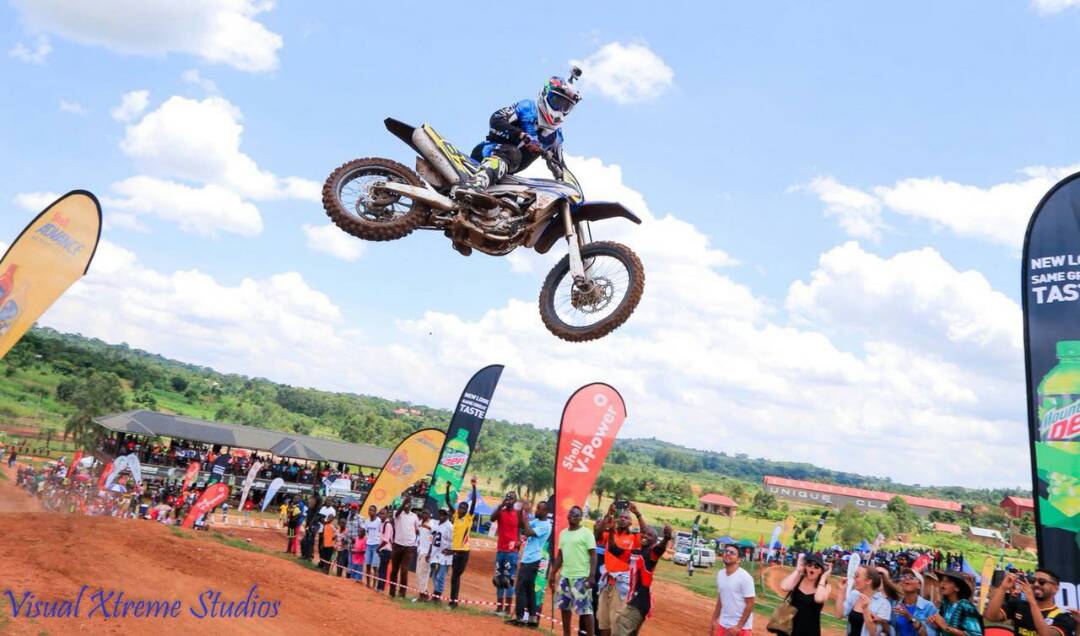
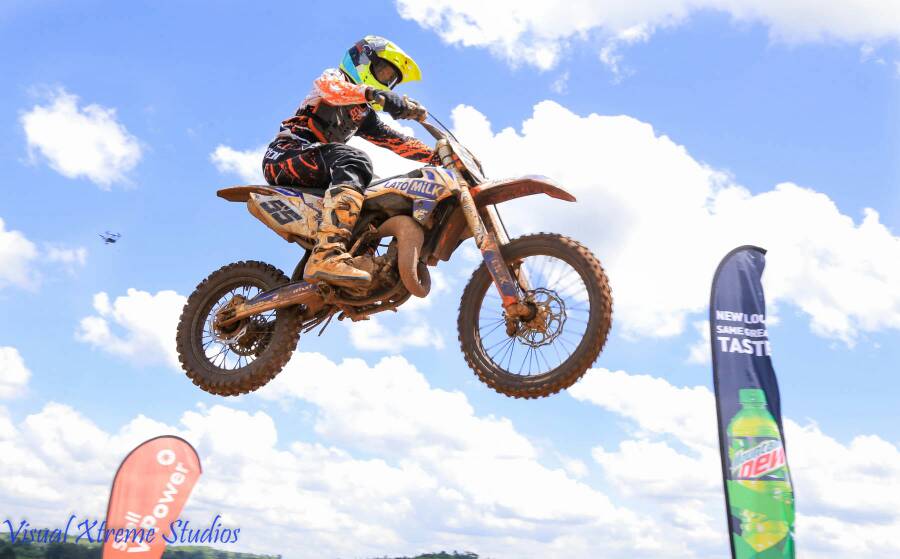
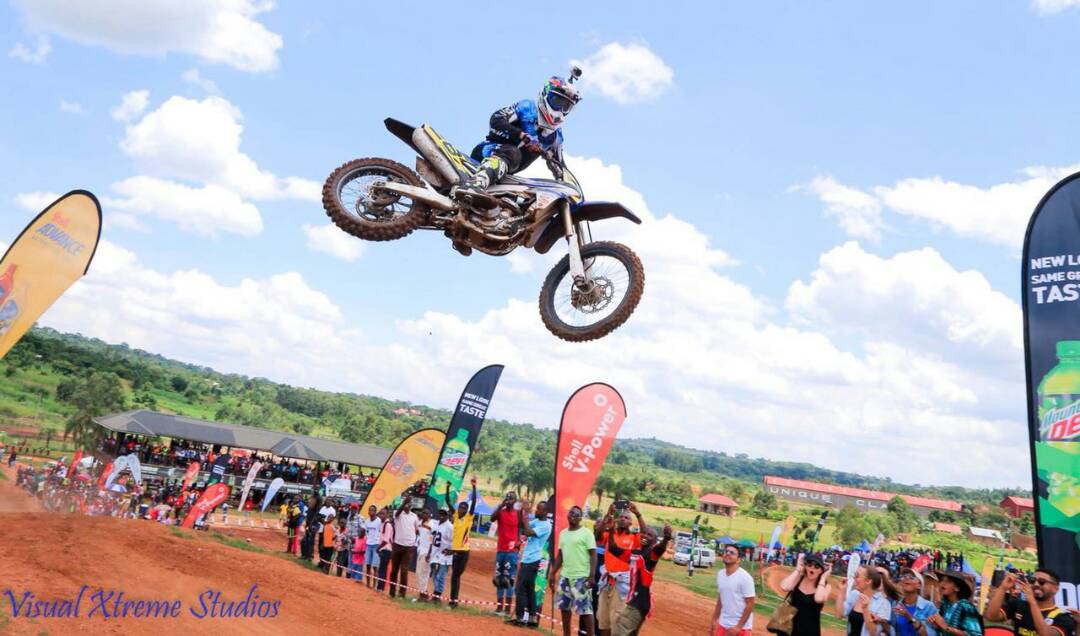
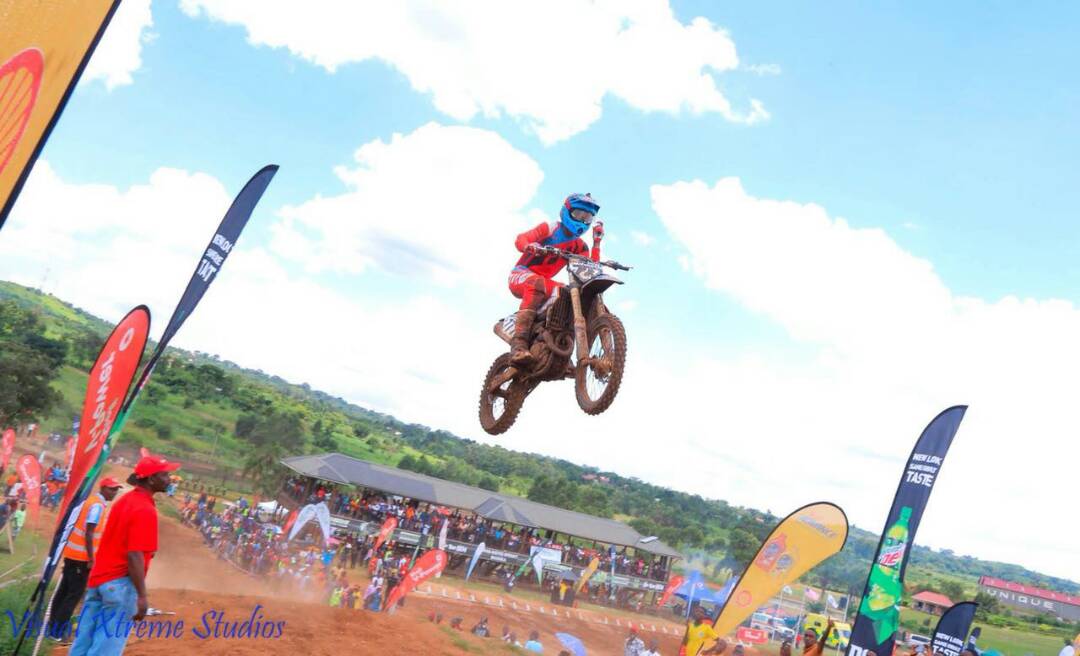
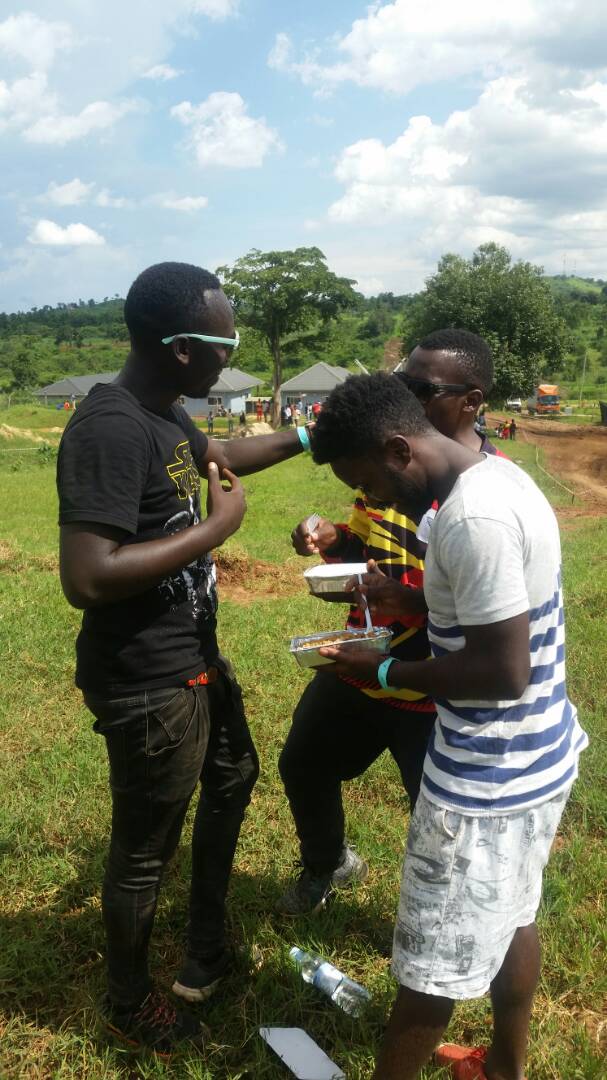
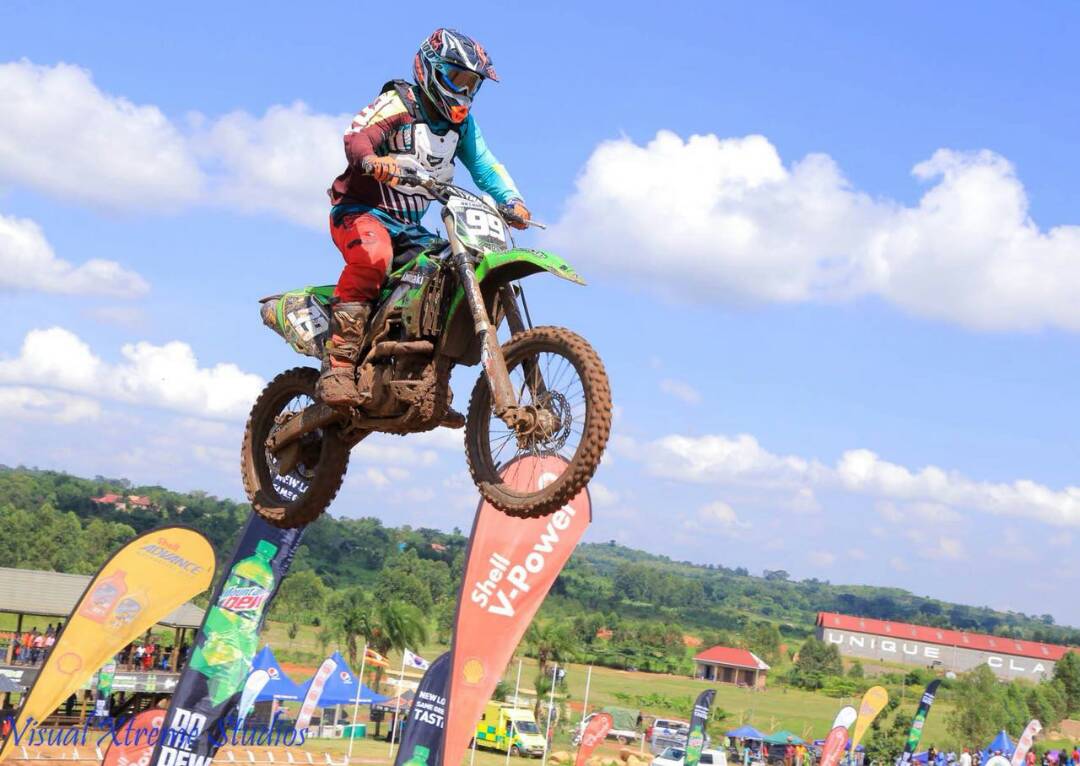
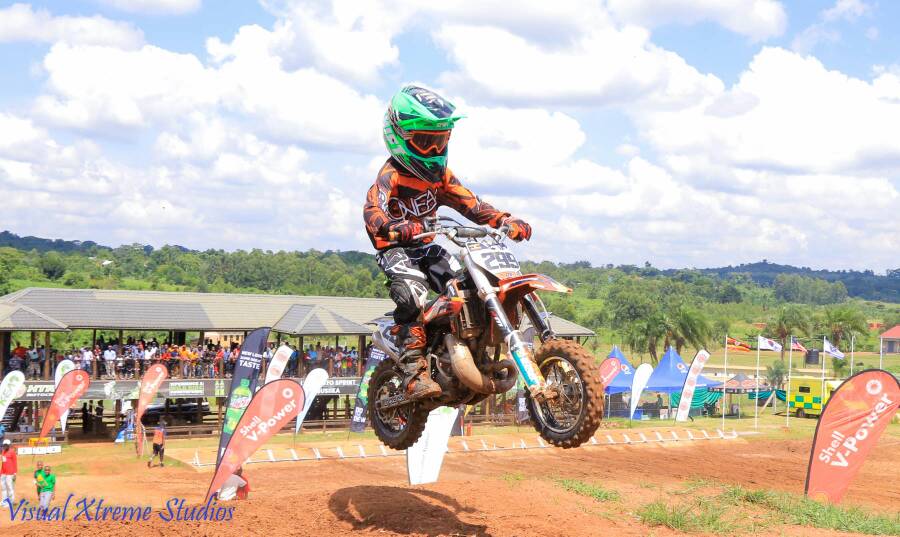
Pictorial: How it went down in Busiika over the weekend

Ali Omar during the MX three Championships at Busika on Sunday.
Stories Continues after ad

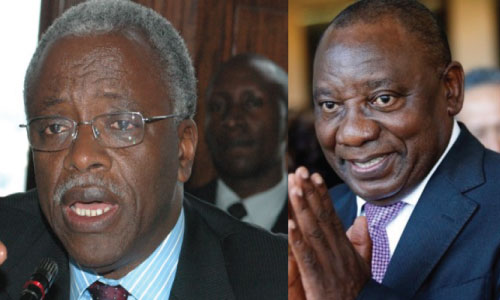
Ramaphosa’s son to marry Amama Mbabazi’s daughter

A photo montage of Amama Mbabazi and President Cyril Ramaphosa

Uganda’s former Prime Minister Amama Mbabazi’s niece, Rwakairu Brigitte, is going to get married to South Africa’s Cyril Ramaphosa’s son.

According to a source in knowledge of the developments and preparations, the marriage ceremony will take place in weekend in South Africa.

Brigitte Rwakairu is a daughter to former Premier Mbabazi’s late brother. Mr Mbabazi took over the raising of the girl after her father’s death.

It is said that the family is planning to make an official announcement tomorrow at a press conference at the former Premiers home in Nyonyi Gardens, Kololo.

As per the Western Ugandan tradition, Ramaphosa has to lead a team of his family to Uganda, probably to Cocezo, Mbabazi’s village, for Kuhingira- traditional marriage- where he will have to give cows and other assortment of gifts to the Mbabazi family as a thank you gesture.

A couple of years ago, President Rwamaphosa took interest in the Ankole long horned cattle and it is believed he bought over 100 heads of cattle and started a farm down in South Africa.

South Africa’s President has two known sons, Andile and Tumelo Ramaphosa. The latter having a known partner, Kelebogile Shomang, whom he keeps flashing on social media.

For now, Eagle Online cannot ascertain whether President Museveni would be invited to the Kuhiingira.

Stories Continues after ad
Commonwealth Games: Two missing Ugandan athletes face deportation from Australia

Weightlifter Petit Minkoumba is one of eight Cameroon competitors who were confirmed as missing by team officials

Ten athletes and a coach who went missing during the Commonwealth Games face deportation from Australia.

The group includes eight athletes from Cameroon, two from Uganda and a Rwandan Para-powerlifting coach.

“If they breach the conditions, they’re subject to enforcement action,” said Australia’s home affairs minister Peter Dutton.

They will be in Australia illegally from midnight on Tuesday, when their visas expire.

“Like anyone else, they’re expected to operate within the law, and enforcement action will take place to identify those people and to deport them if they don’t self-declare,” added Dutton.

The eight Cameroon athletes – three weightlifters and five boxers – comprised a third of their 24-athlete delegation.

Cameroon team officials confirmed they were last seen at different times on 9 April and 10 April.

Team officials named the missing athletes as weightlifters Olivier Matam Matam, Arcangeline Fouodji Sonkbou and Petit Minkoumba, and boxers Christian Ndzie Tsoye, Simplice Fotsala, Arsene Fokou, Ulrich Yombo and Christelle Ndiang.

Local media reports in Australia suggest members of the group have contacted a refugee advice centre in Sydney.

“Some have been to us for advice,” Ben Lumsdaine, a solicitor at the Refugee Advice and Casework Service, told Sydney’s Daily Telegraph.

Australia’s immigration authorities often grant temporary ‘bridging’ visas that allow in-country residency applicants to remain while their cases are assessed.

In 2012, seven Cameroonian athletes disappeared while in London for the Olympics.

Top of Form


Stories Continues after ad
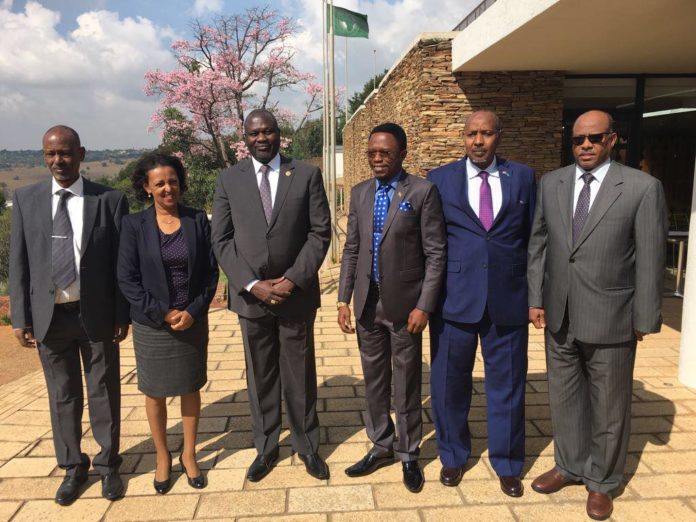
Regional Foreign Ministers meet Machar in South Africa

The Inter-Governmental Authority on Development (IGAD) foreign ministers Tuesday met with former South Sudan First Vice President Riek Machar in Pretoria.

Ethiopia’s Hirut Zemene, Kenya’s Ababu Namwamba, IGAD special envoy for South Sudan and other officials met with Machar in South Africa as part of efforts by the Intergovernmental Authority on Development (IGAD) to maintain peace in South Sudan.

Machar, who leads the Sudan People’s Liberation Movement – In Opposition (SPLM – IO) has been in exile in South Africa since renewed clashes between his forces and those of the government erupted in 2016.

Manawa Peter Gatkuoth, deputy head of the SPLM-IO committee for information, told the press that the meeting discussed IGAD Council of Ministers’ decision to release rebel leader Riek Machar released from house arrest in South Africa.

“The discussion in Pretoria today focused on the possibility of Machar’s release. More details will follow after IGAD issues its statement,” Manawa said.

The top opposition official pointed out that the meeting also discussed issues pertaining to the peace process in South Sudan. He accused the Juba government of lacking seriousness in peace in the country.

In March, East Africa’s eight-country trade bloc said it wanted to release South Sudan’s exiled rebel leader Riek Machar from house arrest in South Africa if he agrees to renounce violence amongst other conditions.


Stories Continues after ad