Introduction
1. Commonwealth Heads of Government met in the United Kingdom from 19 to 20 April 2018 and discussed how the Commonwealth can contribute to a future which is fairer, more sustainable, more secure and more prosperous. Given that 60 per
cent of the Commonwealth’s population are under the age of 30, Heads of Government affirmed that youth empowerment, as well as gender equality, are critical in realising the 2030 Agenda for Sustainable Development (2030 Agenda) and the aspirations of the Commonwealth Charter.
Considering that small states constitute over 60 percent of the Commonwealth’s membership, Heads recognised that the Commonwealth has always been a strong advocate for the causes of small states, and has consistently raised international awareness of their inherent vulnerabilities. Heads recognised that the strength of the Commonwealth lay in the collaboration among its member countries, people-to-people organisations and the Commonwealth Secretariat. In this context, Heads made the following political commitments and agreed to these practical actions.
A Fairer Future
Fundamental Political Values
2. Heads affirmed their unwavering commitment to the Commonwealth’s Fundamental Political Values, reflected in the Commonwealth Charter. They recalled the Commonwealth’s proud history of acting to strengthen good governance and the rule of law, to protect and promote democratic principles and human rights, to promote peace and security and to strengthen democratic institutions.
They emphasised that the full social, economic and political participation of all, irrespective of age, sex, disability, race, ethnicity, origin, religion or economic or other status, is essential for democracy and sustainable development to thrive. Heads also acknowledged the role of civil society organisations, including women’s rights’ organisations, in this context.
Gender Equality and Inclusion
3. Heads committed to ratifying and implementing the Convention on the Elimination of All Forms of Discrimination Against Women (CEDAW), through legislation, policies and programmes that mainstream and promote gender equality and the empowerment of all women and girls in social, economic and political life.
4. Heads are encouraged by continuing action by member countries and Commonwealth bodies to prevent and eliminate sexual and gender-based violence; child, early and forced marriage; and female genital mutilation as barriers to the development and the full realisation of girls’ and women’s human rights and to sustainable growth and development. Heads also encouraged support for already married girls, adolescents and women who have been affected by such practices.
5. Heads agreed to mainstream youth priorities into national development policies and plans, and to promote the participation of young people at all levels of decision making as underscored by Commonwealth Youth Ministers at their Ninth Meeting in Uganda in 2017.
6. Heads agreed to address the stigma around disability in all its forms and manifestations, as well as around mental health, ensuring that no one is left behind, and to encourage all member countries to ratify and implement the United Nations Convention on the Rights of Persons with Disabilities.
7. Heads highlighted the seminal role of Information and Communication Technology (ICT), and Science, Technology and Innovation in supporting good governance, promoting inclusion and sustainable development, and reducing the digital divide. They encouraged member countries to prioritise access to ICT for all in their national development plans, including through a gender and equity lens and agreed to share innovations in this area, including through the recently launched Commonwealth Innovation Hub.
Strengthening Democratic Institutions and Promoting Peace
8. Heads acknowledged that as globally agreed under Goal 16 of the 2030 Agenda, promoting peace, providing access to justice for all, and building effective, accountable, and inclusive national institutions, at all levels, are essential for development to flourish. Heads welcomed the recent establishment of the Commonwealth Office of Civil and Criminal Justice Reform (OCCJR) and its role in providing support to member countries in the creation of effective national laws.
9. Heads further agreed to adopt the Report of the Commonwealth Ministerial Action Group (CMAG). They commended CMAG for its constructive role in advancing the Commonwealth’s fundamental political values, and its complementarity to the preventative nature of the Secretary General’s Good Offices. Heads agreed that the following member governments should serve on CMAG for the next two years Australia, Barbados, Belize, Ghana, Kenya, Malaysia, Namibia, Samoa and the United Kingdom.
10. Heads agreed the importance of strengthening the Secretary-General’s Good Offices and its capacity to support national requests for peace building to enable sustainable peace and security, through the establishment and strengthening of national peace and dialogue processes.
11. Recognising the valuable role of Commonwealth Elections Observation in supporting member countries to improve democratic processes and institutions, as highlighted in recommendations by Commonwealth Observer Groups, Heads agreed a refreshed approach to election observation, by adopting the Revised Commonwealth Guidelines on Election Observation in Member Countries.
12. Heads encouraged the strengthening of National Human Rights Institutions in line with the Paris Principles. They reiterated the continued importance of sharing human rights best practice and expertise across the Commonwealth. They agreed to support National Human Rights Institutions and the Universal Periodic Review process, as well as to strengthen the Commonwealth Small States Office in Geneva.
13. Heads reaffirmed their commitment to the Commonwealth (Latimer House) Principles on the Accountability of and Relationship between the Three Branches of Government (2003) as an integral part of the Commonwealth’s fundamental political values. Heads requested the Commonwealth Secretariat work in partnership with other Commonwealth organisations in promoting dialogue between the three branches of government, including through the full application of the Latimer House Principles Toolkit, which provides a practical guide to enhancing the separation of powers.
14. Heads noted that 2018 marks the centenary of the birth of the former President of the Republic of South Africa, Nelson Mandela, and affirmed that the Commonwealth shares and is inspired by the values and objectives he espoused. They called on the international community to use this centenary year to address the global challenges of poverty, inequality, discrimination and underdevelopment and to promote the peaceful resolution of conflicts globally.
Migration
15. Heads recognised that safe, regular, and responsible migration, with full respect for international human rights obligations, can deliver socio-economic benefits and improve the resilience and inclusive growth of member countries and lead to sustainable development. They welcomed the adoption of the New York Declaration for Refugees and Migrants. They called for active involvement in the lead up to the Global Compact for Safe, Orderly and Regular Migration. They also called for active involvement in the lead up to the Global Compact on Refugees to strengthen the international response to the large movement of refugees, including return to their country of origin in safety and dignity.
A More Prosperous Future
Multilateral Trading System
16. Heads were particularly concerned about the risks of protectionism to the global economy and underlined the importance of resisting all forms of protectionism. They reaffirmed their commitment to free trade in a transparent, inclusive, fair, and open rules-based multilateral trading system, which takes into account the special requirements of least developed countries and small and vulnerable economies. They reiterated their support for finding solutions to the remaining Doha Development Round issues. All Commonwealth WTO members agreed to ratify and work towards timely implementation of the WTO Trade Facilitation Agreement in their own countries; and agreed to consider providing programmes of capacity building and other targeted interventions in developing countries. They welcomed initiatives to strengthen the Commonwealth Small States Office in Geneva through the provision of additional resources and the sharing of technical expertise that enables small and developing states to participate in the multilateral trading system and benefit from trade-related economic growth.
Intra-Commonwealth Trade and Investment
17. With the goal of expanding investment and boosting intra-Commonwealth trade to US$2 Trillion by 2030, Heads adopted a Declaration on the Commonwealth Connectivity Agenda for Trade and Investment and mandated the Secretariat to develop an accompanying action plan that considers capacity building and hard and soft connectivity. They further agreed to share best practices and experiences, and undertake voluntary mutual support to enable member countries to realise their full economic potential and deliver prosperity for all their people. Recognising the importance of a long-term vision on trade and investment, member countries agreed to work together towards an appropriate framework and to facilitate business-to-business contacts.
Inclusive and Sustainable Economic Growth.
18. To promote inclusive and sustainable economic growth, Heads resolved to address systemic barriers to women’s full and equal participation in the economy by taking a gender-responsive approach to the development of trade policy, and to promote women’s economic empowerment. They encouraged Commonwealth and partner organisations to work towards an increase in the number and enhancement of the success rate of women-owned businesses, break down gender barriers in all sectors, and increase opportunities for women to trade internationally.
19. Heads stressed the importance of creating meaningful employment opportunities for the Commonwealth’s growing youth populations. They agreed on the need to invest in a systems approach to support young people, including through skills building, entrepreneurship, apprenticeships, and the need for better data to target interventions effectively. Heads recognised the role of industrialisation as a key driver of economic development, innovation and job creation. Heads emphasised that improved access to reliable and affordable energy will create an enabling investment environment for successful industrialisation. Heads called for large scale public and private investments and better coordinated strategies by international financial institutions in sectors that underpin growth and increase employment, especially for young people.
Small and Vulnerable States
20. Heads recognised that concerted action is required to address the unique challenges and vulnerabilities of small and vulnerable states to ensure their full participation in and contribution to a more prosperous future. They recognised that although some small states, especially Small Island Developing States, enjoy medium to high per capita GDP, giving the impression of wealth; they continue to suffer disproportionately from diseconomies of scale, external economic shocks and catastrophic climatic events, which significantly and gravely impact their economies and societies. Heads urged further action in addressing these challenges, including issues of unsustainable debt, limited access to development financing and other threats posed to their socioeconomic development. To this end, they called on the international community to support measures, including effective debt management and transparency, which help to alleviate these vulnerabilities and challenges.
21. Heads noted the continued relevance of the Barbados Programme of Action for Small Island Developing States (SIDS), as also articulated in the Mauritius Strategy for the further Implementation of the Programme of Action for the Sustainable Development of SIDS, and the SIDS Accelerated Modalities of Action (SAMOA) Pathway as an important opportunity to continue to advocate for greater international collaboration and enhanced small states cooperation towards the implementation of the SIDS agenda. They also endorsed the work of the Commonwealth Ministerial Meeting on Small States and expressed support for the 2019 Commonwealth Global Biennial Conference on Small States.
22. Heads welcomed member countries’ contributions to the operationalisation of the Commonwealth Small States Centre of Excellence and the Commonwealth Small States Trade Financing Facility and encouraged further support to these initiatives.
23. Heads further noted with concern that the practice of “de-risking” threatens to exclude small and other vulnerable states from accessing global financial markets and regulated financial services, and may constrain their ability to trade internationally. They called for sustained international, regional and national efforts to identify effective solutions to combat “de-risking”, and to preserve the financial inclusion of small and other vulnerable states in the global economy.
A More Sustainable Future
Vulnerability and Climate Change
24. Heads expressed grave concern that without urgent action to mitigate climate change, reduce vulnerability and increase resilience, the impacts of climate change could push an additional 100 million people into poverty by 2030. Heads recognised that temperature and sea level rise and other adverse impacts of climate change are a significant reality and risk to many of the Commonwealth’s most vulnerable member countries. They renewed their commitment under the Paris Agreement to keep the increase in global average temperature to well below 2 degrees Celsius above pre-industrial levels, and pursue efforts to limit the temperature increase to 1.5 degrees Celsius above pre-industrial levels. Heads welcomed the ratification by all member countries of the Paris Agreement and encouraged member countries that have not yet done so to consider ratifying and implementing the Kigali Amendment to the Montreal Protocol and the Doha Amendment for parties to the Kyoto Protocol. Heads record the commitments made to the Green Climate Fund and encourage member countries to fulfil them.
25. Recalling the 2015 Commonwealth Leaders’ Statement on Climate Action, Heads expressed their resolve to build on this work, and collectively agreed to engage with the Fiji and Poland-led Talanoa Dialogue. They expressed their determination that the Paris Agreement work programme be completed at COP24.
They expressed their support for the global approach led by the International Civil Aviation Organisation and International Maritime Organisation in addressing greenhouse gas emissions from international aviation and shipping respectively, consistent with the goals of the Paris Agreement. They agreed that mechanisms need to be established to promote enhanced participation, particularly of young people, in climate policy implementation frameworks at all levels, including the Paris Agreement.
26. Heads expressed support for a range of innovative financing solutions, both public and private, and including disaster risk insurance, to enhance adaptive capacity and boost resilience, noting the importance of the Commonwealth Climate Finance Access Hub, among others, in supporting member countries. They called for consensus on the use of vulnerability measures to target appropriate support to those member countries most affected by natural disasters, including extreme weather events, dependent on need.
Natural Disasters
27. Heads expressed deep concern about the increasingly devastating impact of natural disasters on people and property across the Commonwealth, especially among the most vulnerable and marginalised in society. They recognised the importance of disaster preparedness in reducing the impact of natural disasters and affirmed their commitment to the Sendai Framework for Disaster Risk Reduction. They encouraged the Secretariat to collaborate with international organisations, including disaster response agencies, to better support member countries that suffer severe impacts from natural disasters.
They encouraged other international organisations, including the Organisation for Economic Co-operation and Development’s Development Assistance Committee, to consider options for appropriate funding mechanisms to assist small and other vulnerable states, particularly small islands and developing states, to mitigate, reduce and recover from natural disasters.
Sustainable Development of Oceans
28. Heads highlighted the close linkages between the ocean, wellbeing and prosperity of the people of the Commonwealth, and recognised the opportunities for sustainable economic development from the ocean and coasts. They expressed alarm at the deteriorating health of the world’s ocean, which impacts every country and poses an existential threat to many Commonwealth communities.
Heads identified climate change, including sea level rise and acidification, biodiversity loss, overfishing, and plastic pollution as some of the most significant pressures on the ocean, and called for ambitious, coordinated global action. They affirmed the Commonwealth’s strength in sharing experience and expertise, and recognised its vital role in building capacity in small and other vulnerable states.
29. Heads adopted the Commonwealth Blue Charter, setting out the principles by which Commonwealth member countries will lead international efforts by sustainably developing and protecting their ocean. They committed to take action to safeguard the ocean for future generations. Heads agreed to establish Action Groups on ocean issues led by Commonwealth member countries, which will collaborate with partners at national, regional, and international levels, in addressing identified priority ocean issues of member countries. Heads mandated the Secretariat to take forward a Commonwealth Blue Charter plan of action to support this.
Sustainable Use of Energy and Natural Resources
30. Heads committed to work together for the prudent and sustainable use of energy and natural resources and recognised the critical importance of sustainable energy to economic development. They agreed to share best practice in effectively developing, governing and managing natural resources on the basis of sustainability, equity, transparency, good governance and wealth creation, including via the Commonwealth Secretariat’s ongoing programme of technical assistance on natural resource management; as well as the Commonwealth’s Blue Charter initiative in relation to marine resources; and the Commonwealth Office of Civil and Criminal Justice Reform, in relation to model regulatory instruments.
31. Recognising the imperative to transition to clean forms of energy in view of article 4.1 of the Paris Agreement and the untapped potential of solar, wind, and other renewable energy sources to promote sustainable economic growth, Heads encouraged cooperation among member countries, and partnerships with relevant organisations, including the International Solar Alliance of 121 solar resource rich countries. Heads highlighted the contribution of the Queen’s Commonwealth Canopy to the conservation of forests for future generations, and encouraged member countries who have not already done so to participate in this initiative.
Health
32. Heads emphasised their continued support for the work of the World Health Organization and international efforts to tackle the wide range of serious health challenges, the burden of which has a significant socio-economic impact on individuals and families, and to increase national health expenditure throughout the Commonwealth. They noted that these public health challenges include communicable and non-communicable diseases such as HIV and AIDS, tuberculosis, poliomyelitis, diabetes, as well as obesity, malnutrition, and mental health conditions.
They reiterated their commitment to achieving the health-related goals of the 2030 Agenda, particularly Goal 3. Heads affirmed the Commonwealth Charter’s values and principles of promoting access to affordable health care, removing wide disparities and unequal living standards. In line with the focus of the upcoming 2018 Commonwealth Health Ministers Meeting, Heads agreed to achieve compliance with International Health Regulations, accelerate Universal Health Coverage, including through sustainable financing, strengthening health systems and integrated services which promote prevention, screening, diagnosis, treatment and palliative care.
Heads also recognised the need to tackle antimicrobial resistance and noted with concern the proliferation of substandard and falsified medical products which contribute to antimicrobial resistant and drug resistant infections. Heads therefore called for coordinated global action to address the problem, including through the One Health approach.
33. Heads welcomed global, regional and national efforts to combat malaria and other mosquito borne diseases, and committed to halve malaria across the Commonwealth by 2023. They also urged acceleration of efforts to reduce malaria globally by 90 percent by 2030.
They further committed to take action towards achieving access to quality eye care for all, including eliminating blinding trachoma by 2020, which disproportionately affects women and children across the Commonwealth. Heads acknowledged the work done by the Queen Elizabeth Diamond Jubilee Trust in that regard. Heads agreed that progress on these commitments should be considered every two years at the Commonwealth Health Ministers’ Meeting and progress should be reported at CHOGM.
Education
34. Heads encouraged the implementation of specific actions to provide the opportunity for at least 12 years of quality education and learning for girls and boys by 2030, by investing in skilled motivated and supportive teachers, educational facilities, and focusing on education reforms. Guided by the principle to leave no one behind, they agreed to support marginalised groups, especially disadvantaged girls, children with disabilities, and those who have dropped out of school to progress through secondary education and training through appropriate policies, advocacy and strategic partnerships.
Sport and Sustainable Development
35. Heads affirmed the valuable contribution sport can make to the 2030 Agenda. They committed to work with Commonwealth sports bodies to maximise this positive impact and take collective action to promote good governance, address corruption, protect the integrity of sport, and promote human rights through sport.
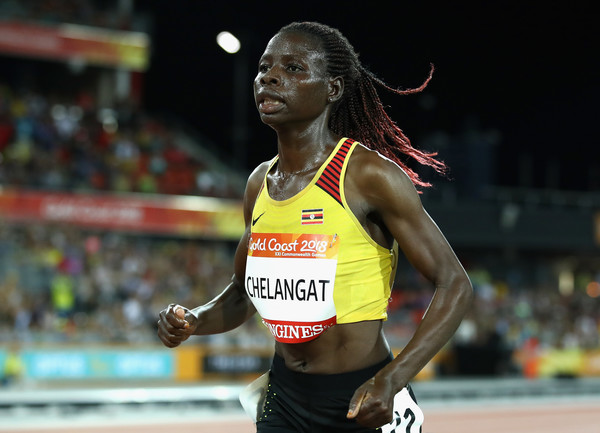
Heads commended the impact of the Commonwealth Games and Commonwealth Youth Games in promoting Commonwealth values. They highlighted the achievement of the Gold Coast 2018 Commonwealth Games as the first multi-sport event to offer an equal number of medals for both men and women, and acknowledged the Games featured the largest integrated sports programme in Commonwealth Games history, comprising 18 sports and seven para-sports. Heads urged sporting institutions at all levels to work towards gender equality across sport.
A More Secure Future
Cyber
36. Recognising the need to work in consultation with each other to enhance cyber security to protect critical national infrastructure, and the economic and social value of cyberspace, Heads adopted a Commonwealth Cyber Declaration that reflects Commonwealth values, and sets out a common commitment to an open, democratic peaceful and secure internet, respecting human rights and freedom of expression. They agreed to increase cooperation across the Commonwealth as outlined in the Cyber Declaration and to have voluntarily undertaken national cyber risk assessments by 2020, with a view to developing or strengthening national cyber security strategies and implementing action plans.
Chemical Weapons
37. Heads opposed the use of chemical weapons under any circumstances and are committed to strengthening the effective implementation of the Chemical Weapons Convention. They reiterated their commitment to strengthening the disarmament and non-proliferation regime against the spread and use of chemical weapons. They underlined the importance of timely investigations and stressed that the conduct of all investigations of any alleged use of chemical weapons must be in accordance with the provisions of the Convention.
Preventing and Countering Violent Extremism (P/CVE)
38. Heads condemned violent extremism in all its forms, expressed their continued support of the United Nation’s Secretary-General’s Plan of Action to Prevent Violent Extremism, and welcomed the commemoration of 2019 as the International Year of Moderation.
Reaffirming the continued relevance of Commonwealth solutions, including recommendations in the Commonwealth report, Civil Paths to Peace, they encouraged member countries to actively share expertise and best practice, and to work cooperatively with the Secretariat’s Countering Violent Extremism Unit.
They also welcomed the creation of a “Cadre of Preventing and Countering Violent Extremism Experts” that will support the implementation of the Commonwealth’s CVE Strategy and assist member countries interested in the development of PVE National Action Plans. Recognising the role of young people and women in preventing and countering violent extremism, Heads encouraged their active involvement in finding solutions to the challenges associated with the phenomenon of violent extremism.
Human Trafficking and Child Exploitation
39. As part of member countries’ objective to achieve SDG 8, Heads called for effective measures to eradicate forced labour, end modern slavery and human trafficking, and secure the prohibition and elimination of the worst forms of child labour in all its forms by 2025, including the unlawful recruitment and use of child soldiers.
Member countries were encouraged to endorse the “Call to Action to End Forced Labour, Modern Slavery and Human Trafficking” presented at the 72nd Meeting of the UN General Assembly. They encouraged ratification and implementation of relevant outstanding international agreements, and to develop appropriate national strategies in this regard. They further agreed to take action to end child sexual exploitation online including through joining relevant international bodies and initiatives.
Serious and Transnational Organised Crime
40. Heads resolved to tackle the enablers of Serious and Transnational Organised Crime: corruption; illicit financial flows; money laundering; terrorist financing; poaching and illegal wildlife trade; and illegal, unregulated and unreported fishing; by cooperating with international and regional bodies.
They further encouraged: enhanced cooperation among member countries’ law enforcement and prosecution bodies; strengthening cooperation with the private sector; supporting the Commonwealth Network of Contact Persons which facilitates cooperation between jurisdictions in criminal justice matters; and adopting and implementing recommendations of the Financial Action Taskforce to strengthen anti-money laundering and counter terrorist financing regulations.
Heads noted that the fight against corruption can succeed if countries cooperate effectively to tackle it through implementation of international and regional conventions and standards. Member countries should therefore scale up international cooperation by working progressively towards advancing the exchange of information which will enhance domestic resource mobilisation.
41. Heads denounced the illicit trade in small arms and light weapons which has devastating consequences in member countries. They acknowledged that many Commonwealth member countries are parties to the Arms Trade Treaty, the United Nations Firearms Protocol and participate in the Conference of the Parties to the United Nations Convention Against Transnational Organised Crime, and encouraged those countries that wish to become State Parties to these to do so.
They agreed to strengthen their cooperation in combating the illicit proliferation of small arms and light weapons, including taking further steps to fully participate in relevant international initiatives and to continue to collaborate and exchange information, where agreed, through INTERPOL and the United Nations Office on Drugs and Crime.
Urban Crime/Violence and Gun Crime
42. Heads expressed concern about the serious challenges to peace and security of urban crime, violence and gun crime faced by some member countries, and the involvement of young people, especially boys and young men, in this phenomenon. They agreed to enhance cooperation and share holistic approaches to address the root causes of urban crime.
Youth
43. Heads recognised the role of young people in promoting peace and endorsed the principles and actions of UN Security Council Resolution 2250 on Youth, Peace and Security. They urged member countries to consider support for youth-led mechanisms that enable the meaningful participation of young people in peace building and social cohesion processes in their communities.
Commonwealth Renewal
44. Heads committed to reforming the Commonwealth for the 21st Century. They recalled their request at Malta to the Secretary-General to establish a High Level Group to review the full governance arrangements of the Commonwealth Secretariat. They noted the delay in the start of the work. They asked the High Level Group to submit a report a month before the Commonwealth Foreign Affairs Ministers’ Meeting in New York in September 2018 and instructed Foreign Ministers as their representatives to decide what action to take in response to the conclusion of the Group.
Membership
45. Heads welcomed The Gambia back into the Commonwealth and agreed to work towards a programme of support to reintegrate the country into the family.
46. Heads expressed regret at the Government of Maldives’s decision to withdraw from the Commonwealth on 16 October 2016. Heads looked forward to welcoming Maldives back into the family when the conditions were right.
Country Situations
47. Heads expressed their support for the efforts of Belize and Guatemala to move deliberately to fully implement the Special Agreement and its Protocol to submit Guatemala’s territorial, insular and maritime claims to the International Court of Justice for a final determination.
They urged both countries to work toward the design and development of a cooperation mechanism along the Sarstoon River to prevent tensions and promote peace. Heads recognised the important role of the Organization of American States in the efforts of both countries to maintain peace and stability between them. They reiterated the Commonwealth’s full support for the sovereignty and territorial integrity of Belize.
48. Heads expressed their full and enduring support for the sovereignty, independence, territorial integrity and unity of the Republic of Cyprus. They reiterated their support for the resumption of negotiations, under the auspices of the United Nations Secretary General’s Good Offices Mission, for a comprehensive settlement of the Cyprus problem based on the United Nations Charter and United Nations Security Council Resolutions on Cyprus. Heads called for the implementation of relevant United Nations Security Council resolutions (UNSCRs), especially UNSCRs 365(1974), 541(1983), 550(1984), and 1251(1999). Heads reiterated their support for full respect of the human rights of all Cypriots including their right to property, and for the accounting for all missing persons.
Heads extended their solidarity in the exercise of the sovereign rights of the Republic of Cyprus in its Exclusive Economic Zone under international law, including the United Nations Convention on the Law of the Sea, and called for the avoidance of actions and statements that threaten stability in the Eastern Mediterranean.
49. Heads expressed their full support for the decision by the Secretary General of the United Nations issued on 30 January 2018, within the framework of the Geneva Agreement of 1966, to choose the International Court of Justice as the means that is now to be used for the settlement of the controversy between Guyana and Venezuela.
Heads noted that the decision of the Secretary General, which was in accordance with the principles and purposes of the United Nations Charter, was intended to bring a peaceful and definitive settlement to a long standing controversy.
Heads reiterated their unequivocal support for the maintenance and safeguarding of Guyana’s sovereignty and territorial integrity.
50. Heads expressed full solidarity with the Government and the people of Bangladesh affected by the influx of more than a million Rohingya from Rakhine State in Myanmar, and commended Bangladesh for providing shelter to the distressed community facing an existential threat.
Heads called for a halt to all violence, a restoration of normality, and accountability of the perpetrators of gross violations of human rights through an independent process of investigation. They further called for the sustainable return of all such displaced Rohingya sheltered in Bangladesh to their rightful homes in Myanmar under UNHCR oversight and they called for the creation of the necessary conditions for sustainable return in safety, security and dignity. Heads also called for action to address the root causes of the current crisis, including through the immediate implementation of the Rakhine Advisory (Kofi Annan) Commission recommendation.
Heads noted the general agreement and arrangements reached between the Governments of Bangladesh and Myanmar as a beginning towards the sustainable return of the Rohingya and their reintegration into Myanmar society as equal members.
51. Heads expressed solidarity with the people of the Caribbean islands of Dominica, Antigua and Barbuda, St Kitts and Nevis, The Bahamas, and the British Overseas Territories, who suffered catastrophic damage as a result of the recent hurricanes. They praised their resilience and recovery efforts.
Heads conveyed their support for continued international efforts to mobilise assistance in response to the expressed needs of these countries and territories. Heads also expressed solidarity with, and recognised the devastating impact of natural disasters on Bangladesh, Papua New Guinea, Samoa, Sierra Leone, Tonga and Vanuatu. They encouraged urgent and concrete action and global support initiatives that will assist Dominica and similarly vulnerable countries in finding mechanisms for building resilience, adaptation and mitigation. They noted the supportive role of other Commonwealth member countries.
Commonwealth Collaboration
52. Heads commended the Secretary-General for the impactful work of the Commonwealth Secretariat as reflected in her biennial report which they received with appreciation.
Heads thanked the Commonwealth Foundation, the Commonwealth of Learning and the Accredited Commonwealth Organisations for their reports, and encouraged their continued contribution to Commonwealth objectives. Heads further affirmed the Commonwealth’s convening power as an enabler of experience sharing when they recalled the Commonwealth Ministerial Meetings that had taken place since the last CHOGM including Ministers of Education, Finance, Foreign Affairs, Health, Law, Small States, Sport, Women and Youth, and expressed appreciation for the outcome statements from all Ministerial Meetings as annexed. Heads noted that the successful Commonwealth Forums on Business, People, Women and Youth, whose outcomes statement are annexed, provided valuable platforms for the Commonwealth’s global outreach.
CHOGM
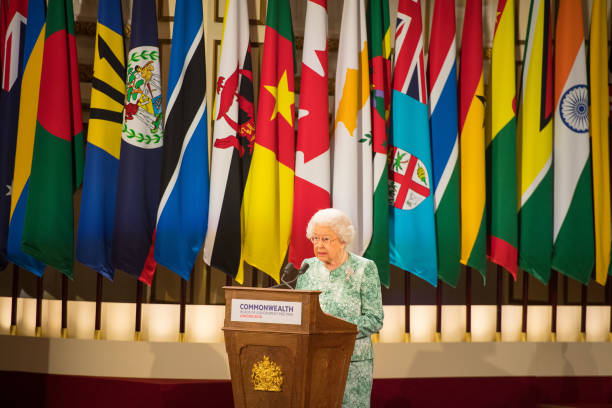
53. Heads expressed profound appreciation to the Government and people of the United Kingdom for the warm hospitality extended to them, and congratulated Prime Minister Theresa May for her leadership in chairing the meeting. They expressed their warm appreciation for the attendance at their meeting of Her Majesty Queen Elizabeth II, Head of the Commonwealth.
54. Heads welcomed and accepted the offer of the President of Rwanda to host their next meeting in 2020. They also welcomed the offer of Samoa to host the 2022 CHOGM.
United Kingdom, 20 April 2018
Stories Continues after ad