Stanbic Bank
Stanbic Bank
17.7 C
Kampala
Stanbic Bank
Stanbic Bank
Home Blog Page 1597

UN, partners in joint push to help IDPs

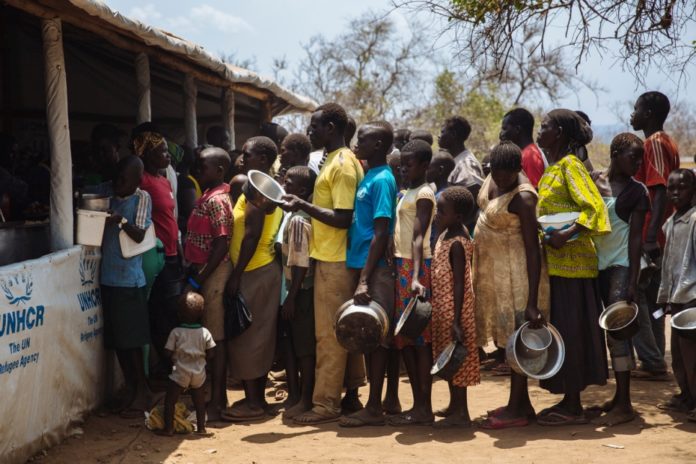
Children in refugee camp in northern Uganda

As crises multiply around the world, uprooting millions of people within the borders of their country, a group of states, UN agencies and partners have renewed their commitment to working collaboratively to reduce and resolve internal displacement.

At a meeting in Geneva on April 17, they launched a three-year plan of Action for Advancing Prevention, Protection and Solutions for Internally Displaced People (2018-2020). The meeting marked the 20th anniversary of the Guiding Principles on Internal Displacement – widely accepted as being the global standard for protecting and assisting internally displaced people (IDPs).

Internal displacement has been recognized as an issue of global concern since the early 1990s, but momentum to address it has been insufficient, despite all efforts. Meanwhile, the number of IDPs has been rising.

“Bold and ambitious steps are needed to face this complex human rights, humanitarian and development challenge. The Plan of Action seeks to galvanize a strategic dialogue, concerted action and adequate resources to address the plight of the internally displaced, while engaging them in the decisions that affect them,” said the Special Rapporteur on the human rights of IDPs, Cecilia Jimenez-Damary.

At the end of 2016, over 40 million people were displaced inside their own countries by armed conflict, generalized violence or human rights violations – more than four times the population of London or New York City. In 2016, disasters caused an additional 24 million internal displacements. Every year, an estimated 15 million people are also displaced by development projects. Millions of other displacements are not systematically recorded, including from land grabs, criminal violence or drought.

“Addressing the protection needs of the forcibly displaced and seeking solutions to their plight contribute to greater stability for countries and whole regions,” noted UN High Commissioner for Refugees, Filippo Grandi. “Similar to refugees, the internally displaced often face great uncertainty. They can be uprooted more than once as they seek opportunities to restart their lives, and risk being marginalized in the societies where they live. The consequences of our failure to resolve internal displacement can be devastating.”

“The international community has pledged to leave no one behind. That promise must extend to the millions of people internally displaced by armed conflict, violence and disasters. We will continue to work with affected governments and the displaced people themselves to ensure that their needs are addressed,” said Mark Lowcock, Under-Secretary-General for Humanitarian Affairs and Emergency Relief Coordinator.

Drafted under the leadership of the Special Rapporteur, UNHCR and UNOCHA, the multi-stakeholder Plan of Action calls on all relevant actors to step up efforts to prevent, respond to and resolve internal displacement.

To this end, it proposes concrete activities to facilitate and strengthen the participation of internally displaced people in the decisions that concern them, and expand national laws and policies on internal displacement. It recommends as well actions to improve data collection and analysis on displacement situations globally and scale up engagement on solutions for the internally displaced.


Stories Continues after ad

Sub Saharan Africa growth to rise 3.1 percent in 2018 – report

Sub Saharan Africa region

Growth in Sub Saharan Africa is projected to pick up to 3.1 percent in 2018, and to firm to 3.5 percent in 2019 and 3.7 percent in 2020, according to the according to the new Africa’s Pulse, a bi-annual analysis of the state of African economies conducted by the World Bank.

According to the analysis, the forecasts are predicated on the expectations that oil and metals prices will remain stable, expansion in global trade will stay robust, and external financial market conditions will continue to be supportive.

However, the report says structural constraints will prevent a faster pick-up in GDP growth in the region without renewed progress in structural reform. Among the region’s largest economies, the forecasts for Nigeria were revised downward. Growth forecasts for 2018 and 2019–20 are is 0.4 and 0.5 percentage points lower, respectively, than in October, reflecting a slower than previously anticipated recovery in the oil sector due to emerging capacity constraints and continued challenges to growth in the non-oil industry and services sectors.

The growth forecasts for Angola and South Africa have been revised slightly upward. In Angola, growth is projected to reach 1.7 percent in 2018 and 2.4 percent by 2020, helped by a more efficient foreign exchange allocation system, increased availability of foreign exchange due to higher oil prices, rising natural gas production, and improved business sentiment.

In South Africa, the economy is expected to grow at 1.4 percent in 2018, and expand by 1.8 percent in 2019 and 1.9 percent in 2020, on the expectation that slowing inflation and improving sentiment would help sustain the ongoing recovery in domestic demand, especially in investment.

However, although political transitions have opened opportunities for reforms in Angola and South Africa, they each face challenges in translating expectations of reforms into stronger investment and growth. An uneven recovery is expected in other oil and metals exporters.

Rising oil and mining output as new projects come online, combined with stable commodity prices, are expected to boost growth in some countries, including the Democratic Republic of Congo and Mauritania. But growth will be moderate in others, reflecting a more gradual recovery in the mining sector.

The recovery will be slower than anticipated in some oil exporters in the Central Africa region, reflecting the need for fiscal consolidation as they continue to adjust to high debt levels and low external buffers. Among non-resource intensive countries, activity in 2018 and 2019–20 is expected to remain robust.

Solid growth, supported by infrastructure investment, will continue in West Africa, led by Côte d’Ivoire and Senegal. Following a dip in 2017, growth prospects have improved in most of East Africa, including Kenya, Rwanda, and Uganda, owing to improving agriculture sector growth following droughts and a rebound in private sector credit growth.

Elsewhere, although growth in Ethiopia is expected to soften, as policies are tightened to contain inflation, it will remain high, as government-led infrastructure investment continues. In some smaller economies like The Gambia and the Comoros, improved political stability and rising remittance flows will allow for a modest pick-up in activity. However, in Malawi, the spread of the fall armyworm, a pervasive agricultural pest, will weigh heavily on activity.

Although per capita GDP growth in the region will turn positive, it will remain well below its long-term average and inadequate to reduce significantly the region’s high poverty levels. The total poverty headcount in the region, at the international poverty line, is projected to decline only slightly, even as more than one-fifth of African countries have poverty rates well over 50 percent.

Faster poverty reduction in the region will require acceleration in GDP per capita growth. Structural reforms that increase productivity and support export diversification, including by improving the quantity and quality of electric power, telecommunications, transport, and water and sanitation infrastructure, will be critical to achieving desired development goals.

Stories Continues after ad

Village gender teams can sensitize communities against gender-based violence

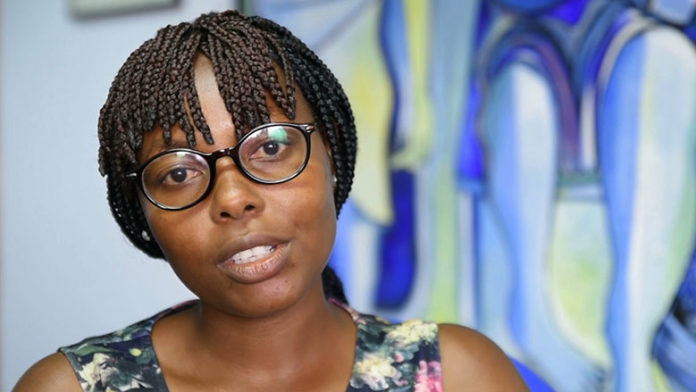
Tendo Namata

By Tendo Namata

The communities of Kibaale East, Kamwenge, where I work and stay, lack informal and formal support structures that help girls, survivors and young mothers to cope with gender-based violence (GBV).

Although the majority of GBV violations are criminal cases that should be referred to police and consequently court, it is a huge hurdle for victims to overcome. The three sub-counties only have one magistrate’s court at Nkoma sub-county, which is 60 to 100 kms from both Biguli and Bwizi sub-counties, and would cost one 30,000 Ugandan shillings, to and fro, for a single round trip. Each sub-county also has no more than two police stations that are stationed only in trading centers. Therefore, the community predominantly reports violence to majorly ‘male traditional courts’ that further interests of their own, as no women are allowed to attend sessions.

Informally, tradition acts as a barricade to justice. For example, defilement cases are rarely reported because of the shame that they bring to the entire family and the girl. A pregnant girl is also considered to have progressed to adulthood, no matter her age, and her place is confined to marriage and home-based duties thereafter.

In such villages, GBV has been normalized and because of deep informal traditional and religious systems, justice is rarely served. For such poverty-stricken communities, highly technological solutions cannot be the answer because gadgets are not easily possessed or respected as widely as inter personal relationships and face-to-face communications.

In my honest opinion, most interventions have failed because of their focus on girls that seem vulnerable to sexual and gender-based violence, but forget that if not duly empowered, their communities will not be able to participate in the creation of a sustainable support structure to encourage their efforts towards both prevention and intervention.

Through Embibo Gender-Based Initiative, a community-based organization that presents non-monetary solutions, we realized that the villages possessed water committees that were very efficient when it came to cleaning and maintaining water resources. Members that refused to do their part of the work were even arrested.

Employing this structure, we set-up a community-led approach that would empower the rural communities formulate village gender teams. These teams will be trained on positive messaging information on gender, and will constitute of 10 male and female lead members. These teams will then act as positive messaging centers and first referral on cases of GBV. The villages would then be expected to write down by-laws that clearly define the boundaries of GBV and actions to be taken for specific cases. The trainings will not only give the community the power to decide and act on cases of GBV, but will create leaders within the villages that will enable zero-tolerance zones for GBV violations, especially if this system is adopted widely.

The Author is a community gender advocate

Stories Continues after ad

Ugandan MPs implore WB to develop post-conflict development strategies for communities

Kilak North Member of Parliament, Anthony Akol at the conference in the US

Ugandan Members of Parliament led by Kilak North Member of Parliament (MP), Anthony Akol, have urged the World Bank to consider developing post-conflict reconstruction strategies that could help change lives of people affected by war throughout the world.

Speaking at the 2018 Global Parliamentary Conference at the World Bank Headquarters in Washington DC Tuesday, Akol said that the Bank has been fundamental in helping countries to end wars and insurgencies but that it has always neglected the element of post-war reconstruction.

“The World Bank intervenes in conflict areas but once peace is restored, they quickly halt all their operations without considering any plan of post conflict reconstruction for displaced people,” he said.

Akol said the World Bank should help poor communities in northern Uganda, South Sudan, Myanmar and Central African Republic, which have high poverty levels because they were affected by wars. “The citizens of these countries need support  to enable them attain a better life,” he said.

Dr. Jim Yong Kim, the President of the World Bank Group welcomed MP Akol’s idea and promised that the notion of post war reconstruction was going to be adopted immediately.

Elijah Okupa (Kasilo County), and also the Chairperson of the Parliamentary Network on the World Bank & IMF, welcomed the move to adopt the idea of post war reconstruction and assured all members that Uganda was ready to take it up.

“I am happy that the Bank has conceived this as a very important issue and soon we shall be transforming many people in northern Uganda,” he said.
MP Nandala-Mafabi (Budadiri West) called on the World Bank and International Monetary Fund to consider giving African countries better terms of trade.

He also noted that European countries access African raw materials cheaply and sell finished products to Africa at very high prices, hence exploitation of Africans.

At the Conference, panel sessions dealt with the issues of maximizing finance and development role of the private sector, conflict and violence, good governance and the role of legislators.

The Conference represents a unique assembly of national legislators and development institutions dedicated to addressing crucial questions in international development finance, including economic stability, achieving the sustainable development goals and pushing international development initiatives to new heights of awareness and potential.

This annual meeting on the international development calendar is the only parliamentary conference where nearly 200 legislators from around the world directly engage with World Bank Group President and IMF Managing Director Madame Christine Lagarde.

Uganda’s delegation is comprised of among other MPs John Baptist Nambeshe, Mbabazi Kyomuhendo, Pamela Kamugo and Mwine Mpaka.


Stories Continues after ad

Museveni warns media against publishing ‘false information’

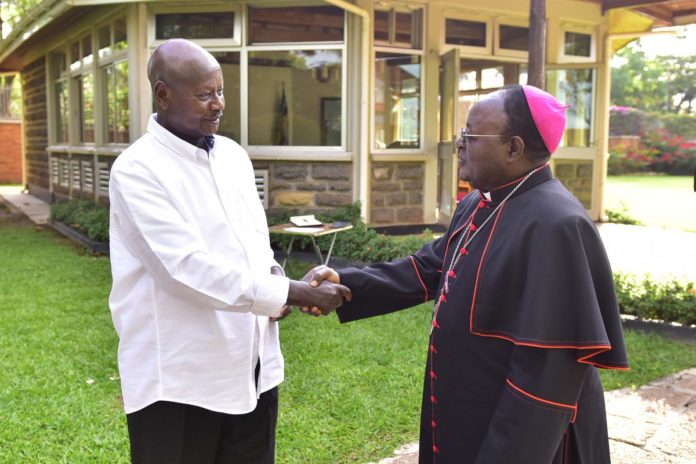
President Museveni and Dr.Lwanga.

President Yoweri Museveni has warned some newspapers against publishing false information that can cause confusion in society, emphasizing that the print media should always work for peace instead of spreading discord.

“I want really to warn some of these newspapers that we are here to build our country. As Christians, we work for peace not for discord. They should not make it a business to spread discord,” Mr. Museveni said.

The President issued the warning following complaints by Kampala Archbishop, the Most Rev. Dr. Cyprian Kizito Lwanga, who observed that some newspapers publish unresearched information.

Mr. Museveni was speaking at Hotel Africana in Kampala as guest of honor at the one-day conference of the Wekembe Group, a Catholic Association established by Archbishop Kizito Lwanga in 1995 to help Christians eradicate poverty from their homes.

Wekembe, which in Luganda means ‘work hard’,  is an acronym for  women empowerment with knowledge evangelization management and basic entrepreneurial skills.  The organisation whose main aim is to cause socio-economic transformation mainly among women, has supported over 12,800 clients organized in 526 community based associations in 8 districts of Butambala, Kampala, Luweero, Mpigi, Mukono, Nakaseke, Buikwe and Wakiso in the Central Region.

The President noted that it was true the newspapers were doing everything possible to cause confusion in society but warned them to stop it.

Mr. Museveni appreciated the work approach adopted by the church through helping wananchi to create wealth. He likened it to the government programme of Operation Wealth Creation (OWC) that tries to help everybody as opposed to the Wekembe Group that is purely on proven merit after thorough training.

The President pledged to partner with the church to merge the government approach of OWC with that of the Wekembe Group to realize a huge impact in society. He, at this juncture, pledged to support the Association of Wekembe Group with Shs500 million in the next financial year 2018/2019.

Regarding concern about climate change, President Museveni told the gathering that a campaign on irrigation has been started and the government will involve the church by providing irrigation equipment.

“Uganda should not be a poor country at all. We have two rain seasons and with irrigation, we shall have more planting seasons,” he noted.

The Kampala Archbishop Dr. Cyprian Kizito Lwanga said Wekembe Group is not for Catholics only but for all people of different religious affiliations. He, however, urged Ugandans to promote peace in their communities, families, neighbours as well as in the country and above all with God.

Earlier some members of Wekembe Association, who included Mr. Joseph Lwevuze, a layperson and a prominent farmer from Kasana Luwero diocese, Rose Namugwe from Lugazi Diocese and a member from Kampala Archdiocese, gave moving testimonies of how the association has changed their lives.

The one-day conference was also attended by a powerful delegation from the Diocese of Stuttgart in Germany, led by Mr. Herman Schutten.


Stories Continues after ad

First IDA bond raises US$1.5 billion from investors around the world

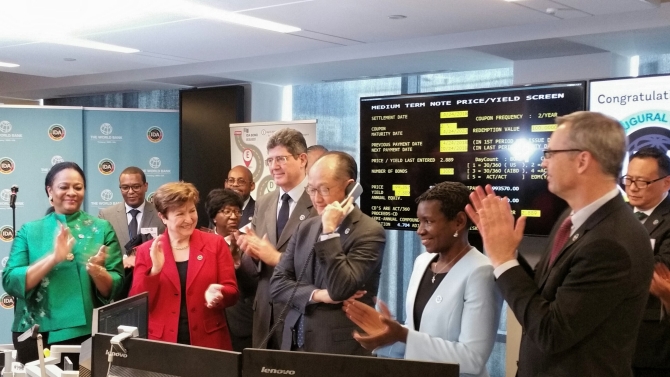
Officials at the IDA Bond Launch Event


The International Development Association (IDA) Tuesday launched its first bond in its nearly 60-year history
, as investors around the globe seized the opportunity to invest in a triple A-rated asset and support life-changing investments in the world’s poorest countries.

The bond, which marks the launch of IDA’s borrowing program in the global capital markets, raised US$1.5 billion to address some of the most pressing development issues.

Until now, IDA has been virtually unleveraged, building up an unparalleled equity base of US$158 billion. In 2016, IDA shareholders agreed to transform IDA’s financing model, leveraging its strong capital base to pioneer a new model for development finance that combines donor funding with funding raised in the capital markets. IDA’s borrowing program will enable IDA to significantly scale up its support toward achieving the Sustainable Development Goals, while offering investors an efficient way to contribute to global development. 

Today’s bond issue will allow IDA to tap into the power of capital markets to tackle some of the world’s biggest challenges and help millions lift themselves out of poverty,” said World Bank Group President Jim Yong Kim. “While it is a new bond issuer, IDA is an established institution, with an almost 60-year track record as the leading source of development finance and expertise for some of the fastest growing economies in the world. As a borrower, it leverages its unrivaled capital position – the largest equity of any multilateral development bank – and decades of strong donor support, a solid track record of repayments, and prudent financial management.”

World Bank Group Managing Director and Chief Financial Officer, Joaquim Levy, said: “IDA’s inaugural bond issuance is a landmark in mobilizing capital for development finance. By leveraging the balance sheet and the significant achievements of IDA for the first time, we are delivering shareholders value for money, opening new investment opportunities in the fixed income space and, most importantly, scaling up IDA’s ability to have an impact where it makes the greatest difference.”

World Bank Vice President and Treasurer Arunma Oteh said: “IDA received a resounding response from the market for its debut issuance. Investors globally seized the unique opportunity to be the first to invest in IDA’s triple-A rated bond and make a positive impact in the lives of hundreds of millions of people around the globe. I want to thank investors, lead managers and all the bankers for their personal engagement and commitment to making IDA debut such a fantastic success. As we grow IDA’s borrowing program, we will continue to ensure a strong financial condition and prudent financial and operational management for IDA. We will also continue to put to work for IDA the World Bank Treasury’s 70-year track record of innovation in connecting capital markets with development.”

World Bank Vice President for Development Finance Axel van Trotsenburg said: “Three years ago, the international community agreed that business as usual is no longer enough for development finance, and committed to leveraging aid balance sheets, scaling-up, and raising more capital to help the poorest countries achieve Sustainable Development Goals (SDGs) by 2030.

 IDA’s historic entry into the global capital markets, with its first issuance of an IDA bond today, represents a transformational shift responding to shareholder ambitions, development needs, and investor requirements. 

IDA provides technical expertise and low-cost financing for projects and programs that boost economic growth and reduce poverty in the world’s poorest countries— from tackling conflict, fragility and violence; forced displacement; climate change; and gender inequality to promoting governance, institution building, creating jobs and supporting a strong private sector for economic transformation.


Stories Continues after ad

Makerere University suspends Administrative Assistant over leaked sex video

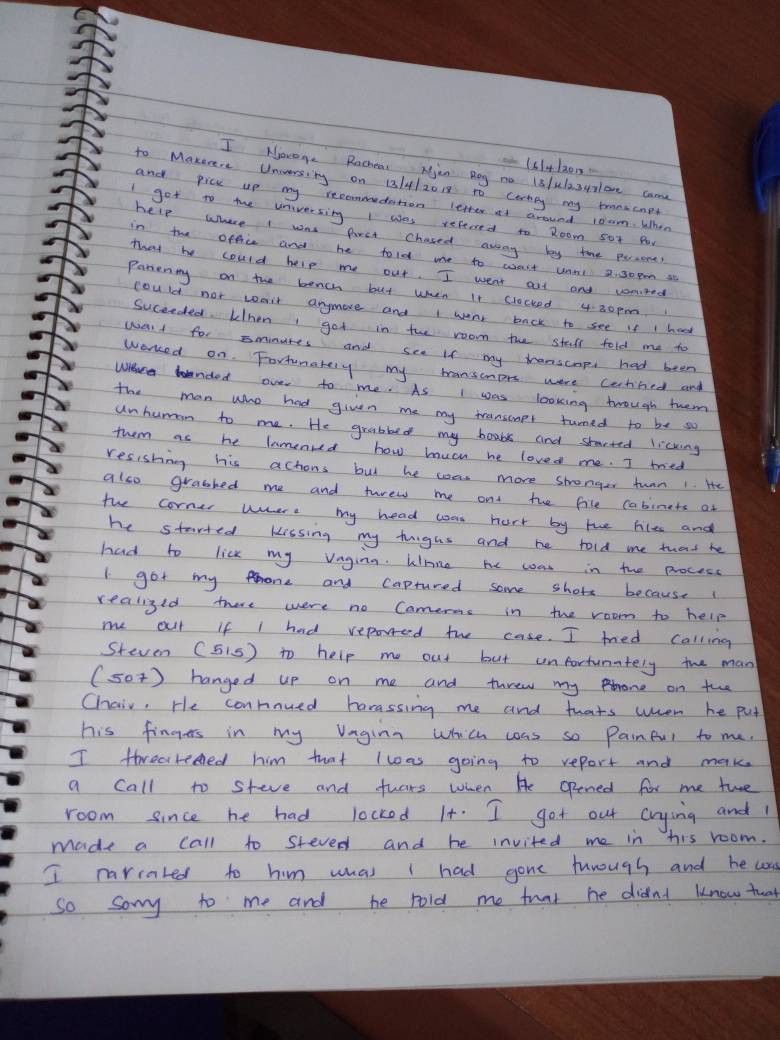
Kampala: Mr Edward Kisuze, a senior administrative assistant in Makerere University has been suspended over allegations of that he sexually harassed Ms. Njoroge Rachael Njeri.

His suspension follows a viral picture of him purportedly licking Ms Njeri’s southern hemisphere. Sources told this website that Mr Njoroge recorded a statement with the University Police after Mr Njeri reported accusing Mr Kisuze forced her into sex in order for to receive her degree certificate.

According to a letter signed by acting Deputy vice chancellor, Professor William Bazeyo, Kisuze who works in academic registrars department filed unsatisfactory response in relation to the matter therefore the university has decided to set up an investigation committee to establish what exactly happened.

“Accordingly, I her by suspend you from university service on half pay with immediate effect to allow a smooth investigations into the matter,” He wrote in a suspension letter.

He implored him to desist from accessing premises of senate building and interaction with Makerere University students till when investigations are done.

“You are further handover formerly any other working progress in your possessions the academic registrar,” reads in part of the letter.
The Kenyan national, Njoroge graduated in January this year with a Bachelor’s degree in computing and information science.

Stories Continues after ad

Cholera outbreak: Health ministry warns public to be vigilant

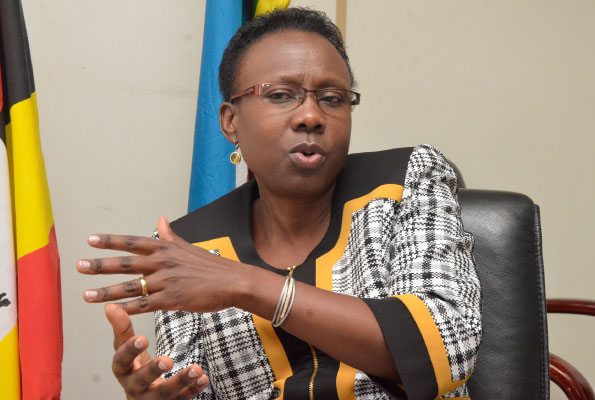
Health Minister, Dr.Ruth Aceng making a point during a past. presentation. She is reported to be against the idea by government to have companies process Marijuana here.

With the recent rise in Cholera cases across the country, the Ministry of Health has warned the public to be vigilant and report suspected cases to authorities.

According to the ministry, as part of its strategic plan to eliminate the disease in Uganda, it is set to roll out the Oral Cholera Vaccine (OCV) in Cholera prone districts of Hoima, Buliisa, Pakwach, Nebbi, Kasese, Ntoroko, Zombo, Moyo, Busia, Namayingo and Arua.

In a release the Acting Director General of Health Services Charles Olora said the vaccination will be carried out in four phases: Phase One: Hoima District in May 2018, Phase Two: Buliisa, Pakwach and Nebbi in July 2018, Phase Three: Kasese, Ntoroko, Zombo, Moyo, Busia, Namayingo and Arua in October 2018.

The ministry says the World Health Organization (WHO), UNICEF and GAVI have helped secure a total of 360,000 doses of OCV to vaccinate residents in the five sub-counties of Kyangwali, Kabwoya, Buseruka, Bugambe and Kahoora division as well as the refugee population in Kyangwali refugee settlement in Hoima district.

Oral Cholera Vaccine is administered orally for persons above one year to protect them against Cholera, a severe, potentially epidemic, life-threatening diarrheal disease. The vaccine is administered in two doses which are given two weeks apart and offers individuals protection of up to 5 years.

Dr. Olora, in a statement, says OCV will be used as part of the Ministry of Health’s Integrated Cholera prevention and control strategy (including safe water, improved sanitation, and high-quality case management) and is in line with the on-going Cholera elimination activities. The vaccine reduces the risk of an individual getting sick with or dying of Cholera.

To further arrest transmission of Cholera, the Ministry and partners continue to undertake interventions: Intensified case management and surveillance of Cholera cases, construction of new household latrines and hand washing facilities, distribution of Aqua-tablets in all affected villages and active social mobilization and sensitization of communities on Cholera and its prevention and control measures.

The ministry urges the public to be vigilant and report any suspected Cholera cases and other strange deaths to the nearest health facility or call our toll-free line, 0800-100-066.

Stories Continues after ad

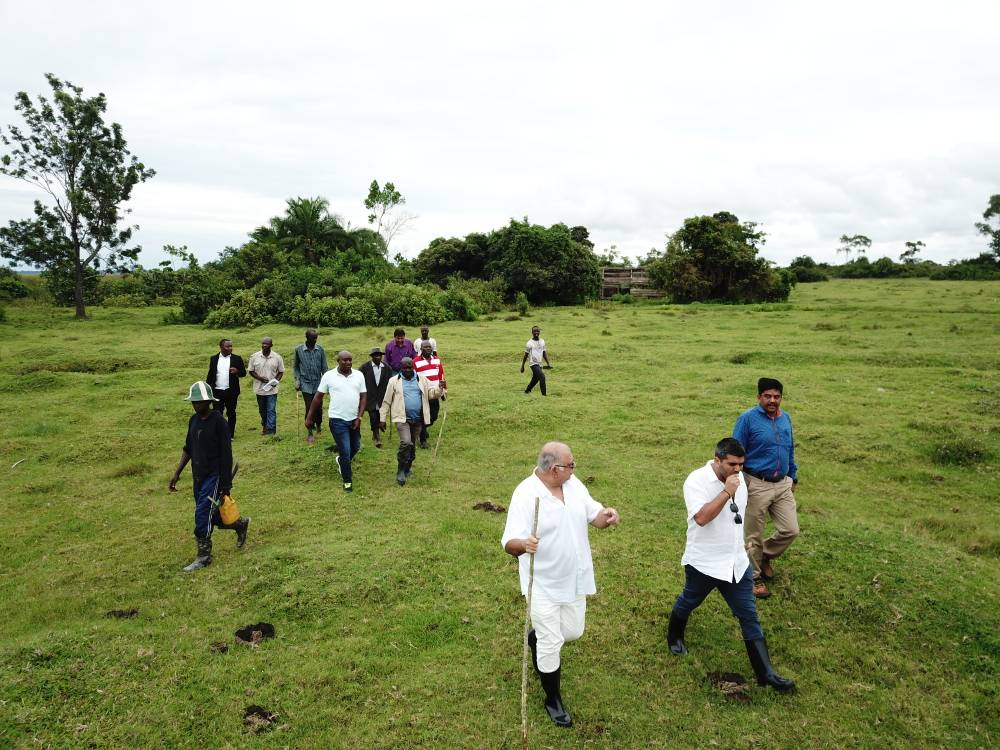
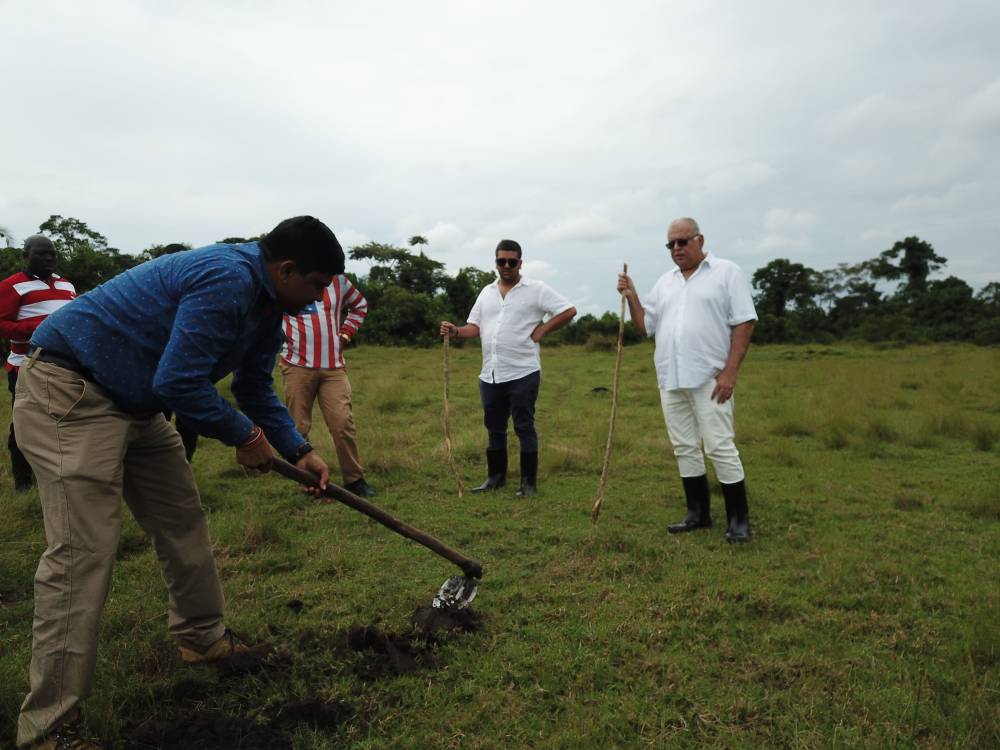
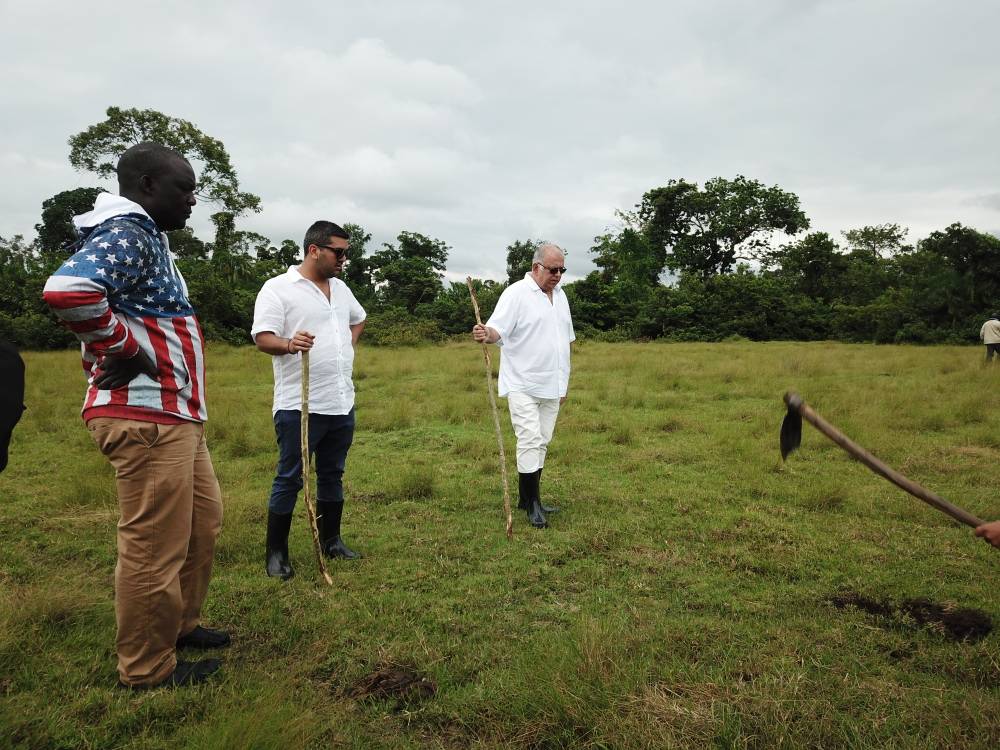
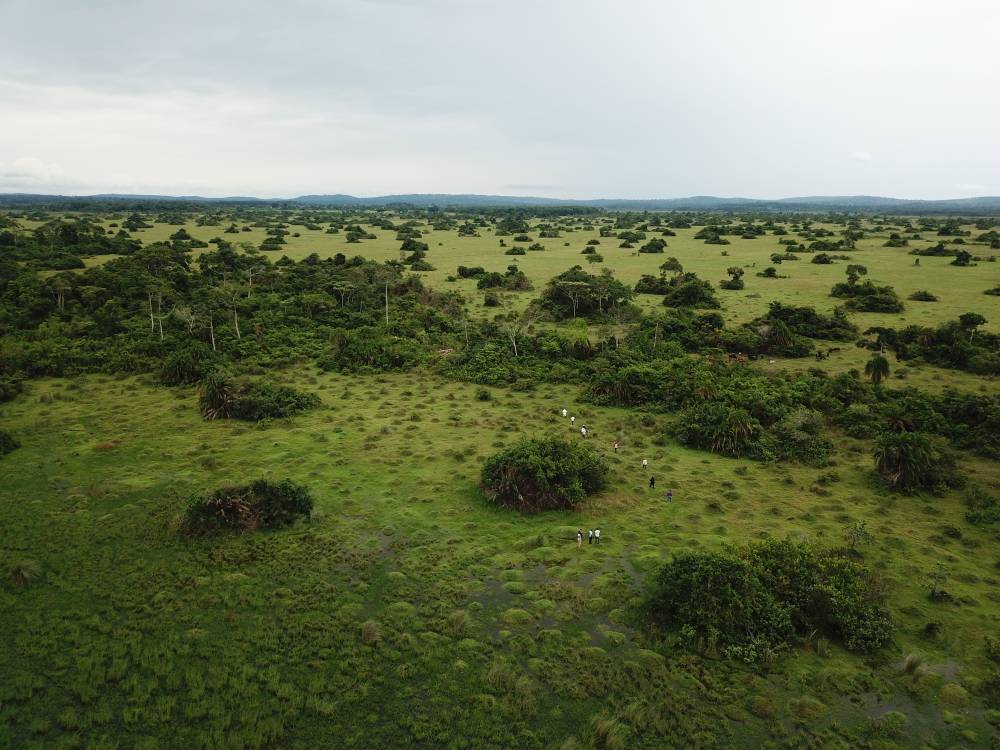
Sudhir scouts for land in Masaka to expand flower growing

City tycoon, Sudhir Ruparelia has toured several areas in Masaka district with the intention of acquiring land to expand on his Rosebud flower business.
Sudhir also intends to use part of the land for farming venturing into vegetables.

Sudhir who was accompanied his son Rajiv Ruparelia and other mangers of Ruparelia group toured several areas to find out the fertility of the soil before acquiring it.

Last month Sudhir acquired 9 square miles of land in Kayunga district to expand on his horticulture and floriculture farming business. Sudhir bought the land in Bale County as part of expansion to Masaka and Entebbe road floriculture business.

His flower businesses last year were selected the best from the East African region and top the flower exporting countries from East Africa. Sudhir flower business employs more than 50,000 people both indirect and directly.

Sudhir is one of the top tax and employers in Uganda and his expansion into the fertile Kayunga district which boarders River Nile is seen as part of his growing horticulture industry that has made Uganda one of the leading fresh flower exporting countries in the world.

Stories Continues after ad

‘Makerere lecturer’ in ugly sex scene with former female student

Rachael being assaulted in office 507

An unidentified staff of Makerere University is on the spot after he allegedly sexually assaulted a former student who had gone to have her academic transcript certified.

Rachael in her normal life

It is said Rachael Njeri, a former student of the College of Computing and Information Sciences under 13/U/2348/Eve, is accusing a lecturer in the same department of caressing her breasts and fondling her nether parts.

In photos posted, the ‘lecturer is seen ‘licking’ Njeri, while the girl is taking a ‘selfie’, allegedly as proof of the sexual harassment.

Meanwhile, Makerere University students who are currently on strike have vowed to ‘teach’ the lecturer a lesson.

Statement made by Racheal Njoroge

Cases of sexual harassment have previously emerged at Makerere, with many being categorized as ‘sex for marks’, mostly in respect to the female students.

Stories Continues after ad