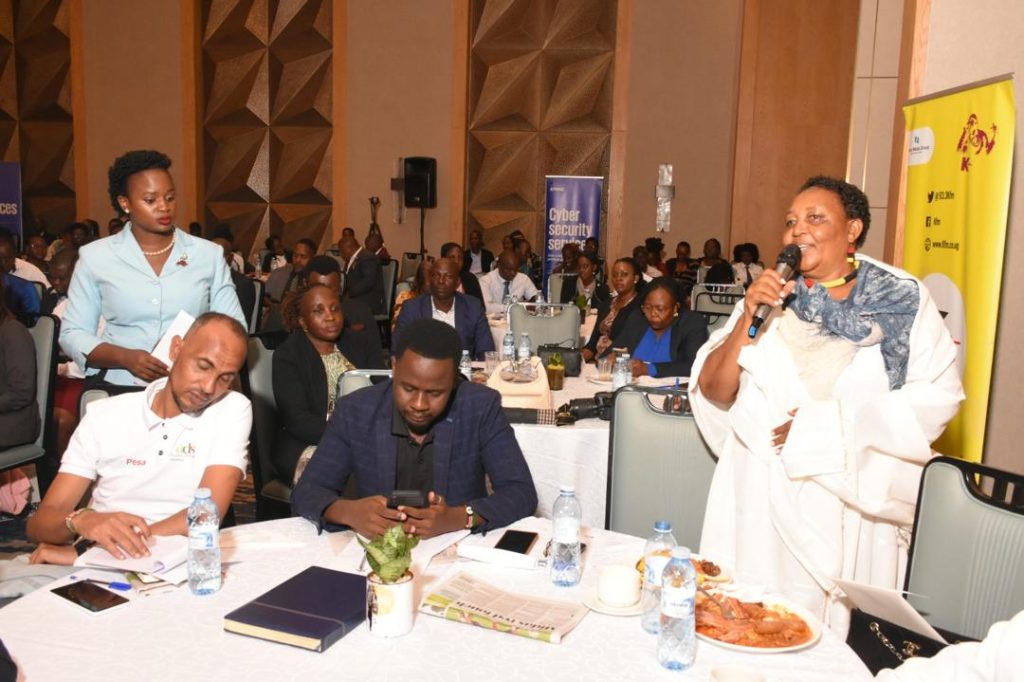
Uganda’s manufacturing and education sectors have achieved a significant milestone as local brands emerged victorious at the prestigious fourth edition of East Africa Brand Quality Awards (EABQA), held at the Golf Course Hotel.
The annual awards celebrate sustainability, excellence, innovation and quality across the East African region, with this year’s event drawing industry leaders, innovators, and entrepreneurs.
The award ceremony was under the theme “Sustainabilty: Improving our Products, People and Planet.”
Uganda Baati, a household name in the steel manufacturing industry, clinched the award for Best Roofing Solutions, reaffirming its position as the region’s leading provider of top-quality roofing products.
The accolade, received by the company’s Brand Manager, Vivienne Lynn Mirembe, highlights Uganda Baati’s unwavering commitment to delivering superior quality, customer satisfaction, and innovative roofing solutions that meet the diverse needs of East Africans.
“We are deeply honored to receive this recognition. It’s a testament to our relentless dedication to providing the best roofing solutions in East Africa,” said Mirembe during the award ceremony.
She added, “This achievement would not have been possible without the unwavering support of our clients and industry stakeholders. We look forward to many more years of excellence and innovation.”
The company’s vibrant team celebrated the win, sharing the moment of pride with other industry giants and stakeholders who gathered to honor the region’s best brands.
Another Ugandan institution that stole the spotlight was the International University of East Africa (IUEA), which was crowned Platinum Winner of the Quality Excellence Award for the Best Innovative University in East Africa.
The award recognizes IUEA’s groundbreaking approach to higher education, blending cutting-edge technology with an emphasis on quality and innovation. The university’s leadership, faculty, and students have been at the forefront of driving academic excellence, fostering a learning environment that prepares students for the dynamic demands of the modern world.
“This award is a reflection of our collective efforts to push the boundaries of higher education in East Africa,” said a spokesperson from IUEA.
“Our team’s passion, innovation, and commitment to quality have continuously positioned us as a leader in the education sector. We are thrilled to be recognized on such a grand platform.”
The East Africa Brand Quality Awards is a premier initiative designed to recognize and promote businesses, companies, and individuals that exemplify outstanding achievements in quality and innovation across various industries.
Bakaima Real Estate Agents, dealers in land selling were the Gold Winners for best Real Estate Company of the year as the company celebrates 10 years for excellent service.
Aunt Porridge won the Quality Excellence Award for Most Preferred Nutritious Kids Food Manufactured in East Africa.
Prudence Kasibante, the CEO of Bella wine urged fellow manufacturers to build their brands to the best quality so that they can compete not only in Uganda but also in the whole of Africa and abroad.
Kasibante, reflected on her Bella wine which has thrived worldwide and won many accolades as the best wine. She also urged the media to market Ugandan locally manufactured products since they cover a wide range of audience.
“Focus on making the brands grow higher. It is consistency that makes the brands thrive. And let’s also avoid hatred while carrying out our businesses,” she said.
The organizers of the awards came up with the “Investors Hub”, a platform that works towards global prosperity by supporting and connecting Manufacturers and SMEs in developing countries to international markets and funding with investors.
The Investors Hub is a free entry platform only if the manufacturer meets the qualifies for the quality standards as certified by the Uganda national Bureau of Standards (UNBS).
Many other brands were awarded different accolades depending on their fields of best performance.
The future looks bright for Uganda’s manufacturing sector with these wins underscoring the country’s growing influence in the East African market.
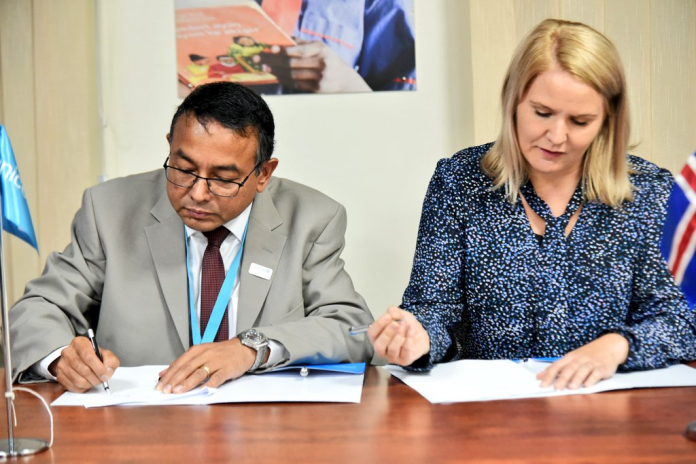
The Embassy of Iceland in Kampala and UNICEF have signed a $1 million (Shs3,686,610,000) agreement to empower vulnerable adolescent mothers by providing multi-sectoral and inclusive social protection, early childhood development (ECD) and parenting support services.
The grant will prioritize vulnerable adolescent mothers (aged 12-19) and their children (aged 0-5) in Kyegegwa and Kikuube districts in Western Region of Uganda.
The 18-month partnership will enable UNICEF to connect teenage mothers with services in protection, health, education, childcare, and skills development. It will also offer mentorship and life skills, support low-cost ECD models in targeted communities, and establish mobile ECD units and disability-inclusive kits to facilitate early learning for children in hard-to-reach areas.
Speaking at the signing event, Hildigunnur Engilbertsdóttir, Head of Mission at the Embassy of Iceland in Uganda, highlighted the program’s financial support component for beneficiary children.
“Iceland is committed to empowering young mothers by helping them learn, acquire skills, and protect themselves from harmful practices. This conditional cash transfer is tied to the adolescent mother’s participation in education and her child’s involvement in ECD interventions, including early learning at ECD centers for children aged 3-5 years and referrals to childcare services for children aged 0-2 years. We believe these cash transfers will ease the burden on young mothers by enabling access to childcare services, allowing them to return to school or seek employment,” she said.
Dr. Robin Nandy, UNICEF Representative to Uganda, emphasized the partnership’s potential to accelerate progress for children:
“This agreement symbolizes the shared commitment of UNICEF and the Icelandic Government to prioritize the needs of children and communities in Uganda. With Iceland’s generous support, we can scale up efforts to tackle critical challenges, strengthen systems, and drive lasting change for adolescent mothers and their children. Every child deserves a fair chance at a brighter future, and today’s partnership moves us closer to achieving that goal.”
Key initiatives include: Supporting 1,000 adolescent mothers to return to school or acquire vocational skills. Providing formal and non-formal early childhood care and education for 2,000 children, Training 1,200 adolescent mothers in parenting, Screening 7,000 children for disabilities and developmental delays and registering the births of 1,000 children.
The program will focus on linking teenage mothers to holistic services in protection, health, education, childcare, and skilling. It will also promote innovative, low-cost ECD models and equip caregivers with positive parenting and child development skills to strengthen family and community resilience.
With this funding, UNICEF and Iceland aim to empower communities with tools and resources to secure a better future for children in Uganda, supporting the country’s progress toward achieving the Sustainable Development Goals (SDGs).
Since 2019, the Embassy of Iceland in Kampala and UNICEF have collaborated to improve access to water, sanitation, and hygiene in schools and health facilities in refugee-hosting districts of Uganda, building a strong foundation for this new partnership.
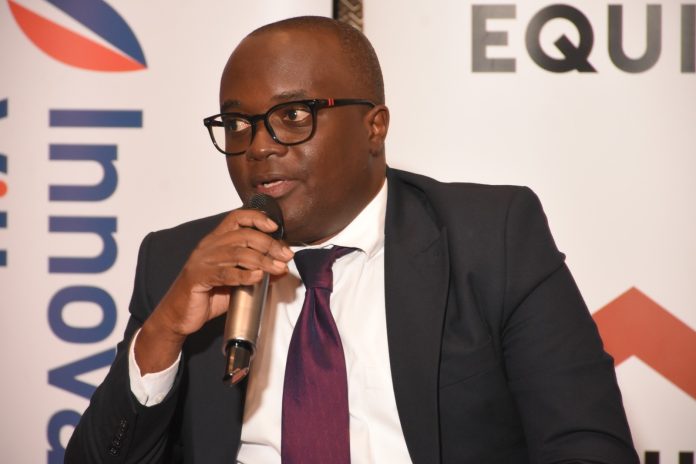
Mr. Robert Wanok, Head of Retail Banking at Equity Bank Limited, addresses the gathering.
Equity Bank Uganda Limited, the official bank partner of this year’s Top 100 Mid-sized Companies Survey, in partnership with KPMG and the Daily Monitor, has today announced the results of the Top 100 SME Survey, following four months of data collection and high-level interactions with SME owners and stakeholders.
This year’s survey theme is “Empowering SMEs for a Monetized Uganda: Catalyzing Growth through Innovation, Sustainability, and Market Access”.
The survey, which began in July, captured insights from 180 SME participants about their perspectives on the economy, business operations, opportunities, challenges, and innovations.
Given the significant presence and impact of SMEs in Uganda, the survey aimed to identify Uganda’s fastest-growing and medium-sized enterprises, celebrating business excellence and showcasing some of the nation’s most inspiring entrepreneurship stories.
“Equity Bank is proud to stand alongside some of the country’s most vibrant and resilient entrepreneurs who form the backbone of our nation’s economy,” said Gift Shoko, Executive Director, Equity Bank Uganda Limited.
Equity Bank’s involvement in the Top 100 SME Survey campaign underscores the Africa Recovery and Resilience Plan, which aims to achieve the social and economic transformation of Africa.
Gift Shoko went on, “We reinforced this commitment to the SME sector in 2022 with the launch of the Africa Recovery and Resilience Plan, which has become our landmark strategy to support business recovery from the post-Covid pandemic challenges through available financing to the tune of $65 billion.”
The survey highlighted a 16-year commitment to celebrating the innovation and resilience of small and medium enterprises in Uganda.
“The SME survey today marks another milestone in a journey that has spanned 16 inspiring years, celebrating the innovation, resilience, and impact of Uganda’s small and medium-sized enterprises,” remarked Sam Barata, the General Manager, Commercial of Nation Media Group.
“The results we share today celebrate remarkable achievements while offering insights into the challenges and opportunities ahead,” he continued.
Equity Bank Uganda Executive Director (Commercial), Mr. Gift Shoko, at the release of the Top 100 Mid-Sized Survey Report.
Companies with an annual turnover between Shs360 million and Shs25 billion were eligible to participate in the survey, provided they submitted audited financial statements for the past three years, certified by a registered auditor. Benson Mwesigwa from KPMG noted the exclusion of banks, insurance firms, and stock exchange member companies.
The survey campaign will culminate in a gala dinner and award ceremony, recognizing and honouring SMEs that have demonstrated excellence, resilience, and innovation in the sector, significantly contributing to economic growth and exemplifying the transformative potential of SMEs within the economy.
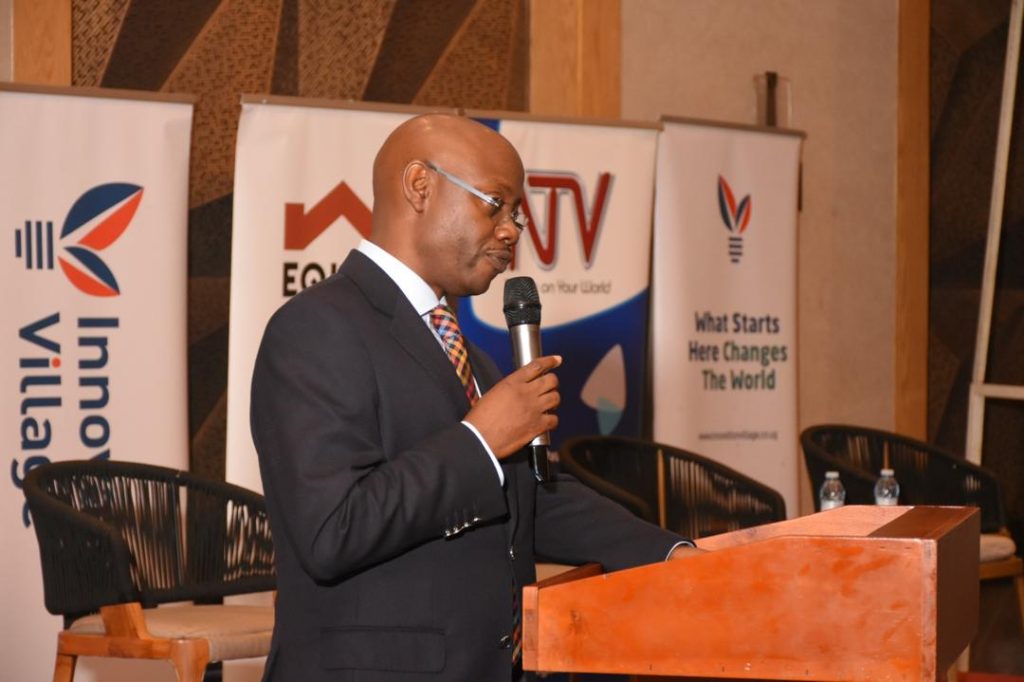
02 & 07. Mr. Sam Barata, General Manager Commercial at Nation Media Group – Uganda giving his remarks.
Key Highlights From The Survey
Ownership and Management:
Business Establishment: 70% of businesses have been operational for 6–25 years, while 9% are newly established.
Ownership: Fully Ugandan-owned businesses increased to 70% (+7% from 2023), while foreign-owned businesses declined by 2%.
Active Management: 81% of owners actively manage day-to-day activities, up from 76% in 2023. Family-run businesses involve an average of three family members, with two in management roles.
Governance: 63% of companies have boards (4-5 members on average), and 87% of boards take on executive roles, showing improved governance.
Source of Financing:
Start-Up Capital: 72% of businesses used founders’ savings, though this is down from 77% in 2023.
Expansion Funding: Bank loans (56%) and founders’ savings (35%) remain top funding sources.
Clare G Tumwesigye, Head, Marketing and Corporate Communications · Equity Bank Uganda (second from left) interacts with a customer as Nathan Atuhaire (second from right) Marketing Supervisor (Digital & Channels) Equity Bank Uganda chats with Priscilla Regina Nalwoga, NTV Uganda News Anchor and TV Host.
Challenges:
Inflation and global economic challenges led to a 4% decline in annual sales, while sectors such as construction (+20%), manufacturing (+12%), and agriculture (+9%) experienced growth.
Key challenges include high taxes, competition, delayed customer payments (75%), stringent supplier credit terms (43%), and lack of funding for asset investments (43%).
Risk Management and Support:
94% of businesses are risk-aware, with 82% managing risks through transference.
77% sought professional advice, focusing on financial management (59%), funding sources (47%), marketing (29%), and e-commerce/technology (28%).
Attendees ask questions to the panellists at the release of the Top 100 Mid-Sized Survey Report at Four Points Sheraton, Kampala.
Technology and Certification:
Adoption of new technology stands at 58%, down from 65% in 2023.
Certification levels remain low at 14%, a slight decrease from 17% in 2023.
Future Outlook:
Stock Exchange: 21% of businesses are considering listing, with most planning this in 2–3 years.
Expansion: 34% aspire to form partnerships within East Africa, with Kenya and Rwanda being key destinations.
Hiring: Due to business expansion and new contracts, 71% anticipate hiring more staff in the next year.
Competitiveness and Customer Insights:
Competitive advantages stem from high-quality products, competitive pricing, and customer care.
73% of businesses adapt products based on customer preferences, emphasizing demand for quality.
Environmental, Social, and Governance (ESG):
43% of businesses are aware of ESG factors, focusing on waste management, tree planting, recycling, solar energy, and eco-friendly materials.
Below are remarks by Equity bank Uganda Executive Director Gift Shoko at the launch
Good morning,
Distinguished Guests, Ladies and Gentlemen,
It is a great honour to join you this morning as we unveil the findings of the Top 100 Mid-Sized Survey report, a project that has become a hallmark of recognizing and celebrating excellence in the SME sector.
As the main sponsor of this significant initiative, Equity Bank is proud to stand alongside some of the country’s most vibrant and resilient entrepreneurs, who form the backbone of our nation’s economy.
Small and medium-sized enterprises (SMEs) play a vital role in driving economic growth, creating jobs, and fostering innovation. This survey is not just about recognizing your accomplishments; it is a testament to your resilience, innovation, creativity, and unwavering commitment to excellence despite the challenges you face.
At Equity Bank, our sponsorship of this initiative stems from history and a deep-seated belief in the power of SMEs to transform lives and communities. Our history, from a small building society in a little-known village to the number one regional bank, fuels our commitment to support your journey of growth and impact.
As we release this report this morning, which we believe will give us valuable insights into the SME sector, I would like to take this opportunity to share what we, as your financial partner, aspire to achieve with you moving forward:
1. Building Tailored Financial Solutions:
We understand that SMEs face unique challenges, from managing cash flows to scaling operations. Equity Bank is dedicated to providing financial products and services specifically designed to address these needs. Whether through access to affordable credit, tailored business advisory services, or innovative digital tools, Equity shall be there to empower and enhance your growth. We reinforced this commitment to the MSMEs sector in 2022 with the launch of the Africa Resilience and Recovery Plan, which has available financing to the tune of $65 billion to support business recovery from the post-COVID-19 pandemic challenges. This support and financing is readily available for you.
2. Enhancing Capacity Building:
Beyond financing, we aim to invest in your skills and knowledge. Through our Enterprise Development and Innovation Programs, we will provide access to training and resources that help you navigate market dynamics, embrace digital transformation, and strengthen your management practices.
3. Expanding Market Access:
We know that market access is critical for growth. That is why we provided for the facilitation of access to markets, through accelerating linkages of MSMEs to former value chains, increased regional and international linkages, and finance trade and logistics to be able to serve the sector, under the African Resilience and Recovery Plan. Initiatives such as trade missions like the just the concluded DR Congo trade mission, India-Uganda Trade Mission, business expos, and networking forums will remain at the core of our efforts to help you scale and diversify.
4. Promoting Sustainability and Resilience:
In today’s ever-changing economic environment, sustainability is key. We will work closely with you to integrate sustainable business practices that ensure long-term success while positively impacting your communities.
Looking Ahead
As KPMG and NMG, our partners, release this survey report, we are filled with optimism for the future. The SMEs represented here today embody the spirit of innovation and hard work that is critical for Uganda’s economic transformation.
Our expectation, as Equity Bank, is that you will continue to push boundaries, innovate, set new standards, and serve as an inspiration to other enterprises across the nation. In return, we commit to being your steadfast financial partner, offering integrated financial services that socially, and economically empower you to full potential.
We look forward to working with each one of you, strengthening our collaboration, and celebrating even greater milestones in the years ahead. Together, we can build a future where SMEs not only thrive but also lead the charge in shaping Uganda’s prosperity.
To KPMG, we are eager to know what the Survey found out and the insights it offers on the SME sector.
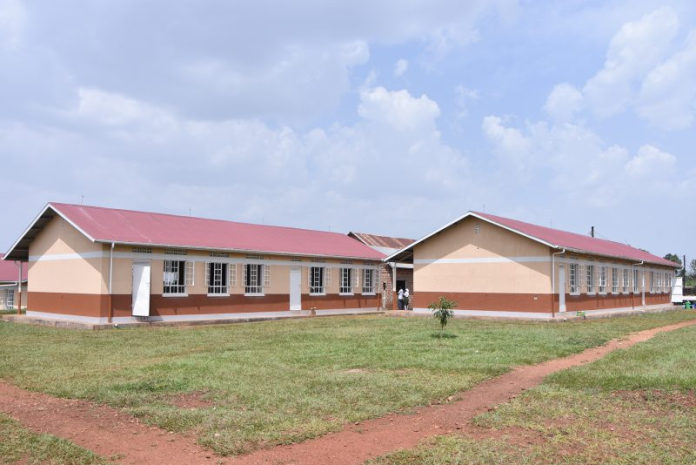
One of the new Seed secondary schools where corruption and nepotism is cited.
Speaker Anita Among has instructed the Joint Committee on Education and the Committee on Public Service and Local Government to investigate allegations of corruption, nepotism, and the recruitment of unqualified teachers in World Bank-funded Seed Secondary Schools across Uganda.
“We expect a report where these allegations have been thoroughly investigated, and the affected teachers given a fair hearing,” Speaker Among stated during a plenary session. She emphasized that the Education Committee will take the lead in compiling and presenting a report addressing the allegations and ensuring justice for all parties involved.
The directive follows revelations by Peter Ogwang, the Minister of State for Sports, who presented a statement during the plenary regarding the recruitment of teaching and non-teaching staff under the Uganda Intergovernmental Fiscal Transfers (UgIFT) Program.
Minister Ogwang admitted that the recruitment process had been compromised by corruption, bribery, and nepotism. “It has come to the attention of the Government that the recruitment process has been infiltrated by corrupt tendencies and opportunism. Prospective teachers have been asked to pay hefty sums to secure their positions,” Ogwang disclosed.
Ogwang further highlighted that some headteachers and deputy headteachers recruited under the program lacked the required qualifications. “The quality of headteachers and deputies recruited is concerning. Many lack the capacity to manage schools effectively,” he said.
According to recruitment guidelines, a headteacher at a Seed Secondary School must have a Bachelor’s degree in Education or equivalent, a Master’s degree in a related field, and at least 12 years of experience, including three years as a deputy headteacher. Similarly, a deputy headteacher must have a Bachelor’s degree and a minimum of nine years’ teaching experience, with a Master’s degree considered an added advantage.
Complaints have emerged from Chief Administrative Officers and incumbent teachers excluded from recruitment lists despite having served in the schools for extended periods. These exclusions are reportedly based on regional biases rather than merit.
The Ministry of Education acknowledged discrepancies in the recruitment lists submitted to the Education Service Commission. Minister Ogwang noted that conflicting submissions from various stakeholders made it nearly impossible to verify the authenticity of the lists.
Ogwang outlined the progress of the UgIFT project, revealing that 117 Seed Schools have been constructed and are operational, while 115 schools are under construction in the second phase and 27 in the third phase. Additionally, 92 schools under the second phase have been identified to commence operations, with recruitment and deployment of staff underway.
The Speaker’s directive to refer the matter to committees was met with mixed reactions from MPs, some of whom sought to debate the issues raised in the Minister’s statement. However, Speaker Among declined these requests, stating, “It is premature for us to debate that statement. Let us follow our rules. The matters will be taken to the Committee, including the advert.”
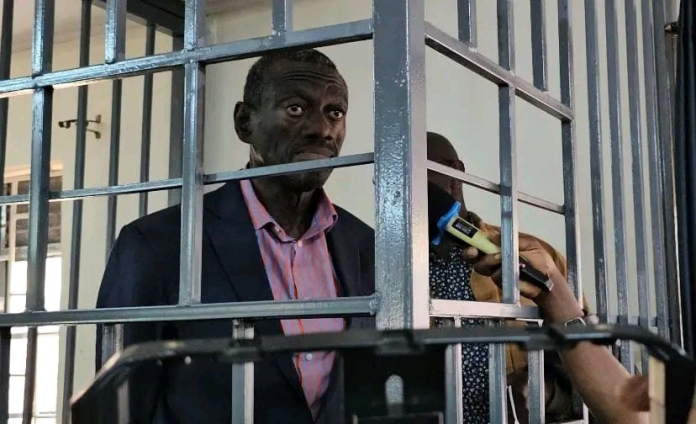
Kidnapped Kizza Besigye in the dock at court martial-Makindye.
Winnie Byanyima, the Executive Director of UNAIDS has accused the state operatives of framing opposition leader Dr. Kizza Besigye to be in possession of firearms.
The allegations stem from an incident involving a British operative who allegedly attempted to plant firearms on Besigye to implicate him in criminal activities.
“Unknown to Dr. Besigye, the British man was a paid operative who tried to plant guns on him. He facilitated the abduction and then left the room, leaving behind his pistols,” Byanyima revealed.
“He was not ‘arrested’! We will expose him and the Ugandan operatives who abducted Dr. Besigye and Haji Obeid. We will expose their wicked plot,” she added.
Byanyima said that the plot to frame Besigye is part of a broader effort to silence dissent and weaken Uganda’s political opposition. She emphasized that the government has a history of framing Besigye with false charges, only for the courts to ultimately clear his name.
“Every time the government has framed Dr. Besigye, the courts have upheld his innocence. These latest false criminal allegations against Dr. Besigye will be exposed and dismissed in a civilian court,” she said, underscoring her confidence in the judiciary.
Byanyima also condemned the government’s apparent intention to try Besigye, a civilian, in a military court, a move she described as a “travesty of justice.”
She said, “Trying Dr. Besigye, an unarmed civilian, in a military court will be a travesty of justice!” she declared, calling on Ugandans and the international community to stand in solidarity with the veteran opposition leader. “Stand with Kizza Besigye.”
Dr. Kizza Besigye, a former presidential candidate and leader of the Forum for Democratic Change (FDC), has faced numerous arrests and accusations over the years often related to his political mobilization efforts.
According to Byanyima, fundraising for political activities is a legitimate and necessary function of democratic institutions.
“Dr. Besigye always fundraises for political mobilization work by his party. Parties are democratic institutions and have local support and foreign relationships,” she noted, defending the opposition leader’s actions.
Besigye and his comrade Hajji Obeid Lutale were kidnapped in Kenya and drove to Uganda where he went on to be charged with cases of possession of a pistol and holding meeting in Geneva in Switzerland, Athens and Nairobi in Kenya aimed at soliciting for logistical support and identifying military targets in Uganda with intent to prejudice the security of the Defence Forces.
The duo was remanded to Luzira until December 9, 2024.
Byanyima has repeatedly revealed that Besigye has not owned a gun in the last 20 years.
An unrevealed number of staff at PostBank have been arrested as part of investigations into how fake money amounting Shs500 million ended up at the bank’s branch in Mbale City.
The initial investigations, according to PostBank, point to a collusion of bank’s custodians at the branch.
“Further to our earlier communication where PostBank Uganda (PBU) confirmed that the bank’s internal control mechanism had discovered counterfeit notes worth Five Hundred Million Uganda Shillings in Mbale branch, and that the matter had been escalated to the Police, below is the latest update on the matter,” the bank said in a statement issued on Thursday.
Uganda Police has arrested the implicated staff, and where there were lapses in oversight of the branch operations, the bank has suspended the responsible staff pending the conclusion of the investigation, PostBank added.
“All the steps that we are taking are in line with the bank’s policies and procedures, and the culprits will be brought to book according to the laws of Uganda,” the statement added.
The bank said this is an isolated incident, and that all transactions are safe as it has in place all the required resources and technology to detect counterfeit, “just like it was in this case where we detected this internally before any customer could be impacted.”
“Integrity is critical to us, and because you are the reason we exist, we believe it is important to update you on the progress of the ongoing investigation in the most transparent way. We re-assure you of our promise to foster your prosperity at every step of your financial journey,” it adds.
Prof. Badru Kateregga, Kampala University Vice Chancellor.
Kampala University, once a beacon of academic excellence in Uganda, is reportedly on the brink of collapse due to internal mismanagement and family disputes involving its founder, Professor Badru Ddungu Kateregga.
The institution, which has been pivotal in shaping Uganda’s higher education landscape, is now grappling with a series of controversies that threaten its stability and reputation.
Leadership struggles and questionable decisions
Reports indicate that Prof. Kateregga’s leadership has been marred by a failure to adhere to academic and administrative standards. Allegations of degrees being awarded without due process and non-compliance with regulatory standards have raised concerns about the institution’s credibility. Although issues of academic ethical standards had been kept under wraps revelations that the institution was awarding some of the foreign students’ degrees and other qualifications with the necessary documents or corresponding levels has surfaced with fingers pointing at Sudanese, Somalis among others in the region.
The situation has been exacerbated by the professor’s decision to bring his estranged older children, who have minimal experience in academic administration, into key management roles. Most of these children had been living abroad, engaged in odd jobs, raising doubts about their ability to manage the institution effectively. This move came at the expense of his wife, who had managed the university’s finances and marketing for over 15 years, a period marked by steady growth and stability.
Personal disputes spilling into public
The family disputes have not only strained internal operations but have also spilled into the public domain. Social media platforms have become a battleground for character attacks, with Prof. Kateregga allegedly targeting his wife, with whom he shares three children, including twins. The public airing of these personal grievances has further tarnished the university’s image, raising questions about the leadership’s professionalism.
Workers at the Kasanga based university have also demanded as to why they aren’t issued with work contracts
“We have no contracts for ourselves, there is late payment of salary and sometimes we take time without pay. Prof. Kateregga prefers keeping us as part time as opposed to permanent, however, with the latest trend of events, the university will close” a lecturer said.
Some of the university staff say the institution should be run by an independent body or person rather than family and in the event that children fall out with the father (Kateregga), who will administer given that it is a family affair?
Allegations of misconduct
In addition to management issues, allegations of personal misconduct against Prof. Kateregga have surfaced. Reports suggest that he has abandoned his current wife and children, failing to provide for them. Furthermore, accusations of inappropriate relationships with young female students have emerged, including claims that he is cohabiting with a 24-year-old former student. Such behavior has alarmed parents and stakeholders, undermining trust in the institution.
Abrupt changes and emotional decisions
Prof. Kateregga’s leadership style has also come under scrutiny for abrupt and emotionally driven management changes. This erratic decision-making has contributed to instability within the institution, leaving staff and students uncertain about the university’s future.
Troubled future
Kampala University’s current predicament highlights the challenges of mixing family dynamics with institutional governance. Stakeholders are calling for urgent intervention to restore stability and rebuild the university’s reputation. Failure to address these issues could see the once-respected institution fall further into decline.
As the saga unfolds, all eyes are on Prof. Kateregga to take decisive and transparent steps to save Kampala University from collapse.
The government of Uganda has admitted that Bank of Uganda accounts were hacked and money stolen.
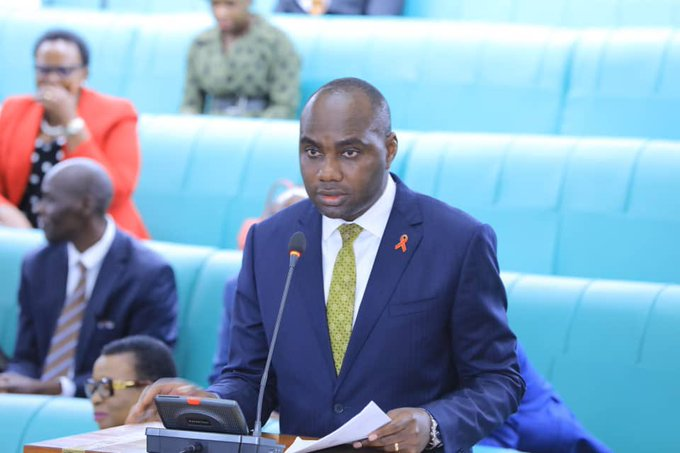
The admission was made by Henry Musasizi, Minister of State for Finance during the plenary today.
However, Musasizi denied the Shs62 billion being reported by the media as the amount lost in the Central Bank’s heist.
“I am astonished to what several media houses have been reporting. I wish to state that our accounts were hacked into but not to the extent of what is being reported. When this happened, we instituted an audit and at the same time, an investigation,” Musasizi revealed.
He added that the Auditor General is doing the audit and the Criminal Investigation Department at the same time is doing an investigation on the scandal.
Musasizi declined to divulge details of the Central Bank heist, calling for patience pending final results from the audit and investigation.
He noted, “To avoid misrepresentation of facts, I wish to seek the indulgence of this House that we be patient, when the audit is finalized, which is now at the tail end, and also CID finalize investigation, I come to this House and report. Otherwise, as of now, any matter I disclose on this issue, I risk misrepresentation of facts.”
Joel Ssenyonyi, Leader of Opposition wondered why Uganda’s Banking sector has become prone to fraud, arguing that other commercial banks have also reported these fraud incidences in the past two months.
“There are some matters that alarm us. The Fourth Estate has reported, including government media houses, a heist at the Bank of Uganda. Some reports have indicated $17 Million that is about Shs62 billion. Some narratives were that there was some hacking by some people in South Asia and this money was swiped to accounts in Asia. Other reports indicate that this was an inside job inside the Bank of Uganda,” Ssenyonyi wondered.
Ssenyonyi urged that the government through the Ministry of Finance should help Ugandans understand this issue because it is the ministry that supervises the operations of the central Bank.
“It is important we know what exactly is happening at our Central Bank. Monies are being siphoned whether it be by hackers, whether it be by staff. So, the government shouldn’t continue being quiet about this matter, we want to know what exactly is happening,” Ssenyonyi urged.
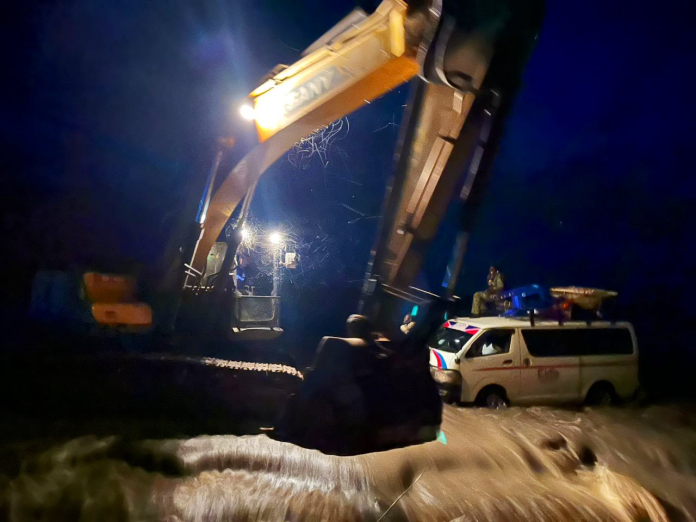
The rescue operation that led to the death of UNRA engineer.
The Speaker of Parliament, Anita Among has led the House in paying tribute to Yahaya Hassan, a Marine Engineer with the Uganda National Roads Authority (UNRA) stationed at Pakwach who tragically lost his life while rescuing passengers trapped in floodwaters.
The incident occurred after the Tangi River in Pakwach District burst its banks, causing widespread flooding.
In her address to Parliament, Speaker Among expressed deep condolences to the family of the late engineer and highlighted the urgent need for government intervention in addressing the growing flood and landslide crisis affecting various parts of the country.
“The Nation is currently experiencing a lot of rainfall, which is causing a lot of disasters and flooding across the country. I am reliably informed that the taxi which was trapped amidst the floods was successfully retrieved and the passengers are safe. However, on a sad note, in the process of rescue, we lost one of the engineers of UNRA, and that was really very tragic,” said Among.
The Speaker emphasized that the flooding is not isolated to Pakwach but is affecting other regions, disrupting transport and endangering lives.
“When you go to the East, the floods are there. I am informed that Nabuyonga Road entering Mbale is off—you can’t enter. The road between Mbale and Soroti—you can’t cross. Tirinyi Road has the same problem,” she noted.
This afternoon, UNRA clarified that the traffic flow has resumed at Tangi Junction along the Olwiyo—Pakwach road following restoration efforts.
“We wish to emphasize the importance of safety; please refrain from crossing flooded areas. Exercise patience and wait for water levels to reduce for your own safety and that of others,” UNRA stated.
Among also drew attention to the devastating landslides in Bulambuli District, where over 40 households were buried, leaving families homeless and rescue teams scrambling to recover bodies.
“The landslides in Bulambuli have been reported to have buried 14 households. The process of recovering the bodies is ongoing. We really need urgent action from the Prime Minister’s Office, and these people need to be supported,” she added.
Speaker Among tasked the Office of the Prime Minister to outline the emergency measures being taken to mitigate the impact of floods and landslides, as communities across the country continue to grapple with the effects of heavy rains.
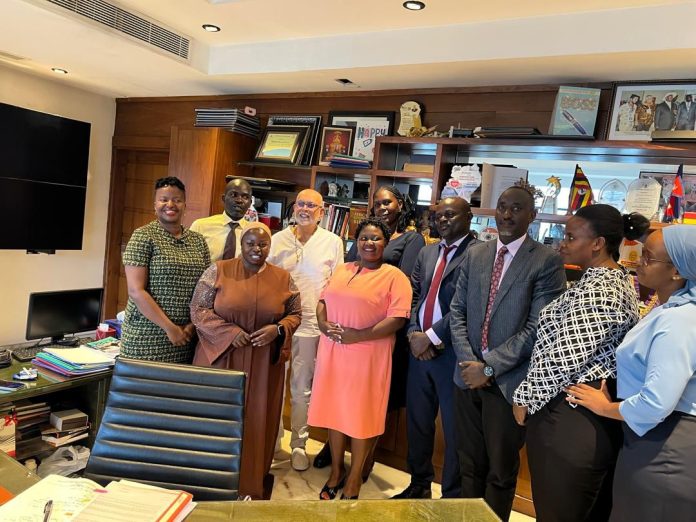
Kampala Parents School teachers, parents and other staff after a meeting with owner Sudhir Ruparelia.
By Lawrence Kazooba
Conflict is an inevitable part of any institution. Managed well, it can lead to growth and innovation; managed poorly, it can spell disaster and derail progress. This truth came to light recently at Kampala Parents School (KPS), when teachers staged a protest demanding higher pay. Rather than meeting the agitation with hostility, the school’s proprietor, billionaire Sudhir Ruparelia, demonstrated exceptional leadership by addressing the concerns with diplomacy, empathy, and a forward-thinking approach.
Kampala Parents School: A Legacy of Excellence
Kampala Parents School, a prestigious private primary school under the Ruparelia Group, has a longstanding reputation as one of Uganda’s premier educational institutions. Located in the heart of Kampala, the school boasts state-of-the-art facilities, a dynamic curriculum, and a proven track record of academic excellence. Over the years, KPS has nurtured some of Uganda’s most accomplished professionals, producing alumni who excel in medicine, law, business, and the arts. Its place in Uganda’s education sector is cemented by a commitment to quality and innovation, which continues to attract parents seeking the best for their children.
The Teachers’ Protest: A Call for Fair Pay
The recent protest at KPS stemmed from teachers’ demands for higher salaries. Teachers, understandably, believed that their contribution to the school’s stellar performance, particularly at the national level, warranted better remuneration. While the method—public placards and demonstrations—may not have been ideal, it highlighted the genuine frustrations of educators navigating Uganda’s tough economic conditions.
As the cost of living rises, many professionals across sectors feel stretched, and teachers at KPS were no exception. While it’s true that no salary can ever fully satisfy everyone, competitive pay remains an important driver for retaining and motivating talent. For a school that consistently produces top performers, the call for a pay raise was not unexpected.
Sudhir Ruparelia’s Exemplary Conflict Management
What sets this incident apart is how Sudhir Ruparelia handled the situation. Many employers might have responded with anger or punitive measures, potentially escalating tensions. Instead, Sudhir embraced the moment as an opportunity for dialogue and resolution.
He convened a meeting involving all stakeholders, including school management, teachers, and parents. By bringing everyone to the table, he fostered a sense of inclusion and transparency. Teachers were given a platform to voice their grievances, while management and parents provided valuable perspectives on the challenges and opportunities faced by the school.
The outcome was not just a resolution but a strengthening of relationships. Teachers walked away from the meeting not only satisfied but also expressing regret for the public nature of their protest. The shared selfies between Sudhir and the teachers became a powerful symbol of reconciliation and unity, emphasizing that conflict, when handled well, can bring people closer together.
Why Sudhir Stands Out
Sudhir’s approach to conflict management offers valuable lessons for leaders across all sectors. His ability to remain calm, prioritize dialogue, and focus on solutions reflects a deep understanding of leadership and human relationships. This incident underscores his reputation as not just a successful businessman but also a compassionate and strategic leader.
Sudhir’s decision to engage rather than retaliate is a testament to his belief in collaboration and mutual respect. His actions remind us that great leadership involves listening, understanding, and finding common ground—even in challenging situations.
Lessons for School Managers
School managers across Uganda and beyond can learn from this incident. In educational institutions, where multiple stakeholders—teachers, parents, students, and management—must coexist harmoniously, effective communication is key. Ignoring grievances or responding with hostility only creates divisions. By emulating Sudhir’s example, school managers can build environments where staff feel valued and empowered, which ultimately benefits students and enhances institutional performance.
The Way Forward
The incident at KPS highlights the importance of proactive measures to address potential conflicts before they escalate. Schools should prioritize regular engagement with staff, including forums for feedback and professional development opportunities. Transparent communication about the institution’s financial position and future plans can also foster understanding and goodwill.
For teachers, it’s crucial to adopt constructive methods of airing grievances. Demonstrating professionalism in expressing concerns can strengthen their case and ensure productive outcomes.
Finally, the broader education sector can draw inspiration from KPS’s resolution of this conflict. Schools must recognize that their most valuable assets are the teachers who shape the minds of the next generation. Investing in their well-being is not just a moral obligation but also a strategic decision that pays dividends in the long term.
In Sudhir Ruparelia, Uganda has a leader who not only builds institutions but also nurtures relationships. His handling of the KPS teachers’ protest is a masterclass in conflict resolution, one that deserves both applause and emulation. It is a reminder that, with the right approach, even the most challenging situations can become opportunities for growth and unity.