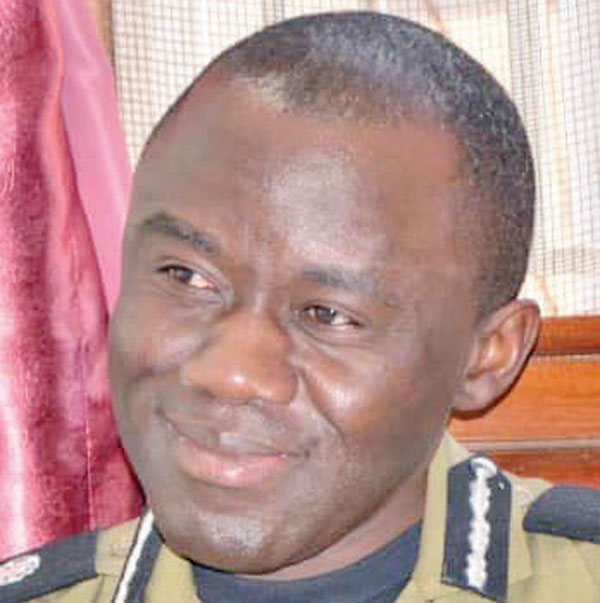
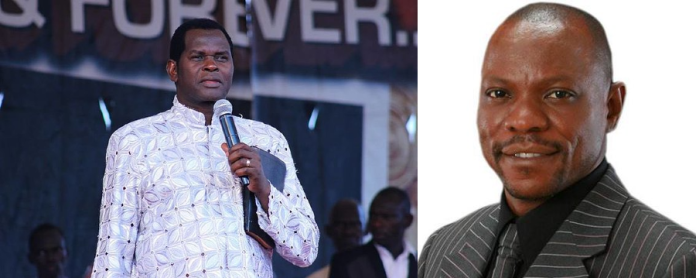
TIME UP: Director of Crime Intelligence, Brig. Christopher Ddamulira. Photo by Eddie Ssejjoba
Uncertainty and whispers of discontent have emerged within the security circles as the contract of Brig. Gen. Christopher Ddamulira, Director of police’s Crime Intelligence, expired without renewal by the appointing authority.
Sources within public service indicate that Ddamulira’s contract, which began on September 1, 2019, officially ended on September 1, 2024, but no formal extension or renewal has been announced.
Ddamulira, born on February 27, 1974, has been instrumental in shaping Uganda’s crime intelligence system, leading various high-profile security operations, including efforts to re-organize ghetto youths, a group often linked to criminal activities in the past.
His leadership has been widely credited for stabilizing crime intelligence, earning him respect within the security sector.
Despite his extensive contributions, his future within the force remains uncertain, with speculation mounting over why his contract has not been renewed.
As one of the key figures in Uganda’s security apparatus, his tenure has been marked by notable achievements, and his departure could leave a significant gap in crime intelligence operations.
Meanwhile, it has also emerged that the contract of another top police official, Haruna Isabirye, is set to expire on November 22, 2024. With no clear indication of whether Isabirye’s contract will be renewed, there is growing speculation about potential changes in leadership at the top levels of Uganda’s security agencies.
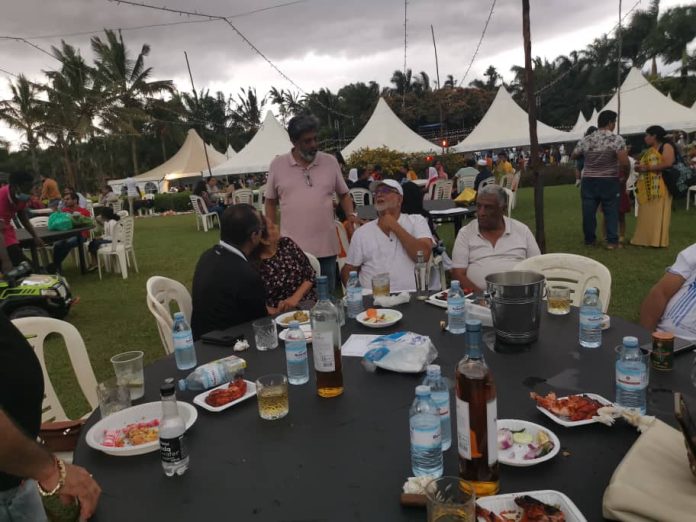
City tycoon Sudhir Ruparelia and other guest at last year's Diwali celebrations.
On October 27, 2024, Speke Resort Munyonyo will transform into a colorful, lively, and immersive celebration of Diwali, the Indian festival of lights.
Diwali is a Hindu festival observed as a public holiday in various countries like Fiji, Mauritius, India, and Trinidad & Tobago and all over the world by over 100 million people. In most places, it is celebrated for five days.
This year, the resort will host an enchanting Diwali Food Festival at The Marina, bringing a slice of India to the heart of Uganda. Prepare to be dazzled by a fusion of tastes, culture, and entertainment that promises an unforgettable experience.
As the gates swing open at 12:30 PM, you will be greeted by the tantalizing aroma of home-cooked Indian cuisine, offering everything from savory curries to sweet treats, all expertly prepared to give you the authentic taste of Indian culinary heritage.
For families, the Kids Zone will be bursting with excitement, providing a fun-filled environment for children to enjoy the festivities as well.
The event is not only about food, there is the Casino for one to relax and enjoy a drink at the Bar as they soak in the vibrant atmosphere.
As the evening progresses, guests will be mesmerized by the grand finale of the event: some dazzling fireworks display by Tomil Fireworks Ltd, which will light up the skies starting at 7:00 pm. This breathtaking display will paint the night with vibrant colors, bringing the festival to a spectacular close.
This will be a real India in Uganda day of joy, togetherness, and celebration. The Diwali Food Festival at Speke Resort Munyonyo is the place to be for fans of exquisite food, thrilling activities and family-friendly day out.
Diwali Festival is marked to celebrate the victory of light over darkness, good over evil, life over death, self-renewal, and knowledge over ignorance, and others.
It also marks the death of many demons like Narkusur by Lord Krishna, the arrival of Lord Rama to Ayodhya after killing Ravana, and Lord Vamana defeating Bali.
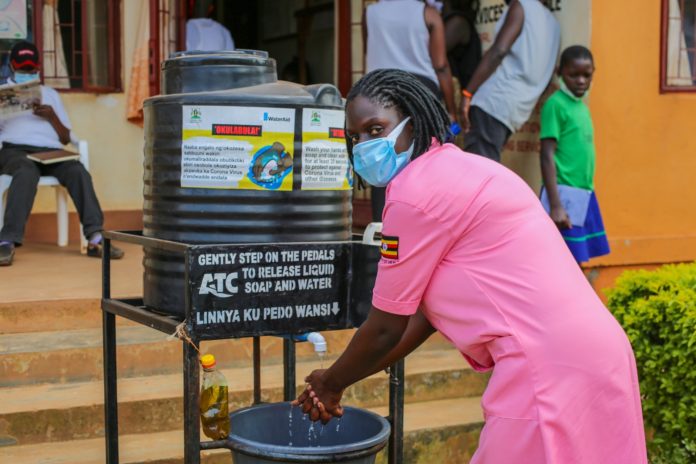
As Uganda joins the international community to celebrate the Global Hand Washing Day, WaterAid Uganda has urged education institutions, healthcare facilities, and business establishments such as restaurants, taxi parks, and market centres to prioritise provision of hand washing facilities in order to stop the spread of infectious diseases, such as diarrhea, respiratory infections, cholera, Ebola and Mpox.
UNICEF reports that diarrhea, a leading cause of childhood mortality in Uganda, claims the lives of 33 children daily. Additionally, school-going children frequently miss classes due to infectious diseases, while healthcare workers and mothers in hospital settings face constant risks of acquiring infections associated with healthcare environments.
Recently, the Uganda Virus Research Institute reported cases of Mpox, which has been subsequently classified as a public health emergency by the Ministry of Health and global public health by the World Health Organisation.
“Handwashing, especially at key times such as after using the toilet, when preparing food and before eating, are the first line of defence against the spread of diseases, but it all starts with fixing handwashing facilities at key points such as within toilet rooms at restaurants, market centres, taxi parks, schools, and healthcare facilities.” Says Dr Joyce Mpalanyi Magala, the Country Director of WaterAid Uganda.
“Handwashing with soap is the easiest, inexpensive, and yet most effective ways to stop the spread of pathogens, maintain health, avert preventable death, and exorbitant healthcare expenses that can impose significant financial burden on families and public health institutions, Dr. Magala emphasises.
According to Daniel Lukooya, WaterAid’s Public Health Advisor, when hands come into contact with germs—such as after using the toilet or handling contaminated materials—and are not washed with soap, these germs can be transmitted from one individual to another, through handshakes, handling foods and caring for babies. That’s why clean hands are still important, a theme for this year’s Global Hand Washing Day.
Statistics from Uganda Demographic Health Survey 2022 Report, show that the percentage of households in urban areas with a place for hand washing with soap and water was 55%, and with water only was 19%.
In the rural areas, 36% of households had a place for hand washing with soap and water, and 23% had a place with water only. Among the key sanitation and hygiene indicators, the percentage of households with improved sanitation facilities was 33% for Urban and about 30% in rural areas.
This shows that sanitation and hygiene are still a big challenge, especially in rural dwellings, a stuck reminder that inequalities abound between rural and urban dwellers, but also between men and women, where due to their role as mothers, primary caregivers responsible for domestic chores, and attendants in healthcare facilities, women and children are the most impacted when handwashing services are suboptimal in such spaces.
WaterAId Uganda community initiatives focus on providing access to clean water, proper sanitation facilities, and hygiene education in schools, healthcare centers, and community hubs. Consequently, we have observed significant improvements, including higher school attendance rates and an increase in mothers seeking antenatal care.
The Ministry of Finance, Planning and Economic Development has released Shs15.99 trillion as government expenditure for the second quarter of the current Financial Year 2024/2025.
The Shs15.99 trillion is for the quarter from October – December 2024, representing 22.2% of the approved budget.
The biggest share of the money (Shs4.599 trillion) has gone to the development requirements, which include what the government calls ATMS. These include agro-industrialisation, infrastructure, mineral development, tourism, human capital development and security.
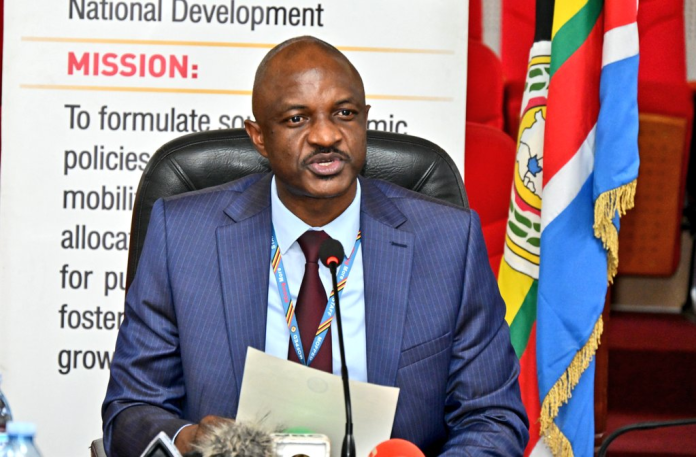
Speaking at the release in Kampala on Tuesday, Finance Ministry Permanent Secretary and Secretary to the Treasury Ramathan Ggoobi said the Q2 release is in line with the continued effort of fiscal consolidation through coordinated fiscal and monetary policy.
He says there has been continued expansion of Uganda’s economy, affirmed by the recently released Quarterly GDP outturns for the second quarter of the calendar year 2024 (April – June 2024) which showed that the economy expanded by 6.6%.
“The high-frequency indicators of economic activity show improvements in the level of economic activity and positive sentiments by the private sector about doing business in the economy,” said Ggoobi.
He said with Government’s continued investment in the ATMS to grow the economy ten-fold and other strategic interventions, the economy is poised to grow between 6% – 6.5% this financial year, adding that in the subsequent years, economic growth is projected to be higher, driven by interventions being implemented under the ten-fold Growth Strategy.
He said inflation remains subdued, with annual headline inflation declining to 3.0% for the year ended September 2024, while the Uganda shilling has remained relatively stable.
According to the quarterly release, agro-industrialisation has been allocated Shs385.22 billion, tourism development — Shs14.65 billion; mineral-based industrial development including oil and gas — Shs55.78 billion; and Science, Technology and Innovation including ICT — Shs43.93 billion.
Others are; infrastructure, which includes; the Ministry of Works arid Transport — Shs479.07 billion to cater for Standard Gauge Railway, Meter Gauge Railway, subventions and District, Urban and Community Access Roads; Uganda National Roads Authority (UNRA) — Shs392.51 billion; Ministry of Energy and Mineral Development (MEMD) — Shs290.54 billion to cater for rural electrification and transmission lines; and KCCA — Shs193.86 billion (o/w Shs115 billion will be drawn from the Petroleum Fund).
The other is Human Capital Development, which includes; Education — Shs156.49 billion for interventions under Ministry of Education and Sports, UNEB, UBTEB, and Universities; Health — Shs450.91 billion for MoH, UCI, UHI. These funds will support GAVI, Global Fund and outstanding obligations. Regional hospitals including Mulago and Butabika Hospitals were allocated Shs8.15 billion; Social development — Shs 53.28 billion for MoGLSD, EOC, UHRC; and Local governments — Shs400.88 billion.
Shs11.31 billion was allocated to the NTR votes of the Uganda Registration Services Bureau (URSB), National Citizenship and Immigration Control, Uganda National Bureau of Standards, and Law Development Centre (LDC).
The other is security where MoDVA has been allocated Shs463.97 billion; Uganda Police Force — Shs90.84 billion; Uganda Prisons Service — Shs19.3 billion; Shs11.13 billion for Internal Security Organization and External Security Organization; Directorate of Government Analytical Laboratory — Shs18.8 billion for the completion of the DNA bank and pending certificates; and National Identification and Registration Authority — Shs75.77 billion to cater for the advance payment for the National Security Information System.
Shs1.991 trillion is to cater for wages and salaries across government. Shs281.78 billion is for Pension and Gratuity; and Shs145.32 billion to Local Governments;
Shs103.32 billion is to all Public Universities, Uganda Management Institute and Law Development Centre in line with the semester requirements;
Shs37.37 billion is for Examination Boards i.e. Uganda National Examination Board (UNEB) and Uganda Business and Technical Examinations Board (UBTEB)
Ministry of Gender, Labour and Social Development to cater for Social Assistance Grants for Empowerment (SAGE) requirements got Shs48.94 billion.
In addition, Shs299.74 billion has been released to National Medical Stores (NMS) for the purchase of essential drugs and medicines.
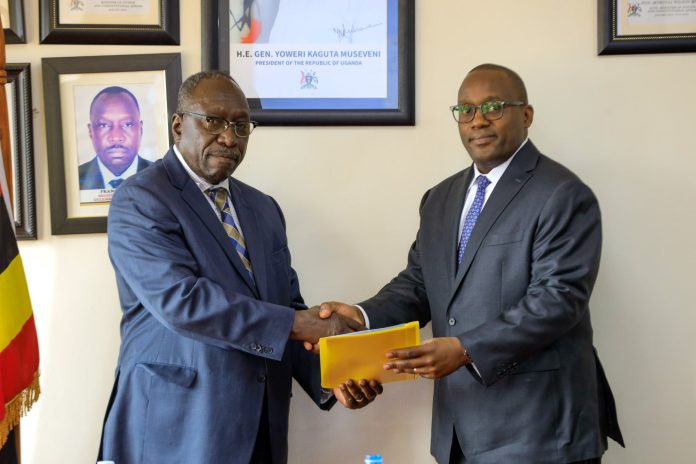
Mr Atoke handing over to Mr Biribonwoha today October 15, 2024 at the Solicitor General's chambers.
Just a day after Uganda Law Society expelled both Attorney General and Solicitor General, President Museveni has made changes at the Justice and Constitutional Affairs Ministry and appointed Pius Perry Biribonwoha as the new Solicitor General.
Biribonwoha replaces Francis Atoke who has retired from public service after clocking the mandatory retirement age.
Ministry of Justice and Constitutional Affairs senior staff witness the handover ceremony.
Pius Perry Biribonwoha has been serving as Deputy Solicitor General and he effectively started his new assignment today October 15, 2024.
Mr Kiryowa Kiwanuka is the Attorney General while Mr Francis Atoke has been serving as Solicitor General.
Biribonwoha replaced Justice Christopher Gashirabake in 2022 before joining Justice Ministry, he served as Director Legal and Legislative Service at parliament.
Uganda Breweries Limited (UBL) has announced its sustainability partners for the upcoming 2024 Bell ObaFest, with Coca-Cola Beverages Uganda (CCBU) and SafeBoda leading the charge. Coca-Cola will serve as the hydration partner, while SafeBoda is the official transportation partner for the event, which is scheduled to take place from October 18-20 at Jahazi Pier in Munyonyo.
The announcement marks the continued efforts by UBL towards achieving a 10-year sustainability action plan; Society 2030: Spirit of Progress with ambitious targets to enable the company make measurable progress on the 13 sustainable development goals through doing business the right way.
This has been realized through championing sustainable business practices by promoting inclusion and diversity through an ongoing collaboration with Light for the World at the festival and promoting responsible drinking while mitigating drunk driving by revelers throughout the three days of the festival among other pillars.
Speaking at the press briefing, Lillian Kansiime the Bell Lager Brand Manager Uganda Breweries emphasized the importance of sustainable business practices to mitigate the diverse effects of over consumption to consumers if not regulated.
“As a business, Uganda Breweries is committed towards promoting sustainable business practices within the environment it operates. Throughout the three-day celebration, this commitment will be reflected through enabling responsible drinking and encouraging moderation as a means of addressing harmful use of alcohol through the partnership with Coca Cola Beverages Uganda and Safe Boda”, she added.
Set to attract over 20,000 revelers, Bell ObaFest returns for the second time in a three-day beer celebration marked with various beer activities and driving social impact.
While handing over a Shs10 million and 100 cartons of drinking water contribution towards this year’s Bell ObaFest, Fiona kemigisha, the Acting Channel and Trade Marketing Manager Coca Cola Beverage Uganda noted that CCBU is driven by actively encouraging informed choices and balanced lifestyles for their consumers and this partnership is a testament towards this commitment as the official hydration partner at the Bell ObaFest.
Speaking on behalf of Safe Boda, Calvin Mukooli highlighted discounted and secure safe boda and car rides for all revelers throughout the three days of the festival and expressed the need for continued partnerships to guarantee consumer safety.
Once again, Bell ObaFest is partnering with Asante Waste Management to ensure proper waste management during and after the festival.
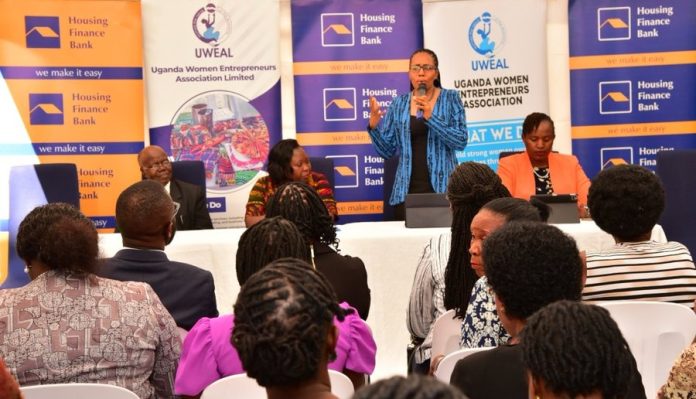
Peace K. Ayebazibwe, the Executive Director of Housing Finance Bank giving a speech during the launch of HFB Woman.
Housing Finance Bank (HFB) today advances its goal of empowering women with the launch of the HFB Woman, in partnership with the Uganda Women Entrepreneurs Association Limited (UWEAL). This innovative financing solution aims to support women entrepreneurs across Uganda by providing access to affordable loans to enhance their business ventures. At the same event, Uganda Women Entrepreneurs Association Limited and HFB announced the launch for the Annual Women in Business Leaders Awards 2024 that shall take place in November 2024.
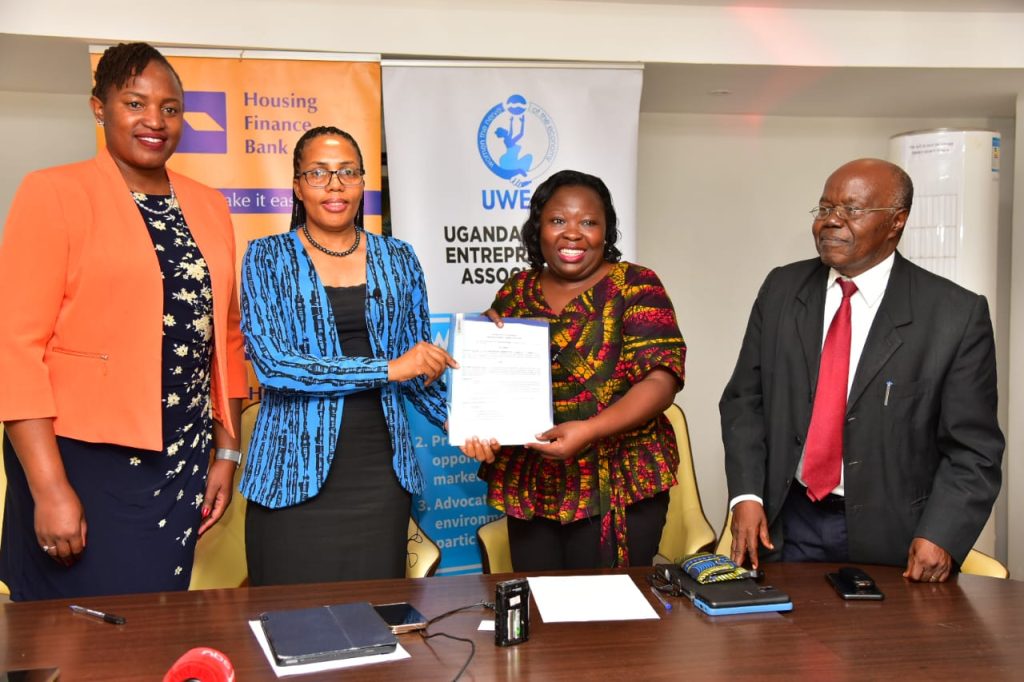
The Executive Director of Housing Finance Bank Peace K. Ayebazibwe (Second left) and Connie Kekihembo, CEO of UWEAL(third left) pose for a group photo after signing an agreement between Housing Finance Bank and UWEAL.
Gender Inclusion is also at the core of the Uganda Vision for 2040 and availing better opportunities for women is one of the key drivers to reduce gender inequalities and unlock the socio-economic transformation of the country
Earlier this year, the European Investment Bank Global, part of the European Investment Bank, and the Housing Finance Bank (HFB) announced a partnership to avail a €50 million investment to support private sector entities, notably SMEs in Uganda. The initiative has a special gender focus aimed to enhance women’s access to finance by reserving at least half of the investment funds to be allocated to businesses owned and/or run by women.
Women are essential contributors to the economy in various fields, including leadership and entrepreneurship; however, they continue to face significant challenges in accessing financing. According to the World Bank, women in Uganda make up over 48% of the workforce but access only about 30% of available credit (World Bank, 2022). This disparity not only hampers individual ambitions but also restricts broader economic development. Additionally, the World Bank estimates that closing the gender gap in labor force participation could increase Uganda’s GDP by up to 8% (World Bank, 2021).
The HFB Woman solution is designed for individuals and registered micro and small women-owned enterprises engaged in trade, services, or production.
For organizations, they must be at least 60% owned by women aged between 18 and 68 years. Loan amounts will range from a minimum of Ugx 10 million to a maximum of Ugx 50 million, with repayment periods of up to 3 years. Additionally, for agricultural ventures, a grace period of 6 months will be provided atop free advisory services and relationship management.
“Women tend to reinvest a significant portion of their earnings back into their families and communities. This means that when we empower women economically, the benefits ripple outward, improving education, health, and well-being for entire communities. So today, we are not only launching a product, but, we are also sowing a seed towards the growth of communities and Uganda as a whole. ” said Peace K. Ayebazibwe, Executive Director -Housing Finance Bank. When women thrive, communities flourish, and our nation moves forward.” she added.
Connie Kekihembo, CEO of UWEAL, emphasized the importance of this partnership, stating, “The HFB Woman initiative aligns perfectly with our mission to empower women entrepreneurs to create wealth through capacity building, networking, and advocacy. By collaborating with Housing Finance Bank, we are taking significant steps toward demystifying the barriers women face in accessing finance and resources.”
This partnership with UWEAL underscores Housing Finance Bank’s commitment to gender equality and economic empowerment.
The Bank therefore invites women entrepreneurs to apply for these transformative solutions and to join in building a future where women’s contributions are not only recognized but celebrated.
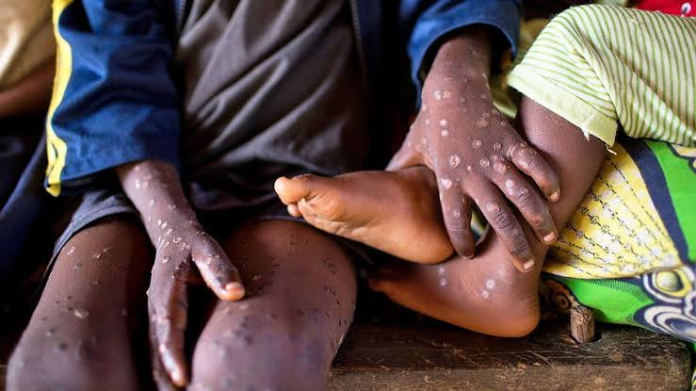
The United States government has provided $4.1 million (Shs15 billion) and 5,500 Mpox tests to support the Mpox response in Uganda.
Through the United States Agency for International Development (USAID), the U.S. government is providing $1.4 million to the World Health Organization (WHO), $600,000 to the United Nations Children’s Fund (UNICEF), and $400,000 to USAID Uganda Health Activity implemented by the University Research Collaborative (URC), to support Uganda’s Mpox preparedness and response plan. The U.S. Government is also providing $1.7 million to the United Nations High Commissioner for Refugees (UNHCR) to support Mpox screening and response in border crossings, refugee settlements, and host communities.
Colleagues across U.S. Mission Uganda, including from the U.S. Centers for Disease Control and Prevention (U.S. CDC) and USAID, are working closely each day with Ugandan ministries and officials to respond and prevent a wider spread of Mpox.
On this announcement, U.S. Ambassador William Popp said, “Our commitment to a healthy Uganda is the foundation of a prosperous Uganda. When people are healthy, they can work and provide for their family and contribute more fully to their communities. The U.S. government’s partnership with the Ugandan people focuses on sustainable long-term solutions, building people’s capacity to address these issues independently in the future.”
This new Mpox prevention assistance is in addition to the hundreds of millions of dollars the United States provides each year to build a strong and resilient health system able to detect, prevent, and respond to a variety of health threats and illnesses, including Mpox.
He added, “As part of the Mpox response, we are leveraging our broader development and humanitarian platforms, including activities in social protection, education, and communication as well as a variety of existing programs, including the U.S. President’s Emergency Plan for AIDS Relief (PEPFAR).”
For decades, the U.S. government has been instrumental in strengthening Uganda’s health systems such as disease surveillance and reporting capabilities by training a variety of health professionals, including community health workers, laboratory technicians, and public health officials.
“Thanks to U.S. government support, there are now more than 70 internationally accredited laboratories in Uganda, compared with only seven in 2015. These are reliable labs Ugandans can trust and have confidence in. In refugee settings, the United States funds medical professionals to screen new arrivals to Uganda, builds screening centers and treatment wards, and pays for testing. These partners and systems are now working to fight the mpox outbreak,” he noted.
In addition, U.S. CDC, DOD, and USAID, following the #Covid response and Ebola outbreak, supported operationalization of Emergency Operations Centers at Regional Referral Hospitals which are responding regionally to Mpox.
Every year the United States provides nearly $1 billion, or about Shs3.7 trillion, in assistance to the Ugandan people, creating a positive impact that reaches across all of Uganda’s 146 districts. More than 97% of this investment in Uganda is provided directly through non-governmental partners and, in the true spirit of partnership, nearly 70% of our activities are implemented through Ugandan non-governmental organizations, generating over 6,000 jobs for Ugandans.
Uganda currently has over 30 confirmed cases of Mpox victims including two cases announced yesterday in the by Uganda Prisons Spokesperson, Frank Baine in two major prisons of Masindi and Nakasongola.
The Sexual Offenses Bill, 2024 proposes a 10-year prison sentence for anyone convicted of mediating or interfering in capital sexual offenses in Uganda.
The Bill was tabled by Soroti District Woman Member of Parliament, Anne Adeke, more than a year after being granted leave by Parliament to introduce a private member’s bill. She argued that consolidating all sexual-related offenses into one statute would simplify enforcement.
“The scattered nature of sexual offenses across various laws denies the public a single piece of legislation to guide prevention, protection, and prosecution. We need legislation that responds to evolving trends in sexual offenses, curbs sexual violence, and adopts international best practices for prevention,” Adeke stated.
Speaker Anita Among referred the bill, which aims to consolidate all sexual offenses into a single piece of legislation, to the Committee on Legal and Parliamentary Affairs and the Committee on Gender, Labour and Social Development for further scrutiny.
Adeke has proposed stringent penalties and enhancements to existing punishments as part of efforts to address persistent capital sexual offenses. She specifically targeted cases where capital sexual offenses, such as rape and defilement, are settled before reaching the police.
Clause 42 of the bill proposes a 10-year prison sentence, without the option of a fine, for anyone convicted of entering into a settlement or compromise with a suspect or their relative in cases of rape, aggravated rape, defilement, aggravated defilement, or any other offense involving a child victim.
The bill also introduces penalties for those who fail to report sexual offenses. If passed, anyone with knowledge of a sexual offense who conceals it instead of reporting it to the police could face three years in prison.
In response to the rise of social media use, the bill addresses offenses related to the intentional exposure of sexual organs. Clause 6 makes it a crime to intentionally expose one’s sexual organs or buttocks to another person in public, to expose such images online, or to unlawfully intrude on another person’s privacy by displaying bare sexual organs, breasts, or buttocks. Conviction for this offense could result in a three-year prison term.
Adeke also seeks to impose a five-year sentence for indecent exposure in the presence of a person’s spouse, family member, or child, while the creation of indecent materials through artificial intelligence, video, pictures, or other visual formats could also result in a three-year sentence.
Drawing on international best practices, Adeke has called for the establishment of a sex offenders’ registry to protect vulnerable individuals, especially children. The registry would contain details of convicted sex offenders and would be maintained by the National Identification and Registration Authority (NIRA). Offenders would remain on the registry for life unless their conviction is overturned on appeal.
The bill proposes amendments to punishments for defilement-related offenses. While maintaining the death penalty for aggravated defilement, Adeke suggests 18 years’ imprisonment for attempted aggravated defilement, 15 years for attempted defilement, and 10 years for procuring defilement.
For offenses such as incest, the bill proposes life imprisonment. It also includes provisions for brothel operators and prostitutes, with operators facing up to seven years in prison, and prostitutes or those who engage in sexual acts with them facing two years.
Adeke further proposes that courts forward the details of sex offenders to NIRA within 10 days of conviction for inclusion in the sex offenders’ register. Access to the register would be granted under conditions set by authorities.
In Clause 39, Adeke seeks to criminalize conspiracy to defeat justice and interference with witnesses in sexual offense cases. A person convicted of obstructing, intimidating, or harassing witnesses, or otherwise preventing the course of justice, could face a five-year prison term.
If passed, the Sexual Offenses Bill would repeal several sections of the Penal Code Act and import specific provisions from laws such as the Prevention of Trafficking in Persons Act, the Domestic Violence Act, the Children Act, the Computer Misuse Act, and the Persons with Disabilities Act.
Former Rubaga RCC Herbert Anderson Burora is dismayed by the ongoing tensions between some of Uganda’s most influential religious leaders noting how believers have been deeply troubled by the public disputes that have spanned years.
“How do you preach forgiveness and reconciliation when, after doing so, you turn to attack each other?” Burora asked.
He specifically referenced prominent pastors, Robert Kayanja and Jackson Ssenyonga, who have been entangled in a long-standing clash.
He pointed out the painful irony of religious leaders who emphasize unity and love but engage in verbal battles.
Burora’s plea resonates beyond these two figures, highlighting a larger issue within the faith community.
He questioned the absence of senior Christian leaders who could step in as mediators, calling for wisdom and guidance from elder statesmen of the church.
“Are there no Christian elders in this country that can sit with Robert Kayanja and Jackson Ssenyonga and others?” he implored.
For many years, respected preachers have been insulting and accusing their fellows leading to not only dividing congregations but also sowing confusion among believers who look up to them for spiritual guidance.
“It hurts as believers when respected preachers hurl insults at each other for decades,” Burora admitted, expressing the collective grief of those who seek unity and peace in the church.
He urges Christian leaders to rise above personal differences and embody the very teachings of forgiveness and reconciliation they preach.