Stanbic Bank
Stanbic Bank
20.7 C
Kampala
Stanbic Bank
Stanbic Bank
Home Blog Page 203

UBOS retracts 2024 census report over ethnic group data errors

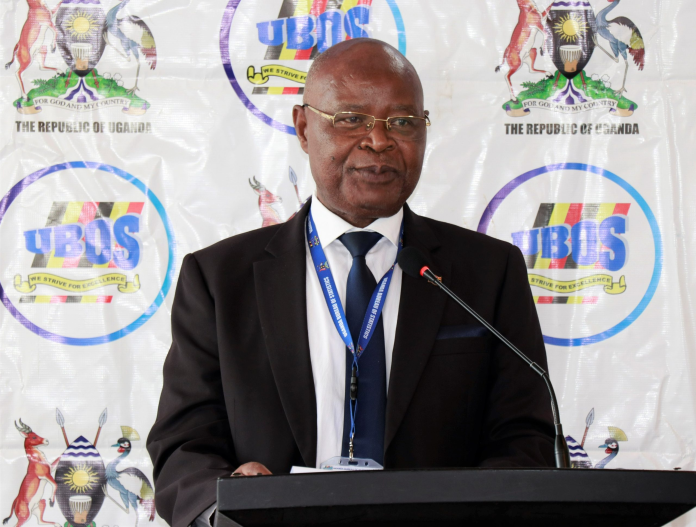
Dr. Chris Mukiza, the Executive Director of UBOS.

The Uganda Bureau of Statistics has retracted its recently published 2024 census report after discovering errors in the population figures for the four ethnic groups of Bakiga, the Bagisu, the Acholi, and the Langi.

According to UBOS, the 2024 figures for the four tribes were mistakenly interchanged, leading to inaccurate representations of population changes.

In a broader lens, 2014 figures on Bakiga (1470554) were for Acholi, Langi (1646904) were for Bagisu, Bagisu (2390446) were for Bakiga, and 2014 figures on Acholi (2131495) were for Langi, while the 2024 figures stand to be true.

According to the results, the population of Baganda increased from 5,555,319 in 2014 to 7,037,404 in 2024; Banyankore from 3,216,332 to 4,200,782; Basoga from 2,960,890 to 3,703,535; Iteso from 2,364,569 to 3,146,079; Bakiga from 2,390,446 to 2,947,837; Langi from 2,131,495 to 2,703,277; Bagisu from 1,646,904 to 2,096,149.

Others: Acholi from 1,470,554 to 1,941,913, Lugbara from 1,099,733 to 1,230,384, Banyoro from 966,976 to 1,218,121, Alur from 878,453 to 1,152,858, Bakonzo from 850,646 to 1,104,462, Batoro from 810,708 to 1,005,433, Bafumbira from 713,231 to 949,860, and Other Tribes from 7,383,093 to 8,934,046.

Released last, the results indicate that the total population for Uganda as of May 2024 based on the National Population and Housing Census 2024 stands at 45,905,417 persons from 10,698,913 households. The male population is recorded at 21,566,736 while the female population is 24,338,681 persons.

The National Population and Housing Census was last conducted in 2014. At that time, Uganda had a population of 34.6 million people. The census is carried out every 10 years, and this year’s exercise was expected to take place on August 24 and 25, but it was postponed due to the delayed procurement of tablets.

It further shows that children comprise 50% of the total population in Uganda. Youth (18-30 years) are 23.5%, and older persons (above 60 years) are 5%. Those aged 31-59 years are 21.5%.

Kampala toped all the regions with 11.1 million people, followed by Busoga with 4.4 million, West Nile with 3.9 million, Ankole with 3.6 million, Toro with 3.4 million, Bunyoro with 2.8 million, Lango with 2.6 million, Teso with 2.5 million, Bukedi with 2.4 million, Elgon with 2.2 million people, and others.

The report says that the Buganda region has the highest number of literates, with 85.5%, followed by Ankole with 78.9%, and Karamoja with the least number of literates, 25.4%.

“74.2% of the children in Karamoja aged 6–12 years, 32.2% in West Nile, and 27.9% in Acholi are out of school,” the report highlighted. Buganda, however, had the least number of children who are out of school, with 18.4%.

The report highlighted that in the line of religious affiliation, Christians form the biggest portion of the population. Eight out of 10 Ugandans are Christians. Catholics form the largest percentage at 37.4%, followed by Anglicans at 30.0%. Pentecostals have increased to 14.7% from 11.1%, while Muslims decreased from 13.7% to 13.6%.

It also showed that more than 13 million people migrated in the last five years. Of those, 7.6 million were female, while 5.8 million were male.

Stories Continues after ad

BoU reduces lending rate for October 2024 to 9.75%

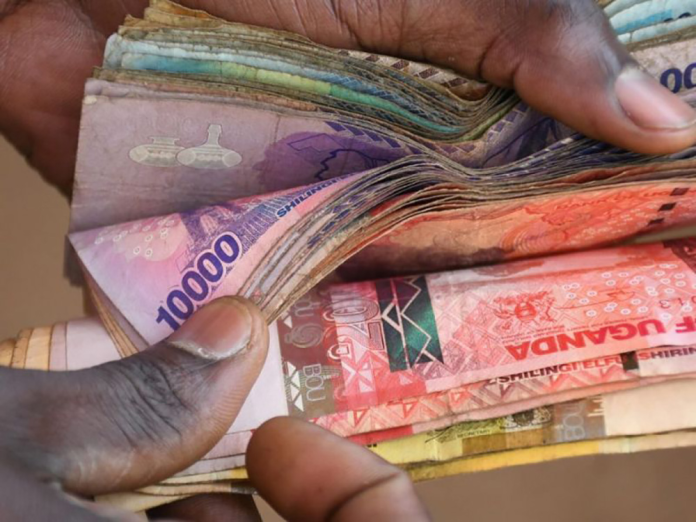
Uganda currency

The Bank of Uganda has reduced the Central Bank Rate for October to 9.75 percent following a decline in inflation.

The Deputy Governor Bank of Uganda, Michael Atingi-Ego has said they were forced to lower the interest rate from 10.0 percent in September 2024 to stimulate economic growth.

“Over the twelve months to September 2024, annual headline and core inflation both averaged 3.2%. Specifically, annual headline and core inflation decreased to 3.0% and 3.7% in September 2024, down from 3.5% and 3.9% in August 2024, respectively. Notably, inflation declined in September 2024, driven by lower oil prices and reduced food prices. The decline in core inflation was primarily attributed to a reduction in services inflation, particularly in passenger transport services,” Dr Atingi-Ego said at a press conference in Kampala on Monday.

This was mainly because of improved export earnings from coffee and gold exports, ease in effects of the global economic shocks like #Covid-19 and the war in Ukraine, the monetary policy tightening, and relative stability of the shilling against the dollar.

Dr Atingi-Ego said that considering these developments, they expect the inflation rate to remain below the target range of 5 percent and can therefore comfortably ease the Monetary Policy to enable support to private sector credit growth.

Borrowing by the private sector has been a bit suppressed, only growing by 6.8 percent over the last financial year, compared to 5.0 percent. However, BoU says that while there is this growth in the increase, it is half of the targeted growth of 13 percent.

The Deputy Governor said that their activities as well as other changes that make the economy safer going forward, have decided to reduce the rate, though cautiously.

“The MPC notes that easing of monetary policy is necessary to keep inflation on track while supporting socio-economic transformation. Any additional changes to the policy rate will continue to rely upon the incoming data and the evolving assessment of risks to guide its decisions,” he said.

Some of the reasons for the low credit uptake are the high interest rates that average 21 percent while the prime lending rates remain at 17 percent, despite public and government outcry.

However, Dr Atingi-Ego says that there remain some risks that could trigger a renewed rise in the inflation rate, including possible effects of the escalation of the geo-political tensions in the Middle East and a rise in agricultural prices, and imported inflation, among others.  

Stories Continues after ad

Man sentenced to nine years in prison over killing wildlife in Kasese

A man has been sentenced to nine years in prison for killing protected wildlife species in Kasese district, in a case that underscores Uganda’s commitment to protecting its wildlife and natural heritage.

The Kasese Chief Magistrate, Her Worship Ojok Betty, handed down the sentence on October 4, 2024, to Mulengya Yowasi, who pleaded guilty to killing several protected animals. Yowasi, who was also fined UGX 8 million, was arrested by the Uganda People’s Defence Forces (UPDF) on June 26, 2024, in Iboga village, Kitswamba sub-county, after a tip-off from local community members.

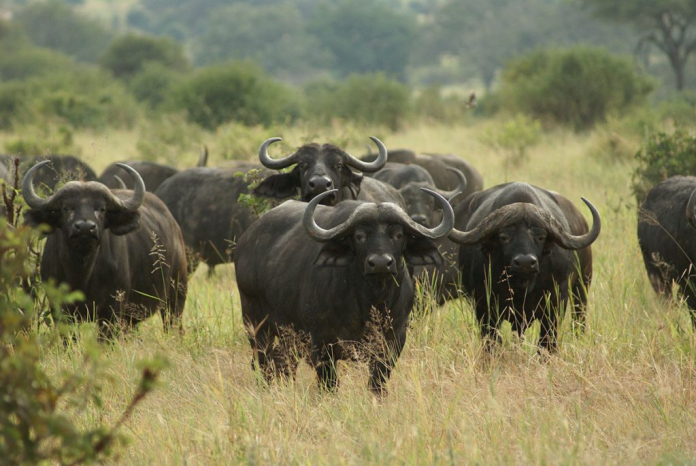
Upon his arrest, Yowasi was found in possession of two buffalo horns, four buffalo hooves, three kilograms of buffalo meat, two kilograms of warthog meat, and a spear. His arrest was part of a coordinated effort between the UPDF, Uganda Police, and the Uganda Wildlife Authority (UWA).

In court, UWA Prosecutor Ngene Reuben presented evidence demonstrating how Yowasi’s actions harmed Uganda’s conservation efforts and its economy.

“The animals killed by Yowasi are critical prey for carnivores such as lions and leopards. Depleting their prey forces these predators to attack livestock, increasing human-wildlife conflict and adding to government compensation costs,” Ngene emphasized.

He urged the court to hand down a strong sentence to deter other would-be offenders.

Yowasi, represented by Counsel Kanyonyi Luke, sought leniency, but the court ruled firmly against his plea. Chief Magistrate Ojok Betty said, “Uganda’s wildlife is integral to the country’s ecological balance and tourism industry. Wildlife crimes such as these will not be tolerated.”

The Uganda Wildlife Authority (UWA) commended the judiciary, UPDF, police, and local communities for their efforts in supporting conservation and combating illegal wildlife activities.

“This sentence serves as a strong signal to deter future offenders. Through ongoing campaigns and enhanced enforcement efforts, we remain steadfast in our mission to protect endangered species and preserve the country’s rich biodiversity,” the UWA stated in a press release.

The UWA reaffirmed its commitment to working with security agencies and communities to safeguard Uganda’s wildlife, noting that poaching and illegal wildlife trade threaten the country’s conservation efforts and undermine the significant role that wildlife plays in the economy, particularly through tourism.

Stories Continues after ad

New World Bank Country Director cautions Uganda to simplify investment and business processes

World Bank’s Country Director for Uganda, Kenya, Rwanda, and Somalia, Mr. Qimiao Fan

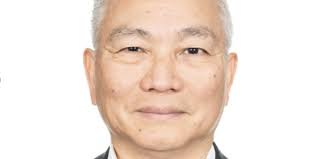
The newly appointed World Bank’s Country Director for Uganda, Kenya, Rwanda, and Somalia, Mr. Qimiao Fan, has called for the simplification of investment and business processes and reduction of business regulation to ease doing business and reduce costs, especially for micro, small and medium enterprises which employ the most people.

Mr. Fan made the call while visiting the Uganda Investment Authority (UIA) and sister agencies in the Uganda Business Facilitation Centre (UBFC) in Kampala.

The UBFC is a Government of Uganda building that houses offices of key investment and business-related agencies: UIA, the Uganda Registration Services Bureau (URSB), the Capital Markets Authority (CMA), and the Presidential CEO Forum.

Its construction was funded by the World Bank under the Competitiveness and Enterprise Development Project (CEDP) to improve the ease of doing business and economic competitiveness. The aim of the one-stop shop is also to increase its effectiveness and to improve service delivery to the business community.

The UBFC also houses UIA-operated One-Stop Centre for Investors, that comprises representatives of key investment and business facilitating agencies, namely UIA, URSB, Uganda Revenue Authority, Kampala Capital City Authority, Uganda National Bureau of Standards, Ministry of Lands, Housing and Urban Development, Directorate of Citizenship and Immigration Control, National Environment Management Authority, National Water and Sewerage Corporation, power utility Umeme, tourism promoter Giants, and Federation of Ugandan Employers.

In his remarks, Mr. Fan said there is a need for the government to look at various laws, policies, and regulations that constrain ease of doing business and streamline or reduce them or update them in order to improve the investment and business climate.

Mr. Fan said accessible and cost-effective investment and business processes, in addition to ease of doing business, also encourage formalisation of MSMEs, hence greater benefits to the economy. He said most MSMEs stay informal because of red tape and formalization costs.

He said the World Bank focuses on supporting MSMEs because not only do they need the most support but also the easier they operate, the greater the benefits for the economy.

Mr. Fan said priority should be placed on making Uganda’s broader investment and business climate, adding that the business environment still needs some support.

The Registrar General of URSB, Mercy Kainobwisho, expressed gratitude to the World Bank for funding the construction of the UBFC and other initiatives that have transformed business registration services.

UIA’s Director Domestic Investment Division, Richard Nuwenyesiga, who represented the Director General, Robert Mukiza, said the World Bank support is translating into increasing investments, noting that foreign direct investment in the year up to August 2024 stood at $3.01 billion.

He said Uganda is solidifying its position as the best investment destination not only in East Africa but Africa as a whole.

Stories Continues after ad

Administration of Parliament (Amendment) Bill 2024 will restrict opposition’s ability to operate effectively- FDC

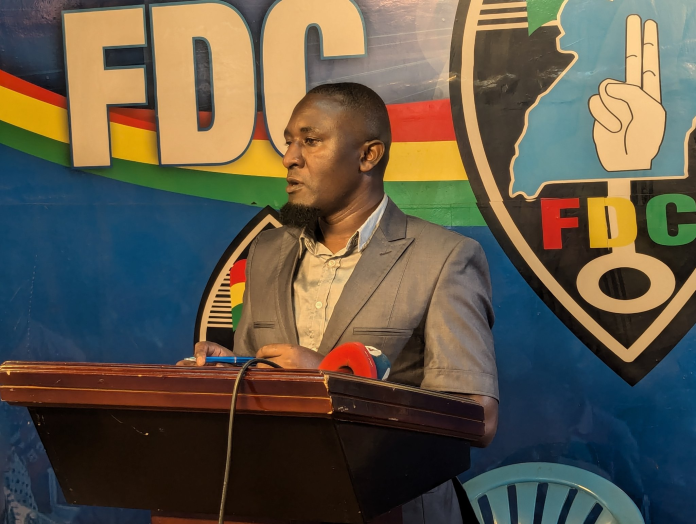
Walid Lubega, FDC Deputy Secretary for Publicity (Publications)

The Forum for Democratic Change party has revealed that the Administration of Parliament (Amendment) Bill 2024 seeking to have the Leader of Opposition voted by opposition MPs from various parties is an attempt by the Government to restrict the opposition’s ability to operate effectively. 

FDC sees this move as a broader pattern of reducing political participation, undermining public institutions, and stifling dissenting voices in Parliament.

Last week on Tuesday, the Mityana County South lawmaker, Richard Lumu Kizito presented the Administration of Parliament (Amendment) Bill, 2024 for the first Reading Parliament.

The object of the bill is to reform the Administration of Parliament Act to provide for the election of the Leader of the Opposition by members of the opposition in Parliament from among the members of the Party in opposition to gov’t having the greatest numerical strength in Parliament rather than having the position appointed by the party with the most seats,  to provide additional grounds upon which the Leader of the Opposition my cease to hold office, to require the shadow cabinet to be approved by members of the opposition Parties, to require the Leader of the Opposition to consult opposition political parties represented in Parliament when appointing chairpersons and deputy chairpersons of standing Committees.

Lubega Walid, FDC Deputy Secretary for Publicity (Publications) said that the party is deeply concerned about the shrinking political space for opposition parties, and the Lumu bill is a prime example of this. Adding, “The FDC strongly opposes the amendment proposed by Hon. Lumu, believing it’s driven by bad faith and aims to disempower opposition political parties.”

“Clause 2 (a) of the Lumu bill which seeks to amend section 8 of the Principal Act is indeed viewed as an avalanche of impunity by the government, this proposed legislation seeks to alter the current system of appointing the Leader of the Opposition (LOP) in Parliament, making it an elected position instead. It diminishes the influence of the main Opposition Party. Political issues within the opposition should not be resolved through legislation,” Lubega said.

Lubega added that it is FDC’s considered opinion that the opposition’s leadership is determined by election results in the general elections. Denying the largest opposition party, the right to appoint the LoP is undemocratic. It can   also be used by the Party in power.

“Clause 3 of the Lumu bill which seeks to amend section 9 of the Principal Act to provide grounds for impeachment of the Leader of Opposition, The Lumu bill has sparked concerns that the ruling NRM party could exploit it to impeach a strong opposition leader, effectively silencing dissenting voices. This fear is rooted in Uganda’s history of restrictive politics, where the ruling party has maintained significant control over the political landscape,” he said.

He added, “If the Lumu bill becomes law, it could further entrench the NRM’s control by allowing the ruling party to manipulate the opposition’s leadership. This could lead to a situation where the Leader of opposition is forced to toe the NRM’s line, fearing impeachment if he/she doesn’t comply.”

Stories Continues after ad

The Economic Impact of Online Casinos in Uganda: Opportunities and Challenges

The Ugandan online casino industry is experiencing rapid growth, driven largely by the widespread use of internet-enabled mobile devices and the increasing popularity of digital platforms that allow gamblers to place bets from the comfort of their homes.

As more Ugandans participate in online wagering, this trend brings both positive and negative consequences for the country. On the one hand, the government and relevant authorities benefit from significant tax revenue generated by online gambling platforms. On the other hand, these platforms are draining the finances of many citizens, particularly young people aged 18 to 30, leaving them vulnerable to economic hardship.

The Role of the NGBU

The legal framework for online gambling in Uganda makes it one of the few African countries where gambling is fully legalized. Since betting is legal, Ugandan citizens are free to explore trusted online casino reviews to help them choose the platform that best suits their gambling needs. These reviews play a crucial role in guiding players to reliable platforms, ensuring a safer gaming experience.

It’s important to note that the National Gaming Board of Uganda (NGBU) is the regulatory authority overseeing the casino industry. The NGBU is responsible for issuing licenses to lotteries, online casino platforms, sports betting facilities, and other gambling-related services.

Since the Ugandan Lotteries and Gaming Act was enacted in 2016, its primary role has been to regulate all forms of wagering activities in the country, including sports betting and lotteries. Some of its key responsibilities include:

  • Establishing Uganda’s National Gaming Board
  • Forming the country’s Data Protection Laws and Regulations
  • Overseeing the creation of the National Information Technology Authority
  • Developing a regulatory framework for the gaming industry
  • Setting compliance requirements and license submission criteria
  • Determining licensing fees for online lotteries and casinos, among other duties.

Economic Opportunities Created by Online Casinos

In Uganda, the rapid expansion of casinos, lotteries, and sports betting has led to significant growth in the gambling industry, resulting in an increase in job opportunities across the country. Many gaming venues source employees from the local communities, providing both direct employment at gambling facilities and indirect employment in related sectors. While this has had a positive impact on the population, it is important to note that many of these positions are part-time, with relatively low wages. Eligible candidates typically need skills in areas such as security, crowd control, card dealing, computer operations, or accounting to qualify for these roles. There are also issues due to the fact that 74% of Uganda’s population is illiterate, so they may not even qualify for these positions.

Another significant economic impact of online casinos in Uganda is reflected in the country’s taxation system, which has generated substantial revenue for the authorities. Over the past few decades, gaming-related tax revenues have increased more than thirty-fold. For instance, while the 2002/03 collection stood at UGX 0.24 billion, the 2012/13 figures reached UGX 7.4 billion. In the 2014/15 budget, Uganda introduced a new 15% tax on gambling winnings, leading to a rapid increase in gaming revenue, with reports showing a four-fold boost. Despite these improvements, the Ugandan government still views the gaming sector as having untapped potential for further tax revenue.

Challenges Facing Uganda’s Online Casino Market

While the tax revenue generated from Uganda’s casino industry is a welcome contribution to the economy, the sector has also introduced several undesirable socio-economic challenges, making it problematic for both citizens and policymakers. Excessive gambling can lead to chronic addiction, which often results in financial distress within families.

When financial hardship increases at the family level, it triggers negative external effects within communities, such as rising individual debt and higher crime rates. This has created an urgent need to strike a balance between capitalizing on the revenue potential of gambling while addressing its socio-economic costs. The Ugandan government aims to address this issue by closely supervising and regulating gaming institutions to ensure they adhere to a code of conduct designed to hold them accountable.

However, studies suggest that the government’s push to regulate and legalize wagering is primarily motivated by a desire to boost tax revenue, rather than a focus on mitigating the social costs associated with gambling.

The impact of gambling in Uganda varies across different socioeconomic groups. Those from lower-income backgrounds tend to lose a larger portion of their earnings compared to higher-income individuals. This issue is especially prevalent among the youth, many of whom are trapped in a cycle of betting their limited earnings in the hopes of winning a jackpot. Unfortunately, the negative consequences of gambling extend beyond compulsive players and affect their immediate and extended families.

Uganda’s regulatory authorities are now tasked with educating the youth that gambling should be treated as a form of entertainment, not a means of earning income or sustaining a livelihood.

The Future of Uganda’s Online Casino Sector

While the economic feasibility of wagering and its influence on society continues to spark heated debate in Uganda, the EPRC (Economic Policy Research Centre) is conducting research to examine the applicability of gaming and lottery in the country’s context, including its socio-economic effects/ implications. The intention of the study is to have a good understanding of how gaming and lottery influence different aspects of economy and welfare, which Ugandan demographic is most affected; and to standardize the country’s regulatory outline against other nations that have legitimized wagering and reaped tons of benefits from it with negligible social costs. 

The authorities in Uganda are banking on findings from this ongoing study to make informed decisions on the country’s policy creation in the gaming landscape. While waiting for the outcome of the study, Uganda is holding on from licensing new gambling companies, and for the already licensed ones, their licenses will not be renewed upon expiration. Wrapping up, it is clear that gambling has brought some good to Uganda, but you cannot take away the fact that it also came with a lot of challenges which are proving to be quite insurmountable to the government. However, the gambling authorities in the country have put a lot of measures in place to curtail addictive gambling and when the result of the current study is released, Uganda is likely to overhaul its gaming regulations.

Stories Continues after ad

Victoria University mourns its Council chairman Kahenano

RIP Joram Kahenano.

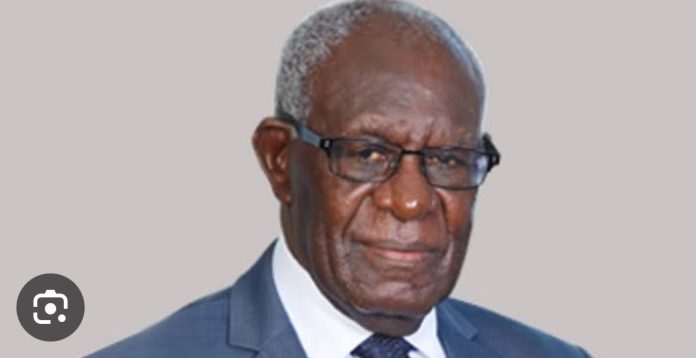
Victoria University is mourning the passing on of their council chairperson Mr Joram Kahenano.

His passing on was announced by the university Vice Chancellor Dr Lawrence Muganga.

“Dear All, It is with a heavy heart that I share the sad news of the passing of our esteemed Chairman of Council, Mr. Joram Kahenano, who left us earlier today” Dr Muganga said in a statement posted on his X handle.

The Vice Chancellor said Mr. Kahenano was not only a visionary leader but also a pillar of strength and wisdom for our university community. His unwavering dedication to Victoria University.

“His profound contributions to our growth, and his passionate commitment to our mission will forever be etched in our hearts. The warmth and guidance he provided have left an indelible mark on each of us. In this time of sorrow, let us come together as a family to honor his memory and provide support to one another. We will update you regarding funeral arrangements as more details become available”.

Mr Kahenano has been praised for his visionary leadership of the council that has enable the university to a modern high institution of learning within a short period of time.

Stories Continues after ad

Gen Muhoozi gives 3-day ultimatum to US Ambassador to apologize to Museveni or leave Uganda

Chief of Defence Forces, Gen. Muhoozi.

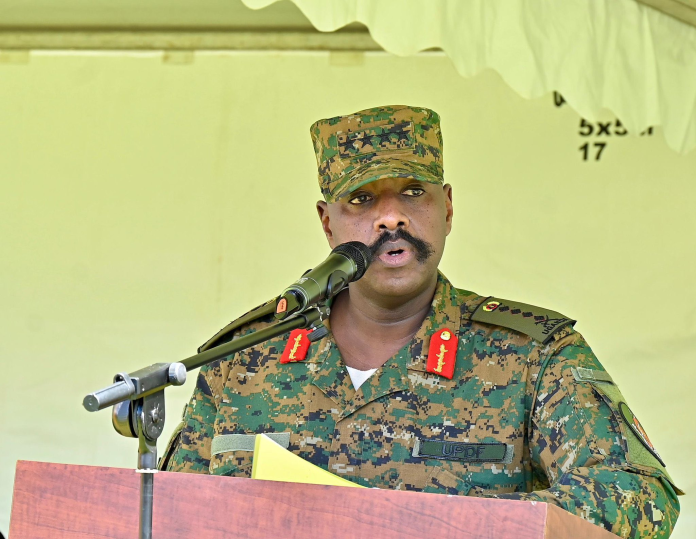
General Muhoozi Kainerugaba, Chief of the Defence Forces (CDF) has issued a stern ultimatum of three days to the current United States Ambassador in Uganda, William Popp demanding a personal apology to President Yoweri Museveni or else he faces expulsion from the country.

Muhoozi’s statement is not known as to why he is ordering the Ambassador to make a personal apology since he is well-known for his posts on X (formerly Twitter) which are always antagonistic.

In a deep thought, Muhoozi might have based on the United States directive to sanction four Ugandan Police officers over allegations of human rights violations.

 “If this current US Ambassador does not apologize to Mzee personally by Monday morning (9.00 am), we will demand he leaves Uganda. We have no problem with the USA, as I have said many times, it is a country we love and admire. But lately, we have a lot of evidence that they have been working against the NRM government,” Muhoozi continued.

He roared, “I haven’t forgotten about the US Ambassador. He will leave on Monday if he doesn’t personally apologize to Mzee.”

In the statements, he lauded Ugandans that it is his solemn duty to announce as a nation they are about to have a serious confrontation with the current US Ambassador to Uganda for disrespecting the country’s beloved and celebrated President and for undermining the constitution of Uganda.

He further assured Ugandans that this was a national issue, not a private disagreement, signaling a firm stand against foreign influence.

“This is not a personal issue between me and the current US Ambassador; this is a national issue, and you’ll see that NO foreign country will ever dominate Uganda again!” he vowed.

The ultimatum has sparked debate and speculation about the potential fallout between Uganda and one of its significant international partners, the United States although Muhoozi acknowledged that the historical ties between the two nations are strong.

Stories Continues after ad

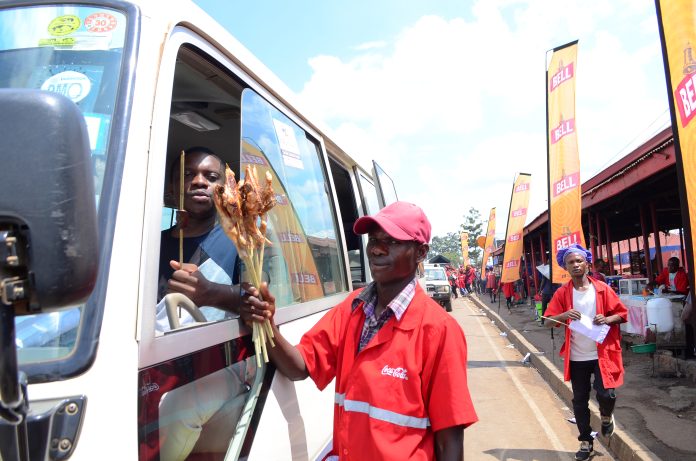
Uganda Breweries announces call for businesses to provide goods and services 2024 Bell Obafest

Uganda Breweries is seeking vendors for the second edition of Bell ObaFest providing opportunities for businesses in food and beverages, fashion, music and arts to participate as persons with disabilities and women owned businesses are strongly encouraged to apply.

“Following the successful first edition last year which attracted over 4000 revellers, we are currently onboarding vendors who will enhance the festival experience providing essential and related goods and services. We will onboard approximately 30 businesses, the majority being SMEs. We believe that with the extension of the event to a three-day festival, this will provide a good income generating opportunity since we intend to grow our number of attendees to over 20,000 people,” said Elizabeth Mutamuliza, Marketing Manager – Beer at Uganda Breweries Limited.

The event set a record last year as the first inclusive event, catering to the needs of persons with disabilities. This agenda falls under the Uganda Breweries commitment to inclusion and diversity through deliberate efforts to increase spend to diverse-owned, and disadvantaged businesses each year until 2030.

Insights from the Uganda Bureau of Statistics (UBOS) indicate that the services sector where entertainment belongs, contributes Shs47.1 trillion to Uganda’s economy through taxation which is attributed to opportunities availed to the different players within the entertainment value chain through platforms like Bell ObaFest.

Uganda’s creative industry favours youth and women encompassing arts, fashion, crafts, advertising, design, entertainment, literature, film and media, and has become a vital force in accelerating human development and driving job creation and livelihood opportunities.

Elizabeth added that Uganda Breweries is committed to doing business the right way and placing positive societal impact at the heart of its business strategy, through an ongoing Environmental, Social and Governance (ESG) action plan. Through the 10-year action plan, the business will create a more inclusive and sustainable environment with 50% beneficiaries of its community programs being women to enhance diversity and inclusion of underrepresented groups.

“We are fueled by the ambition to become Africa’s most sustainable festival by 2030 and Bell ObaFest is taking significant steps to minimize environmental impact and ensure a greener and more responsible festival experience. We also intend to ensure that we minimize our environmental impact by working with creatives to find unique solutions to ensure proper waste management and recycling practices. Last year we managed to recycle 83% of waste generated at the event in partnership with Asante Waste Management Ltd. We welcome ideas to do even better this year,” Elizabeth added.

Stories Continues after ad

Kabira Country Club to celebrate Uganda’s 62nd Independence Day with a Grand Roast

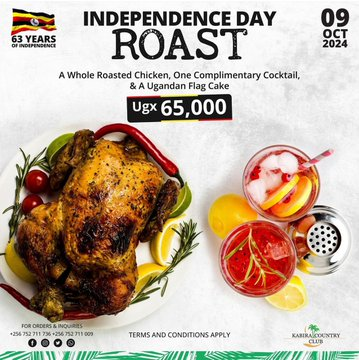
As Uganda approaches its 62nd Independence Day, city tycoon Sudhir Ruparelia’s Kabira Country Club is gearing up to host a spectacular celebration like no other. This October 9, the luxurious facility in Bukoto will treat revelers to an unforgettable “Independence Day Roast,” combining delicious food, refreshing drinks, and patriotic pride, all for just Shs65,000.

What’s on the menu? A mouth-watering whole roasted chicken, a complimentary cocktail to toast to freedom, and a specially crafted cake inspired by the colors of the Ugandan flag—guaranteeing both visual and culinary delight.

The event promises not only a feast but also an atmosphere of vibrant national pride and celebration. Whether you’re gathering with family, friends, or colleagues, Kabira Country Club’s lavish ambiance will set the perfect tone for the historic day.

To ensure you don’t miss out on this grand experience, simply reserve your spot by calling 0752 711 009 or by reaching out through Kabira’s social media channels.

But that’s not all, Kabira Country Club’s expansion project is also nearing completion, bringing exciting new features to this already iconic venue.

A representative from Vcon Construction Uganda Limited, owned by renowned businessman Sudhir Ruparelia, confirmed that the expansion is now in its final stages. The new-look Kabira Country Club will boast a state-of-the-art shopping mall, 350 fully furnished luxury apartments, and a five-star hotel with over 110 square meters of premier accommodations.

This expansion will elevate Kabira Country Club to a five-star status, as recognized by the Uganda Tourism Board, transforming it into one of Uganda’s most prestigious recreational hubs.

So, whether you are there to enjoy the Independence Day Roast or looking forward to the soon-to-be-completed amenities, Kabira Country Club is the place to be this October!

Stories Continues after ad