Stanbic Bank
Stanbic Bank
17.8 C
Kampala
Stanbic Bank
Stanbic Bank
Home Blog Page 2073

NTV faces ‘disappearing act’ blow over staff sent to cover UNAA Convention

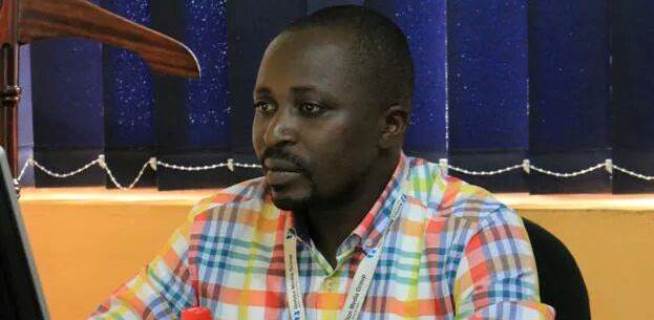
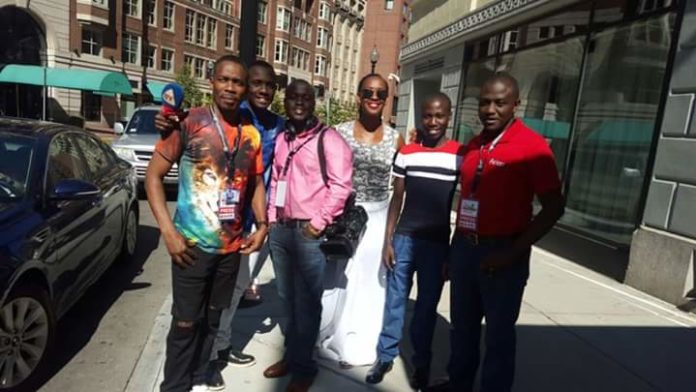
The NTV employees at the UNAA Convention pose for a group photo in Boston, US.

We have already heard of the Ugandans who escaped from their hotels in the US, where they had travelled to attend the Uganda North America Association (UNAA) convention in Boston that ended Sunday. Six of them are reportedly from the Ebonies Drama group.

But those may not be the only ones to look for the ‘big pie’ in Uncle Sam’s country, while in search of the American Dream.

And now reports are emerging that the Serena Conference Centre-based Nation TV might lose eight employees; cameraman Peter Sserwanga, Miles Rwamiti, Moses Mulondo, Raymond Walusimbi and Maurice Ochol are reportedly all out for a ‘disappearing act’.

According to a source, speaking on condition of anonymity, Sserwanga has reportedly found himself a Ugandan lady based in the US, and is willing to settle there with her. Little is known as to what will happen to his wife and child back home.

As for Miles Rwamiti, he has reportedly been around aged white ladies throughout his one week stay in Obamaland, and it is believed he has left no stone unturned as he hunts for a way to see he doesn’t return to Kampala’s dusty roads.

For Mulondo and Walusimbi, they reportedly used the trip to tour some of the biggest shops in Boston and New York. Indeed, according to the source, the two are now window-shopping despite Mulondo initially trying to buy a few clothes.

SHOPPING? Moses Mulondo in a clothes' store, looking out for apparel to 'buy'.
SHOPPING? Moses Mulondo in a clothes’ store, looking out for apparel to ‘buy’.

“He had picked a few T-shirts from the shelves but on presenting them at the counter, he realised they were not as cheap as he had thought. He took them back to the shelves and has since stuck to window-shopping,” the source said.

As for Ochol, the source said, he has stuck by the over 50 Ugandan MPs who travelled for the UNAA event, tight-marking them from his arrival that side to date. And if he were to get ‘bread’ from every MP as has been doing, he is likely to quit work for he would be having “enough money to start up a reasonable investment,” the source said.

So, according to the source, it is only Ochol who might return to Uganda.

I AM ALSO HERE: Sheilah gashumba in the US
I AM ALSO HERE: Sheilah Gashumba in the US

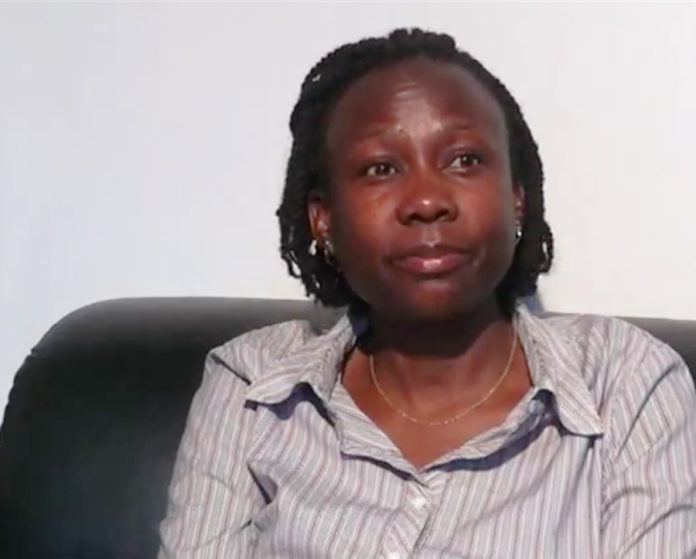
Meanwhile, another NTV staff, Sheilah Gashumba is also reportedly still in the US two days after the UNAA convention ended, and little is known about her plans to return following the refusal by her employer to include her on the official NTV list of those who travelled.



Stories Continues after ad

‘Police tormentors’ of Besigye supporters have case to answer, police says

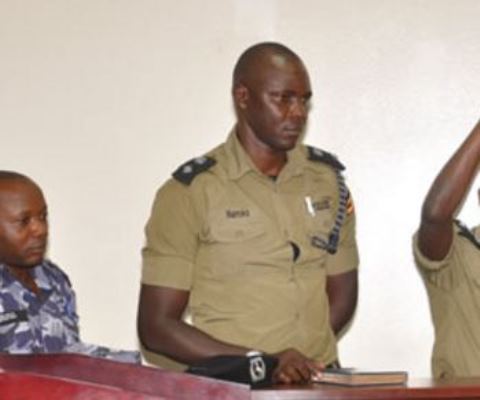
TO DEFEND SELF: Ex Wandegeya DPC, Moses Nanoka appearing before the Police Disciplinary Court.

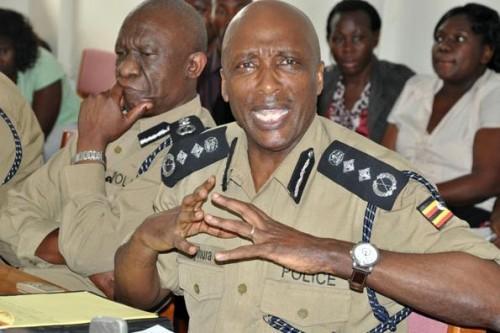
After a series of pre-trial sessions held at the police disciplinary court at Naguru, all the nine police officers and one ‘crime preventer’ accused of beating up supporters of Dr Kizza Besigye have a case to answer, the police court has declared.

The suspects were sent to the police disciplinary court at the intervention of police boss General Kale Kayihura, following allegations that they conducted themselves in an unprofessional manner while on duty during processions by supporters of key opposition figure Dr Besigye, after he was released from Luzira following a two-month incarceration on charges of treason.

ORDERED PROSECUTION: IGP General Kale Kayihura
ORDERED PROSECUTION: IGP General Kale Kayihura (foreground).

At first Gen Kayihura had praised his officers for ‘a job well executed’ but then turned around and ordered their prosecution after watching footage about the fracas that took place along the Entebbe and Kasangati roads on two consecutive days that followed Dr Besigye’s release on bail by Nakawa High Court Judge Masalu Musene.

The officers were then charged with use of excessive force while conducting their duties before court presided over by Senior Commissioner of Police (SCP) Dennis Odongpiny.

The officers, Senior Superintendents of Police (SSP) Samuel Bamuzibire and Andrew Kaggwa, Superintendent of Police (SP) Moses Nanoka, and Assistant Superintendent of Police (ASP) Patrick Muhumuza were jointly on a holding charge of ‘neglect of duty’, contrary Section 44 Subsection 1 code 19A of the Police Act. The four also face two other charges of unlawful/unnecessary conduct of authority and discreditable/irregular conduct with Police Constables Robert Wanzaala, Willy Kalyango, Sula Kato, Deneth Muhangi, Moses Agaba and crime preventer Dan Tandeka.

According to prosecution, the extra charges are contrary to Section 44 of the Police Act, subsection 1 code 24b and subsection 1 code 12, respectively.

Of the 10 police officers facing trial, only SP Nanoka and PC Wanzala were ready to begin their defence while the rest asked for time to prepare their defence by Wednesday, September 14.

And when he took to the stand, Mr Nanoka said he did not see any of his officers beating up the civilians because he was preoccupied with other responsibilities. Nanoka also denied taking part in any form of assault, and said he would produce two witnesses to testify in his defense.

As for PC Wanzaala, he told court that he only held a cane which he used to scare away people near the patrol pickup on which he was deployed.

Stories Continues after ad

South Sudan deposits ratification instruments with EAC SG

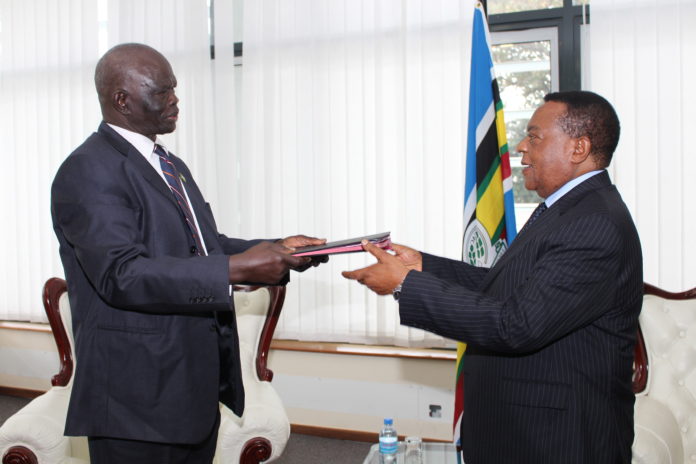
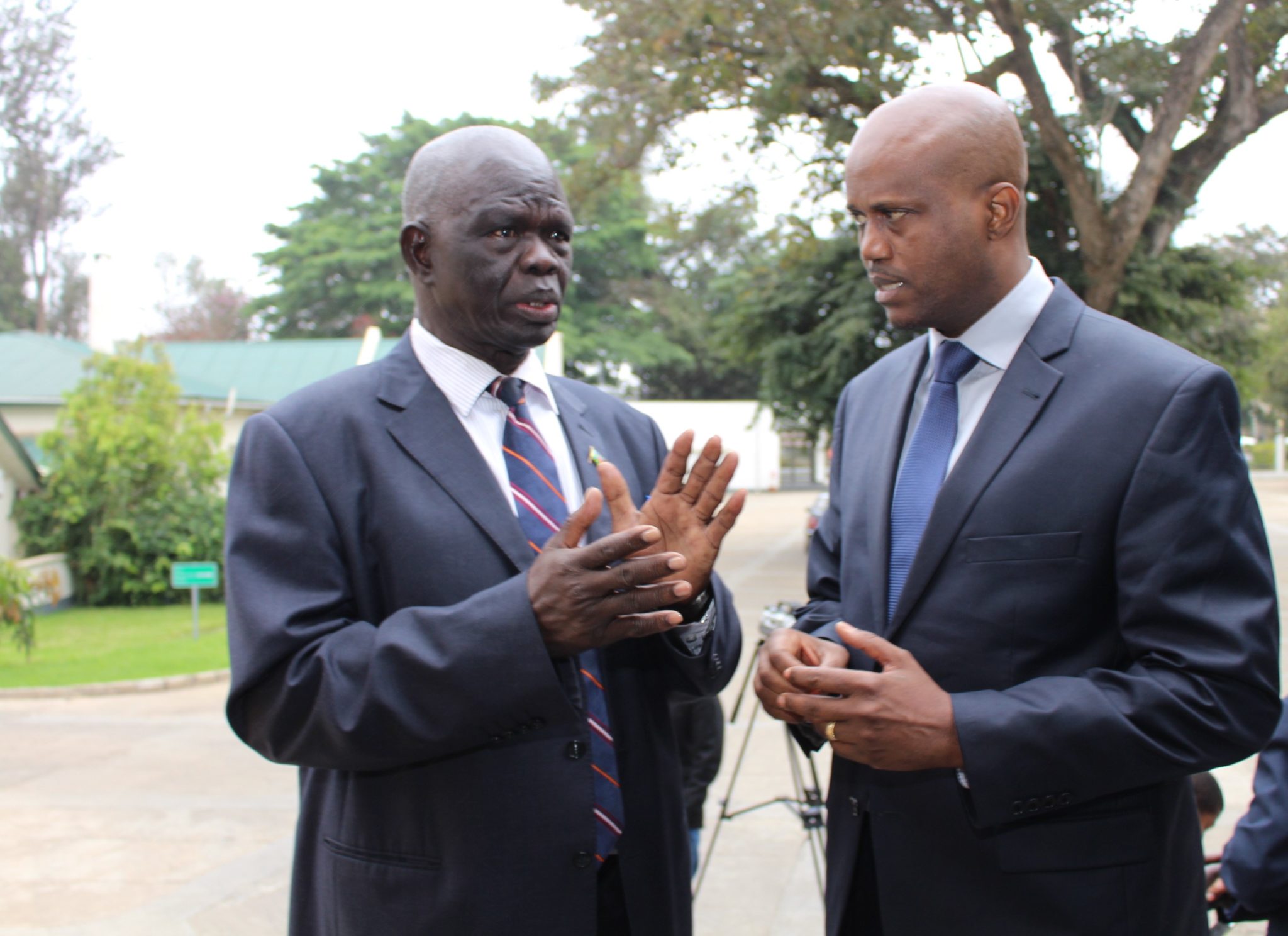
Chair of the EAC Council of Ministers, Amb. Dr. Augustine Mahiga receives document of instrument of ratification from H. E. Hon. Aggrey Tisa SabunI

Just days after ratifying the Accession to the Treaty for the Establishment of the East African Community, South Sudan has today deposited the qualified instrument of ratification to the Secretary General Ambassador Liberat Mfumukeko at the EAC Headquarters in Arusha, Tanzania.

The depositing of the instrument with the EAC Secretary General means South Sudan is now a new family member of the bloc with full and equal rights, obligations and privileges.

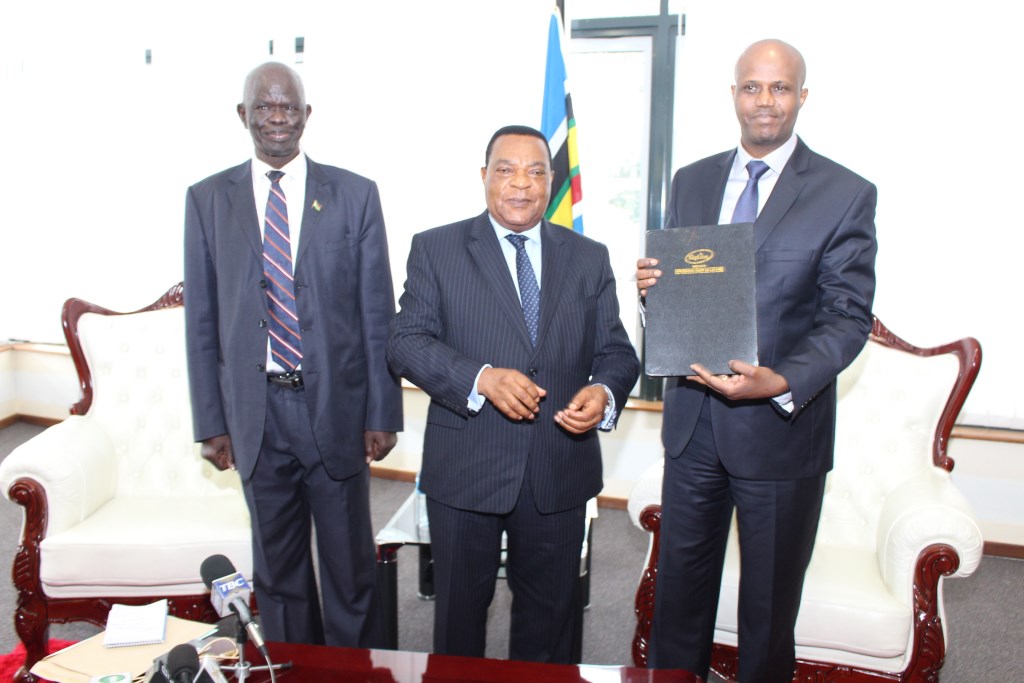
 Secretary General of the East African Community (EAC) Amb. Liberat Mfumukeko displays document of instrument of ratification from S.Sudan
Secretary General of the East African Community (EAC) Amb. Liberat Mfumukeko displays document of instrument of ratification from S.Sudan

‘’I would, therefore, like to seize this opportunity to commend President Salva Kiir, the Government and the entire people of the Republic of South Sudan for their tireless efforts and commitment that enabled them to achieve this important milestone,” the Secretary General said at a brief ceremony attended by the Chair of the EAC Council of Ministers and Tanzania’s Minister of Foreign Affairs and East African Cooperation, Amb Dr Augustine Mahiga.

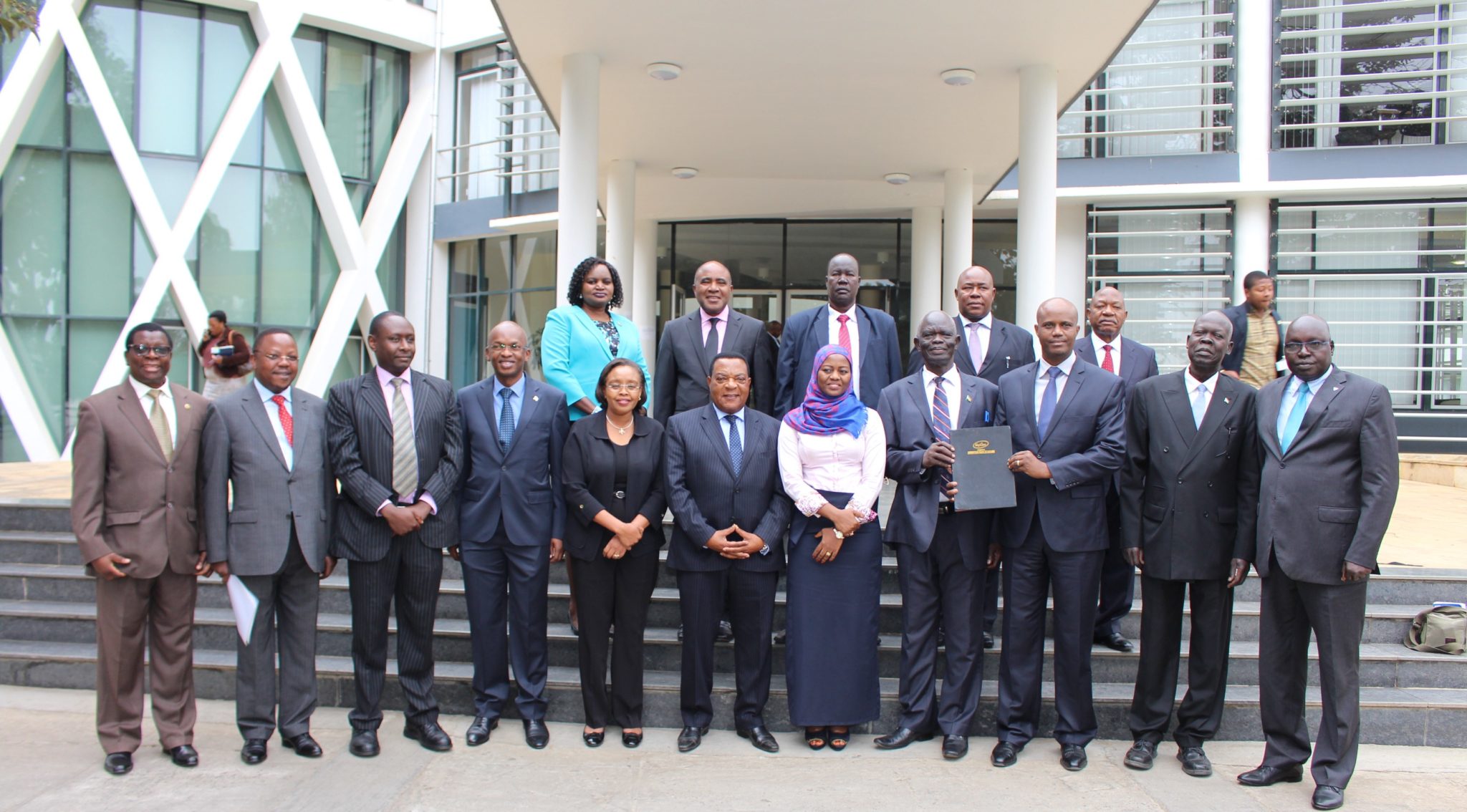
A group photo opportunity, delegation from South Sudan, EAC Partners States Ministers, EAC Executives and other officials

Others present included Kenya’s Cabinet Secretary, Ministry of East African Community, Labour and Social Protection, Phyllis Kandie; Burundi’s Minister of Foreign Affairs Alain Aime Nyamitwe, and the one in the Office of the President responsible for EAC Affairs, Hon. Leontine Nzeyimana; Permanent Secretaries/ Principal Secretaries from Partner States, EAC Deputy Secretaries Generals, Counsel to the Community and members of media.

Those who represented South Sudan included Secretary General, South Sudan EAC Secretariat, Mou Mou Athian Kuol, South Sudan Ambassador to Tanzania, Mariano Deng Ngor, Director of East African Community, Ministry of Foreign Affairs and International Cooperation, Amb. Agnes Oswaha and Legal Counsel, Ministry of Justice and Constitutional Affairs, South Sudan, Lawrence Loro Kamilo.

Presidential Envoy of the Republic of South Sudan, H. E. Hon. Aggrey Tisa SabunI having chat with Amb. Liberat Mfumukeko. All photo courtesy of EAC.

Amb. Mfumukeko disclosed  that now that South Sudan have taken a step further, the Secretariat will seek guidance from the Council of Ministers on developing a detailed roadmap for integrating the war-ravaged country into the ongoing EAC projects and programmes.

“We shall be informing the Leardership in Juba of every step we shall be taking in this regard”.

The EAC Chief called upon the media to fully participate in integrating the Republic of South Sudan in the EAC by reporting objectively on the issues at hand.

He said EAC attaches great importance to the role of the Media in promoting awareness, discourse and involvement of the broad range of stakeholders in the East African regional integration process.

On his part, the Presidential Envoy of South Sudan Aggrey Tisa Sabuni, said membership in EAC means that the country will never be the same again.

“The EAC integration process is important for South Sudan. Currently, the EAC is the most advanced Regional bloc on the African continent,” Mr Sabuni said, adding: “deep regional integration programmes that South Sudan shall soon undertake are likely to enhance overall EAC competitiveness which will lead to higher economic growth, employment creation and poverty reduction”.

South Sudan applied to join the EAC on June 10, 2011, and was admitted to the bloc on March March 2 this year during the 17th Ordinary Summit of the EAC Heads of State.


Stories Continues after ad

SGR to cost US$20bn in EAC region

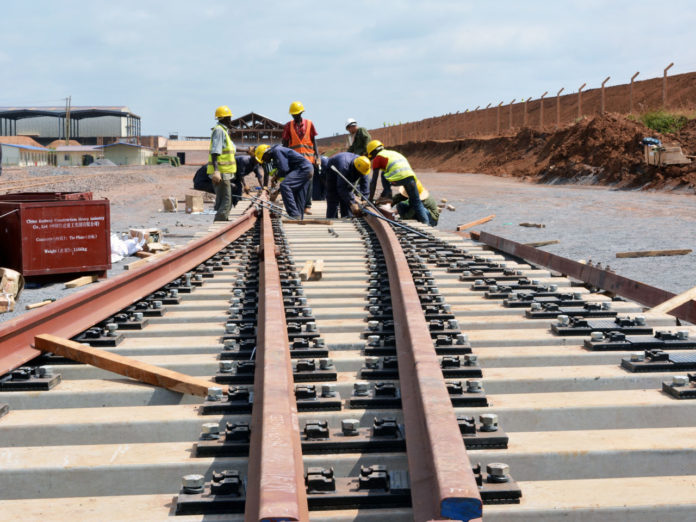
TAKING SHAPE: The Kenya section of Standard Gauge Railway (SGR). Photo credit/http://constructionreviewonline.com

The construction of the Standard Gauge Railway (SGR) in the East African Community (EAC) region will cost the participating countries US$20 billion, the SGR Director Derrick Lichti, has said.

Mr Lichti made the revelation during a media interview in Kigali, Rwanda, where he is attending the Global African investment Summit (GAIS) that focused among other issues industrialization, trade and Infrastructure development.

The SGR is a component of the East African Railway Master Plan that aims at rejuvenating the obsolete railway system in the EAC and Horn of Africa countries of Kenya, Uganda, Rwanda, Burundi, South Sudan and Ethiopia.

In Uganda, the SGR construction contract worth US$8 billion (approx.Ughs20 trillion) was awarded to the Chinese firm, the China Harbour Engineering Company (CHEC) in August 2014. And, in March last year the government rededicated itself to the construction of SGR, sealing the CHEC deal to also construct the Malaba-Kampala and Kampala-Katuna sections of the railway line.

Other sections of the SGR in Uganda include Kampala-Kasese and Kampala-Nimule, at the border with South Sudan.


Stories Continues after ad

Media: Shake-up at Monitor

Eaten big, Mr Charles Odoobo Bichachi.

Nation Media Group, the mother company of the Monitor Publications Limited has made changes at the Daily Monitor, elevating Managing Editor, Charles Odoobo Bichachi to Executive Editor.

In the changes announced by the NMG Editorial Director, Tom Mushindi, Mr Tabu Butagira, who has been Associate Editor Business and Features is now Managing Editor (Content), while Mr Richard Oundo, who has been Revise Editor, is now Managing Editor in charge of Production.

Long serving Public Affairs/Opinions Editor, Margaret Vuchiri is the new Managing Editor in charge of dailies while Allan Chekwech, who has been the Chief Sub Editor, is now Managing Editor Weekends. Ms Carol Beyanga remains Managing Editor digital.


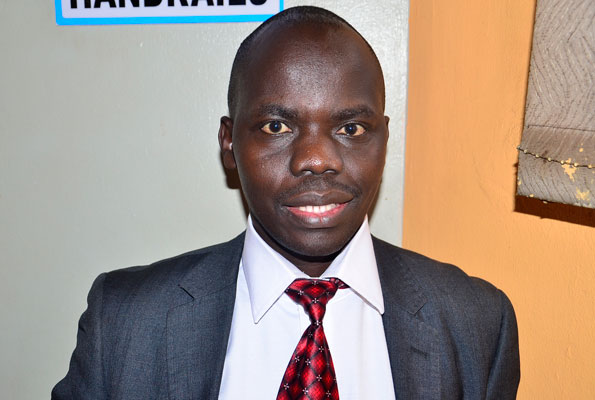
Tabu

Mr Butagira.

In the new changes, Japheth Obuku is the new Chief Sub Editor, while Mr Alex Atuhaire remains Investigations Editor.

A source close to the MPL said two senior editors that everybody thought would be elevated to higher ranks but have remained in the positions. He named Patrick Matsiko Wamucori, who remains Weekend editor and Henry Ochieng who remains Political Editor.

EagleOnline has also reliably learnt that from today, the Monitor newsroom is shifting their focus to digital as the print becomes secondary.

“So all the positions are aligned to enable us smoothly transition to digital first. We have to protect the newspaper by having enterprise journalism,” Mr Mushindi wrote to the Namuwongo newsroom.

The changes come at a time when former Deputy News Editor in charge of up-country news, Henry Mukasa threw in the towel and joined the United Nations Development Programme (UNDP).


Remains Investigation Editor, Alex Atuhaire.

Bichachi becomes the fourth Executive Editor of the Daily Monitor since the position was created. The first EE was Dr Peter Mwesige, who is now the Executive Director of the African Centre for Media Excellence, who was succeeded by Mr. David Ssepuuya who served for a short stint after he was reportedly internally fought and eventually pushed out.

Ssepuuya was succeeded by two whites, Mr Simon Freeman and Malcolm Gibson.

Meanwhile, the changes at MPL come at a time when government is considering digital media/publications as one of the major news dissemination platforms.

READ MORE: Gov’t lays new strategies for media advertising


Stories Continues after ad

US$22bn needed by UN to tackle global humanitarian crises

An image by UNOCHA showing a map of the worst-hit crisis areas in the world. Photo credit/unocha.org

The United Nations-coordinated appeals and refugee response plans as covered by the Global Humanitarian Overview (GHO) require US$21.7 billion to meet the needs of 95.4 million people affected by humanitarian crises in 40 countries.

Global requirements are adjusted throughout the year as response plans are revised, both upwards and downwards, to reflect up-to-date needs, and the
current decrease has resulted from revisions of plans for Ethiopia, Afghanistan and Yemen, a release by the UN Office for the Coordination of Humanitarian Affairs, reflecting the status as of August 31, indicates.

The Ethiopia Humanitarian Requirements Document (HRD) now requests US$1.6 billion to respond to the needs of 9.7 million people affected by El Niño, while in Afghanistan there is a US$54 million reduction in the overall ask from US$393 to $339 million.

The reductions reflect funding constraints impacting the ability to implement programmes, realistic absorption capacity and capability to deliver in the coming six months. Humanitarian actors have reached 2.1 million people with aid. The HRP for Yemen now requires US$1.6 billion to respond to the needs of 12.6 million people. Some 6.9 million people have received assistance in 22 Governorates.
Funding for the Syria Humanitarian Response Plan (HRP) and the Syria Regional Refugee and Resilience Plan (3RP) is at 34 per cent and 47 per cent respectively.

Although the London conference saw record-level pledges, disbursements are urgently required to allow organizations to scale up or sustain operations in Syria and the region. With the highly prioritised Iraq 2016 Humanitarian Response Plan only 53 per cent funded, operational partners have urgently appealed for additional $284 million to prepare for the humanitarian impact of the operation to retake Mosul from the Islamic State of Iraq and the Levant (ISIL).

The 2016 humanitarian response plans (HRPs) for Nigeria, Niger, Chad and Cameroon contain components to respond to the Lake Chad Basin crisis and have appealed for $559 million to scale up their operations. The Cadre Harmonisé report for August notes that 65,000 people in North-East Nigeria are experiencing famine, more than 1 million people are in emergency, while about 3.3 million are in crisis. Please see icon overleaf for information on other urgent funding needs.

Additionally, El Niño’s impact on people’s food security and agricultural livelihoods, will continue through the next growing season, with the impact on health, nutrition, water and sanitation likely to grow throughout the year.
Eastern and Southern Africa are the most affected regions with the effects likely to last well into 2017. Some 23 countries have presented costed response plans with total requirements of $5 billion.

On 16 August, the Emergency Relief Coordinator released $50 million from the Central Emergency Response Fund (CERF) for severely underfunded aid operations in Yemen, the Democratic Republic Congo, Chad, Central African Republic, Rwanda and Eritrea. The latest rapid response allocations include aid for Syrian refugees in Jordan and an allocation to Niger. CERF has allocated a total of $291 million in 2016 thus far. The Fund has received $345 million for 2016 as of the end of August, and continues to anticipate a funding gap of $50 million on the $450 million annual funding target.

Meanwhile, 18 Member States have contributed $465 million in 2016. OCHA manages 18 CBPFs in the world’s worst crises, where these funds have allocated $339 million to aid agencies: 19 per cent to national NGOs; 47 per cent to international NGOs; 34 per cent to UN agencies. According to UNOCHA, CBPFs continue to be one of the largest direct sources of funding to local and national frontline responders.


Stories Continues after ad

Uganda declared Yellow Fever free

Health Minister Dr Jane Ruth Aceng

The Ministry of Health has declared Uganda free of yellow fever following an outbreak that affected seven people in three mid southwest districts, and claimed the lives of four others mid this year.

On June 1 this year, just two weeks before she was appointed health minister, Dr Jane Ruth Aceng, the then Director General of Health Services, announced that no new cases had been found in the three affected districts of Masaka, Rukungiri and Kalangala.

In her letter however, Dr Aceng said yellow fever had pitched at over 90 per cent, scaling the World Health Organisation (WHO) recognized percentage of 80.

She added that at the time the vaccines for yellow fever were in ‘short supply globally’.

At the time Dr Aceng also said that the National Taskforce Surveillance team would remain in the affected districts to monitor the progress.


Stories Continues after ad

Queen of Katwe to premiere in Kampala next month

Lupita Nyong'o and Madina Nalwanga star in the triumphant true story QUEEN OF KATWE, directed by Mira Nair.

Queen of Katwe, a film starring Oscar winner Lupita Nyong’o and Selma leading actor David Oyelewo is set to premiere next month (October 1) at Century Cinemax in Kampala.

According to Satish Guna, the Century Cinemax Manager, the exclusive red carpet event which also marks the Disney-produced motion picture’s African premiere, will be graced by the entire cast and crew and other big names from the world of cinema production.

Shot on location in Kampala early last year, Queen of Katwe chronicles the story of 20-year-old Phiona Mutesi from a homeless girl growing up in the rough city slum to a world chess champion.

The film is an adaptation of American journalist Tim Crothers’ best-selling book, The Queen of Katwe: A Story of Life, Chess, and One Extraordinary Girl’s Dream of Becoming a Grandmaster, which itself was first published as a magazine article in ESPN.

The two-hour film casts newcomer actress Madina Nalwanga as Mutesi while Nyong’o and Oyelewo play her mother Harriet and Coach Katende, respectively.

Hollywood-based Ugandan actor Ntare Mwine, singer Maurice Kirya and Ugandan actress Esther Tebandeke also feature in supporting roles.

In a related development the biopic film directed by Mira Nair is set to have its world premiere a few days from now at the Toronto International Film Festival (TIFF) in Canada, after which it will have a limited release across North America on September 23.

Its general worldwide theatrical release is slated for September 30 with the $15m (about Shs 50.7bn) budget feature expected to start showing in other cinemas in African on October 7.


Stories Continues after ad

NRM cadres ‘eat big’ from Museveni Hajj sponsorship

The men and women sponsored by Preisent Yoweri Museveni for the annual Muslim pilgrimage, Hajj

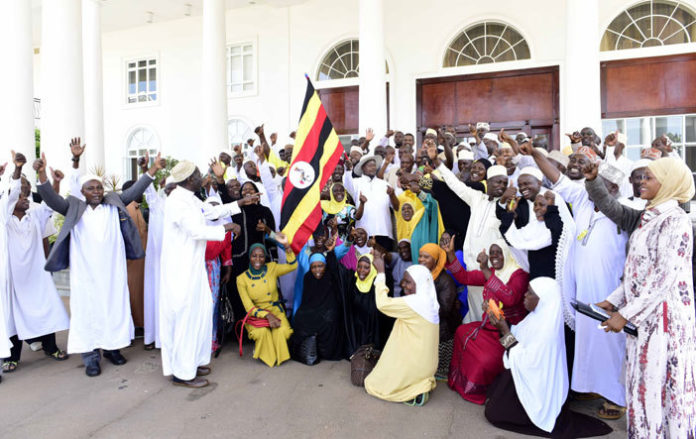
President Yoweri Museveni on Saturday flagged off a group of 103 Muslim pilgrims to Mecca, Saudi Arabia for the annual pilgrimage, Hajj. Their trip was fully sponsored by the President and his Sudan counterpart Omar al-Bashir.

A statement from the NRM Secretariat indicates that the delegation is comprised of 68 men and 35 women, however, EagleOnline has learnt that almost all the beneficiaries of the sponsorship are NRM cadres who were instrumental in ensuring the re-election of President Museveni and among them is Senior Presidential Advisor Hajji Abbey Mukwaya, Kyotera Member of Parliament and State Minister for Microfinance Haruna Kyeyune Kasolo, former KCCA councilor Salim Uhuru Saad, former New Vision Journalist Ahmed Kateregga Musaazi, Mbale NRM party chairperson Mohamood Masaba Mutenyo and Rubaga NRM chairperson Ibrahim Kitatta.

On average the Hajj costs Ugandan pilgrims anywhere between US$4,000 and US$4,700 (approx. Shs15m), without pocket money.

Hajj is the fifth and last pillar of Islam, where Muslims all over the world make pilgrimage to the Holy city of Mecca.


Stories Continues after ad

‘Indefatigable’ Stella Nyanzi back with a bang

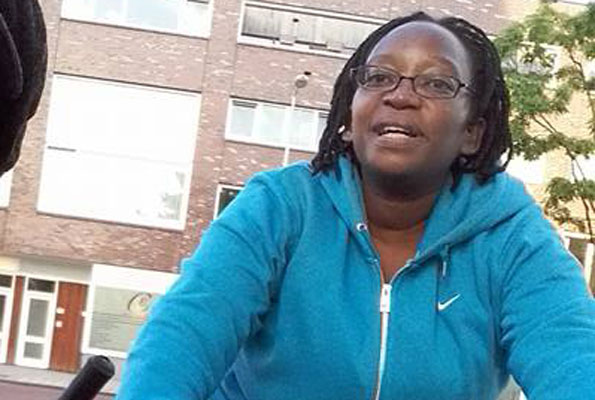
BACK WITH A BANG: Dr Stella Nyanzi.

Many might have missed her tirades for sometime now after she flew out to South Africa for a research fellowship but the former Makerere University researcher, Stella Nyanzi, still has her minds back home in Uganda.

And so she began her Tuesday on a bitter note, scoffing at Ugandans born during the Idi Amin regime by referring to them as ‘foolish, impotent middle-aged Ugandans’.

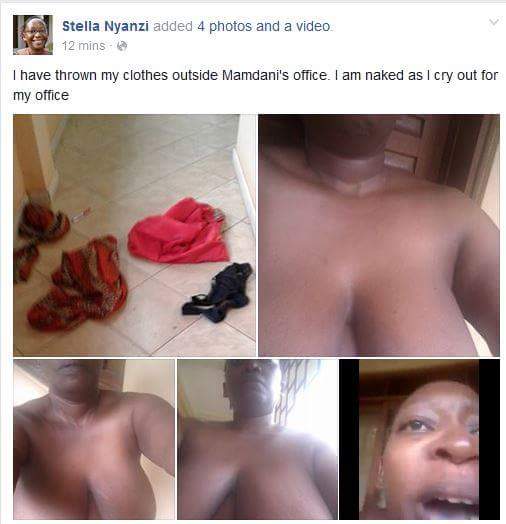
Photos of Dr Stella Nyanzi's clothes after she undressed at Makerere University.
Photos of Dr Stella Nyanzi’s clothes after she undressed at Makerere University.

Dr Stella Nyanzi, who undressed after her office at the Makerere Institute of Social Research (MISR) had been locked on instructions of the Executive Director Prof Mahmood Mamdani, now feels that the generation of Ugandans born between January 1971 and April 1979, of which she is part, have let down the country.

“My generation is a total sellout to our country. I was born in 1974. So I am referring to all those Ugandans who were born in the Idi Amin regime of the 70s. We are in our 40s or thereabouts. When it comes to Uganda, we are toothless, ball-less, zombies, Judases, docile puppets!, she ranted.

“How can we allow men (it is mostly men and a few eating women) in their seventies to comfortably continue messing up all the public institutions in Uganda? Who bewitched us? Who knocked out our teeth? Who castrated us? What will it take for us to embrace our role of redeeming Uganda and her public institutions? Aaaaarrrrggghhh!” reads her Tuesday post on Facebook.

She further adds that Instead of members of her generation ousting the ‘reigning menaces in our country and its public institutions’: “We say, “Yes, Boss!” “Okay please, Boss!” “I agree, Boss!” “You are right Boss!” Instead of challenging the tyrannical, corrupt, oppressive regimes that are rampant in our day, we idolise them, she adds.

“We are busy romancing with them in their own beds. Instead of organising to expose and kick the snakes out of the affairs of our land, we organise better ways of eating fatter bribes that buy our silence and complicity. Sellouts, just,” she further states.

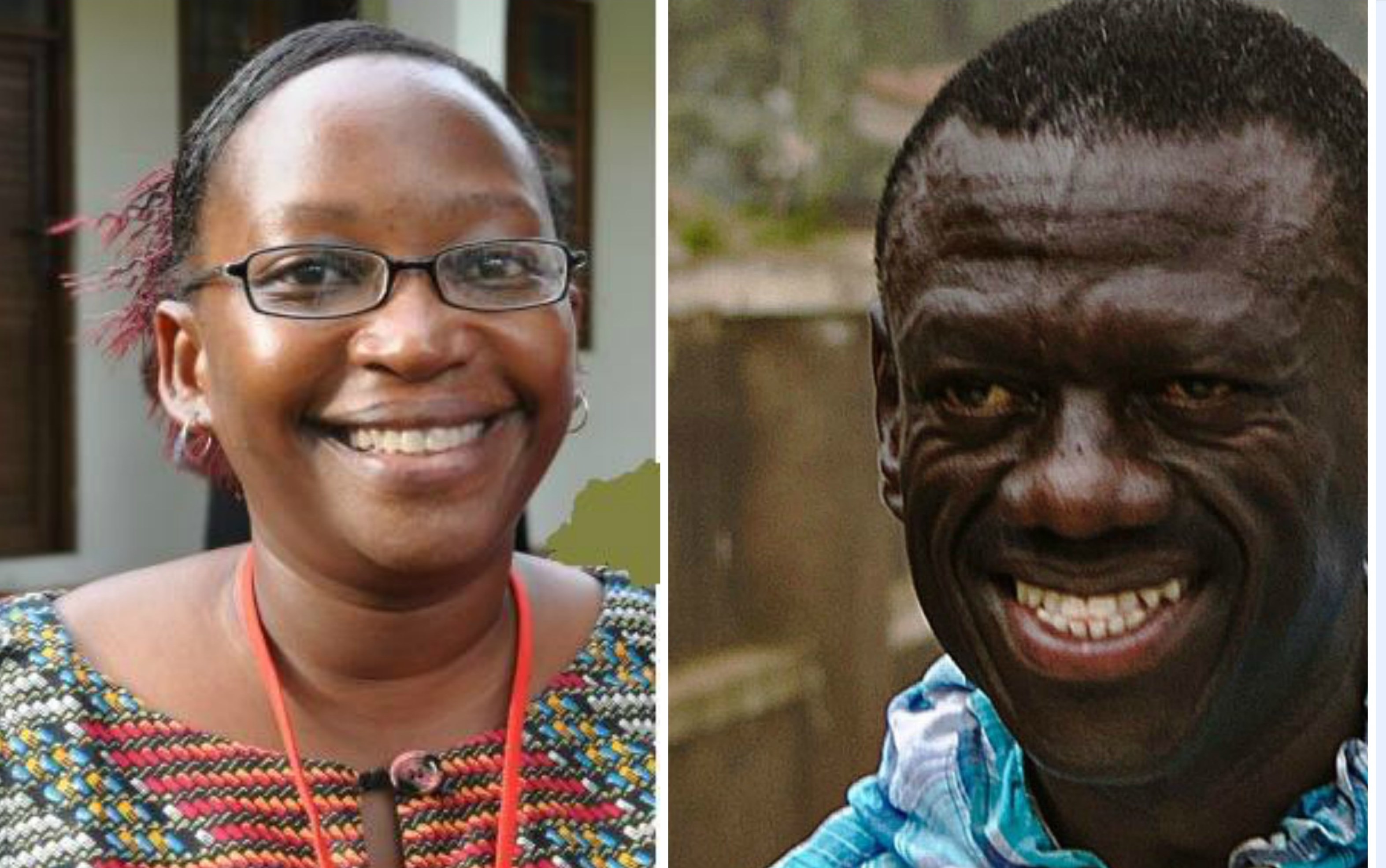
Stella Nyanzi (L) is a staunch supporter of Dr Kizza Besigye, the opposition FDC flag bearer in the 2016 presidential elections.

Stella Nyanzi was among the people who criticized the conduct and results of the February 18 presidential elections; she supported and rallied her ‘followers’ to vote for Dr Kizza Besigye, the presidential candidate of the biggest opposition party, the Forum for Democratic Change (FDC).

Indeed, many believe this cost her job at the public university, Makerere University, where she was as a researcher. She is currently working as a researcher at Stellenbosch Institute of Advanced Studies.


Stories Continues after ad