Stanbic Bank
Stanbic Bank
20.7 C
Kampala
Stanbic Bank
Stanbic Bank
Home Blog Page 2124

Museveni to Soldiers: unity is the medicine for Uganda’s prosperity

PRESIDENT Yoweri Museveni has said for Uganda to proposer and develop, its citizens must remain united and fight all forms of sectarianism.

“Unity is a prescription for the people of Uganda to be prosperous. You need patriotism not tribalism or religious sectarianism,” he said.

The President was on Friday, July 8,2016 delivering a lecture on Local, Regional and Global strategy on development to 270 officers currently undertaking a cadet course at the Uganda Military Academy in Kabamba. The officers will pass out on   Oct 5, 2016.

The President gave an in-depth overview of the principles of his National Resistance Movement (NRM) revolution and the need to always emphasize linkages between people rather than their differences.
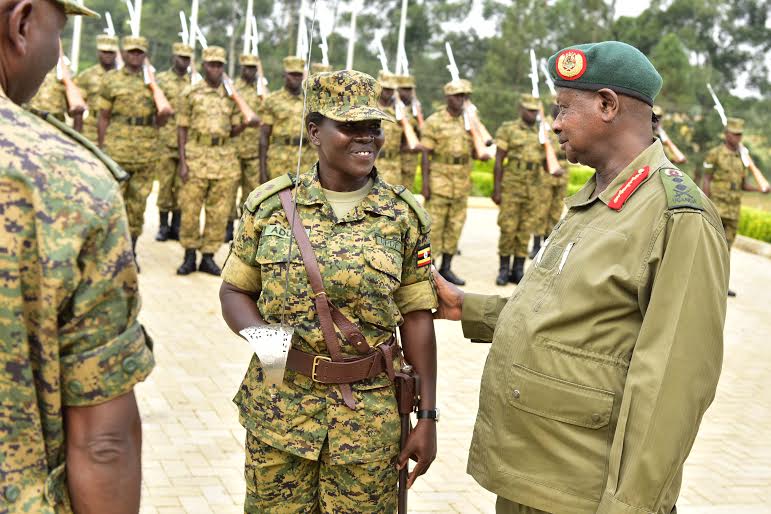
 

kabamba2

“Your country Uganda is a rich country in terms of natural resources and with a population of 38 million up from 14 million in 1986. Initially, it had problems of management disabled by wrong principles. What we need is unity, not sectarianism and tribal identity,” he said.

The President said the NRM revolution rejected the politics of sectarianism, describing it as a misdiagnosis of concentrating on identity that resulted into the collapse of the economy. He highlighted the principles of the NRM revolution as Patriotism, Pan Africanism, Social economic transformation and democracy among others calling on the officers to always be mindful of these principles for the good of all Ugandans.
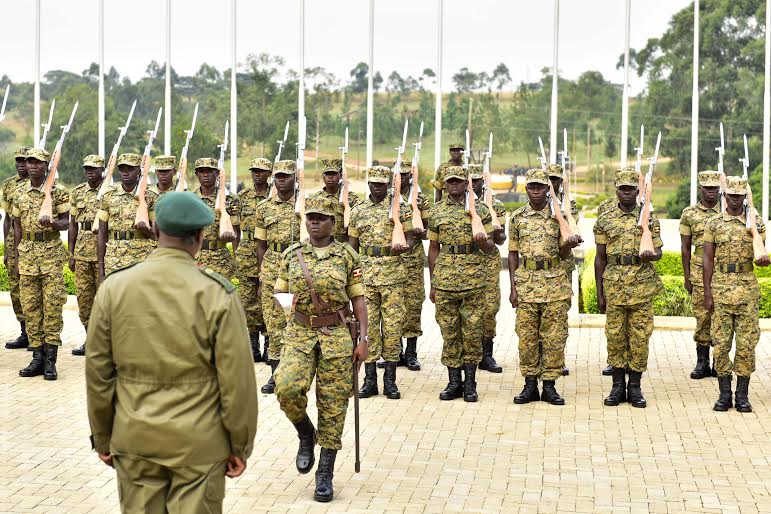
 

kabamba3

“If you don’t sort out issues of principle, it’s like being in the army without knowing how to use a compass. You can get lost. You must have principles to guide you,” he said.

On social economic transformation, Museveni called for a shift from manual to intellectual labour through education and skills in order to change the structure of society.

“We have been telling people we must have household incomes and food security. We need commercialization of the economy through modern agro production, industrialization, services, ICT and the civil service, the main sources of employment,” he said.

He called on the officers to always ask what will help them in their lives including getting education, good health, wealth creation, transport and prosperity.

He warned them against social indiscipline for a better life.
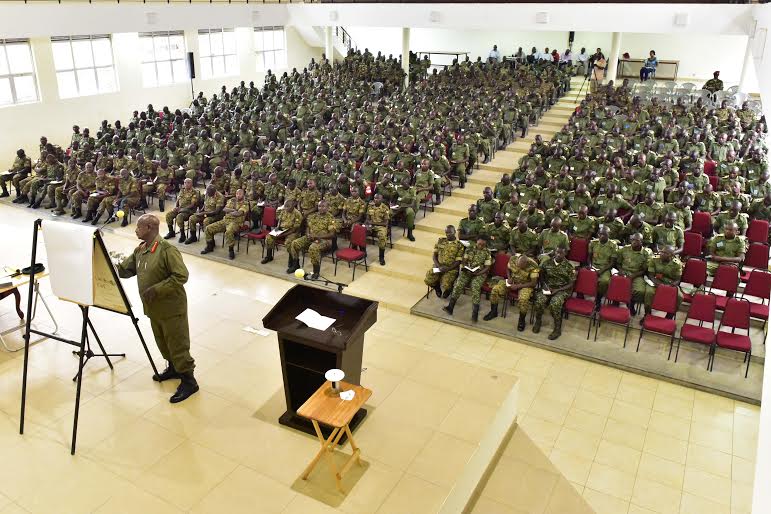
kabamba4

“Stay away from social indiscipline, you find people with 50 children. Instead of ranching cows, they are ranching children and then you hear them say Abaana bandemire (I have failed to look after my children).

The Academy Commandant, Brig. Emmanuel Musinguzi, thanked the President for the lecture saying it would help the cadets in their personal and career lives.

Moving a vote of thanks on behalf of other officers, Cadet Mangeni Emmanuel, said the general knowledge they got will enrich them at the academy and thereafter.

 

Stories Continues after ad

Victoria University starts regional Nurses and Midwives conferences on ICT and Research

Dr Stephen Robert Isabalija, the Vice Chancellor of Victoria University.

Victoria University has started its first ever regional Nurses and Midwives ICT and Research workshops.

Following a needs assessment conducted by Victoria University from 2014-2015 among nurses in Uganda regarding their education, practice, training and regulation needs. It was identified that the greatest need was limited knowledge in research and ICT especially in the area of transforming evidence into best practice using technology.

It is to this effect that the university has organized workshops around the country in different areas like Mbarara, Gulu, Mbale, Hoima and Kampala. The purpose of the workshops therefore is to straighten capacity among nurses and midwives of all ranks and cadres in research and ICT skills.

“Our key goal is building and strengthening capacity among the available human resources for health (HRH) using affordable and socially acceptable methods. We hope that this will lead to more evidence based practice and thus help nurses and midwives play a more pivotal role in reduction on some key health indicators like maternal, newborn and infant mortality” reads the statement from Victoria University.

The University has invited nurses and midwives of all grades in Uganda as the university plans to have more workshops on an annual basis in different regions of the country.

The workshops shall be held as per the needs that will be recommended from the ongoing workshops.

Also part of the university future plans, is to partner with key stakeholders in the nursing and midwifery fraternity like the Uganda Nurses and Midwives Council, Uganda Nurses and Midwives Union, Uganda Private Midwives Association, Ministry of Health , UNFPA and several others to ensure that these workshops reach as many nurses and midwives in country as possible.

The programme will be held as per the dates below;

  • Mbarara ; 7th -10th July 2016                 Fee : 50,000
  • Gulu : 14th -17th July 2016                 Fee : 70,000
  • Mbale : 21st-24th July 2016                 Fee : 50,000
  • Hoima : 28th-31st July 2016                 Fee : 50,000
  • Kampala: 5th August -7th August 2016 Fee : 50,000


Stories Continues after ad

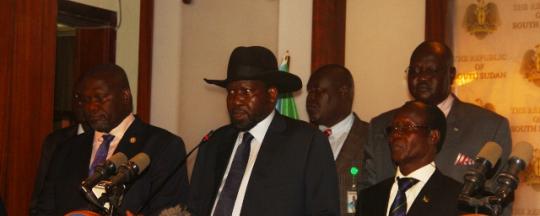
JUST IN: Kiir, Machar appeal for calm amid gunfire

President Kiir, VPs Machar and Igga addressing the nation about the ongoing fighting in Juba.

SOUTH Sudan’s President Salva Kiir, first Vice President Riek Machar, and Vice President stood together and spoke while gunfire echoed outside the presidential palace in the capital Juba Friday night.

Heavy gunfire including artillery fire has been heard from around the Presidential compound since about 5:30 pm. Tanks were seen moving around the compound.

According to Kiir, the three men were meeting to discuss the incident of Thursday night when five soldiers were killed in a skirmish in Gudele between SPLA and SPLA-IO forces.

“What is happening outside is something that we cannot explain to you,” said Kiir. “Three of us were sitting inside here meeting, discussing the situation of yesterday what happened in Gudele and then talking about what we can do in the implementation of the agreement and to build confidence among the forces and the civil population.”

“So now this thing have started before we could even finish and we were actually after finishing I was going to give a statement on the occasion of the independence of South Sudan tomorrow, and then Dr. Riek was also going to make statement reassuring people about what happened yesterday.”

Machar repeated that the three men were meeting to discuss the recent incident, and appealed for citizens to remain calm.

“This is a very unfortunate incident which none of us really knows what has happened, all we want to tell our public now is that they should remain calm, they should remain calm, this incident also will be controlled, and measures will be taken so that peace is restored even to the heart of the city itself,” Machar said.

Machar said they will overcome this incident and that is why the three are sitting together.

For his part, Igga said: “We were addressing the issue of yesterday where the shooting actually happened so that we take concrete steps toward that and then we were entering into the occassion of tomorrow where the president was going to address you…and what happened outside none of us here knows, so we will have to really investigate and take really severe measures against anybody who started this uncalled for fight this evening.”

According to a witness, there is more heavy gunfire exchanged at Juba Bridge around Gumbo area, spreading toward Cherikat, causing citizens to flee.

Meanwhile, James Magok Chilim, director for South Sudan Broadcasting Corporation, appeared on SSBC and asked the public not to run but to remain in their homes.

Source

Radio Tamazuj

Stories Continues after ad

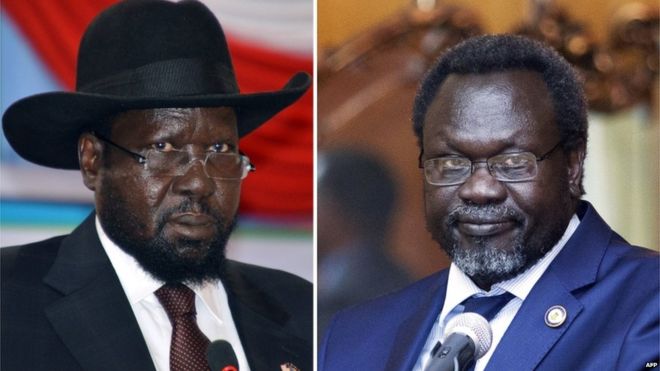
Five soldiers killed in shooting in Juba as Machar, Kiir fight for supremacy

ACCUSED OF WAR PROFITEERING: President Salva Kiir and his former deputy, Riek Machar.

FIVE South Sudanese government soldiers were killed in a shootout late Thursday between opposing army factions in the capital, a military official said Friday, and the U.N. mission reported an attack on a senior official amid fears of a return to civil war in the world’s newest country.

A convoy of soldiers loyal to former rebel leader and sitting First Vice President Riek Machar opened fire on a checkpoint in Juba manned by troops from President Salva Kiir’s faction, said Lul Ruai Koang, a spokesman for government troops. Koang said five soldiers were killed.

“We returned fire but it was limited fire,” he said.

But Machar’s faction accused Kiir’s soldiers of firing on an opposition convoy as it approached the checkpoint in the Gudele area of Juba. Two soldiers from his side were wounded, said William Gatjieth, a spokesman for Machar’s group.

The violence echoed the skirmish between soldiers in Juba in December 2013 that sparked the country’s civil war in which tens of thousands of people were killed. The new fighting comes just before South Sudan marks its fifth independence anniversary on Saturday.

Separately, the U.N. mission reported an “indiscriminate shooting attack on a senior United Nations agency official” on Thursday evening in the Tomping area of Juba. The U.N. statement urged South Sudan authorities to investigate what it called a “grave violation” of the Status of Forces Agreement between South Sudan’s government and the U.N.

A U.N. source identified the U.N. official as Salah Khaled, the UNESCO country director. The source insisted on speaking on condition of anonymity for fear of retribution from security forces in Juba.

South Sudan’s opposing army factions have been stationed in Juba since April, part of a peace deal signed last year to unite the warring sides. They are meant to hold joint patrols to keep peace in the city, but they have yet to work together in Juba and remain stationed in separate areas.

The government forces should allow former opposition soldiers to join them at checkpoints and carry out security operations together, said Gatjieth, the spokesman for Machar’s faction.

South Sudan is at risk of returning to full-scale war because the two sides are not showing willingness to implement security arrangements, the conflict research group International Crisis Group warned last week.

In a statement Friday, the Joint Monitoring and Evaluation Commission that monitors the cease-fire said the recent fighting in many parts of the country could be in “flagrant violation” of the peace deal, and it said security in the capital was “deteriorating.”

As a result of the rising tensions in Juba, international organizations have limited their movements in recent days. The U.N. mission said it had stepped up patrols around its base but would not increase patrols in the capital.

“The danger all along is with so many soldiers in this so-called demilitarized city of Juba that some kind of spark could set the whole thing off,” said John Young, a South Sudan expert with the Geneva-based Small Arms Survey research group.


Stories Continues after ad

The Ugandan MP, the Shs5m and removal of the age limit clause

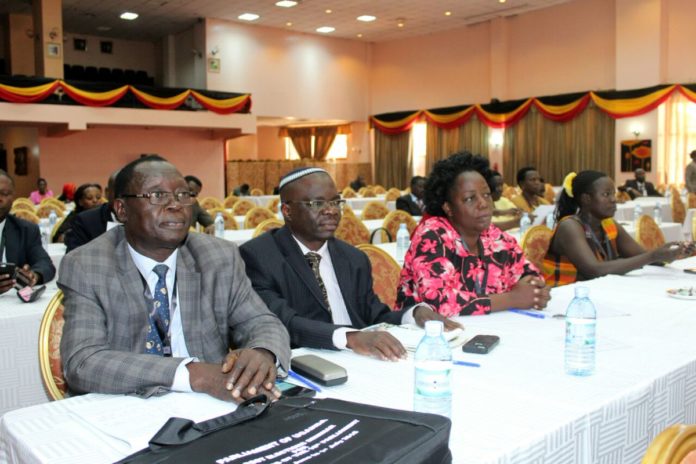
MPs attending the recent induction of legislators.

Recently, during the induction of the new Members of the 10th Parliament, Ndorwa East MP Wilfred Niwagaba urged his colleagues to desist from the temptation of being bribed by the Executive, or any other section of society.

‘Talk is that the price tag for MPs is Shs5 million. I urge the 10th Parliament not to carry that tag,’ Niwagaba, an outspoken legislator, who subscribes to the ruling National Resistance Movement (NRM), said.

Outspoken Ndorwa East MP Wilfred Niwagaba cautioned fellow MPs to resist the Shs5 million tag.

Mr Niwagaba’s remarks are not a type of new music to the ears of most Ugandans who are conversant with the current political dynamics, where ‘commercial enterprise’ has infiltrated politics. It is, therefore, not surprising that over the years several MPs have lost their seats following allegations of voter bribery, an indicator of how the Ugandan moral fabric has degenerated over the years.

That noted however, the most discernible form of bribery was in 2005 when MPs of the 7th Parliament were doled with Shs5 million to remove term limits, as had been enshrined in the 1995 Constitution.

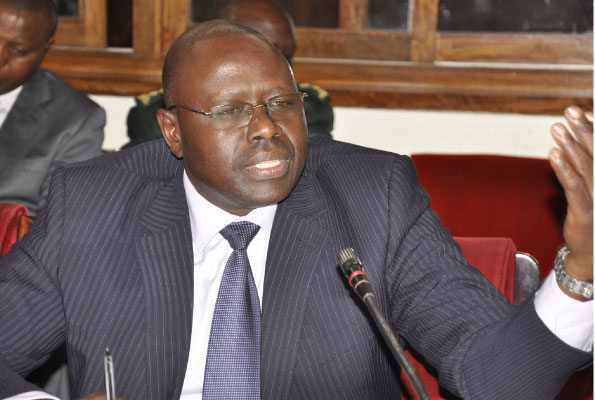
LIFTED THE LID ON 'THIRD TERM' BRIBERY: Lwemiyaga MP Theodore Sekikubo
LIFTED THE LID ON ‘THIRD TERM’ BRIBERY: Lwemiyaga MP Theodore Sekikubo

This act, made public by Lwemiyaga MP Theodore Sekikubo, reportedly marked the beginning of bribery of members of the august house by the Executive as we know it today and just recently, before the new MPs of the 10th Parliament swore in, President Yoweri Museveni gave each NRM MP Shs5 million to ‘hold celebratory parties’ and also to help them ‘clear some debts they had (allegedly) incurred during the electioneering’ process.

“I had to rescue my MPs; the politics has currently been spolit but people should know that politics is voluntary work unlike the private sector which people just enter to make profits,” Mr Museveni reportedly said of his gesture.

QUESTIONED NRM SOURCE OF FUNDS: Mukono Municipality MP Betty Bakireke Nambooze

However, the gesture was heavily criticized by the opposition led by Mukono Municipality legislator Betty Nambooze Bakireke, who charged that the money was meant to influence the re-election of Jacob Oulanyah as Deputy Speaker. The fiery legislator, known for her acerbic attacks against the NRM, even dared Mr Museveni to declare the source of funding for the MPs booty, to which the NRM chairman answered that he had gotten the funds from ‘different sources’.

There have been several instances where MPs have been the beneficiaries of presidential bounties outside their formal salary and perks’ structure, an anomaly that drains the national coffers just to satisfy the privileged class, usually in exchange for a prize bull targeted by the Executive.

Fortunately, some members of the privileged class have held their heads high and rejected the dubious overtures to the delight and admiration of many a Ugandan tax payer. That sets these very few MPs apart.

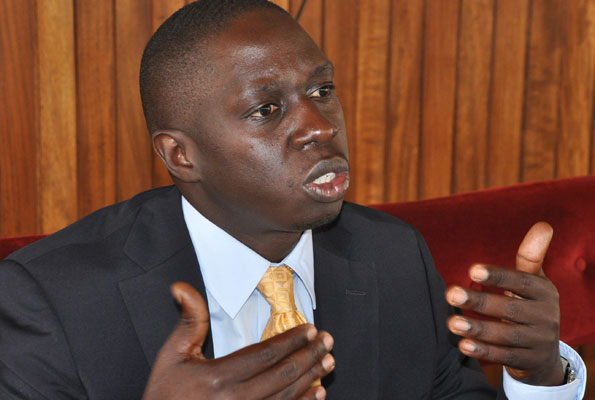
REJECTED MONEY: Kampala Central MP Muhammad Nsereko

In 2013, Mr Museveni directed the Clerk to Parliament to give MPs Shs5 million as ‘facilitation’ to ‘consult’ on the Divorce and Marriage Bill 2009, but outspoken NRM supporter, Kampala Central MP Muhammad Nsereko returned the money saying it could pay 15 civil servants. His colleague, opposition Forum for Democratic Change MP William Nzoghu, also returned the money saying he ‘was not sure the money was ‘genuine’.

Towards the 2011 elections, the MPs were in for yet another bounty, when they received Shs20 million ostensibly to monitor government projects including the National Agricultural Advisory Services (Naads) projects in their constituencies. Some opposition figures like Aruu county MP Odonga Otto swooped the money and claimed it was to facilitate elections but then Kitgum Woman MP Beatrice Atim Anywar aka Mama Mabira, resisted the temptation and returned the money, earning her a deserved place at the altar of fiduciary prudence.

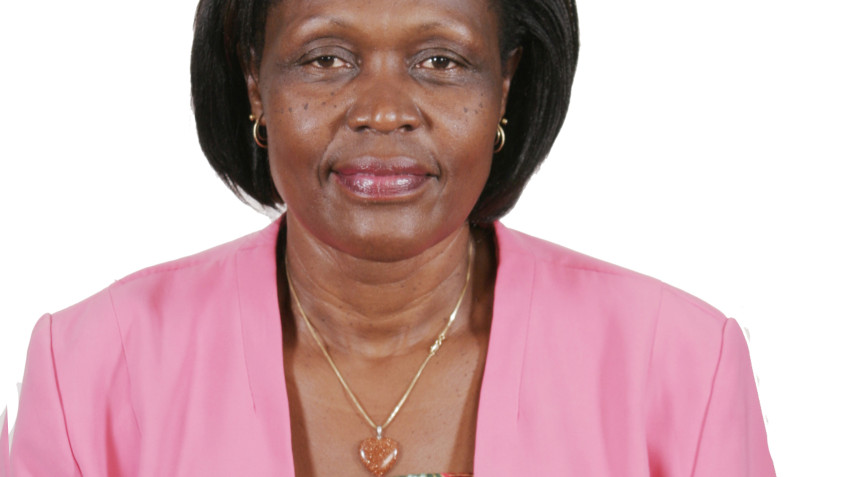
REJECTED 'NAADS' MONEY: Kitgum MP Beatrice Atim Anywar aka Mama Mabira
REJECTED ‘NAADS’ MONEY: Kitgum MP Beatrice Atim Anywar aka Mama Mabira

Mama Mabira’s resolve to help rid the country of dubious transactions that negatively impact on the Ugandan citizenry is legendary; in April 2007 she rallied Ugandans to reject government’s move to give away part of Mabira forest to the Mehta family of Lugazi, to grow sugar cane.

As a sign of the Ugandans’ gratitude, she is now back, an MP of the 10th Parliament representing Kitgum Municipality, elected as an Independent candidate.

Meanwhile, as the country wakes up to another chorus, this time the removal of the age limit, a lot of care should be taken to ensure that what happened in 2005 does not happen again.

Indeed, the decision to countenance the removal or sustenance of the age limits in the Consitutuion must be the voluntary preserve of Ugandans, carried out without any attendant fiduciary mischief that involves the bribing of MPs or any other section of Ugandans.

EXPECTED TO GUIDE THE HOUSE: Speaker Rebecca Alitwala Kadaga

It is only then that all Ugandans will appreciate the role of our MPs under the guardianship of the Speaker Rebecca Alitwala Kadaga and her Deputy Jacob L’Okori Oulanyah as guardians of the citizens’ interests.


Stories Continues after ad

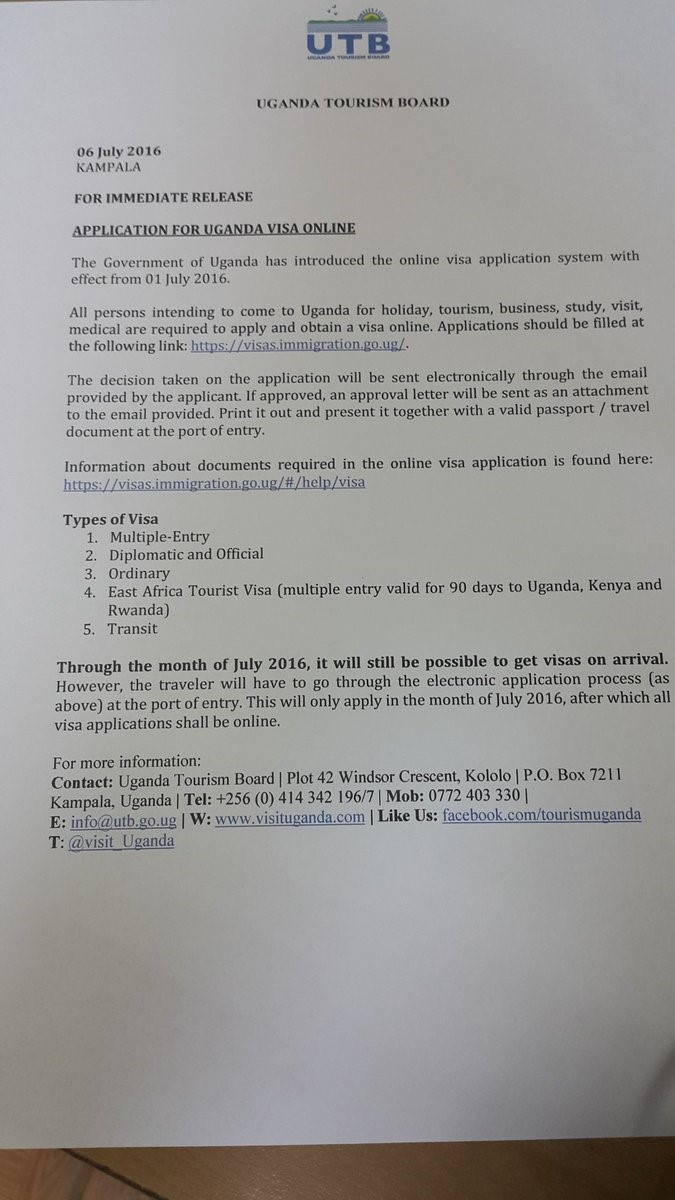
Uganda starts online visa application

In-charge, Director Citizenship and immigration, Godfrey Sasaga.

The Immigration department has started online visa application bringing an end to visits several high commissions and entry points into the country.

The development could easy movements into the country and boost tourism.

“The government of Uganda has introduced the online visa application system with effect from July 1, 2016. All persons intending to come to Uganda for holiday, tourism, business, study, visits, medical are required to apply and obtain a visa online” reads a statement from Uganda Tourism Board to its clients.

Accordingly, the decision taken on the application will be sent electronically to the applicant through an email provided by the applicant.

11


Stories Continues after ad

NRM’s Amoru thrown out of Parliament

Journalist turned politician Paul Amoru.

National Resistance Movement party is at loss again after another legislator who subscribes to the party is kicked out.

Mr Paul Amoru, the Dokolo North legislator who is also a first timer in Parliament was thrown out by High Court over allegations that he did comply with electoral laws.

Amoru’s opponent John Bosco Okello-okello of Forum for Democratic Change (FDC) party which Amoru formerly belonged petitioned High Court on the basis that Amoru never obeyed the electoral rules during voting and accordingly, High Court Judge, Justice Wilson Musene Musalu concurred with the petitioner and ordered for fresh elections.

It is alleged that results from eight polling stations were never added on tally sheets as the declaration forms weren’t signed.

Dokolo North is a new constituency that was curved off the main Dokolo County in Dokolo district

Stories Continues after ad

Czech goalie Cech calls time on international football

RETIRED FROM INTERNATIONAL FOOTBALL: Czech goalie Petr Cech

Czech Republic and Arsenal goalkeeper Petr Cech has announced his retirement from international football via his official Twitter account.

The Czech Republic’s most-capped player made the announcement as he collected the national team’s player of the year award at a ceremony in Prague on Friday.

Petr Cech hold a trophy won in one of his many exploits for the Czech Republic
Petr Cech holds the ‘Player of the Year’ trophy won in the Czech Republic

He retires with 124 caps, the last of them won in a 2-0 defeat to Turkey as the Czechs were eliminated from Euro 2016 with just one point from three group games.

Czech Republic were eliminated from this summer’s European Championships by Turkey after finishing bottom of Group D with one point, which they secured in their 2-2 draw with Croatia.

In an interview during the Euro, Cech admitted that after the team’s final group stage game with Turkey, he was thinking about retiring from the international scene.

The 34 year old goalie will now return to Arsenal as the Gunners begin their pre-season preparations next week.

Arsene Wenger’s side will take on Lens in France, an MLS All-Star side in the US in late July before facing Chivas de Guadalajara in LA and then returning to Europe for two more pre-season games against Viking FK and Manchester City.


Stories Continues after ad

500 immigrants held by Libya

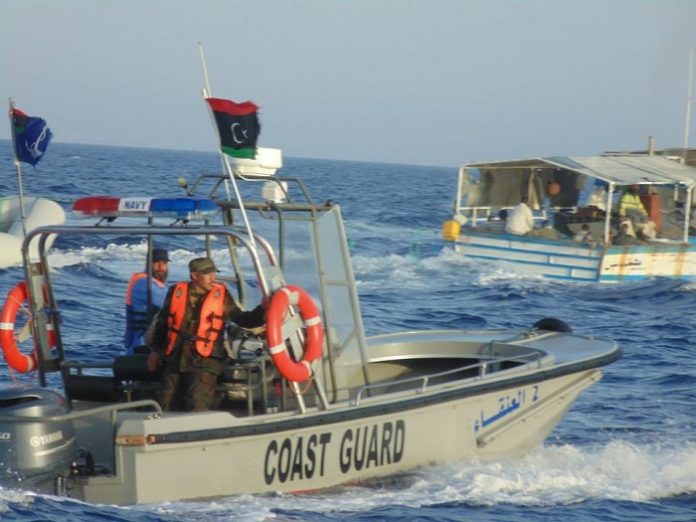
Members of the Libya Coast Guard atop a speedboat after intercepting a trawler in Libyan waters

Libya’s coast guard this week seized five boats carrying over 500 illegal African migrants who had tried to cross the Mediterranean to Europe.

Ravaged by civil war and the collapse of state authority, Libya has turned into a hub for human traffickers to smuggle African migrants by boat to Italy.

Also, the presence of the Islamic State group in some parts of the country forced the African migrants to seek joining Europe, as for many crossing into Europe is easier than returning to their countries.

From Monday to Wednesday, Libyan coast guards intercepted five boats transporting 550 illegal African migrants including 100 Sudanese, off the coast of Zawiyah in northwestern Libya, about 45 km west of Tripoli.

Malik Mohamed Salih, an official tasked with anti-illegal migration programme and voluntary return of Sudanese in Libya said that the Libyan authorities had seized five rubber boats some nautical miles off the coast of Zawiyah.

He pointed out that there was a significant number of women among the detained Sudanese illegal migrants.

On May 27, more than 300 Sudanese families reportedly left Sirte and Derna after the ISIS fighters took control of the two cities.

The official warned that they expect more attempts to reach Europe from Libya during the summer as the sea is more safer for the rubber and fisher boats used by the smugglers.


Stories Continues after ad

AU Somali peace mission to end in 2020

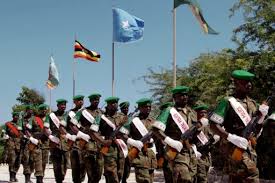
AMISOM troops parade in Somalia

The African Union plans to pull its soldiers out of Somalia where they are fighting jihadists by December 2020.

The ‘exit strategy’ formulated by the AU’s Peace and Security Council calls for the staggered withdrawal of 22 000 troops in the AU Mission in Somalia (Amisom) to begin in October 2018 and be completed by the end of 2020.

The plan was made public this week, following a meeting held in Addis Ababa on June 29, with the AU saying ‘transfer of security responsibilities’ would then be handed over to ‘a capable, inclusive and effective’ Somali national army.

Currently the bloated and largely ineffective Somali army is more a collection of clan militias, with various international military forces providing poorly co-ordinated training to different units.

AMISOM troops deployed to Somalia in 2007 to defend the internationally-backed government against attacks by the Shabaab, a Somali-led al-Qaeda affiliate still carrying out attacks on civilian, military and government targets in the capital Mogadishu and elsewhere in Somalia and the region.

Last month Uganda – the largest contributor to Amisom with 6 200 soldiers – threatened to withdraw its troops by the end of 2017, but has since backtracked.

Kenya also threatened this year to pull out its 3 700 troops after the European Union, a major donor to the mission, cut funding by 20% saying African countries must bear more of the burden of soldier salaries.

Somalia was supposed to hold national elections this year but is instead going to hold what diplomats call a ‘limited franchise election’ in which ordinary citizens do not participate. The UN now hopes a one-person-one-vote election will be possible in 2020.

Meanwhile, the AU has asked troop-contributing countries to fulfill a pledge they made to offer equipment to the Amisom. In February, Uganda, Kenya and Ethiopia offered to supply helicopters but to date the three countries have not made good their pledge.

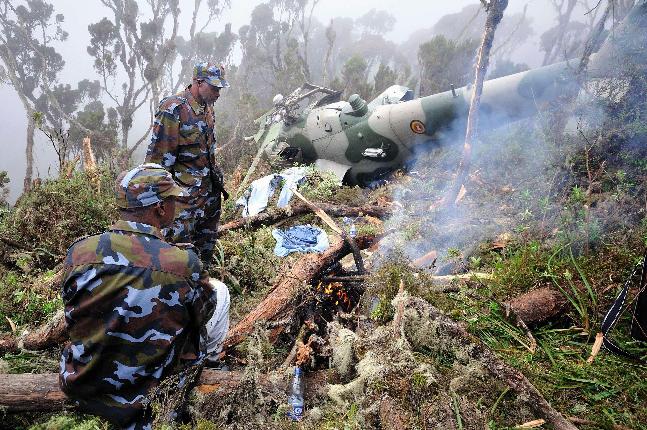
a wreckage of one of the Uganda Airforce helicopters that crashed in Kenya while in transit to Somalia
The wreckage of one of the Uganda Airforce helicopters that crashed in Kenya while in transit to Somalia

In August 2012, Uganda was the first TCC to send helicopters to Amisom, but three of the four choppers crashed in Kenya while in transit to Somalia.


Stories Continues after ad