Stanbic Bank
Stanbic Bank
18.6 C
Kampala
Stanbic Bank
Stanbic Bank
Home Blog Page 2157

FDC’s Besigye beats Attorney General in fresh defiance petition

The Attorney General has Thursday withdrawn an interim order against leading opposition party Forum for Democratic Change’s Defiance campaign because the law demands that Dr. Kizza Besigye ought to have been represented in court personally.

The Deputy Chief Justice Steven Kavuma, had summoned jailed Opposition leader of FDC, Dr. Besigye, and his party to appear in court for the hearing of an interim application aimed at extending the ban on their defiance campaign activities including the Tuesday weekly prayers.

“We do hereby apply to withdraw the above captioned application under rule 2 (2) of the Court of Appeal Rules with no order as to costs,” the Attorney General requested.

The second defendant Dr. Besigye had said he needed to be present in court himself so as to raise arguments against the application since he has no lawyers representing him in this particular application. However, earlier one of his lawyers Ernest Kalibbala had written to the Court Registrar stating that he could not reply to the application made by the Attorney General as required by law.

FDC lawyer Ladislaus Rwakafuuzi was in a jubilant mood when it was announced that the Attorney General had withdrawn the interim order against the defiance campaign.

Besigye’s FDC had planned countrywide demonstrations to protest the February 18 presidential results, their continued demand to have an independent audit of the presidential results and the live media coverage of defiance campaign activities, all of which had been earlier banned by Court of Appeal judge Justice Steven Kavuma, sitting as a single judge.The ban expired last week.

It should be noted that Police chief Gen Kale Kayihura had sworn an affidavit stating that unless court issues another ban stopping Dr. Besigye and FDC defiance campaign activities, the country will slide into political unrest.

Stories Continues after ad

Uganda to ‘imprison’ TV personality Dave Kazoora

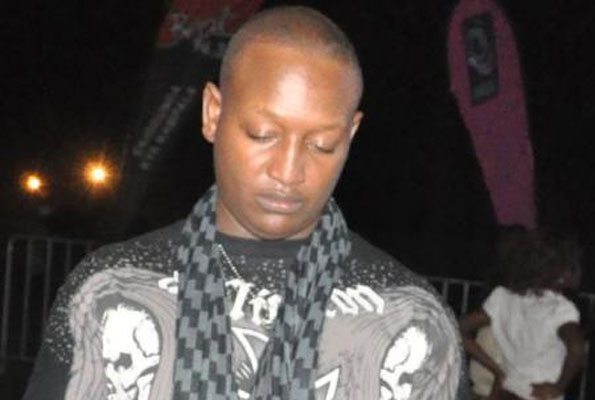
TV PRODUCER: Junior Dave Kazoora aka JK

Authorities in neighboring Rwanda are contemplating asking their Ugandan colleagues to cage local TV personality David Kazoora for a year and also to pay damages amounting to Rwf15 million (over Shs.63m) after he lost a fraud case in Kigali.

We’re told the celebrated emcee and former television presenter, popularly known as Junior Kazoora, was convicted by the Nyarugunga Primary Court of using fraudulent means to shortchange his business partners, a decision he appealed.

As we reported, in 2014, the prosecution dragged Kazoora to court, accusing him of deviating an advertising tender from Buddies Production (R) Ltd, in which he was a 50 per cent shareholder, to a new company he named ‘Buddies TV Ltd.’

EagleOnline understands the Nyarugunga Judge will liaise with Uganda’s judiciary on how to execute Kazoora’s sentence while court bailiffs will seek ways of recovering the Shs.63m fine.

Considering Kazoora the convict is not a Rwandan national and has no known assets in that country, their bailiffs would have to work with the convict’s country of residence (Uganda).

“It is more like to call another country’s judicial jurisdiction to validate a sentence that was issued against their citizen outside its border, so that justice can be served,” he said, adding that in that case, the requested country have rights to cross-check facts before enforcing the sentence,” spokesperson of the courts Emmanuel Itamwa.

On the other hand, Itamwa explained, before enforcing the sentence, Uganda has to assess whether the decision handed falls in line with Uganda’s legal regime.

Normally, Solomon Muyita the Uganda Judiciary mouthpiece would have given this website a comment to the effect but efforts to reach him were futile by press time.

Sources connected with the claimants Davis and Nina Kagenza at Kazoora’s sympathy has about three months as stipulated in the verdict before authorities pounce on him.

Kazoora claims he didn’t defraud the couple.

Stories Continues after ad

Uber enters Uganda market

Taxi-hailing app Uber has launch in Kampala today. They are already recruiting staff to run their operations.

Uber already operates in nine sub-Saharan African cities in Nigeria, South Africa and Kenya and will also launch in other cities in Ghana and Tanzania at the same time when they start business in Kampala.

Uber

Uber is a revolutionary transport network model founded in California, U.S.A. majorly driven by use of smartphone devices running Android 4.3, iOS 7, BlackBerry OS 7 and Windows Phone 8 and newer. The Uber app facilitates booking of taxi rides operated by Uber drivers sourced from regular people working on their own schedule who just so happen to own vehicles.

Alon Lits, Uber general manager in sub-Saharan Africa, said the company also planned to experiment with a cash payment option in South Africa, in addition to the electronic payment system in its app.

Uber’s business increased in Kenya, where many people do not use payment cards, after cash payments were accepted, he said.

But the business acumen of Ugandan taxi drivers and the mysterious puppet masters pulling their strings is something to behold. Fares will climb a ladder in the event of a downpour or an abrupt change in the usual route (don’t mind that the distance remains relatively the same) normally due to traffic jam or an accident up ahead and peak times are charged double and passengers have to sit packed like tiny mushrooms with chest in bosom of some random individual they don’t know like that.

In Kampala and allover Uganda, taxi touts get paid whenever a passenger enters a taxi (don’t worry that they didn’t pull you from your home and drag you to the designated stage).

Fuel hikes from countrywide shortages over the years have led to fares swiftly following suit. What is interesting though is the fare never goes back to the old rate despite fuel prices dropping due to global market forces. Maybe the entrance of Uber will change the taxi sector for the better.

Kampala already has a Uber of sorts, dubbed “Uber for motorcycle taxis” after the popular ride-sharing company which is run by Silver Tumwesigye, a sharply-dressed Ugandan motorbike taxi driver known by his nickname ‘Silverstone’.

By the end of last year, the company had enlisted 150 drivers at 35 “stages”—the boda-boda version of taxi ranks—since its launch. Each receives driving lessons, motorcycle maintenance and customer service training, and a first aid course taught by the Uganda Red Cross Society.

Drivers pay a membership fee of 10,000 shillings a week and are given a smartphone, a bright orange reflective vest and helmet, and a spare helmet for customers.


Stories Continues after ad

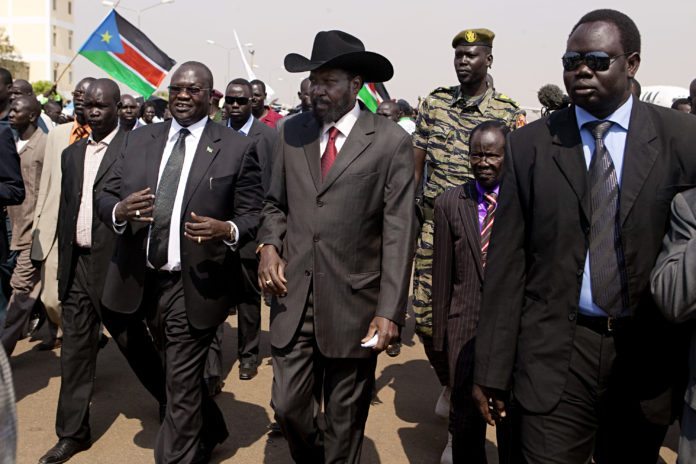
Kiir, Machar discuss ’28 states’

DURING THE 'GOOD TIMES': President Salva Kiir Mayardit and Dr. Riek Machar

In unexpected move which is described as a breakthrough, the South Sudan’s presidency has agreed to review the 28 states and come up with a recommendation on the number of new states within 30 days.

The resolution came out after a joint meeting of the President, Salva Kiir, First Vice President, Riek Machar and Vice President, James Wani, at the presidential palace yesterday.

In a joint statement to the press by the two deputies after the meeting, a committee of 15 members will be constituted from all the parties to the August 2015 peace agreement and from the international partners to come up with recommendation on new states.

“We discussed the issue of the 28 states. We decided to tackle this through a committee. That committee will be composed of 15 members…So that they can work on the number of states, review them and they come up with recommendation on the number of the states and this will be within 30 days. Within 30 days this work will be done,” said First Vice President, Riek Machar, in a press statement to the media following the meeting, also broadcasted on the South Sudan TV, (SSTV) on Wednesday evening.

Machar said the 15 members of the committee will include 10 South Sudanese from the parties in the peace deal and 5 others from the international partners. He added that they would ask South Africa and Tanzania to bring in two members from their countries.

Also, Vice President, James Wani, who also spoke to the press with Machar, confirmed the outcome of the joint meeting of the Presidency with President Kiir’s participation.

“Really, I have nothing to say further, what the First Vice President has just articulated is absolutely in place. These are the issues we agreed on,” Vice President Wani said.

“But one would want to underline the fact that the meeting of today by the three of us has been one of the most successful meetings,” Wani added.

He reaffirmed that the inclusive committee to be formed will not only review the number of states but also work and recommend on their new boundaries within 30 days. It was not however clear when the committee will be formed to start their work on the new states.

Machar also said the Wednesday meeting tackled the need to release prisoners of war on both sides.

He also said the presidency has agreed to come up with a budget for cantonment of forces in the country.

The rest of the remaining issues, they said, will be tackled during the coming Friday’s council of ministers meeting.

Earlier, in a 31 January resolution, the East African regional bloc, IGAD, which brokered the peace agreement, called on the parties to form a boundary commission to work on the number of new states within 30 days, or revert to the current 10 states in case of no agreement.

Observers close to the decision making processes in the rival parties say the most probable outcome will be for the parties to revert to the 10 states, citing lack of agreement.

Earlier, the government said the issue of the 28 states was a ‘red line’ and refused to review them, but the Wednesday breakthrough has come as a positive step.


Stories Continues after ad

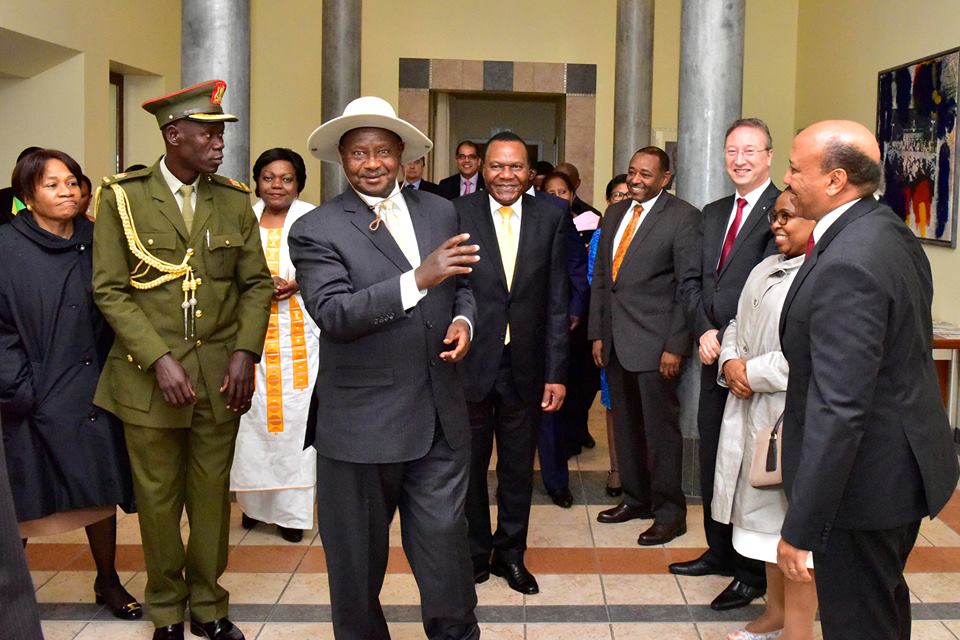
PHOTOS: Museveni woos German investors to Uganda

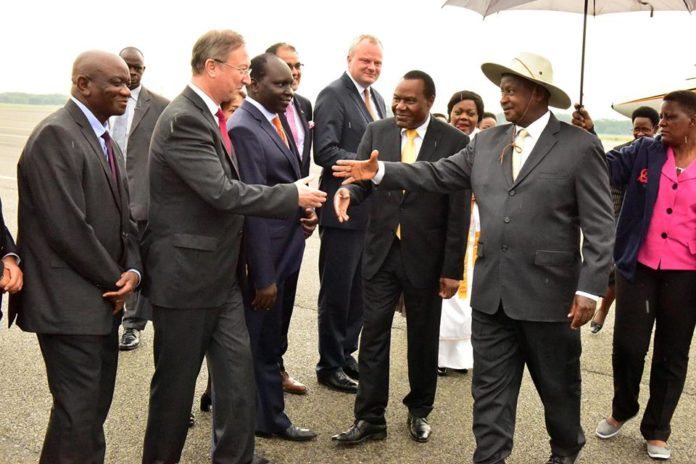
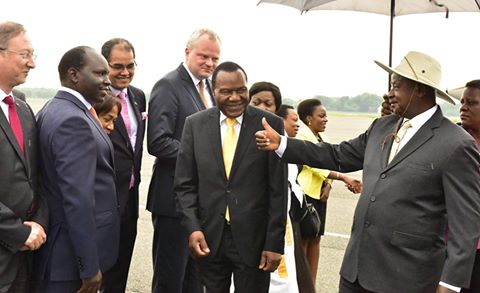
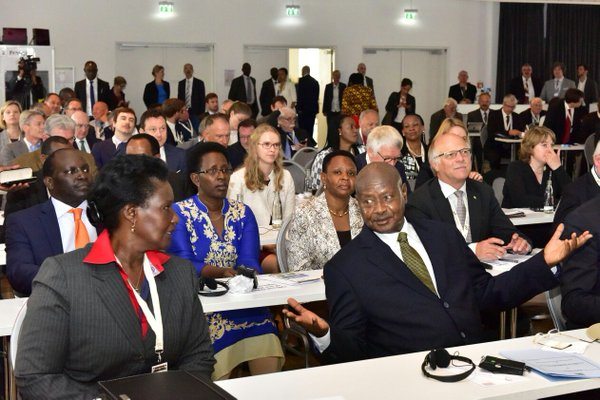
President ‪‎Museveni Thursday morning arrived in the German Capital, Berlin for a two-day working visit to boost trade and investment opportunities for Uganda.

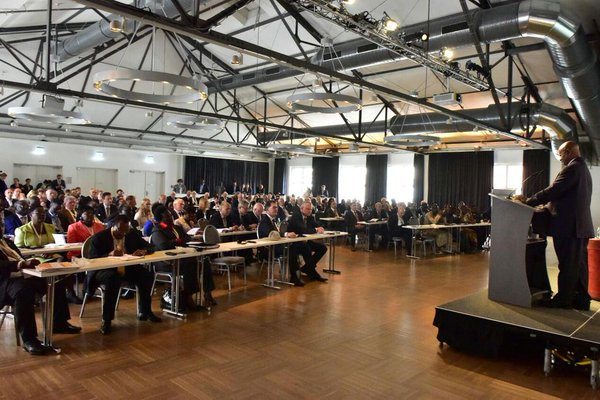
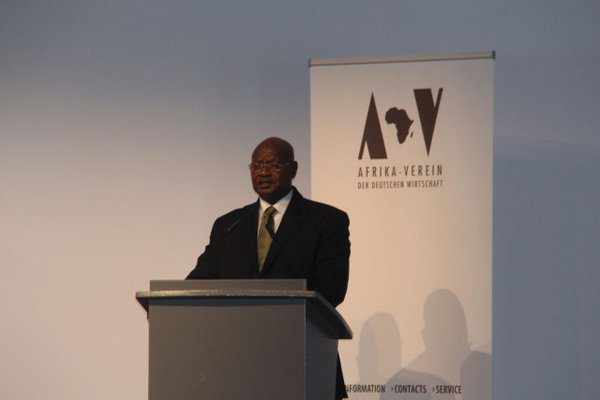
Immediately after arrival, the President made an appearance as a guest-speaker at the German-Africa Business Day 2016.

Museveni3

The President, who is making his maiden visit outside the country after his re-election, was received at Tegel North Military Airport by Uganda’s Ambassador to Germany Mr. Marcel Tibaluka, the Chairman of Africa-Veren, organizers of the German Africa Business Day Dr. Stefan Liebing, Uganda’s Honorary Consul in Hamburg Prof. Dr. Manfred Dietrich and African Ambassadors to Germany.

Museveni

Museveni2

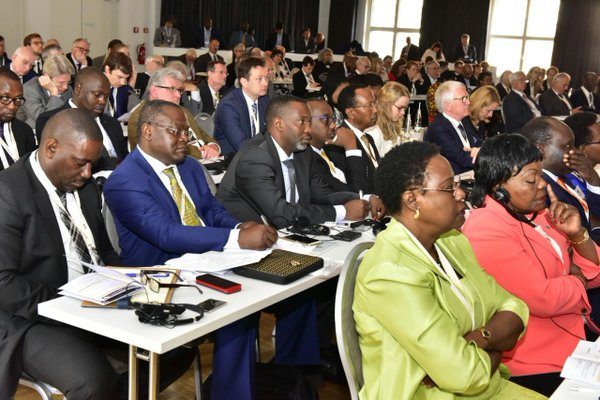
The German-African Business Day is a high level German entrepreneurial investment summit meant to harness Africa’s enormous economic potential and opportunities for the benefit and development of the African people.

It also recognizes that African markets are becoming ever more important for Germany.

President Museveni delivered a key note address at the opening ceremony, meet a number of German entrepreneurs and industrialists interested in the Ugandan economy and also travel to the Port City of Hamburg where he will be guest speaker at another German African Day forum organized by the Hamburg Chamber of Commerce, and meet more potential investors in Ugandan.

Museveni Germany2

Museveni Germany

Museveni Germany1

Museveni Germany3

The Minister of Trade and Industry Hon. Amelia Kyambadde, the Executive Director of the Uganda Investment Authority Eng. Dr. Frank Sebbowa, officials from the Uganda Manufacturers Association and various officials from the tourism sector.

Stories Continues after ad

US$57m needed for Burundi refugees in EA region

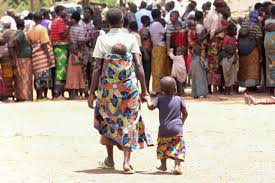
Burundians refugees at Bugesera reception centre in Rwanda line up for registration. [Photo: UNHCR]

The World Food Programme needs US$ 57 million to meet the needs of new and existing Burundi refugees in the East Africa region particularly in Uganda and Rwanda, over the next six months.

The information is contained in a situation report, with the WFP indicating that as of May 30, more than 265,000 Burundians had fled their country into the Democratic Republic of the Congo, Rwanda, Tanzania, Uganda and Zambia, and that in all, there are 1,000 new arrivals weekly into neighbouring countries.

In a related development, a survey, the Emergency Food Security Assessment (EFSA) conducted in April 2016 in 18 provinces across the country by the WFP has indicated that some 4.6 million people in Burundi are food insecure, with more than 590,000 of them requiring urgent emergency food assistance. The UN food agency also noted that the food stocks are stretched as a result of the fragile socio-economic context in the country.

“The assessment further indicates that the socio-political crisis has aggravated an already fragile food security, nutrition, and socio-economic context in Burundi,” the agency said.

WFP noted that among the drivers of food insecurity include increasing poverty levels; reduced agricultural production; El Niño phenomena associated with heavy rainfall, flooding and landslides, which resulted in displacements and destruction of crops; adoption of severe livelihood coping strategies, such as reduction of expenditure on agricultural inputs; and disruption of markets.

The assessment recommends provision of short-term food assistance and farm inputs for shorter-season crops.

In addition, the assessment recommends strengthening of resilience activities for vulnerable food insecure households and strengthening or expanding social protection programmes for the most vulnerable, to enable them to cope with shocks, WFP said.


Stories Continues after ad

Uganda stagnates in FIFA rankings ahead of Botswana clash

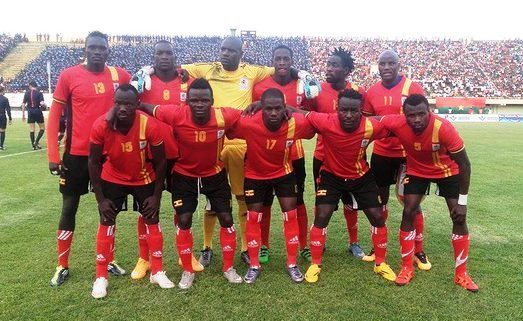
Uganda  have remained in 72nd place in the FIFA men’s national team rankings ahead of the Afcon 2017 qualifier against Botswana away in Francistown on June 4. The team that beat them in their only qualifier defeat, Burkina Faso, moved upwards almost overtaking coach Micho men.

The Cranes remain the 16th best side on the continent though and are well outside of Fufa’s stated aim of a regular place in the world’s top 60 and among the leading ten nations in Africa.

Saturday’s African Nations Cup qualifying opponents Bostwana rose four places but are still only positioned at number 87, the 21st best team on the continent.

The Cranes need maximum points against Botswana and Comoros in September to guarantee a place in Gabon next January.

There was some change in the global list, though Argentina and Belgium remain the top two teams. Colombia have risen to third and Germany to fourth, with Chile dropping down to number five.

Madagascar were the top mover in the latest rankings, climbing 29 positions to 108th spot.

FIFA Rankings – CECAFA

  1. Uganda (72)
  2. Rwanda (103)
  3. Ethiopia (125)
  4. Sudan (128)
  5. Kenya (129)
  6. Tanzania (136)
  7. S. Sudan (157)
Stories Continues after ad

Primary education levels in Uganda still low – Twaweza

An official of Uwezo at Twaweza compiles data

Primary education levels in Uganda are poor despite the marked progress registered in increasing access to education, a survey has established.

According to a report titled ‘Are our children learning? Five Stories on the State of Education in Uganda in 2015 and beyond,’ released by Uwezo at Twaweza, Uganda has not fully met its commitments under the Education for All Goals.

Uwezo, a not-for-profit organization working in the three East African countries of Uganda, Kenya and Tanzania, noted that ‘the improved national average figures conceal stark contrasts between the different districts and wealth classes of Uganda’.

The Uwezo Uganda Director Dr Mary Goretti Nakabugo, said at the launch of the report that there has been an intensive policy and resource focus on primary education at the expense of early childhood development, adult literacy and vocational and other training for young people. She however, noted that even in primary education, the high investment in primary education has not translated into learning outcomes; too many children in Primary 3 to 7 are unable to complete Primary 2 level work.

“It is (also) clear that primary education has been prioritised at the expense of other aspects of the education system. And even in primary education, learning outcomes are low and inequitable. We need to make primary education more efficient and effective, increase government’s role in the provision of early childhood development and education, and expand adult literacy and youth training programs,” Dr Goretti says about the findings of the fifth Uwezo assessment that was carried out in 2014 and a review of available evidence.

The data was collected from a nationally representative sample of 28 districts in Uganda, and is clustered around the six Education for All (EFA) Goals: early childhood education; access to and completion of primary education for all; adult literacy and lifelong learning; inequalities including gender and learning outcomes on the quality of education.

John Mugo, Director of Data and Voice at Twaweza said the new Sustainable Development Goal for education emphasises equity and holistic provision of education.

“The Uwezo data provide a strong baseline for where we are in these areas so that we can re-focus and re-prioritise to ensure that all Ugandans are provided with the skills and opportunities to be healthy, wealthy and happy citizens,” Mr Mugo added.


Stories Continues after ad

US$8,000 pan African photo competition on

The logo for this year's competition

Agility, a global leader in integrated logistics, has launched its US$8,000 Africa 2016 Photo Competition, an effort to inspire and showcase images that illustrate the breathtaking pace of change across modern Africa.

The annual contest, now in its second year, is the first pan-Africa photography competition to focus on Africa’s rapid modernization. It is open to professional and amateur photographers alike.

The competition seeks to highlight the progress and development on a continent of contrasts, documenting an Africa booming with youthful consumers, new technology, urbanizing populations and promising economic prospects.

“Africa’s modern spirit and rapid evolution are obvious to those of us doing business there every day,” says Geoffrey White, CEO of Agility Africa. “It’s important for the rest of the world to recognize the drive, ambition and creativity powering development across the continent. The Africa 2016 Photo Competition is one way we can bring attention to it.”

The competition started yesterday and will go on up to Sept. 1, 2016, with Agility awarding a US$2,000 cash prize to the winner of each of three categories: cities, industry and technology. A further US$2,000 grand cash prize will go to the photographer who shoots the overall winning image, deemed to best illustrate development and growth across Africa; giving photographers a chance to win up to $4,000.

The winning photographs will be shown on a CNBC Africa telecast and published in Forbes Africa and be featured in Agility social media, promotions and advertising.

The competition will be judged by an independent panel consisting of Sneha Shah, Managing Director, Thomson Reuters Africa; Bronwyn Nielsen, Executive Director of the Africa Business News Group and Editor-in-Chief of CNBC Africa; and Salim Amin, photographer, filmmaker and chairman of Africa 24 Media and Camerapix.

The Africa 2015 Photo Competition drew 700 entries submitted by photographers in 33 countries. Winning entries were dramatic images that captured the capital city of Luanda, Angola; wheat fields in Kenya and a child holding a smart phone in Uganda.

“Across our Africa business, we’re seeing the impact infrastructure improvements and technology are making in African life,” White says, adding: “The contest is an engaging way for us to try to reflect the modernization we see, from sustainable farming to manufacturing to energy production. Our hope is that perceptions of Africa will become more balanced, and people elsewhere will come to see Africa as an increasingly significant contributor to the world economy.”

Agility, a publicly traded company with more than $4.3 billion in revenue and more than 22,000 employees in over 500 offices across 100 countries, is investing in Africa and is committed to building new logistics capacity and infrastructure to support the development of global and SME businesses across the continent.

The company’s strategy also includes a strong social and environmental program, focused on education, training and health.

Stories Continues after ad

EA Council of PwDs to be formed – Kivejinja

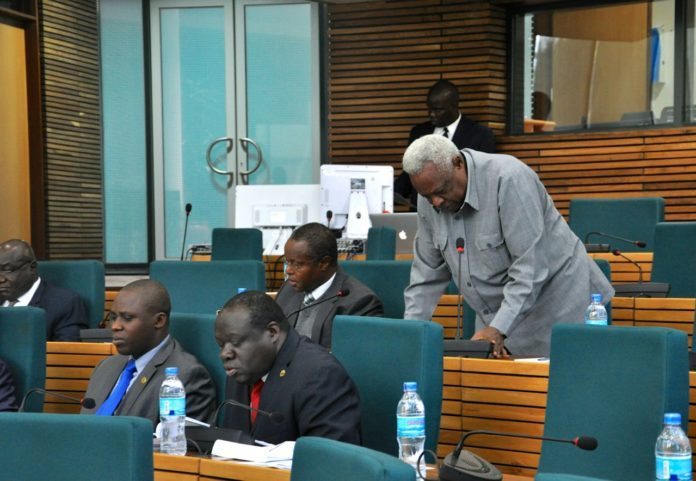
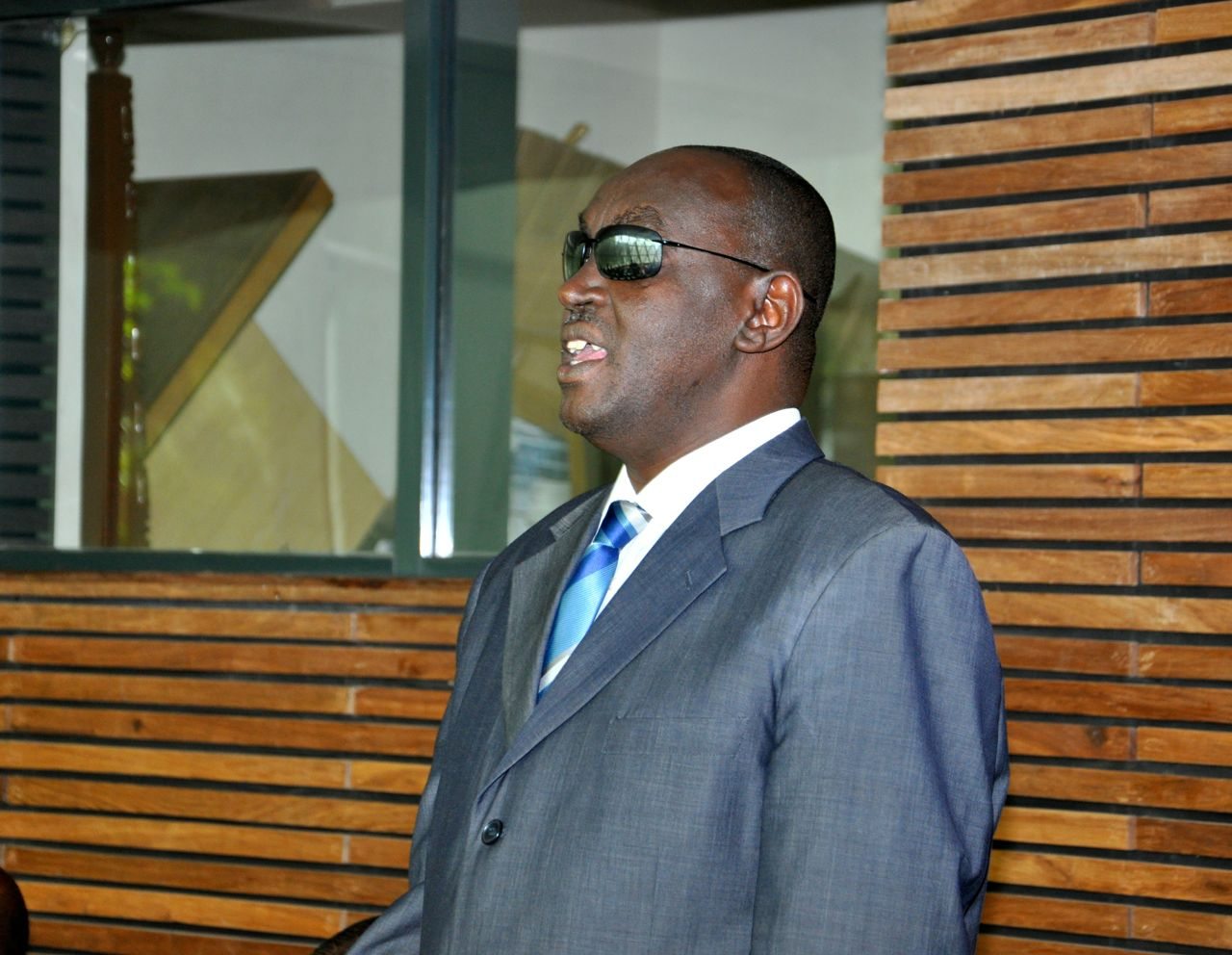
Hon Leonce Ndarubagiye makes his contribution

The East African Community will establish the Regional Council for People with Disabilities in the Financial Year 2016/17, Uganda’s Minister for East African Affairs has said.

Alhajji Kirunda Kivejinja, who represented the EAC Council of Ministers and is also the Ugandan Third Deputy Prime Minister, made the revelation in Arusha during the passing of legislation granting Persons with Disabilities with full protection to enjoy their rights as enjoyed by other citizens of the region.

Moved by Hon Dr James Ndahiro, the East African Community Persons with Disability Bill, 2015, is premised under Article 120 (c) of the EAC Treaty, and in his justification Dr Ndahiro said it was necessary for PWDs to access all the infrastructure within their social systems.

Hon Dr James Ndahiro, the mover of the Bill on PWDs

The debate on the Bill was preceded by the Report of the Committee on General Purpose on the same subject matter presented by the Chairperson, Hon Dr Odette Nyiramilimo.

The report was a culmination of public hearings held in the Partner States and it followed intensive consultation with various stakeholders. The Committee also observed that the Partner States largely agreed on most provisions of the Bill which were among others need for assessment and interventions at all levels including pre-school inclusiveness education, sensitisation and awareness raising, equal opportunities and affirmative action.

The Committee further seeks the provision of tax exempted free mobile assisted devices, learning materials, need for disaggregated data by disability groupings, vulnerability and marginalization, as well as a financial assistance through cash transfers grants and various specific amenities.
During debate Hon Abubakar Zein noted that the rights of PWDS amounts to human rights. He challenged the Assembly to amend its Standing Orders to ensure the rights of all PWDs was also taken into consideration.

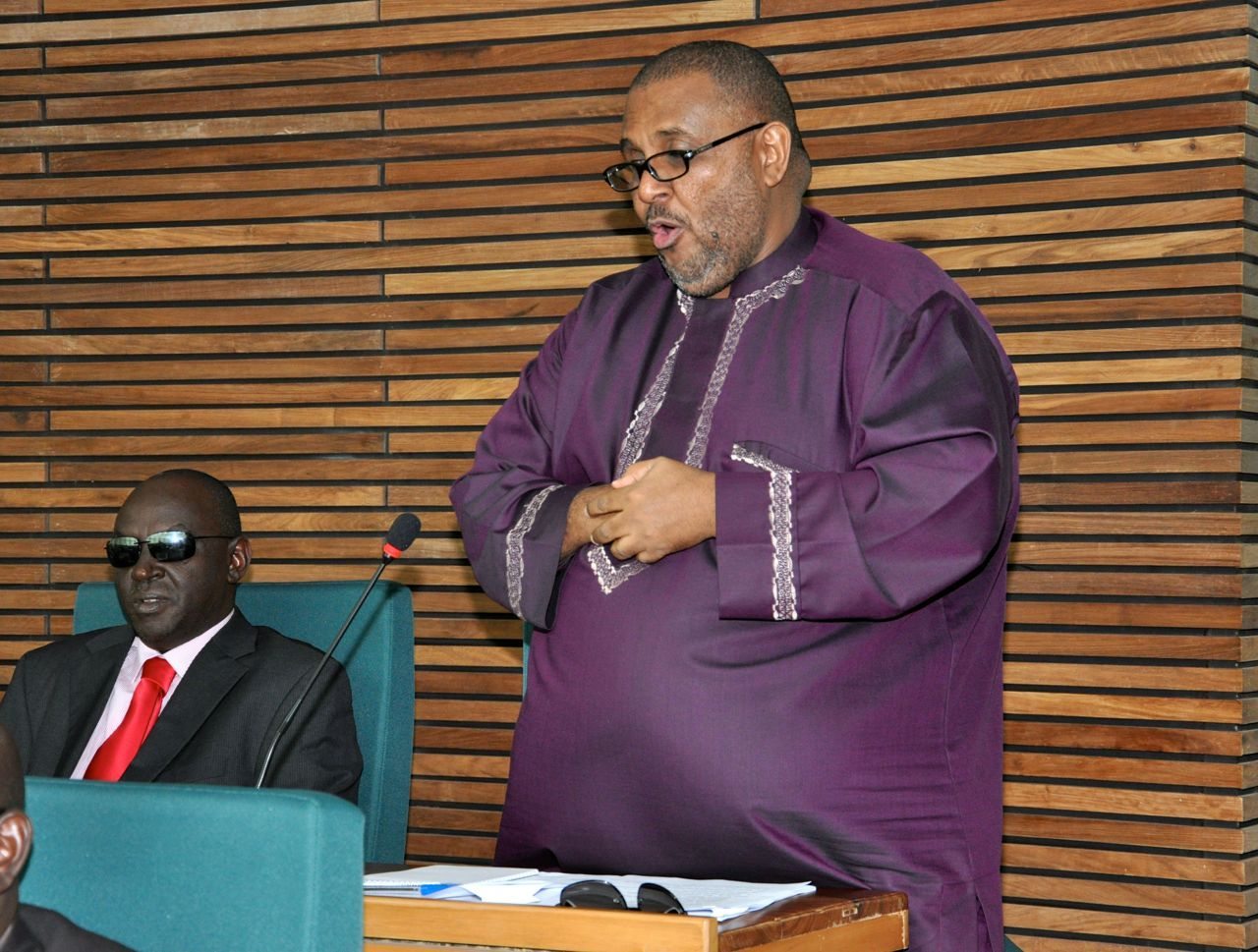
Hon Abubakar Zein contributes to the debate on the Bill on Persons with Disabilities.

Hon Dora Byamukama remarked that a timeframe was necessary to determine when the Council of Ministers establishes a Regional Council for People with Disabilities. The legislator said data and statistics collection on matters around PWDs were key for consideration as it enhances decision making.
Hon Leonce Ndarubagiye said the treatment of PWDs in society needs to change, while  Hon Christophe Bazivamo termed the passage of the Bill as timely.

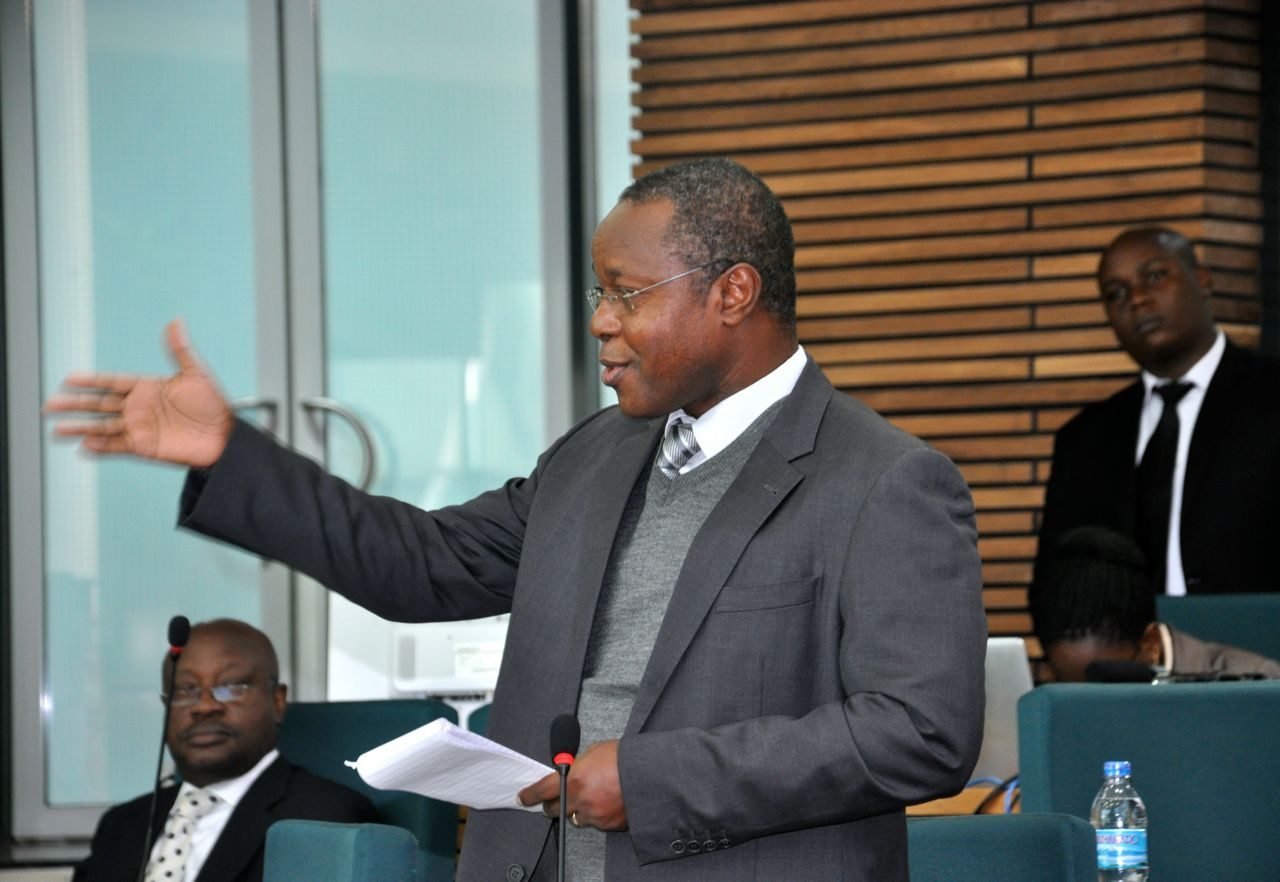
Hon Dr Martin Nduwimana makes a point on the floor of the House. All photos/EAC courtesy

Others who supported the debate included EALA MPs Emerence Bucumi,  Frederic Ngenzebuhoro,  AbuBakr Ogle, Hafsa Mossi, Judith Pareno and Isabelle Ndahayo. Dr Martin Nduwimana and Mike Sebalu also supported the Bill.


Stories Continues after ad