Stanbic Bank
Stanbic Bank
18.6 C
Kampala
Stanbic Bank
Stanbic Bank
Home Blog Page 2163

Sudans sign border security pacts

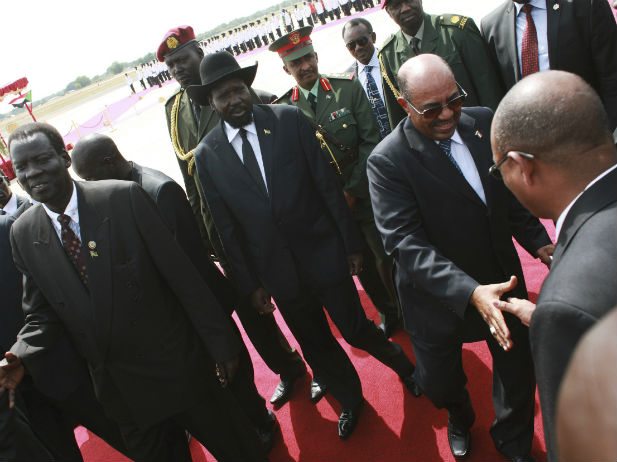
OIL DEAL ON: Sudan President Omar Bashir and his South Sudan counterpart Salva Kiir during Bashir the former's visit to Juba. Photo credit/sudantribune.com

Sudan and South Sudan have signed a series of security agreements, including immediate re-deployment of joint military forces along the Safe Demilitarized Border Zone (SDBZ), and approved a plan to stop supporting and harbouring rebels as well as open the crossings points.

The Joint Political and Security Committee (JPSC), co-chaired by the defence ministers, held a six-hour meeting in Khartoum to discuss the activation of the security arrangements agreed in September 2012.

On 14 October 2015, South Sudan’s defence minister Kuol Manyang Juuk and his Sudanese counterpart Mohamed Ahmed Ibn Ouf signed an agreement to operationalize the buffer zone between the two countries.

But the JPSC meetings to decide the effective activation were adjourned several times due to the security situation in South Sudan.

In press statements after the meeting, Sudan’s Foreign Minister Ibrahim Ghandour said that the JPSC agreed to enforce all the concluded agreements on the buffer zone, flexible border and to stop supporting rebel groups.

“With regard to the support of rebel groups, specifics will be enforced by the concerned security services of both countries,” Ghandour said.

After the signing of the Cooperation Agreement, the two countries had already deployed the Joint Border Verification and Monitoring Mission (JBVMM). But on 22 November 2013, Juba stopped the operation, fearing that delimitation of the centreline, which passes through contested areas, may be seen as final location of the boundary.

Juuk, who led the South Sudanese delegation, said the meeting ended by agreeing to implement the joint cooperation agreements signed since September 27, 2012.

The two governments, he added, will immediately start enforcing the agreed decisions, and further stressed the need to reach negotiated solutions to end tensions on the border areas.

“The rebel movements are a reality and their problem must be solved so that peace will prevail between the two countries,” said Juuk adding “This problem will be resolved soon.”

South Sudanese officials, on several occasions, proposed to mediate the conflict with their former comrades of the SPLM-North in the Blue Nile and South Kordofan, but Khartoum rejected this proposition saying they are party and cannot be a mediator.

Among the signed documents, the parties agreed to send separate reports to the United Nations Interim Security Force for Abyei (UNISFA) which will participate in the JBVMM and the African Union High-Level Implementation Panel (AUHIP) which brokered the deal.

They also agreed that the border crossing point committee will meet in Juba within the next two week to determine the dates and procedures for the opening of the 10 points. They will also demand the African Union to send the needed technical teams to implement the deal.

They also agreed to establish three consulates on the demilitarised border areas.

The meeting also agreed to task a joint committee headed by the directors of intelligence services with the file of the disputed areas. In addition, with regard to the committee of disputed 14 Mile, it was decided to task the chiefs of general staffs in the two countries with its chairmanship.

It goes without saying that this measure aims to the Dinka Malual and the South Sudanese People Liberation Army (SPLA) Chief of General Staff, Paul Malong Awan who convinced President Salva Kiir in November 2013 to stop the operation on the ground that it would enable Sudan to pretend in the future to the ownership of the disputed areas.

 

Stories Continues after ad

Uganda to send helicopters to Somalia

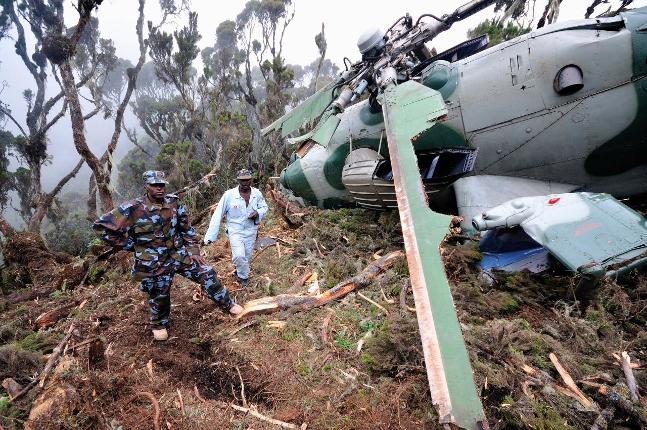
A wreckage of one of the Uganda People's Defence Air Force (UPAF) of the Somalia-bound Ugandan Mi-24 attack helicopter that crashed in Mount Kenya. Photo credit/hiiraan.com

Uganda is set to scale up its contribution to the fight against Al Shabaab by sending another batch of combat helicopters to Somalia.

In 2012, the Uganda government lost three of the four Russian-made Mi24 combat helicopters that were enroute to Somalia to provide air cover for the same mission. Each of the four helicopters that crushed around Mount Kenya was carrying seven soldiers.

The multiple crushes in Kenya prompted a probe led by Senior Presidential Advisor on Defence General Salim Saleh that resulted in the suspension of then Airforce Commander Lt Gen Jim Owoyesigire and his Chief of Staff Brig Moses Rwakitarate.

By press time it was not possible to establish how many helicopters were set to be deployed this time round.

But while addressing the media in the Kenyan capital Nairobi last Friday, the head of the African Union’s peacekeeping mission in Somalia (Amisom) Francisco Caetano Jose Madeira, said Kenya and Ethiopia would join Uganda to contribute helicopters to African Union forces to aid it in fighting the Somali-based al-Shabaab militants.

Madeira also disclosed that his operations against the al-Shabaab militants have also been hit by European Union funding cuts, and that the AU is now seeking aid from Gulf countries.

“Officials had undertaken a trip to the Gulf countries to sensitize those countries on the need to support the African Union Mission in Somalia [AMISOM],” Madeira said.

Madeira’s remarks came as Turkey President was in Somalia where he opened a new embassy and said his country plans to open a military training center in the capital, Mogadishu.

Recep Tayyip Erdogan was speaking after an earlier meeting with Kenyan President Uhuru Kenyatta where the Turkish leader said Ankara would help in stabilizing Somalia.


Stories Continues after ad

Bebe Cool cooks off SizzaMan ‘thieving accusations’

Bebe Cool takes part in a Kampala Restaurant Week event. Watching him cook is his wife, Zuena Kirema. (PHOTO: Timothy Kalyegira/Kampala Express)

For those who didn’t go to the “Cook Off” cooking competition at Kabira Country Club at Bukoto, Kampala on June 3, 2016, Gagamel boss Moses Ssali aka Bebe Cool showed off his poor cutlery skills.

It was part of the Kampala Restaurant Week events that started at various locations on May 31, 2016.

This all happened as fellow musician Sizza Man Kiyemba who just left custody over drink-driving cases went into a social media rant to accuse Bebe for apparently stealing his song called Ababadiribada

Coincidentally Bebe Cool had earlier on Saturday released an African club dancehall tune with the same title like Sizza Man  had days earlier.

In fact, Sizza claims that not only did Bebe Cool steal the title he even copied the idea and pasted it.

Bebe Cool Sizzaman

We’d tell you what happens next but we don’t want to spoil anything for the music lovers who somehow haven’t seen Bebe Cool fight in the recent past.

As for Bebe Cool’s life over the weekend, the musician is enjoying time with his main swing Zuena Kirema and focusing on all of the positives in his life fueled by Tubonga Nawe dimes.

Bebe Cool1

Bebe Cool2


Stories Continues after ad

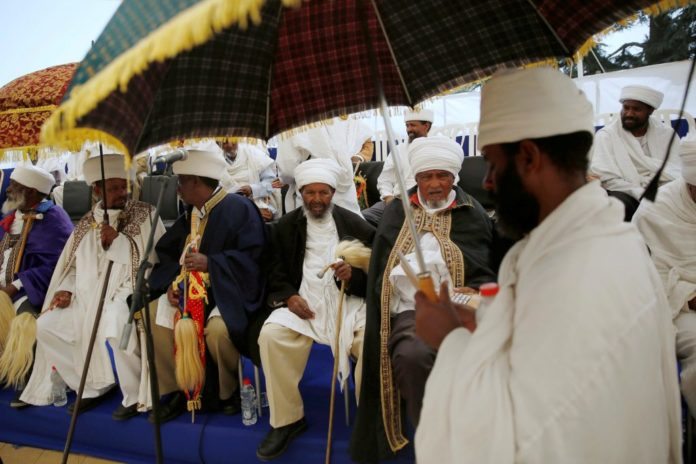
Ethiopian Jews in Israel commemorate death of 4000

Israelis of Ethiopian descent attend a memorial ceremony commemorating Ethiopian Jews who died during their immigration to Israel, at Mount Herzl in Yerushalayim on Sunday./Photo credit/ Reuters

An estimated 3,000 people gathered in Yerushalayim yesterday for the annual ceremony memorializing Jews who died on the way to Israel from Ethiopia.

Between 1984 and 1985 roughly half of those who attempted the perilous trek from Ethiopia through Sudan never reached their destination. Of some 8,000 who left for Israel, 4,000 reportedly perished on the way.

In 2007, a monument was erected on Mount Herzl to commemorate the fallen, and in 2011 the Knesset passed a resolution making the memorial an annual event that is held on Yerushalayim Day.

Israeli Prime Minister Binyamin Netanyahu and President Reuven Rivlin addressed the crowd, both noting the sacrifices made to come to Israel, and the difficulties that many from Ethiopia continue to face in Israeli society.

Stories Continues after ad

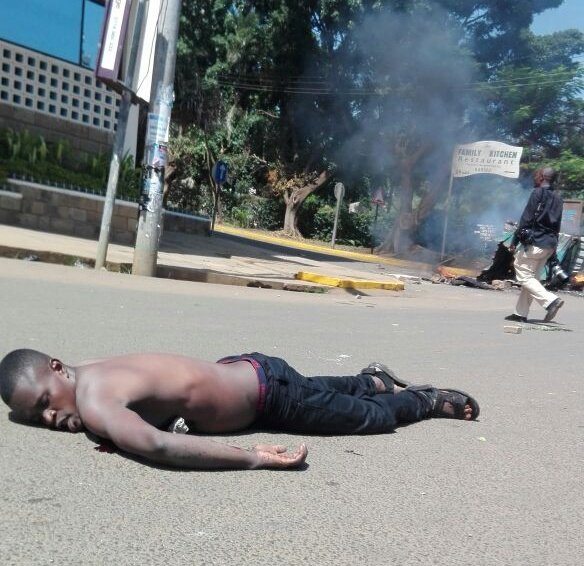
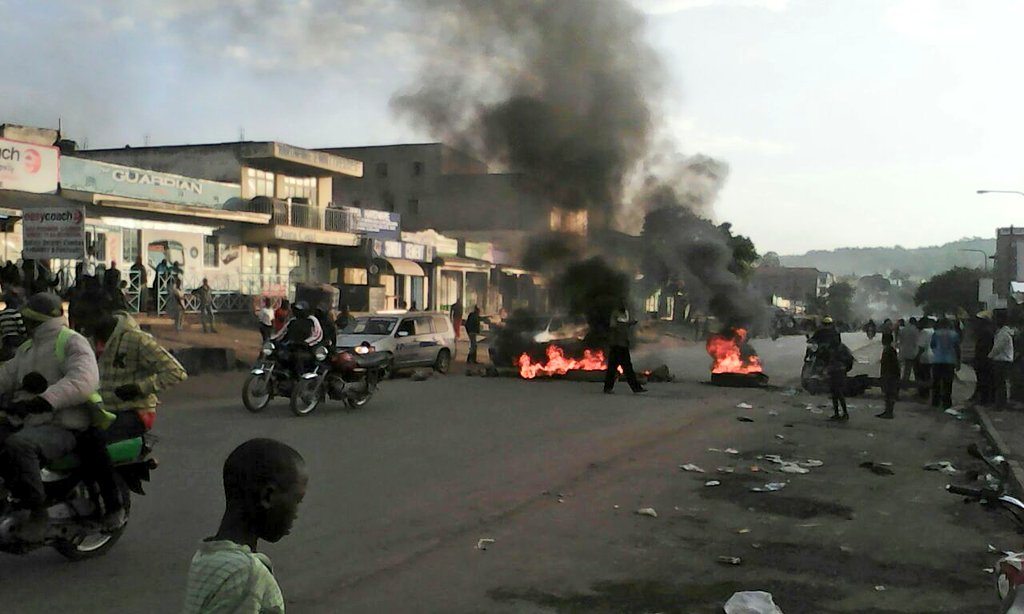
Kenya Court declines to stop anti-IEBC protests, as the country ‘burns’

Man lies on the road injured in Kisumu, as demonstrators have taken over the town-Photo credit-CapitalFMKenya.

Nairobi-The High Court in Nairobi has dismissed an application by Kabete MP Ferdinand Waititu seeking to block protests against Independent Electoral and Boundaries Commission. While delivering the ruling on Monday morning, Judge Joseph Onguto said that CORD has the right to picket and ordered the police to provide security.

kenya3

He asserted that the demonstrations have always been peaceful. “Pending hearing and determination of the petition herein, a conservatory order is issued by way of a mandatory order compelling the police to ensure security, public safety and observance of law and order …” read the ruling. CORD Senators James Orengo and Johnstone Muthama had criticized a declaration by Nairobi Police Commandant Japtheth Koome’s remarks that full force will be used on anyone who takes to the streets. They argued that a previous order issued by Justice Isaac Lenaola does not bar them from holding protests but was against destruction of property. Koome had threatened mass arrests of CORD protesters and that a detailed operation had been put in place to ensure no demonstrations in the city.

Stories Continues after ad

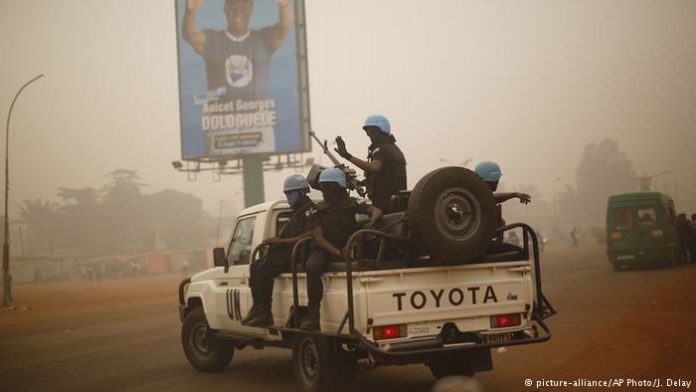
UN terminates Burundi police mission in CAR

Burundi UN peacekeeping police officers in Bangui, CAR.Photo credit /dw.com

The UN is ending the involvement of police units from Burundi in the Central African Republic. This follows what the UN describes as ‘serious and ongoing human rights violations.’

UN officials announced that Burundi’s police units stationed in the Central African Republic (CAR) will not be replaced at the end of their tour, around September. Burundi has 280 police officers deployed with the UN mission in the nation’s capital, Bangui.

“In light of the current situation in Burundi, a decision has been taken at UN headquarters not to replace the units serving in the country when their tour of duty ends,” UN spokesman Farhan Haq said in a statement.

In February, Burundian nongovernmental organization FOCODE requested that the UN investigate allegations of human rights abuses by the police units serving in Bangui.

According to FOCODE, Burundi’s President Pierre Nkurunziza has rewarded security personnel with a history of targeting his political opponents by offering them roles in UN missions.

The UN’s decision was made ‘given the current allegations of serious and ongoing human rights violations in Burundi,’ said Stefan Feller, the top police adviser for UN peacekeeping.

Although the African nation’s police units are affected, some 840 Burundian military troops will continue serving in the Central African Republic, the UN said. Burundi also has thousands of soldiers serving at the Africa Union Mission in Somalia, Amisom.

The UN’s announcement comes as the US Treasury Department sanctioned two government officials and one rebel leader linked to violence that has followed Nkurunziza’s decision to run for a third term, which opposition groups said violated the nation’s constitution.


Stories Continues after ad

Long forgotten Mad Tiger defends Tubonga Nawe artists

Mad Tiger

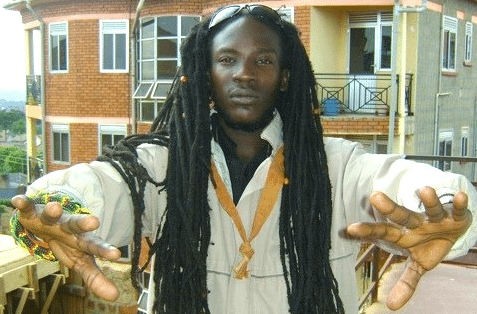
Once hailed as one of Uganda’s biggest talents, ragga crooner Mad Tiger has returned from the abyss to the rescue of fellow artists who campaigned for President Museveni in the last elections.

“It makes no sense boycotting musicians work because of their political affiliations. As for myself a music veteran I say it’s useless, Ugandans love good music for example if you are to see Bebe Cool and Chameleone are all doing well. The Tubonga Naawe boycott no sense will fade away,” said the veteran who prefers to call himself Mutoto Wa Afrika (Child of Africa)

“I personally performed at all Radio and Weasel’s recent Omwana Wa Baandi album launch shows, they were all massive except the Mukono show that did not take place,” he added.

Veteran Tiger who was in 2013 once arrested for herding cattle in the city suburbs of Natete is currently promoting his ‘Ffe Tuliko’ song off his new ‘Across The Nile’ album which he is slated to launch in December.

“I am still promoting my ‘Ffe Tuliko’ tune and recently got done with the shooting of its video at JahLive studios. Very soon it’s coming out. I should be launching my album in December because people have showed me love and I feel am back in the game,” Mad Tiger said.

Mad Tiger has nine albums .He became popular in 2001 hit with his hit  ‘Obulamu bwensi bunyuma kilo’.

His latest album has tracks like Across the Nile, Ffe Tuliko, Lonely, Many Many, New Day, A Uganda, Police, Jah Jah, Dem A Feel and Ina Di Dancehall.

Reporting by Atwiine Simon Peter

Stories Continues after ad

200m women have faced FGM in Africa

Hon Dora Byamukama has been granted leave to introduce the EAC Prohibition of Female Genital Mutilation Bill, 2016

A member of the East Africa Legislative Assembly (EALA) has said that over 200 million women in Africa have faced Female Genital Mutilation (FGM).

Contributing to debate on the East African Community Prohibition of Female Genital Mutilation Bill, 2016, Hon Judith Pareno said the huge number of victims of FGM were carried in 27 countries across the continent including Uganda.

Hon Pareno’s disclosure comes in the wake of the EALA granting leave to Hon Dora Byamukama to introduce the Bill that among others, seeks to outlaw the backward cultural practice that is also practiced among the Sebei in Uganda.

According to Hon Byamukama, the culture of FGM brings with it a number of complications including early child marriage and defilement, health complications that sometimes lead to transmission of HIV and AIDS, death and injuries to those who bear the practice.

Further, she says, with the advent of the Common Market Protocol which necessitates free-movement and cross-border nature, the influence of culture and hence spread is expected to increase if not checked.

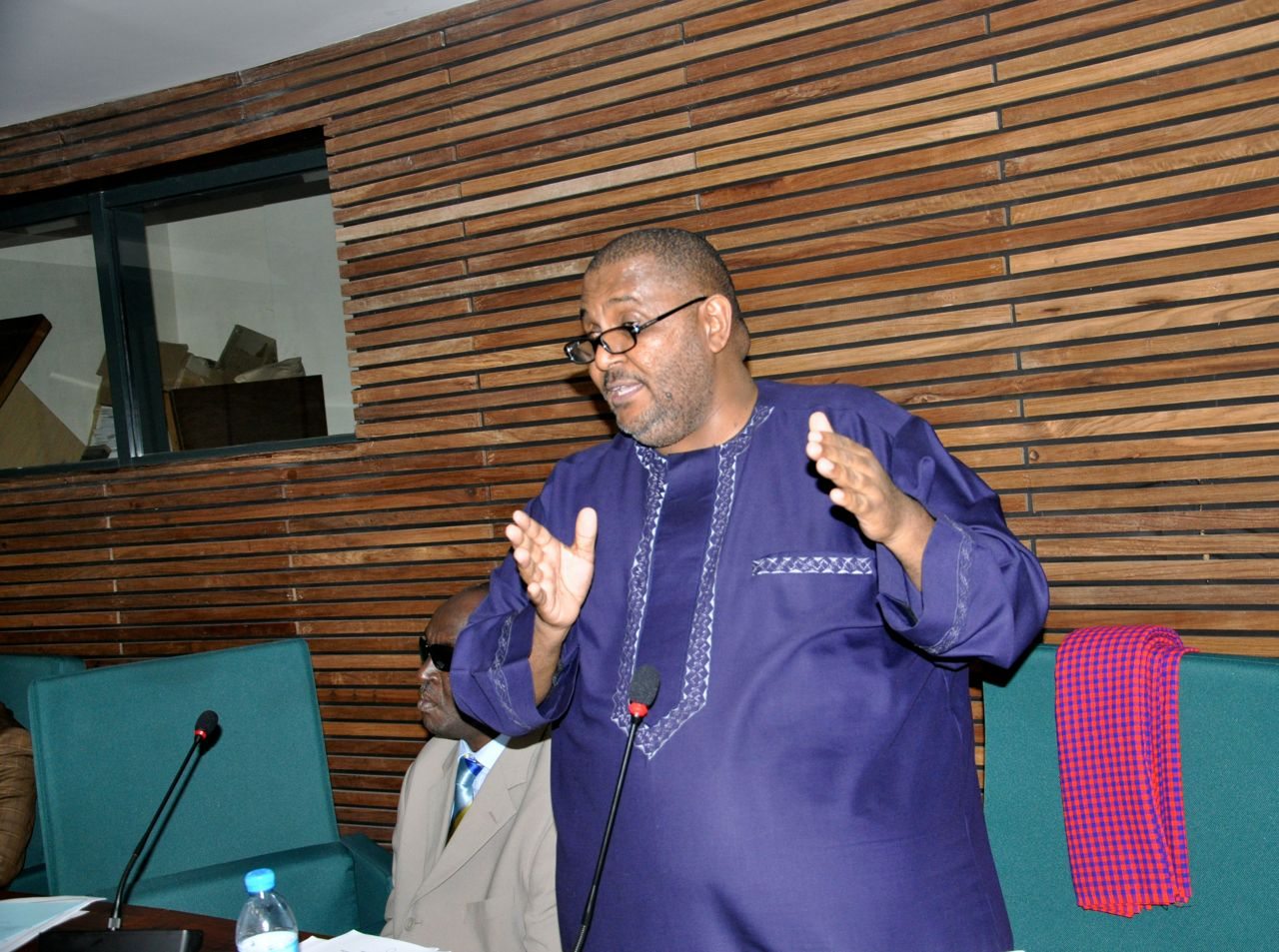
Hon Saoli ole Nkanae makes his contribution to the House

Hon Saoli ole Nkanae noted that the practice is prevalent among the Maasai people in East Africa, terming it a serious matter. Also rising in support of the motion was Hon Frederic Ngenzebuhoro.

Female Genital Mutilation (FGM) is the ritual removal of some or all of the external female genitalia and is rooted in gender inequality and attempts to control women’s sexuality and ideas about purity, modesty and aesthetics.

In 2016 UNICEF estimated that 200 million women had undergone the procedures in 27 countries in Africa, as well as in Indonesia, Iraqi Kurdistan and Yemen, with a rate of 80–98 percent within the 15–49 age group in Djibouti, Egypt, Eritrea, Guinea, Mali, Sierra Leone, Somalia and Sudan.

FGM is usually initiated and carried out by women, who see it as a source of honour, and who fear that failing to have their daughters and granddaughters cut will expose the girls to social exclusion.

The health effects of FGM can include recurrent infections, difficulty urinating and passing menstrual flow, chronic pain, the development of cysts, an inability to get pregnant, complications during childbirth, and fatal bleeding.


Stories Continues after ad

EAC 100m budget passed

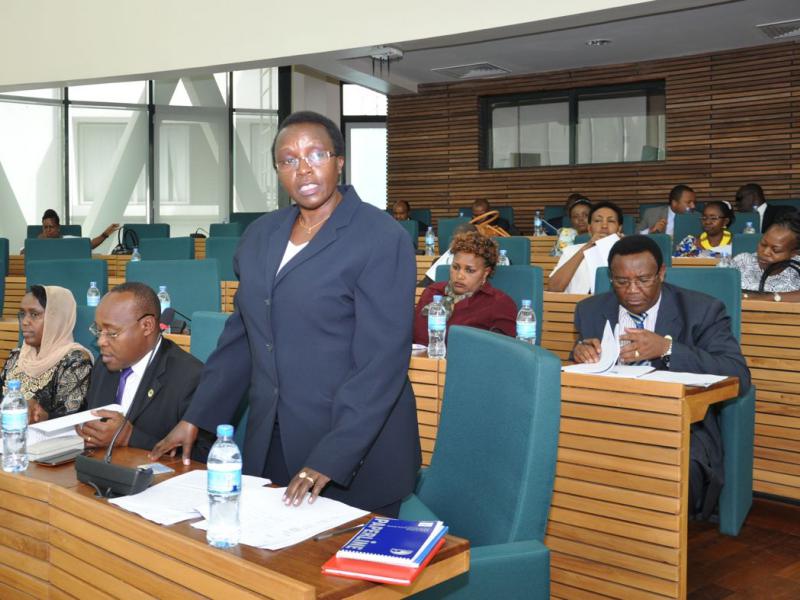
Hon Dr Susan Kolimba, Chair of the Council of Ministers responds to questions from Members

EALA has debated and passed the 2016/17 Budget totaling $101,374,589 with amendments following reallocations.

Dr. Susan Kolimba, Chair of the EAC Council of Ministers

Tanzania Deputy Minister for Foreign Affairs and East African Co-operation, Hon Dr Susan Kolimba presented the Budget speech to an attentive House on behalf of the substantive Minister and Chair of the EAC Council of Ministers Hon Dr Augustine Mahiga.

The 2016/2017 Budget is a drop down from $110,660,098 million presented to the House in the previous Financial Year. The Budget themed Towards Full Implementation of the EAC Common Market Protocol and Enhancing the Implementation of the Monetary Union Protocol prioritizes the full implementation of the EAC Single Customs Territory, enhanced implementation of the EAC Common Market Protocol especially additional commitments and interconnectivity of border immigration systems.

Prior to passing of the Budget, the Assembly resolved itself into a Committee of Ways and means to consider the Financial Statement for 2016/7 and a similar Committee of Supply to approve the Estimates of Expenditure for the same.

With it, the Assembly also passed the East African Community Appropriation Bill, 2016.

Debate of the Budget Speech was preceded by the presentation of the Committee on General Purpose on the EAC Budget Estimates for Revenue and Expenditure for the Financial Year 2016/17 by the Committee’s Chairperson, Hon Dr Odette Nyiramilimo.

EAC Budget Estimates for Revenue and Expenditure Committee Chairperson Hon Dr Odette Nyiramilimo

The Report indicates that the Community would focus on a number of areas in the coming Financial Year including the full implementation of the Single Customs Territory, as well as the enhanced implementation of the Common market Protocol.  Other key priority areas are development of infrastructure, institutional strengthening and the implementation of EAC Peace and Security initiatives.

In reviewing its recommendations, the Committee once again emphasises the efficient use of Community resources and the proper delimitation of the role and responsibilities of the finance and advisory committee.   With it comes the need to align the budget with the EAC objectives and its strategic objectives.  On the size of the budget, the Committee notes the downward trend over the last three years against a number of programmes and projects of the Community.

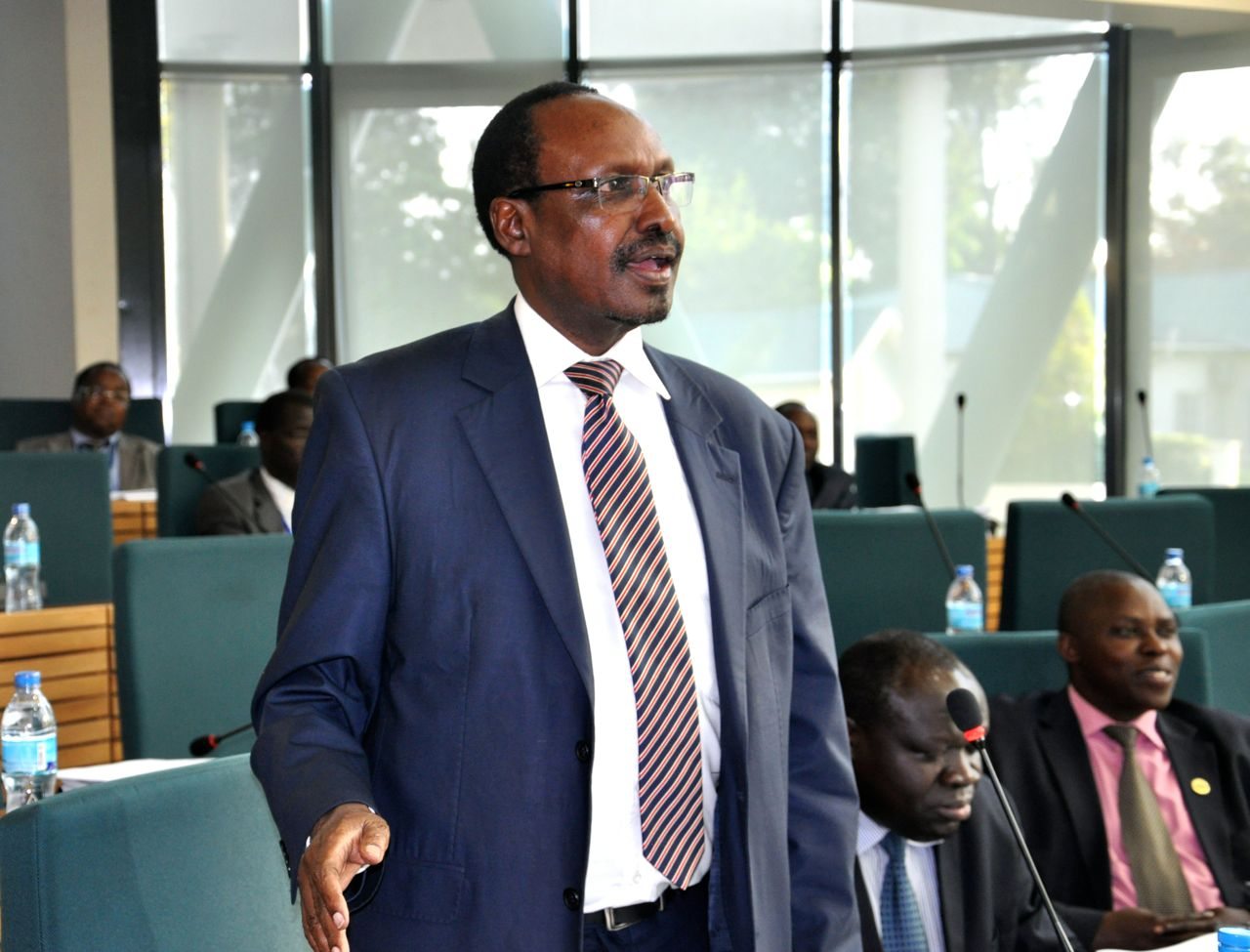
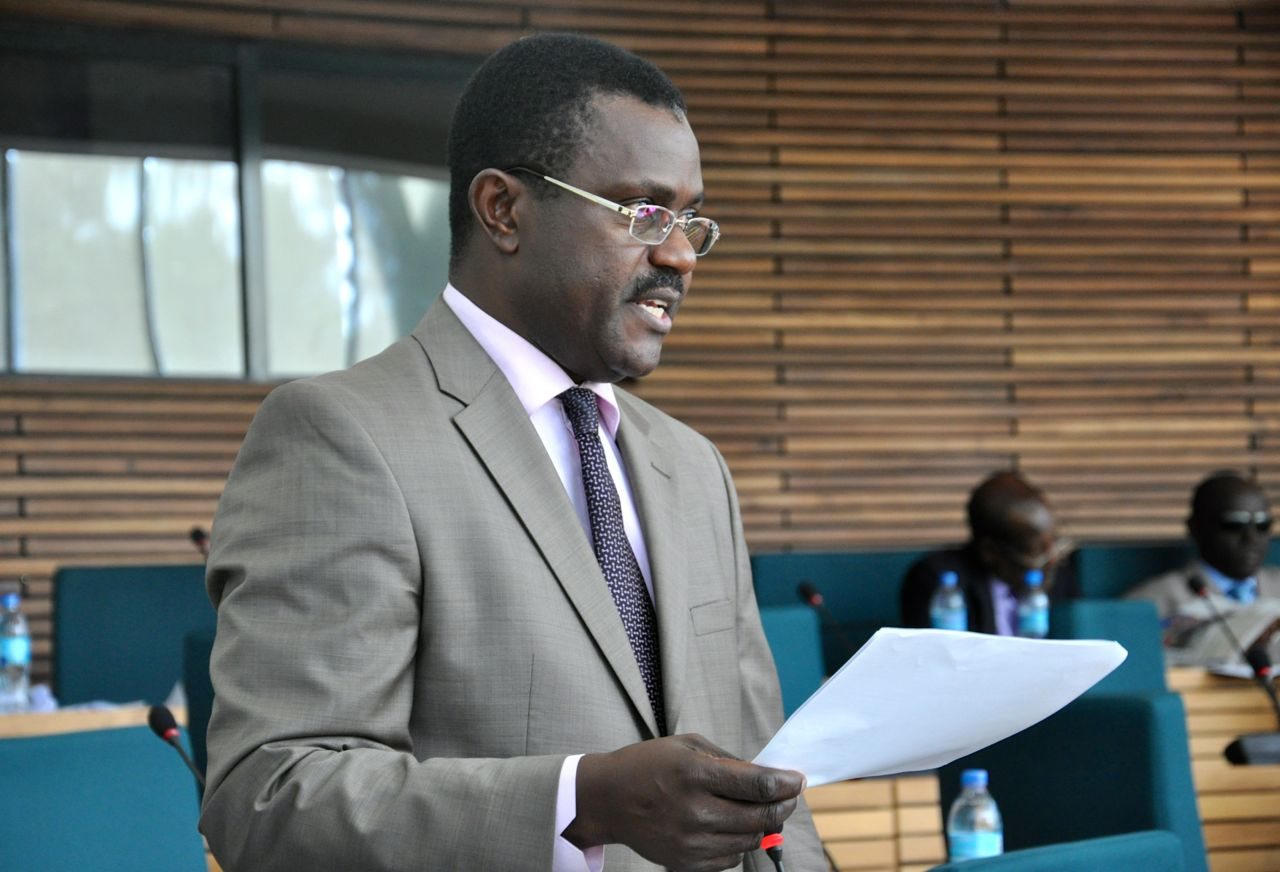
Hon Bernard Mulengani presents to the House


It thus recommends for the Council of Ministers to look seriously into the issue of inadequate funding, allow it (the Committee) to hold deliberations with the Council on sustainable funding as well as proposals for strong legislative and institutional support for the Common Market and the Monetary Union stages.

The Assembly is also emphatic that Partner States must desist from using the General reserves as a source of funds to substitute remittances, a move it terms as a high risk in terms of liquidity on the one side and that of litigation on the other.

Following reallocations by the House, the Budget is allocated to the Organs and Institutions of the EAC as follows; East African Community Secretariat ($57, 741, 185), East African Legislative Assembly ($16,086,224) and the East African Court of Justice ($4,286,477).

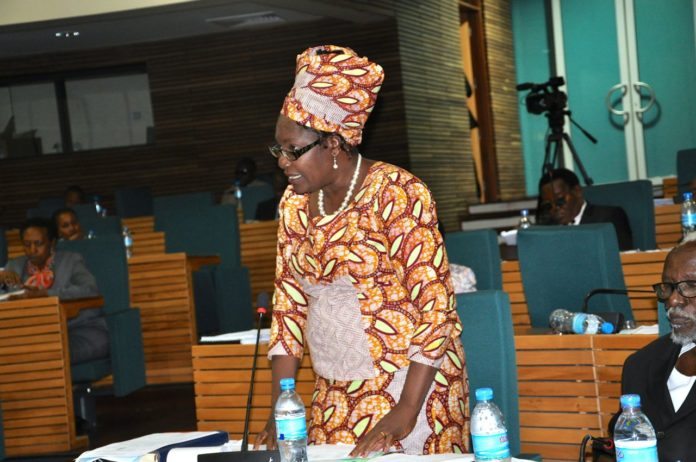
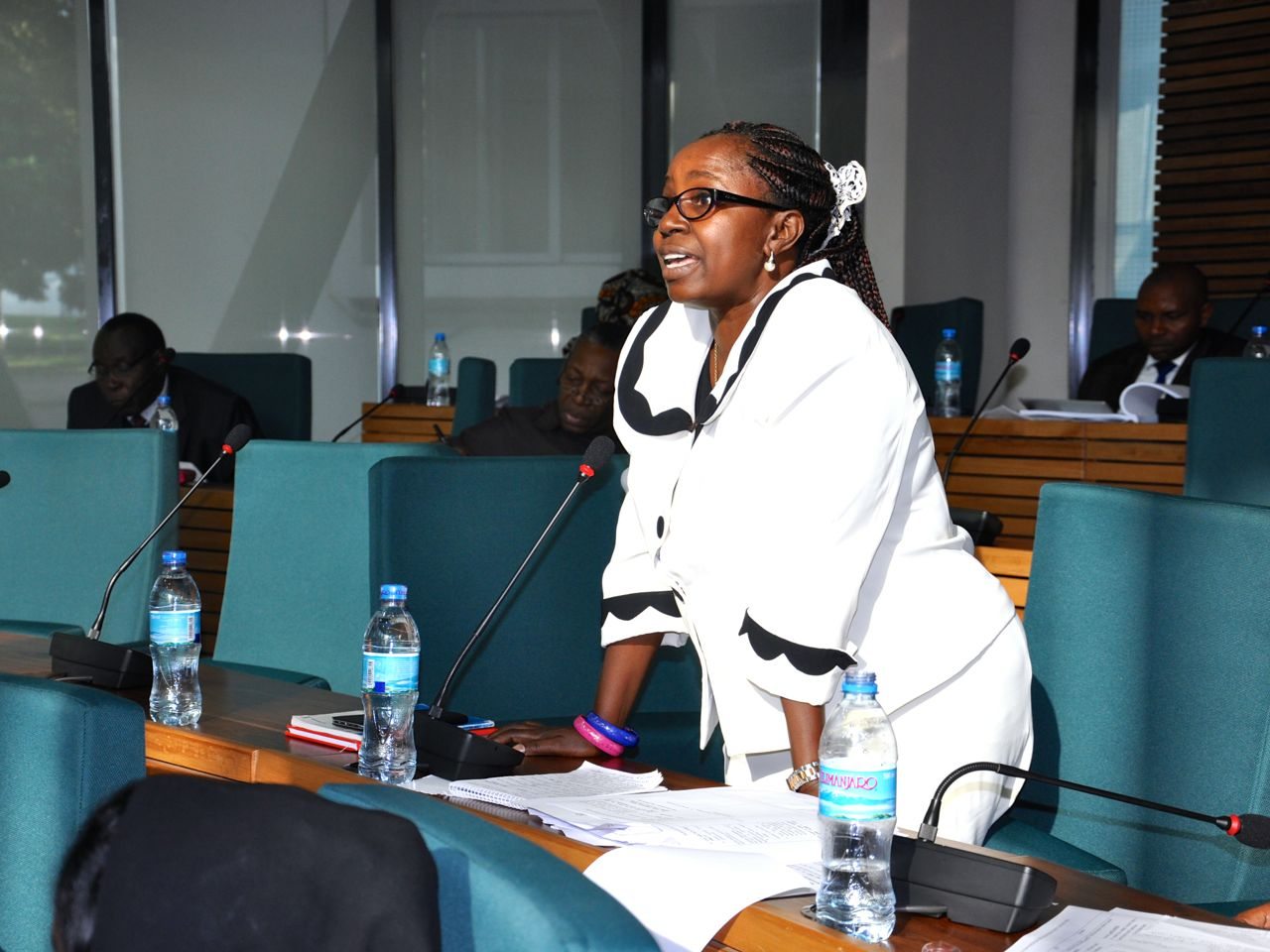
Hon Emerence Bucumi supported the Motion passing the EAC Budget

The Inter-University Council for East Africa shall receive ($4,553,890), Lake Victoria Basin Commission ($11,214,708) while $ 2,131,422 is earmarked for the Lake Victoria Fisheries Organization.   On their part, the East African Science and Technology Commission shall receive ($ 1,196,542), East African Kiswahili Commission ($ 1,179,542) and the East African Health Research Commission ($ 1,397,438). The East African Competition Authority is to benefit from $ 1,587,565 in the Financial Year.

Hon Abubakar Zein makes a point during the debate

The following members contributed to the debate; Hon Bernard Mulengani, Hon Ussi Maryam, Hon Emerence Bucumi, Hon Jeremie Ngendakumana, Hon Dora Byamukama, Hon Saoli ole Nkanae, Hon Frederic Ngenzebuhoro, Hon Pierre Celestin Rwigema and Hon Christophe Bazivamo.
Others were Hon Chris Opoka, Hon Straton Ndikuryayo, Hon Sarah Bonaya, Hon Abubakar Zein, Hon Nusura Tiperu, Hon Mumbi Ngaru and Hon Martin Ngoga.

The debate was preceded by the passage of the EAC Supplementary Appropriation Bill, 2016 amounting to USD 1,569,941 for the Financial Year ending 30th June 2016.  The Supplementary estimates were not passed at the previous 5th Meeting of the 4th Session held in Dar Es Salaam in March 2016.


Stories Continues after ad

Musisi welcomes Lord Mayor Lukwago back to City Hall

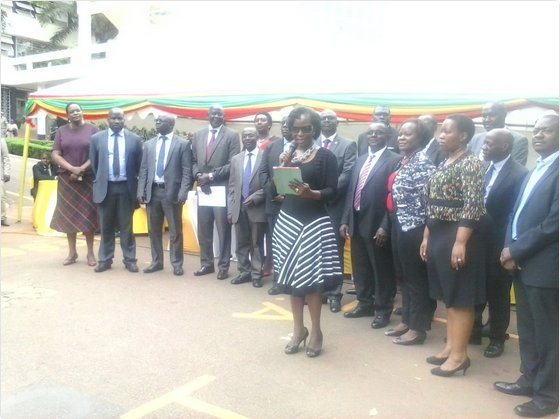
Kampala Capital City Authority Executive Director Jennifer Musisi has vowed to work with city leadership to develop the city. She was giving her speech at the start of the long awaited swearing in ceremony for councillors and Lord Mayor-elect,  Erias Lukwago that is happening today.

ED Musisi welcomed the appointees, emphasising need to work together to transform Kampala City.

“We are mindful of the challenges but we are ready to work with you [elected leaders] to transform our city Kampala that is currently named the best city in the region and a benchmark for great cities in the world,” she added.

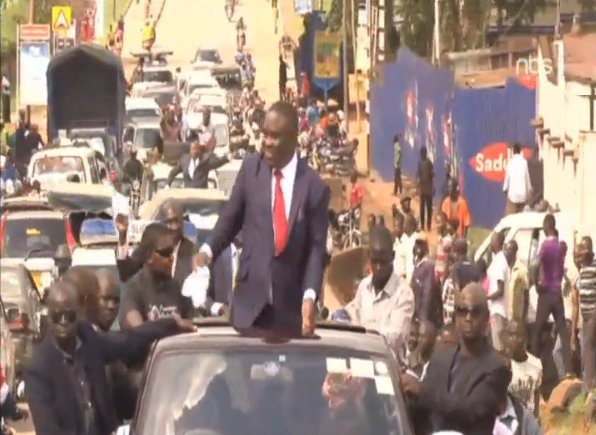
Mr. Lukwago made his way to KCCA offices for the swearing-in ceremony almost an hour ago, while by press time some of the 250 city councillors had been sworn in.

The opposition party strongman garnered 176,637 votes (80 per cent) to beat his two other rivals NRM’s Daniel Kazibwe aka Raggae Dee, who polled 49,366 and Democratic Party’s Issa Kikungwe with 7,759 votes  in the February general elections to return for a second term.


Lukwago

It should be noted that Mr. Lukwago’s swearing-in had originally been set for June 1 but was postponed on the advice of Uganda Police, citing inadequate security as most of their personnel were engaged during the state visits of the presidents of South Korea and Turkey, and also the hectic Martyrs’ Day celebrations.

Lord Mayor-elect Erias Lukwago procession blocked from using Kiseka Rd, diverted to Gadaffi Rd
Stories Continues after ad