Stanbic Bank
Stanbic Bank
27.6 C
Kampala
Stanbic Bank
Stanbic Bank
Home Blog Page 25

Museveni assents three bills into law to reform Uganda’s housing and property sector

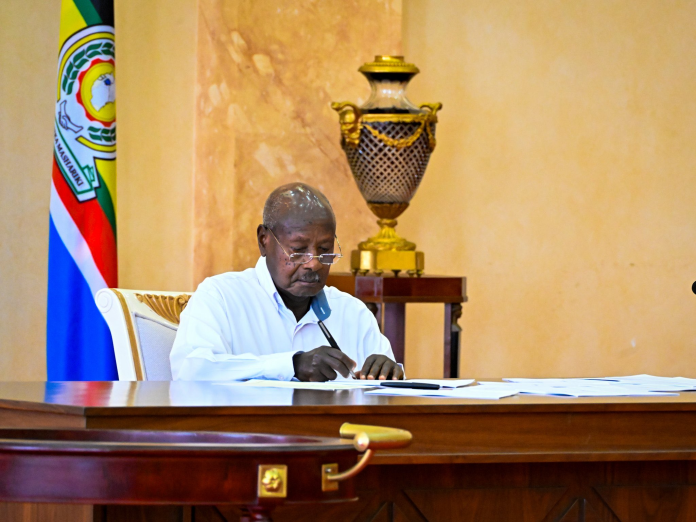
President Yoweri Museveni.

President Yoweri Museveni has assented to three new laws aimed at strengthening regulation, financing and professional standards within Uganda’s housing and property sector.

The President signed into law the Building Control Amendment Act, 2025, the Mortgage Refinancing Institutions Act and the Valuation Act to boost order in the construction industry, expand access to affordable housing finance and professionalise property valuation services.

The Building Control Amendment Act, 2025 provides for the composition of the Board and its powers, the structure of Building Committees and streamlines procedures for approving building and occupation permits.

The law aligns the composition of the Board and Building Committees and increases penalties for individuals who undertake construction works without valid building permits issued by the relevant authorities. It also addresses delays in permit approvals by streamlining procedures where a Building Committee fails to make a decision on an application for a building or occupation permit.

The Mortgage Refinancing Institutions Act establishes a legal framework for the creation and regulation of mortgage refinancing institutions. It sets out the role of the Central Bank in supervising mortgage refinance business, outlines how such institutions will operate and provides for corrective actions and liquidation where necessary.

Under the new law, mortgage refinancing institutions will be required to provide long term funding to primary mortgage lenders by refinancing or pre financing mortgage portfolios for a minimum period of 5 years. This arrangement is intended to enable primary mortgage lenders to offer mortgages to the public at more affordable interest rates, manageable instalments and longer repayment periods, including grace periods before repayment begins.

Government expects the law to increase access to sustainable financing for mortgage lenders and, in the long run, facilitate affordable housing across the country.

Meanwhile, the Valuation Act establishes the Office of the Chief Government Valuer and creates the Institute of Certified Valuers of Uganda, together with its governing Council. The law regulates the practice of valuation, provides for membership to the institute and introduces a professional code of ethics for certified and practicing valuers.

It also sets out offences and penalties related to valuation and lays down general rules and standards, including the purposes and principles guiding valuation.

With the enactment of the Valuation Act, the government aims to develop and implement a comprehensive regulatory framework that will professionalise valuation services in Uganda and ensure the delivery of credible and high-quality property assessments.

Stories Continues after ad

Buganda Premier Mayiga rallies public to embrace routine immunisation, Malaria vaccination

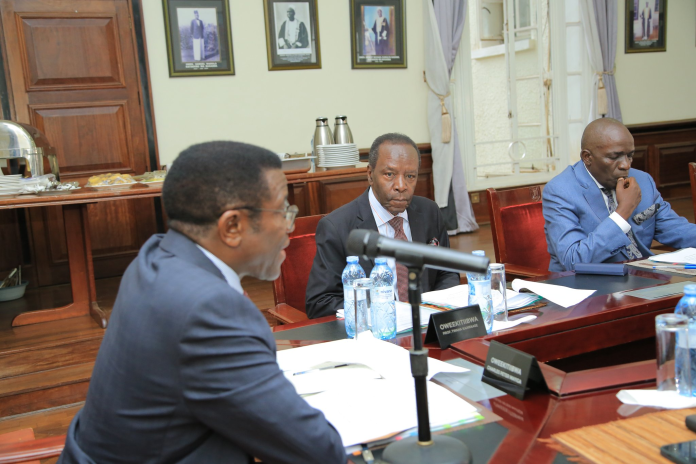
Katikkiro (Prime Minister) of Buganda, Charles Peter Mayiga.

The Katikkiro (Prime Minister) of Buganda, Charles Peter Mayiga, has called on parents, leaders, and the media to intensify efforts in protecting children through routine immunisation and malaria vaccination, describing the exercise as both a lifesaving intervention and a fundamental right for every child.

Addressing the Cabinet and members of the press, Mayiga said the Kingdom found it necessary to inform the public about its responsibility in safeguarding children from preventable and deadly diseases.

“Child immunisation remains one of the most effective strategies for preventing diseases that cause death among our children,” he said. “As leaders, we have a duty to ensure that every child is protected.”

He stressed that immunisation should be prioritised because it shields children from life threatening illnesses while also reducing the financial burden on families.

“When a child falls sick, families incur heavy medical expenses. Immunisation minimises these costs and spares parents the pain of watching their children suffer from preventable diseases,” Mayiga noted.

The Katikkiro reminded parents and caregivers that immunisation services are offered free of charge at all government health facilities, which are staffed by trained and qualified health workers. He urged families to take note of scheduled immunisation days and ensure children complete all required vaccine doses.

“Let parents and guardians be vigilant. Know the immunisation schedule at your nearest health facility and ensure your child receives all the recommended doses,” he advised.

Mayiga also tasked cultural and local leaders with mobilising communities and discouraging resistance to vaccination programmes. He dismissed claims linking immunisation to infertility or other harmful effects.

“There is no scientific evidence that immunisation causes infertility or any form of harm as is often alleged. I urge our people to listen to health professionals and trust experts on matters concerning vaccines,” he said.

He emphasised the critical role of the media in disseminating accurate information and countering myths and misconceptions surrounding vaccines.

“The media has a responsibility to provide factual information and help eliminate falsehoods that put our children at risk,” he added.

Mayiga underscored that child immunisation goes beyond being a health service.

“It is a fundamental right for every child and a shared responsibility for all of us,” he said.

Currently, children are immunised against 14 diseases, including tuberculosis, poliomyelitis, whooping cough, diphtheria, measles, maternal and neonatal tetanus, hepatitis B-related liver disease, cancer of the cervix, pneumococcal infections such as pneumonia and meningitis, yellow fever, haemophilus influenza type B, rotavirus-related diarrhoea, malaria, and rubella.

Stories Continues after ad

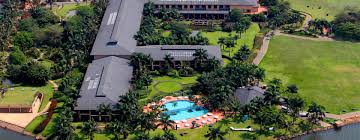
Speke Resort Munyonyo unveils Ramadan staycation packages with affordable rates 

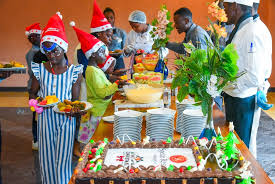
Speke Resort Munyonyo hosted children from the nearby community for Christmas party.

Speke Resort Munyonyo has announced a special Ramadan staycation package aimed at offering guests a serene and spiritually enriching retreat away from the bustle of the city.

In a promotional release, the lakeside luxury resort invites guests to embrace the beauty of Ramadan with a peaceful staycation designed for reflection, comfort and togetherness.

The package combines elegant accommodation, warm hospitality and access to premium leisure facilities, positioning the resort as an ideal destination for families and individuals observing the holy month.

According to the offer, room rates start at $182 (approximately Shs 709,800) for a single room and $201 (approximately Shs 783,900) for a double room, based on the prevailing exchange rate of about Shs 3,900 per dollar. The rates are offered on a bed and breakfast basis and are inclusive of taxes.

Guests will also enjoy complimentary access to the health club, swimming pool, steam bath and sauna, enhancing the overall staycation experience.

The management says the Ramadan package is meant to provide a calm atmosphere conducive to prayer, rest and renewal. Nestled along the shores of Lake Victoria, the resort’s tranquil environment, landscaped gardens and spacious rooms provide a fitting setting for reflection during the holy month.

“Step away from the city hustle and embrace a peaceful retreat filled with comfort, reflection and luxury,” the promotional message reads.

The message adds that elegant spaces and tranquil surroundings create the perfect atmosphere for rest and renewal.

Reservations are open through the resort’s booking channels, with management urging early booking due to anticipated high demand during Ramadan.

The resort operates alongside the adjacent Munyonyo Commonwealth Resort, reinforcing Munyonyo’s standing as one of Uganda’s premier hospitality destinations.

The new staycation offer is designed to attract both local and regional guests seeking a refined yet peaceful experience during the holy month.

Stories Continues after ad

Energy Ministry tightens gold purchase, export rules

Gold bars

The Ministry of Energy and Mineral Development has issued guidelines governing the purchase, licensing and export of gold in Uganda and tightened compliance requirements in a bid to curb illegal trade and streamline the mineral sector.

Permanent Secretary Irene Bateebe said the public notice is intended to reinforce transparency and ensure that all gold transactions are conducted strictly within the law.

“Gold is one of the precious minerals defined under the Mining and Minerals Act, and its trade must be undertaken in accordance with the law. Compliance is not optional. It is a legal obligation for anyone dealing in precious metals,” Bateebe said.

The ministry clarified that all gold transactions must be conducted between parties holding valid mineral dealers’ licences for precious metals, mining licences or refining licences as provided for under the Mining and Minerals Act, 2022.

Under the new procedures, individuals and companies intending to trade in gold must first register on the Mining Cadastre and Registry System, an electronic government platform that manages mineral licensing.

For individuals, requirements include a duly filled registration form, a valid passport or national identity card and a Tax Identification Number. Companies must additionally submit certified copies of their certificate of incorporation, memorandum and articles of association, as well as a board resolution authorising use of the mining cadastre portal.

Applicants seeking a Mineral Dealer’s Licence are required to provide proof of financial resources, a tax clearance certificate issued by the Uganda Revenue Authority and evidence of technical competence.

The ministry set statutory fees at Shs500,000 for the application and Shs10 million for the precious metals licence. Once granted, the licence expires on December 31 of the year of issuance.

Bateebe urged buyers to exercise due diligence before entering into transactions.

“Before engaging in any transaction, buyers must ensure that the seller holds a valid and relevant licence and that the authenticity and purity of the gold are properly verified,” she said. “

She added that one should obtain proof of purchase for record keeping and compliance purposes.

For exporters, the ministry requires an export permit for every consignment. Applicants must present a valid mineral right or refining licence, a completed Form 52 under the Mining and Minerals Regulations 2023, a certificate of origin where applicable and a certificate of analysis authenticated by the country of origin. Proof that the gold has been refined to a purity level of 99.9 percent is mandatory.

Importers are also required to obtain an import permit, submit an export permit from the country of origin, provide proof of payment of royalties, and pay an application fee of $270. An import permit is equally issued per consignment.

By following the outlined procedures, the ministry says individuals and companies can legally purchase, trade and export gold in Uganda while supporting responsible mineral development and safeguarding national revenue.

The new directive reveals government efforts to formalise mineral trade, enhance revenue collection and promote sustainable exploitation of Uganda’s mineral resources.

Stories Continues after ad

Rotary District 9213 launches $500,000 Mama Toto programme to support maternal, child health in Uganda

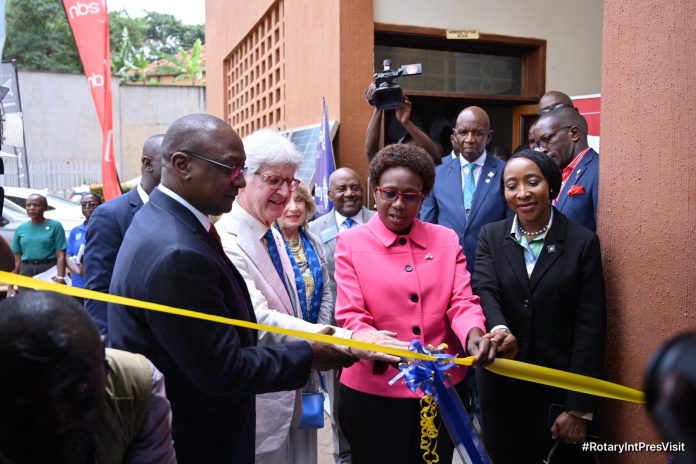
Rotary International President Francesco Arezzo, accompanied by his wife Anna Maria, is on a three-day visit focused on service projects and fellowship engagements. Right is Governor Geoffrey Kitakule of Rotary District 9213 and Health Minister, Ruth Acen.

Kampala-Rotary District 9213 has launched a $500000 Mama Toto Care Uganda aimed at strengthening maternal and child health services across the country with an aim to reduce maternal and infant mortality.

The initiative was officially unveiled by Rotary International President Francesco Arezzo, who arrived in Uganda accompanied by his wife Anna Maria for a three day visit focused on service projects and fellowship engagements. 

The President was received by Rotary District 9213 Governor Geoffrey Martin Kitakule, senior Rotarians, and government officials, including Health Minister Jane Ruth Aceng.

The launch activities included a visit to Kawempe National Referral Hospital, one of the country’s busiest maternity and neonatal facilities. Rotary leaders and government officials toured the maternity and neonatal units where they interacted with health workers and mothers, reaffirming their commitment to improving service delivery, equipment support and community outreach under the Mama Toto programme.

Speaking at the launch, President Arezzo said the investment reflects Rotary’s global commitment to protecting mothers and children and ensuring that preventable deaths are eliminated through stronger health systems and community partnerships.

“This programme is about giving every mother and every child the opportunity to survive and thrive. Rotary believes that no woman should lose her life while giving life and no child should die from preventable causes,” he said.

Health Minister Jane Ruth Aceng welcomed the support, noting that maternal and child health remains a top priority for government. She said partnerships with organizations like Rotary are critical in complementing government efforts to improve infrastructure, train health workers and expand access to essential services.

“We appreciate Rotary for standing with Uganda in strengthening maternal and child health. Collaboration is key in ensuring that our mothers deliver safely and our children grow up healthy,” Dr Aceng said.

Governor Geoffrey Kitakule said the Mama Toto programme will focus on equipping health facilities, supporting training for frontline health workers, enhancing referral systems and mobilising communities to seek timely antenatal, delivery and postnatal care services. He emphasized that Rotary clubs across Uganda will play an active role in implementation and monitoring to ensure sustainability and measurable impact.

The Mama Toto Care Board was inaugurated by President Arezzo to oversee the governance and strategic direction of the programme. The Board brings together leaders from Rotary, government, academia, banking and development partners to ensure accountability and effective implementation.

Members of the Mama Toto Care Board are:

1. PDG John Magezi Ndamira, District Rotary Foundation Coordinator D9213 and Chair District Rotary Foundation Committee D9213, also Chair Rotary Mama Toto Care Uganda. 

2. PDG Francis Xavier Sentamu, Past Rotary Foundation Coordinator D9213

3. Dr Richard Mugahi, Commissioner Reproductive and Child Health, Ministry of Health

4. Dr Flavia Mpanga Kaggwa, Health Specialist, UNICEF Uganda

5. Ms Diana Ondoga, Stanbic Bank Uganda

6. Ms Olive Birungi Lumonya, Deputy Director General, Civil Aviation Authority

7. Ms Nakato Margaret Nsibirwa, Rotary Club of Kisugu Victoria View

8. Dr Sabrina Kitaka, Senior Lecturer, Department of Pediatrics and Child Health, Makerere University College of Health Sciences

9. Mr Daniel Lubogo, AB and David Advocates

Rotary leaders expressed confidence that the $500000 investment will catalyse further partnerships and resource mobilisation to scale up maternal and child health interventions across Uganda, reinforcing the organization’s longstanding commitment to service above self.

Stories Continues after ad

Commonwealth Resort Munyonyo named among four hotels with five-star status in UTB new rankings

Speke Resort Munyonyo

The Uganda Tourism Board has unveiled its latest grading and classification of accommodation facilities as of November 2025.

The new rankings place four properties at the top of the industry. Commonwealth Resort Munyonyo, Kampala Serena Hotel, Lake Victoria Serena Golf Resort and Sheraton Kampala Hotel have each attained five star status.

The grading aims at raising service standards, strengthening investor confidence and sharpening Uganda’s competitiveness in regional and global tourism.

Seventeen hotels were awarded four stars, 23 received three stars, while 59 were classified as two star establishments.

Among the four star properties are Four Points by Sheraton Kampala, Hotel Africana, Protea Hotel Kampala Skyz, Kabira Country Club, Bunyonyi Safaris Resort and Mestil Hotel.

Mr John Simplicious Gessa, the UTB spokesperson said the assessment process is conducted by a sector wide team with diverse expertise that evaluates facilities against established indices and grades.

“This classification helps us anticipate the type of service a visitor can expect and with this clients are unlikely to be disappointed when visiting a lower star facility because requirements differ by category,” he said.

He added, “By clearly defining the standards for each category, we are giving tourists certainty about what to expect, while signaling to investors where opportunities lie. Grading ensures that services meet regional and international benchmarks, which raises Uganda’s profile as a reliable and competitive destination.”

The exercise is conducted in line with East African Community standards, applied uniformly across hotels, lodges, motels, cottages and other accommodation facilities, although the criteria vary depending on the nature of the establishment.

“A place may be neat, but without a swimming pool or a standard reception, it cannot achieve a five star rating. Lodges and motels are assessed based on the purpose they serve,” Mr Gessa explained.

He emphasized that facilities must hold a valid operating licence to qualify for grading. Properties still under construction or those not legally authorised to host guests are excluded.

“We don’t inspect facilities that are still underway or those not legally authorized to accommodate guests,” he said.

Under the classification system, star levels correspond to the range and quality of services offered. One star establishments are typically small and independently owned, offering basic amenities and simple meals. 

Two star facilities provide more extensive services, including en suite bathrooms and better equipped accommodation.

Three star hotels are expected to demonstrate higher staffing levels and fully functional departments. 

Four star establishments must offer luxury furnishings, spacious bedrooms, coordinated décor and a high staff to guest ratio to support services such as porterage, 24 hour room service and laundry.

Five star properties are required to deliver spacious and luxurious accommodation that meets international standards, supported by exceptional interior design, immaculate furnishings, highly trained staff and flawless service. Their restaurants must demonstrate high technical skill in producing dishes that meet global benchmarks.

The grading is based on the Regulation 5(4) of the Uganda Tourism Classification of Accommodation Facilities and Restaurants Regulations, 2014, which seeks to assure travellers of the quality of services provided.

Sector data indicates Uganda has about 3,850 hotels nationwide, according to the Tourism Marketing Master Plan. However, figures from the Uganda Bureau of Statistics list about 6,000 hotels. The Uganda Hotel Owners Association maintains that the lower figure more accurately reflects sector capacity, noting that about 1,200 hotels are located in Kampala.

Ms Jean Byamugisha, the association’s chief executive officer, welcomed the grading exercise but noted that it comes at a time when operators are grappling with high operating costs.

She said investors contend with 26 different taxes and licences, a burden that makes Uganda less competitive than its regional peers and pushes budget conscious travellers toward one and two star facilities, homestays and Airbnb options, many of which remain ungraded.

“The tax strain has made it difficult for small and mid range hotels to upgrade or expand in time for growing demand. Many operators are also working on tight budgets, unable to access credit to complete new builds or refurbish existing facilities,” she said, adding that the association is advocating for tax consolidation to simplify compliance and make investment more attractive.

A recent study by the World Bank on tourist expenditure and motivation found that visitors leave Uganda with 60 percent of their money unspent due to a perceived shortage of attractions beyond game parks, underscoring a gap in tourism earnings.

Despite these challenges, the sector continues to post strong growth. The latest annual Tourism Development Programme Performance Report shows that tourism earned Shs4.8 trillion, equivalent to $1.28 billion, in 2024, marking a 26 percent increase from 2023. The earnings surpassed the pre pandemic peak of 2019 by 4.9 percent.

The government has allocated Shs430 billion for direct investment in tourism in the 2025/26 financial year, reinforcing its commitment to a sector that is charting a steady post pandemic recovery.

Stories Continues after ad

Games, Markets and Money: Rethinking Risk and Regulation in Uganda

Mr. Kenneth Robert Kitariko.

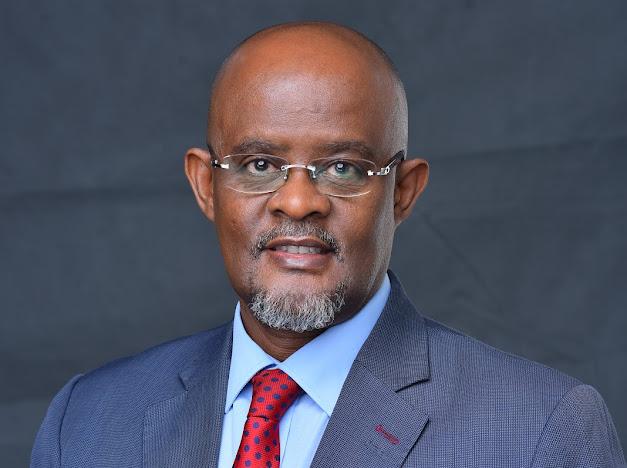
By Kenneth Robert Kitariko
Chairman, National Lotteries and Gaming Regulatory Board, Uganda

Historically, gaming has carried a mixed and often uneasy reputation, swinging between tolerance, suspicion and outright stigma depending on the era and society. In many communities it is shunned on religious and moral grounds, yet it is rarely treated as a serious economic sector or a subject for thoughtful public policy. For a long time, the popular image of gaming and lotteries was one of dark, dingy rooms filled with smoke and whispering bettors. Today, much of that activity has moved into a bright digital expanse that fits in the palm of a hand. Governments stepped in to manage gaming and did so because unmanaged growth created risks to players, public revenue and social trust.

It is into this long and sometimes uneasy global story that I now step as the Chairperson of the National Lotteries and Gaming Regulatory Board. After more than twenty-five years working across East Africa’s capital markets and broader financial services, I find myself leading a sector that has travelled a similar journey from moral suspicion to data-driven oversight. Coming from the private sector, I was struck by how modern and connected Uganda’s gaming regulatory framework has become, with systems and people that in some respects rival those I encountered in corporate finance.

That experience has convinced me that the way we regulate gaming and the way we regulate capital markets are more closely linked than many Ugandans might assume.

Shared foundations

By December 2025, Uganda’s capital markets and its licensed gaming industry were each generating multibillion-shilling turnover annually and contributing formally to government revenue and household economic activity. Capital markets channel long-term savings into companies and public infrastructure. Gaming relies on short-term discretionary spending, money that individuals choose to risk on games of chance. The risks differ, but the regulatory task is familiar. Both sectors require clear rules, effective enforcement and serious risk management.

Public perception, however, has not kept pace with this reality. Capital markets were for years viewed as a distant preserve of elites, poorly understood and underutilised until the growth of unit trusts during the Covid period broadened participation. Gaming, on the other hand, remains trapped in a moral debate that often ignores its economic scale, technological sophistication and operational complexity.

Each sector has something to teach the other. Capital markets bring long experience in disclosure, governance, investor protection and anti-money-laundering controls. Gaming has advanced rapidly in transaction monitoring, telecom integration and the analysis of vast volumes of low-value transactions. These capabilities can inform modern surveillance, enforcement and consumer-protection approaches across both domains. Regulation, in either case, is not about stifling innovation. It is about managing risk, preventing harm and protecting the integrity of the system.

Enforcement and access

The differences between the two sectors become most visible in how people gain access. In capital markets, access is mediated through licensed gatekeepers such as brokers, fund managers, advisers, custodians and the stock exchange. An investor must open an account, complete identity checks and leave a digital trail within a central depository or registry. Enforcement therefore concentrates on these intermediaries and the products they distribute. The process can be slow and legalistic, but that is the price of due process and investor protection.

Gaming operates at the opposite end of the spectrum. A punter with a basic mobile phone and a mobile-money account can place a bet within seconds, without an adviser or intermediary. That ease of access is part of the sector’s appeal, but it also means that enforcement must be more immediate and visible. The Board must combine data analysis with physical inspections, seizure of unlicensed machines, blocking of illegal websites and joint operations with the Police, URA, UCC, the Judiciary and the ODPP.

During routine inspections, officers often encounter small neighbourhood outlets operating without a licence. Machines are installed quietly, collecting bets from regulars who view the activity as harmless entertainment. What is often missing is not demand, but oversight: no age verification, no player protection and no contribution to public revenue. That gap between informal activity and regulated participation is where harm takes root, not through dramatic events but through daily, unchecked transactions.

The enforcement postures differ, but the objective is the same. Whether dealing with securities or sports betting, regulation exists to keep out bad actors, protect players and ensure that participation takes place in an environment worthy of public trust.

Mandate, growth and shared risks

Uganda’s capital markets have grown steadily from a small exchange with few listings into a more diversified ecosystem that includes corporate bonds, collective investment schemes and dual listings. Cooperation between the Capital Markets Authority, the Uganda Securities Exchange and the Central Depository has strengthened transparency, settlement and oversight.

The gaming sector has experienced far more compressed growth. Today, the NLGRB oversees more than fifty licensed operators across lotteries, casinos and sports betting. The Central Monitoring System provides visibility into gaming activity, improves compliance with taxes and fees and enables more targeted supervision. It has reduced illegal operations and encouraged a stronger culture of compliance among licensed operators.

Anti-money-laundering obligations sit at the centre of this effort. Just as securities firms must know their customers, identify beneficial ownership and monitor unusual activity, gaming operators are increasingly expected to apply similar risk-based controls. Techniques long used in capital markets, such as pattern recognition and risk scoring, can be adapted to gaming. At the same time, gaming’s experience with high-frequency transactions and telecom-level integration offers lessons for supervising digital investment products.

Digital change and the need to keep pace

Digital transformation has expanded access in both sectors. Investors can now buy units in collective investment schemes or government securities using mobile phones. Gaming platforms rely on the same payment rails to reach millions of users. This low-friction access supports inclusion, but it also accelerates the speed at which harm can occur and raises questions about data protection, digital identity and responsible behaviour.

Regulatory frameworks do not always evolve at the same pace as technology. For this reason, carefully designed regulatory sandboxes have value. In gaming, these could allow controlled trials of stronger responsible-gaming tools such as dynamic spending limits or improved self-exclusion systems. In capital markets, they could support innovation in digital savings products or new advisory models under close supervision. Sandboxes allow regulators and innovators to learn from evidence rather than assumption.

Behaviour, literacy and public interest

True financial literacy is not about memorising product names. It is about understanding risk, probability and consequences. In capital markets, it helps distinguish long-term investment from speculation. In gaming, it reinforces the idea that betting is entertainment, not a financial strategy.

During outreach activities, the Board frequently encounters individuals chasing a single transformative win. Some bet beyond their means or continue playing to recover losses. This behaviour mirrors speculative cycles in financial markets. It raises an important question: why do many who readily place multiple bets hesitate to invest small, regular amounts in long-term savings products that offer far greater security over time?

Responsible gaming, in simple terms, means using only money one can afford to lose and knowing when to stop. Borrowing to bet, hiding losses or sacrificing essentials such as rent, school fees or medical care are warning signs that require intervention. Regulators across gaming, capital markets and insurance share a duty to promote prudence, self-control and informed decision-making.

Bringing financial literacy into responsible gaming policies can support healthier behaviour. At the NLGRB, we see opportunities to work with other regulators, telecom companies and educational institutions to embed simple educational tools directly into gaming platforms and mobile‑payment systems. including spending alerts, budgeting and self-exclusion. Investment and insurance apps can offer similar guidance. Over time, this can help gamers become more disciplined savers, and investors more thoughtful about how they engage with games of chance.

My years in capital markets have shown me that no sector thrives without trust, discipline and clear rules. That lesson applies equally to gaming. Sound regulation requires holding two truths together: the private sector must be free to innovate and create jobs, and the state must protect the public and preserve market integrity. Lean too far in either direction and the system fails.

Uganda’s experience shows that sustainable growth depends on strong, flexible and risk-aware regulation backed by credible enforcement. Capital markets and gaming may differ in form, but both rely on transparency, fairness and ethical leadership. The learning curve in gaming is undeniably steep, but government support for effective, modern regulation is strong, and understanding across ministries, agencies and partners is far more aligned than it was just a few years ago. With that alignment, and with steady, principled enforcement, Uganda has a genuine opportunity to build a gaming industry that is innovative, well regulated and trusted, standing alongside its capital markets as another pillar of the country’s economic story.

After all, Las Vegas, Macau in China, Monte Carlo in Monaco, Singapore, Atlantic City, Sun City and Montecasino in South Africa show how entire cities now wear gaming and entertainment as a central part of their public identity rather than something to be hidden in secrecy.

Stories Continues after ad

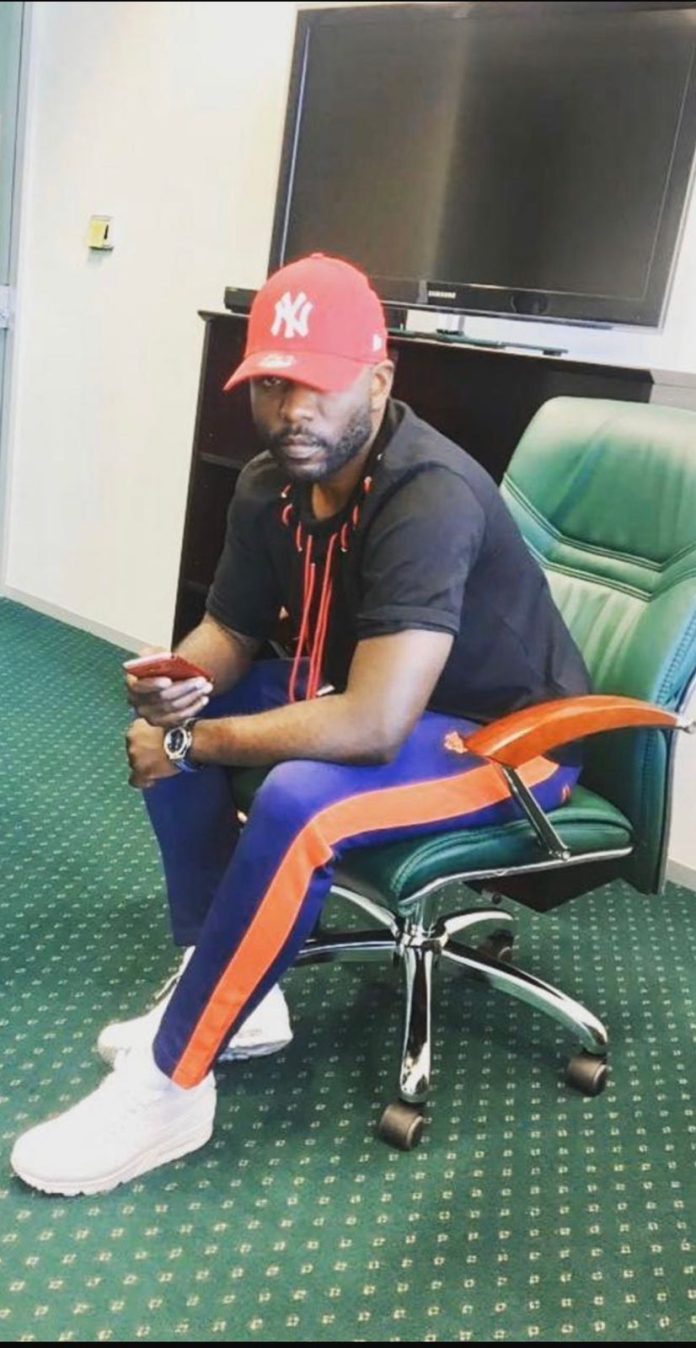
EXCLUSIVE: Rich Gang’s Ed Cheune pours billions into sports betting and logistics sectors

Rich Gang's Ed Cheune.

When most Ugandans hear the name Edward Kyeyune—better known as Ed Cheune—they immediately think of big parties and luxury. As a leading member of the famous “Rich Gang,” he has always been in the spotlight for his flashy lifestyle. However, it looks like he is now taking a completely different path. The well-known socialite is now focusing on building a serious business empire.

According to recent reports, Cheune is making big moves in two growing industries: sports betting and logistics. While he has not officially announced the names of his new companies just yet, close sources say he is investing a lot of money into these projects. This shows a big shift from just spending money to creating generational wealth.

Even though he is famous for having fun, Cheune has always had a mind for business. For example, in December 2020, he was the main face at the Kampala launch of AU Vodka Gold, a premium drink from the UK. That move showed his early interest in the high-end business world.

Of course, his love for the fine things in life is still a big part of his story. After moving to Dubai, he famously bought a Lamborghini Huracán worth about Shs 1.3 Billion to drive around his home at the Burj Khalifa. Back in Kampala, people used to see him in a beautiful Mercedes GLE AMG with a custom “Cheune 9” number plate.

He also leaves behind a legendary social legacy. Alongside King Lawrence and the late Ivan Ssemwanga, Cheune used to host the famous “Made of Money” end-of-year parties at Liquid Silk. They were known for buying drinks for everyone just to celebrate the holidays together.

Today, it seems those party days are turning into boardroom meetings. As he sets up his new betting and transport companies, we are keeping a close eye on his progress. We shall share more details about the investments as details come in.

Stories Continues after ad
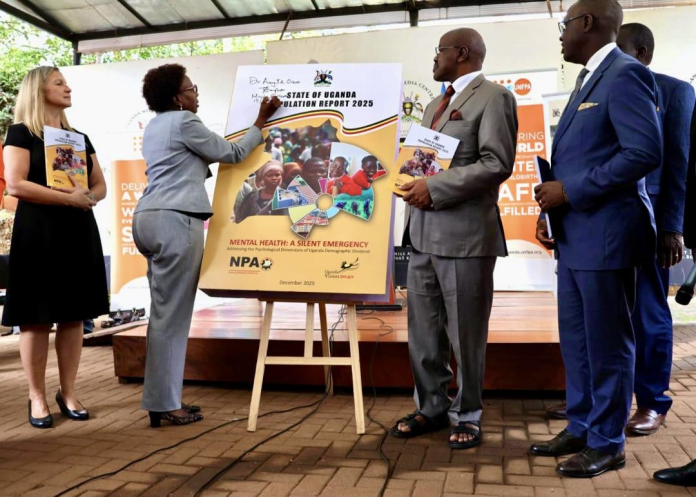
Uganda population to rise to 48.2million this year – Health Ministry

Health Minister, Dr. Ruth Acen at the launch of the State of Uganda Population Report

The Minister of Health, Dr. Jane Ruth Aceng has revealed that Uganda’s population is projected to reach 48.2 million in 2026 and called for the urgency of addressing the country’s growing dependency burden and youth unemployment challenges.

Dr. Aceng made the remarks during the launch of the State of Uganda Population Report at the Media Centre in Kampala, an event organised by the Ministry of Health in partnership with the United Nations Population Fund.

According to the Minister, Uganda’s rapid population growth remains driven by high fertility rates, with women giving birth to an estimated 1.5 million babies every year.

“When I say 1.5 million people are added each year, it means our women will deliver 1.5 million babies. And this is not only this year, it is every year,” Dr Aceng said.

She cited the latest report from the Uganda Bureau of Statistics, which puts the current population at 45,905,417, with females accounting for 53% and males 47%.

Dr Aceng noted that Uganda’s fertility rate remains at about 4.5 births per woman, contributing to sustained demographic expansion. She warned that while the country’s youthful population presents an opportunity for economic transformation, it also poses serious risks if not properly managed.

“73.2% of Ugandans are below the age of 30. This presents a powerful opportunity for a demographic dividend, yet it also presents a serious risk if our young people are overwhelmed by unemployment, exclusion, addiction, trauma and untreated depression,” she said.

The report further shows that 50.9% of young people aged 18 to 30 are not in employment, education or training, a situation the Minister said is a driver of distress and hopelessness among the youth.

“Uganda’s population challenge is not only about how many we are. It is about how well we nurture and protect well-being across the life course so that our youthful population becomes a skilled and productive workforce under the National Development Plan IV and the Tenfold Growth Strategy,” she emphasised.

Dr Aceng also raised concern over the rising mental health burden in the country, revealing that facility reported mental health cases increased by 71% between 2021 and 2024.

“The evidence presented in the State of Uganda Population Report 2025 is deeply concerning,” she said.

She also stressed the need for stronger investment in mental health services and social protection systems.

The State of Uganda Population Report provides a comprehensive overview of demographic trends and their implications for health, education, employment and national development planning.

Stories Continues after ad

DJ Mysterios2 serve Entebbe golfers vibes and rhythms at Stanbic matchplay tourney

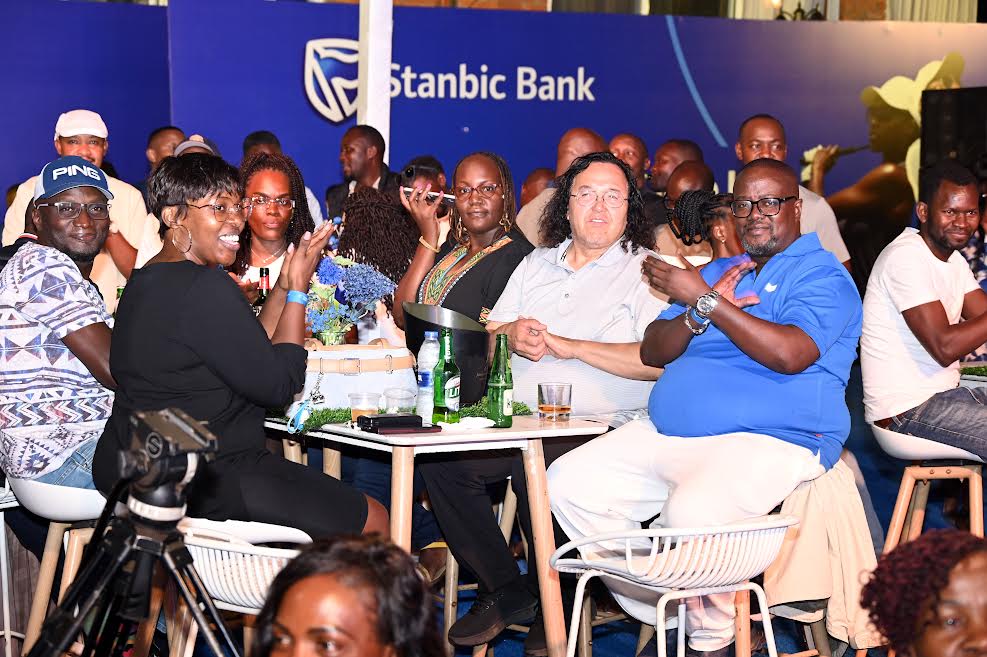
ENTEBBE: Valentine’s night at the Entebbe Golf Club transformed into an unforgettable fusion of sport and spectacle as the Stanbic Matchplay Challenge kicked off with high-octane action on the greens and an even higher tempo at the 19th hole.

The highlight of the night was the much-anticipated takeover by Kampala’s finest female deck-spinners, Mysterious2. The sister duo Mutesi Dej and Muvaneza Espera brought their signature “synthetic mixes” to the lakeside club, leaving the golfing community in awe.

While 246 golfers battled through a day of intense matchplay, the atmosphere shifted as the sun dipped below the horizon. Mysterious2 delivered an electric set that traversed Amapiano and Dancehall, seamlessly blended with Uganda’s trending hits.

“We are the Mysterious2 and we are here to do nothing but make you people happy. We are sure you will enjoy the vibe,” said Dush (Mutesi Dej) as the duo took command of the decks.

The ‘woman takeover’ theme was not limited to the DJ booth. On the course, Berna Musanabera stole the show by sinking a historic Hole-in-One, walking away with the ultimate prize: a brand-new Toyota Corolla Cross, courtesy of CFAO Mobility Uganda.

Following the duo’s set; the energy remained high as DeeJay Jo stepped in to take the crowd on a nostalgic journey. His ‘old school treat’ featured Ugandan classics like radio and weasel’ Bread and Butter and Eno Mic by Ziggy Dee, several Afrigo jams, bridging the gap between Millennials, Gen X, and Baby Boomers.

The night reached its crescendo with Selector J, the Entebbe Golf Club’s in-house DJ, who guided the revelers through a final lap of celebration that lasted well beyond midnight.

The event marked the grand return of Uganda’s premier golfing tournament, supported by Stanbic Bank’s commitment to community and lifestyle.

Arthur Kiwanuka, Stanbic Bank’s Head of Affluent Banking, noted that the enhanced 19th

Hole experience was a deliberate gift to their clients.

“Today, we are not just celebrating sport; we are celebrating love for our golfing community,” Kiwanuka said.

He added, “This is firmly in line with our purpose: Uganda is our home, we drive her growth. We are committed to being in the spaces our clients love, and we are not planning to leave anytime soon.”

The celebration was made even sweeter by Flexipay, which offered heavy discounts throughout the night. Golfers and guests enjoyed food, cocktails, and shots at reduced prices, ensuring the Valentine’s spirit was felt by all.

Stories Continues after ad