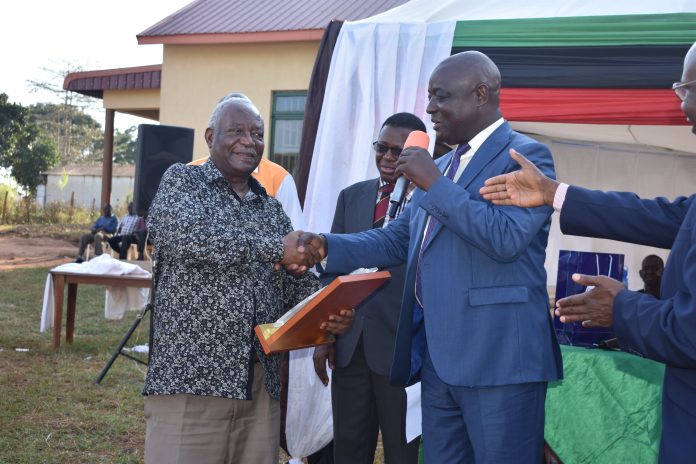
Prof. Rubaihayo receives an award from former Agriculture Minister Vincent Ssempijja at a past event.
Professor Patrick Rubaihayo, the former State Minister of Agriculture under President Milton Obote second government has died.
Rubaihayo died at his up-country home in Rubare in Kashari County Mbarara District. According to family sources, he felt unwell after dinner before he was rushed to hospital but unfortunately, he didn’t make it.
“It is true the Congressman has passed on, he was well the whole day and we have been taken unaware but his death” a family member who preferred anonymity told EagleOnline.
Biotechnologist, Rubaihayo returned to Makerere University after the collapse of their government and has been teaching and conducting research majorly on food production at the university college of Agriculture and Environmental Sciences.
He represented Mbarara North in Parliament between 1981-1985
Mr. Peter Walubiri, a seasoned lawyer and a leader of one of the party factions of the Uganda Peoples’ Congress (UPC) under which the later Rubaihayo subscribed described him as forthright nationalist who served his country with dedication.
“He was a forthright nationalist who served as Minister, Member of Parliament and various capacities in the party. He leaves a happy legacy, he was never a pretender, he was an academic, he served Makerere and other organisations Diligently” Mr Walubiri said.
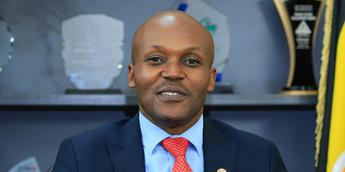
The Minister of Trade, Industry and Cooperatives, Hon. Francis Mwebesa has appointed Eng. James Nkamwesiga Kasigwa as the 5th Executive Director of Uganda National Bureau of Standards (UNBS) effective May 13, 2024.
Eng. James N. Kasigwa is an Electrical Engineer with an illustrious career, having worked with multinational corporations, private and public sectors, spanning over two decades in leadership and strategic management of expert teams in Science, Technology, Innovation, Standards and the Infrastructure Industry.
He holds a Bachelor’s of Science degree in Electrical Engineering from Makerere University, a Bachelor’s degree in Computer Engineering and a Master’s of Science degree in Telecommunication from London South Bank University, London, United Kingdom and a Master’s degree in Business Administration from ESAMI.
Prior to this appointment, Eng. Kasigwa has been serving as the Director Science, Technology, Innovation Regulation & Biosafety at the Ministry of Science Technology and Innovation, Uganda. He also served as the Commissioner ICT Infrastructure Development at the Ministry of ICT & National Guidance.
The National Standards Council, Management and Staff of UNBS congratulate and welcome Eng. James N. Kasigwa as its 5th Executive Director and looks forward to his dedicated service and stewardship of the UNBS’ Strategic Agenda during his term in Office
UNBS is committed to performing its mandate of developing, promoting and enforcing standards in protection of public health and safety, and the environment against dangerous substandard products as well as ensuring fair trade.
Uganda National Bureau of Standards (UNBS) is a Government Agency responsible for the Developing, Promotion and Enforcement of National Standards in order to protect the Health and Safety of the Public and the Environment against Harmful and Sub-Standard Products; as well as Promoting Fair Trade Practices and Competition.
The Tilenga Project, operated by TotalEnergies in partnership with CNOOC and UNOC have reached a significant milestone with the successful relocation of the final Project Affected Person (PAP).
This marked a crucial step in the land acquisition process for the oil and gas activities, with 99% of the approximately 5,900 PAPs
compensated and relocated since the process began in 2017.
The relocation, which occurred on May 13, 2024, follows a comprehensive engagement process and legal proceedings. The final PAP, who had consistently refused to relocate despite multiple offers and engagement efforts, received compensation exceeding the value of their assets on
the 0.791-acre land in Kirama Village, including structures, crops, and trees.
They were also provided with a 30% disturbance allowance, a 30% uplift, and a modern replacement house
equipped with solar power and rainwater collection systems.
This extensive compensation package, exceeding local and international standards, demonstrates the project’s commitment to fair and transparent land acquisition practices.
The Tilenga Project prioritizes minimizing disruption to affected communities and
ensuring that all PAPs adequately compensate for their losses and inconveniences.
Despite the comprehensive compensation and resettlement efforts, the final PAP’s repeated
refusal to relocate necessitated legal action by the government.
Before this action, numerous
stakeholders were involved in discussions with the PAP, including the Chief Government Valuer, project developers, the Petroleum Authority of Uganda (PAU), the Ministry of Energy and Mineral Development (MEMD), the Ministry of Lands, Housing, and Urban Development, officials from Buliisa District Local Government, the Office of the Resident District
Commissioner, and local clan leaders.
Following a thorough judicial process, an eviction order was granted on May 9, 2024, paving
the way for the successful relocation four days later. The PAP’s subsequent appeal to the court for a stay of execution was dismissed.
This achievement underscores the Tilenga Project’s dedication to responsible resource development, environmental stewardship, and positive social impact. The project remains committed to engaging with local communities, ensuring their concerns are heard and
Several mobile lending apps operating in Uganda are employing illegal methods such as accessing call detail records of customers during the loan recovery, a report reveals.
According to the report, such unregulated online lending and borrowing could be a conduit through which criminals are laundering dirty money across cyberspace in Uganda.
StratEdge Consulting conducted the study in collaboration with UK-based and US-based financial crime investigation agencies and the full report will be published before the end of the week.
Unlike banks and other financial institutions that ask for collateral to acquire a loan, the instant loan app requires the applicant to have a national identity card and two guarantors.
The report states that the Apps allow for the inclusion of next of kin/emergency contacts by borrowers without the knowledge and consent of the included parties, who are later harassed and tormented by the unprofessional loan recovery agents of the lenders.
The apps are also accused of duplication.
“15 of the 16 Apps that we investigated were belonging to at least one of 5 entities, with each entity operating at least three Apps under different names contrary to the UMRA guidelines,” the report adds.
The apps are also accused of charging exorbitant interest rates ranging from 28% to 37%.
Like several other similar outfits, most apps run websites but with no known physical address as is required by law. Online lenders generally source clients either through sending out unsolicited bulk text messages with tempting offers of quick-fix unsecured loans or unregulated social media advertising, or by word of mouth.
Money is wired directly to an applicant’s mobile money account. No face-to-face contact ever occurs.
Loans between Shs30,000 and Shs150,000 must be paid within eight days, and anything between Shs160,000 and Shs290,000 in 21 days, while Shs300,000 and more are given 30 days.
There is also use of unregistered mobile phone numbers during the recovery process, which could be aided by unscrupulous individuals within the security services.
Egesa Ronald Leonard, a software engineer and CEO of Magezi Harvest Limited, who shared part of the report, said the lending apps also forged documents such as demand letters from prominent law firms and court orders during loan recovery.
“The entire business model is driven by greed and foolishness. They threaten the borrower that they will reach out to their contacts and inconvenience them in case the borrower defaults. This would imply that the borrower is using his reputation as collateral when borrowing.
Upon default, the fellows liquidate the collateral by calling the borrowers’ contacts and ‘shaming’ the borrower, going to the extent of creating WhatsApp groups for fundraising. Even after liquidating the collateral, they still continue pleading and looking for the borrower – now defaulter and pleading for them to pay,” he said.
“If the local players in the FinTech Ecosystem will not step up and organise this sector by ensuring only professional entities can access and use the Mobile Payment aggregation services, International players might need to come in,” he added.
When contacted, the Uganda Microfinance Regulatory Authority (UMRA) acknowledged that it is aware of the proliferation of illegal online money lending.
The authority’s executive director, Ms Edith Tusubira, noted that, as a result, they are “very soon” unveiling fresh measures to counter future risks envisaged in the innovation of online lending.
The Financial Intelligence Authorities (FIA) also indicated that inquiries are underway into the matter. Some of the implicated online lending apps are Mangu cash, Fair credit, Quick sente, I-sente, Chipa cash
Other watchdog agencies in Uganda’s financial sector had earlier raised fears about unregulated online lending and borrowing.
According to the Data Protection and Privacy Act, 2019, Section 10, a data collector, data process, or data controller shall not collect, process, or hold personal data in a manner that infringes on the privacy of a data subject.
Section 13 (1) of the same act also indicates that any person collecting data must inform the data subject about the nature and category of data being collected, the name and address of the person responsible for the collection of data, and the purpose for which the data is required and whether or not the supply of data by the data subject is discretionary or mandatory.
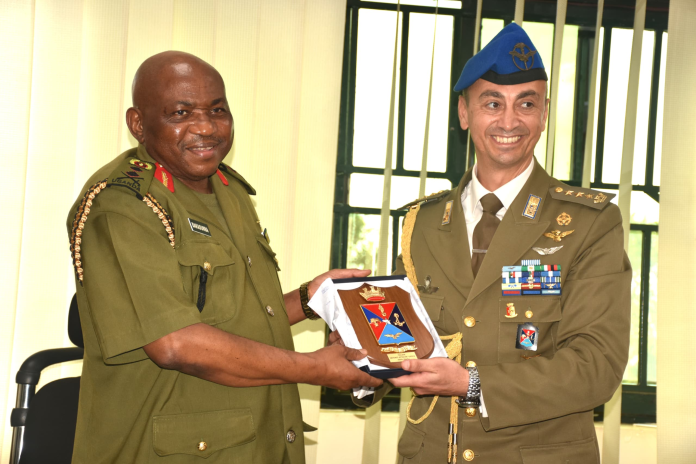
Gen. Bakasumba and Italian Ambassador to Uganda, His Excellency Mauro Massoni.
Major General Jackson Bakasumba, Chief of Joint Staff of the Uganda Peoples’ Defence Forces (UPDF), has reassured citizens and foreigners that Uganda is generally safe for business and tourism to flourish.
“The security of the country is very peaceful, and there is no cause for alarm,” he said, speaking on behalf of Gen Muhoozi Kainerugaba, Chief of Defence Forces, during a meeting with Italian Ambassador to Uganda, His Excellency Mauro Massoni. The bilateral meeting at the Ministry of Defence and Veteran Affairs (MODVA) headquarters in Mbuya, Kampala, focused on strengthening cooperation between the two countries in training, equipment, and business. Gen Bakasumba praised the Italian government for its significant support in stabilising Uganda through various socio-economic transformation programmes. Regarding the African Transition Mission in Somalia (ATMIS), Maj Gen Bakasumba commended International Partners and Development Partners for their efforts to pacify Somalia despite Al-Shabaab threats. He acknowledged the UPDF’s efforts towards restoring peace and security in Somalia, saying, “Surely, UPDF has sacrificed a lot for the mission as if it is our own country, and yet Uganda does not share a border with Somalia,” adding that “Uganda’s commitment in Somalia is great.” Maj Gen Bakasumba emphasised that Uganda remains eager to see a stable Somalia and said, “All these years, we have been working hard to degrade Al-Shabaab so that we can go in as tourists; that is our wish.” He noted that security challenges persist in Somalia due to imminent clan clashes and urged Somalia to build a robust force to address its security challenges. Regarding the Allied Democratic Force (ADF) terrorists, Maj Gen Bakasumba stated that the group has been significantly degraded and can no longer stand to fight. “We have partnered with the DR Congo army to derail all ADF capabilities. We are doing well in the mountainous area and regret the unfortunate incident of the death of tourists in Kasese,” said Maj Gen Bakasumba. He assured the Ambassador on the safety of tourists, especially in Queen Elizabeth National Park, saying that culprits behind the death of the tourists in Kasese have been brought to book. “Don’t worry, the park is now very safe. What happened in Kasese was a wake-up call to ADF. We encourage tourists to come in big numbers,” said Maj Gen Bakasumba. However, he requested the Italian government to support the UPDF in terms of training personnel and acquisition of modern equipment. Ambassador Mauro Massoni expressed his gratitude for the opportunity to strengthen collaboration between the two countries. He pledged to consolidate the existing partnership, saying, “Our collaboration with the army is very important. We have to make our relationship with Uganda very important.” The Italian Ambassador further promised to contribute to Uganda’s development. “We are ready to help whenever you want us,” he said.
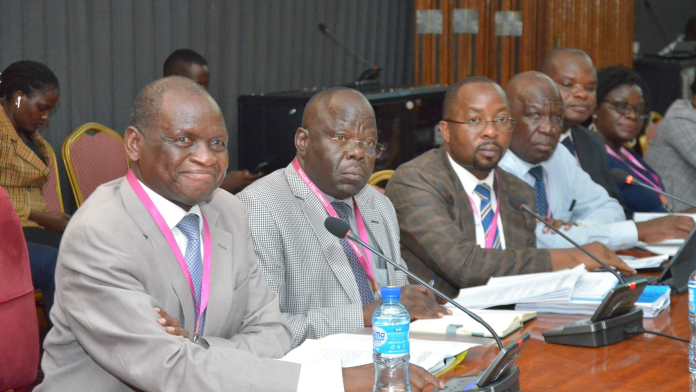
Officials from Uganda Cancer Institute appearing before Parliament’s Public Accounts Committee.
The officials at Uganda Cancer Institute have opposed appeals by parliament to stop charging patients seeking services at the private wing, saying the revenue collected from these patients is used for maintenance of equipment since the money provided by the government for this activity is not enough.
The officials made the remarks while meeting with legislators on Parliament’s Public Accounts Committee to scrutinize the December 2023 Auditor General’s report, where auditors had queried the low revenue collections in 2022/23, with the Institute having projected to collect Shs4.5 billion, but only collected Shs3.37 billion.
Dr. Jackson Orem, Executive Director, Uganda Cancer Institute noted, “Even if government gives us that Shs4.5 billion, there is still going to be need because cancer treatment is uniform internationally so that means, even if you are a rich or poor person, the standard of treatment that you are getting is the same. So even if you gave us that Shs4.5 billion, it is still not going to make a very big difference.”
Dr. Orem’s remarks were in response to a question raised by Muwanga Kivumbi (Butambala County) who questioned why Uganda Cancer Institute continues to operate a private wing, yet only Shs4.5 billion is collected in revenue, wondering if the Institute would be comfortable at having these funds incorporated within the Institute’s budget by Government, to enable the facility offer free services to all Ugandans.
Muwanga remarked, “You generate Shs4.5 billion and your budget is Shs48 billion and the services offered are a public good because my understanding is that the poor are subsidizing for the rich who go in the private wing because for the Shs48 billion, it is collected from all of us. So, my small money goes to finance the rich man and I can’t access the private wing, so, is it comfortable for you if we added the Shs4.5 billion on your budget and you say, we no longer charge anything?”
Dr. Orem highlighted that Cancer is a very impoverishing condition that majority of the people who come to the institute actually, they come when they do not have money. Even the rich and people of middle class, initially when they come, they want to be in the private services, but they cannot even last three months in the private services. They revert to the general wing.
“All cancer patients are equal and despite the fact that we have a few people who want exclusive services, even those we subsidize them, the only thing they are getting in the private wing apart from a few investigations, is the space that has ambiance,” explained Dr. Orem.
He added, “There is a need to revisit what private service is in the Ugandan context. Although we are calling it private services, literally what we are providing is called cost sharing. So, if at all the Government is interested in investing in the Institute to provide private services, the market is immense. Because of the investment that we have, we are attracting so many people coming from the neighbouring countries. 20% of the patients who are enjoying services at the Institute are now foreigners and they get free drugs,”
Dr. Nixon Niyonzima, Head of Research and Training at the Uganda Cancer Institute said that private wing services include; Admission fees- Shs100,000 charged per night, consultation fees-Shs50,000 per visit, laboratory blood tests-Shs10,000, ultrasound-Shs10,000, X-ray-Shs30,000, CTScan-Shs200,000 to Shs300,000 and this is charged depending on the organ the patient wants, but patients in both general and private wing receive free drugs.
He also said the Institute charges for Radiotherapy services and in case a patient is doing one for the advanced techniques, the charge is Shs1.4M for the entire radiotherapy period that lasts six weeks and defended the need to charge patients.
“Part of the reason we collect NTR is to ensure that our equipment is maintained, we have a very small budget for maintenance of equipment and most of the money we get from NTR is for maintenance of equipment. We actually need more support from the Government, we still have many gaps that are unfunded,” Niyonzima defended.
Susan Amero (Amuria DWR) reacted saying, “There isn’t a single day that I have gotten a tablet outside Uganda for free, so why are these people benefitting from our taxes that we are paying, stressing the meager resources that we are having? What are you people doing? Why do you give them free treatment because that money should be the NTR spent on some other things to look after Ugandans after all, the facility is here and money is paid by Ugandans? Why should it be free for everybody and yet those who go out pay a cost, so why are you offering free services for foreigners?”
However, Dr. Orem defended the Institute noting, “The foreigners who are coming, a good number of them are members of the East African Community and we don’t have a framework within which we should charge them so that means, whatever Ugandans are getting, that is what they also get.”
Amero however, rejected Dr. Orem’s explanation saying when Ugandan MPs contracted #Covid-19, during the East African Legislative Assembly games, those without insurance would not get services from Arusha.
“If you need to subsidize East Africans, it should be clear that there is a subsidy for East Africans, but they must pay. They aren’t Ugandans, they don’t pay their taxes here. There is nothing that you get outside Uganda for free. We shouldn’t give priority to foreigners and then we stress the resources and fail to look after our own people who are suffering to pay heavy taxes here, that can’t be. Something has to be done,” added Amero.
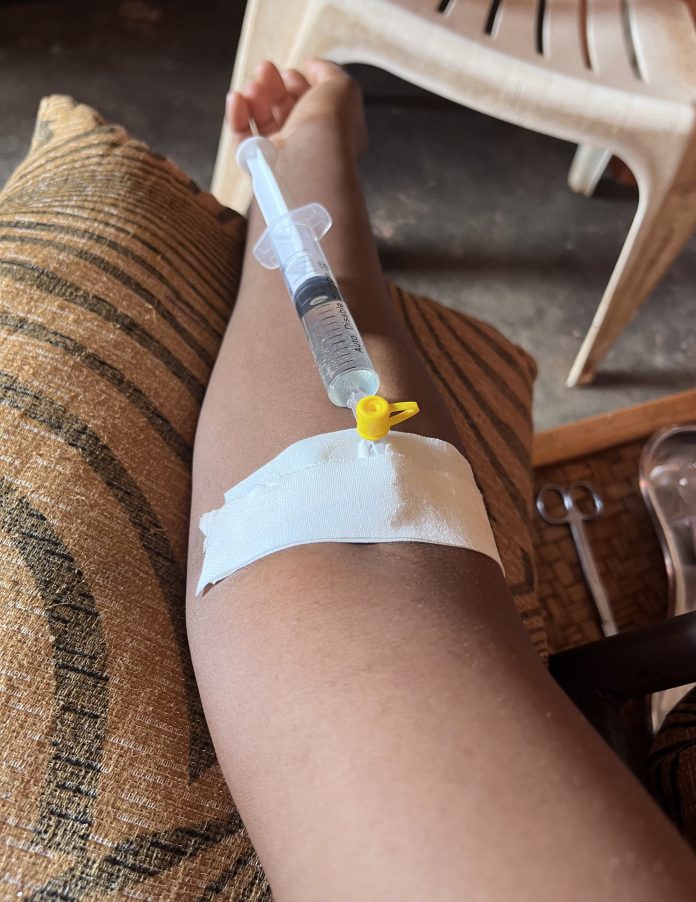
A patient undergoing treatment after malaria attack.
By Precious Baba
Malaria remains one of the most pressing public health challenges in Uganda, a country where the disease is both endemic and perennial. Despite significant efforts to combat it, malaria continues to cause substantial morbidity and mortality, particularly among vulnerable populations.
Uganda experiences some of the highest rates of malaria in the world. The World Health Organization (WHO) estimates that malaria accounts for up to 40% of outpatient visits and 20% of hospital admissions in the country. The disease disproportionately affects children under five years of age and pregnant women, with over 10,000 deaths attributed to malaria annually in these groups alone. Malaria transmission occurs throughout the year, with peaks often coinciding with the rainy seasons when mosquito breeding sites proliferate. Katanga and Kirinanya, two of Uganda’s informal settlements exemplifies the challenges faced in controlling the disease with residents residing in overcrowded conditions, dealing with inadequate sanitation, and having limited access to healthcare.
In these communities, many houses are makeshift structures lacking proper windows and doors, which means residents are more exposed to mosquito bites. Furthermore, stagnant water found in numerous open drains and puddles serves as ideal breeding sites for malaria transmitting mosquitoes. Additionally, the limited access to healthcare means that many cases of malaria go untreated or are treated too late, leading to severe complications and sometimes death.
Efforts to combat malaria in Uganda, and specifically in areas like Katanga and Kirimanya have included various strategies such as the distribution of insecticide-treated nets (ITNs), indoor residual spraying (IRS), and public health campaigns aimed at educating the population about preventive measures. However, these interventions face significant challenges.
While Insecticide Treated Nets (ITNs) have been shown to be effective in reducing malaria transmission, their distribution in these regions and similar areas is often hampered by logistical challenges. Furthermore, even when nets are available, they may not be used consistently because the nets wear out and are not replaced.
Indoor Residual Spraying (IRS) involves spraying the interior walls of homes with insecticides. While effective, its implementation in densely populated communities are difficult and also, many residents are reluctant to participate because they cannot afford to disrupt their daily activities for the spraying process.
In addition, access to healthcare is limited in these communities. Many residents cannot afford medical treatment, and health facilities are often understaffed and under-resourced. This situation leads to delays in diagnosis and treatment, which exacerbates the spread and severity of malaria.
Addressing the root causes of mosquito breeding requires substantial improvements in infrastructure and sanitation. This includes better waste management, drainage systems, and housing conditions. However, such large-scale infrastructure projects require significant investment and political will, which are often lacking. Local health volunteers have been instrumental in distributing ITNs, educating residents on their proper use, and encouraging early treatment of malaria symptoms. These grassroots efforts, supported by non-governmental organizations (NGOs) and international aid, are crucial in bridging the gap where government interventions fall short. Innovative solutions, such as the use of mobile health technologies, are also being explored to improve malaria diagnosis and treatment. Mobile phones can be used to send reminders for taking medications, providing health education, and even enabling remote consultations with healthcare providers.
Malaria remains a formidable health challenge in Uganda, where informal settlements like Katanga and Kirimanya bear a disproportionate burden. While significant progress has been made in malaria control, substantial barriers remain. Addressing these requires a multifaceted approach that combines effective disease management with improvements in living conditions and healthcare infrastructure. By focusing on community-based solutions and leveraging technological innovations, there is hope for reducing the impact of malaria and improving the health outcomes for the residents of Katanga, Kirimanya and other similar communities across Uganda.
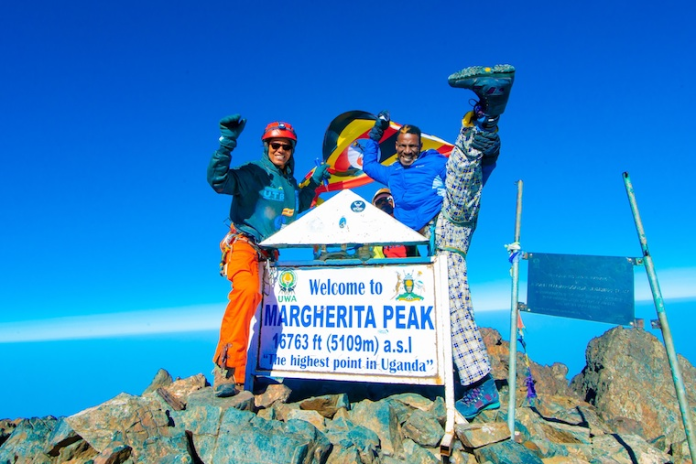
Uganda Wildlife Authority (UWA) has temporarily suspended hiking activities to Margherita Peak in Rwenzori Mountains National Park as a precautionary measure after a comprehensive assessment conducted in response to reports of a crevasse formation in the Margherita glacier.
In a statement, Bashir Hangi, communications manager at UWA noted, “To make hiking safer, we are exploring the option of installing a permanent ladder at a strategic location on the right side of the Margherita glacier. This alternative route will provide a safer passage for hikers to Margherita Peak.”
He added that in the meantime, visitors are encouraged to explore other picturesque peaks within Rwenzori Mountains National Park.
“Noted alternatives include Mount Speke, Mount Baker and Cheptegei Peak on the Stanley Range. These routes offer breathtaking views and unique experiences amidst the stunning landscape of the peak.”
He further revealed that UWA prioritizes the safety and well-being of the clients.
Hangi noted, “We are committed to ensuring that all clients safely enjoy their visit to Rwenzori Mountains National Park. We will continue to monitor the situation closely and provide updates on the status of hiking activities to Margherita Peak as developments unfold.”
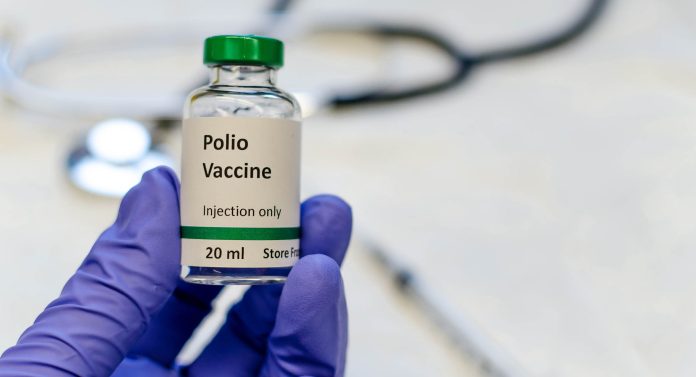
Following thorough assessments in Malawi and Mozambique, an independent Polio Outbreak Response Assessment Team (OBRA) today recommended the closure of the wild poliovirus type 1 (WPV1) outbreak in Malawi and Mozambique, marking a significant milestone in the fight against polio in the African region.
The last WPV1 case in the African Region, linked to a strain circulating in Pakistan, was reported in Mozambique´s Tete Province in August 2022. A total of nine cases were detected in Mozambique and neighbouring Malawi, where the outbreak was declared in February 2022. In a coordinated response, more than 50 million children have been vaccinated to date against the virus in 5 countries in southern Africa.
The meticulous evaluation carried out by the OBRA team included two in-depth field reviews and supplementary data review, concluding that there is no evidence of ongoing wild polio transmission. The assessment considered the quality of the outbreak response, including the overall population immunity, supplementary immunization campaigns, routine immunization coverage, surveillance systems, vaccine management practices, and the level of community engagement.
The successful stopping of this outbreak reflects the unwavering commitment and collaborative efforts of African governments, health workers, communities and Global Polio Eradication Initiative (GPEI) partners, including Rotarians on the ground. Through robust surveillance, quality vaccination campaigns and enhanced community engagement, both countries have effectively controlled the spread of the virus, safeguarding the health and well-being of their children.
“This achievement is a testament to what can be accomplished when we work together with dedication and determination,” said Dr Matshidiso Moeti, WHO Regional Director for Africa. “I commend the governments of Malawi and Mozambique, as well as all those involved in the response, for their tireless efforts to contain the outbreak. It is now imperative that we continue to strengthen our immunization systems, enhance surveillance, and reach every child with life-saving vaccines.”
Health authorities, with high-quality technical support from GPEI, have put in place national prevention strategies in Malawi and Mozambique, as well as in all districts bordering other countries involved in the response. These include Tanzania, Zimbabwe and Zambia.
To date, more than 100 million vaccine doses have been administered in the most at-risk areas. The strategy to get ahead of this outbreak and stop it before it got out of hand relied on detailed micro-planning, including mapping of cross-border communities, migratory routes, cross-border entry/exit points, and transit routes for each of the cross-border facilities. Synchronization and coordination of vaccination plans across five countries, as well as the monitoring of vaccination activities, proved key to identifying and reaching all eligible children in the cross-border areas, to avoid the risk of paralysis due to the virus.
“The official closure of the outbreak is truly a success due to unfaltering determination and strong collaboration between the governments of Mozambique, Malawi and neighbouring countries, as well as between all partners and health workers. I want to particularly recognise the strong efforts of the vaccination teams working on the frontline to reach every last child,” said Etleva Kadilli, UNICEF Regional Director for Eastern and Southern Africa. “Going forward, routine immunisation must remain high up the priority list; no child is safe from polio until all children are vaccinated.”
To enhance polio surveillance, over the past two years, 15 new wastewater surveillance sites were established in the affected countries. These sites have a critical role to play in detecting silent circulating poliovirus in wastewater, ensuring that quality samples are sent to laboratories for timely confirmation and response to poliovirus presence.
Additionally, countries have scaled up efforts to protect children in high-risk areas by strengthening surveillance, and data and information management. World Health Organization (WHO) in the African Region’s Geographic Information Systems (GIS) Centre has analysed spatial and geographic data on visual maps, providing geographic real-time coverage information, including locating missing settlements, to improve vaccination coverage.
“Closing polio outbreaks is possible when national governments, local health workers, community mobilizers, and global partners come together to prioritize a rapid and timely response to protect children from this devastating disease,” said Dr. Chris Elias, president of Global Development at the Bill & Melinda Gates Foundation. “Malawi, Mozambique, and the entire Southern-African region are setting the example for what it takes to urgently improve vaccination campaigns and disease surveillance systems. Commitments like these will help us achieve a world free of all forms of poliovirus.”
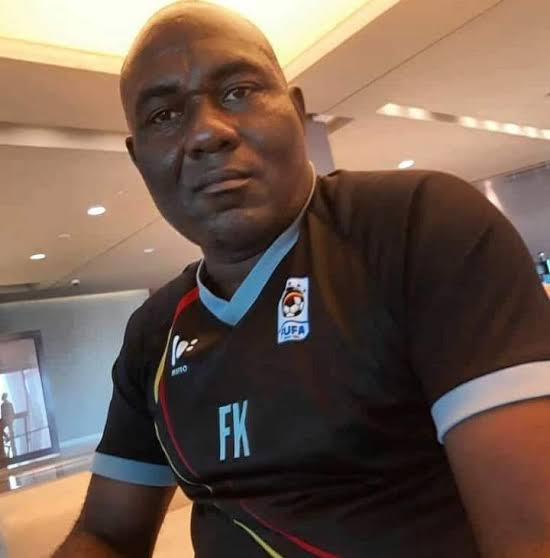
The President of Federation of Uganda Football Associations (FUFA), Moses Hassim Magogo, has mourned the sudden death of goalkeeping coach Fred Kajoba. Kajoba passed away yesterday in Tanzania.
Former head coach of the Uganda team, Vipers, has been working in Tanzania under Moses Basena as goalkeeping coach of Ihefu.
“I am deeply saddened by the news of the untimely passing of Coach Fred Kajoba. Kajoba diligently served the game in different capacities, right from playing up to the highest levels of coaching. Serving in the capacity of Uganda Cranes goalkeeping coach,” Magago said
Magogo said Kajoba has groomed great players that have formed a formidable and enviable goalkeeping department over the years.
Kajoba was part of the technical team that led the Uganda Cranes to the Africa Cup of Nations (AFCON) in 2017 and 2019.
“FUFA extends its deepest condolences to the bereaved family, his club, Ihefu FC, and the entire football fraternity. Football will dearly miss coach Kajoba.” Magogo said.