Stanbic Bank
Stanbic Bank
18.6 C
Kampala
Stanbic Bank
Stanbic Bank
Home Blog Page 297

 Museveni advises Somalia to emulate NRM ideology for prosperity and security

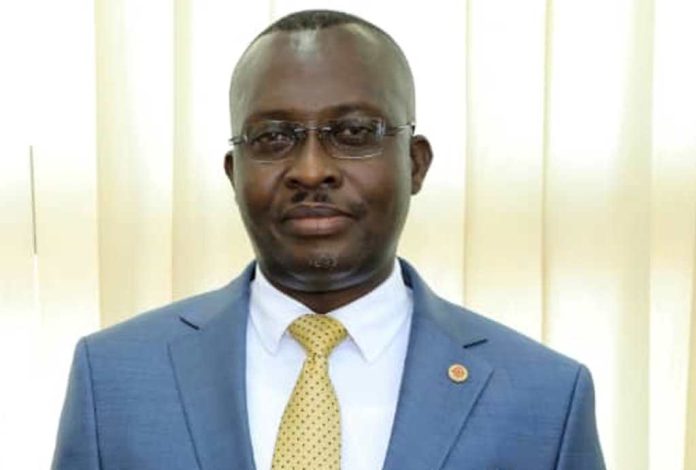
President Museveni meeting Uganda's Ambassador to Somalia, Prof. Sam Tulya-Muhika at State House, Entebbe.

President Yoweri Kaguta Museveni yesterday met Uganda’s Ambassador to Somalia, H.E Prof. Sam Tulya-Muhika at State House, Entebbe and offered valuable insights to Somalia, a recent addition to the East African Community (EAC), urging them to draw inspiration from the National Resistance Movement (NRM)’s successful ideology for the prosperity and strategic security of its citizens.

He said Somalia could learn crucial leadership lessons from the NRM, which successfully united a failed and divided state.

“I think Somalia should form a students’ Movement like the one we started in the 1960s. We as students saw the need for integration intellectually at that time without any influence from the business groups whatsoever,” he said.

The President emphasised the importance of intellectual perception, citing historical figures like Julius Nyerere and Tom Mboya, who championed the East African Federation without succumbing to external pressures.

Reflecting on his experience in training Somali soldiers at Lake Albert, President Museveni highlighted the need for motivated individuals driven by intellectual identity rather than financial gains.

“When we were training Somali soldiers at Lake Albert, I inquired and was told that some students had come back from London to join, so you get those type of people who are now motivated by the identity of Somalia intellectually not because they are making money and let them be part of the movement that is ideological driven.”

Furthermore, he emphasized the role of empowered Somali youth in defending their country both militarily and ideologically.

He also underlined the importance of patriotism and Pan-Africanism as driving forces for national unity and development.

Ambassador Muhika expressed gratitude towards President Museveni for the guidance and affirmed that Somalia is already contemplating on the establishment of a students’ movement.

Highlighting the potential contribution of Somalis who have studied in Uganda, Ambassador Muhika expressed optimism about their involvement in the initiative.

“There is a good number of ex- students in Somalia who have studied from Uganda; in Islamic University, Makerere University and others. We can therefore, consider using them for this good cause,” he said.

The discussion between the two parties also encompassed diplomatic and political consultations, defence and trade cooperation; signaling a collaborative effort to foster growth and stability in both countries.

It should be noted that Somalia was last year admitted to the East African Community, making it the eighth member of the bloc.

Stories Continues after ad

Uganda earns Shs251.7b from coffee exports

Uganda coffee

Uganda has earned Shs251.7 billion from coffee exports, the just-released monthly Uganda Coffee Development Authority (UCDA) report indicates.

According to the report, a total of 401,336 60-kilo bags of coffee valued at $65.94 million (Shs251.7 billion) were exported in December 2023. The coffee was exported at an average price of $2.74 (Shs10,460) per kilo, three cents lower than $2.77 (Shs10575) per kilo in November 2023, and 37 cents higher than $2.37 (Shs9048) per kilo in December 2022.

Farm-gate prices for Robusta Kiboko averaged Shs4,050 per kilo; Fair Average Quality (FAQ) Shs8,750 per kilo; Arabica parchment Shs 10,250 per kilo; and Drugar Shs9,250 per kilo.

The report shows that coffee exports in 2023 totaled 6.12 million bags worth $965.14 million (Shs3.6 trillion) compared to 5.63 million bags worth $860.45 million (Shs3.2 trillion) in the previous year 2022.

At least 72% of the total volume was exported by 10 exporters out of 49 companies that performed during the month, compared to 76% in November 2023. Sustainable Arabica fetched the highest price at $4.66 (Shs17791) per kilo.

Italy maintained the highest market share, followed by India, Germany, Morocco, and Spain. Coffee exports to Africa amounted to 56,253 bags, compared to 69,2882 bags in the previous month of November.

African countries that imported Ugandan coffee included Sudan, Morocco, Algeria, South Africa, Egypt, and Kenya. Europe remained the main destination for Uganda’s coffees, with a 67% import share, slightly lower than 68% in November 2023.

“Louis Dreyfus led in the market, followed by Sucafina, Olam International, Eurocaf Srl, Bernhard Rothfos, Ecom Agro Industrialist, Touton SA, Volcafe, Hamburg Coffee, and Koninklijke Douwe,” the report indicates.

World coffee production for 2023/24 is forecast to reach 171.4 million bags, 6.9 million bags higher than the previous year of 164.5 million bags, with higher output in Brazil, Colombia, and Ethiopia expected to more than offset reduced production in Indonesia.

Global exports are expected to increase by 8.4 million bags to 119.92 million bags, mainly due to strong shipments from Brazil. Global consumption is forecast at 169.5 million bags, with the largest increase in the European Union, the United States of America, and Brazil.

Stories Continues after ad

Is Kenya trying to be a ‘Big boy’ of East Africa?

Kenya's President William Ruto.

Tanzania has suspended all Kenya Airways (KQ) flights effective January 22, citing a reciprocity dispute after Kenya refused a request for all-cargo flight operations by Air Tanzania Company Limited.

According to a statement released by Hamza Johari, the Director General of the Tanzania Civil Aviation Authority, Tanzania cites Kenya’s refusal as a breach of Section 4 of the Memorandum of Understanding on Air Services between the two countries signed on November 24, 2016 in Nairobi.

This suspension will greatly impact Kenya Airways, which operates many flights per week to and from Tanzania, and thousands of people depend on KQ to travel between the two neighbouring countries.

“Tanzania Civil Aviation Authority, on behalf of the aeronautical authorities of the United Republic of Tanzania, has decided to rescind the approvals for Kenya Airways (KQ) to operate passenger flights between Nairobi and Dar es Salaam under Third and Fourth Freedom Traffic Rights with effect from January 22, 2023,” reads a statement released on Monday.

“This is to reciprocate the decision by the aeronautical authority of the Republic of Kenya to refuse the Tanzanian request for all-cargo flight operations by Air Tanzania Company Limited under Fifth Freedom Traffic Rights between Nairobi and third countries, contrary to Section 4 of the Memorandum of Understanding on Air Services between Tanzania and Kenya signed on November 24, 2016 in Nairobi, Kenya.”

Following this decision, the statement continues: There shall be no passenger flights by KQ between Nairobi and Dar from January 22, 2024.

“The Republic of Tanzania shall always strive to adhere to the principles of the Chicago Convention and Bilateral Air Services Agreement between states.”

 However, this comes at the time when Kenya is at loggerheads with another neighbouring country Uganda over fuel transportation from the sea port of Mombasa. The misunderstanding has resulted into a legal battle at the East African court of justice.

Last even in a rush to cool down the escalation of relations between Tanzania and Kenya, Kenya’s cabinet prime Secretary, Musalia Mudavadi said he had spoken with Tanzania’s Foreign Affairs and East African Cooperation Minister over the matter.

“I have this evening spoken to January Makambo MP, Minister for Foreign Affairs and East African Cooperation of the United Republic of Tanzania with regard to the decision of the Tanzania Civil Aviation Authority to rescind the approvals of Kenya Airways to operate passenger flights between Nairobi and Dar es Salaam with effect from January 22, 2024. We have jointly agreed that our respective Civil Aviation Authority will work together to have the matter resolved amicably within the next three days. There should therefore, be no cause for alarm” Mudavadi wrote

The latest development by Nairobi to downplay on other sister countries ever since William Ruto took over the leadership undermines the principles of the regional integration. Is Ruto trying to play a big brother of the region by isolating others?

Stories Continues after ad

UPDF to retire five Generals, 159 senior officers in April  

Brig. Rwashande

The Chieftaincy of Pension and Gratuity has commenced the Retirement Sensitisation and Documentation Exercise of 159 of 162 Senior Officers under Batch 13 B at Non-Commissioned Officers Academy (NCOA) Jinja.

 Five (5) Generals and 159 Senior Officers from the rank of Major to Colonel are slated to be retired from the Uganda Peoples’ Defence Forces on April 30, 2024.

The Deputy Chief of Personnel and Administration Brigadier Godfrey Kawesa Kigozi called upon the retirees to use this retirement stretch of their life diligently by sticking to their retirement plan and keeping an active connection with the UPDF serving comrades and reminded them that retirement is not rejection from the forces but giving them a chance to engage in other economic activities in a civilian way.

 Brig Kigozi cautioned them that it is not easy to adjust from command position but they should be ready to abide by their respective community authorities. He encouraged them not to be afraid to engage in community leadership through Local Councils and Parliamentary Seats as long as they do not promote vices like sectarianism, segregation, and tribalism among others.

Col Deborah Nayebare Deputy Chief of Pension and Gratuity assured the retirees not to worry about the security of their pension remunerations as the government waved off any form of tax.

The Commandant NCOA Col Robert Rutayinama congratulated the officers upon reaching the milestone in their UPDF career journey and encouraged the retirees to embrace retirement with positive emotions, not as a punishment and encouraged them to wisely invest their hard-earned pension and gratuity.

On behalf of the Ministry of Defence and Veteran Affairs, the Principal Human Resource Officer Mr. William Enyimu called upon the retirees to ably determine their retirement spending needs such as accommodation, medical, transport, dependents, and 70%-80% of pre-retirement needs.

He guided them to consider the basic investment principles (Where to Invest, how to invest, what to invest and the level of the risk, master the economic cash flow and asset acquisition).

Batch 13 B will see a total of 162 Officers retired from the Uganda Peoples’ Defence Forces. These will include; Five (5) Generals, Thirty-Six (36) Colonels, Eighty-Two (82) Lieutenant Colonels and Forty-One (41) Majors.

 The Generals include: Maj Gen Fred Tolit, the former Defence Adviser of Uganda in South Africa, Brig Gen Eugene Ssebugwawo currently Coordinator of Disaster Preparedness at the Office of the Prime Minister, Brig Gen Emmanuel Rwashande currently UPDF Chief of Civil-Military Cooperation, Brig Gen Jessy Kamunanwire serving under Uganda Police and Brig Max Gumisiriza formally Commandant of Peace Support Centre Singo.

Stories Continues after ad

I will expose flawed ICC process in my book

Writer of the article David Matsanga.

Now that the dust has settled and the Truth is out that all evidence Ocampo collected was fake, I want to tell my side of story on how I stood neutral at the centre of those who were used by Ocampo, French, USA, George Soros, OSF, USAID, to “fix” suspects.

It is painful to be straight forward person and more so a refugee in exile and above all a foreigner. You could be misunderstood by almost everyone of that particular nation.

It happened to me in 2007-2008 when working for Sky news as an African Consultant and the ICC conflict happened in Kenya. 

But before Kenya cases I had already opposed ICC in 2005 in the first ICC cases of the five commanders of Lord Resistance Army (LRA) whom Ocampo selected after his fake and flawed process.  

When I saw nobody speaking on behalf of the six suspects that Ocampo had picked in his flawed process, I decided to stand out for them. I had studied International law and I hated and still hate ICC for being a court for Africans only.

Many fictitious writers have just skirted around the ICC crimes against Africa and written books based on hearsay at meat and pork joints stories. The truth is that most of the books published tell more lies than the truth about the flawed process. 

Most people thought I wanted money. No. To the contrary I spent my own resources to push an international activism group against ICC Ocampo. At times I borrowed from friends and I still have debts on credit cards that I still repay which dates back 2010. 

I tell you that aside I enjoy International law and international activism. So, when I lost my job with Sky News I did not give up exposing Ocampo. I decided against my wife and my children’s wishes to remain working for the freeing of wrongly accused suspect of Ocampo flawed process.

I won my first activism case against ICC on Thomas Lubanga case and of all African cases when I exposed OTP in an Ex-parte filings which you can get on ICC website. I addressed the press in The Hague telling the world how corruption destroyed Ocampo’s case of Thomas Lubanga. 

Since then I moved on and did a lot of international activism on Kenyan cases, Uganda case, Ivory Coast cases. It is the Kenyan cases that opened my mind how some Africans wanted to fix others and jail them because of politics.

My book will list the “fixers” and those who are enjoying today but really hated their own countrymen. My tears drop when I see the likes of Makau Mutua and other who plotted to jail me because of my stand in favor of the Ocampo six.

Then I got myself submerged into this amazing new world order politics where ICC was used to fight African countries. In Kenyan cases for example, Kenyans were silent while Ocampo ruled free with fake evidence. 

Late Kofi Annan was the key link off ICC who had the Waki Envelope which I tried unsuccessfully to obtain as the courts in Kenya protected Justice Waki. I still maintain that for freedom the former suspects must quash that Waki Report because in international law the report is not dead.

I have refused to be silenced and I have continued oppose ICC head on. I filed in my own English the great petitions to oppose Ocampo and Bensouda. The Kenyan cases were outright thuggery of international law being used to silence opponents.

I tell you the truth that France and USA wanted the Ocampo six jailed by all means. Late these guys tread carefully with these two countries. They worked with Kenyan NGOs and individuals in Kenya who hated the 6 guys chosen or selected based on fake evidence. 

They evidence crafted by Kenya Human Rights groups that was paid by George Soros to “fix” especially the two main contenders to power Uhuru and Ruto whom the clique never liked.  

That case at the ICC brought together my history, humanity, global affairs and advocacy for me. I am proud to be who I am and how I have been able to defend others without asking for money.

My hatred for ICC has got to do with my country Uganda. Uganda was the first country in Africa to have ICC indictments. The threat to humanity anywhere is a threat to humanity everywhere. This is how my international law liking has developed. 

The war in Uganda caused the world to stop and exercise its responsibility to protect. I said that Africa must never normalize war or the killing of civilians, on the continent or anywhere else.

Africa cannot afford to row back on the gains made to minimize human suffering. The Sudan conflicts, the Cameroon conflict, the Nigeria crisis of Biafra all call for a collective duty on us all.

Therefore, for me after all these acts of good will for Africans who have faced ICC, I believe that I did so with the help of God who gave me the strength.

Those who wanted ICC suspects jailed are many and today enjoy the fruits of the same people they wanted jailed 16 years ago. Patriotism at times is hard earned with pain. 

But remember the story of 10 lepers. How many returned to say thanks to Jesus. As a volunteer never anticipate a reward or medal.

The writer is a Pan Africanist based in London, political scientist & International Relations expert, studied conflict resolution, a member of Royal African Society (RAS) founder/chairman Pan African Forum (UK) Ltd

@MatsangaDr

Stories Continues after ad

NAM summit kicks off with a call to stop the Israel-Palestine war

Some of the delegates attending 2024 Non-Aligned Movement (NAM) in Kampala.

KAMPALA-The Non-Aligned Movement (NAM) summit has kicked off with a call to stop the Israel-Palestine war, which broke out in October last year.

At least 23,968 people in Gaza, mostly women and children, have been killed since the war began after Hamas fighters carried out an assault on southern Israel that killed 1,139 there.

Under the theme “Deepening Cooperation for Shared Global Affluence,” the summit is taking place at Commonwealth Speke Resort Munyonyo. The summit is scheduled to discuss the ongoing Israel-Palestine war.

Speaking to delegates, Gen Odongo Jeje, Minister of Foreign Affairs, said NAM remains an important organization, and given the increasingly complex international situation, the Ten Bandung Principles continue to be relevant today.

“Today, we are faced with several challenges, including armed conflicts in different parts of the world, food insecurity, migration, unemployment, health pandemics, climate change, and terrorism, among the myriad of challenges,” he said.

“We also recognize challenges in financing development and the issue of debt burden, which paints a depressing global economic outlook. It is therefore crucial for us to address existing, new, and emerging issues collectively and in the interest of our membership, for the good of mankind,” he said.

He said Uganda believes that multilateralism and solidarity are required much more than ever for us to individually prepare and collectively respond to future challenges.

“NAM was established for justice; it was established for solidarity and unity with all its components. One of the members of NAM, Palestine, is suffering aggression, so we expect NAM, as it has been, to help us put an end to this aggression,” Riyad Mansour, Permanent Observer of Palestine to the United Nations, said.

Meanwhile, there was a heavy police and army deployment in Kampala. Currently, there is a joint security deployment of police and Special Forces Command (SFC), the elite force mandated to protect the president and the army at all major roads in Kampala.

Stories Continues after ad

NSSF recovers Shs70b through nationwide whistleblower drive

Gerald Paul Kasaato

Kampala; January 11, 2024: Halfway through the recently launched whistleblower campaign, a nationwide drive aimed at encouraging workers to report employers defaulting on NSSF contributions, the Fund has unearthed over Shs70 billion from reported cases.

Figures released by the fund on Monday indicate that as of January 8, 2024, 622 cases were received by the fund from employees and members of the public, involving over 480 employers across the country, unearthing a total of Shs70 billion so far.

Figures also show that over 30% of the reported cases of nonpayment of NSSF contributions involve private security companies, followed by manufacturing and the education sector.

“The response from workers across the country, and across several sectors of the economy is encouraging. So far, the amount of money unearthed, now about Shs70 billion is either through our automated audit process or through direct demand notes,” NSSF Ag. Managing Director Gerald Paul Kasaato said in an update to NSSF members.

In November last year, the NSSF unveiled an upgraded web-based “Whistleblower Portal” to enable members report defaulting employers seamlessly and a drive to ultimately increase the compliance rate to 60% in this financial year 2023/24.

The new features of the upgraded portal include a complete anonymity option to protect whistleblowers from possible victimisation and an automatic tracking aspect of reported cases.

In addition, the new portal now allows government labour inspectors to report government contractors who refuse to contribute to the fund as prescribed by the NSSF Act, as amended. The Act requires all employers irrespective of the number of employees to remit social security contributions monthly.

He added that once all reported cases are resolved at the end of January 2024, the fund expects to hit its compliance target of 60% announced at the launch of the drive.

He also said that the fund has put in place mechanisms through which employers can fulfill their social security obligations without affecting their cashflows, for instance, through deeds of settlement that give employers payment flexibility.

“Our intention is not to hamstring any employer or business but rather to work with them to fulfill their obligations as per the existing legislation. I therefore encourage any employer out there, whatever their circumstances, to reach out to the fund so that we can design a solution that works for all parties including their employees,” Kasaato said.

He however, said that although taking an employer to court is the last resort, the fund will not hesitate to do so for those that are uncooperative.

As of December 2023, the fund has instituted court cases against over 390 employers and has over the last 2 years so far recovered arrears of about Shs8.96 billion because of the court process.

NSSF members, workers, and the public can report defaulting employers anonymously through the revamped whistleblower portal https://whistleblower.nssfug.org/  

Stories Continues after ad

UPDF neutralise Improvised explosive devices along the Lower Shabelle Shalambot in Somalia

UPDF team in action.

The Uganda Peoples’ Defence Forces route search explosive devices team under the African Union Transition Mission in Somalia has neutralized improvised explosive devices (IEDs) that were planted along the Lower Shabelle Shalambot  Ceeljale main supply route in Somalia.

This follows the planting of the IEDs by the Al-Shabaab terrorists along the same route where some exploded hitting a civilian vehicle with five occupants.

The African Union Transition Mission in Somalia humanitarian convoy evacuated the casualties to Ceelwaligo where for further management.

The Uganda Battle Group 37 Commander, Colonel Charles Kibaate Asiimwe condemned the act of planting IEDs. “The heinous and barbaric acts committed by Al-Shabaab of emplacing IEDs along roads must be condemned by peace-loving people of the world. Al-Shabaab is hellbent on seeing that Somalia does not attain total peace,” Col Kibaate said.

The neutralizing of IEDs is aimed at ensuring the safety of humanitarian relief convoys delivering essential aid to communities in need of supplies.

Planting of IEDs is a tactic employed by the Al-Shabaab to prevent travelers from using public roads.

Stories Continues after ad

Dr. Zavuga awarded best fellow of Cohort 2022 of Uganda public health fellowship program

Photo by Communications MakSPH.

Doctor Robert Zavuga has been awarded as the best fellow of the just completed Advanced Field Epidemiology Fellowship, of Cohort 2022 in Uganda public health fellowship program.

This distinguished fellowship award is meant to recognize Dr. Zavuga’s exceptional work completed for the Advanced Field Epidemiology Fellowship.

Dr. Zavuga has made numerous award-winning presentations at national and international conferences. He also made significant appearances in the local media, contributing feature articles on key topics of public health importance.

During the fellowship, Dr. Zavuga was attached to the Public Health Emergency Operations Center (PHEOC), which serves as Uganda’s central organizing body for all public health emergencies.

He remarked that as a field epidemiologist, which consistently takes the lead in responding to public health risks, he handled eight public health situations in total. “I led two outbreak investigations; Methanol poisoning in Arua and Madi-okollo Districts in 2022 and Chicken pox in Kampala in 2023.”

According to him, each year, Methanol causes over Three million poisonings and about 300,000 fatalities worldwide. “Findings however showed a decline in the number of admissions, deaths related to organophosphate poisoning, with an average of 15 admissions per 100,000 people & a 4.2% case fatality rate”.

Throughout the investigation, he observed that Methanol, a toxic industrial solvent used for cleaning, pesticides, and fuel, is occasionally added to alcoholic drinks either accidentally or as a low-cost substitute for ethanol.

“While many alcoholic beverages contain traces of methanol, exceeding the safe limit of 50mg/L can result in toxicity, causing metabolic acidosis, blindness, and even death” Dr. Zavuga explained.

Dr. Zavuga recommends that even for alcoholic products that have already received certification, the national standards body should conduct routine alcohol inspections.

Who is Dr. Zavuga?

Dr. Zavuga is an accomplished epidemiologist, who holds a Master of Public Health with a medical background. He has particular interests in global health security, statistical modeling, and artificial intelligence.

The award was presented to him by the US Ambassador, H.E William W Popp, alongside Prof Rhoda Wanyenze, Dean, MakSPH, Dr Yonas Tegegn Woldemariam, the WHO country Representative, Dr Amy Boore, CDC Director among others, in 8th graduation ceremony held in Kampala over the weekend.

Other graduates included; Jane Francis Zalwango, Brenda Simbwa, Hellen Nelly Naiga, Dr. Namubiru Saudah Kizito, Rebecca Akunzirwe, Marie Gorreti Zalwango, Dr Peter Chris Kawungezi, Mackline Ninsiima, Patrick King, Thomas Kiggundu, Dr Brian Agaba, Mercy Wendy Wanyana and Zainah Kabami.

About the Program

The Uganda Public Health Fellowship Program has so far enrolled 108 Fellows in Advanced Field Epidemiology Track since its inception in 2015, with the highest ever enrollment of 15 in 2022.

According to Health Ministry’s Dr Henry Mwebesa, the Director General of Health Services, over the last eight years, Fellows have contributed immensely to disease detection and control by conducting outbreak investigations, analyzing public health surveillance data, evaluating public health surveillance systems, conducting epidemiological studies, and developing quality improvement projects.

Stories Continues after ad

Can Dental Implants Be Used For the Front Teeth?

Dental implants have revolutionized the field of tooth replacement, offering a long-lasting and natural-looking solution for those missing their front teeth. While dental bridges and dentures have been traditional options, dental implants have emerged as the gold standard due to their exceptional durability, functionality, and aesthetic appeal. In this comprehensive guide, we will explore the benefits of dental implants for front teeth, the candidacy requirements, the procedure itself, and the long-term maintenance needed to ensure a successful outcome.

Understanding the Advantages of Dental Implants for Front Teeth

When it comes to replacing a missing front tooth, dental implants offer numerous advantages over alternative options such as dental bridges and dentures. Here are some key benefits:

Preservation of Adjacent Teeth

Unlike dental bridges that require adjacent teeth to be ground down and crowned, dental implants do not affect the surrounding healthy teeth. This allows for better long-term oral health and preserves the natural structure of the adjacent teeth.

Jawbone Preservation

Dental implants replace both the root and crown of the missing tooth. The titanium implant post-fuses with the jawbone through a process called osseointegration, stimulating bone growth and preventing bone loss. This preserves the natural shape and density of the jawbone, maintaining a youthful facial structure.

Enhanced Stability and Chewing Strength

Dental implants provide superior stability and chewing strength compared to other options. The implant acts as an artificial tooth root, securely anchoring the prosthetic tooth in place. This allows for confident eating and speaking without worrying about slippage or discomfort.

Easy Maintenance

Dental implants are easy to maintain with regular oral hygiene practices such as brushing, flossing, and routine dental check-ups. They do not require special cleaning solutions or adhesives like dentures, making them a convenient and hassle-free choice.

Natural Appearance and Improved Confidence

Dental implants are designed to closely resemble natural teeth in both appearance and function. They blend seamlessly with the surrounding teeth, providing a natural-looking smile. With dental implants, individuals can regain their self-confidence and enjoy smiling, speaking, and eating without any self-consciousness. Click on this link to learn all about dental implants https://dentakay.com/dental-implants/

Are you the Right Candidate to Have a Dental Implant on a Front Tooth

Before proceeding with dental implant placement, it is essential to determine whether a patient is a suitable candidate for the procedure. Several factors are evaluated to ensure the success and longevity of the dental implant:

Sufficient Jawbone Density

Dental implants require a certain amount of healthy jawbone for optimal stability and integration. In the case of front teeth, the jawbone in that area may be naturally thinner compared to the back teeth. A dentist will assess the quality and quantity of the jawbone through imaging techniques such as X-rays or CT scans. If necessary, a bone graft may be recommended to strengthen and fortify the area before implant placement.

Overall Oral Health

Good oral health is crucial for the success of dental implant surgery. The dentist will evaluate the patient’s dental health, including the condition of the gums, presence of gum disease, and overall oral hygiene habits. Proper gum health is necessary for the healing process and long-term prognosis of the implant.

Medical History

The dentist will review the patient’s medical history to identify any conditions or medications that may affect the success of the dental implant procedure. Certain medical conditions, such as uncontrolled diabetes, may increase the risk of complications and require additional precautions.

Smoking Habits

Smoking has been linked to a higher risk of implant failure. Non-smokers generally have a success rate of over 95%, while smokers have a success rate of around 85%. It is highly recommended to quit smoking before undergoing dental implant surgery to improve the chances of a successful outcome.

The Dental Implant Procedure for Front Teeth

The dental implant procedure typically involves several stages and requires collaboration between the patient, dentist, and oral surgeon. Here is a step-by-step overview of the process:

1. Initial Consultation and Treatment Planning

During the initial consultation, the dentist will assess the patient’s oral health, discuss their goals and expectations, and explain the implant procedure in detail. X-rays or CT scans may be taken to evaluate the jawbone and plan for the optimal placement of the implant.

2. Tooth Extraction (if necessary)

If the front tooth is still present and cannot be saved, extraction may be necessary. In some cases, extraction may be planned several months in advance to allow for proper healing of the extraction site before implant placement.

3. Implant Placement

The implant placement procedure is typically performed under local anesthesia to ensure patient comfort. The dentist or oral surgeon will make a small incision in the gum tissue to access the jawbone. A hole is then drilled into the bone, and the titanium implant post is carefully inserted. The gum tissue is sutured back into place, and a temporary crown or denture may be provided to fill the gap during the healing period.

4. Osseointegration and Healing

After implant placement, a process called osseointegration occurs over the course of several months. During this time, the implant fuses with the jawbone, creating a strong and stable foundation for the prosthetic tooth. It is crucial to follow post-operative instructions provided by the dentist to ensure proper healing and integration.

5. Final Restoration

Once osseointegration is complete, the dentist will take impressions of the implant site to create a custom-made dental crown. The crown is designed to match the color, shape, and size of the surrounding natural teeth, providing a seamless and natural-looking result. The crown is then securely attached to the implant abutment, completing the restoration process.

Long-Term Maintenance of Dental Implants

After the successful placement of dental implants on the front teeth, proper maintenance is essential to ensure their longevity and functionality. Here are some key tips for long-term implant care:

Maintain Good Oral Hygiene: Brush your teeth twice a day with a soft-bristle toothbrush and fluoride toothpaste. Floss daily to remove plaque and debris from between the teeth and around the implant. Regular dental check-ups and professional cleanings are also important to monitor the health of the implant and surrounding tissues.

Avoid Excessive Force: While dental implants are durable, they can still be damaged by excessive force or trauma. Avoid biting on hard objects, such as ice or pens, and refrain from using your teeth as tools.

Quit Smoking: Smoking can compromise the success and longevity of dental implants. If you are a smoker, consider quitting to improve the chances of a successful outcome and reduce the risk of complications.

Monitor and Address Any Issues: If you experience any discomfort, pain, or changes in the appearance of your implant, contact your dentist immediately. Early detection and intervention can prevent further complications and ensure the long-term success of the implant.

Need front-tooth dental implants? Visit Dentakay today!

As the best implant dentists in Turkey, each member of our team at Dentakay is highly sought after for their skill, expertise, and commitment to superior patient care and comfort.

For more information on front tooth dental implants, or any other dental services, feel free to contact us now.

Stories Continues after ad