Stanbic Bank
Stanbic Bank
18.6 C
Kampala
Stanbic Bank
Stanbic Bank
Home Blog Page 310

Ugandan Government Urged to Open Markets for Agroecologically Produced Foods: Stakeholders Call for Intervention by KCCA and City Leadership

R-L; Joseph Mudhasi, Chairman Nakawa Market, Zuena Nantume Market Master Wandegeya and Richard Mugisha JERO FARMS interact with media at Entebbe Kitoro market

“Ugandan Government Urged to Open Markets for Agroecologically Produced Foods: Stakeholders Call for Intervention by KCCA and City Leadership”

Market leaders, farmers, and agroecology suppliers have collectively appealed to the Ugandan government, urging the opening up of markets to promote agroecologically produced foods. In a press conference on Thursday, following a three-day training facilitated by the Alliance for Food Sovereignty in Africa (AFSA) and Participatory Ecological Land Use Management (Pelum) Uganda, stakeholders highlighted the need for government bodies like KCCA, municipalities, and city leadership to ensure that organic products receive dedicated space in market stalls.

The training in Entebbe, attended by market masters from Rwanda and Zimbabwe, covered sustainable farming techniques, natural resource management, and biodiversity conservation. The focus was on creating a sustainable supply chain that benefits all, particularly marginalized groups. During the press conference, market leaders identified challenges hindering the production and access to organic products in territorial markets, emphasizing the government’s role in certifying agroecology farmers and allocating sufficient market space.

Hadija Nalule from Pelum Uganda, one of the facilitators, explained the importance of involving agencies like KCCA in the process to increase the presence of organic products in markets and enhance consumer access. Joseph Mudhasi, chairman of Nakawa Market, criticized the government’s complacency, expressing concerns about the use of harmful chemicals in crop production across the country.

Richard Mugisha, a farmer, countered the notion that agroecology is more expensive, citing his positive experience with increased output without synthetic fertilizers. However, he stressed the need for government support in certifying organic food producers and ensuring market access. Stakeholders praised AFSA and Pelum for their initiative, urging continued engagement to make agroecology more relevant.

Zuena Nantume, Market Master Wandegeya, pledged to advocate for space allocation in her market for organic foods. Blessing Tendekani Muwomo from Pelum Zimbabwe highlighted the workshop’s significance in integrating agroecology in territorial markets, fostering collaboration among farmers, policymakers, and other stakeholders for positive change. Civil society organizations like AFSA and Pelum have actively engaged the government in advocating for healthier food production, participating in the development of the national organic policy and the ongoing national agroecology strategy.

Stories Continues after ad
Strategic multisectoral partnerships to transform the health system and workforce

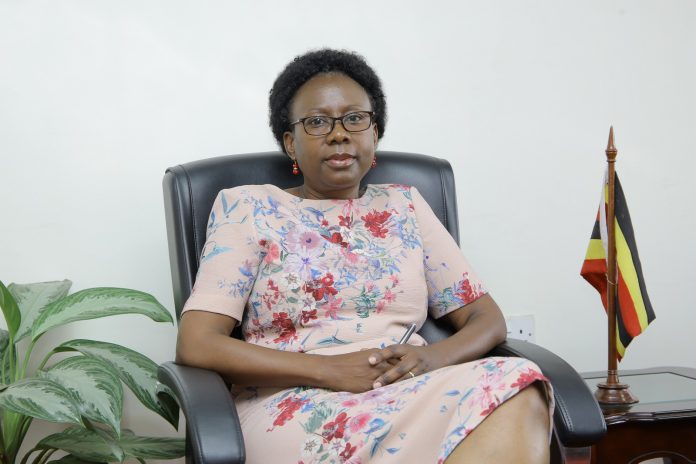
Dr Yonas Tegegn Woldemariam.

By Dr Yonas Tegegn Woldemariam

The growing need for public health care, due to health emergencies and humanitarian crises, has created the need to rethink the healthcare system.

Strengthening multi-sector partnerships is a prerequisite for improving the healthcare system. To realize its full potential, multi-sector commitment must involve all key players within the health sector and beyond, including governments, civil society organizations, and the private sector. In this article, I will highlight the impact of strong multisectoral collaboration in addressing the TB burden in Uganda.

Uganda remains among the 30 high-burden TB/HIV countries in the world with an annual TB incidence of 200 cases per 100,000 populations and a TB/HIV co-infection rate of 40%. Approximately 30 Ugandans die daily from TB disease. Tuberculosis is influenced by a wide range of determinants that include health, economic, social, and environmental determinants. To end TB by 2030, there is a need to accelerate actions, investments, political leadership, innovation, and multisectoral engagement and accountability.

In 2020, under the leadership of the Office of the Prime Minister, Uganda adopted the WHO Multi-sectoral Accountability Framework for Tuberculosis (MAF-TB). The framework is aligned with the End TB strategy and the United Nations 2030 sustainable development goals, the National Development Plan III, and the Health Sector Development Plan II. It recognizes that TB mortality and morbidity are impacted by multiple factors far beyond the health sector including living conditions, food security, education, and income levels.

Implemented as part of the National Tuberculosis and Leprosy program, MAF-TB has delivered remarkable results, with an observed increase in the number of people diagnosed with TB each year from 65,897 in 2019 to 94,000 in 2022, and a reduction in tuberculosis-related mortality of more than 50% by 2022.

Some of the innovations that came through the multi-stakeholder partnership toward ending TB in Uganda include the launch of a ground-breaking initiative for TB awareness, screening, and control (CAST-TB Campaign). CAST-TB is conducted twice a year, approximately 2.8 million households have been screened, and 40,000 cases of tuberculosis have been diagnosed during the first two campaigns held in 2022.

With leadership from the Ministry of Health through the TB program, CAST-TB is implemented in schools with support from the Ministry of Education, in prisons with support from the Ministry of Defense, and bus Parks with support from the Ministry of Transport. The implementation of the CAST-TB campaign involves the use of mobile TB clinics offering all available services, along with other activities such as door-to-door awareness-raising, referral, and provision of TB preventive therapy to eligible people.

At the political level, a policy to integrate TB and HIV into the world of work has been introduced to reduce stigma in the workplace and promote social protection for those affected. In addition, all ministries’ HIV focal persons have been trained to better advocate for the mainstreaming, planning, budgeting, and implementation of HIV and TB services.

In collaboration with the private sector and government, the program has trained 520 health workers in comprehensive TB management and accredited over 36 private health facilities to provide TB services.

Based on the gains in the MAF-TB program and CAST-TB Campaign, the country is working with stakeholders to pilot the integration of other health services in the TB response, including malaria, HIV, nutrition, water and sanitation, maternal and child health, and immunization.

I recommend that all other healthcare sectors learn from the TB multi-sectoral accountability framework initiative to improve the healthcare system. You can always count on WHO in this regard.

I acknowledge the Government and all the MAF-TB stakeholders for making this initiative a success for the benefit of Ugandans.

The writer is the WHO Representative to Uganda

Stories Continues after ad
BoU launches National Financial Inclusion Strategy 2023-2028

BoU launches National Financial Inclusion Strategy 2023-2028

Bank of Uganda in collaboration with its partners has launched the second National Financial Inclusion Strategy II (NFISII) 2023-2028 at Four Points Hotel in Kampala following the expiry of the first strategy (NFIS I) 2017-2022.

The vision of the second strategy is; “universal access and usage of a broad range of quality and affordable formal financial products and services delivered in a responsible and sustainable manner.”

Launching the strategy, Michael Atingi-Ego, BoU Deputy Governor said that the financial inclusion has emerged as a cornerstone of global development, fueling progress towards the Sustainable Development Goals (SDGs) and broader aspirations.

“Financial inclusion is pivotal in uplifting low-income and marginalised households from poverty by expanding access to essential financial services. Together, guided by our collaborative first NFIS, we have broken down barriers and opened doors to transformative financial services for millions of Ugandans. New regulations have enabled agent banking to flourish, bringing banking services to villages,” Michael Atingi-Ego said.

He added that the government services can now be accessed digitally, thanks to e-verification and e-payment gateways. And landmark legislation like the National Payment Systems Act and the Security Interest in Movable Property Act has laid critical legal foundations.

“Even in the depths of an unprecedented pandemic, we saw the acceleration of a new digital culture taking root as Ugandans increasingly relied on mobile money, cards, and online payments. Covid-19 showed us that great adversity often carries the seeds of innovation,” he noted.

The National Financial Inclusion Strategy II (NFIS II) aligns with the BoU’s strategic plan (2022-2027), with initiatives to foster financial inclusion through digital financial services, effective regulatory frameworks, appropriate infrastructure, partnerships, innovation, and consumer protection. It also emphasizes the soundness and resilience of the financial system.

At the heart of NFIS II lies a deep-rooted commitment to empowering underserved segments, including women, smallholder farmers, forcibly displaced persons, youth, MSMEs, rural dwellers, and people with disabilities. We recognise their unique challenges and are committed to tailoring financial solutions that address their specific needs.

The Minister of Finance, Planning & Economic Development, Matia Kasaija said that financial inclusion is vital for the national development agenda and it helps in growing the economy, reducing poverty and creating jobs by supporting entrepreneurship and business expansion as well as promoting gender equality and promoting rural development.

“We need to reduce access barriers to formal financial sectors. We need to deepen usage of affordable and quality financial products. We must work to strengthen financial consumer protection and capabilities,” Minister Kasaija said.

Acting Director Economic Affairs, Moses Kaggwa who represented Secretary to the Treasury, Ramathan Ggoobi said compared to 2017, more Ugandans now have a financial account, more have access to credit when they need it and more are able to save.

“A big success has been the rapid increase in financial access points from 548 per 100,000 adults in 2017 to 2,386 per 100,000 in 2022. Active banking agents have increased from 133 in 2017 to 25,635 in June 2023,” Kaggwa said.

Regarding Parish Development Model (PDM), Kaggwa said Shs1.13 trillion had been disbursed by mid- November, 2023 to 10,585 SACCOs. Shs974.8 billion has so far been loaned to 965,243 beneficiaries.

Stories Continues after ad
Bobi Wine visits UK after a 10-year visa ban

Mr Kyagulanyi aka Bobi Wine posing for a photo in front of BBC studios.

Singer and National Unity Platform party leader Robert Kyagulanyi Ssentamu aka Bobi Wine has been granted a UK Visa after a 10-year ban.

In 2014, Bobi Wine was banned from going to the UK after gay rights campaigners accused him of inciting homophobic attacks in his song lyrics. He was forced to cancel two scheduled shows in Birmingham and London where he was due to support Ugandan drama and music group the Ebonies.

The activists claimed that Bobi Wine writes songs with blatant homophobic lyrics and calls for gay people to be attacked or killed and thus allowing him to appear in public would clearly raise tensions.

Earlier this month, the UK lifted a visa ban against the singer. Since 2020, the singer has travelled to several countries in Europe except the UK. In August, he was scheduled to launch his documentary dubbed the people’s president in the UK however, he couldn’t due to the visa ban.

Bobi Wine posted on his social media handles how excited he was to visit the UK again

“I want to appreciate our legal team in the UK for the relentless fight and our NUP/People Power diaspora comrades for constantly raising our voice through protests as well as knocking on different doors,” he said shortly after the lifting of the ban.

He said; “I am very glad to inform you that the ban against me from entering the UK has finally been overturned and I will soon be visiting the UK after more than 10 years.”

“London, it’s been 10 long years!” Bobi Wine said yesterday after getting to the UK.

Stories Continues after ad
South Sudan stakeholders urge speedy enactment of anti-GBV legislation

November 30, 2023 (JUBA) – South Sudan requires a strategic plan to enable government allocate a budget for the elimination of the violence against women campaign, an official said on Thursday.

Speaking during the 16 Days of Activism launch in Juba, Interior Minister, Angelina Teny said gender-based violence hinders society’s efforts to unlock the full potentials of women and girls.

“Violence against women is a societal issue requiring involvement of all stakeholders,” she noted.

The 16 Days of Activism against gender-based violence is an annual international campaign to defy violence against all women and girls. The global campaign annually runs from November 25

Teny, who spoke on behalf of the Gender, Child and Social Welfare minister, acknowledged the important role customary courts play in resolving family cases in communities within the country.

“There is need to strengthen laws that protect our women and girls from violence,” she stressed. 

Violence against women and girls in South Sudan remains an endemic problem inhibiting the full participation of women in decision making at the community, economy and the society in general.

The acting Undersecretary in the Gender, Child and Social Welfare ministry, Joseph Loro said a lot has been done about policies and awareness raising on gender-based violence in the country.

“A multi-sectorial approach is needed to tackle gender-based violence challenges,” he explained, while calling for the expeditious enactment of the anti-gender-based violence and family laws.

Violence disproportionately affects women living in low and lower middle-income countries.

An estimated 37% of women living in the poorest countries have experienced physical or sexual intimate partner violence in their life, with some of these countries having a prevalence as high as 1 in 2, the United Nations Population Fund (UNFPA) Country Director, Ademola Olajide stated.

“We cannot make sustainable economic progress if we cannot ably address gender-based violence in societies. There is thus need to change norms that underestimate our women and girls,” he stated.

Meanwhile SSLS called upon the Revitalized Transitional National Legislative Assembly (R-TNLA) to leverage the 16 Days of Activism as an opportunity to expedite the enactment of the anti-Gender Based Violence (GBV) Bill, Family Bill and Women Enterprise Development Fund.

“We are therefore calling upon the media, all stakeholders and the general public to participate in the campaign and invest to support the advancement of women rights,” it noted in a statement.

This year’s campaign theme; Unite! Invest to prevent violence against women and girls calls for global action to focus on financing different prevention strategies to stop violence from occurring.

According to a study conducted by South Sudan Law Society (SSLS) and Legal Action Worldwide (LAW), up to 90 % of gender-based violence cases are heard in customary courts presided by older male judges with deeply ingrained patriarchal views, which generally condone domestic violence.

South Sudan, the 2018 study revealed, accounts for the second highest prevalence case of GBV in the region. A substantial proportion of its women (aged 15-64), it observed, experience gender-based violence either in the form of physical (34.0%) or sexual (13.5%) violence in their lifetime.

Stories Continues after ad
Court remands Sarah Babirye Kityo to Luzira prison

Sarah Babirye standing in the dock.

The embattled president of the deposed Uganda Netball Federation (UNF) Sarah Babirye Kityo has been remanded to Luzira prison.

She was arrested yesterday, interrogated at the Criminal Intelligence Directorate (CID) headquarters, Kibuli and later detained at Kira Road Police station.

Appearing before the Anti-Corruption Court, Babirye was charged with fraud. She pleaded not guilty. Through her lawyers, Babirye applied for bail. Her application will be determined tomorrow.

She is accused of failing to account for Shs186 million she received from the National Council of Sports a few days before the She Cranes left for the Namibia 2021 Tournament.

She claimed that she was tasked to first account for Shs425 million which she did not receive and later said Shs186 million.

The charging of Babirye follows her open-ended suspension as the president of UNF over corruption and mismanagement of funds. Additionally, last month, the National Council of Sports (NCS) withdrew a certificate of recognition issued by the UNF.

The federation is currently not allowed conduct any business related to the sport of netball on behalf of the government of Uganda.

Stories Continues after ad
East African Court of Justice dismisses petition against crude oil pipeline

The East African Court of Justice (EACJ) has dismissed a petition by a number of civil society organizations challenging the construction of the East African Crude Oil Pipeline.

In its ruling, the EACJ said the petition was filed late (2020) when the memorandum of understanding for the project construction had taken place. The court said the petitioners should have filed the documents in 2017, at the initiation of the project.

“Consequently, when the Applicants filed their Reference on 6tn November 2020, this was well over two months after execution of the IGA,” the ruled on Wednesday, 29 November 2023.

“The Reference was therefore time barred and as is the long established jurisprudence of this Court and the delineation of its mandate by the Treaty, the Court does not have authority to extend, condone, waive or alter the prescribed timeframe for filing a Reference or claim- see Attorney General of the Republic of Uganda & Another vs Omar Awadh and 6 Others (supra),” they added.

The Africa Institute for Energy Governance (AFIEGO), Natural Justice, Centre for Strategic Litigation, the Centre for Food and Adequate Living Rights (CEFROHT) Limited, in November 2020 filed a case against the governments of Uganda and Tanzania, and the Secretary General of the East African Community (EAC), challenging the construction of the EACOP at the EACJ.

The applicants wanted a temporary injunction to stop the construction of the EACOP until the questions of environmental, social justice, and climate justice concerns raised in the case were heard and determined.

The governments of Uganda and Tanzania signed the Host Governments Agreements for the East African Crude Oil Pipeline (EACOP) in 2017. The lawyers representing the government of Uganda argued that the matter should have been filed at that time.

But the court sitting in Arusha upheld the objection by Tanzania’s solicitor general, noting that the case was filed out of time.

The ruling means that the applicants cannot proceed with the merits of the case. AFIEGO said the ruling will negatively impact the environmental rights of Ugandans, Kenyans and Tanzanians.

Mr Dickens Kamugisha, the Chief Executive Officer of AFIEGO, described the ruling as a sombre day for the millions of East Africans who had anticipated that the court would allow the consideration of evidence concerning the environmental, social, and economic risks of the EACOP project and make a determination on our case based on its merits.

“Despite the setback we have suffered, we remain determined and are prepared to appeal this unjust ruling, firmly believing that the dangers  posed by EACOP can and will be stopped,” said Kamugisha

Stories Continues after ad

PAU launches electronic system to ease work permit applications in oil sector

The Petroleum Authority in Uganda (PAU) has launched the Electronic Work Permit Recommendation System (EWPRS) that is expected to ease granting of work permits in the oil and gas sector.

Speaking at the launch of the e-work system on Wednesday, 29 in Kampala, Peninah Aheebwa, the Director Economics and National Content Monitoring at PAU, said it will now take the applicant about fifteen minutes to fill the form and submit it to PAU for consideration.

“The PAU e- Work Permit Recommendation System (EWPRS) will increase efficiency in processing work permits by reducing the number of days applicants can receive a decision. Current waiting time is seven days. The system will reduce it to three,” she said.

“It’s important to stress that this is a recommendation system. The Ministry of Internal Affairs will continue issuing work permits,” she added.

Linda Nalubanga, a Senior National Content Officer in charge of Manpower at the PAU, said the Electronic Work Permit Recommendation System will be linked to the Uganda Electronic Visa/Permit Application System operated by the Ministry of Internal Affairs.
“The e – Work Permit Recommendation System will improve efficiency in work permit processing, documentation of records, enhanced monitoring of the expatriates, and creating synergies,” she said.

So far, a desk officer at the citizen’s immigration Department works with the PAU to clear foreigners for employment with oil and gas operators like TotalEnergies, CNOOC, UNOC, their main contractors, and subcontractors.

As part of the efforts to ensure that the oil and gas jobs are not dominated by foreigners, the Petroleum Authority is required to advise the Ministry of Internal Affairs when a foreign worker should be granted a work permit.

It is expected that this system will be fully integrated into that manned by the Ministry of Internal Affairs by March 2022. As of now, Nalubanga explained that the manual system of applying for permits will go on until March when an application will be permitted to submit hard copies of the application.

The new system comes at a time when more expatriates are expected in the country. Construction of the central processing facilities at Tilenga and the King Fisher projects is expected early next year. Some expertise will also be expected when construction of the East African Crude Oil Pipeline and the Refinery take off.

The Petroleum Authority, which is the regulator of the upstream and downstream operation said the country will need some expatriates until Ugandans acquire needed skills.

Aheebwa explained that the system will provide an interface between the Authority and the industry employers.

“So far, the interface between us is going to be eased by this system. We expect the players to submit all their applications for recommendations for work permits online. And PAU we will review online and provide feedback online” she explained.

Statistics indicate that there are 12946 workers in the oil and gas sector 94% of which are Ugandans. The majority of the employees are reportedly employed by contractors and subcontractors in the industry.

The Chairperson of the Board of Directors at PAU, Dr. Jane Nambakire Mulemwa, revealed that she had received complaints from TotalEnergies about the slow process of clearing foreigners to the sector.

She expressed hope that this system would shorten the process so that deserving expatriates are allowed to take on roles where no Ugandan is so far qualified.

Stories Continues after ad

North Korea may be re-opening to tourists – are therumours true?

Known throughout the world as “The Hermit Kingdom”, travel in North Korea has been even more restricted than usual in the last few years, as it remains the only country in the world that is still closed due to the 2020 COVID crisis.

However, in recent months, there have been a few hints that the country may be reopening to leisure tourists.

In this article, we’ll examine them and see what it means for North Korea travel.

Why has North Korea been closed?

North Korea has been closed to tourists since 22nd January 2020, when the Coronavirus pandemic was spreading in neighbouring China. Even though the country gets minimal tourists compared to other countries in the world (in 2019, they capped their visitor numbers to 1,000 per day, the majority of whom came from China), the economic losses are thought to be $175,000,000 or more.

In fact, it’s thought that nobody in the country has been vaccinated against COVID-19 as of yet, with hints stating that the country may begin immunisation in 2022, but no news since then. The World Health Organisation warned that North Korea may be very hard hit from COVID-19 if the virus ever makes its way over the borders and people have not been vaccinated, as nobody in the country will have any immunity.

Is North Korea opening?

Despite all of this, there have been whispers in recent months about North Korea possibly opening.

In August 2023, North Korea’s airline, Air Koryo, resumed international flights to Beijing and Vladivostok in Russia.

In fact, since then, Kim Jong-Un and other high-level diplomats have taken trips abroad, another possible indicator that the country may be reopening for leisure travel. However, North Korean citizens living in Dandong (many have been stranded there since 2020) who work in trade on the border have claimed that they see no signs of the land border reopening.

But, that being said, many countries also reopened their air borders before their land borders during and just after COVID-19. So it could be a case of North Korea first opening Pyongyang Airport, potentially testing travellers for coronavirus and maybe even isolating them for a period (as was common in their neighbours, China and South Korea, throughout 2021 and 2022) before ultimately opening the land border.

Will North Korea be open to Americans?

North Korea has been closed to USA citizens since 2017; it was actually the USA who banned Americans from visiting, and this happened in response to the Otto Warmbier case. At the time, Americans were banned from visiting North Korea until 2024 – of course, this was pre-Covid, and it’s likely that this ban will remain when travel to North Korea opens.

While Americans were banned from visiting North Korea by the U.S. government, technically they could still enter North Korea. However, visiting is a crime in the U.S. and any Americans who have visited can face conviction, hefty fines and passport confiscation. Plus, tour companies will not take Americans due to these regulations.

What are trips to North Korea like?

All trips to North Korea before the pandemic were organised trips – and it’s almost certain that, when it does open, it will resume in the same way. Independent travel in North Korea is not possible.

Tour companies such as Lupine Travel offer trips to North Korea, which include accommodation, transport, food and activities. To visit the country, travellers must book with them independently, fly into Beijing and travel to North Korea from there, either by train or plane. 

Things to bear in mind if going to North Korea

Not only is travel in North Korea strictly regulated but there are a few things there that are completely illegal that are legalised in other countries.

One is gambling, which is outlawed entirely in North Korea (you won’t find any casinos or no deposit bonuses on offer in this country).

It’s also very important to not take photos of certain things (if in doubt, check with your tour guide) and to not take anything from hotels or anywhere else in the country (you may have heard of the tragic story of Otto Warmbier, who stole a propaganda poster, was imprisoned and returned back to the US in a vegetative state, only to die shortly after). 

Alcohol is permitted in North Korea, but you might not find a huge variety – you’ll likely only find beer and a couple of different types of liquor. However, it’s highly recommended that you do not get drunk, as this could cause you to act more recklessly.

Final thoughts

It’s thought that North Korea may open to travellers again relatively soon, and it’s likely that tourism will run the same way it did in 2019, with travel being permitted by tour groups only and Americans not allowed. However, exactly when it will reopen remains a mystery!

Stories Continues after ad

Lukwago criticized for fighting SFC Kampala roads maintenance project

Kampala Lord Mayor Erias Lukwago has been trashed for his fights over the Special Forces Command’s efforts to fix potholes on the Kampala Capital City Roads

The Special Forces Command Construction Regiment secured a Shs2 billion deal from Kampala Capital City Authority (KCCA) to repair pothole-riddled roads in the central business district where Lukwago had suggested that the project can cost over 10 Billion shillings.

In his remarks, Lukwago expressed dissatisfaction with the progress and advised the government to reconsider the initiative. He does not believe that the military engineering unit has the expertise and the equipment needed for the job.

“SFC are hoodwinking Ugandans. They have no capacity to fix city roads. The situation is moving from bad to worse. What they are doing is a facade of sorts. They have no equipment, we do not even know how many engineers they have, ,” Erias Lukwago said.

He added, “We want the SFC out of Kampala. Lt. Kikomeko go back to the barracks; Muhoozi take back your men out of our city. The best you can do is to go handle our borders which are ravaged by insecurity. That is your area of expertise.”

Lukwago’s statements left the public furious and considered him as ‘Kampala’s enemy of progress’ since he fights every project of development in the capital. The cut of the project from 12.7 billion to 2Billion shillings only will save the taxpayer’s money from being misused.

A one Frank Mwesigye, said that since Lukwago, has raised complaints about the allocation of Shs2 billion designated for road maintenance in his own city then he should also account for  Shs 3.8b he illegally collected from the city abattoir from October 2011 to December 2012 before RCC (by then) Mr Mpimbaza Hashaka intervened.

Mwesigye said, “ As concerned citizens, we should plan for a peaceful march to Lukwago’s office and demand transparency and accountability of Shs 3.8b ASAP. Stay tuned for further updates.”

Aiden Wasajja commented, “The Lord Mayor has completely done nothing ever since he entered that office on 14th / Jan 2011. He has always been in fights. He is an enemy of progress. I wonder why he was against Hajji Hamis Kigundu when he started the renovations at Nakivubo.”

Don’t forget that Lord Mayor Lukwago wanted potholes repaired at 12.7 Billion. SFC is doing the repairs at 2 Billion. So we do understand when Lukwago starts mourning the loss of his “cut”.

Gen Muhoozi Kainerugaba, the president’s advisor on special operations accompanied by SFC engineers led by Lt Kikomeko Kigongo, the assistant project manager, and Kampala Capital City Authority (KCCA) Executive Director, Dorothy Kisaka on Tuesday afternoon toured the ongoing works in city.

In May, President Museveni directed KCCA and all other government agencies to work with the SFC Construction Regiment headed by Lt Col Eng. Robert Chabo to repair potholes and also carry out road maintenance in Kampala City following dissatisfaction by citizens over the sorry state of roads in Uganda’s capital.

Stories Continues after ad