Stanbic Bank
Stanbic Bank
25 C
Kampala
Stanbic Bank
Stanbic Bank
Home Blog Page 395

7 Tips For Using CBD Dabs If You Are ASportsperson

CBD dabs have become increasingly popular in recent years as many people are searching for “what are cbd dabs” in 2023. Dabs are a concentrated form of CBD extracted from the hemp plant and then processed into a waxy substance. They are typically smoked or vaporized and provide a fast-acting and potent dose of CBD. The popularity of dabs can be attributed to their ease of use and the fact that they are a discreet way to consume CBD. Additionally, many people find that dabbing offers a more intense and immediate effect than other consumption methods. Whether you’re a seasoned user or just starting, dabbing is worth considering. However, it’s important to remember that dabs are a concentrated compound and should be used with caution and only in moderation to avoid unwanted effects
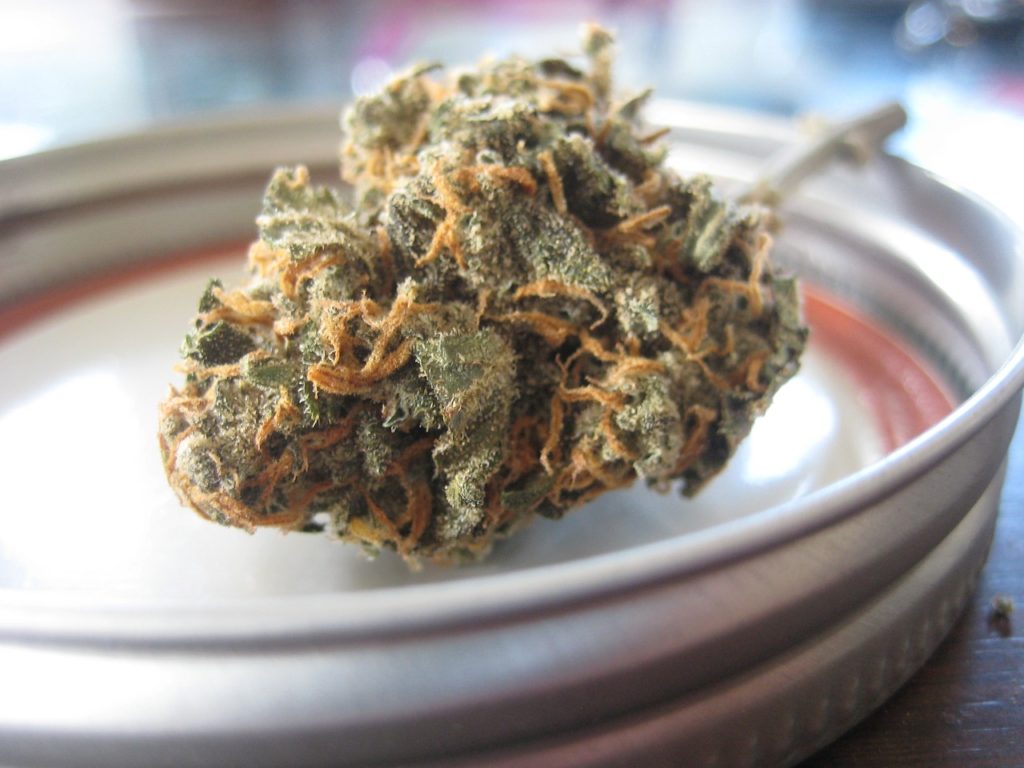
Here Are The 7 Tips For Using CBD Dabs If You Are A Sportsperson

1. Start With Low Potency

As a sportsperson, you’re probably always looking to enhance your performance and recovery. You may want to consider incorporating low-potency CBD dabs into your routine. By starting with a low-potency option, you can ensure you’re taking a cautious approach while reaping the potential benefits. As always, it’s essential to research and consult with a healthcare professional before trying any new supplement.

2. Know The Source

As a sportsperson, you want to ensure you care for your body in the best way possible. If you’re considering using dabs, it’s essential to know the source of the product. Understanding the origin of dabs will give you peace of mind, allowing you to focus on your performance, knowing you’re using a safe, reliable product. Knowing the source of dabs entails familiarity with how and where it was produced, including the extraction process and raw materials.

Educating yourself on the CBD dabs’ origin will ensure you get a quality product that complies with regulations and delivers the desired effect. Take the time to research reputable sources that provide high-quality dabs to ensure you’re making an informed decision, helping you to perform at your best.

3. Use Only High-Quality Dabbing Tools

Dabbing can offer a unique and effective way to promote muscle recovery and relaxation after intense physical activity. As a sportsperson, using high-quality dabbing tools is essential to ensure you get the most out of your dabs. This means investing in a reliable, sturdy dab rig with a quality nail and dabber tool.

Opting for cheaper and lower quality options can lead to a less effective experience and potentially harmful contaminants. You can enjoy the benefits of this natural compound and feel confident in your post-workout routine by using high-quality dabbing tools for your CBD dabs.

4. Store Your Dabs In A Cool, Dark Place

As a sportsperson, keeping your body in peak condition is essential, and for some, CBD dabs have become a valuable tool in their routine. However, as with any substance, proper storage is crucial to ensure longevity and effectiveness. Storing dabs in a cool, dark place is the best way to preserve their quality.

This will prevent your dabs from exposure to heat and light, which can cause them to lose potency over time. Storing your dabs away from moisture and other contaminants is essential to maintain their purity. Following these storage guidelines, you can keep your dabs in optimal condition whenever needed to support your active lifestyle.

5. Avoid Using Dabs Right Before Or After A Competition

As a sportsperson, you always want to perform best during competitions. Using dabs can cause a positive drug test result, which may lead to disqualification or suspension from competition. It’s crucial to stay informed on your sport’s governing body’s rules and regulations and consult with a healthcare expert before trying any new supplements.

6. Take A Break Between Dabs To Assess Their Effects

As a sportsperson, maximizing physical performance is critical to achieving your goals. However, taking a break between dabs is essential to assess their effects on your body. That way, you can determine the optimal dosage of CBD and frequency for your unique needs.

Remember that CBD is not a magic cure-all; it requires some experimentation and observation on your part. So, take the time to listen to your body, record any changes you notice, and adjust your dosage accordingly to achieve the best results. This approach can help you get the most out of your dabs and elevate your athletic performance.

7. Only Use Dabs As Part Of A Comprehensive Recovery Plan

As a sportsperson, finding ways to help your body recover after pushing it to its limits is essential. While CBD dabs have become a popular option, it’s important to remember that they aren’t a cure-all solution. Instead, CBD dabs should only be used as part of a comprehensive recovery plan.

It’s crucial to ensure you get enough rest, stay hydrated, and nourish your body with healthy foods. CBD dabs can be a helpful addition to this routine, as they may help reduce inflammation and promote relaxation. However, talking to your doctor before incorporating CBD into your recovery plan is essential, and ensuring you’re using it responsibly. You can help your body recover and stay at the top of your game with extra care and attention.

Summing Up

CBD dabs, also known as cannabidiol dabs, are a concentrated form of CBD that is becoming increasingly popular among those seeking a more potent and immediate effect. CBD dabs are made by extracting the CBD from the hemp plant and refining it into a waxy substance that can be heated and inhaled through a vaporizer or dab rig. The benefits of dabs include the quick onset of effects, a more potent dose of CBD, and a more flavorful experience if using terpene dabs. It’s important to note that dabs should only be purchased from reputable sources to ensure quality and safety, and it’s always recommended to start with a lower dose and work your way up to avoid any unwanted effects.

Stories Continues after ad

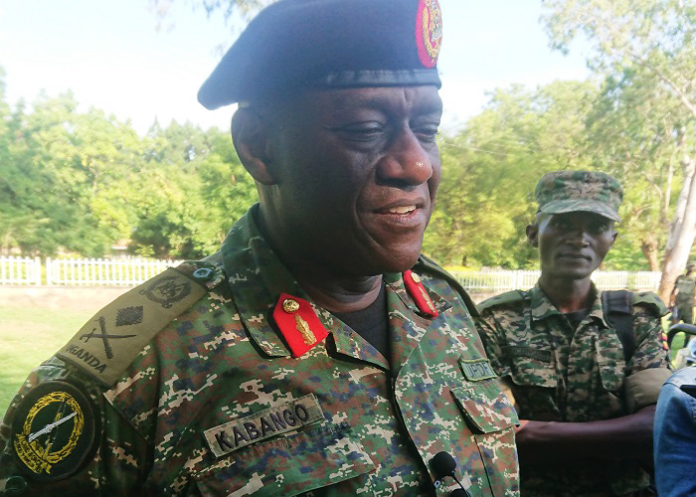
Brig. Kabango assumes office as UPDF Commander 4th Infantry Division

Brigadier General Michael Kabango has assumed duties and responsibilities as Commander 4th Infantry Division from Brigadier General Bonny Bamwiseki at a function that was presided over by the Deputy Chief of Defence Forces, Lieutenant General Peter Elwelu at the 4th Infantry Division headquarters in Gulu city.

“The new appointment you have been given is the prize of good work you did while commanding the 4th-infantry division and in other responsibilities else where you have served,” said Lt. Gen. Elwelu to Brig. Bamwiseki.

Lt. Gen. Elwelu urged the new commander to keep a keen interest in security along the porous borders under his command.

“Our porous borders still need a lot of vigilance and alertness in order for us to remain on top of the security situation,” the Deputy CDF said.

He urged Brig. Kabango and the soldiers under his command, to emphasize the strategic relationship with the people they are meant to defend and protect.

The outgoing commander, Brig. Bonny Bamwiseki thanked the staff and militants with whom he was working, who ensured success during his tour of duty in the Division. He appealed to the incoming commander to ensure that he is always in touch with the security agencies and civilians alike to maintain stability in the 4th Infantry Division as a contribution to a better Uganda.

The incoming commander Brig. Michael Kabango in his speech vowed that nothing will stop any efforts that will be made in the division aimed towards creating a stable region. He called for teamwork among his staff in order to achieve the tasks ahead of him.

He added that will run an open-door policy by availing various platforms of communication to close the communication gaps that may encourage mistrust and disbelief by the civilian community on the service of the army in the area under his command.

“It’s not the first time, I have been here since 1986 to 1990s and so it is nice to be back. You have done well and we must keep it. I will try as possible to be close to the political leaders, civilians, and sister security and we move together to fulfill our mandate. I run an open-door policy and anybody can call my phone anytime,” Kabango said.

Bamwiseki, who has been referred to as “Man of Love” for his consistent Biblical gospel of love for one another, attributed his successful tenure as the Commander 4th Division to the effective relationship with the civilian population and putting God at the center of it all.

Bamwiseki will be replacing Brig Gen Richard Otto as the new defence attaché in Juba whereas Otto has been elevated to serve as envoy in IGAD to broker peace in South Sudan.

Brig Michael Kabango is not new to UPDF operations in Northern Uganda. He has commanded from the smallest unit up to division level the last being the 5th Infantry Division which he commanded before taking on an assignment at African Union Headquarters based in Addis Ababa Ethiopia. In Somalia, he was also among the lead commanders of the Pioneer force that set foot in Mogadishu in 2007. He has held many responsibilities at different levels and positions up to date when he takes over the 4th Infantry Division.

Stories Continues after ad

WHO congratulates Benin and Mali for eliminating trachoma as a public health problem

The World Health Organization (WHO) has validated Benin and Mali as having eliminated trachoma as a public health problem, making them the fifth and sixth countries in the African Region to achieve this significant milestone.

Countries that previously received WHO validation for trachoma elimination are Ghana (June 2018), Gambia (April 2021), Togo (May 2022) and Malawi (September 2022).

“WHO congratulates the health authorities of Benin and Mali and their network of global and local partners for these milestones”, said Dr. Tedros Adhanom Ghebreyesus, WHO Director-General.

He added, “Following Benin’s and Mali’s success, trachoma remains endemic in 23 countries in WHO’s African Region, bringing us a step closer towards the elimination target for trachoma set in the road map for neglected tropical diseases 2021–2030.”

Globally, Benin and Mali join 15 other countries that have been validated by WHO for having eliminated trachoma as a public health problem. These are Cambodia, China, the Gambia, Ghana, Islamic Republic of Iran, Lao People’s Democratic Republic, Malawi, Mexico, Morocco, Myanmar, Nepal, Oman, Saudi Arabia, Togo and Vanuatu.

Both Benin and Mali implemented the WHO-recommended SAFE strategy to eliminate trachoma with the support of WHO and partners. The SAFE strategy consists of surgery to treat late trachoma complications; antibiotics to clear infection; facial cleanliness; and environmental improvement, particularly improving access to water and sanitation, to reduce transmission. Through the International Trachoma Initiative, the antibiotic azithromycin is donated by Pfizer to elimination programmes implementing the SAFE strategy.

Benin has integrated trachoma elimination interventions with those implemented against other neglected tropical diseases (NTDs), under the umbrella of the National Programme for Communicable Diseases. Trachoma is the third NTD to be eliminated in Benin, after dracunculiasis (in 2009) and gambiense human African trypanosomiasis (in 2021).

Mali has conducted trachoma impact and surveillance surveys and rolled out interventions to achieve elimination targets, despite security challenges in the northern regions of the country and sociopolitical upheavals in recent years. Trachoma is the first NTD to be eliminated in Mali, which therefore now joins a global group of 47 countries that have eliminated at least one NTD.

“These are impressive public health achievements,” said Dr Ibrahima Socé Fall, Director of the WHO Global NTD Programme. Adding, “Benin and Mali demonstrate how strong political will, cross-sector integration, surveillance and community engagement can work in concert to achieve disease elimination.”

Significant progress has been made in the fight against trachoma over the past few years. The number of people requiring antibiotic treatment for trachoma in the WHO African Region fell by 84 million, from 189 million in 2014 to 105 million as of June 2022.

Trachoma remains a public health problem in 41 countries (as of June 2022) with an estimated 125 million people living in areas requiring interventions against the disease. Trachoma is found mainly in the poorest and most rural areas of Africa, Central and South America, Asia, the Western Pacific and the Middle East. The WHO African Region is disproportionately affected by trachoma with 105 million people living in at-risk areas, which represents 84% of the global trachoma burden.

Trachoma is the leading infectious cause of blindness worldwide. The disease is caused by infection with the bacterium Chlamydia trachomatis. Infection is transmitted from person to person through contaminated fingers, fomites and flies that have come into contact with discharge from the eyes or nose of an infected person. Environmental risk factors for trachoma transmission include poor hygiene, overcrowded households, inadequate access to water or use of proper sanitation facilities.

In 1996, WHO launched the WHO Alliance for the Global Elimination of Trachoma by the year 2020 (GET2020). With other partners in the Alliance, WHO supports country implementation of the SAFE strategy and strengthening of national capacity through epidemiological assessment, monitoring, surveillance, project evaluation and resource mobilization contributing towards elimination of trachoma as a public health problem. The road map, endorsed by the World Health Assembly in 2020 through its decision 73(33), sets 2030 as the new target date for global elimination.

Stories Continues after ad

Gov’t to reintroduce Narcotic Drugs and Psychotropic Substances Control Bill

Government is set to reintroduce the Narcotic Drugs and Psychotropic Substances (Control) Bill, Eagle Online has learnt.
According to the Attorney General, Kiryowa Kiwanuka arrangements are being made to reintroduce this Bill at the appropriate time before the House.


Earlier this month, A panel of five justices of the Constitutional court led by deputy chief justice Richard Buteera, Stephen Musota who has since been elevated to the Supreme court, Muzamiru Mutangula Kibeedi, Irene Mulyagonja and Monica Mugyenyi unanimously annulled Narcotic Drugs and Psychotropic Substances Control Act 2016 for lack of quorum and ordered the government to pay the farmers costs they have spent on this petition.


“Clearly, the government and the Executive are interested in this Bill. In the meantime, any case of drug abuse is being handled under the existing law, and we don’t have a real gap at this point other than the extent of the penalty.” Kiwanuka said during the plenary.


This law had prohibited the use of several drugs, including cannabis, bush cocoa, and mairungi, as they contain cathinone and cathine, substances that are known to have side effects such as increased blood pressure, euphoria and elation with feelings of alertness and arousal.


In 2017, Wakiso Miraa Growers and Dealers Association Limited filed a petition challenging the Narcotic Drugs and Psychotropic Substances Control Act. The act prohibited and criminalized the cultivation, possession, consumption, sale, distribution, transportation, and exportation of Catha edulis (khat) commonly known as mairungi.
Through their lawyers led by Isaac Ssemakadde, the petitioners argued that prohibition of khat was not backed up by any scientific evidence yet it had a disruptive effect on the livelihood, property, cultural and social economic rights of the petitioners who are mairungi farmers, sellers and consumers.

Stories Continues after ad

Catholic, Anglican Churches get Shs30m ahead of Martyrs Day Celebrations

Catholic and Anglican Churches have received Shs30 Million donation ahead of Martyrs Day celebrations. The day is held to commemorate 23 Anglican martyrs and 22 Catholic martyrs who were killed on the orders of Kabaka Mwanga between November 1985 and January 1887.
This year marks 59 years since the Uganda Martyrs were canonized and elevated to sainthood by Pope Paul VI on October 18, 1964.


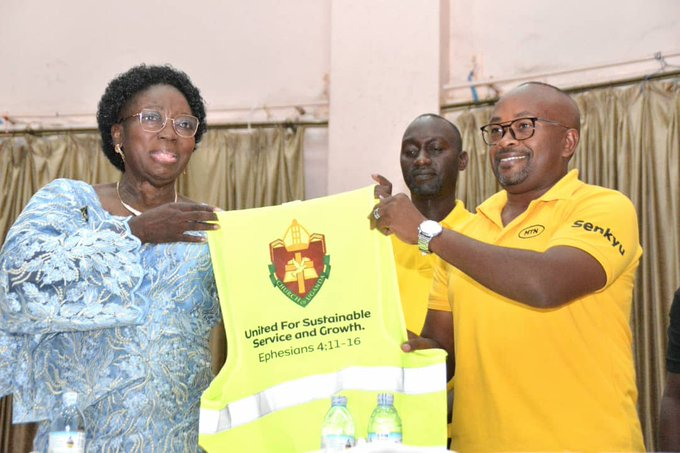
The donation was made by MTN Uganda. The telecom company donated Shs20 million to the Jinja Catholic Diocese and Shs 10 million to the Church of Uganda, to support their preparations for this year’s Martyrs Day celebrations.
The Shs30 million donations to the Catholic Church and Church of Uganda will go towards the preparations of the Martyrs’ day celebrations at Namugongo.


Speaking in Jinja, the Head Commercial Eastern Region, Njagala Allan hailed the Catholic Church for its steadfast commitment and resilience towards spiritually nurturing the community amidst the numerous challenges they face today.
Bishop of Jinja Diocese Rt Rev Charles Martin Wamiika expressed gratitude to MTN for its continued support of the Catholic Church and all religious sects in general. He said, “We are grateful to MTN Uganda for their contribution towards the preparation of the Martyrs Day celebrations. This donation will go a long way in making the day a success and in ensuring that we continue to keep the spirit of the Uganda Martyrs alive.”


In addition to the financial donations the MTN donated 250 Reflective jackets to ensure that the pilgrims are visible and 100 boxes of bottled water to the pilgrims to ensure that they stay hydrated during the long and arduous journey.
Rt. Rev Kosea Odongo, Bishop of Soroti diocese, who represented the Bishop Samuel Egesa, Chairperson Cluster, also expressed his gratitude to MTN Uganda for their generous donation. “We are thankful to MTN Uganda for their donation towards the preparation of the Martyrs Day celebrations. This support is a testament to the long-standing relationship between MTN Uganda and the Church of Uganda, and we are grateful for their continued support.”

Stories Continues after ad

Emirates Group announces 2022-23 financial results

The Emirates Group has released its 2022-23 Annual Report, recording its highest profits ever on the back of strong demand across its businesses.

The year has seen Emirates achieve new record profits – a complete turnaround from its loss position last year.

Both Emirates and dnata ground handling and flight catering saw significant revenue increases in 2022-23 as the Group expanded its air transport and travel-related operations following the removal of nearly all pandemic-related restrictions around the world.

Viewed overall, for the financial year ended 31 March 2023, the Emirates Group posted a record profit of AED 10.9 billion (US$ 3.0 billion).

This compares with an AED 3.8 billion (US$ 1.0 billion) loss for last year. The turnaround is largely attributed to the aggressive demand for core services across the Group’s operations.

Emirates passenger operations
Emirates’ total passenger and cargo capacity increased by 32% to 48.2 billion ATKMs in 2022-23, as the airline continued to reinstate passenger services across its network in line with the lifting of pandemic-related flight and travel restrictions.

In addition to launching services to Tel Aviv, Emirates relaunched flights to six destinations and increased operations to 62 cities across its network throughout the year to serve strong customer demand.

By 31 March 2023, the Emirates network comprised 150 destinations across six continents, including 9 cities served by its freighter fleet only.

Emirates also deployed its flagship A380 aircraft to even more cities during the year, bringing its A380 network to 43 destinations as of 31 March 2023.

Enabling its customers to access even more destinations, Emirates signed agreements with new codeshare partners in 2022-23 most notably with United Airlines and Air Canada.
Emirates also reinforced its strategic partnerships with Qantas and flydubai and added new interline and codeshare partners: Airlink, AEGEAN, ITA Airways, Air Tanzania, Bamboo Airways, Batik Air, Philippine Airlines, Royal Air Maroc and Sky Express.

Emirates received two new 777 freighter aircraft during the financial year. It also phased out 4 older aircraft comprising of 2 A380, 1 Boeing 777-300ERs and 1 Freighter. Its total fleet count at the end of March was 260 units, with a youthful average fleet age of 9.1 years.

Emirates’ order book stands at 200 aircraft, including 5 additional Boeing 777-300ER freighter orders announced during 2022-23.

Emirates carried 43.6 million passengers (up 123%) in 2022-23, with seat capacity up by 78%. The airline reports a Passenger Seat Factor of 79.5%, compared with last year’s passenger seat factor of 58.6%.

It experiences a 7% increase in passenger yield to 37.5 fils (10.2 US cents) per Revenue Passenger Kilometre (RPKM), due to a change in cabin and route mix, fares and currency.

Emirates continued to invest in delivering ever better customer experiences. During the year, it launched its full Premium Economy experience to hugely positive customer feedback, brought into service the first 6 of its newly retrofitted A380s with completely refreshed cabin interiors.

It also announced a US$ 350 million investment in new generation inflight entertainment systems for its A350 fleet.

Emirates SkyCargo delivered a solid performance, contributing 16% of the airline’s revenue despite a reduction in available capacity as aircraft that were temporarily converted into “mini freighters” during the pandemic returned to full passenger service.

During the year, the cargo division signed commercial MoUs with United Airlines and Air Canada to expand its network reach and capacity for customers.

An Emirates SkyCargo aircraft unloads emergency aid supplies in Pakistan
Photo Credit: Emirates Sky Cargo
Emirates Sky Cargo also deployed its expertise and capacity to transport relief goods to Pakistan, Turkey and Syria in partnership with Dubai’s International Humanitarian City.

With steady air freight demand throughout the year, Emirates’ cargo division reported a solid revenue of AED 17.2 billion (US$ 4.7 billion). This was a 21% decline over last year’s exceptional performance caused by the pandemic.

Tonnage carried declined by 14% to 1.8 million tonnes, due to the reduction in available freighter capacity for the entire year with the reinstatement of more passenger services.

At the end of 2022-23, Emirates’ SkyCargo’s total freighter fleet stood at 11 Boeing 777 Fs.

Dubai National Air Travel Agency (dnata) is an Emirati airport services provider which provides aircraft ground handling, cargo, travel, and flight catering services across five continents

Recovery from the pandemic was felt across almost all dnata businesses, and in 2022-23 dnata increased its profit by 201% to AED 331 million (US$ 90 million).

With growing flight and travel activity across the world, dnata’s total revenue increased by 74% to AED 14.9 billion (US$ 4.1 billion). dnata’s international businesses account for 72% of its revenue, an increase of 10%pts from the previous year.

Revenue from dnata’s Airport Operations, including ground and cargo handling increased to AED 7.2 billion (US$ 2.0 billion).

The number of aircraft turns handled by dnata globally grew by 35% to 712,383, cargo handled declined by 8% to 2.7 million tonnes, reflecting the increased flight activity across markets as the last pandemic restrictions lifted and dnata’s customers reinstated services.

Commenting on the Group’s 2022-23 turnaround performance, HH Sheikh Ahmed bin Saeed Al Maktoum, Chairman and Chief Executive, Emirates airline and Group said, “We had anticipated the strong return of travel, and as the last travel restrictions lifted and triggered a tide of demand, we were ready to expand our operations quickly and safely to serve our customers.”

He added, “As a result, we have delivered a record financial performance and cash balance for our financial year 2022-23.”

“This reflects the strength of our proven business model, our careful forward planning, the hard work of all our employees, and our solid partnerships across the aviation and travel ecosystem,” he concluded.

Stories Continues after ad

Benin, Côte d’Ivoire to premier AfDB’s African Green Bank facilities

The African Development Bank is set to roll out the first green finance facilities in two public financial institutions in Benin and Côte d’Ivoire as part of its ground-breaking African Green Bank initiative.

The host institutions are La Caisse des Dépôts et Consignations du Bénin (CDC Benin) and the Ivorian National Investment Bank (BNI).
As Africa’s premier development finance institution, the African Development Bank does not only provide fiscal resources to its regional member countries; it also galvanizes global support in promoting resilient, green, and sustainable growth.
It launched the African Green Bank Initiative in November last year to support the implementation of African countries’ Nationally Determined Contributions (NDCs).

African countries still face significant challenges in financing their climate transition. While investment needs resulting from NDCs are estimated at $2.8 trillion by 2030, funds invested on the continent still represent a limited share of global green finance flows, and the share covered by the private sector remains limited.

The African Green Bank initiative was conceived as part of measures to facilitate access to global finance from the current 3% to 10% annually by 2030.
The Initiative followed an assessment by the African Development Bank and the Climate Investment Funds in six African countries; Benin, Ghana, Mozambique, Tunisia, Uganda, and Zambia.

The assessment revealed that green banks have significant potential for attracting new sources of catalytic funds when supporting low-carbon, climate-resilient development through blending capital and mobilizing local private investment for green investments in Africa.
Bank vice president for Energy, Power, Climate and Green Growth, Kevin Kariuki, noted: “The African Green Bank Initiative is a powerful tool for reducing financing costs and mobilizing private sector investments in climate action in Africa.”

The Initiative would bolster the capacity of local financial institutions to build a robust pipeline of bankable green projects while de-risking investments and entrenching long-term investor confidence toward climate-resilient and low-carbon projects in Africa.
According to African Development Bank Vice President for Private Sector, Infrastructure and Industrialization, Solomon Quaynor, “this technical assistance will enhance local financial institutions’ climate governance, green projects’ origination and monitoring which is therefore key to attract private capital by entrenching long-term investor confidence.”
Audrey-Cynthia Yamadjako, the Initiative’s coordinator, said some $1.6 million had already been secured to create the first two facilities. She said green finance facilities, newly created or hosted in existing financial institutions, are “the solution to bring private finance at scale in climate action.”

Climate Investment Funds, a major global climate finance mechanism, Canada Climate Action Africa, the Green Bank Network, and the European asset management firm, Amundi support the initiative.
Amundi backs the Initiative through technical assistance activities, including training green facilities’ management and investment teams. Amundi will also mobilize its investment vehicles dedicated to sustainable development in emerging markets and developing economies to support green facilities’ capitalization and thus participate in developing green investments across the continent.

Stories Continues after ad

Police backtracks on killer officer, charges and dismisses Stephen Muromba

Police have backtracked on its officer who shot and killed Uttam Bhandari Saremal, the Director of TFS Financial Services.
According to police spokesperson, Fred Enanga, the actions of its officer Ivan Wabwire were deliberate, planned and premeditated. Prior to the murder the suspect while in civilian clothes met with Bhandari, to establish his loan status and further discuss plans on how to trade it off, for a salary loan at Stanbic Bank, William Street Branch.


Enanga said the suspect acquired an initial loan from TFS Financial Services on August 5, 2020 of Shs million with an interest of Shs 320,000 after 12 months. On May 5, 2021, he acquired a second loan of Shs 1 million but defaulted on the loan. He was not convinced by the outstanding loan quotation.


The following day of May 12, 2023, the suspect in his full uniform, picked an SMG Rifle with 4 magazines that had been left in the room by PC Stephen Muromba, left his beat at CPS and went straight to meet the Director TFS Financial Services. While at their offices at Raja Chambers along Parliament Avenue, he signed in the visitor’s book, and went straight to meet Uttam Bhandari.
He maintained a standing position with his hand on the gun, had a short verbal exchange with the Director, and immediately after fired several shots at the victim.  He then moved out briefly and returned to the scene to pick his loan documents. He fired more bullets at the victim, when he found him still holding his breath, and killed him.  His target was the victim and no one else. Out of 12 bullets that were fired, nine of them fatally wounded the victim


“After the deadly shooting the suspect confidently moved out, jumped on a boda boda that dropped him at CPS Kampala. He returned the gun and asked a colleague to watch over it and disappeared,”he said.
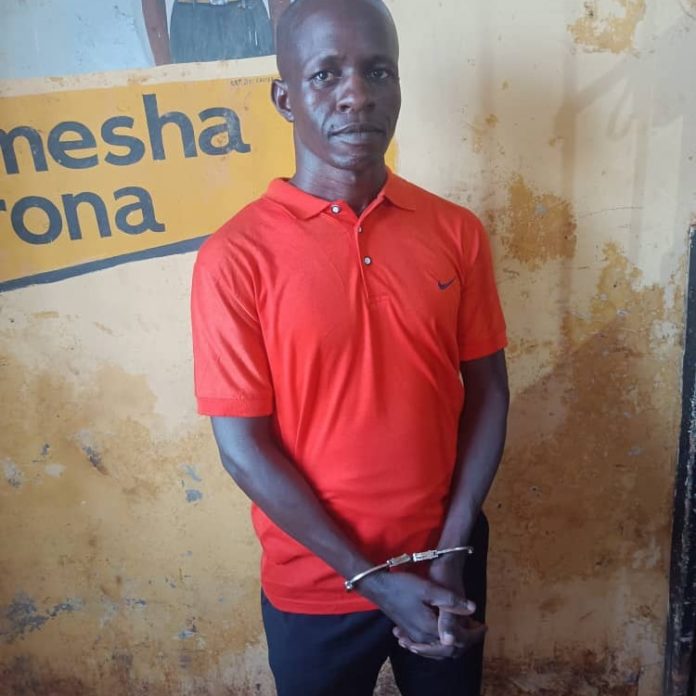
The officer escaped to his village at Bwalila, Bumango Parish, Masinya subcounty, in Busia district. He was arrested on May 14, 2023 at Uganda customs, while trying to cross into Kenya.


“The suspect was sound and in very good shape and was transferred to Kampala Metropolitan Police Headquarters, where he was examined by a medical doctor who established him to be normal and sound. Upon interrogation, the officer had no remorse and admitted to having murdered the victim, for allegedly cheating him,” he said.


Enanga said the tragic murder could have been avoided if the owner of the killer weapon, PC Stephen Muromba, had not left it unattended in their shared room. As our force policy on use of firearms demands, he should have returned the gun to the Armory, before moving out of the station. He instead, without lawful permission sneaked out of the station to attend to a personal matter, which is an outright case of gross indiscipline and negligence.


He said Murombo was charged and dismissed from the force. He will further appear in the criminal court on charges of neglect of duty. The victim paid the price for his negligence with his life. His immediate supervisors also face disciplinary sanctions, for poor supervision taken to criminal court for negligence.

Stories Continues after ad

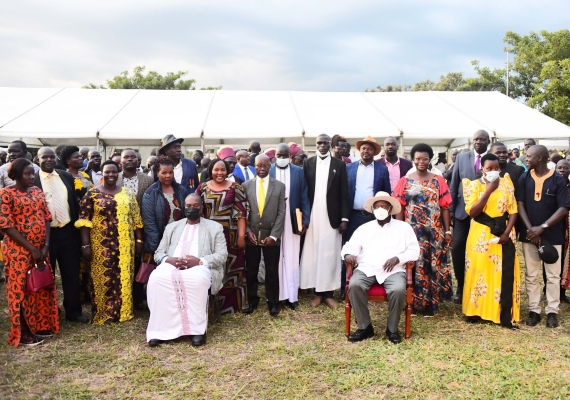
President Museveni rallies to end cattle raids in Acholi sub-region

President Yoweri Kaguta Museveni has assured the people of Acholi sub-region of the government’s commitment to end cattle raids perpetrated by Karamojong cattle rustlers.

“I want to assure all of you that this problem will be solved because most of the issues you have raised, I know their potential and limitations,” the President stressed.

President Museveni who is in the Northern Region of the country to assess and find solutions to the cattle raids by the Karamojong cattle raiders made the assurance today at a meeting with leaders from Acholi sub-region whom he invited to Baralegi State Lodge, Okwang sub-county in Otuke district.

Leaders invited included Members of Parliament from Acholi sub-region, Cultural Leaders led by the Paramount Chief Rwot David Onen Acana II, religious leaders, RDCs and RCCs, LC 5 Chairpersons, other political leaders as well as opinion and historical leaders.

President Museveni in response to one of the contributors from Adilang, who pointed out that the security agencies were not following seriously the raiders once reported, clarified that the person following is always at a disadvantage as the raider can at his will decide to ambush persons who are following them.

He further noted that the same can also happen to the Local Defence Units (LDUs) who could experience a similar problem.

The President added that even at the time of fighting the Lord Resistance Army (LRA) led by Joseph Kony, this presented a challenge as the rebels could decide to ambush anyone following them.

“We were only able to defeat Kony when we introduced gunships because we could pass the ambushes and would engage them accordingly. You calm down, I am here, and this problem will be solved,” the President said.

President Museveni also echoed the comment by one of the elders Mr. Okwera who pointed out that the problem had existed since 1954 and was exacerbated in 1979 following the overthrow of Idi Amin regime where the Karamojong seized the opportunity to loot all types of guns from the Armory of Moroto Army Barracks.

The President said no government after that was able to retrieve guns from the Karamojong except the National Resistance Movement (NRM) that embarked on the disarmament exercise and removed over 40,000 guns from the Karamojong.

“The Army of Obote when it was overthrown had only 8, 000 soldiers and that of Amin had only 20,000 soldiers but you hear now we were able to remove 41,000 guns from the Karamojong,” he said.

The President said the peace in the region only came into existence following the removal of guns from the Karamojong. He also noted that cattle rustling was an old problem that resurfaced because of some weaknesses on the part of the security agencies that failed to properly package ways of dealing with the issue.

He however assured the nation that the problem will be solved again and pledged to visit the area again in June to update them on the progress of dealing with the cattle rustling issue.

“I promise to come back in June then you people will either say I am a person of ‘Goba’ (Lies) or I will say you people of little faith as Jesus used to tell his disciples,” the President said.

President Museveni had earlier briefed the gathering of the areas that were identified as loopholes in tackling the cattle raids.

He cited the delayed response to reported cases of cattle theft by the army and the police and not using communication gadgets like cell phones.

His Excellency also told them of the recommendations made in an earlier meeting with senior security officers.
Other recommendations included the heightened use of Police canines, overhead aircrafts to track down the cattle rustlers both during the day and at night and also branding of the animals by their locations.

The President added that other methods to fight cattle rustling included; being in close contact with the wananchi, making frequent visits to them to ascertain their security situation as well as to get reports from the people whom he hailed so much for providing valuable information required to help in curbing the vice.

Stories Continues after ad

Housing Finance Bank contributes Shs150m towards NSSF Kampala Hills Run 2023 edition

The National Social Security Fund (NSSF) in partnership with Housing Finance Bank has unveiled the 2023 edition of the NSSF Kampala Hills Run after a two-year hiatus, mainly due to #Covid-19. It will take place on Sunday, July 2, 2023 at Kololo Independence Grounds.

Housing Finance Bank as the official partner has contributed Shs150 million for the run.

The Fund’s flagship charity run is aimed at mobilizing funds to improve learning conditions in public primary schools through refurbishment, sanitation, and provision of digital labs.

Speaking at the event today, Patrick Ayota, NSSF Acting Managing Director, said that over the years, the Fund has endeavored to be a responsible corporate citizen, by supporting underprivileged communities. Adding, “We do this by focusing our interventions on four themes – Health, Education, Youth, and the Underprivileged groups, as provided for in our Corporate Social Responsibility Policy.”

“Our interventions have contributed to solving some of the challenges sections of our communities’ face and inspired other corporate institutions to contribute, either in partnership with the Fund or on their own,” Ayota said.

He added, “I am therefore excited to announce our next major intervention in the Education Sector, through the NSSF Kampala Hills Run, our flagship Charity Run to mobilise funds to improve public schools through refurbishment, improvement of sanitation and provision of digital labs.”

It will traverse selected hills of Kampala, covering 21kilometer. The Uganda Athletics Federation, who is the Fund’s technical partner for the Run, will map the route and undertake all necessary verification to ensure that it is safe for our runners.

“This year, the Fund hopes to raise Shs1 billion to support its interventions in at least 10 public primary schools across the country.

Ayota called upon all well-meaning Ugandans to join them in this noble cause as individuals, groups, or corporate institutions to inspire the next doctor, teacher, pilot, lawyer, or minister.

“I am also glad to report that funds raised in the past editions were used to refurbish 60 classroom blocks and improve sanitation in 13 primary schools in Kampala under our partner KCCA, Soroti, Kisoro, and Otuke districts, benefitting over 15,000 pupils every school day. These interventions have led to a 12% increase in student enrollment at the beneficiary schools, and a 10% reduction in dropouts in the beneficiary schools,” he excitedly revealed.

Stories Continues after ad