Stanbic Bank
Stanbic Bank
17.3 C
Kampala
Stanbic Bank
Stanbic Bank
Home Blog Page 409

Uganda’s Endiro Coffee nominated in SCA Sustainability Awards 2023

Uganda’s Endiro Coffee has been nominated among the finalists for the 2023 Sustainability Awards organized by Specialty Coffee Association (SCA) recognizing its excellence in sustainability across the coffee industry.

Endiro Coffee is a tree-to-cup coffee company specialized in producing specialty grade Ugandan coffee sourced at village level. They process this coffee in Uganda and export it around the world as green and roast coffee supply. They also run a growing chain of full-menu cafes in Uganda and USA.

“Very proud to be putting Ugandan coffee on the map in this way,” Endiro Coffee tweeted.

Endiro Coffee was founded in 2011 as a local coffee shop in Kampala by Gloria Katusiime and Cody Lorance, with the single aim of generating revenue to support a few small projects dedicated to helping vulnerable children.

According to the proprietors, as the business grew, the vision and mission of Endiro likewise expanded.

Endiro Coffee now boasts of 11 shops in Uganda, and one in the United States. These include; Kisementi, Naguru, Muyenga, Standard Chartered Bank Head Office, MTN Head office, Bugolobi, Shell Buwama along Kampala-Masaka road as well as in Iganga, Mbale and now Kapchorwa at Sipi.

The 2023 Sustainability Awards consist of three categories, Individual, Business Model, and Project, recognizing outstanding work in the field of sustainability, promoting sustainability within the coffee world while inspiring others to initiate similar endeavors.

After receiving 16 Project, 27 Business and 14 individual submissions this year, a committee comprised of SCA staff has selected the finalists in each award category. The 2023 Sustainability Award Finalists (by category) are:

Business Model: Primavera Green Coffee, Endiro Coffee, Dean’s Beans Organic Coffee,Black, Baza Coffee Co. Steeped Coffee, Bellwether Coffee.

Individual: Ricardo Oteros, Sánchez-Posuelo, David Griswold, Jose Rivera, Grayson Caldwell, Mahdi Usati, and Andre Hamboer

Project: Project D.I.R.E.C.T. by Farmer Brothers, The Cooperation On Fair, Free, Equitable, Employment (COFFEE) Project by Verité, NKG Bloom by Neumann Kaffee Gruppe, RENACER Coffee Training School by Catholic Relief Services (CRS), The Technological Park of Innovation in Coffee and Coffee Farming by TECNiCAFÉ, and Low-Carbon coffee value chain project in Kenya by Moyee Coffee, Agriterra, Fairchain Foundation, KDCU, KALRO (Consortium)

Winners will be announced in March 2023, and recognised at Re:co Symposium, taking place from 19 to 20 April.

The projects, business models, and people receiving these awards are not only dedicated to confronting the enormous challenges facing the specialty coffee industry—from climate change to gender inequality—but also collaborating across geographies, cultures, and value chain roles, and sharing the lessons they have learned for the benefit of the entire coffee sector.

Stories Continues after ad

UNICEF, Airtel partner to improve access to digital learning in underserved schools in Uganda

United Nations Children’s Fund – UNICEF and Airtel have launched a five-year partnership to accelerate digital learning through connecting 100 primary and secondary government schools in marginalized communities to learning platforms.

The launch is part of an African partnership that will benefit learners in the countries of Chad, Congo, the Democratic Republic of the Congo, Gabon, Kenya, Madagascar, Malawi, Niger, Nigeria, Rwanda, Tanzania, Uganda, and Zambia.

In Uganda, 200,000 in and out of school learners are targeted. The out of school beneficiaries will benefit from the partnership through community youth centres in districts where UNICEF is implementing interventions for the most marginalized children.

The partnership aims to champion digital education advocacy to reform policies and frameworks through data insights and the promotion of tools and platforms and increase access to educational content through access without the need for data (zero-rating) learning platforms, including Learning Passport.

The partnership will see the roll-out of digital learning by connecting schools to the internet and ensuring free access to learning platforms in Uganda and other Airtel Africa Operating Countries.

Through this collaboration, Airtel and UNICEF are committed to leveraging technology to promote inclusive and equitable learning opportunities in underserved areas helping to build a brighter and more promising future for young people.

Representing the Airtel Uganda Managing Director, Manoj Murali, the Chief Commercial Officer at Airtel Uganda, Amit Kapur said, “UNICEF has been a principal advocate in the well-being of children and young people, through championing initiatives that call for access to quality education, good health, among other elements that support their upbringing.”

“As Airtel Uganda, we collaborate with other stakeholders who participate in humanitarian activities like what UNICEF is doing, and today, we are pleased to announce that together with UNICEF we aim to scale-up digital learning for children across Uganda,” he said.

Technology for Development Manager at UNICEF Patrick Mutumbo said, “UNICEF’s partnership with Airtel Africa to expand access to digital learning is an equalizer in supporting the needs of every child in Uganda. The existing digital divide denies the most marginalized children equal access to education. It leaves children, particularly girls from the poorest households and rural communities further behind, with little opportunity to catch up with peers in urban settings in Uganda.”

As a key service provider in the telecommunications space, Airtel Uganda has built a 100% 4G network that covers the whole country, and through teaming up with partners like UNICEF, a 5-year partnership which is part of Airtel’s long-term commitment to building Uganda’s next important human resources has been launched.

The partnership also seeks to champion digital education advocacy to reform policies and frameworks through data insights and the promotion of tools and platforms. Beyond digital learning, the Airtel Cares program supports transformative initiatives in health, agriculture, and education to reduce the burden of inequality in Uganda. Initiatives in maternal health, supporting the fight against HIV/AIDS, Sickle Cells and Fistula are some of the other interventions.

“The launch of this initiative is a highlight of UNICEF’s commitment to every child’s education,” Mutumbo said.

Stories Continues after ad

Court releases American couple on She100m cash bail

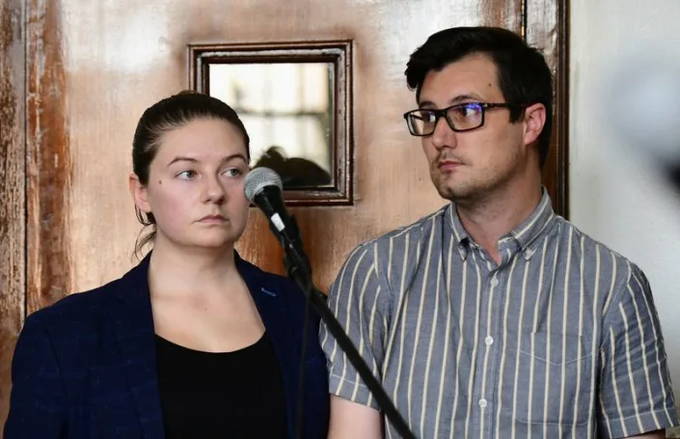
Mackenzie Leigh Mathias Spencer and Nicholas Spencer.

American couple Mackenzie Leigh Mathias Spencer and Nicholas Spencer have been granted bail.

The couple was released by High Court Judge Isaac Muwata.

The couple is facing for charges of aggravated trafficking in children, torture of a 10-year-old boy, unlawful stay, and working without a permit. Last week, they were committed to the International Crimes Division of the High Court for trial.

Through their lawyers led by David Mpanga from AF Mpanga Advocates, the couple applied for bail pending hearing of their case.

The couple claimed that they have pre-existing medical conditions that require to be handled outside prison, not a threat to any investigation; offences against them are bailable and still enjoy the presumption of innocence.

Appearing before Court, the couple was granted Shs50 million cash bail each. In his ruling, Muwata instructed them to deposit their passports with the Court and obtain permission from the International Crimes Division of the High Court before traveling outside the country.

Prosecution avers that Spencer aged 32 and his wife Mackenzie, a 32-year-old, volunteer, fostered three children, including Kayima John, in 2018, from Welcome Ministry, in Jinja City.

The couple has been on remand for mistreating a 10-year-old child, who was one of the children in their care. According to the amended plaint or charge sheet, the couple reportedly adopted a 10-year-old boy, whom they then mistreated on grounds that he was obstinate.

The suspects came to Uganda in 2017 and started working with Akola Project, based in Jinja. The couple joined the Motive Creation Agency and moved with their children to Upper Naguru, where they have been staying together.

It was however, realised that between the year 2020 and December 2022, the couple constantly tortured John Kayima, a 10-year-old pupil of Dawn Children’s Center in Ntinda, which attracted the attention of neighbours.

The couple kept the victim barefoot, and naked throughout the day, would occasionally make him squat in an awkward position, with his head facing the floor and hands spread out widely, he spent his nights on a wooden platform, without a mattress or beddings and was served cold meals from the fridge.

The suspects came to Uganda in 2017, where Nicholas started working with AKOLA Project based in Jinja. In 2018, they fostered 3 children including the victim from Welcome Ministry – Jinja. They moved to Kampala when they joined Motive Creation Agency, with their three children.

Stories Continues after ad

Tanzania confirms outbreak of Marburg Virus Disease

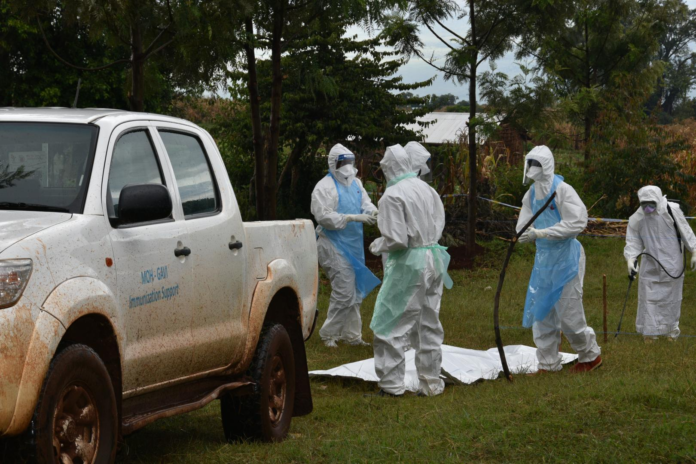
Tanzanian authorities on Tuesday, March 22 confirmed the first-ever cases of Marburg Virus Disease after laboratory tests were carried out following reports of cases and deaths in the country’s north-west Kagera region.

Tanzania’s National Public Health Laboratory analysed samples to determine the cause of illness after eight people developed symptoms including fever, vomiting, bleeding and renal failure. Five of the eight cases, including a health worker, have died and the remaining three are receiving treatment. A total of 161 contacts have been identified and are being monitored.

“The efforts by Tanzania’s health authorities to establish the cause of the disease are a clear indication of the determination to effectively respond to the outbreak. We are working with the government to rapidly scale up control measures to halt the spread of the virus and end the outbreak as soon as possible,” said Dr Matshidiso Moeti, World Health Organization (WHO) Regional Director for Africa.

WHO is supporting the Ministry of Health to deploy an emergency team to Kagera to carry out further epidemiological investigations. The emergency team will focus on active case finding in the community and local health care facilities to identify more contacts and provide them with appropriate care.

While Tanzania has never previously recorded a Marburg case, it has had to respond to other health emergencies including COVID-19, cholera and dengue within the past three years. A strategic risk assessment conducted by WHO in September 2022 showed that the country is at high to very high risk for infectious diseases outbreaks.

“The lessons learnt, and progress made during other recent outbreaks should stand the country in good stead as it confronts this latest challenge,” said Dr Moeti. “We will continue to work closely with the national health authorities to save lives.”

Marburg virus disease is highly virulent and causes hemorrhagic fever, with a fatality ratio of up to 88%. It is in the same family as the virus that causes Ebola virus disease. Illness caused by Marburg virus begins abruptly, with high fever, severe headache and severe malaise. Many patients develop severe hemorrhagic symptoms within seven days. The virus is transmitted to people from fruit bats and spreads among humans through direct contact with the bodily fluids of infected people, surfaces and materials.

There are no vaccines or antiviral treatments approved to treat the virus. However, supportive care – rehydration with oral or intravenous fluids – and treatment of specific symptoms, improves survival.

Stories Continues after ad

Ruparelia Group donates tricycle village ambulances to save pregnant mothers

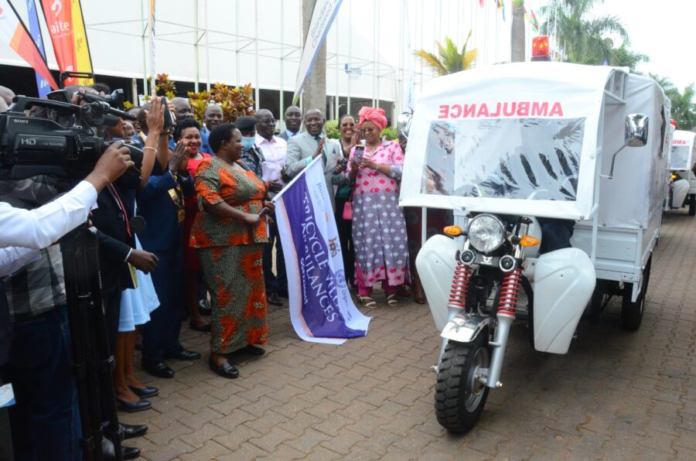
The Ruparelia Group has boosted Rotarians’ efforts to better disadvantaged people’s lives in Uganda with the donation of fully equipped $3000 tricycle ambulances to save pregnant mothers in rural Uganda at an event held at Speke Resort Munyonyo.

Sudhir Ruparelia, the chairman of Ruparelia Group and a Honorary Member of the Rotary Club of Muyenga was recognized by the Rotary Club of Uganda and Tanzania for changing people’s lives and being a parent to many Ugandans.

The Prime Minister of Uganda Rt. Hon. Robinah Nabbanja flagged off the first 50 tricycle village ambulances donated by Rotary international and lauded Rotarians for offering voluntary services to the underprivileged in various service delivery and quality health care initiatives.

”In a special way, I want to thank you rotarians for working tirelessly to change the Ugandans’ ways of living, mostly the vulnerable. Thank you so much. The President also welcomes the idea of having a well facilitated tricycle ambulance in every village in Uganda,” she said.

According to the District Governor Rotarian Peace, the 50 tricycle ambulances will enhance timely referral of mothers and newly born babies in hard to reach places.

He says this is a pilot project targeting Wakiso, Kabarole and Kabale. It will be rolled out in the entire country depending on the availability of resources.

He adds that the tricycles will be registered under the Ministry of health and will be situated at the health center 111s where most maternal mortality cases are reported.

It should be remembered that for the past ten years, the Ruparelia Foundation has worked together with several stakeholders to champion positive change in different communities across the country to improve livelihoods in Uganda.

To date, more than 700 charitable causes have been funded by the charity.

The focus areas of the foundation include health care, education, sports, wildlife and environment conservation, disaster relief, startup and general welfare.

Stories Continues after ad

Only a substantive BoU Governor can solve our banknotes conundrum

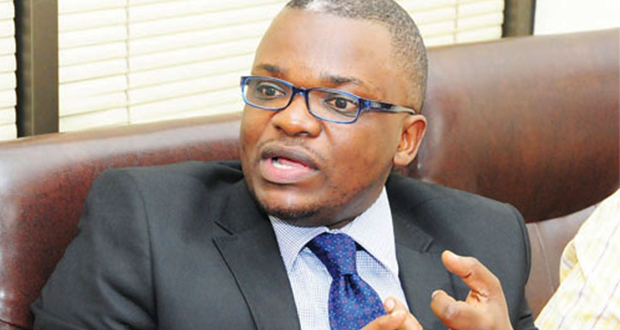
Mr. Muwema

By Fred Muwema

Bank of Uganda has previously claimed that the death last year of the former Governor, Prof. Mutebile, did not affect the validity or legal status of the bank notes he signed. It is now clear that BoU had no faith in its claims because on the 15th March 2023, it issued a statement indicating that there were new banknotes in circulation bearing the signature of the Deputy Governor, Mr. Micheal Atingi-Ego. What is surprising is that these new bank notes were printed in 2022, shortly after the death of the late Governor and at the time when BoU was insisting that the deceased’s signature would remain valid.

I wonder why BoU would want to fix something which was not broken in the first place. Anyway, we now have a situation where BoU realizes that there was something broken which had to be fixed, but in doing so, BoU appears to have broken the thing further, rather than fix it.

As it stands, both bank notes bearing the signature of the late Governor and that of the deputy Governor are simultaneously issued as legal tender by the BoU. Why did BoU not just announce that the old bank notes would gradually be phased out and withdrawn from circulation, since it has the power to do so? BoU has instead said that the old notes will continue to be issued in circulation alongside the new ones!  

In my considered view, this development has only served to grow the legal conundrum which has surrounded our bank notes for the last one year and kept them on needless palliative care. We have suffered enough confusion with this issue already, another doze may drowse us into the wall.

In my 7th February 2022 opinion, I held the view that our bank note is a sovereign living instrument which had lost its legal tenderability upon the demise of the late Governor. This is because, the deceased Governor’s signature on the bank note did not survive his death.

Whereas my opinion was perhaps a confounding notion to many who could not summon the required level of cognitive complexity to appreciate the drift, I have not received any reason to convince Meto abandon my stance. I will therefore try to break down the problem again and use a simpler route which will hopefully assuage any remaining doubts. 

It is true that the legal mandate to sign on our bank notes is the exclusive preserve of the office of the Governor and Bank Secretary. According to Article 161 of the Constitution, the office of the Governor and deputy Governor are distinct but binary public offices. The distinctiveness is exemplified by their separate instruments of appointment by the President under S. 27 (1) and S. 27 (2) of the Bank of Uganda Act Cap 51 (as amended). On the other hand, their binary nature is exemplified by the existence of 2 parts (read offices) forming one whole office.

Under Article 161 ibid, the authority of the BoU is vested in a Board which consists of the Governor as chairperson, the deputy Governor as deputy chairperson and not more than 5 other members. In other words, no Board of the BoU can function legally without a substantive chairperson, who in this case cannot be substituted by any other person other than the appointed Governor.

Since the office of the Governorship at BoU is comprised of two offices (Governor and deputy Governor), that office is legally constituted only when the Governor and deputy Governor are appointed and serving in office. We cannot have a functioning deputy Governor when there is no functioning Governor to deputize. We therefore cannot have a “deputy Governor” purporting to sign on our bank notes in the absence of a substantive Governor in office.

It may appear reasonable at first sight, to argue that the deputy Governor should be allowed to sign the bank notes in the absence of the Governor under the provisions of S. 3(2) Bank of Uganda Act. This argument fails however upon the realization that the use of noun “absence” in that section, denotes a temporary absence from office. It does not denote permanent or physical absence from office either by death or vacancy.

This is not the first time that the question of a physical absence or vacancy in a public office has arisen in Uganda. This question arose and was settled in Constitutional Reference No. 54/2011, Hon. Sam Kuteesa, Hon. John Nasasira and Hon. Mwesigwa Rukutana vs Attorney General. In that case, the trio had been charged with abuse of office and causing financial loss by the then deputy IGG, Mr. Raphael Obudra who was also acting as the IGG. The law did not provide for the appointment of an acting IGG and there was no substantive appointment of the IGG at the time.

The issue for determination before the Constitutional Court was whether the IGG can prosecute the accused when it is not duly constituted in accordance with Article 223 (2) of the Constitution and S. 3 (2) of the Inspectorate of Government Act. The unanimous decision of the Constitutional Court was that the IGG could not function and prosecute any case when it was not properly constituted in accordance with the said law.

It is with good fortune that the accused in the above case were represented by eminent learned friends in the person of the late Dr. Joseph Byamugisha (RIP), a long-serving legal advisor of the BoU. The Bank should therefore find it easy to apply the above precedent to the present situation by waiting for the proper composition of the office of the Governor before making any more errors.

It is also with good fortune that Hon. Kiryowa Kiwanuka, the current Attorney General of Uganda, was part of the team of lawyers in the said case. The appointing Authority can therefore consult with the Attorney General to resolve this issue by appointing a substantive Governor of the BoU.  In my view, this matter calls for the exercise of a legal duty, rather than the exercise of a legal discretion.

Stories Continues after ad

Top listed destinations in Uganda 

Referred to as the Pearl of Africa, Uganda is one of the East African countries boarded by Kenya in the East, South Sudan in the North, Rwanda in the South West and Tanzania in the south. With an area of approximately of 241,038 square kilometers, the country is a home to several attractions including 10 national parks, reserves, large fresh water lake – Victoria and the source of the world’s longest river – Nile. Uganda is known for protecting the unique species including half of the world’s endangered mountain gorillas in Bwindi Impenetrable national park, the rare tree climbing lions in Queen Elizabeth national park which is located in the western region of the country. 

Of all the 55 countries on the black land, Uganda is known as one of the top countries protecting a number of amazing tourism destinations. Among these destinations include cities, national parks, historical sites as seen below; 

Jinja City 

Jinja city is known as the center of tourism in the Pearl of Africa. The city encompasses a number if attractions including the source of the world’s longest river – Nile and also part of the largest fresh waterbody lake – Victoria. During a trip to the beautiful city, you will take part in several experiences like white water rafting, bungee jumping, mountain biking, kayaking, jet boating, nature walks and forest walks and many others. 

Bwindi Impenetrable national park 

In the Southwestern part of Uganda, Bwindi Impenetrable national park is another destination to visit during your Uganda safari. The park is located in Kanungu district along the border of Democratic Republic of Congo near Virunga national park on the edge of the Albertine Rift Valley. Established in 1991, the national park covers an area of approximately 331 square kilometers which protects different species like over 120 mammal species, 348 bird species, 220 butterflies and various endangered mountain gorillas. 

Bwindi Impenetrable National Park is well known for hosting almost half of the world’s population of the endangered mountain gorillas which are found in the four sectors – Ruhijja, Rushaga, Buhoma and Nkuringo sector. These sectors protect a total of almost 23 habituated mountain gorillas that are open for tourism purposes in activities like gorilla trekking and gorilla habituation experiences.

Queen Elizabeth National Park 

Located in the western region of Uganda, Queen Elizabeth National Park stands as the second largest national park in Uganda after Murchison falls national park. the park stretches over an area of approximately 1978 square kilometers in the districts of Kamwenge, Kasese, Rubirizi and Rukungiri. The national park protects several attractions including the crater lakes, woodlands, animals, bird species, savannah, acacia and many others. 

Queen Elizabeth national park is ranked among the most visited destinations in Uganda and a number of experiences can be encountered in this wilderness park. Among the activities include boat cruise on Kazinga channel where Lake George and Lake Edward connect from, game viewing in the open plains of the park like Kasenyi and Ishasha sector, Chimpanzee trekking in Kyambura gorge, community walks, bird watching and many others. 

Murchison falls national park 

Straddling the Ugandan districts of Buliisa, Nwoya, Kiryandongo and Masindi, Murchison falls national park is the oldest and largest national park in Uganda. With an area of approximately 3,893 square kilometers, the national park is managed by Uganda Wildlife Authority and it is famous for protecting the world’s most powerful waterfalls – Murchison falls. The powerful falls are formed after the water from River Nile forces there way through a 7 meters rocky gap and then tumbles 43 meters before flowing westward in Lake Albert. 

Apart from the powerful Murchison falls, Murchison falls national park houses other several attractions like over 76 mammal species including the four of the big five game – Lion, elephant, leopard and buffalos more than 450 species of birds and others. Also, the road to the mighty park grants you an opportunity to track the black and white rhinos at Ziwa Rhino sanctuary. 

Rwenzori Mountains National park 

Located in the south western region of Uganda, Rwenzori mountains national parkis also among the top destinations of Uganda. The park is known for protecting the highest snowcapped mountains in Uganda and the third highest on the African continent after Mount Kenya and Kilimanjaro of Tanzania. Legendary known as the Mountains of the Moon, Rwenzori mountains national park is a UNESCO Site formed in 1991 with an aim of protecting the snowcapped Rwenzori mountains and the unique vegetation from human activities. Since the mountain is shared by two countries – Uganda and Democratic Republic of Congo, Rwenzori mountains national park includes most of their center and eastern half part. The mountains are made up of six massifs such as Mount Stanley at 5,109 meters, the home of the highest snowcapped peaks – Margherita and Alexander. Other massifs include Mount Speke at 4,890 meters, Mount Baker at 4,843 meters, Mount Emin at 4,798 meters, Mount Gessi at 4,715 meters, and Mount Luigi Di Savoia at 4,627 meters. 

The national park is mostly known for hiking experiences though it offers other activities like nature walks, community visits outside its premises, bird watching, and many others. A visit to Rwenzori Mountains can be addon on with the trekking of the primates like the gorillas, Chimpanzee and Golden Monkey with the required number of days being 12 Days Rwenzori & Gorilla trekking tour encompassing the visit to Bwindi , Kibale , Queen Elizabeth & Rwenzori Mountains for trekking to summit to Margherita peak with experienced guides.

Kibale forest national park 

Kibale forest national park is located in the western subregion of Uganda it is most known for protecting several endangered chimpanzee species in its moist evergreen forests. The forest is ranked as one of the few remaining destinations with both the lowland and montane forests and it adjoins with Queen Elizabeth national park in a space of about 180 kilometers. With a total area of approximately 766 square kilometres in size, Kibale national park is one of the parks in Uganda with the highest concentration of primates. The park hosts a large number of chimpanzees which can be seen during the chimpanzee trekking experience and other 13 species of primates.  Among these include the Uganda mangabey, the Uganda red colobus, black and white colobus, blue monkey and others. Other animals besides the primates in the park include elephants, bushbucks, mongoose, leopards, buffalos, bush pigs, servals and sometimes the lions also visit the park. Also, the park hosts over 325 bird species including the western tinker bird, olive long tailed cuckoo and others.

Apart from the above-mentioned destinations, there are also other places to encounter for a perfect experience during your visit to the Pearl of Africa. Among these destinations include; Mgahinga gorilla national park, Lake Mburo national park, Kidepo valley national park, Semliki national park and many others. 

Stories Continues after ad

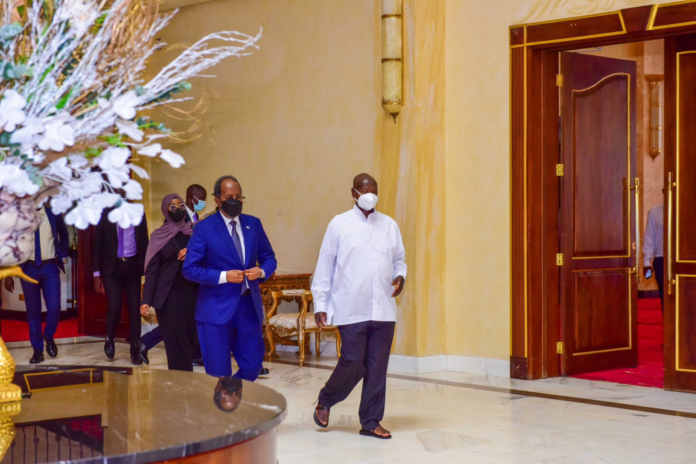
Museveni urges Somalia President to ensure peace first

President Yoweri Museveni has urged Hassan Sheikh Mohamud, the president of Somalia to consider building a People’s National Army with the correct ideology of defending their country for peace to prevail so that the country is able to raise enough resources to run it effectively.

This was during a meeting where Hassan Sheikh Mohamud paid a courtesy call on H.E Museveni at State House Entebbe before returning to Somalia.

According Museveni, like the Uganda People’s Defense Forces, an army should be built on voluntarism to protect the state so that in future the country can raise resources to pay the soldiers.

“This is a problem with many of the West African Countries. The collapse of the security apparatus is caused by mixing defense with money. For us we say, you build a People’s Liberation Army based on voluntarism. That’s how we built our force,” H.E Museveni said.

He added that this will enable Somalia, which is three times bigger than Uganda to recruit enough manpower to defend and liberate the country so that it’s able to collect taxes and pay salaries.

“Get peace first and money will come later. If the people are there, what you need to tell them is how a poor man can defend himself with or without money,” he said.

The visiting President of the Federal Republic of Somalia, His Excellency, Hassan Sheikh Mohamud who finished his tour of duty in Uganda on Monday informed Gen. Museveni that because of the peace ushered in by the Uganda Peoples Defense Forces (UPDF) and other peace contributing countries, Somalia has been able recruit a good number of community defense forces who are now able to defend their area under the direct supervision of the Somali National Army.

H.E. Hassan Sheikh Mohamud and his Ugandan counterpart also discussed issues of mutual concern, including an upcoming conference of troop-contributing countries in Kampala, focusing on Somalia’s fight against international terrorism.

While in Uganda, President Hassan Sheikh Mohamud alongside his Ugandan counterpart on Sunday witnessed the passing out of 2,900 trainees for the Somali National Army who successfully concluded their 4-month special Basic Military Training at the Special Mission Training Centre in Butiaba –Bulisa district.

In attendance were among others; Ministers for Defense of both countries; Uganda’s Vincent Bamulangaki Ssempijja and Somalia’s Abdulkadir Mohamed Nur respectively.

President Museveni thanked the visiting president for coming to Uganda and later bid him farewell back home.

Stories Continues after ad

Legal and Parliamentary Affairs committee recommend passing of Anti-Homosexuality Bill

Asuman Basalirwa, mover of the bill.

The Legal and Parliamentary Affairs committee has recommended the passing of Anti-Homosexuality Bill.

Last month, Speaker of Parliament Anita Among tasked Bugiri Municipality MP Asuman Basalirwa to reintroduce the Anti-Homosexuality Bill. The Bill comes at a time when there are widespread cases of same-sex relationships in the community and major traditional schools.

Earlier this month, Bugiri Municipality MP Asuman Basalirwa tabled the Anti-Homosexuality Bill after obtaining a certificate of financial implications.  The bill was however, referred to the legal and Parliamentary Affairs committee for scrutiny.

The committee interacted with various people who included the religious leaders, human right activities.  

During the plenary, MPs seconded the Anti-Homosexuality Bill 2023 for the second reading. Following the second reading Robinah Rwakoojo, the chairperson of committee presented the report which recommended the passing of the bill.

Fox Odoi who presented the minority report argued that the Bill seeks to criminalize people simply based on appearance even though they may not have violated any laws. It also infringes on the right to privacy and non-discrimination.

He said the Bill was misconceived and serves no purpose and therefore a duplication of the Penal Code, criminalizes individuals basing on appearance and others.

“The Anti-Homosexuality Bill 2023 was introduced during a time when anti-homosexual sentiments have been wiped up across the country and is not based on any evidence to show that incidents of homosexuality have increased,” he said.

The bill aims at among others protecting traditional families by prohibiting sexual relationships between people of the same sex, strengthening that country’s capacity to deal with emerging threats to the traditional family, protecting the cherished culture of Uganda and protecting children and youth who are vulnerable to sexual abuse.

By time of filing this story, the August House was in the final stages of voting on the bill.

It also seeks to criminalize same-sex relationships with a liability of imprisonment of two to 10 years for homosexuality, aggravated homosexuality, attempted homosexuality, aiding and abetting homosexuality, conspiracy to commit homosexuality and other related practices.

The Uganda Anti-Homosexuality Act, 2014 was passed by Parliament on December 20, 2013 with life in prison substituted for the death penalty. Whereas it was signed into law by President Yoweri Museveni on February 14, 2014, the Constitutional Court on August 1,2014 annulled the law citing that it was passed without the required quorum in the House.

Stories Continues after ad

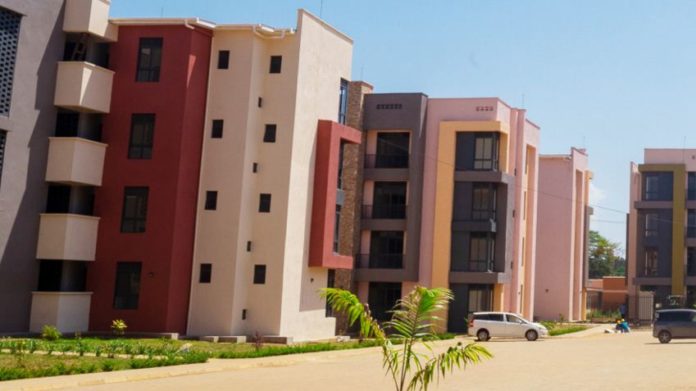
Stanbic Properties Report sees 4% surge in office space demand

The second half of the year 2022 registered a 4% surge in demand for office space in Kampala City, the newly released real estate market report indicates.

Stanbic Properties Limited (SPL) Chief Executive Spencer Sabiiti said that the Kampala office market leasing activity for Grade A and B witnessed a solid recovery in the second half of 2022 compared to the same period the previous year with approximately 12,000 m². 

Class A properties represent the highest quality buildings with higher income tenants while class B properties are a step lower from class A properties—in terms of quality.  

The report indicates changes in price, demand, and related variables for residential, retail, office, rental, hospitality spaces in different parts of Kampala Metropolitan areas for the last six months of 2022 compared to the same period a year before.

Sabiiti further said that the space taken up was a combination of expansionary or consolidation-led and pent-up demand leasing as occupiers began to realign their business strategies after a lengthy hiatus post #Covid-19.

The report notes a balance between personal and company preferences continuing to be tested with the advent of a new trend of hybrid workplace strategies featuring a mix of on-site and remote working with more focus on employee wellbeing.

The report found that rent for Grade C declined by 12.5% from $8/m²/month registered in December 2021 while those for Grade A and B quality space remained stable in the second half of 2022—recorded at $15 and $11/ m²/month respectively.

“Going forward, we anticipate office rents particularly for Grade A to remain on an upward trajectory in the next 12 months on the back of tight vacancy, robust demand and limited new supply for rent,” Sabiiti said.

Over-saturation of Kampala’s office market has spurred the emergence of a nascent office market for Wakiso and Mukono, particularly on the upper floors of mixed-use buildings along the arterial routes.

However, the bulk of office supply in these nodes is suitable for small and medium enterprises, start-ups and single-person occupiers.

The weighted median rents for decent office space in buildings located along arterial routes out of Kampala stagnated at Shs25,000/m² /month as of December 2022 except for Mukono Municipality which registered a 12.5% annual increase, up from Shs20,000/ m²/month recorded for the same period in 2021.”

Retail rental outlook

The Kampala retail market generally showed rising cost of living continuing to be the key challenge faced by most retailers in the period under review. This is evidenced by a 10.6% year-on-year increase in headline inflation recorded in November 2022 compared to 2.6% registered in November 2021 according to the Uganda Bureau of Statistics surveys.

In addition, the second half of 2022 witnessed a sense of normalcy return in Kampala’s prime retail malls and ‘business as usual’ is the attitude adopted by most retailers owing to a number of new openings registered.

Prime locations on the ground and first floors continued to be keenly sought after as retailers took advantage of tenant-favoured markets to secure more accommodative rents.

Furthermore, the shift to online consumption during the #Covid-19 pandemic has come at the expense of physical retail.

“We witnessed landlords and retailers in prime malls experimenting with diverse tactics to lure consumers back to brick-and-mortar retail stores,” Sabiiti said adding, “some of the tactics included supplementary promotional events, thematic retail stores and extended display areas.”

The report adds that rents have shown little or no noticeable movements since 2021 with the highest rents stagnating between $22 to 27/m²/month for prime retail space on the lower floors and between $12 to 16/m²/month for large space occupiers on similar floors.

Going forward, the report anticipates a cautious expansion approach by retailers and developers as demand is expected to be relatively lethargic in the first half of 2023, with a recovery likely to pick up from the second half of 2023 onwards.

The report also anticipates an upsurge in the development of strip mall retail space, measuring up to 5,000 m² since they are easy to manage, typically requiring smaller shop sizes and lower upfront costs.  

Beyond Kampala, the Wakiso and Mukono retail market weighted median retail rents decreased by 2.1% year on year from Shs48,600 /m2/ month on the ground floor in December 2021 to Shs47,580 /m2/ month recorded in December 2022. This is mainly attributed to the spillover effects of the high cost of living that wiped out the disposable incomes of predominantly middle-class consumers. The biggest price movements were registered in Entebbe and Kira municipalities at -10%.

Residential property market

According to the report, Kampala Residential Market Year-on-year rents for stand-alone houses stagnated in Kampala’s upscale residential suburbs of Kololo, Naguru, Nakasero and Bugolobi – were registered at a median price of $3,500 per month.

The second half of 2022 saw an overall 5% annual reduction in rents for both 2 and 3-bedroom apartments in the high-end residential areas of Bugolobi, Nakasero, Kololo and Naguru with weighted median rents recorded at $1,900 and $2,375/month for 2 and 3-bedroom apartments respectively as of December 2022.

This was mainly attributed to a demand and supply disequilibrium with supply outstripping demand as the previous pipeline stock of apartments was completed.

Beyond Kampala, the report says, the middle-class settlements of Wakiso and Mukono registered annual weighted rental growth of 10% and 6% for 2 and 3-bedroom apartments per month respectively as of December 2022.

This can partly be attributed to the scaling up of ongoing government road infrastructure projects in these locations which has in turn opened these suburbs to residential developments.

Industrial and hospitality property market

In the Kampala Metropolitan Industrial market, the SPL research team observed a partial crossover between retail property and warehousing properties in the second half of 2022. This is emphasized by the fact the new warehouses have the possibility to be used differently.

On the other hand, the team is projecting approximately 550 star-rated keys to be added onto the Kampala Metropolitan hospitality market in the next 12 months.

Additionally, they (the SPL team) registered a 13% weighted average increase in average daily rates (ADR) from $115 per night registered in December 2021 to $130 per night recorded in December 2022 for star-rated hotels, resulting in a revenue per room (RevPAR) rate of $75 as of December 2022.

This agrees with the Uganda Bureau of Statistics producer price indices report of July-September 2022 that revealed that persistent annual price movements in accommodation services were registered at 9% compared to the same period in 2021.

The key drivers were mainly spillover effects of government incentives aimed at stimulating recovery of the tourism sector, particularly capitalization from the Uganda Development Bank (UDB) in the form of soft loans with flexible terms.

Primary research revealed that the emergence of the Ebola virus Sudan variant in the second half of 2022 clouded the full recovery of the hospitality sector to pre-pandemic levels, with approximately 19% of tourists postponing their accommodation bookings or cancelling their planned travels to Uganda and thus, dampening the recovery pace.

That said, the studied area recorded an 18% annual increase in occupancy from 40% registered in December 2021 to 58% recorded in December 2022.

Stories Continues after ad