Stanbic Bank
Stanbic Bank
18.5 C
Kampala
Stanbic Bank
Stanbic Bank
Home Blog Page 693

NAGURU-NAKAWA LAND: I never instructed you to write to the President – Nabakooba tells Junior Minister Mayanja

Mayanja and Nabakooba

The ghosts of the evicted tenants of Naguru-Nakawa housing estate seem not to be sleeping over 10 years when the occupants of the two- units where hurriedly chased in preparation of Opec-Prime Properties to takeover for construction of a modern satellite city.

The government reclaimed the Naguru-Nakawa land after 10 years.

The land had been given to Opec Prime Properties, an investor, to construct a satellite city.

However, the latest trend of events at Lands Ministry seem to be consuming in both senior Minister Judith Nabakooba and her junior counterpart Dr. Sam Mayanja.

Nabakooba has disowned Dr. Mayanja who had earlier claimed that he was instructed by Nabakooba to write to President Yoweri Museveni over the same saga but Nabakooba has come out distancing herself from her junior state that she never instructed anybody to write to the president.

How events unfolded

Last year, the then State Minister for Housing and Urban Development, Dr. Chris Baryomunsi, said the land has been earmarked for the construction of a specialized medical centre.

“The Naguru-Nakawa land was government land where they had constructed low cost houses in 1960s but we came up with an idea to develop modern housing units. However, Opec Prime Properties did not have the capacity. Government usually gives developers five years to execute projects but they failed,” Dr. Baryomunsi said last year while presenting the 2016-2021 National Resistance Movement party manifesto report on housing sector performance in Kampala.

The minister added that the land in question had been repossessed by the Land Commission on behalf of government. He said the medical hub will complement the Naguru-China Friendship Hospital, the Iran Hospital, and the Uganda Heart Institute, which has also been given 10 acres from the same land for purposes of constructing a new health facility, as well as a Kenyan medical company and another company from United States of America.

On October 15, 2007, Opec Prime Properties – Uganda Limited entered into a public-private partnership (PPP) agreement with the government to redevelop the estate. The agreement provided for the construction to start within four years from the date of sealing the contract.

The prioritization of the displaced tenants as beneficiaries of the first housing units was provided for in a Memorandum of Understanding between the prospective investors, tenants’ association and government.

On October 14, 2013, President Museveni laid the foundation stone for the construction of the estate.

The project dubbed: “New Kampala” was expected to see the 160-acre land, formerly home to the Naguru-Nakawa low-cost housing units, redeveloped to have 1,747 flats, bungalows, commercial buildings, a five-star hotel, a referral hospital, schools, houses of worship and recreational facilities. Opec group said the fights between the Inspectorate of Government over the ownership of the land was what led to their exit.

Enters President Museveni

President Yoweri Museveni on October 20, 2019, wrote to Lands Minister, Betty Amongi directing her to allocate 15 acres of the land to Internal Medicine of Virginia P.C.

“Sometimes back, I met our Ugandans of Arab origin who used to own Bismillahi restaurant in Mbarara in the 1960s. Their children are specialized medical doctors who run several medical facilities in America. I convinced them to come to Uganda and establish a specialized hospital and nursing home which they agreed to. They requested for part of Nakawa-Naguru to set up the facility. Given the urgent need to stop medical tourism and enable access to affordable specialized treatment by Ugandans, I hereby, direct that you allocate 15 acres of the said land to Internal Medicines of Virginia P.C” Museveni wrote.

On May 11, 2021, the then Lands Minister, Beti Kamya wrote to the Chairperson of Uganda Land Commission notifying her about the resolution of parliament on the report of the committee on physical infrastructure on the status of land at the former Nakawa-Naguru housing estate.

“Further reference is made to the letter dated April 16, 2021, from the Chairperson Parliamentary Committee on Physical Infrastructure. In both cases, parliament upholds the supremacy of Article 239 of the constitution of the Republic of Uganda in management of government land. The purpose of this letter, therefore, is to bring this matter to your attention for appropriate management of Naguru land” Kamya wrote then.

On November 2, 2021, wrote to His Excellency President Yoweri Museveni requesting for guidance on Naguru land.

“Cabinet took a decision in Minute 131 (CT2017) to repossess Naguru land and terminated the contract with Opec Prime. Upon re-entry of Naguru land by government, the Uganda Land Commission (ULC) as per its mandate and in accordance with your directive has been in the process of allocating the land at Naguru to eligible investors” reads the letter.

It continues, “Your Excellency, The Uganda Land Commission finalized the process of implementing the presidential and cabinet directive of land at Naguru between February 9-12, 2021”.

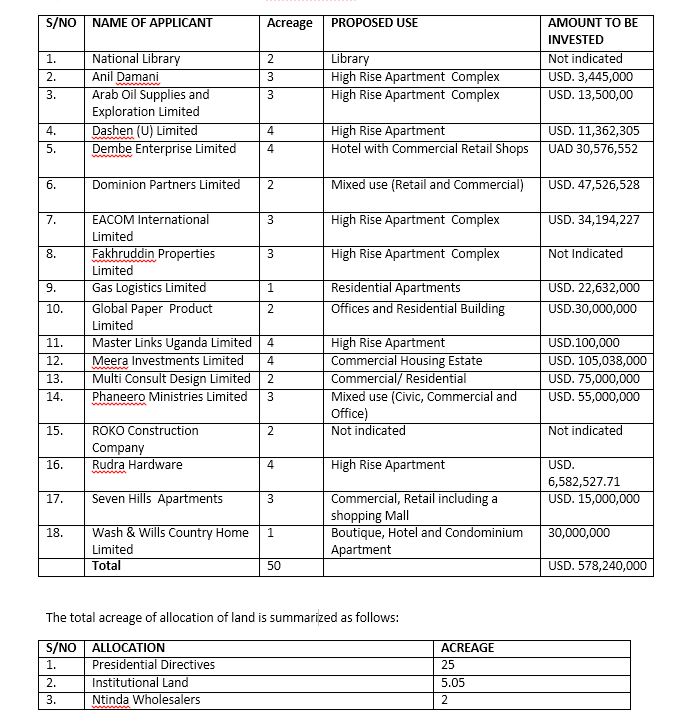
The summary of allocation is as follows:

Presidential directive

(a) 15 acres to Internal Medicines of Virginia PC

(b) 10 acres to Uganda Heart Institute

Institutions already in existence on the land

(a) 3.01 acres Nakawa division offices

(b) 1.06 acres to Naguru infant primary school

(c) 038 acres to St. Peter’s Church of Uganda

(d) Relocation of Ntinda wholesalers from Nakawa to Naguru (2 acres)

(e) Roko over 7 acres

(f) Multi Consults Limited over 2 acres

President Museveni replied the letter from Lands and said he had directed the Attorney General to expedite the efforts.

In the same letter of November 2, 2021 to the President on the status of Nakawa-Naguru sites, he writes “When site visits to the land were done, it was established that Roko had only built a slab on 1.7 acres. Roko had subcontracted M/S Multi Consult to build town houses on 1 acre of the land.

“In light of the above, in all humility, I implore you to give green light to conclude all the process. The faster we get this issue of Naguru land out of the way, the better in order to pave way for development of the Eco-Satellite city as well as getting rid of mushrooming illegal constructions. This was on the instructions of the senior Minister (Hon. Judith Nabakooba) who is currently out of the country on official duties” Dr. Sam Mayanja wrote.

However, Lands Minister Judith Nabakooba has disowned the above letter from Dr. Mayanja saying she never sanctioned for it.

“My instructions are always on record, I don’t give verbal instructions. How can I give instructions when I don’t even know any of the applicants? I don’t know those people, I don’t handle that matter. That letter on Naguru-Nakawa land was written in my absence as I had travelled out of the country, and I don’t remember instructing anybody to write to the president on my behalf”.

She added “I don’t instruct other people to write to the president on my behalf, I write my letters. I don’t remember telling anybody to the president, something must be wrong somewhere”.

Uganda Land Commission allocation of Naguru-Nakawa Land
Stories Continues after ad

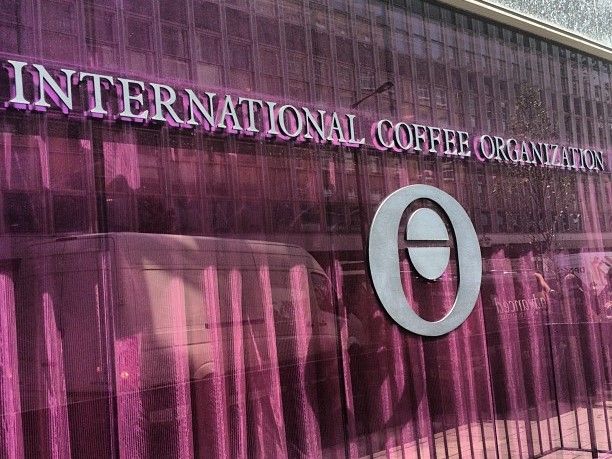
International Coffee Organisation accuses Uganda of closing all doors for negotiation

ICO headquarters

The International Coffee Organisation (ICO) has said Uganda can only negotiate for better terms if it is still a member of the International Coffee Agreement 2007.

It also accuses Uganda under Uganda Coffee Development Authority (UCDA) of snubbing requests for meetings to discuss their withdrawal from the global body.

UCDA has justified its withdrawal from ICO, saying that Uganda needs unconditional market access that allows for the export of value-added coffee, not only green coffee.

It also stated that the importing countries impose escalating tariffs and restrictions on imports of value-added coffee, citing countries including Germany, Belgium and Denmark.

But in a statement issued on Tuesday, February 22, 2022, ICO said it has never received any proposals for change in any of its forums from Uganda and that Kampala officials have turned down proposals for meetings to discuss the same.

“Ugandan authorities had abundant opportunities but decided not to address these issues within the established negotiation and decision-making mechanisms of the ICA 2007 and the ICO,” the statement reads in part.

Among the conditions submitted to ICO by UCDA are; giving Uganda a chance to add value to its coffee before it is exported and reducing exorbitant taxes on Ugandan coffee.

The others are ICO to fight price fluctuations in the coffee business, a transparent pricing mechanism, having Ugandan coffee classified based on the country of origin and ICO desisting from being private sector-led and instead serving the countries for which it was established.

But ICO also says whereas the Uganda Coffee Development Authority expresses concern about various aspects of the International Coffee Agreement and its renegotiation, “three of the seven concerns raised by Uganda have no actual linkage with the Agreement itself.”

“…. UCDA nor Ugandan authorities have never addressed them within ICO Sessions of the Council or in any other meetings of its subsidiary bodies, such as the Statistical Committee. With regard to the other four concerns, the ICO has never received any proposals for change in any of its forums from Uganda.”

It also accused the UCDA officials of not availing themselves to discuss their concerns.

“Since receiving the notification from the UCDA, the ICO and the Chair of the International Coffee Council (ICC) have made several attempts to engage with Ugandan authorities, including President Museveni, without any response or receiving the reason for the decision of the UCDA,” ICO said.

According to ICO, In March 2019, the ICC, the highest decision-making body in the Organization, established a Working Group on the Future of the International Coffee Agreement (WGFA) to update and reform the current Agreement.

“Participation in the WGFA is open to all ICO Members. Nevertheless, Ugandan representatives have not been actively participating in this process and have never submitted any proposal for change based on their vision and interest, nor on the issues raised in the UCDA statement of 9 February,” it said.

“The reform process of the International Coffee Agreement is progressing successfully and the new ICA is expected to become even more relevant in supporting the sustainable development of the coffee sector in line with the United Nations Sustainable Development Goals, including the integration of the private sector,” it added.

Nevertheless, ICO said the order is still open for Uganda to return to the global coffee body.

“All ICO Members, as indicated on different occasions, would have welcomed the contributions of Uganda to the WGFA, however, as an old African proverb says ‘You cannot claim your share of the meal while you are not at the dinner table.’ The doors of the ICO will always be open if and when Uganda decides to rejoin the International Coffee Agreement and the ICO.”

This comes as Ugandan coffee farmers express concern that the country’s coffee could be barred from international markets such as Europe due to the decision by Uganda Coffee Development Authority (UCDA) to withdraw from the International Coffee Organization (ICO).

But the chairman of the UCDA Board of Directors, Charles Francis Mugoya, says ICO has made sure that poorer producing countries like Uganda do not export processed coffee, which would otherwise greatly increase the earnings for the country and the farmers.

According to Mugoya, this is done by the high tariffs that ICO members set on Uganda’s exports, yet the importing countries do not pay any taxes when processing Uganda’s coffee and re-exporting it.

This makes any attempt by Uganda to export processed coffee to ICO very noncompetitive.

Coffee exports from Uganda for 2021 grew to 6.7 million bags valued at $718 million, the highest in more than three decades.It is hoped that this year, export volumes will grow to more than 8 million bags, assuming that the exit from ICO will have no effect on the exports.

Stories Continues after ad

New HIV infections and AIDS-related deaths as a result of inequality among gender – Winnie Byanyima

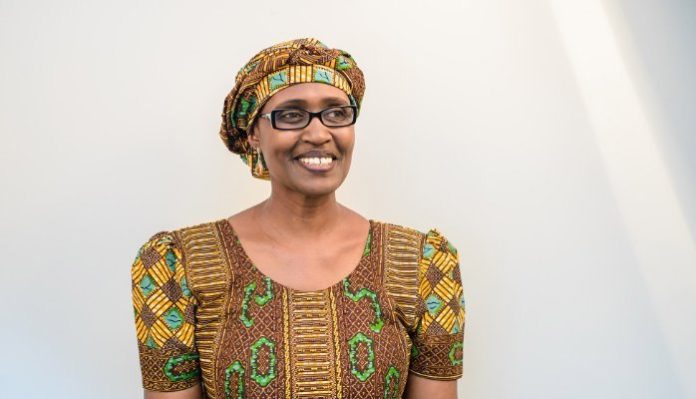
UNAIDS Executive Director Winnie Byanyima

The Executive Director of the United Nations Programme on HIV/AIDS (UNAIDS), Winnie Byanyima said that the new HIV infections and AIDS-related deaths are as a result of inequality among gender.

The saying that women and girls account for the majority of new HIV infections in sub-Saharan Africa six in seven new HIV infections among adolescents are among adolescent girls is a shocking disparity all about discrimination against girls and women in society and social norms that tolerate violence and exclusion.

In 2020, key populations, including sex workers, gay men and other men who have sex with men, people who inject drugs and transgender people, and their sexual partners accounted for 39% of new HIV infections in sub-Saharan Africa, 65% of new infections globally and a staggering 94% in the Asia–Pacific region.

“To close the inequality gaps that drive AIDS, last year we adopted the Global AIDS Strategy 2021–2026: End Inequalities, End AIDS. That strategy sets out evidence-informed priority actions and bold targets to get every country and every community on track to end AIDS as a public health threat by 2030,” Byanyima said.

As this year marks 41 years since the first cases of AIDS were reported, 26 years since the Joint United Nations Programme on HIV/AIDS started its work and 21 years since the Global Fund to Fight AIDS, Tuberculosis and Malaria (Global Fund) partnership came into existence, communities, countries, activists, technical partners and donors have come together to deliver impressive results.

“The Global Fund has been a key player and an important funder of critical interventions. Thanks to Global Fund grants, AIDS-related deaths have dropped by 65% and new HIV infections by 54% since 2002. Global Fund grants support 22 million people on life-saving HIV treatment, keeping them healthy and strong,” she applauded.

However, the world did not meet the 2020 HIV targets. Progress, which was already off track, is now under even greater strain as the COVID-19 crisis continues to rage, disrupting HIV prevention and testing services, schooling, violence prevention programmes and more.

 “We know that HIV infection makes a person much more likely to die of COVID-19. We also know that sub-Saharan Africa is home to two thirds of people living with HIV. But just over 12% of people in Africa have received two doses of a COVID-19 vaccine. This is a terrible health injustice and one that the AIDS community is far too familiar with given the history of unequal access to the first antiretroviral medicines,” she said.

Byanyima added that achieving the goals and targets of the Global AIDS Strategy 2021–2026 requires annual HIV investments in low- and middle-income countries rise to a peak of US$ 29 billion by 2025. This is of course a shared responsibility, with domestic and international resources coming together.

The strategy was reaffirmed by the bold United Nations Political Declaration on AIDS, adopted at the United Nations General Assembly in June last year. The new Global Fund strategy is very much in line with the path the world has chosen to end AIDS.

“We now need a successful seventh replenishment in order to reach the agreed targets and get back on track towards the 2030 goal of ending AIDS, tuberculosis and malaria,” she noted.

The Global Fund provides more than 20% of international funding for the HIV response, making it one of the key players in our collective effort to end AIDS. I have no doubt that my friend Peter Sands and Timothy Hallet have set out a very compelling case for a fully funded Global Fund. So many lives and futures, hopes and dreams depend on this!

The United States of America was one of the founding supporters of the Global Fund and is the largest donor and we are delighted that the United States is hosting the seventh replenishment conference, a clear sign of the United States’ steady leadership of global health.

 Byanyima added that UNAIDS will, as always, support the Global Fund to ensure a successful replenishment and urged everyone to step up and support it at this critical moment for pandemics, old and new, and global health.

Stories Continues after ad

Government set to commission 69 Seed Secondary Schools

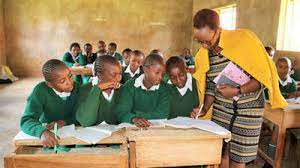
The Ministry of Education and Sports has said sixty-nine seed secondary schools are ready for commissioning. These schools are among the 117 that are seed secondary schools that are to be constructed in the first phase of the Uganda Intergovernmental Fiscal Transfers Program for Results (UgIFT) that was launched in 2019.

The full package of the Uganda Intergovernmental Fiscal Transfers (UgIFT) Seed Secondary School provides for a multipurpose hall, three units of classroom blocks, an administration block, a fully equipped two-unit Science block with science kits and chemical reagents, a library, an ICT block and a three-unit teachers’ houses among others.

Under this program, the Ministry of Education and Sports takes the supervisory role while the Ministry of Local Government handles the procurement part of the construction.

According to the ministry, Ankole has seven schools, Buganda (13), Bukedi (4), Bunyoro (4), Busoga (6), Elgon (4), Karamoja (5), Kigezi (4), Lango (8), Teso (7), Tooro (4) and West Nile (3).

In a Wednesday statement, the ministry said a school being ready for commissioning means that all the infrastructure that was set to be built is now in place and complete.

“These schools are already operational, implying that they are admitting learners and the government has already availed them with capitation grants for at least 240 learners for the start and shall be increased once the CAOs inform us of the actual enrollment, each school has some teachers out of the expected target of thirty-one, the Education Service Commission has promised to conclude the recruitment process by end of February 2022,” reads the statement.

The first seed school, Keihangara Seed Secondary School in Ibanda district — was commissioned by President Yoweri Museveni in December of 2021. The school was constructed with funding from the World Bank and the government of Uganda.

The ministry said the Schedule for commissioning will be released within the coming days.

Stories Continues after ad

The Uganda Scouts Association, Worldwide Fund for Nature and Coca-Cola Beverages launch campaign dubbed ‘Re-think Plastics’

Scouts performing at the event

The Rethink Plastics campaign was launched at Kiswa Primary School by the Uganda Scouts Association in partnership with Worldwide Fund for Nature and Coca-Cola Beverages Africa under the theme ‘Rethink Plastic, Saving our planet together, one challenge at a time’. The campaign seeks to create awareness and grassroots education of responsible use and disposal of plastic waste across the country.

According to Caroline Ajulong, Chief Commission Community Development and Projects at Uganda Scouts Association, following the COVID-19 pandemic, the environment was degraded, and scouts play a critical role in our communities.

“Scouts are closer to the community because we have a huge network. We have different methods of working; Life in nature speaks to conservation, working in groups; we have patrol groups that will support in rolling out the campaign in schools, Symbols – we believe in rewards, therefore, shall reward schools that managed to maintain their tree nursery bed, transport and grow the trees to six (6) months. Our goal is to plan at least 60M trees in five (5) years. In partnership with Coca-Cola Beverages Africa in Uganda, we shall also train young people on how to sort and recycle plastics,” she shared.

In his remarks at the event, David Duli, Country Director, Worldwide Fund for Nature said that building up to the Earth Hour 2022, it is critical to focus on the importance of all water bodies – lakes, rivers, wetlands, and ultimately, the ocean that suffers from the negative impacts of both plastic, and other types of pollution and asked government to put in more efforts on implementation of policies.

“We recognise government efforts to ban single-use plastics and call for more efforts to strengthen the enforcement of the ban in Uganda. We have confidence that in partnership with all stakeholders, this campaign will develop awareness and conviction. We encourage Ugandans and other global citizens to adopt more sustainable alternatives,” he cautioned.

To achieve this objective, we call all stakeholders to spread messages regarding the dangers of plastics. We also call upon the private sector to strengthen the process of recycling including turning plastic waste into other products that do not disrupt the environment. Provision of alternatives will also be critical for adopting the desired change.The future belongs to the young people in this assembly today. We have a role to work very closely with them to attain a No plastic in nature future. Let us reshape the future!” reiterated.

Samuel Kangave, Manager Plastic Recycling Industries (PRI) an initiative of Coca-Cola Beverages Africa in Uganda (CCBA) cautioned the public about the proper use of plastics and why it shouldn’t be left to only the private sector since it’s a general problem that requires a joint effort.

“Today’s business environment dictates that we build a circular economy, it’s something that all companies need to adopt. PRI was conceived with the aim of not only recycling plastics from the environment but also encouraging proper plastic management in the community. Among the things we are doing is one; once collected, we are manufacturing plastic pavers that are being sold back in the community and secondly turning them into pallets for further processing into plastic products,” he said.

“Through our global campaign dubbed “World without waste” that was launched in2018. We have committed to help collect and recycle a bottle or can for everyone we sell by 2030. We recognize our responsibility in solving the plastic waste crisis and are supporting different initiatives with the same agenda.  World Without Waste, our ambitious sustainable packaging initiative, aims to create systemic change through a circular economy for our packaging,” he said. 

 Representing the Speakerof Parliament Hon. Anita Among, hailed the Uganda Scouts Association for demanding the implementation of the laws for the public interest. 

“Re-shape our future, rethink plastics’ calls upon all Ugandans nationwide to change their mindset, effect changes in their daily lives to reduce the heavy burden of plastic pollution on the environment and human health. It is now evidently clear that over-reliance on plastics is a major environmental challenge, especially considering the pollution that comes with badly managed plastic waste. As part of this campaign, I want to task all corporate companies and organizations to sign a “Pledge Board” to rethink the use and management of plastics, carry out their social corporate responsibility, reduce new plastic production by producing reusable plastics, recycling the ones in circulation, and ensuring a better and healthier environment.

This campaign aims at keeping Uganda clean, green and to close the youth employment gap through green growth by planting 60 million trees in Uganda over the next 5years starting with Elgon, Albertine, Rwenzori then later the whole country. In support of the presidential industrial campaign, massive high-value fruit tree planting is the only sure way to generate sustainable industrialization”, he encouraged.

Before the event, the environmentalists took to the streets of Kampala carrying placards demonstrating against continuous use of polythene bags and single-use bottles regardless of the vice being outlawed.They demanded the immediate implementation of The NationalEnvironment Regulations, 2020 and the National Environment act 2019 that requires the private sector to be responsible for collecting the wastes they litter.

According to NEMA plastics constitute 3-5% of the waste collected in most of Uganda’s urban areas, of which about 3% are soft plastics.

Stories Continues after ad

Over 45 SMEs complete Business Survival, Recovery and Continuity Training

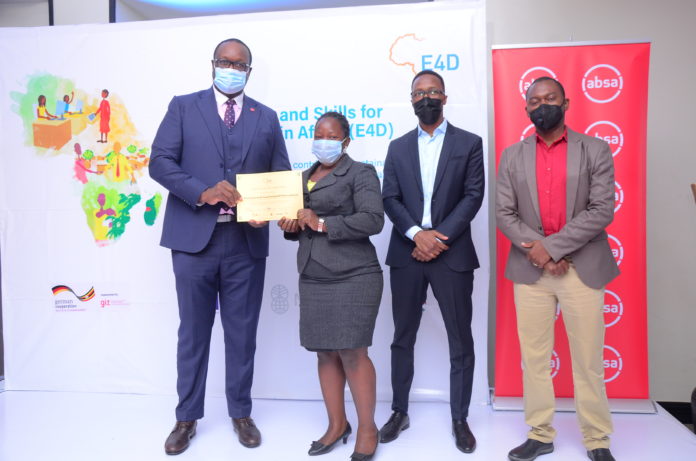
Over 45 SMEs complete Business Survival, Recovery and Continuity Training

At least 46 Small and Medium-sized Enterprises (SMEs) have graduated from the pandemic-response online Business Continuity and Survival Training that was organized by the Employment and Skills for Development in Africa Programme (E4D) in September 2020.

The E4D programme is commissioned by the German Federal Ministry for Economic Cooperation and Development (BMZ) and is co-funded in Uganda by the Norwegian Agency for Development Cooperation (Norad) and implemented by GIZ.

This training was delivered by ACLAIM Africa Limited in partnership with Absa Bank Uganda Limited and targeted SMEs in the construction, manufacturing, tourism, and hospitality sectors. The training was designed to build the capacity of SMEs in some of the worst-affected sectors of the economy to help them manage the economic impacts caused by the COVID-19 pandemic.

The training was grounded on a needs-based assessment of each SME to identify business processes that required improvement. It covered eight modules, namely: Building Financial Management Systems; Financing a Business; Managing Costs Effectively; Business Planning, Modelling and Management; Acquiring and Retaining Customers; Running Business Online; Leading and Managing People; and Managing Risk in Business. Together, the modules built the capacities of SMEs to make sound strategic decisions thus ensuring business continuity through crises such as that created by the Covid-19 pandemic.

Ms Fiona Komugisha, the Project Manager at Environment and Social Safeguards International (ESSI), one of the participating SMEs, says the training and coaching was helpful, and her enterprise is applying many of the learnings.

“Having gone through cost management models, we have been able to cut down unnecessary processes and steps in our payment processes. We were also having a lot of defects in manufacturing, but now, with the application of TIMWOODs (a model that helps organizations identify key areas of waste to improve their agility and efficiency in operations), we have changed our power source to solar and have reduced on defects as a business, thereby increasing efficiency and productivity. The business has also shifted to utilization of local materials and recruitment of labour from the village within which the business is situated/located. Furthermore, we have adopted performance management systems to help us understand the business and evaluate our performance,” she adds.

Speaking at the graduation ceremony for the businesses at Mestil Hotel in Kampala, Donald Agaba, the E4D Uganda Team Leader said, “I admire your spirit of entrepreneurship and the commitment with which you have undertaken this training and seen it through to the end. The skills you have learned from here will play a great role in the growth of your businesses as we embark on the journey of economic recovery.”

While addressing the graduating businesses, Mumba Kalifungwa, Absa Bank Uganda’s Managing Director, said, “The pandemic adversely affected the economy and more so SME’s, some of which were unable to withstand the shock. SMEs, especially those in the tourism and hospitality sector, have perhaps been the most affected by the local and global interventions put in place to control the spread of the COVID-19 pandemic. This training was essential to equip business owners with the knowledge to better navigate these uncertain times.”

He added that the participating SMEs that have completed the training will be considered for a discount on interest rates on credit facilities from Absa.

The Business Continuity and Survival Training and Coaching was implemented in collaboration with Uganda Tourism Association (UTA), Uganda National Association of Building and Civil Engineering Contractors (UNABCEC), Federation of Small and Medium-sized Enterprises in Uganda (FMSE) and Uganda Manufacturers’ Association (UMA).

“We remain cautiously optimistic following the decision to fully reopen the economy, which signals a ray of hope for business recovery and the economy in general.  To move Uganda and Africa forward, we are going to need collaborative efforts across the board to bridge the skills gap that is holding our SME sector back,” Mumba said.

Stories Continues after ad

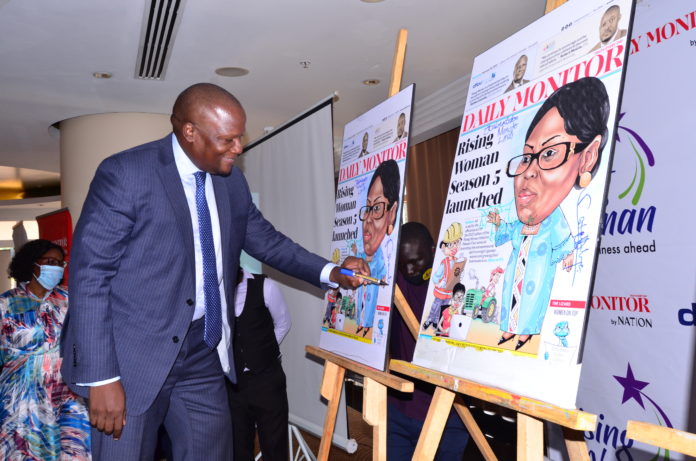
Dfcu Bank, Monitor Publications Limited and UIA launch the fifth edition of ‘Rising Woman’ initiative

Mathias Katamba, CEO of dfcu Bank

Dfcu Bank, in partnership with Monitor Publications Limited and Uganda Investment Authority, has launched the fifth edition of the ‘Rising Woman’, an initiative that aims to recognize, celebrate, and promote a culture of mentorship among women in the business space in Uganda.

Themed ‘Taking your business ahead’,this initiative focuses on providing female entrepreneurs with the knowledge, skills, and abilities to improve how they operate their businesses; to enable them to create profitable operations.Rising Womanfalls under dfcu’s Women in Business Program which aims to create a business enabling environment for women entrepreneurs, with a special focus on Small and Medium Enterprises (SMEs).

The Guest of Honor at the launch of the 2022 Rising Woman Initiative; Minister of Lands, Housing and Urban Development, Honorable Judith Nabakooba has applauded the sponsors of the initiative, noting that women require multi-faceted support to become successful entrepreneurs.

“I want to commend the organisers for having come up with a unique program for women to not only empower women in leadership but also business.  It’s a more sustainable mode of business because it creates an increasing base of clients who can afford it and there is a trickle down effect.

It recognises the most critical sector of Uganda which is the SMEs. Women in SMEs are the engine for unlocking growth and livelihood at grassroot. Thank you for redefining how SMEs are by women in Uganda,” she applauded.

The fifth season, unlike previous editions which considered only one overall winner, will have three different winners based on three main categories of: Agribusiness Value addition, Manufacturing and Consumer services, Digital Innovation and E-commerce. To stand a chance to win the overall Shs 10 Million cash prize in each category, women entrepreneurs will be required to write a business proposal on any of the three categories. The top 10 winnerswill qualify for a one-week all-expense-paid exchange program in 2023 to an exciting destination which will be announced later.

The Rising Woman Initiative was first launched in 2018 and has had four successful editions. Over the past four years, Rising Woman has directly benefited more than 60,000 women and over 1 million more, virtually, through a range of programs that included regional power trainings, Live TV talk shows, proposal writing competitions and mentorship trips within the region.

Speaking at the launch today at Sheraton Hotel, Mathias Katamba, CEO of dfcuBank remarked that: “Majority of female enterprises are in the informal sector with no formalization, therefore, limiting their sustainability and growth locally, regionally and globally. They also face other multiple challenges such as access to finance, markets, business exposure and business skills. What we are doing will offer them all-around support services to enable them to bloom into their full potential.”

Working with our partners, we are committed to developing a supportive environment for women entrepreneurs to bolster their success. We are doing this through enterprise skills training, showcasing the work of women SMEs through marketing exhibitions and symposiums, offering tailored financial solutions, strategic networking opportunities and other bundled services,” he remarked.

SMEs contribute approximately 30% of Uganda’s gross domestic product (GDP) and employ more than 2.5 million people (UIA). Women enterprises are concentrated in trade, accommodation, and food services, and a few are involved in agriculture, fishing, transport, and storage as well as information and communication. Women tend to shun businesses that require technical skills and thus miss out on many opportunities.

“If the communities we serve thrive, then we’re also bound to thrive. We are confident that supporting SMEs, especially women-led enterprises will greatly contribute to economic development. According to the 2020 Mastercard Index of Women Entrepreneurs (MIWE), Uganda ranked first (38.2%) of total female business owners. This indicates that nearly four in every ten business owners are women.At dfcuBank, we continue to partner with other leading organizations to tap into the potential of women as contributors not only in the business world but also in the community, towards national development and the globe.  We are supporting women to navigate their multiple roles as entrepreneurs, in their families and communities,” Katamba reiterated.

The Rising Woman Initiative provides an avenue to work with diverse women to turn business ideas into reality and act as agents of change in their communities whilst addressing the ever-growing challenges they face. Through the initiative, thousands of women have benefited directly through the regional trainings in the districts of Bushenyi, Mbarara, Kampala, Mbale, Gulu, Jinja, Lira, Masaka, Kitgum, Iganga, Ibanda, Adjumani, Hoima including being a part of two mentorship programs in Nairobi.

Stories Continues after ad

PEN Centre welcomes Kakwenza in Germany

Kakwenza Rukirabashaija

The German PEN Center has welcomed Ugandan author Kakwenza Rukirabashaija to Germany. Rukirabashaija who is under the care of friends and PEN arrived yesterday and is scheduled to receive medical attention.

Kakwenza Rukirabashaija was brutally abducted from his home at the end of December 2021 by people without ID and uniform and without an arrest warrant. He was held captive for two weeks and severely tortured. According to his own impressions, this happened in a barracks of the Ugandan army in the south of the capital Kampala.

He was then transferred to Kitalya Maximum Security Prison. After court decided to release him on bail, he was abducted again and threatened not to write another book nor talk about his abduction and torture, before he could finally return home.

Prosecutors accuse Rukirabashaija of disturbing the peace of His Excellency the President of the Republic of Uganda, General Yoweri Kaguta Museveni, without the purpose of legitimate communication  through his comments on social media. The abstruse accusation is indicative of the character of the Museveni regime.

Since the re-election of the president, who has been in power since 1986, the repression of opponents and critics has increased in intensity and violence over the past year. There are also more and more serious reports of torture. The Case of Rukirabashaija has drawn inter-national attention to these conditions.

After the publication of his bestseller The Greedy Barbarian, a satirical tale about corruption in a fictional African country, Kakwenza Rukirabashaija was arrested for the first time in Uganda. Last year he was awarded the international PEN Pinter Prize in the category Bravest Writer. After his last arrest, the German PEN Center appointed him an honorary member in January 2022.

In recent weeks, the German PEN Center has worked intensively for Rukirabashaija’s release. PEN President Deniz Yücel said:  “We are very happy that our commitment to our honorary member has come to a good end. When authoritarian regimes persecute prominent critics, it is never just about the individual, but always about intimidating entire societies. That is why we see our commitment to Rukirabashaija as a contribution to freedom of speech, in Uganda and around the world.”

“The German PEN Center would like to thank PEN International and the friends involved who have contributed in recent days and weeks to freeing Rukirabashaija from the clutches of his tormentors.”

Once he has sufficiently recovered from the immediate consequences of the torture, Rukirabashaija will speak out in public. PEN will continue to support him and include him as a fellow in its Writers-in-Exile program.

Stories Continues after ad

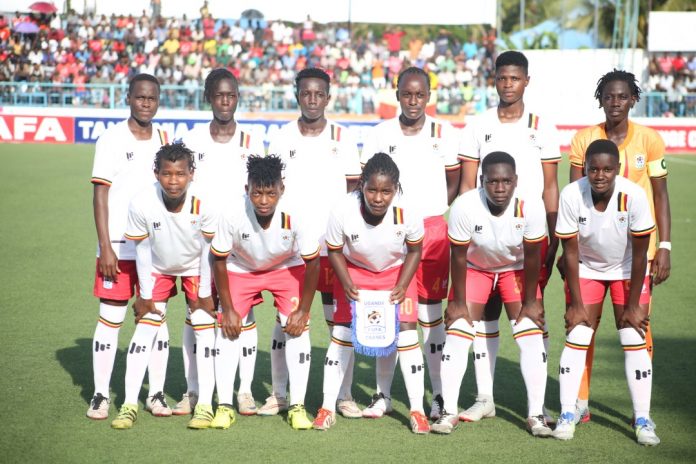
Women’s Afcon 2022: All 12 teams that have qualified

crested-cranes-XI

The 12 countries that will take part in this year’s Africa Women’s Cup of Nations (AWCON) in Morocco have been confirmed after completion of the qualifiers.

Uganda’s National senior Women football team, the Crested Cranes qualified for the tournament following withdrawal of Kenya Starlets at the second round of qualification.

The Crested Cranes had earlier knocked out Ethiopia in the first round.

Uganda will return to AWCON for the second time, since the maiden appearance in 2000.

Defending champions Nigeria sealed their slot after defeating Ivory Coast 1-0 in Abidjan to secure their spot at the finals.

South Africa, runners up at the last tournament in 2018, also qualified following a 1-1 draw in Algeria on Wednesday.

Morocco will host the Women’s Nations Cup from 2nd to 23rd July, with the four semi-finalists automatically qualifying for the 2023 Women’s World Cup.

The twelve teams will be drawn into three groups of four teams. The final draw date will be announced in due course.

The pots were based on the team’s performances in 2018 Africa Women Cup of Nations final tournament and 2022 tournament’s qualification.

Teams that have qualified are:

Pot 1: Morocco (host nation), Nigeria, and South Africa

Pot 2: Cameroon, Burundi, Zambia

Pot 3: Burkina Faso, Togo, Tunisia

Pot 4: Uganda, Senegal, Botswana

Stories Continues after ad

Main Planning Conference for EAC Armed Forces kicks off in Kampala

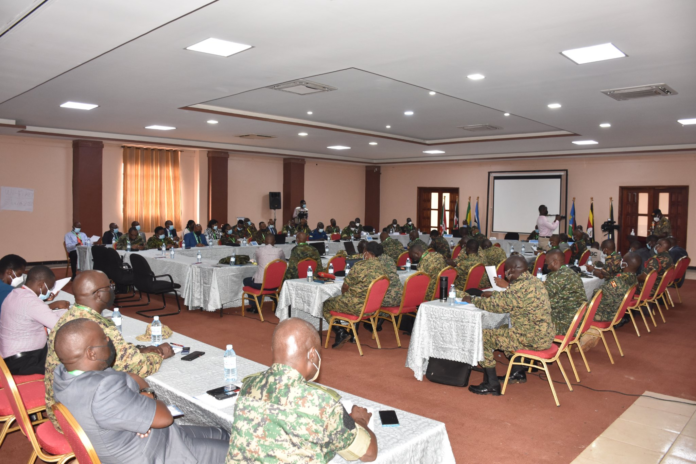
Delegates from the Military, Police, Prisons, Immigration, civilian components and other stakeholders from the six East African Community (EAC) partner States; Burundi, Kenya, Rwanda, South Sudan, Tanzania and Uganda are meeting at Silver Springs Hotel in Kampala for the Main Planning Conference for the 12th EAC Field Training Exercise (FTX) “Ushirikiano Imara” 2022 due 27th May to 16th June 2022 in Jinja, Uganda.

The objectives of the Main Planning Conference are to update general instructions and ideas by the host Nation, review Administration and Logistics plan, Review the Civil-Military Cooperation projects to be carried out during the exercise, survey exercise locations and draw the Exercise timelines among many others.

While opening the conference, the UPDF Chief of Personnel and Administration, Maj Gen George Igumba, representing the UPDF Joint Chief of Staff, reiterated Uganda’s commitment towards the successful hosting of the exercise.

“On behalf of Uganda Peoples’ Defence Forces and the Republic of Uganda as a host Nation, I do assure you of maximum support to this cause to ensure the success of the exercise in Jinja later this year,” said Maj Gen Igumba.

“The exercise will go a long way in enabling us to build synergies that will govern and strengthen the strategic vision of our leaders for the good of the people of East Africa,” Maj Gen Igumba added.

Colonel Raphael Kiptoo who represented the EAC Secretary General said the general objective of EAC exercises is to enhance the state of readiness and interoperability of EAC partner State Armed Forces, Police, Civilian components and other stakeholders in responding to complex security challenges.

“Such exercises enhance the already high level of interconnectedness and interoperability of our Armed Forces which has been achieved in operations. The East African Community will continue counting on your support in the EAC integration process,” said Col Kiptoo.

The Chairperson of the conference Brig Gen Jerry Korir called upon members to put maximum effort, energy, commitment and perseverance so that by the end of the conference, they are able to produce the required documents for the Final Planning Conference.

The Field Training Exercises are conducted rotational in nature among the partner states every two years.  And the exercises are conducted in accordance with the East African Community Protocol on cooperation in Defence Affairs and pursuant to the Defence Sector calendar of activities.

The exercises have been conducted since 2005 under the themes of Peace Support Operations, Counter Terrorism, Counter Piracy and Disaster Management. Each of the member states presented their Special Ideas on each of these thematic areas.

The three-day Conference is also being attended by Defence Liaison Officers of the EAC States, Defence Attachés accredited to Uganda, General and Senior Officers, representatives from the Police, Prisons, Immigration and Civilian components.

Planning for the Field Training Exercises started with the Concept Development Conference which was held in Kampala from 28th to 30th January 2020, then the Initial Planning Conference which was held in Jinja from 19th to 21st October 2021 and now the Main Planning Conference currently under way.

The Final Planning Conference will be held between 22nd and 25th March 2022 in Jinja before the actual Field Training Exercise from 27th May to 16th June 2022 in the districts of Jinja, Mayuge and Buikwe. The exercise will attract over 1,500 participants from the Military, Police, and civilian components from all the six EAC partner states.

Stories Continues after ad