Stanbic Bank
Stanbic Bank
21.4 C
Kampala
Stanbic Bank
Stanbic Bank
Home Blog Page 716

Africa clocks fastest surge in #Covid-19 cases this year, but deaths remain low

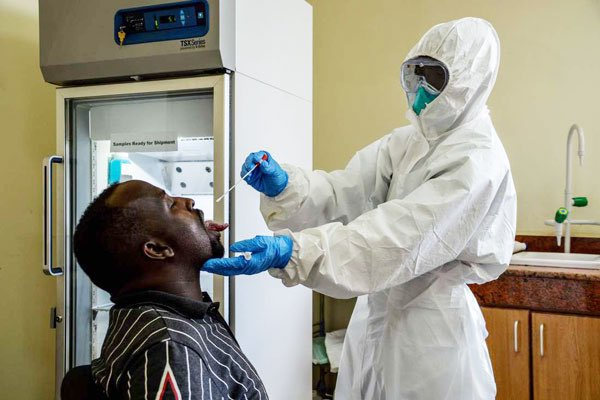
Testing for covid-19

An 83 per cent surge in new COVID-19 cases during the past week in Africa, driven by the Delta and the Omicron variants, is causing fewer deaths than previous surges — but more waves could be building as updated forecasts warn that the continent may not reach 70% vaccine coverage until August 2024, a new World Health Organization (WHO) pandemic assessment finds.

Africa recorded more than 196 000 new cases for the week ending on 12 December, up from around 107 000 in the previous week, bringing the total cumulative number of recorded cases during the pandemic to 8.9 million. The number of new COVID-19 cases is currently doubling every five days, the shortest reported this year. While the speed of the spread is fast, deaths remain low and even dropped by 19% last week compared with the previous week.

There were a little over 3000 deaths reported during the first three weeks of the current pandemic wave, which is Africa’s fourth. About half as many cases were reported in the same time frame during the third wave which was fuelled by the Delta variant.

This upsurge in new cases coupled with low hospitalizations is particularly marked in South Africa which has experienced a 66% rise in new cases during the past seven days compared with the previous seven days. While hospitalizations have increased by 67% in the past seven days, the bed occupancy rate for Intensive Care Units remains low at 7.5%, with 14% of the hospitalized patients receiving supplemental oxygen. Though the deaths also remain low, this data should be interpreted with caution as the pattern may change in the coming weeks.

“We are cautiously optimistic that deaths and severe illness will remain low in the current wave, but slow vaccine rollout in Africa means both will be much higher than they should be,” said Dr Matshidiso Moeti, WHO Regional Director for Africa. “We’ve known for quite some time now that new variants like Beta, Delta or Omicron could regularly emerge to spark new outbreaks globally, but vaccine-deprived regions like Africa will be especially vulnerable.”

Vaccination coverage remains highly variable across the region. As of 13 December, only 20 African countries had vaccinated at least 10% of their population, the global target WHO had set for September 2021. Only six countries have hit the year-end target of fully vaccinating 40% of their population, while only two countries Mauritius and Seychelles have reached the 70% coverage seen as essential for controlling the pandemic. At the current pace, WHO estimates that it will take until May of 2022 before Africa reaches 40% coverage and August 2024 before it reaches the 70% mark.

“In a world where Africa has the doses and support to vaccinate 70% of its population by the end of 2021—a level many wealthy countries have achieved—we probably would be seeing tens of thousands of fewer deaths from COVID-19 next year,” Dr Moeti said.  “But we can still save many lives if we can accelerate the pace of vaccination in early 2022.”

WHO data show that 53 African countries have initiated vaccination programmes, which have administered a total of 264 million doses (or 61% of doses received). Fully vaccinating 70% of Africans requires about 1.6 billion more doses and strengthened efforts to increase vaccine demand.

“We’re at a pivotal moment in this pandemic where complacency is the enemy,” said Dr Moeti. “With supplies starting to increase we now must intensify our focus on other barriers to vaccination. They include lack of funding, equipment, healthcare workers and cold chain capacity along with tackling vaccine hesitancy.”

WHO is supporting efforts in African countries to complete district “micro plans”, which identify hard-to-reach populations and outline vaccine delivery strategies to reach them.

According to the WHO Africa COVID-19 readiness dashboard, of the 34 countries that have submitted complete data, 28 countries (80%) have engaged provinces and districts in preparations for vaccinations; 32 countries (91%) have conducted national training initiatives; and 29 countries (82%) have trained district vaccinators and volunteers.

To increase vaccination coverage, WHO is encouraging countries to move vaccination sites beyond health facilities and main cities and implement community centred approaches. In an analysis of data collected from 40 countries, six countries confirmed having districts with no vaccination sites.

Meanwhile, Africa’s vaccine challenges are being compounded by Omicron-related travel bans.

Globally, there have been more than 2700 Omicron cases reported in 59 countries, including 11 African countries that account for about 33% of the total cases. However, Africa’s share is steadily dropping, and South Africa no longer leads the world in Omicron cases. Yet more than 70 countries continue to impose travel bans mainly targeting African countries.

“Blanket travel bans have little impact on the course of an epidemic but have a massive socioeconomic effect,” said Dr Moeti. “Coming after two years of COVDI-19, these new travel restrictions are jeopardizing the health of millions of Africans.”

In addition to vaccination coverage, WHO’s 2022 COVID-19 strategy for Africa includes a strong focus on surveillance aimed at increasing case detection, strengthening genomic surveillance to track new variants of concern as well as country capacity for appropriate case management including home-based isolation and care, and guarding against COVID-19 with key preventive measures amidst reduced risk perception.


Stories Continues after ad

Bobi Wine’s security guard and gardener arrested ahead of his trip to Kayunga

Bobi Wine

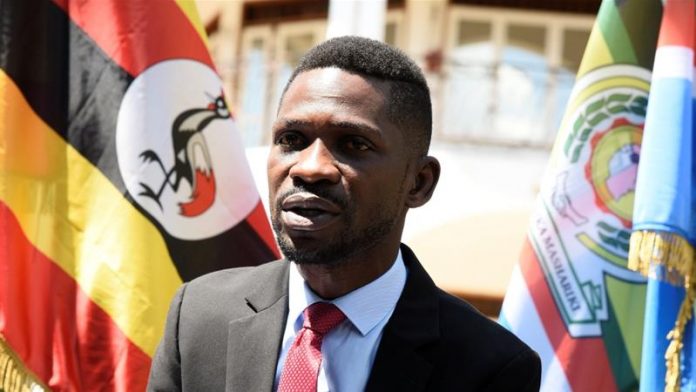
Former Presidential candidate Robert Kyagulanyi Ssentamu aka Bobi Wine’s security guard and gardener have been arrested ahead of their boss’ trip to Kayunga.

The two were violently arrested, beaten and bundled into Toyota Hiace locally known as ‘drones’ which were parked outside the former MPs gate.

“The military has increased deployment around my home. No one is allowed to leave or enter. Our security guard and gardener have been violently arrested, beaten and bundled into ‘drones’ parked outside our gate. Their phones have been confiscated. Other young men in the area are being arrested and taken away in mobile prisons,” Bobi said.

Yesterday, Kayunga Resident District Commissioner (RDC), Ssempala Kigozi said Bobi Wine will not be allowed to campaign for Harriet Nakweede, the National Unity Platform (NUP) Flag bearer in the district by-election because the president is in the areas to campaign for National Resistance Movement (NRM) candidate, Andrew Muwonge.

Bobi Wine is expected to join Nakweede on her last campaign rally scheduled to take place today in Kayunga town Council. The district security committee has resolved to stop her final campaign rally once she invites Kyagulanyi.

Kigozi said they expected Kyagulanyi over the weekend and they cannot allow him in the area this week given the presence of President Yoweri Museveni.

Kayunga LCV seat fell vacant after the death of Ffefeeka Serubogo Muhammad. The former member of National Unity Platform (NUP) was found hanging on a tree.

Stories Continues after ad

Absa Bank introduces cardless withdraw functionality on ATMs

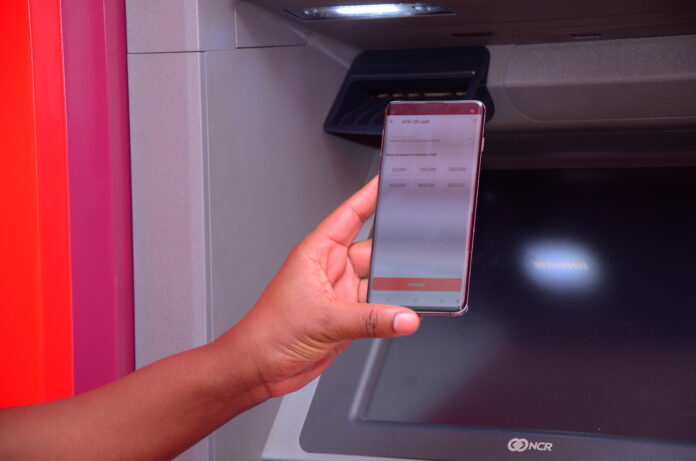
The QR Scan to Withdraw functionality on the Absa Bank Uganda mobile banking app

Absa Bank Uganda has introduced the country’s first innovative and exciting cardless withdraw function on Automated Teller Machines (ATMs).

The innovation allows customers to use a QR Code generated from the Absa Banking App on any smartphone device to withdraw cash at any Absa ATM countrywide.

Speaking during a media briefing to launch this new offering, Musa Jallow, Retail Director, Absa Bank Uganda said, “Digital payments are evolving at a fast pace, particularly during this COVID-19 era where public health is a primary concern. Absa is responding to the needs of customers who are looking for convenience and security as well as solutions that enable them to conduct their banking with as minimal physical interaction as possible. We are, therefore, proud to bring yet another innovation that responds to these needs.”

The bank’s strategic ambition is to become a fit-for-purpose, digital first business. Absa has made significant investments in digital innovation and infrastructure during the past few years and continues to promise further innovation as a critical component to the development of its ecosystem.

“This new cardless solution, which is in line with our ongoing delivery of next-generation solutions for our customers, ensures minimumal contact is made with the ATM screen and keypads. It also protects customers and minimizes the risk of cards being compromised at tampered ATMs,” Jallow added.

Cardless ATMs allow users to access their cash without a physical debit card. All a user needs to do is log in to the Absa Banking app on their smartphone. While in the App, the customer selects the ATM QR Cash icon, then scans the QR Code on the ATM. Once the scan is done, the customer’s phone will present options of the amount of cash to be withdrawn, and once confirmed, they can collect their cash from the machine.

The function joins a host of other digital innovations offered by the bank such as the contactless functionality on the bank’s vertical debit cards, the Novo FX mobile application and the AI-powered Abby WhatsApp chatbot.

At Absa, we remain dedicated to finding differentiated transactional banking propositions to meet the evolving needs of our customers by providing innovative, digitized products delivered through personalized service,” says Vinolin David, Absa Groups Programme Director for Card and Payments.

Stories Continues after ad

WHO provides 3,360 testing kits to Uganda for screening the #Covid-19 Omicron variant

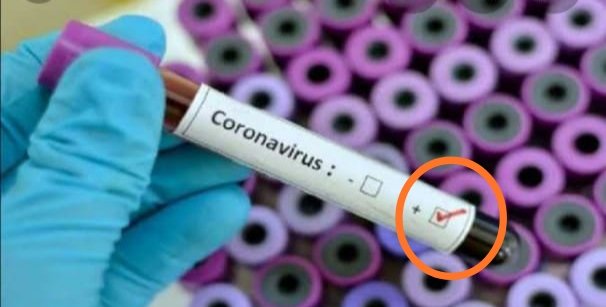
Covid-19 testing kits

As part of the prevention and rapid identification of a new COVID-19 variant in Africa, the World Health Organization (WHO) has provided the Uganda Virus Research Institute (UVRI) with a total of 3,360 test kits for the genotyping of variants of concern.

“These PCR screening assay kits procured by WHO is a boost to the county’s existing capacity to identify the predominant Delta variant and indicate the presence of Omicron, the new COVID-19 variant of concern,”- Dr. Jane Ruth Aceng, Uganda’s Minister of Health.

“Highly operational, these kits offer a triple benefit in preventing and limiting the spread of Omicron and other variants of concern. They will allow rapid identification of the highly transmissible delta variant, screen for Omicron, and help in prioritizing specimens for genomic sequencing.”- said Dr Yonas Tegegn Woldemariam, WHO Representative in Uganda.

Dr Yonas added, “The tests are easily shipped, ordering and delivery can be done in 2-3 weeks.”

SARS-CoV2 variant B.1.1.529, also known as Omicron, was first identified by scientists in South Africa from a specimen collected on 9 November 2021, with the variant first reported to WHO on 24 November 2021.

A meeting of the World Health Organization’s Technical Advisory Panel on Variant Progression, held on 26 November 2021, named it ” Omicron” and designated it a variant of concern. This variant is reported to have 26-32 mutations (genetic changes) in the spike protein gene (the virus envelope), which is more than those identified in several other variants of concern, including the Delta and Alpha variants.

These changes could potentially make the virus more transmissible and increase the risk of reinfection.

Currently, WHO is coordinating with a large number of researchers around the world to better understand Omicron. Studies currently underway include assessments of transmissibility, the severity of infection (including symptoms), the performance of vaccines and diagnostic tests, and the effectiveness of treatments.

The government interventions to curb the importation of the Omicron variant include; the management of travellers in and out of the country, through intensified surveillance at point of entry; Increase uptake of COVID-19 vaccines through accelerated mass vaccination campaigns; and adherence to COVID-19 standard operating procedures.

In addition to these measures, Dr Jane Aceng emphasized, “samples from individuals that test positive to COVID-19 will be subjected to genomic sequencing. This will enable laboratories to search for the presence of the Omicron variant or any other variant that may develop in the country.”

Stories Continues after ad

Grandfather arrested for sexually assaulting grand daughter

Handcuffs

Police in Kayunga have in custody a 60-year-old grandfather, for aggravated sexual assault upon his 9-year-old grand daughter.

According to the Police spokesperson, Fred Enanga, the Preliminary facts indicate that on the 6th December 2021 at around 11.30am, a one Okou Okellp, a 60-year-old, resident of Wunga – Kyebuye village, Kayonza sub-county, Kayunga district, asked his 9 year old grand-daughter to escort him and check on how the goats were grazing in the fields.

“While in the fields, he removed the victim’s knicker and started assaulting her sexually. It took the bravery of a young boy (names withheld), who raised an alarm that the village mates responded to and arrested the suspect,” Enanga said.

The threat of sexual abuse of young girls in modern society has become so common and grave, including suspects who are very close like guardians, parents, relatives, teachers and elders. All members of the public, should know, that children are vulnerable members of the community, who need to be protected from all forms of sexual predators.

In this very respect, the victim was repeatedly assaulted by a grandfather, who took advantage of the 9-year-old girl victim, and significantly breached the trust of guardianship and protection.

“The UPF remains committed to pursuing every incident of child sexual abuse and ensure that those responsible are brought to justice. We further implore each and every one to stay vigilant and take interest in the upbringing and well-being of children,” Enanga said.

Stories Continues after ad

Marie Stopes, other CSOs call for re-tabling of National Health Insurance Scheme Bill

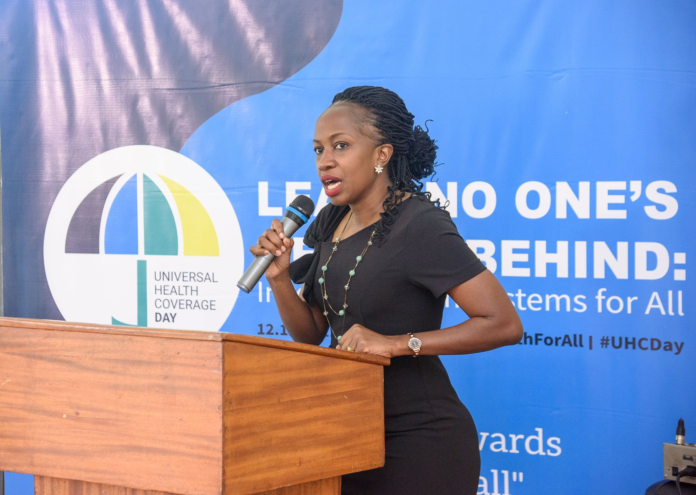
Faith Kyateka, Head of Communications and Policy at Marie Stope Uganda

The Civil Society Organizations (CSOs) have called for re-tabling of the National Health Insurance Scheme (NHIS) Bill peddled at providing affordable and quality health services.

The CSOs which included RMNCAH CSO Platform, PATH, Partners for Population and Development – Africa Regional Office (PPD-ARO) Marie Stopes Uganda and Action for Health Uganda re-echoed during the commemoration of the UHC Day held under the theme: Leave No One’s Health Behind: Invest in health systems for all.

Last year, the Parliament of Uganda passed a National Health Insurance Bill that outlines the general structure for a first-ever National Social Health Insurance Scheme in Uganda. The bill was passed with a pre-set benefits package that includes a range of essential health services including family planning counseling and services.

President Yoweri Museveni however declined to sign the bill and forwarded it back to parliament for scrutiny. Uganda is the only country in East Africa that has not passed a national health insurance scheme and has some of the highest out-of-pocket costs for health in the region.

Upon his election as the Speaker of Parliament, Jacob Oulanyah said all the unfinished businesses in the 10th will not be carried to the 11th parliament. This implies that all the bills should be re-tabled for discussion.

The 2nd Deputy Mufti Sheikh Muhammad Ali Waiswa said religious leaders are sourcing and collecting factual data to ensure UHC in the country.

“Uganda is facing several challenges among which is the lack of inclusive affordable and quality healthcare. This struggle remains one of the many leading causes of untimely death and high mortality rates as well yet it has several solutions to it. To make health for all a reality, we need effective Primary Health Care. This is how we can protect everyone from health threats and emerge stronger,” he said.

“Over 40% of the healthcare in Uganda is provided through faith based health facilities,” he said adding that Religious will mobilize the masses to register with the scheme.

“When President signs the bill, we shall deploy our medical team and mobilise resources to support individuals who can’t afford to pay for the scheme,” he said.

Ms. Faith Kyateka, Head of Communications and Policy at Marie Stope Uganda, said CSOs will continue with the advocacy for strong equitable health systems that will leave no one’s health behind.

Mr. Joel Ssekibaali said that the MPs should take ownership of innovating health financing as well advocate for health improvement.

Stories Continues after ad

Champions League: PSG draw Real Madrid in round of 16, Atletico play Man United

UCL-trophy

The 2021/22 Champions League round of 16 draw has taken place at UEFA headquarters in Nyon, Switzerland, on Monday 13 December.

Paris Saint-Germain will face Real Madrid in perhaps the pick of the  round of 16 ties after the redone draw was made.

The last-16 ties will be split across different weeks, with the first legs taking place on February 15th – 16th and February 22nd – 23rd.

The second legs are then on March 8th – 9th and March 15th – 16th.

The draw for the quarter-finals, semi-finals and final is on Friday 18 March.

The so-called away goals rule has been removed, so ties level after 180 minutes will go to extra time irrespective of the number of goals each team has scored at home and away. If the teams still cannot be separated after the additional 30 minutes, the tie goes to a penalty shoot-out.

Saint Petersburg’s Gazprom Arena will stage the final of the 2021/22 UEFA Champions League, with the game scheduled for 28 May 2022.

It will be Russia’s second final: Manchester United overcame Chelsea on penalties in the 2008 decider in Moscow.

Full draw:

15 February & 9 March

Sporting Lisbon vs Manchester City

Paris Saint-Germain vs Real Madrid

16 February & 8 March

Salzburg vs Bayern

Inter Milan vs Liverpool

22 February & 16 March

Chelsea vs LOSC Lille

Villarreal vs Juventus

23 February & 15 March

Benfica vs Ajax

Atlético vs Manchester United

Stories Continues after ad

RDC blocks Bobi Wine from campaigning for Nakweede in Kayunga district LCV by-election

Bobi Wine

The Kayunga Resident District Commissioner (RDC), Ssempala Kigozi has said that the former Presidential candidate Robert Kyagulanyi Ssentamu aka Bobi Wine will not be allowed to campaign for Harriet Nakweede, the National Unity Platform (NUP) Flag bearer in the district by-election.

Bobi Wine is expected to join Nakweede on her last campaign rally scheduled to take place tomorrow. The district security committee has resolved to stop her final campaign rally once she invites Kyagulanyi.

Kigozi said they expected Kyagulanyi over the weekend and they cannot allow him in the area this week given the presence of President Yoweri Museveni.

Mr. Museveni is expected in the area to campaign for National Resistance Movement (NRM) candidate, Andrew Muwonge and meet district party leaders and security committee ahead of the by-election slated for December 16.

“RDC’s directives are contradicting those agreed upon with the Electoral Commission. The decision to allow Museveni to canvas support for her NRM rival and block Kyagulanyi from doing the same for her is unfair,” Nakweede said.

Nakweede is expected to hold her final campaign rally in Kayunga town council while the NRM candidate is supposed to campaign in Kayonza sub-county.

Ssempala insists that they notified Nakweede early enough that Kyagulanyi would not be allowed on the final campaigning day and advised her to invite him on any other day but she ignored their advice.

“We actually agreed that Kyagulanyi should come on days that don’t exceed Sunday. We don’t want him even if it is Monday and Tuesday, the president will be moving, meeting various categories of people,” Ssempala noted.

Kayunga district interim LC V Chairperson, Joel Kayiira has blamed the Electoral Commission for remaining silent as the security committee creates new guidelines contradicting the stipulated campaign program.

Jenipher Komutungi, the Kayunga district Electoral Commission returning officer, said that they issued guidelines to all responsible parties and hasn’t received any complaint from any of them.

Kayunga LCV seat fell vacant after the death of Ffefeeka Serubogo Muhammad. The former member of National Unity Platform (NUP) was found hanging on a tree.

Stories Continues after ad

Absa Bank staff donate blood to Nakasero Blood Bank

Sylvia Mulomi, Absa Bank Uganda's People Function Director, donates blood as part of the celebrations to mark two years since the launch of the Absa brand in Uganda

Absa Bank Uganda staff have donated 245 units of blood to the Nakasero Blood Bank as part of the celebrations marking two years since the brand was unveiled in Uganda, also coinciding with the Banking and Financial Services awareness month activities.

The blood drive, which was conducted in partnership with the Uganda Institute of Banking and Financial Services (UIBFS) and the Uganda Bankers Association (UBA), involved banking staff from branches all around the country.

Commenting on the Blood Donation Drive, the Institute’s Chief Executive Officer, Ms. Goretti Masadde stated, “We are extremely delighted to have incorporated blood donation as part of the Banking and Financial Services awareness Month activities. The Awareness Month campaign theme “My Steps My Wealth” speaks to many aspects of wealth including health, for which we need to take deliberate steps.”

Speaking at the culmination of the drive, Mumba Kalifungwa, Absa Bank Uganda’s Managing Director, said, “The shortage of blood in Uganda is no secret, and yet requires a concerted effort from the public and private sectors as well as ordinary citizens to address this. As the staff of Absa Bank Uganda, we opted to come together to contribute to this meaningful cause, which works to better the communities within which we serve.”

According to the Head of Uganda Blood Transfusion Services, Dr Dorothy Byabazaire, the agency only managed to collect 56,850 units of blood between April and July 2020, out of a targeted 75,000 units.

A majority of the blood donated in Uganda has previously been conducted through educational institutions like secondary schools and universities, with 55% of blood donors being aged between 17 and 27 years. However, due to the COVID-19 pandemic, educational institutions have been closed since March 2020.

Accident victims, children under 5 and patients undergoing surgery are among the priority groups of patients that are frequently in need of blood transfusion.

Mr Kalifungwa added, “This drive was a testament to our working to create shared value and play a shaping role in the communities within which we operate. For the nation’s economy to thrive, people must be prioritized and needs addressed. As such, ensuring that Uganda’s blood banks are sufficiently stocked is one of the many ways that we can contribute to this goal.”

“…we thank and congratulate Absa bank for taking up the initiative and taking steps towards donating blood for the good of the public who are key stakeholders of the banking and financial services industry. We are proud to have jointly worked together to invest in the health of the public through this initiative”, said Ms. Masadde.

Stories Continues after ad

Dr Diana Atwine applauds Rotary, Kentim University’s role in #Covid-19 vaccination campaign

The Permanent Secretary in the health ministry Dr. Diana Atwine

The Permanent Secretary (PS) for Ministry of Health Dr Diana Atwine has applauded Kentim University School of Health sciences for its role in the COVID-19 vaccination uptake in the Country.

The University and its partners are currently running a COVID-19 vaccination drive at Kyanja where over 1000 people have been vaccinated. The PS appreciated the good work Rotarians, Health workers and Kentim University management are doing in the fight against COVID-19 pandemic.

“Thank you for turning up in big numbers to get vaccinated. Vaccination is one sure way of fighting COVID-19,” Dr Atwine said. She urged all Ugandans to go for jabs for President Yoweri Museveni to fully re-open the economy.

According to the World Health Organization (WHO), Uganda has 127944 confirmed cases of Covid-19 including 2363 deaths. Recently, the Ministry of Health confirmed seven cases of Omicron variant in the country.

The Omicron variant has been designated as a variant of concern by the World Health Organization (WHO) and presents with some deletions. The South African variant has a high number of mutations (32) in its spike protein, and preliminary evidence suggests an increased risk of reinfection, when compared with other variants of concern.

Mr. Emmanuel Ainebyona, the Spokesperson of the Ministry of Health said the country has received 30.6 million doses of Covid-19 vaccines and they have so far dispatched 16 million doses to the different vaccination centres around the country. Over 1.7 million people have been fully vaccinated against the virus.

Change Maker President Dr Paul Nampala applauded the Rotarians of Kyanja Metropolitan and Rotary club of Kasangati for mobilizing their community to get vaccinated and lauded the Ministry of Health for choosing to work with Rotary to increase vaccination uptake.

Dr Aggrey Kyobuguzi the proprietor of Kentim University lauded the Ministry of health and Rotary for the good collaboration in an effort to serve and change lives.

Established in 2014, the institution offers short courses, certificates and diplomas. In March 2020 Kentim University (Project) was accredited as an assessment centre by Directorate of Industrial training (DIT) under ministry of Education to conduct competency based assessment in line with Uganda Vocational Qualifications Framework (UVQF).

Kentim University Uganda Limited/ Kentim University Project hosts Kentim School of health sciences,Kentim School of Agro-Vet Studies,Department of Business & Vocational studies and Centre (under Makerere Business School and Innovations Centre) for Innovations and Bio-Economy that links Innovators and researchers to development partners who help them commercialize their Innovations.

The institutes and schools are independently registered and their students sit National Examinations set by their respective examining bodies.

Kentim University Uganda Limited was established as a limited liability company that among other things handles training and consultancy in the line of Agribusiness and Education.

The LOIA allows Kentim University Uganda Limited to operate as Kentim University Project and among other things to establish partnerships, develop infrastructure and human resources. The university offers diplomas in Catering, public administration, social work, social administration and business administration.

Stories Continues after ad