Uganda, long celebrated as the land gifted by nature, has made a bold stride in conservation by creating six new national parks. This initiative, recently approved by Cabinet, transforms existing wildlife and forest reserves into fully fledged parks, strengthening biodiversity protection while diversifying tourism opportunities. The Uganda Wildlife Authority (UWA), a government parastatal managing Uganda national parks will assume management, ensuring legal protection, improved enforcement, and a boost to eco-tourism.
The following are the new national parks added to the 10 existing ones under the management and protection of Uganda Wildlife Authority.

Kyambura National Park
Kyambura, often called the “Valley of Apes,” lies on the eastern side of Queen Elizabeth National Park in Rubirizi District. Its signature feature, the Kyambura Gorge, is a dramatic sunken forest carved by the Kyambura River. It is one of the few places in Uganda where chimpanzee tracking is possible outside Kibale National Park. The gorge also supports hippos, elephants, and countless bird species, making it a natural laboratory for eco-tourism and research. Elevating Kyambura to park status gives it independent recognition, improved infrastructure funding, and tighter protection against encroachment.
Kigezi National Park

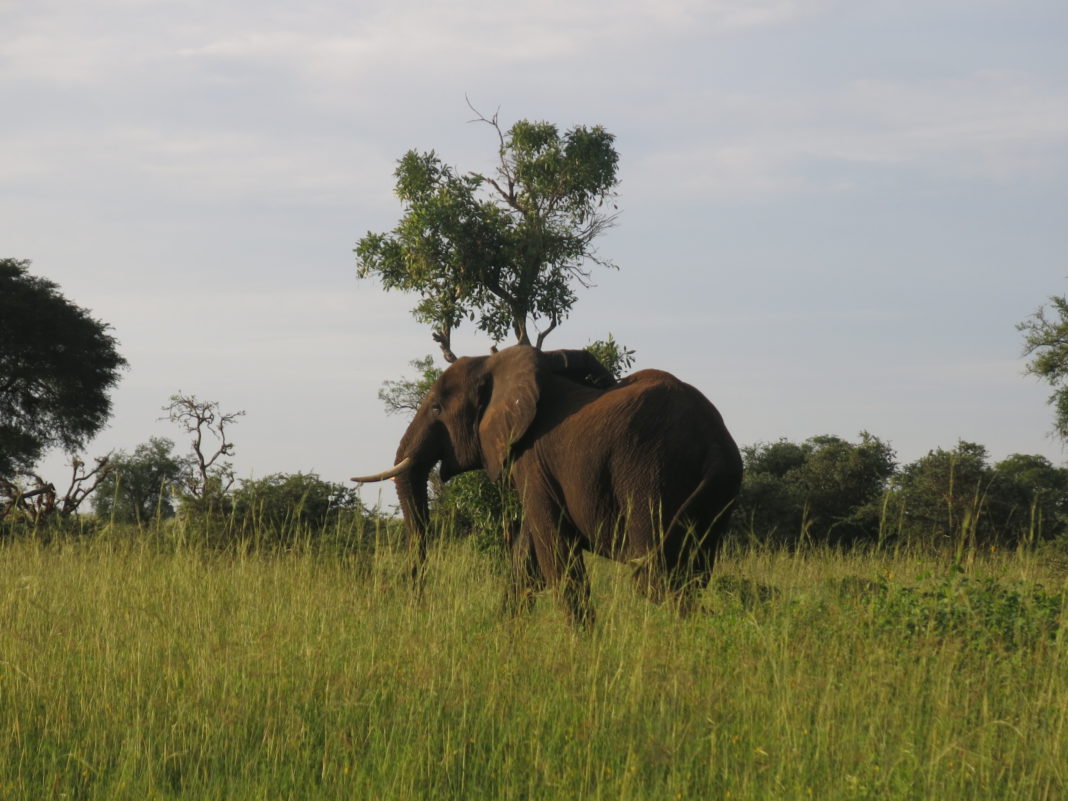
Kigezi Wildlife Reserve, also adjacent to Queen Elizabeth National Park, spreads across open savannah grasslands. It serves as a migratory corridor for elephants, buffaloes, and antelopes moving between different sections of Queen ElizabethPark. Its wildlife diversity is complemented by rich birdlife, making it a hidden gem for birdwatchers. As a national park, Kigezi is expected to draw more investment in game drives, community tourism, and scientific studies. It also plays a crucial role in expanding the Queen Elizabeth landscape, creating a vast conservation block in western Uganda.
Bukaleba National Park
Situated in Mayuge District on the shores of Lake Victoria, Bukaleba Forest Reserve spans nearly 100 square kilometres. This unique ecosystem merges tropical forest with lake shorelines, providing habitats for monkeys, antelopes, reptiles, and diverse birdlife. Its location near Jinja, a tourism hub famous for the Source of the Nile, makes it strategically positioned for eco-tourism. Once a colonial plantation forest, Bukaleba has gradually regenerated into a biodiverse habitat. With its elevation to park status, it promises new opportunities for guided forest walks, birding, and lake-based activities that integrate conservation with community tourism.
Echuya National Park
Echuya, straddling Kisoro and Rubanda districts, is among the most important montane forests in the Albertine Rift. Famous for its extensive bamboo stands, the forest shelters rare bird species such as the Grauer’s Swamp Warbler and a wide range of primates. Its strategic location along the road to Mgahinga and Bwindi makes it an attractive stop for tourists heading for gorilla trekking. Designating Echuya as a national park will provide strong protection for its fragile montane ecosystem and create new tourism circuits, particularly for birding and cultural experiences with the Batwa community who historically lived in the forest.
Kalinzu National Park
Though less publicised, Kalinzu Central Forest Reserve in Bushenyi District is also among the candidates for elevation. Known for its large chimpanzee population, Kalinzu already receives visitors for guided primate tracking. It is also home to colobus monkeys, baboons, and over 300 bird species. Researchers from Japan and elsewhere have long studied chimpanzee behaviour in Kalinzu, giving it an academic reputation. Upgrading it into a national park will strengthen chimpanzee conservation while opening new avenues for eco-tourism infrastructure, scientific collaboration, and forest-based adventure tourism.
Otzi East National Park
Located in Moyo District in the north-west near the South Sudan border, Otzi East Central Forest Reserve is a relatively unknown biodiversity hotspot. The forest harbours elephants, primates, and numerous bird species, acting as a crucial ecological buffer in the region. Given its transboundary position, it could also serve as a link for regional conservation efforts with South Sudan. As a national park, Otzi East would expand Uganda’s conservation footprint into the northern belt, ensuring representation of ecosystems beyond the Albertine Rift and Lake Victoria basin.
Broader Conservation Goals
Together, these six parks- Kyambura, Kigezi, Bukaleba, Echuya, Kalinzu, and Otzi East, reflect Uganda’s determination to scale up protection in diverse ecological regions. From the bamboo forests of Echuya to the lakeside woodland of Bukaleba and the savannah corridors of Kigezi, the additions expand habitat coverage, reduce fragmentation, and secure corridors vital for wildlife migration.
Tourism and Economic Prospects
Uganda’s tourism industry, heavily reliant on nature and wildlife, is set to benefit. Each park offers unique attractions: chimpanzee tracking in Kyambura and Kalinzu, birdwatching in Echuya, boat-based eco-tourism in Bukaleba, savannah game drives in Kigezi, and cultural encounters in Otzi East. The government projects that these parks will diversify Uganda’s tourism, drawing not just gorilla trekkers but also birders, primate enthusiasts, and eco-cultural tourists. Communities around the parks are expected to gain through revenue-sharing schemes, job creation, and sustainable enterprises.
Challenges Ahead
However, the success of these parks depends on addressing pressing challenges. Encroachment, agricultural expansion, and illegal logging remain threats in several of the sites. Effective management will require adequate ranger deployment, community sensitisation, and infrastructural investment. Human–wildlife conflict, especially in areas like Otzi East and Kigezi, must be mitigated through compensation schemes and buffer zones. Partnerships with conservation NGOs and donor agencies will be critical to sustain the parks.
Conclusion
The creation of six new Uganda national parks marks a historic expansion of its protected area network. By diversifying habitats and enhancing legal safeguards, Uganda positions itself as a regional leader in conservation and eco-tourism. From the gorge of Kyambura to the bamboo stands of Echuya and the lakeshore forest of Bukaleba, each park tells a story of resilience, biodiversity, and opportunity. If well managed, these new parks will not only protect Uganda’s natural heritage but also drive economic growth through tourism and community development.