By Mr. Wamutu James,
Public Health Specialist and Executive Director, Uganda Health Developers (UHD)

MBALE, UGANDA – The Bugisu sub-region is grappling with a rising tide of HIV/AIDS cases, particularly among adolescents, young people, and youth, with females disproportionately affected. According to recent statistics, Uganda recorded 38,000 new HIV infections in 2023, with the majority being youths aged 15-24.
Of these new infections, females account for 22,000, highlighting the urgent need for targeted interventions. The national HIV prevalence stands at 5.1%, with 1.5 million people living with HIV in Uganda. While 92% of those living with HIV are aware of their status, and over 90% are receiving ARV therapy, more needs to be done to curb the spread of the disease.

Key drivers of the epidemic in the Bugisu sub-region include early marriage, polygamy, gender inequality, poverty, and cultural silence and stigma. To address these challenges, cultural and faith-based leaders are being urged to take immediate action.
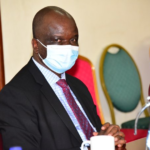
“Our analysis reveals that cultural and faith-based institutions have a pivotal role to play in addressing this issue,” said Mr. Wamutu James, Executive Director, Uganda Health Developers (UHD). “We must work together to promote cultural values that protect women, girls, and young people, advocate for girls’ education and economic empowerment, and integrate comprehensive HIV education into programs.”
Other recommended actions include supporting community-based initiatives, engaging men and boys in HIV prevention and support, and addressing stigma and discrimination.
To achieve these goals, UHD is calling for the establishment of a cultural institution-led HIV/AIDS task force, development of culturally sensitive HIV education materials, engagement of local leaders in advocacy and awareness campaigns, and support for community-based initiatives addressing HIV/AIDS.
“We must unite to address the social and economic drivers of HIV/AIDS, protecting our young people and promoting a culture of life, love, and support,” Mr. Wamutu James emphasized. “Together, we can create a healthier Bugisu sub-region and stem the tide of this epidemic.”