The Government of Uganda is targeting Shs1.7 trillion in additional tax revenue in the 2026/27 financial year through a series of proposed tax policy changes tabled before Parliament.
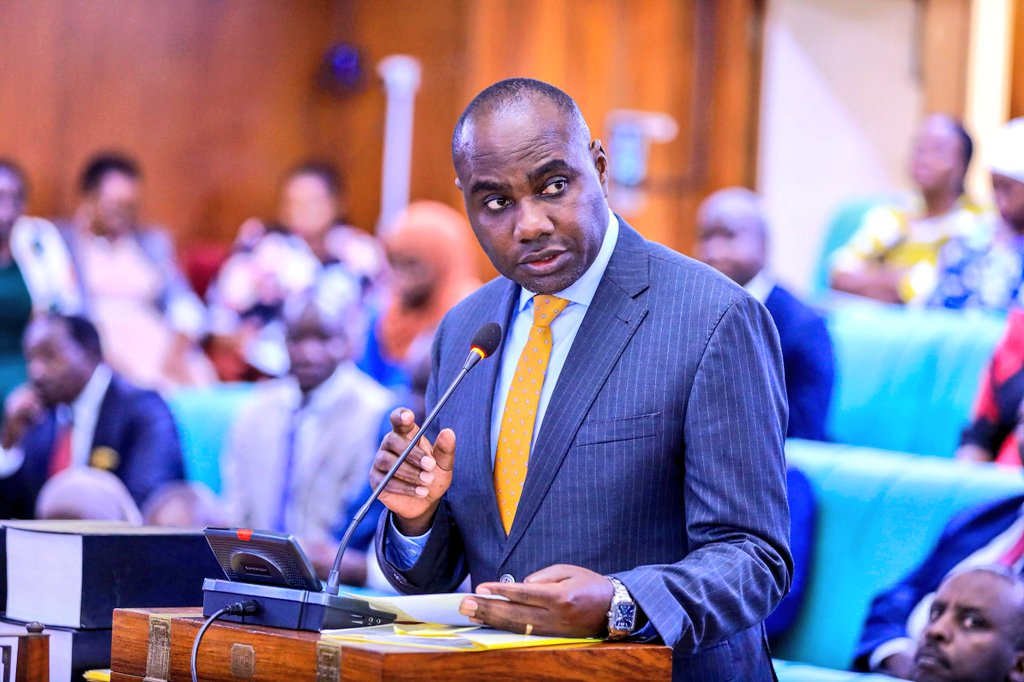
Presenting the tax bills during the plenary on April 1, the Minister of State for General Duties, Henry Musasizi, said the measures are part of the strategy to strengthen domestic revenue mobilisation and reduce reliance on borrowing.

“Government projects to generate Shs1,741 billion in FY 2026/27 from the tax policy proposals contained in the bills and Shs3,164 billion from URA administration measures, contributing to a revenue effort of 15.5 percent of GDP,” Musasizi said.
The proposals were presented to the Finance Committee of the Parliament of Uganda as part of the tax reform agenda for the upcoming financial year.
Musasizi said the new measures are intended to boost compliance and widen the tax base by bringing more individuals and businesses into the formal tax system.

“The Bills are meant to raise revenue, foster compliance and assist URA in its work,” he said.
Key proposals under the Income Tax Amendment include the introduction of a 10 percent withholding tax on commissions paid to data and voice bundle agents, a 6 percent tax on public entertainers, and a 0.5 percent minimum tax for businesses that report losses for more than seven consecutive years.
The government is also proposing to allow landlords to pay rental income tax on a monthly basis, a move aimed at improving compliance in the property sector.
Under Value Added Tax, the threshold is set to increase from Shs150 million to Shs250 million, which is expected to ease the tax burden on small businesses and encourage voluntary compliance.
Significant changes have also been proposed under excise duty, including an increase of Shs200 per litre on petrol and diesel, higher taxes on sugar, cement and cooking oil, and the introduction of new levies on cooking fats and single use plastics.
In addition, the government plans to increase excise duty on certain alcoholic beverages and raise taxes on motorcycles at first registration from Shs200,000 to Shs500,000.
Stamp duty reforms will see land transfer rates rise from 1.5 percent to 3 percent, alongside the introduction of registration fees for motor vehicles and motorcycles.
Musasizi said the tax measures will play a critical role in financing the proposed Shs84.29 trillion national budget for the 2026/27 financial year, which is aligned with the country’s long term development priorities.
“We have also proposed Tax Policy Measures amounting to Shs1.741 trillion to finance the Budget,” he said.
The minister added that the budget is anchored on expanding economic activity through commercial agriculture, industrialisation, digital transformation, and improved market access.
He told lawmakers that the full budget speech will be presented on June 11, 2026.