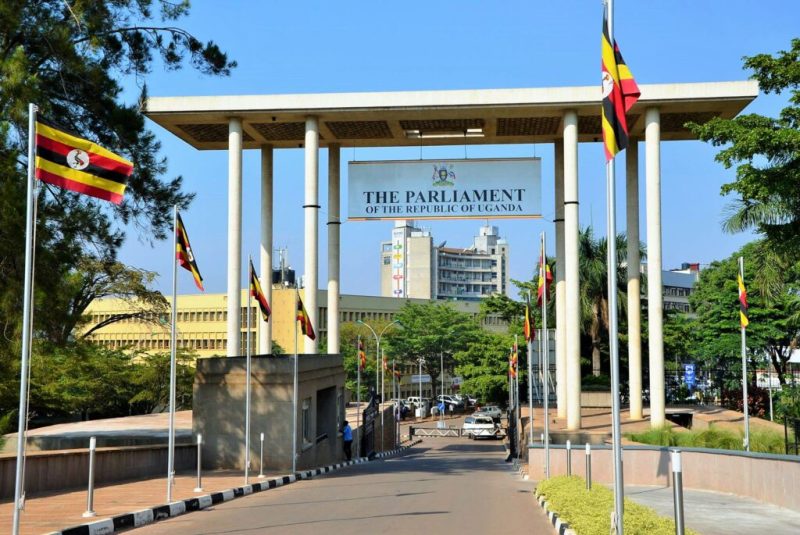

Kampala, Uganda — April 19, 2026
The proposed Sovereignty Bill has come under fresh scrutiny after the banking industry formally raised concerns with the Attorney General, warning that certain provisions could affect financial operations and Uganda’s broader investment climate.
In a letter submitted by the Uganda Bankers Association, industry players caution that parts of the draft legislation may introduce uncertainty in cross-border banking transactions and regulatory compliance for financial institutions operating in Uganda.
The association, which represents commercial banks in the country, argues that while the intent of strengthening national sovereignty is valid, some clauses could unintentionally interfere with established international banking frameworks.
“We support efforts to protect national interests,” the association reportedly stated in its submission. “However, it is important that any legal reforms maintain clarity and do not disrupt the flow of legitimate financial services and investment.”
According to banking sector insiders, the main concern centres on provisions that appear to expand state control over foreign financial interactions and external funding channels. Analysts say such measures, if not carefully refined, could affect correspondent banking relationships that Ugandan financial institutions rely on for international trade and remittances.
A financial policy expert in Kampala noted that the banking sector’s intervention reflects deeper concerns about regulatory predictability. “Investors and international banks value consistency. Any perception of abrupt regulatory shifts can increase the cost of doing business or reduce engagement,” the expert said.
The Sovereignty Bill, which is still under consideration in government discussions, is reportedly aimed at reinforcing national control over strategic economic decisions and reducing external influence in key sectors of the economy.
Supporters of the proposal argue that it is necessary to protect Uganda’s economic independence and ensure that domestic priorities are not undermined by foreign interests. However, critics within the financial sector say that sovereignty objectives must be balanced with the realities of a globally integrated banking system.
The Attorney General’s office has yet to publicly respond to the concerns raised by the Uganda Bankers Association, though consultations with stakeholders are expected to continue before the bill is tabled for further legislative consideration.
As discussions progress, the banking industry’s position is likely to remain influential, particularly in shaping provisions that affect financial regulation, international transactions, and Uganda’s overall investment attractiveness.
Related Posts
 Museveni rejects sugar bill over zoning
President Yoweri Museveni has rejected the Sugar Bill 2016 and asked Parliament to reconsider and…