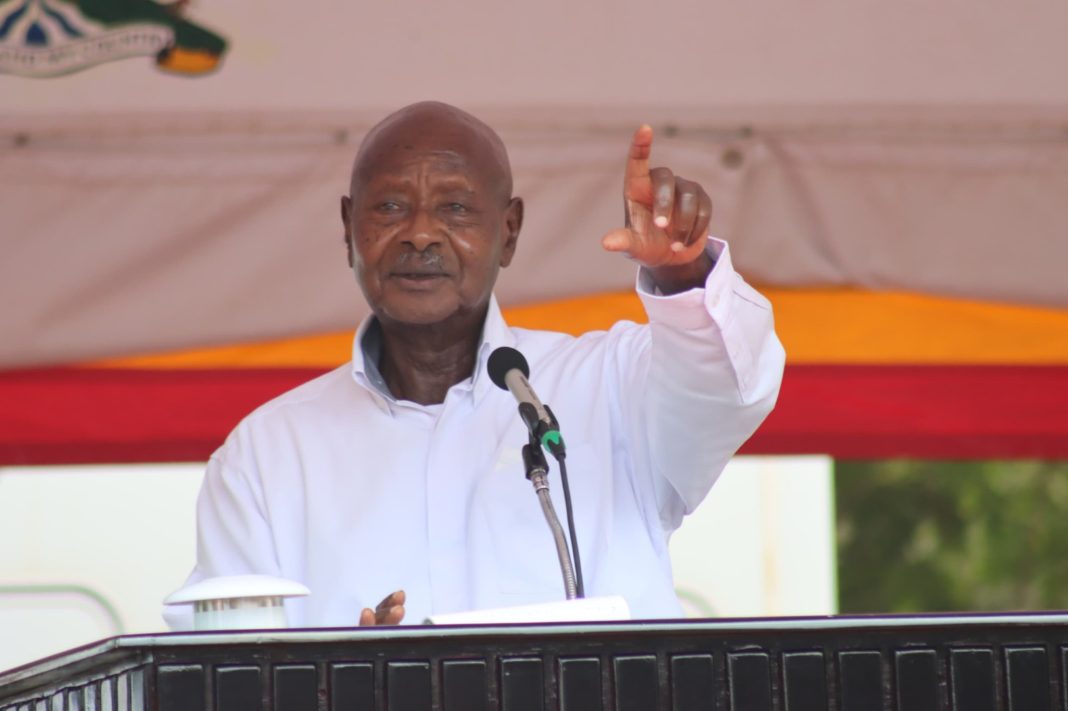
KAMPALA — President Yoweri Museveni has escalated his anti-corruption campaign with a stern warning to ministers and senior government officials, saying he will not hesitate to dismiss those implicated in corruption, inefficiency, or abuse of office as Uganda’s 12th Parliament begins its term.
The President’s remarks, delivered during official engagements marking the opening of Parliament in Kampala, have sparked renewed political debate over accountability in government and the future composition of Cabinet.
Museveni said corruption within the public service has continued to undermine government programs, delay development projects, and weaken service delivery in critical sectors despite repeated interventions.
Firm stance on accountability

In his address, Museveni reiterated that his administration will take a tougher approach going forward, warning that officials who fail to deliver results or engage in corrupt practices will be removed from office without hesitation.
He emphasized that public office is a duty to citizens, not an opportunity for personal enrichment, adding that government performance will now be measured more strictly against development targets and service delivery outcomes.
According to sources within government, the President referred to internal reports and citizen feedback highlighting alleged cases of bribery, procurement irregularities, and delays in implementation of government programs.
Cabinet ministers under scrutiny
The warning has placed Uganda’s Cabinet under heightened scrutiny as performance monitoring and accountability checks are reportedly being intensified.
While Museveni did not publicly identify any individuals, political analysts say the tone of his remarks suggests that Cabinet reshuffles or dismissals could be imminent depending on ongoing evaluations.
Government insiders describe a growing sense of uncertainty among senior officials as pressure increases to demonstrate measurable results in their respective ministries.

Parliament urged to enforce oversight
With the 12th Parliament now officially in session, lawmakers are expected to play a more assertive role in holding the Executive accountable.
Key areas of focus include public procurement systems, budget utilization, and oversight of flagship national development programs.
Analysts note that Parliament’s effectiveness in scrutinizing government performance will be a key factor in determining whether the anti-corruption drive translates into real institutional change.
Divided reactions
The President’s remarks have generated mixed reactions across Uganda’s political and governance landscape.
Supporters have welcomed the strong language, arguing that it reflects a necessary push to improve discipline and efficiency in public service.
However, critics say similar anti-corruption pledges in the past have not always been followed by sustained enforcement, calling instead for stronger independent accountability institutions and systemic reforms.
Civil society groups are expected to respond with renewed calls for transparency, whistleblower protection, and reforms to strengthen anti-corruption agencies.
What lies ahead
As Uganda’s 12th Parliament begins its work, attention is now focused on whether Museveni’s warning will translate into actual dismissals or restructuring within Cabinet and senior government offices.
The coming weeks are expected to be critical in determining whether the renewed anti-corruption stance results in lasting change or remains part of a recurring cycle of political warnings.